
Matsukura is a seven-seat Sapporo counter for Japanese cuisine and seafood, selected for Tabelog 100 Japanese Cuisine EAST 2025. Its appeal sits in Hokkaido’s fish-first dining culture: a compact, reservation-only format, sake-minded drinking, and a serious price tier that places it far from casual Susukino eating.
Pearl is the En Primeur Club membership app — saves, bookings, and concierge access live there. Same editors, same standards.
- Address
- Japan, 〒064-0807 Hokkaido, Sapporo, Chuo Ward, Minami 7 Jonishi, 3 LC2番館 B1F
- Phone
- +81 11-518-2103
- Website
- matsukura-sapporo.com
 Saves & bookings on Pearl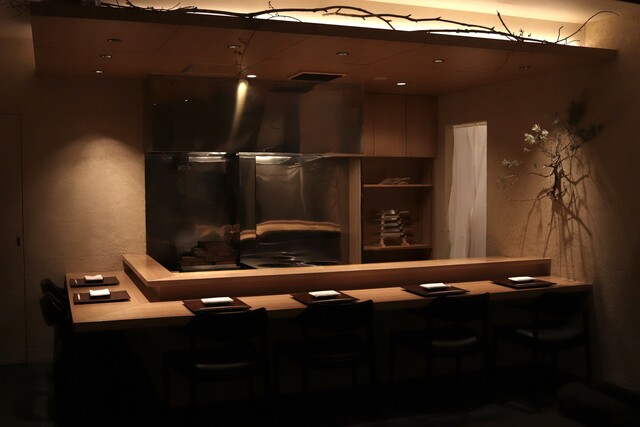
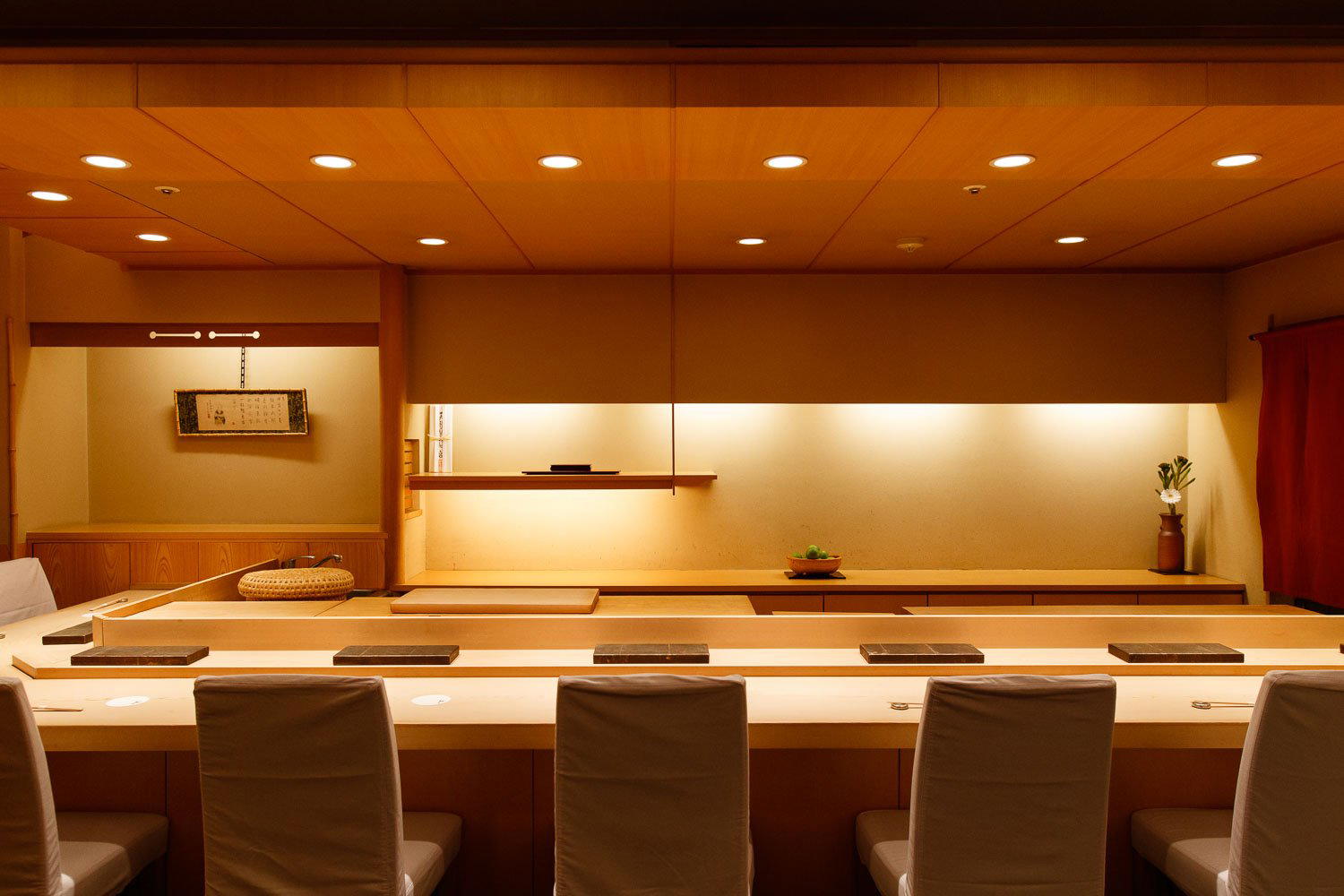
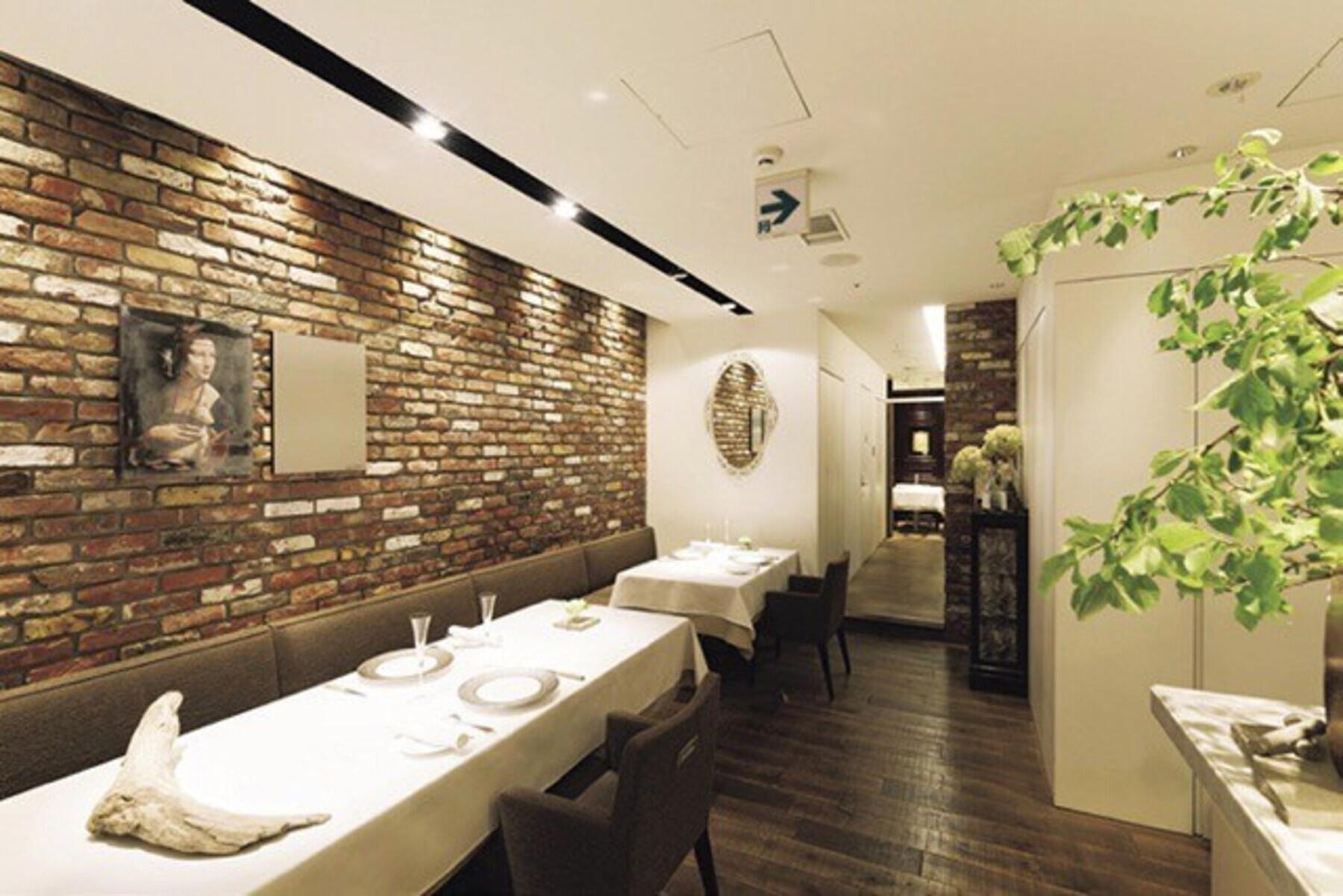
Below street level in Chuo Ward, the mood changes from Sapporo’s late-night brightness to the tighter grammar of a counter meal: fewer seats, closer sightlines, and a room built around sequence rather than spectacle. This is the side of Sapporo dining that has little in common with ramen queues or beer-hall abundance. It belongs to the city’s quieter tradition of fish-led Japanese cuisine, where Hokkaido’s waters shape the meal before any chef biography needs to enter the conversation.
Matsukura sits in that serious register. The public signals are clear: seven counter seats, Japanese cuisine and seafood as the operating categories, a Tabelog score of 3.90, and selection for Tabelog 100 Japanese Cuisine EAST 2025. Those facts matter because Sapporo is often read too narrowly by visitors, as if the city’s dining identity begins with miso ramen and ends with crab. The stronger reading is broader. Hokkaido supplies much of Japan with dairy, grain, shellfish, salmon, sea urchin, scallop, and cold-water fish; Sapporo translates that abundance into multiple dining languages, from curry shops and noodle counters to formal washoku rooms.
A fish-first counter in a city too often reduced to ramen
Japanese cuisine in Hokkaido has a different centre of gravity from Kyoto kaiseki or Tokyo kappo. The northern table carries more visible contact with the market and the season, less dependence on courtly reference points, and a direct relationship with cold seas. At a small counter, that context becomes sharper. The format compresses the room, the pacing, and the diner’s attention, which is why seven seats can say more about intent than a long menu description ever could.
The category listing, Japanese Cuisine and Seafood, is not decorative here. In Sapporo, seafood can be casual, ceremonial, or technical; the distinction comes from how the restaurant controls pace and proportion. Matsukura’s place in the Tabelog 100 Japanese Cuisine EAST 2025 list puts it within a national conversation about regional Japanese dining rather than merely a local Susukino address. That is the useful frame: not novelty, but Hokkaido produce handled through a compact Japanese format.
There is a useful contrast within the city. Tempura Araki and 天ぷら あら木 represent the ingredient-by-ingredient theatre of tempura, while Hidetaka belongs to Sapporo’s more rarefied counter culture. At the opposite end of the price and format spectrum, Menya Yukikaze Susukino ten works in the city’s quick, late-night noodle register, and Gyoza Suguruya sits closer to everyday drinking food. Matsukura occupies a narrower lane: fewer seats, higher spend, and a meal structure built for attention rather than turnover.
Hokkaido washoku, measured against Sapporo's broader appetite
Sapporo rewards diners who understand range. A serious itinerary can move from soup curry to French bread, from izakaya seafood to formal Japanese counters, without treating one category as more authentically local than another. The city’s dining culture was built through frontier agriculture, port-city distribution, postwar drinking districts, and a climate that makes warmth and richness part of the local palate. That is why a refined seafood counter reads differently here than it would in Ginza: it is closer to the source, and the expectation is less about imported luxury than disciplined handling of regional ingredients.
The sake program is another clue to the room’s orientation. Nihonshu, shochu, and wine are all listed, with particular attention to sake. In a fish-led Japanese meal, sake is not a prestige accessory; it is the beverage tradition most closely tied to temperature, salinity, fat, and umami. Hokkaido’s colder climate also changes the emotional register of drinking. A small counter with sake service in Sapporo carries a different charge in February than in June, even when the restaurant’s core format remains steady.
This is also where visitor expectations need adjusting. Susukino is easy to read as entertainment district first: neon, bars, ramen, and post-dinner movement. Yet the area also supports specialist counters that operate with the discipline associated with larger Japanese dining capitals. The basement setting and limited capacity reinforce that split personality. Sapporo can be casual at one doorway and exacting at the next.
How to place it in a Sapporo itinerary
The decision to come here should be tied to the kind of Sapporo trip being planned. For a broad survey of the city, balance a counter meal with humbler formats: tantanmen at 175°DENO Tantanmen Sapporo kitaguchi ten, curry at [Curry Senmon Ten] Maruyama Kyoju., bread and pastry at Aigues Vives, and Indo-curry traditions at Ajanta Indo Curry Ten or Ajanta Sohonke. That spread gives the counter meal stronger context: it becomes one expression of Hokkaido appetite, not the entire story.
For planning beyond dinner, use Our full Sapporo restaurants guide, Our full Sapporo hotels guide, Our full Sapporo bars guide, Our full Sapporo wineries guide, and Our full Sapporo experiences guide. Travellers building a wider Japan dining route can compare regional formats with -Grilled beef Sukiyaki- KAMAKURA TANUKIAN 鎌倉 たぬき庵 in Kamakura. 鮪と炭火焼き うお炭 秋葉原店 in Tokyo.cafe in Osaka.know in Kumamoto, (Shoku) Vietnam in Kawasaki, [ki:] in Kyoto, Jōdo Saké Bar in Los Angeles, and Onigiri Time in Pasadena.
The editorial case is simple: this is a small, serious Sapporo counter that makes the city’s northern seafood culture legible through Japanese cuisine rather than volume or theatricality. The Tabelog 100 selection gives it a public benchmark; the seven-seat format gives it pressure; the fish-led identity gives it place. For diners who already understand Sapporo as more than a ramen capital, Matsukura fits the city with precision.
Booking and Cost Snapshot
Comparable options at the same price tier.
| Venue | Cuisine | Price | Notes |
|---|---|---|---|
| MatsukuraThis venue — the venue you are viewing | Not listed | $$$ | Not listed |
| TOMOSHIBI | Not listed | $$$ | Chūō, Innovative Hokkaido Kaiseki with Japanese–Western Fusion |
| Gyu no Ishizaki | Chūō, Wagyu sukiyaki & shabu-shabu | $$$ | Not listed |
| Sanko Sha | Not listed | $$$ | Chūō, Traditional sukiyaki, shabu-shabu and steak |
| Sushi Dokoro Ichii | Chūō, Seasonal Hokkaido Sushi Counter | $$$ | Not listed |
| 日本料理 潤花 | Chūō, Traditional Japanese Kaiseki | $$$ | Not listed |
Recognition history
Dated appearances from independent guides and award organizations, with the underlying list record or original source where available.
Tabelog 100 #77 · No. 77
Tabelog · Tabelog 100 - Japanese cuisine - EAST - 2025
At a Glance
- Intimate
- Sophisticated
- Elegant
- Quiet
- Special Occasion
- Date Night
- Business Dinner
- Celebration
- Chefs Counter
- Standalone
- Sake Program
- Local Sourcing
Intimate and refined, with a quiet, reservation-only atmosphere focused on a polished course meal rather than casual dining.