On Ishigaki Island, Kitauchi Bokujou sits within a cattle-farming tradition that the island has built its culinary reputation on. The restaurant draws directly from Ishigaki beef, one of Japan's most decorated wagyu bloodlines, placing it in a category defined less by formal dining codes than by proximity to source. For visitors tracking provenance from pasture to plate, this is a reference point in the island's food story.
Pearl is the En Primeur Club membership app — saves, bookings, and concierge access live there. Same editors, same standards.
- Address
- Ishigaki, Japan
- Directions
- Get directions
 Saves & bookings on Pearl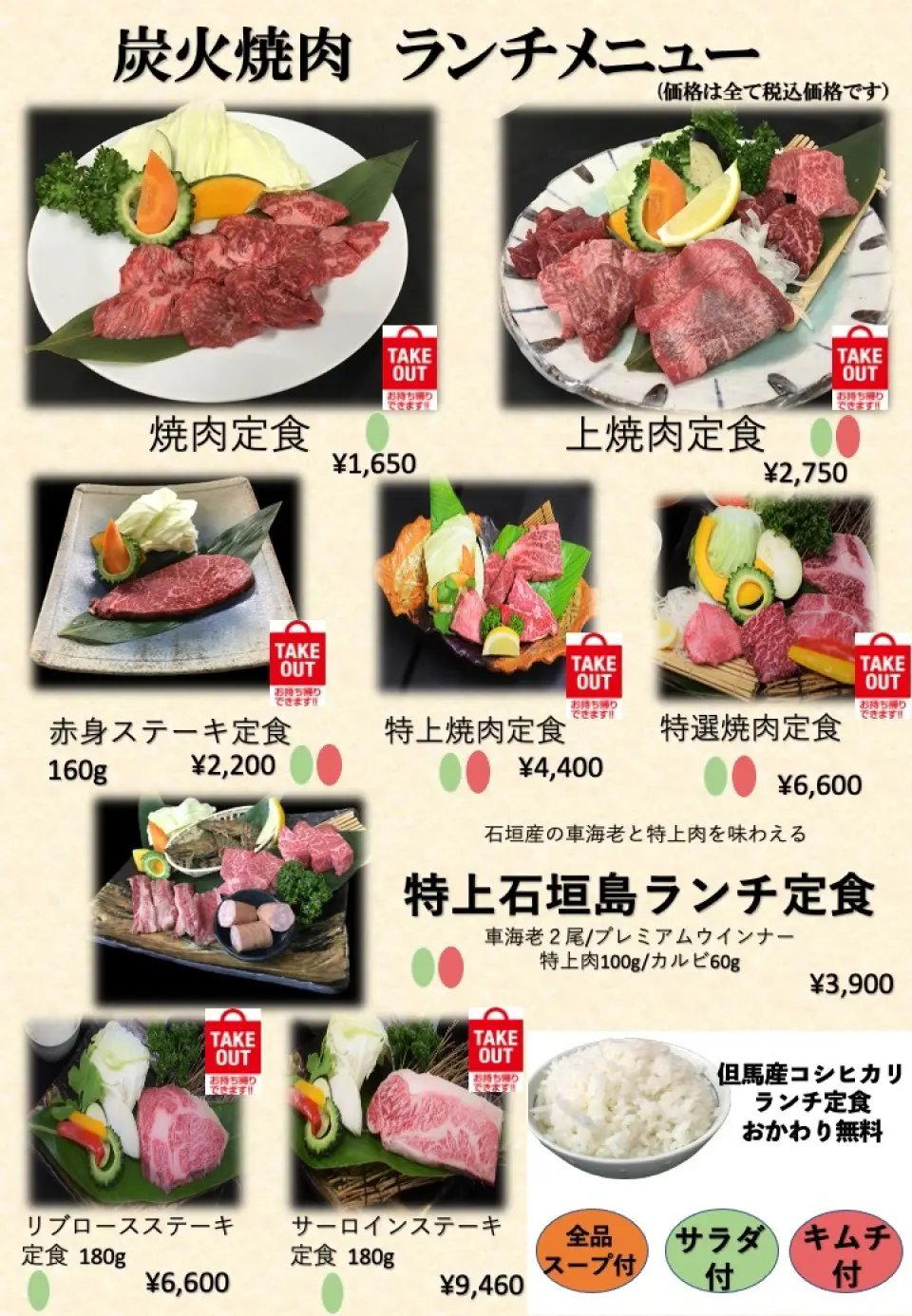
Where the Pasture Meets the Plate on Ishigaki Island
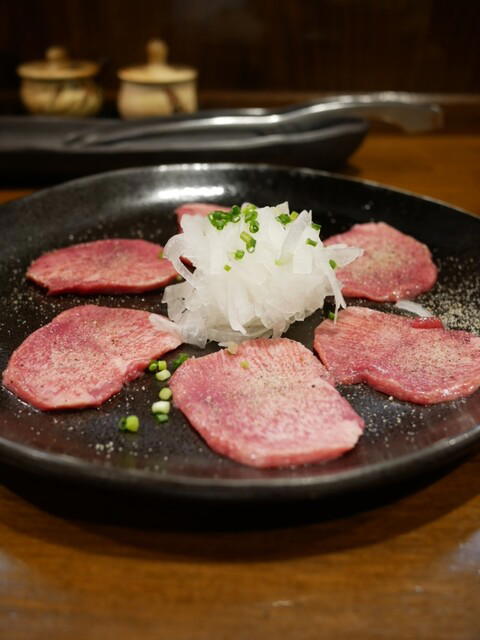
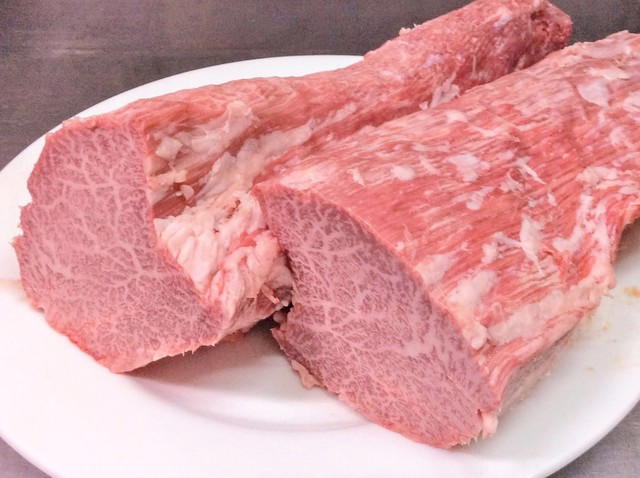
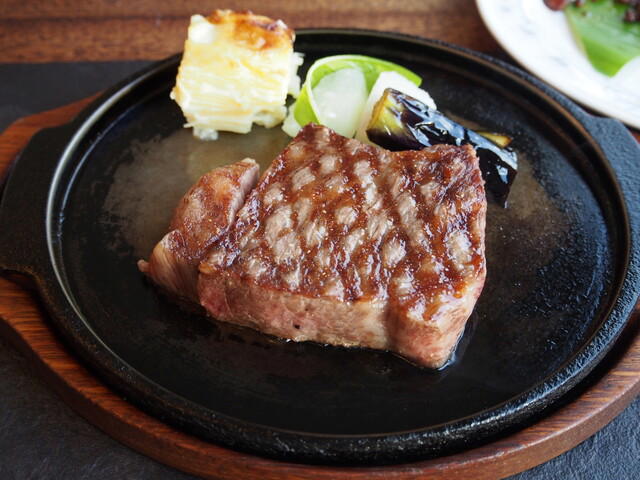
Ishigaki Jima Kitauchi Bokujou is a restaurant on Ishigaki Island serving Ishigaki Wagyu Yakiniku, with reservations recommended and an average spend of about US$70 per person. The Yaeyama archipelago's largest island sits at the subtropical southern edge of Okinawa Prefecture, and its warm climate, open grazing land, and particular cattle-raising methods have produced a beef lineage with consistent recognition on the Japanese mainland. Ishigaki beef, the name refers to a specific bloodline standard, not just a regional label, has appeared repeatedly in competitions that typically favour Kobe and Matsusaka. That competitive footing shapes how local restaurants position themselves, and Ishigaki Jima Kitauchi Bokujou operates within that frame.
The name itself signals something important about the sourcing model here. "Bokujou" translates directly to ranch or farm, and that direct connection between land and kitchen is the organising logic of what this restaurant does.
The Ishigaki Beef Tradition in Context
Japan's premium beef sector operates through a combination of regional designation, bloodline certification, and processing standards that have no precise equivalent in Western cattle culture. Kobe and Matsusaka dominate international recognition, but Ishigaki occupies a different and more interesting position in that hierarchy. Many of the prized cattle raised in Kobe's hinterland trace their genetic lineage back through Okinawan stock, and Ishigaki cattle have historically fed into that chain. The island was for decades a calf-producing region whose animals were fattened elsewhere and sold under mainland prefectural labels. The deliberate shift toward keeping cattle local, fattening them on-island, and selling under the Ishigaki beef designation represents a structural change in how the island's ranching community thinks about value. Kitauchi Bokujou sits at that intersection.
Farm-to-table dining in Japan tends to be more literal than the term's recent overuse in Western contexts implies. The relationship between a specific ranch and the restaurant that serves its product is not a marketing partnership, it is often a family arrangement or a long-standing direct supply chain with traceability built into the process. That specificity is worth understanding before you visit, because it changes the frame through which the meal makes sense. You are eating through a supply logic, not a menu logic. The cattle have names, or at least identification numbers, in a system that allows Japan's domestic beef traceability framework to trace any individual piece of beef back to the animal it came from. That bureaucratic precision underlies the eating experience here even if it is invisible to the casual diner.
Eating Well on an Island with Limited Seats and Fewer Options
Ishigaki's restaurant scene is smaller than its culinary reputation suggests. The island draws serious food travellers, but the total number of restaurants operating at any meaningful standard of sourcing or technique is compact enough that each one occupies a distinct niche. The local food landscape covers everything from casual Okinawan shokudou to teppanyaki formats that showcase Ishigaki beef over a hot plate, Akaishi Shokudou represents the former tradition, with the kind of cooking that maps to local everyday eating patterns. Amuritano-niwa sits in a different register, and lighter options like Hau Tree Gelato and Mirumiru Honpo Honten anchor the island's casual end. Nakayoshi Shokudou fills the neighbourhood-dining slot with dependable Okinawan fundamentals.
Within that spread, a ranch-rooted beef restaurant holds a specific position: it is the place where the island's primary agricultural identity becomes a meal. That is not common across Japan's many beef regions, most of which process cattle through centralised slaughter and distribution before the product reaches restaurant kitchens in distant cities. The compactness of Ishigaki's geography makes the connection between pasture and kitchen short in a way that the Tokyo beef scene, however sophisticated, cannot replicate. Operations like Harutaka in Tokyo or Gion Sasaki in Kyoto operate with entirely different sourcing logic, one built on selecting and importing the country's leading certified products from multiple prefectures. Here the supply chain is a short drive.
Planning the Visit: Practical Bearing Points
Ishigaki is accessible by direct flight from Tokyo (Haneda or Narita), Osaka, and several other Japanese hub cities, with journey times typically ranging from two-and-a-half to three hours. The island's restaurant scene is concentrated in and around Ishigaki City, the administrative centre, though agricultural operations like ranches are distributed across the island's broader terrain. For those building an itinerary around food specifically, the island rewards a minimum of two nights: one to explore the more casual shokudou tradition, and one to spend serious time with the beef-focused options.
Ishigaki's farm-rooted dining places the sourcing story ahead of formal technique, which appeals to a different kind of food traveller, one less interested in chef-led narrative and more interested in what the land itself produces. Those are not competing values; they are different entry points into Japan's food culture.
Comparison Snapshot
Comparable venues nearby, for context on price, style, and recognition.
| Venue | Cuisine | Price | Notes |
|---|---|---|---|
| Ishigaki Jima Kitauchi BokujouThis venue — the venue you are viewing | Ishigaki Wagyu Yakiniku | $$$ | Not listed |
| 石垣島きたうち牧場 浜崎町本店 | Ishigaki Premium Yakiniku | $$$ | Hamasaki |
| Nakayoshi Shokudou | Okinawan Cuisine | $$ | Shine-cho |
| Nakayoshi Shokudo (なかよし食堂) | Okinawan Yaeyama Soba | $$ | Shin-eicho |
| Shunya Ban Chan | Island Japanese set meals & breakfast | $$ | Shiraho |
| Steak Restaurant Papoiya | Ishigaki Beef Steakhouse | $$$ | Okawa |
At a Glance
- Rustic
- Cozy
- Family
- Celebration
- Open Kitchen
- Sake Program
- Local Sourcing