
A compact Akasaka sushi counter with 12 seats, course-only service, and selection in Tabelog 100 Sushi WEST 2025 and 2022. The draw is Fukuoka’s Kyushu-facing sushi culture: local fish, a focused counter format, and a drinks list that reaches across sake, shochu, and wine without turning dinner into theatre.
Pearl is the En Primeur Club membership app — saves, bookings, and concierge access live there. Same editors, same standards.
- Address
- 福岡県福岡市中央区赤坂1-2-6 パインマンション 1F
- Phone
- +81927145656
- Website
- tabelog.com
 Saves & bookings on Pearl
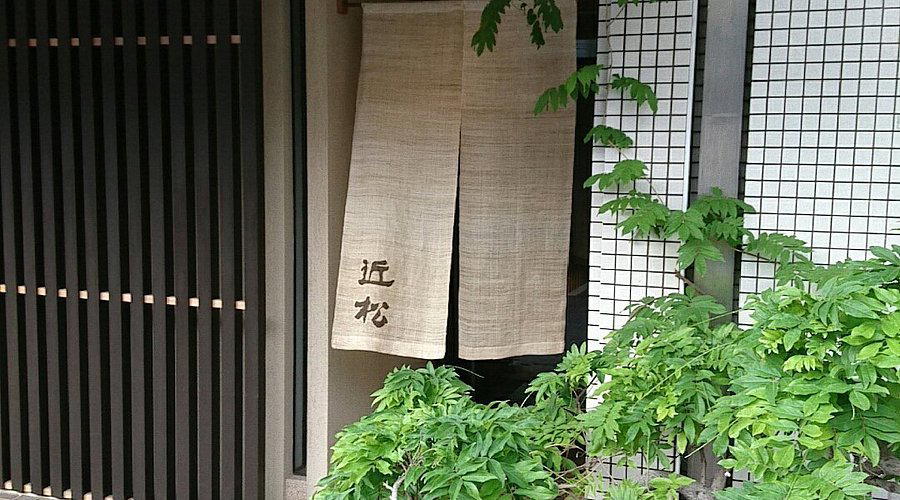
Akasaka’s dining rhythm is quieter than Fukuoka’s station-side rush: lower buildings, neighborhood traffic, and doorways that ask guests to slow down before the counter begins. Here, Sushi Dokoro Ishibashi belongs to a Fukuoka tradition where sushi is not Tokyo cosplay but a Kyushu conversation, shaped by nearby waters, local appetite, and compact rooms where the work stays in full view.
Visitors often reduce Fukuoka to ramen, missing how serious the city is about fish. Its sushi tier is smaller and less internationally mythologized than Ginza, but Kyushu’s coastline gives chefs broad seafood access, and the city rewards directness over ceremony. Sushi Dokoro Ishibashi sits in that lane, with a course-only format and selection for Tabelog 100 Sushi WEST in 2025 and 2022, a meaningful signal in western Japan’s sushi conversation.
A Kyushu sushi counter built around restraint, not spectacle
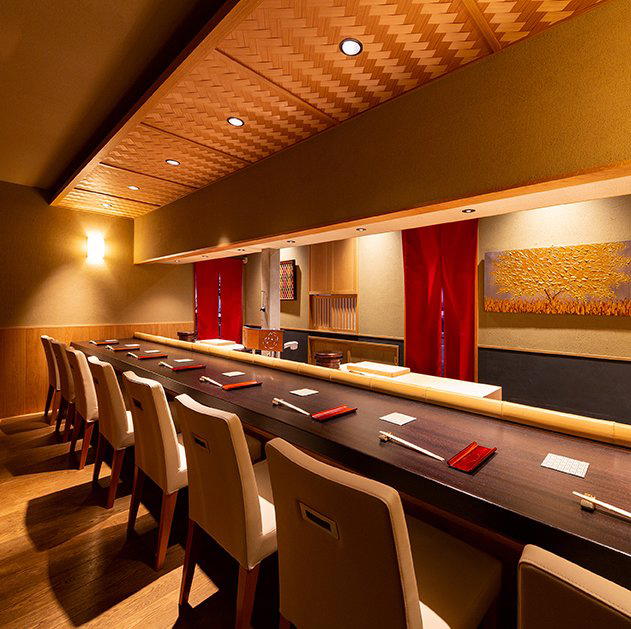
Read this room through format. Twelve seats total, including eight at the counter and a four-seat private room, put emphasis on pacing, knife work, rice, and the adjustments that define sushi. Counter sushi at this scale needs no grand narrative. It needs control: quiet enough to notice sequence, temperature, and tempo, with service tight enough for the course to move without drift.
The cuisine signal is narrow by design. The house is categorized as sushi, notes a focus on fish, and works with seasonal Kyushu ingredients. That matters because Fukuoka’s sushi identity differs from the capital’s prestige economy. Tokyo’s high-end counters often price against reputation, lineage, and scarcity; Fukuoka’s stronger counters justify themselves through ingredient access and value in a city where excellent casual food sits nearby. In the same city, Oryori Uchiyama occupies a higher Japanese-dining tier at JPY 10,000 to JPY 14,999, Akasaka Komikan sits in a mid-evening bracket at JPY 6,000 to JPY 7,999, and Sabatarou works at JPY 3,000 to JPY 3,999. Sushi Dokoro Ishibashi belongs to a more deliberate sushi bracket, where counter format, awards recognition, and course structure separate it from everyday dining.
The drinks position also speaks to Fukuoka’s current dining style. Sake and shochu are expected in Kyushu; wine points to broader pairing culture without dislodging the Japanese frame. Shochu can sit naturally beside local seafood, while sake carries the meal’s classical line. The result is not label collecting but matching a compact course with a beverage program that acknowledges regional habit and contemporary counter dining.
How it fits into Fukuoka's serious but understated dining scene
Fukuoka’s appeal is density. A visitor can move from curry, udon, fried fish, izakaya cooking, and sushi without crossing the city for a formal dining district. That proximity keeps luxury honest. The city does not require every refined meal to announce itself loudly, which gives a small Akasaka sushi counter meaning: it offers a controlled version of local fish culture, not detached fine-dining performance.
For a broader sense of how the city eats, compare the range across 106 South Indian Fukuoka tenjin ten, Afterglow, Aji Dokoro Taro Gen Sougyou ten, Aji Furai Shokudo Kaba, and Aji no Katsueda. These addresses show why Fukuoka resists a single dining identity. South Indian cooking, curry, fried fish, and local Japanese counters operate in a city that rewards specialization. The restaurant’s position is clear in that context: not a general-purpose celebratory restaurant, but a focused counter for diners who want Fukuoka’s seafood vocabulary in a controlled setting.
The 2014 opening date gives it history without heritage rhetoric. More relevant is repeated Tabelog 100 Sushi WEST selection, placing the restaurant inside a western Japan sushi cohort, not just a local recommendation circuit. The Tabelog score of 3.77 also matters in Japan’s review culture, where higher numbers are harder won than many international visitors expect. Together, the recognition and room size point to established local credibility and limited capacity, not a broad-access sushi stop.
Planning the meal around the counter, not the checklist
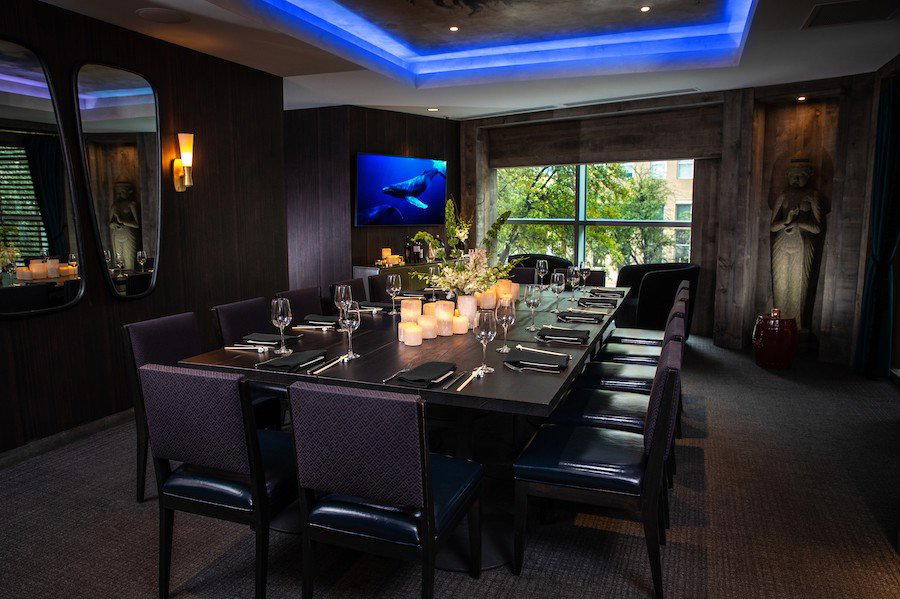
The editorial case is strongest for travelers who know Fukuoka’s pleasure lies in specificity. A compact sushi counter asks for attention and rewards guests comfortable with a set course rather than à la carte ordering. Families and business diners have a practical route through the private room, while solo diners and pairs will understand the counter more directly. The children policy is unusually accommodating for this category, with private-room options and advance meal arrangements, but the meal remains course-based rather than casual.
Payment and reservation rules should shape expectations before dining, especially at lunch, where cash-only terms apply to the listed course. Cancellation terms are firm, typical of small Japanese counters that buy and prepare against exact bookings. Treat the reservation as a fixed dining appointment, not a flexible slot between sightseeing plans.
For wider Fukuoka planning, the city pages are useful context rather than substitutes for a focused booking: Our full Fukuoka restaurants guide, Our full Fukuoka hotels guide, Our full Fukuoka bars guide, Our full Fukuoka wineries guide, and Our full Fukuoka experiences guide. Readers building a longer Japan itinerary can map contrasts through -Grilled beef Sukiyaki- KAMAKURA TANUKIAN 鎌倉 たぬき庵 in Kamakura. 鮪と炭火焼き うお炭 秋葉原店 in Tokyo.cafe in Osaka.know in Kumamoto, (Shoku) Vietnam in Kawasaki, [Curry Senmon Ten] Maruyama Kyoju. in Sapporo, Jōdo Saké Bar in Los Angeles, and Onigiri Time in Pasadena.
The clean recommendation: choose the restaurant when the priority is a compact Fukuoka sushi meal with recognized western Japan standing, local fish emphasis, and a room built for concentration. Diners seeking breadth, walk-in flexibility, or a casual children’s meal will find easier options elsewhere. Diners seeking a disciplined Kyushu sushi counter have a stronger reason to make the reservation hold.
Side-by-Side Snapshot
Side-by-side context: comparable cuisine and price.
| Venue | Cuisine | Price | Notes |
|---|---|---|---|
| Sushi Dokoro IshibashiThis venue — the venue you are viewing | Seasonal Kyushu Omakase Sushi | $$$$ | Not listed |
| Sushi Gosuian | Edomae Sushi Omakase | $$$$ | Chūō |
| Sushi Soejima | Seasonal Kyushu Sushi Omakase | $$$$ | Hakata |
| Yakiniku Sudou Haruyoshi | Premium Yakiniku Omakase | $$$$ | Chūō |
| Narayamachi Ao | Modern Japanese Omakase with French Infusion | $$$$ | Hakata |
| Sushi to Amakusa Daio Amane | Omakase Sushi & Amakusa Daio Chicken | $$$ | Chūō |
Recognition history
Dated appearances from independent guides and award organizations, with the underlying list record or original source where available.
Tabelog 100 #97 · No. 97
Tabelog · Tabelog 100 - Sushi - WEST - 2025
At a Glance
- Cozy
- Intimate
- Sophisticated
- Special Occasion
- Business Dinner
- Date Night
- Celebration
- Solo
- Chefs Counter
- Private Dining
- Standalone
- Sake Program
- Beer Program
- Extensive Wine List
- Local Sourcing
- Sustainable Seafood
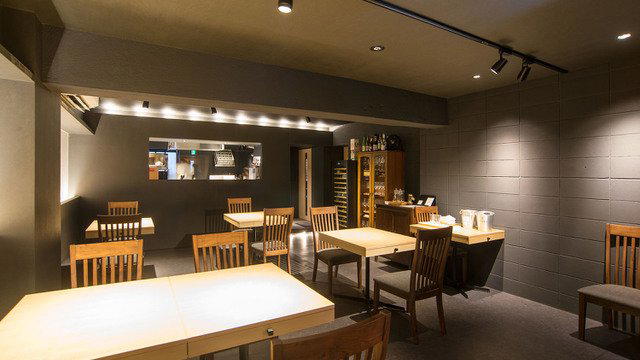
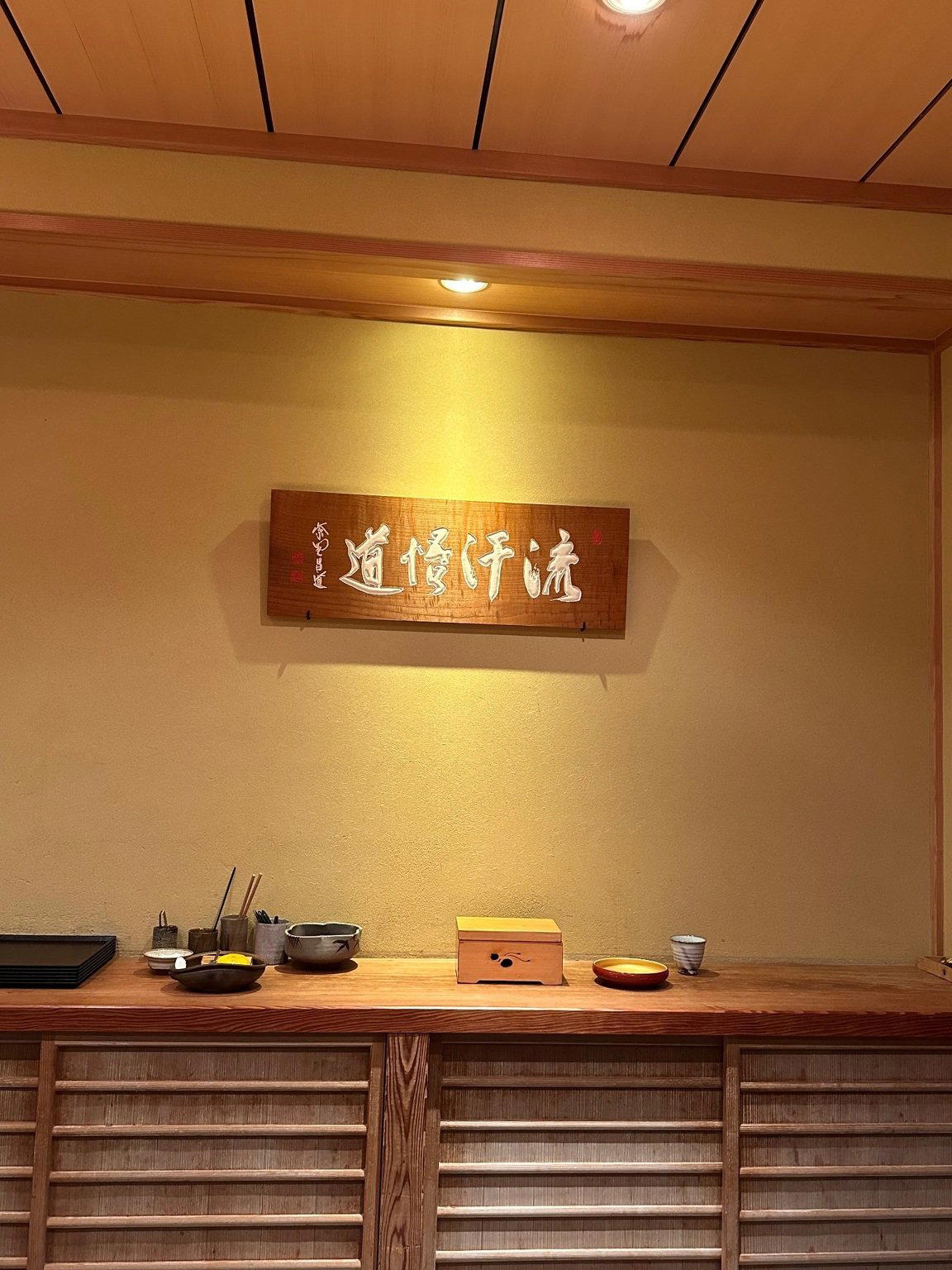
A small, calming counter-focused space that feels like a hidden neighborhood gem: softly lit, relaxed yet polished, with close interaction between the chef and guests suitable for business dinners and special occasions.