
Tabelog 100 #50
Our verdict
Situated in Nagoya's Nishi Ward along the historic Shikemichi alley, シケミチレストラン マツウラ occupies a dining scene defined by merchant-era streetscapes and neighbourhood-scale restaurants. The address places it within a compact radius of Nagoya Castle, where the surrounding streets carry an older urban grain than the city's commercial core. Booking details and current hours are best confirmed directly before visiting.

Pearl is the En Primeur Club membership app, where members save venues, book tables and use the concierge.
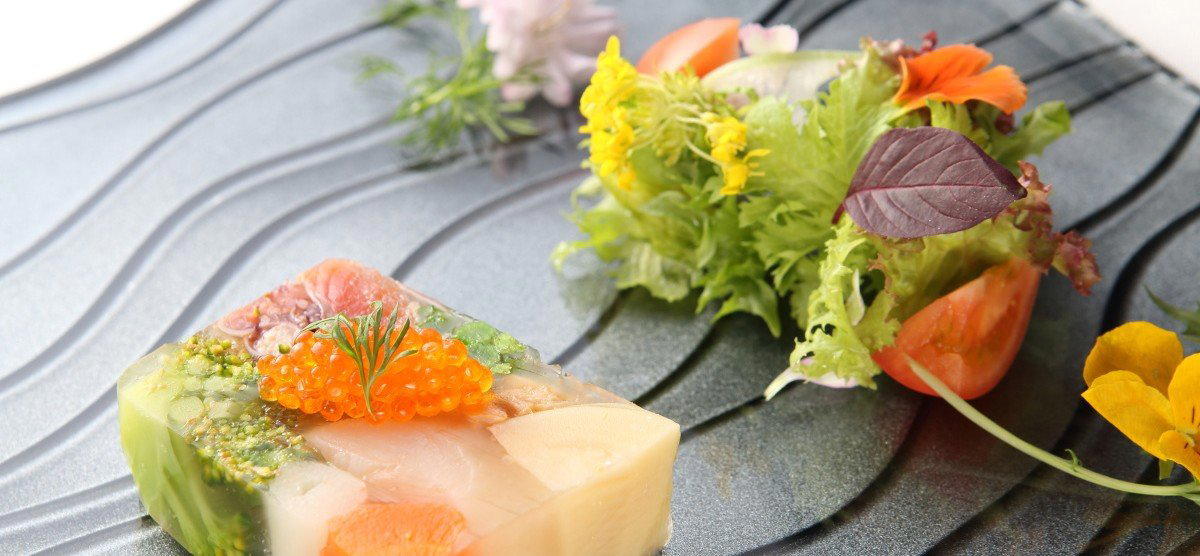
Shikemichi's Older Urban Grain
Not every significant dining address in Japan announces itself through a glass tower lobby or a hotel corridor. Some of the most considered restaurants in the country occupy buildings that feel as though they were already old when the neighbourhood was new. The Shikemichi district of Nishi Ward in Nagoya is that kind of place. The name translates loosely to "narrow street" or "alley road," and the area around 1 Chome Nagono has preserved a merchant-town atmosphere that most of central Nagoya shed during postwar reconstruction. The streetscape here is low-rise, the facades aged in a way that feels earned rather than curated, and the pace of foot traffic is calibrated to residents rather than tourists.
シケミチレストラン マツウラ sits within this context at 1 Chome-36-36 Nagono. Before the food becomes the subject, the address itself does editorial work: it positions the restaurant inside a neighbourhood that has a distinct identity relative to Nagoya's commercial dining clusters further south toward Sakae and Fushimi. Visitors arriving from central Nagoya will notice the shift in urban texture well before they reach the door. For context on how this fits within Nagoya's broader restaurant geography, our full Nagoya restaurants guide maps the city's dining zones in detail.
Where Nagoya Fits in Japan's Restaurant Conversation
Japan's regional dining scene has expanded considerably in critical attention over the past decade. Cities that once existed in Tokyo's shadow now hold their own competitive sets across multiple cuisine categories. Kyoto has long maintained a reputation for kaiseki formalism, with venues like Gion Sasaki in Kyoto operating at the upper tier of that tradition. Osaka has developed a pluralist food culture that accommodates both precision-driven French (as at HAJIME in Osaka) and deeply local kushikatsu and okonomiyaki traditions. Fukuoka has built a reputation for ramen and street-format eating at an intensity that has drawn international food media, with restaurants like Goh in Fukuoka representing the city's more formal register.
Nagoya occupies a different position. It is Japan's fourth-largest city by population and one of its most important manufacturing economies, but its food culture has historically been underwritten by a distinct local palate rather than by aspirations to national critical prestige. Nagoya-meshi, the city's collective term for its characteristic dishes, runs toward intensely flavoured preparations: red miso on everything from tonkatsu to oden, sweet-soy-glazed chicken wings, and thick kishimen noodles. The comparison with Kyoto's restrained umami or Tokyo's precision-led omakase culture is instructive because it frames what Nagoya's restaurant scene is working with and against. Nagoya's own dining tradition gives restaurants here a different kind of gravity to either absorb or push back against.
Within Nagoya, the restaurant comparison set includes venues like Atsuta Horaiken (あつた蓬莱軒 本店), which is the most documented address in the city for hitsumabushi (grilled eel over rice, served in a specific three-stage format), and Italian-register operations such as Bacio, cucina Wada, and the hybrid-format Cucina Italiana Gallura. French-leaning rooms like Chez Kobe complete a picture of a city with more formal dining range than its outside reputation suggests. Against that background, a neighbourhood restaurant in Shikemichi occupies a particular position: proximate to the castle district, removed from the dense commercial clusters, and embedded in a street context that implies a local clientele rather than a tourist one.
The Sensory Register of Shikemichi
Approaching a restaurant along Shikemichi is a different experience from approaching one along a department-store basement corridor or a hotel concourse. The sensory cues are exterior before they are interior: the sound of the street is quieter than in Sakae, the light is filtered differently through low rooflines, and the visual register of weathered timber and plaster walls creates an anticipatory frame that few designed restaurant interiors can fully replicate. In restaurant terms, the neighbourhood itself acts as a first course.
This is a pattern that recurs across Japan in areas where older urban fabric has survived. The approach to a restaurant in a machiya townhouse in Kyoto, or along a narrow lane in Kanazawa's Higashi Chaya district, or in the preserved merchant quarters of cities like Nanao (where 一本木 石川製 represents the local fine-dining register) shares this quality: the building and the street do atmospheric preparation work before the door opens. Shikemichi in Nishi Ward carries that same logic, which makes the restaurant addresses along it categorically different in experience from those in the city's glass-and-concrete zones, regardless of what is served inside.
Beyond Japan, this relationship between neighbourhood grain and dining experience has parallels in cities where the physical setting is integral to the room's character. Le Bernardin in New York City and Atomix in New York City operate in built environments that frame expectations in very different ways, and neither is inseparable from its address. The same principle holds in Nagoya: Shikemichi's atmosphere is part of what any restaurant here is serving, whether or not it is named on the menu.
Planning a Visit
シケミチレストラン マツウラ is located at 1 Chome-36-36 Nagono, Nishi Ward, Nagoya, Aichi 451-0042. The Shikemichi district is accessible from Nagoya City Subway's Tsurumai Line via Ōzone Station, or from the Higashiyama Line with a short walk from Nishi-Oguchi, depending on the visitor's starting point. Nagoya Castle is within walking distance to the east, making the area a logical pairing for a daytime cultural visit followed by dinner.
Japanese restaurant reservations in neighbourhood-scale venues frequently require either a phone booking or an intermediary service; visiting without a confirmed reservation carries the usual risk of a closed door. For context on what the Nagoya dining scene offers across formats and price tiers, readers arriving from other Japanese cities might cross-reference our coverage of akordu in Nara and Harutaka in Tokyo to calibrate expectations around Japanese restaurant protocols more broadly.
Frequently asked questions
What should I eat at シケミチレストラン マツウラ?
Is シケミチレストラン マツウラ reservation-only?
What makes シケミチレストラン マツウラ worth seeking out?
How does シケミチレストラン マツウラ relate to Nagoya's broader neighbourhood dining culture?
Just the Basics
Comparable venues nearby, for context on price, style, and recognition.
| Venue | Cuisine | Price | Awards | Notes |
|---|---|---|---|---|
| シケミチレストラン マツウラThis venue (the venue you are viewing) | French with Local Nagoya Ingredients | $50–100 | Tabelog 100 #50 | Not listed |
| Rose Room Nagoya | Teppanyaki & French Fine Dining | $150–200 | Tabelog 100 #77 | Naka, Teppanyaki & French Fine Dining |
| LA MODESTIE | French Wine Restaurant | $100–150 | Tabelog 100 #64 | Higashi, French Wine Restaurant |
| ラ・ドゥ―ル | French Restaurant | Not listed | Tabelog 100 #14 | Chikusa, French Restaurant |
| LE PIGNON | Seasonal French fine dining in a traditional Japanese courtyard house | $100–150 | Tabelog 100 #23 | Higashi, Seasonal French fine dining in a traditional Japanese courtyard house |
| Bistrot L'Ampoule | Seasonal French Bistrot with Natural Wine | $50–100 | Tabelog 100 #93 | Naka, Seasonal French Bistrot with Natural Wine |
Recognition history
Dated appearances from independent guides and award organizations, with the underlying list record or original source where available.
Tabelog 100 #50 · No. 50
Tabelog · Tabelog 100 - French - EAST - 2025
Continue exploring
More in Nagoya
Restaurants in Nagoya
All restaurants in Nagoya →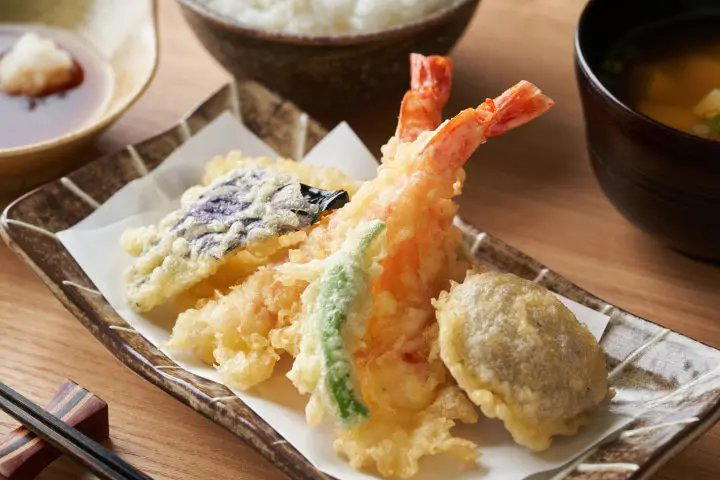
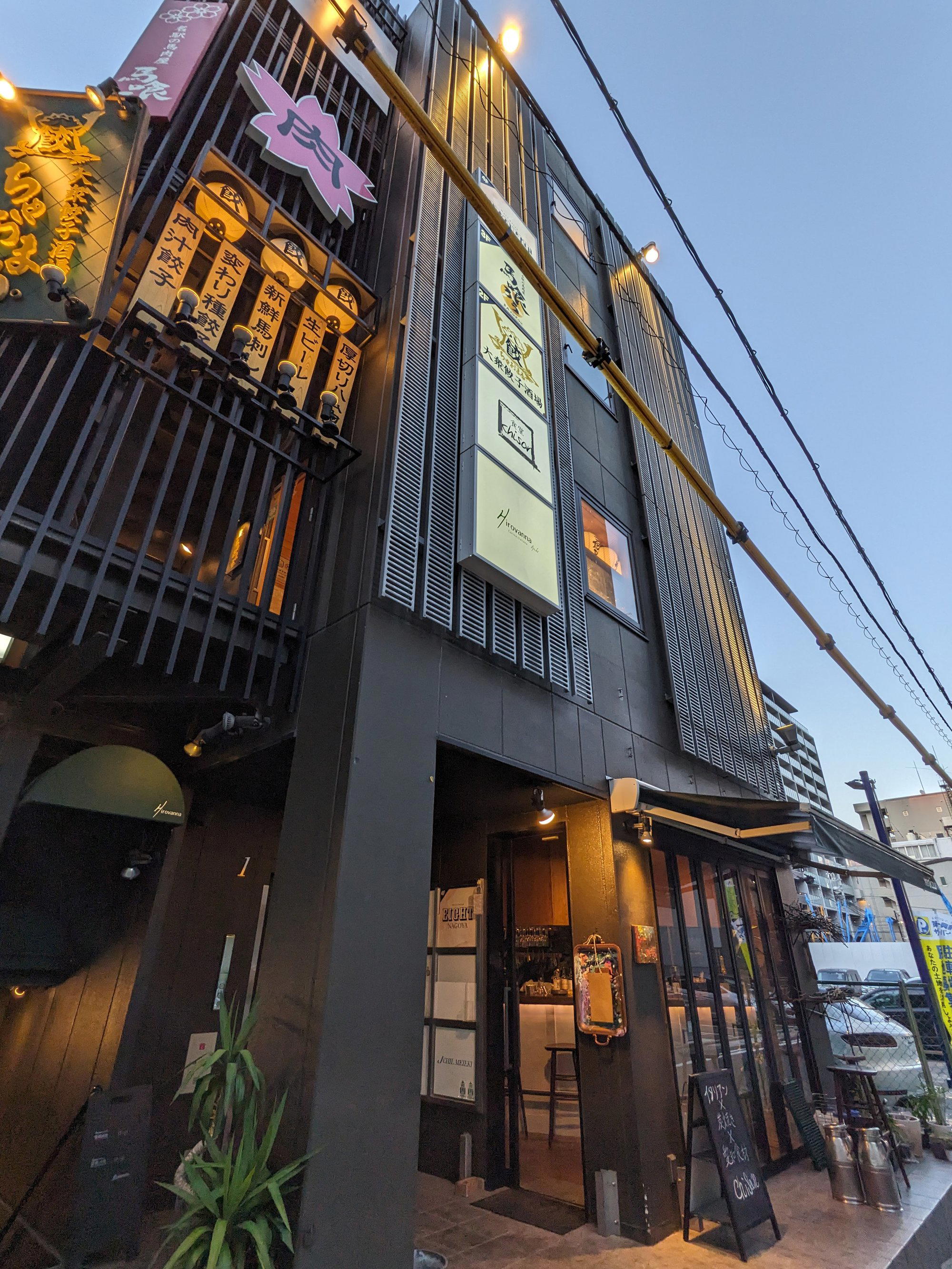

Details
- Classic
- Elegant
- Intimate
- Historic
- Date Night
- Special Occasion
- Business Dinner
- Historic Building
- Sake Program
- Local Sourcing
- A La Carte
Current opening hours
- Monday
- Closed
- Tuesday
- 11:30 AM–2 PM, 6–8:30 PM
- Wednesday
- 11:30 AM–2 PM, 6–8:30 PM
- Thursday
- 11:30 AM–2 PM, 6–8:30 PM
- Friday
- 11:30 AM–2 PM, 6–8:30 PM
- Saturday
- 11:30 AM–2 PM, 6–8:30 PM
- Sunday
- 11:30 AM–2 PM, 6–10:30 PM
Hours can change for holidays and private events. Hours as of .
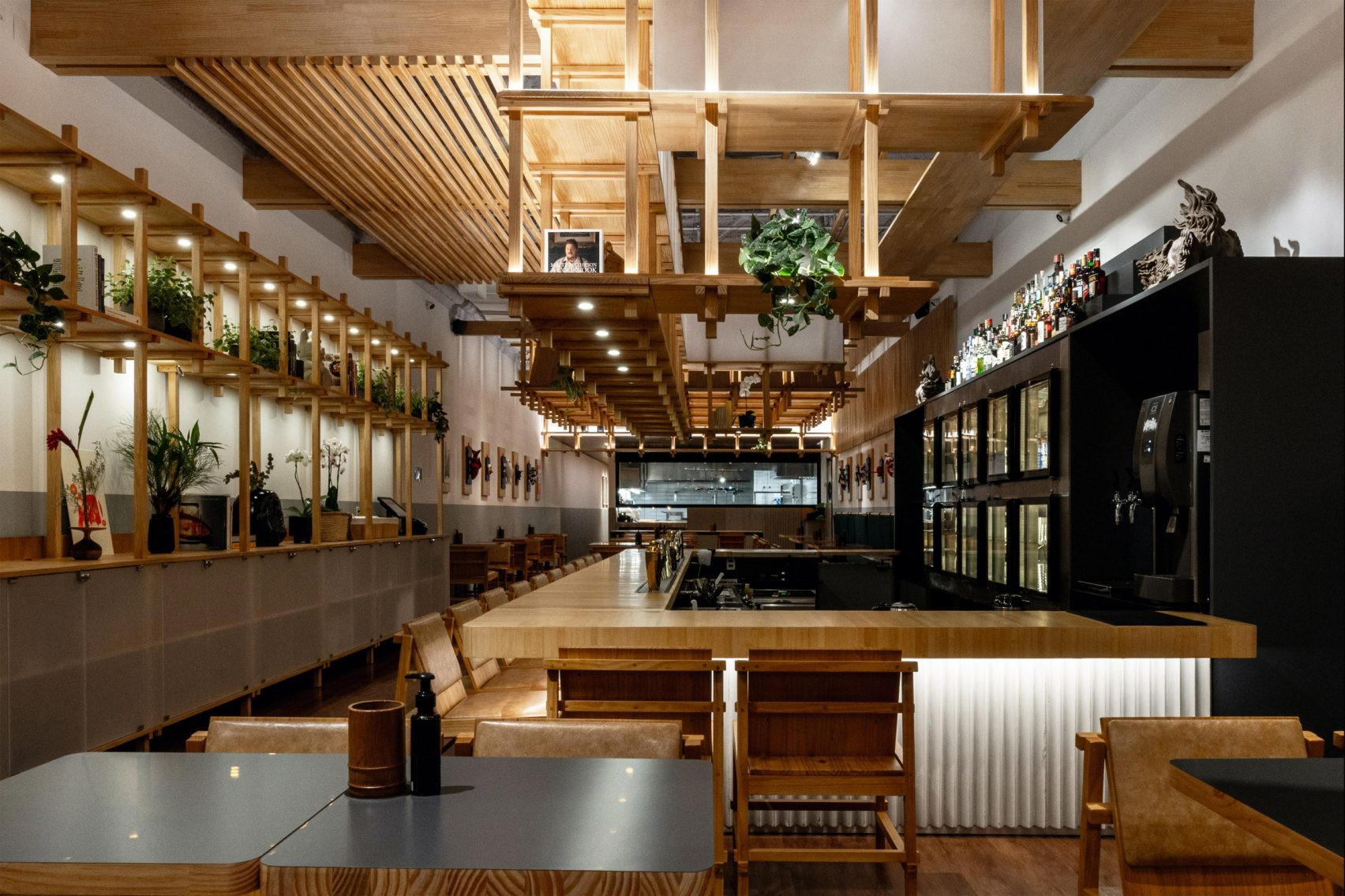
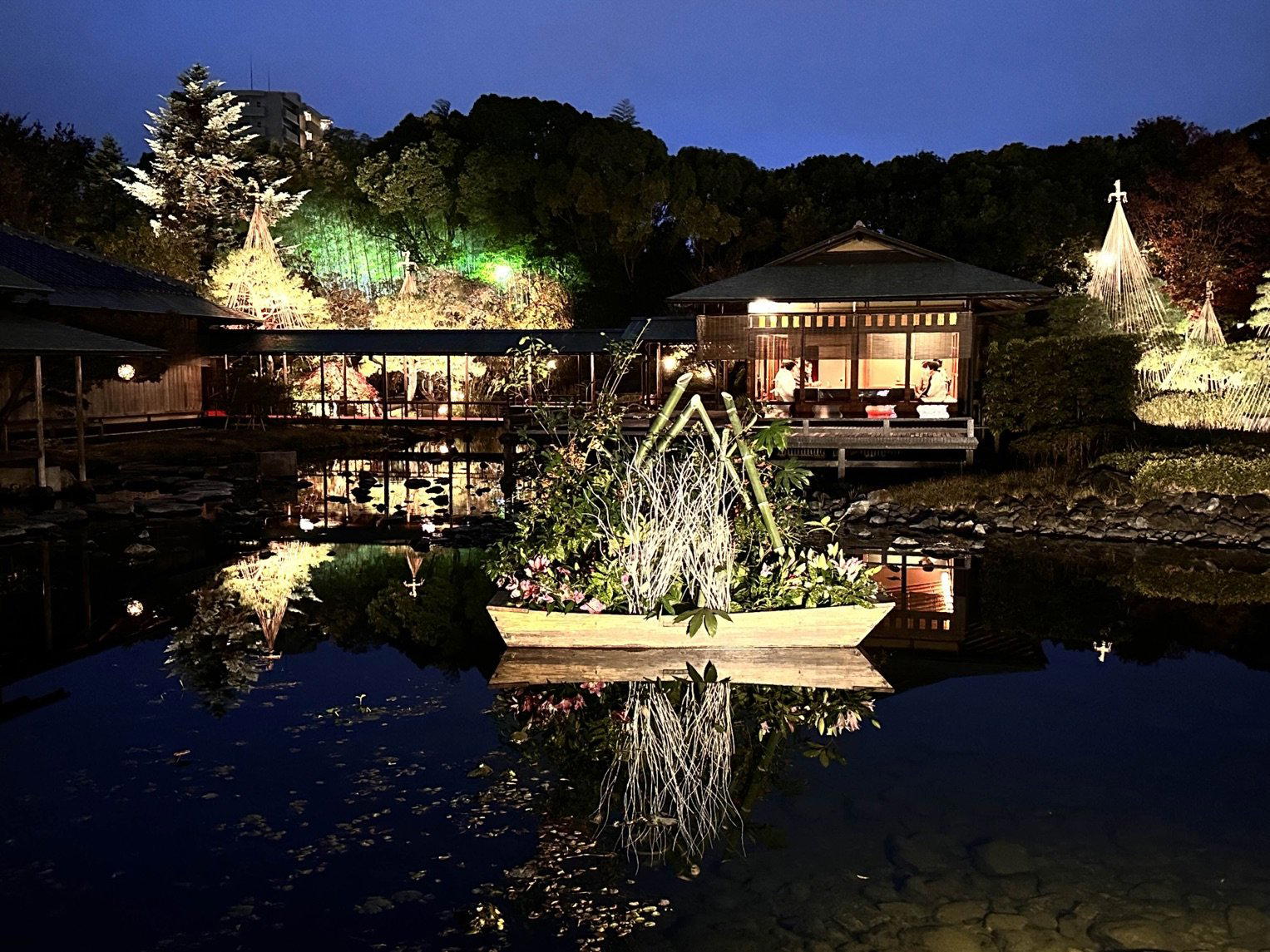
Retro atmosphere in a historic renovated warehouse with warm, calming lighting and non-everyday elegance.