Our verdict
æ¸ ç²¥å°è æ serves Japanese small dishes at 1 Chome-21-39 Esakacho, Suita, with quiet, smart-casual dinner service.

Pearl is the En Primeur Club membership app — saves, bookings, and concierge access live there. Same editors, same standards.
- Address
- 1 Chome-21-39 Esakacho, Suita, Osaka 564-0063, Japan
- Phone
- +81648617228
- Hours
- Daily Open 24 hours
- Directions
- Get directions
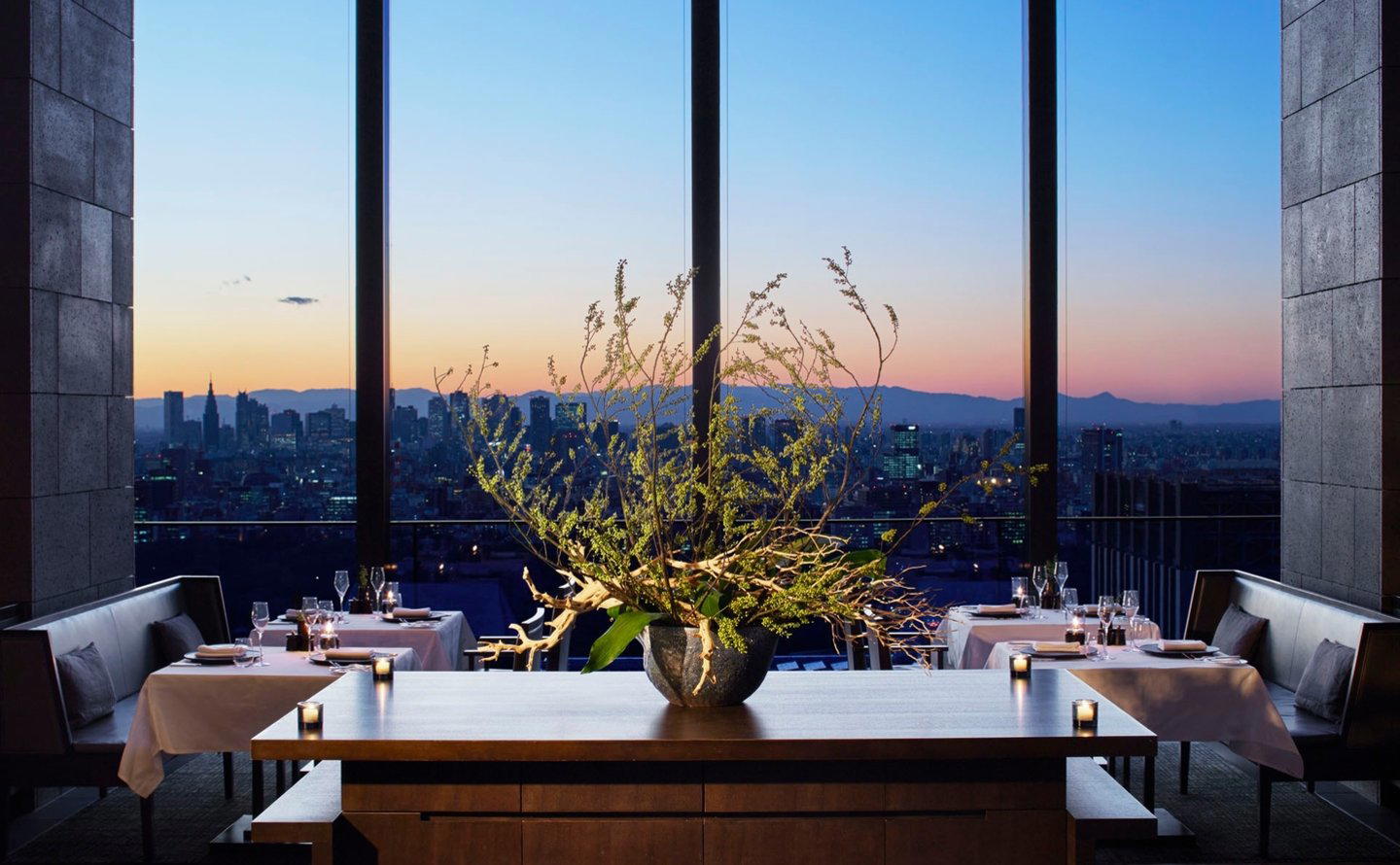
Suita's Neighbourhood Dining Register
The stretch of Osaka Prefecture north of the city centre tends to get folded into transit-map abstraction — a sequence of stops between Umeda and Senri-Chuo rather than a destination with its own dining character. Suita sits in that band, and its residential streets around Esaka carry a dining culture that answers to local regulars rather than tourist flows. The address at 1 Chome-21-39 Esakacho places 清粥小菜 菜 inside that neighbourhood fabric: close enough to Esaka Station to draw commuters, embedded enough in the surrounding blocks to function as a genuine local fixture. That position, between convenience and community, shapes the kind of cooking that makes sense here.
Neighbourhood restaurants in this tier of Osaka's suburban belt rarely compete on spectacle. The more durable operations anchor themselves to seasonal sourcing and daily repetition, building loyalty through consistency rather than concept. That pattern runs across comparable venues in the area, including 旬菜天 つちや, where the seasonal vegetable focus draws the same kind of return custom. For a broader map of where these restaurants sit within Suita's dining structure, the full Suita restaurants guide provides useful orientation.
The Ingredient Question in Japanese Neighbourhood Cooking
Japanese culinary tradition at every price tier returns to the same structural question: where does the ingredient come from, and how close to its peak condition does it arrive at the table? In high-end kaiseki, that question gets answered with named producers, seasonal ceremonies, and premium pricing. At neighbourhood level, the answer is quieter but often equally deliberate. Congee-centred menus and small-plate vegetable formats, which the name 清粥小菜 菜 signals directly, depend on sourcing cycles that track seasonal availability: the quality of a bowl of congee is almost entirely a function of the grain, the water, and whatever is placed alongside it. There is nowhere to hide behind technique or plating.
That transparency is the reason sourcing-led neighbourhood restaurants tend to build stronger local followings than concept-driven counterparts. A diner returning twice a week to a congee-and-small-plates format is, in practice, eating their way through the growing calendar of whatever the kitchen has chosen to work with. The meal functions as a kind of seasonal index rather than a fixed menu experience. This is the logic that distinguishes the better suburban Osaka restaurants from the kind of operation that treats sourcing as a marketing point rather than a structural commitment.
For reference points at the premium end of the Osaka region's ingredient-focused tradition, HAJIME in Osaka applies a French-innovative lens to similar seasonal sourcing with four-symbol pricing, and Gion Sasaki in Kyoto represents the kaiseki format's most rigorous application of seasonal produce logic. The neighbourhood congee restaurant operates in a different register, but the underlying commitment to ingredient timing is not categorically different.
Reading the Format: Congee and Small Plates in Context
The Chinese-influenced congee format has a longer history in the Kansai region than its current quiet profile might suggest. Osaka's port-city past built genuine cross-cultural culinary exchange into the city's food identity, and rice porridge, known variously as okayu in Japanese contexts or zhou in Chinese, occupies a specific comfort-food position in the regional lexicon. A restaurant that names itself around 清粥 (clear congee) and 小菜 (small accompanying dishes) is positioning against both Japanese okayu tradition and the more elaborate Cantonese-style congee formats that appear in Osaka's Namba and Shinsaibashi areas.
The small-plates component matters here as much as the congee itself. In Japanese vegetable-centred cooking, the okazu or accompanying dishes often carry more seasonal specificity than the staple they accompany. A congee service built around thoughtfully sourced small plates is, in structural terms, similar to how izakaya menus rotate through seasonal vegetables and preserved items: the staple provides the backdrop, and the sides carry the date stamp. That format rewards return visits in a way that fixed-menu restaurants with lower turnover often do not.
Comparable approaches to ingredient sourcing framed through different culinary traditions appear at akordu in Nara, which applies European technique to locally sourced produce, and at Goh in Fukuoka, where seasonal sourcing logic informs a kaiseki-influenced progression. Further afield, the sourcing emphasis found at Abon in Ashiya and affetto akita in Akita reflects how broadly this commitment to seasonal sourcing has spread across Japan's regional dining circuits, from Aji Arai in Oita and Ajidocoro in Yubari District to Akakichi in Imabari, aki nagao in Sapporo, Amaki in Aichi, and Amegen in Saga.
Where Suita Sits Relative to the Osaka Dining Circuit
Visitors targeting Osaka's headline dining tier, anchored by Michelin-decorated restaurants and the dense concentration of specialists in Minami and Kita, rarely factor Suita into their itineraries. That is partly a function of how Osaka's dining reputation gets packaged internationally, and partly a function of how suburban neighbourhood restaurants, without awards visibility or aggressive online presence, remain below the search horizon of travellers planning short stays. For longer Kansai visits, or for travellers based in the northern Osaka belt for reasons of accommodation or business, Suita's neighbourhood restaurants represent a different kind of value: low friction, seasonal honesty, and the kind of regulars-first environment that makes a meal feel like an observation of ordinary local life rather than a curated experience of it.
The contrast with Tokyo's sushi counter tier, represented by operations like Harutaka in Tokyo, or with internationally celebrated tasting-menu formats like Le Bernardin in New York City and Lazy Bear in San Francisco, is not a quality argument but a format argument. The ingredient sourcing discipline that defines serious cooking across those tiers is present in neighbourhood restaurants too; the display and the pricing are simply different.
Planning a Visit
The Esakacho address is accessible from Esaka Station on the Midosuji Line, placing the restaurant within practical reach of central Osaka without requiring significant travel time. Checking current hours and availability through local dining platforms before visiting is advisable. For visitors already exploring the Suita area, combining a meal here with other neighbourhood-focused dining represents a more considered use of time than routing back through central Osaka for each meal.
Frequently asked questions
Is 清粥小菜 菜 a family-friendly restaurant?
Congee is one of the more age-neutral formats in Japanese neighbourhood dining — mild, rice-based, and easy on younger palates. The Esakacho address in Suita sits in a residential commuter district, which typically means a low-key, unpretentious room rather than a formal dining environment. The small-plate structure also allows flexible ordering across different appetites.
Where do I go for æ¸ ç²¥å°è æ?
æ¸ ç²¥å°è æ is located at 1 Chome-21-39 Esakacho, Suita, Osaka 564-0063, Japan, Suita.
What's the vibe at 清粥小菜 菜?
Esakacho is a residential and commuter pocket of Suita, north of central Osaka, without the foot traffic or destination-dining energy of Minami or Namba. Restaurants in this register tend toward the functional and familiar — regulars over tourists, lunch over spectacle. The congee-and-small-plates format reinforces that register: this is a neighbourhood eating house, not a showcase.
What do people recommend at 清粥小菜 菜?
The restaurant's name spells out its format directly: 清粥 (clear congee) paired with 小菜 (small accompanying dishes). In venues built around this structure, the congee itself is the anchor — judged on texture, clarity of broth, and the quality of what accompanies it. Ordering the core congee set is the obvious starting point, with small plates selected to build around it.
Fast Comparison
Comparable venues nearby, for context on price, style, and recognition.
| Venue | Cuisine | Price | Awards | Notes |
|---|---|---|---|---|
| æ¸ ç²¥å°è æThis venue — the venue you are viewing | Japanese Small Dishes | Not listed | Not listed | Not listed |
| 旬菜天 つちや | Tempura & Kaiseki | Not listed | 2 Michelin Stars · Tabelog Bronze #482 | Esaka |
| 柏屋 | Seasonal Kaiseki Omakase | $200–300 | 3 Michelin Stars · La Liste Top Restaurants | Suita |
| 楽々 | Handmade Udon | $10–20 | Tabelog 100 #32 | 幾野 |
| 蕎麦処 そばの実 | Togakushi Soba | $20–30 | Tabelog 100 #53 | Togakushi |
| Ginza Kagari (銀座 篝) | Chicken Paitan Ramen | $10–20 | Not listed | Ginza |
Continue exploring
More in Suita
Restaurants in Suita
Browse all →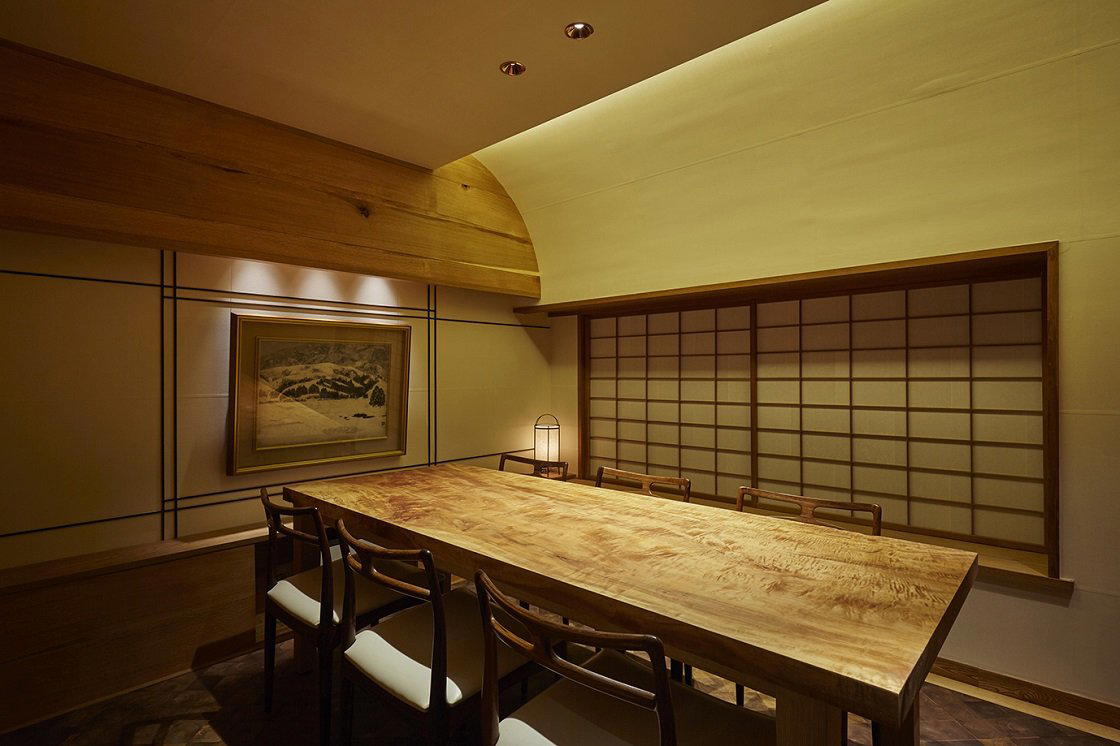



Bars in Suita
Browse all →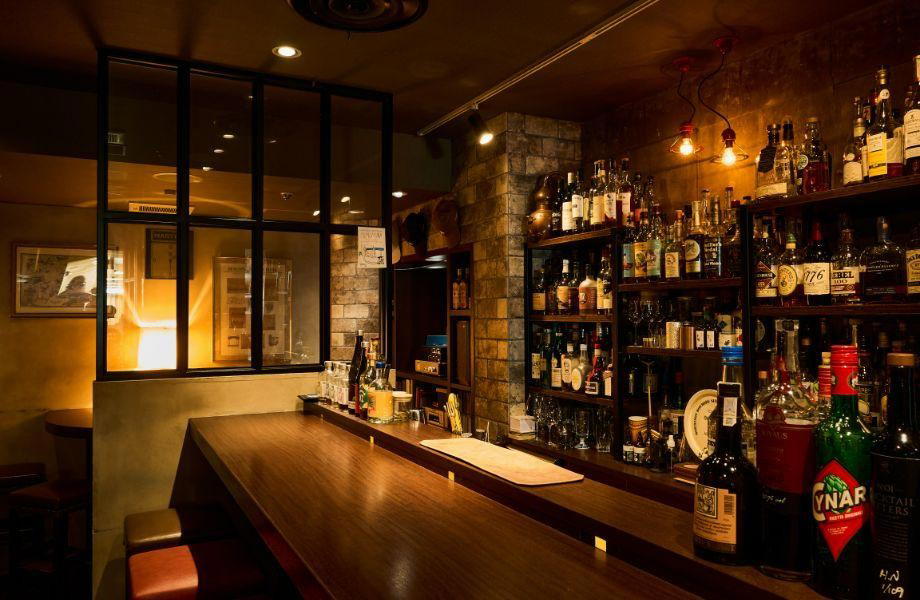
Hotels in Suita
Browse all →



Wineries in Suita
Browse all →
Details
Current opening hours
- Monday
- Open 24 hours
- Tuesday
- Open 24 hours
- Wednesday
- Open 24 hours
- Thursday
- Open 24 hours
- Friday
- Open 24 hours
- Saturday
- Open 24 hours
- Sunday
- Open 24 hours
Hours can change for holidays and private events. Last verified .
cozy