Usamitei Matsubaya operates in Minamisenba, one of Osaka's most considered dining districts, where the city's appetite for craft and precision runs deepest. The address places it within walking distance of the Shinsaibashi commercial corridor, yet the register here is quieter and more deliberate. For those working through Osaka's serious restaurant tier, this is a name that rewards attention.
 Discover on Pearl
Pearl is the En Primeur Club membership app — saves, bookings, and concierge access live there. Same editors, same standards.
- Address
- 3 Chome-8-1 Minamisenba, Chuo Ward, Osaka, 542-0081, Japan
- Phone
- +81 6 6251 3339
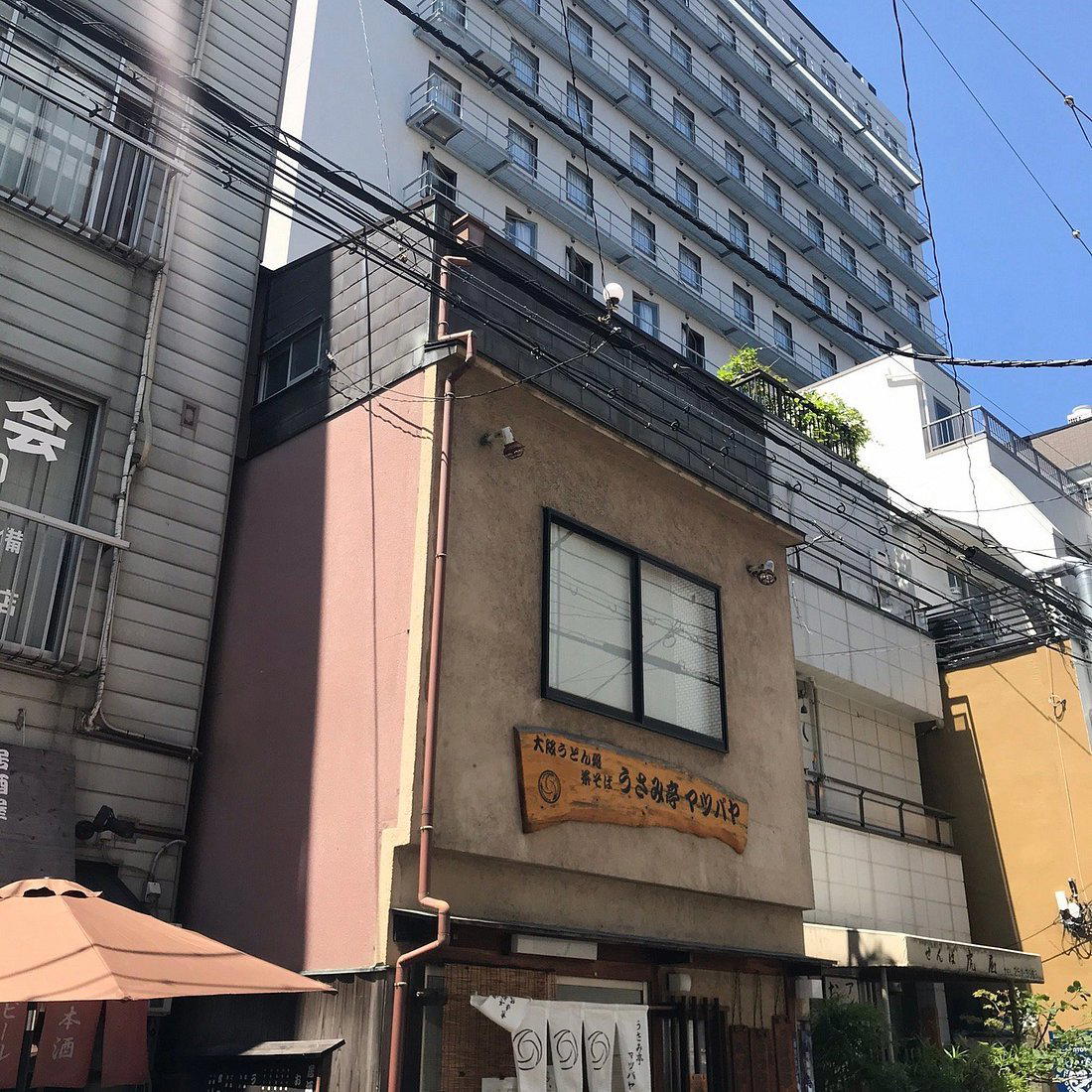
Minamisenba and the Grammar of Osaka Dining
Osaka's relationship with food is often explained through its street-level abundance, through takoyaki carts and the dense theatre of Dotonbori. What that framing misses is the quieter, more exacting layer of the city's dining culture concentrated in Minamisenba and the blocks around Shinsaibashi. This is where Osaka's professional dining infrastructure sits: smaller rooms and kitchens that have been refining the same techniques for decades. Usamitei Matsubaya is a casual Traditional Osaka Kitsune Udon restaurant at 3 Chome-8-1 Minamisenba, Chuo Ward, Osaka, 542-0081, Japan.
The neighbourhood itself signals intent before a guest crosses any threshold. Minamisenba functions as a kind of transitional zone between the commercial density of Shinsaibashi and the more residential character of Namba's southern fringes. Restaurants here tend to run smaller and more deliberate than their counterparts a few blocks north. The foot traffic is local and purposeful. These rooms depend on a regular clientele that returns over time.
The Architecture of a Coordinated Room
In Osaka's dining scene, the distinction between a good restaurant and a great one rarely comes down to a single element. What separates the rooms that hold their reputation across years is the coherence of the whole operation: the pace set by the floor, the choices made by whoever manages the drink selection, and the decisions coming out of the kitchen all pulling in the same direction. At counters and intimate dining rooms across the Kansai region, from Ajikitcho Bunbuan to Gion Sasaki in Kyoto, the front-of-house team functions as an extension of the kitchen's intentions rather than a separate department managing a different agenda.
That collaborative model matters in a room like Usamitei Matsubaya's, where the physical setting in Minamisenba already frames the experience as one requiring attention from every person working the shift. The leading service in this register reads as nearly invisible: transitions between courses happen without prompting, and the pacing adjusts to the table rather than to a fixed schedule. Ajihei Sonezaki and Aka to Shiro represent the same coordination principle at work in different formats across the city.
Osaka's Kaiseki Tradition and Its Variants
Osaka cuisine occupies a distinct position in Japanese regional cooking. Kyoto's kaiseki lineage, formalized through the tea ceremony and the kaiseki schools associated with temples and machiya townhouses, tends toward extreme restraint and a rigidly seasonal vocabulary. Osaka adapted that framework toward something slightly more expressive, a style sometimes described under the broader banner of kappo, which refers to the format of a counter kitchen where the chef works in direct view of the guest. The kappo format, well established in Osaka long before it gained international recognition, places a premium on timing and on the visual communication between kitchen and room.
That tradition has shaped how the serious restaurants in Minamisenba approach their work. The sequence matters as much as the individual dish. The temperature of a preparation, the moment it arrives relative to what preceded it, the way the floor reads a table's readiness: these are the variables that define the experience over time. Venues like HAJIME in Osaka and Calendrier approach this framework from different angles, one through a rigorous contemporary lens, the other through a more classically oriented sequence, but both demonstrate how the kappo instinct persists even in formats that have moved well beyond its traditional boundaries.
Internationally, the collaborative precision that defines Osaka's serious counters finds parallels in very different culinary cultures. Le Bernardin in New York City has long operated on the principle that front-of-house and kitchen must share an identical understanding of each guest's experience, and Lazy Bear in San Francisco has built its format around the idea that service is a form of hospitality craft in its own right. In both cases, and in Osaka's leading rooms, the result is a dining experience where no single element carries the weight alone.
The Kansai Circuit and Where Usamitei Matsubaya Sits
For travellers building a serious eating itinerary across western Japan, the Kansai region rewards a considered sequence rather than a single destination. The bullet train network connects Osaka, Kyoto, Nara, and the Hyogo coast within short commuting distances, which means a week based in Osaka can reasonably reach akordu in Nara, Abon in Ashiya, and still anchor multiple meals within the city itself. Within Osaka, Minamisenba offers geographical efficiency: it sits close enough to the main transport nodes at Shinsaibashi and Namba that getting there from most central accommodation requires minimal planning.
Compared to Osaka's louder dining addresses, the Minamisenba tier also tends to attract a different kind of visitor: one who has already done the research, has often eaten in comparable rooms elsewhere in Japan, and is looking for coherence and craft rather than novelty. That pattern holds whether the reference point is Harutaka in Tokyo, Goh in Fukuoka, or any of the other regional addresses that draw the same attentive traveller. For a broader view of where Usamitei Matsubaya fits within the city's restaurant map, the full Osaka Shi restaurants guide covers the range of options across price tiers and formats.
Other addresses in the same thoughtful bracket include Az, affetto akita in Akita, Aji Arai in Oita, Ajidocoro in Yubari District, and Akakichi in Imabari, each representing the kind of regional specificity that makes eating across Japan a genuinely instructive exercise.
Planning a Visit
Usamitei Matsubaya is located at 3 Chome-8-1 Minamisenba, Chuo Ward, Osaka, 542-0081. Minamisenba is walkable from Shinsaibashi Station on the Midosuji Line, and the area is well served by Osaka's subway network, making it direct to combine with other addresses in the central city. This walk-in-friendly restaurant keeps weekday hours from 11 AM to 6 PM and is closed on Sundays, so early arrival is the simplest plan. Specific booking information, current hours, and any updated contact details are best confirmed directly, as this type of room often manages reservations through Japanese reservation platforms or by telephone rather than international booking aggregators.
Booking and Cost Snapshot
Comparable venues nearby, for context on price, style, and recognition.
| Venue | Cuisine | Price | Awards | Notes |
|---|---|---|---|---|
| Usamitei MatsubayaThis venue — the venue you are viewing | Chūō, Traditional Osaka Kitsune Udon | $$ | , | |
| Moeyo Mensuke Ramen | Fukushima, Duck & Shellfish Ramen | $$ | , | |
| Okonomiyaki Izakaya Gen | Chūō, Osaka-Style Okonomiyaki Izakaya | $$ | , | |
| Okonomiyaki Kiji | Kita, Osaka-Style Okonomiyaki | $$ | , | |
| 鮨 Shizuku | $$ | , | Chūō, Casual Japanese with Seasonal Osaka Flavors | |
| 青地 | Nishi, japanese | , | , |
Continue exploring
More in Osaka Shi
Restaurants in Osaka Shi
Browse all →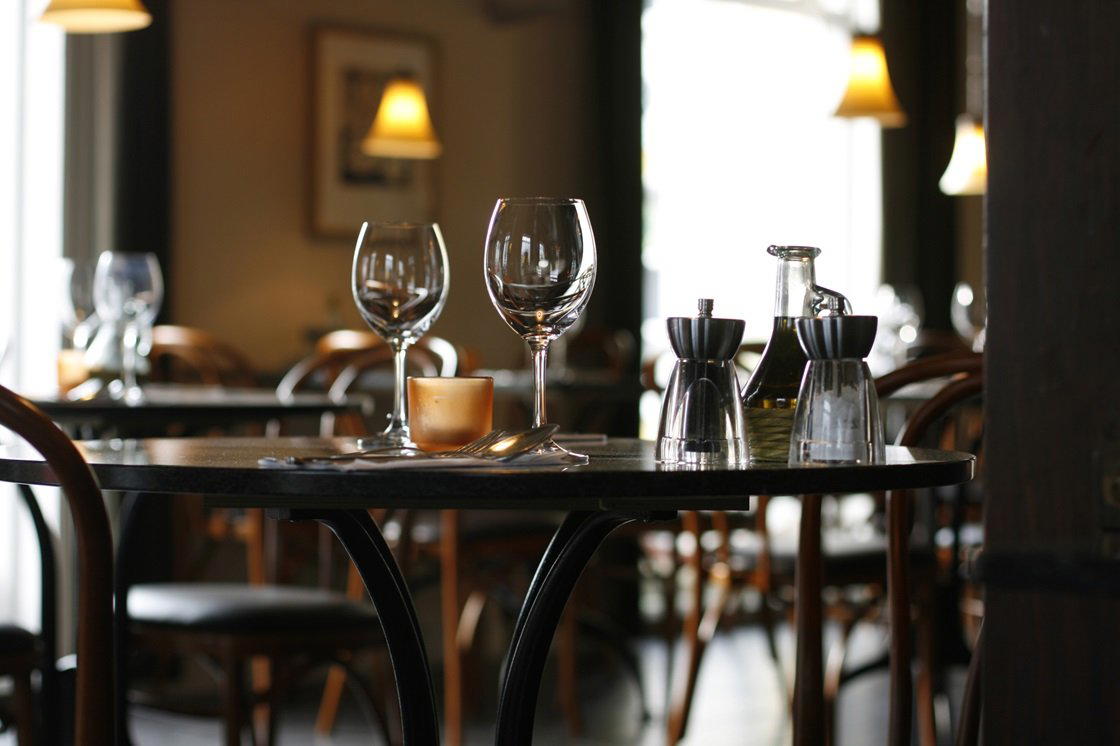
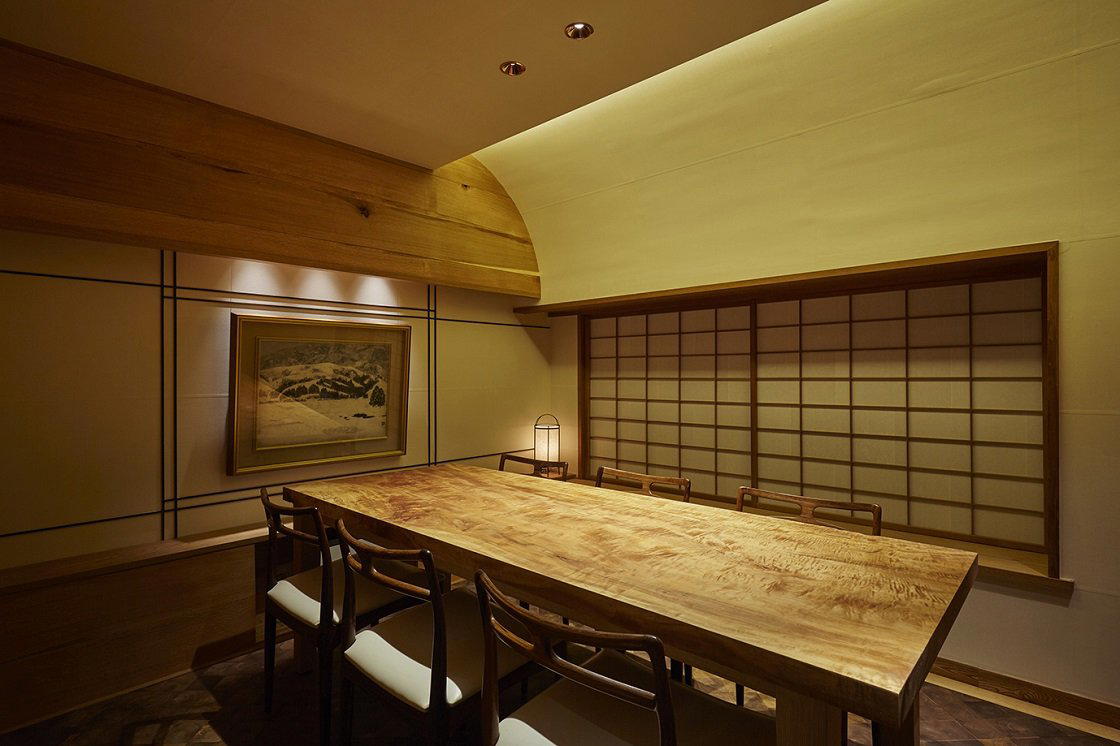
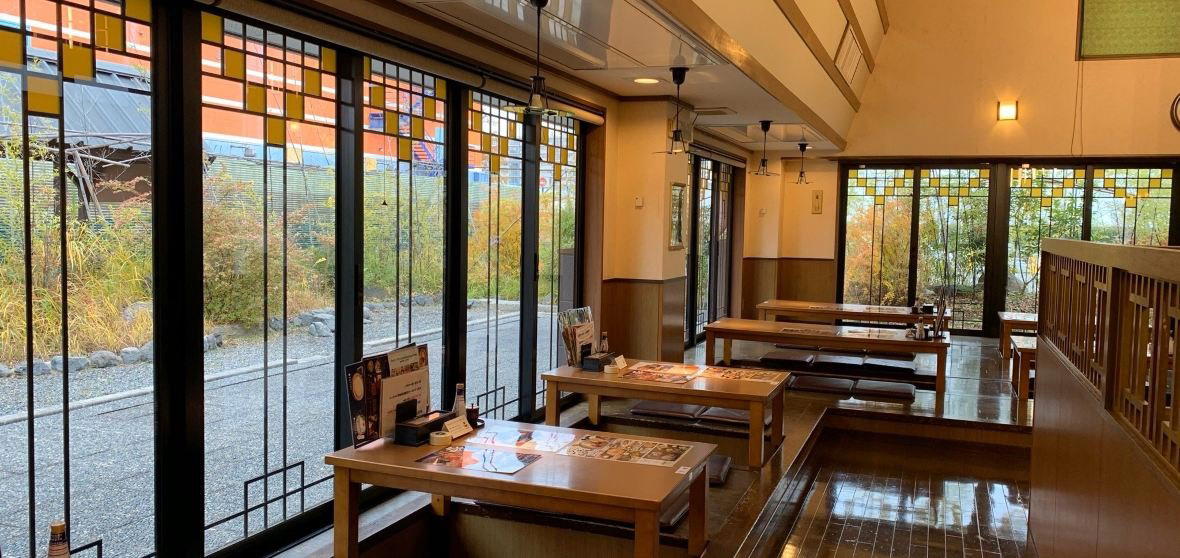
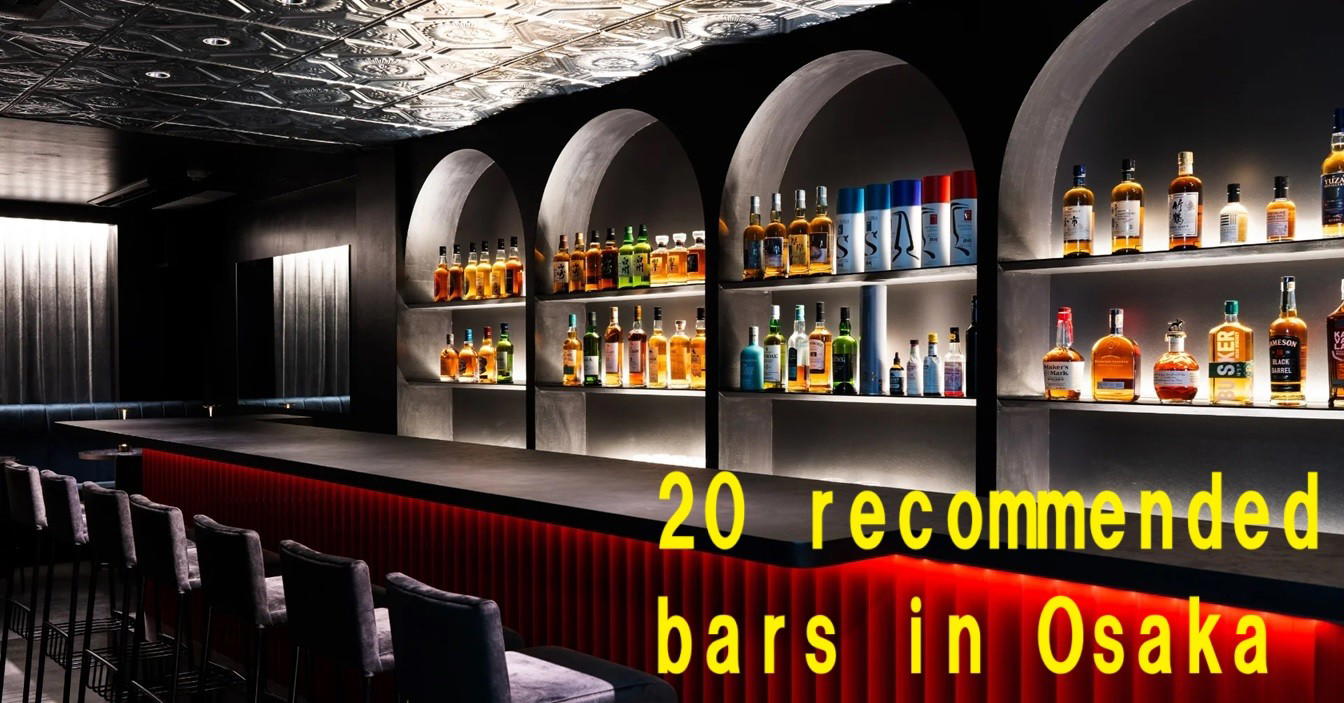
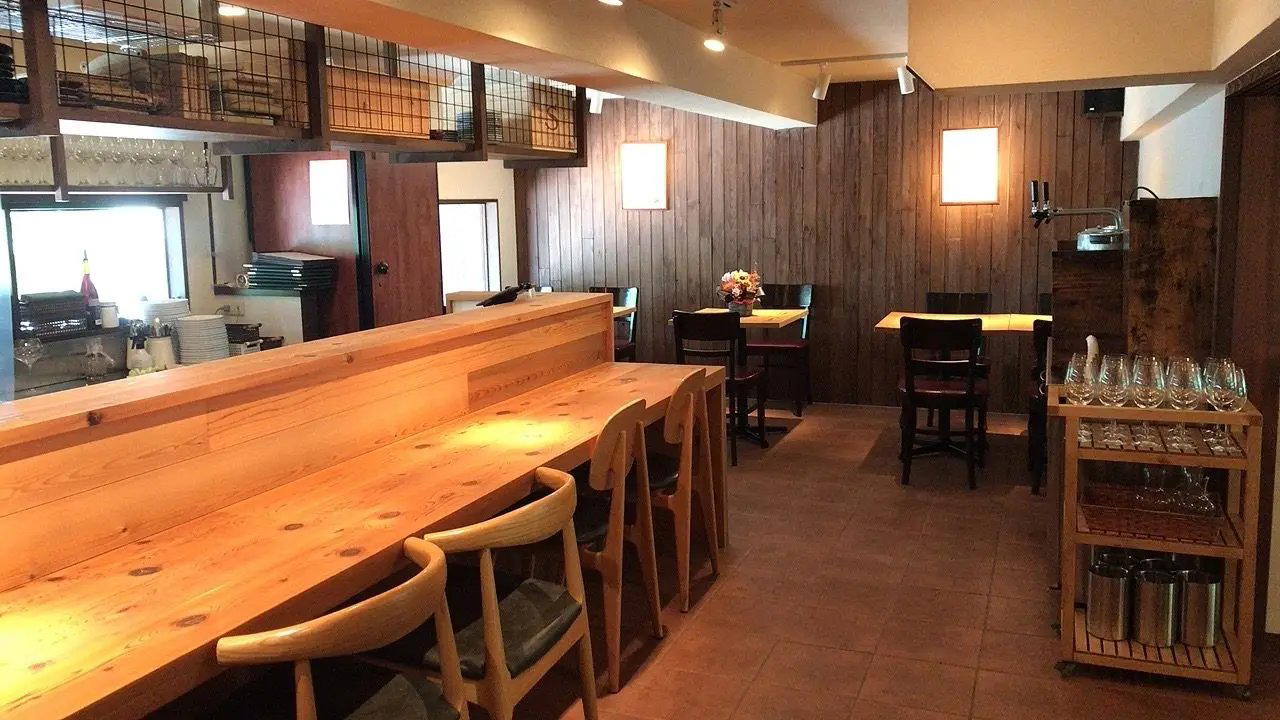
Bars in Osaka Shi
Browse all →
Hotels in Osaka Shi
Browse all →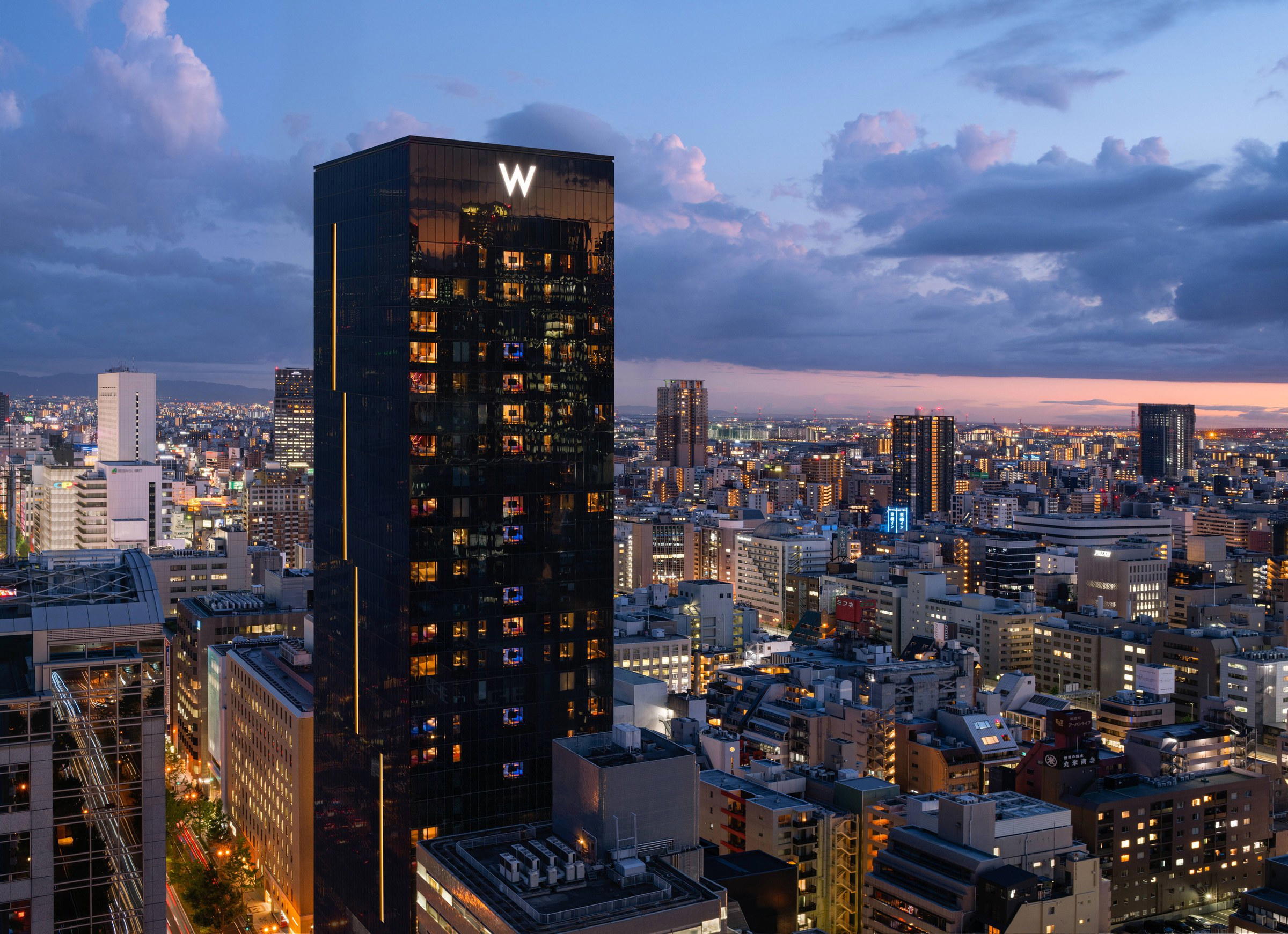


Wineries in Osaka Shi
Browse all →
At a Glance
- Classic
- Iconic
- Cozy
- Casual Hangout
- Historic Building
- Sake Program
- Local Sourcing
Classic, no-frills atmosphere evoking old Osaka with a focus on traditional noodle-making.