
Bulgari Cafe II occupies the 40th floor of the Bulgari Hotel Tokyo in Yaesu, serving kaiseki under Chef Kiyofumi Kozuru. The setting places classical Japanese multi-course discipline inside one of Tokyo's most architecturally deliberate hotel addresses, earning an Opinionated About Dining recommendation in 2023. It sits in a small peer group of hotel-embedded kaiseki rooms that compete on material quality and sourcing rigour rather than price alone.
Pearl is the En Primeur Club membership app — saves, bookings, and concierge access live there. Same editors, same standards.
- Address
- Japan, 〒104-0028 Tokyo, Chuo City, Yaesu, 2 Chome−2−1 Bvlgari Hotel Tokyo 40F
- Phone
- +81 3-6262-3333
- Website
- bulgarihotels.com
- Directions
- Get directions
 Saves & bookings on Pearl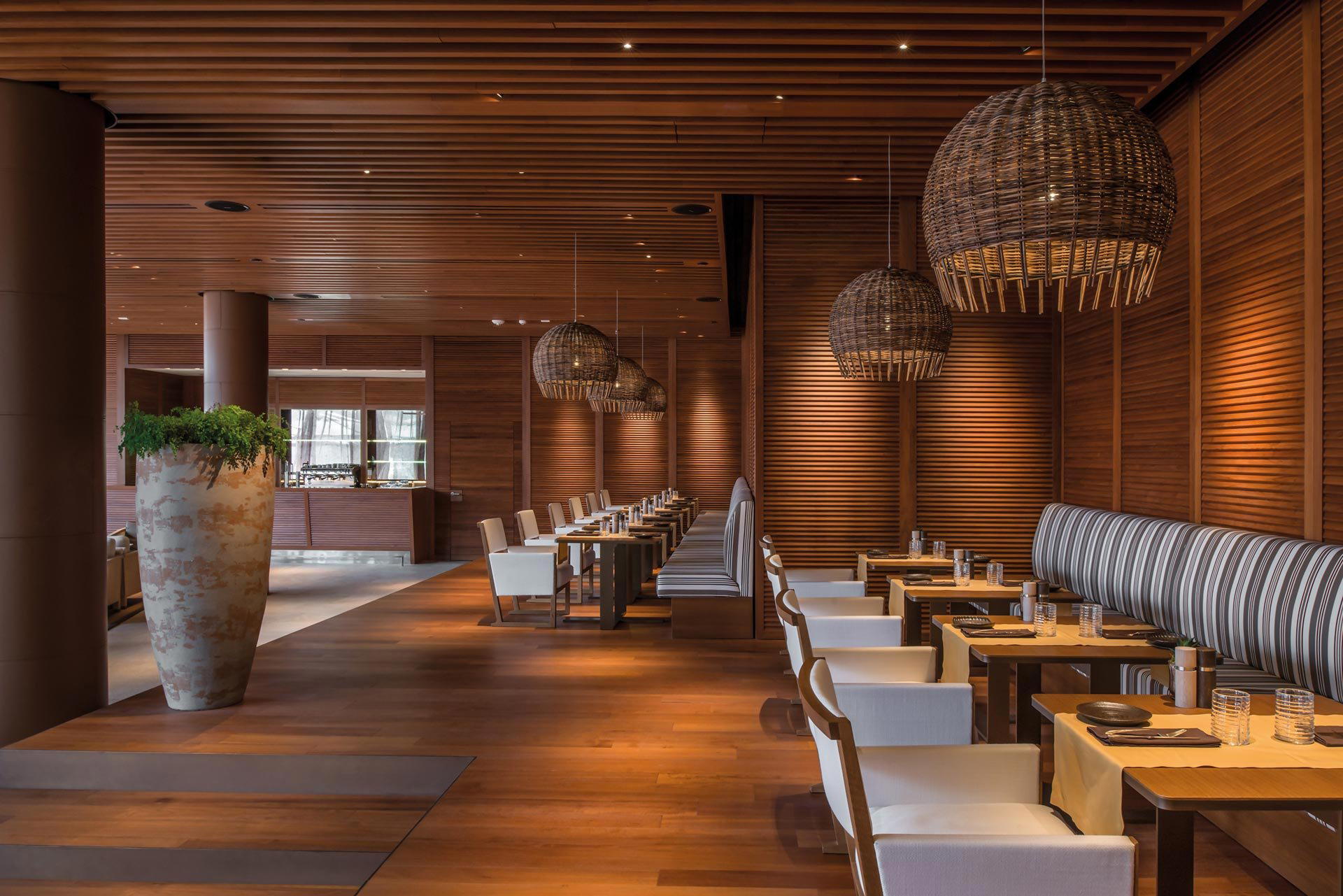
Forty Floors Above Yaesu, the Kaiseki Tradition Holds Its Ground
The elevator opens onto the 40th floor of the Bulgari Hotel Tokyo, and the transition from the Yaesu street grid below to this dining room is abrupt. Glass and sky replace concrete. The Chuo City roofline spreads in every direction. This kind of aerial positioning has become one of Tokyo's recurring architectural gestures for luxury dining, but the format inside Bulgari Cafe II departs from what that setting might suggest. This is kaiseki, not a European tasting menu dressed in Japanese ingredients, a distinction that matters considerably when the question is what the kitchen is actually doing with what it sources.
Kaiseki as a form is organised around sequence, restraint, and the calendar. Each course category, from the sakizuke aperitif bite through to the rice and pickles that close the meal, carries a prescribed role, and the discipline of the format means that sourcing decisions show more clearly than in cuisines where saucing and reduction can mask ingredient quality. There is nowhere to hide in a properly executed kaiseki sequence, which is why the leading practitioners in Tokyo treat supplier relationships as a structural element of the kitchen, not a marketing footnote. For a hotel-embedded kaiseki room, maintaining that rigour while serving guests who may be encountering the format for the first time is the operational challenge that separates the serious from the merely presentable.
The Ingredient Logic Behind the Multi-Course Format
The kaiseki calendar runs on a shorter cycle than most Western tasting menus acknowledge. Seasonal markers, the arrival of ayu sweetfish in early summer, the matsutake mushroom window in autumn, the specific weeks when certain root vegetables reach their peak, drive course decisions more than any single chef's aesthetic preference. Within the kaiseki tradition, sourcing is the argument. The kitchen's access to upper-tier seasonal produce, and its ability to express that produce without over-intervening, is what the format is designed to foreground.
Hotel-embedded kaiseki rooms operate in a particular sourcing context. The ingredient networks available to a property like the Bulgari Hotel Tokyo can support direct procurement from specialised regional producers in a way that standalone restaurants sometimes cannot. Whether that advantage translates into the plate depends on how the kitchen uses it, and that is where chef credentials and kitchen discipline become the relevant variables. Chef Kiyofumi Kozuru leads the kitchen at Bulgari Cafe II, and the Opinionated About Dining recommendation the restaurant received in 2023 places it within a vetted comparable set of serious Japanese dining rooms, not the broader hotel-restaurant category.
For comparison, the kaiseki rooms that receive consistent recognition in Tokyo, RyuGin at the summit of the Michelin bracket, and a spread of smaller, reservation-intensive counters across the city, tend to share a sourcing philosophy that treats producer relationships as non-negotiable. The question a guest should bring to Bulgari Cafe II is whether the luxury hotel context amplifies or dilutes that sourcing commitment. The 2023 OAD recognition suggests it amplifies it.
Hotel Kaiseki in Tokyo: A Specific Category
Tokyo's restaurant scene has a well-established pattern of world-city luxury hotels housing serious Japanese kitchens, rather than defaulting to imported European concepts. This is not universal, plenty of high-end hotel towers along the Yamanote corridor have French or Italian flagship restaurants, but the Bulgari Hotel Tokyo's decision to anchor its dining around kaiseki places it in a tradition with specific precedent. The hotel opened in 2023, making the restaurant a relatively recent addition to the city's kaiseki landscape, entering a category already occupied by long-running rooms with deep producer networks and loyal clienteles.
That context matters for how to read the OAD recognition. Opinionated About Dining draws its recommendations from a community of experienced diners who weight track record alongside immediate execution. A recommendation in the guide's inaugural year for a restaurant that is itself new to the city signals that the kitchen arrived with its supplier relationships and technical standards already functional, rather than building them from scratch after opening. For kaiseki, where seasonal sourcing is not something a kitchen can improvise, that is a meaningful credential.
Guests considering where the restaurant sits in Tokyo's kaiseki spectrum might usefully look at the range of options across price points and formats. Kikunoi - Tokyo represents the established Kyoto-rooted kaiseki tradition transplanted to the capital. Smaller, counter-format rooms like Hirosaku, Ajihiro, Akasaka Ogino, and Aoyama Jin operate in the lower-capacity, higher-intimacy tier where the chef-to-guest ratio allows for more granular sourcing conversations to filter through the service. The restaurant sits at the intersection of that tradition and the operational scale of a luxury hotel, a different offer, not a lesser one, but a different one.
Beyond Tokyo: Kaiseki in Context
For guests building a Japan itinerary around kaiseki as a discipline rather than a single restaurant, the tradition's geographic spread is worth understanding. Kyoto remains the historical centre of the form, and rooms like Ifuki and Ankyu carry that lineage with particular directness. Gion Sasaki in Kyoto sits at the Michelin-recognised end of that spectrum. Tokyo's kaiseki rooms, by contrast, operate within a faster-moving, more internationally diverse dining culture, which changes the sourcing context: ingredients arrive from across Japan's producing regions rather than drawing primarily from the Kyoto basin and its surrounds.
For those extending their Japan travels, HAJIME in Osaka, akordu in Nara, Goh in Fukuoka, 1000 in Yokohama, and 6 in Okinawa each offer a different regional take on high-end Japanese dining.
Know Before You Go
Location: 40F, Bulgari Hotel Tokyo, 2-2-1 Yaesu, Chuo City, Tokyo 104-0028
Cuisine: Kaiseki
Chef: Kiyofumi Kozuru
Recognition: Opinionated About Dining, Recommended, Japan (2023)
0 from 6 reviews
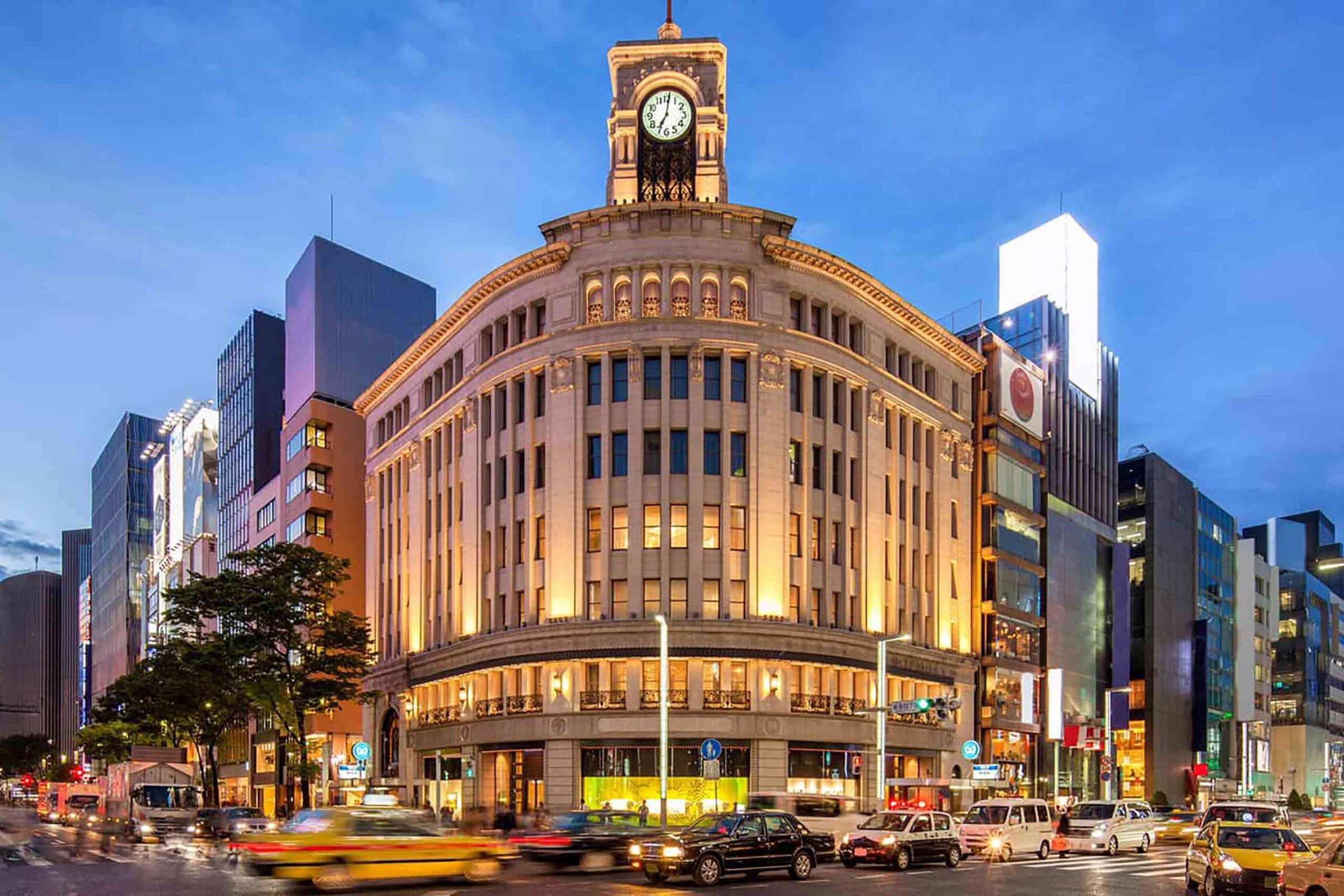
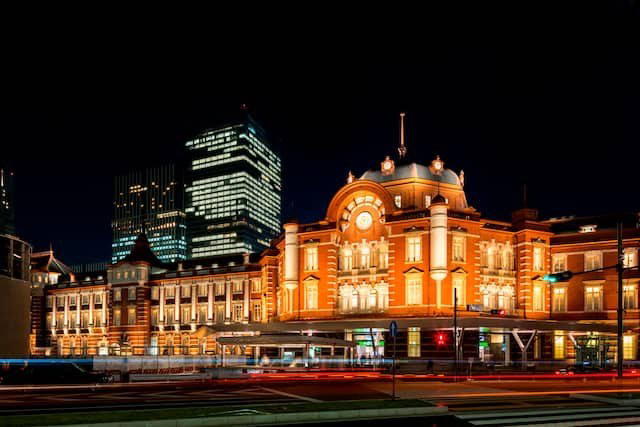
Getting There: The Bulgari Hotel Tokyo sits in the Yaesu district near Tokyo Station.
Booking: Reservations are recommended.
Timing: Kaiseki menus follow the Japanese seasonal calendar closely. Autumn and early winter (October to December) bring some of the format's most prized ingredients; early spring marks the transition to lighter, greener courses.
Cuisine Lens
Comparable venues nearby, for context on price, style, and recognition.
| Venue | Cuisine | Price | Notes |
|---|---|---|---|
| Bulgari Cafe IIThis venue — the venue you are viewing | Italian Fusion Cafe & Bar | $$$$ | Not listed |
| ファロ | Plant-Forward Italian Kaiseki | $$$$ | Chūō |
| Chanfe Tokyo | Modern Italian with Japanese Influences | $$$$ | Taitō |
| リストランテ ダ・ニーノ | Authentic Sicilian | $$$$ | Minato |
| Inbosuko Jingumae | High-end Seasonal Italian Counter | $$$$ | Shibuya |
| リストランテ イ・ルンガ | Northern Italian Fine Dining | $$$$ | Setagaya |
Recognition history
Dated appearances from independent guides and award organizations, with the underlying list record or original source where available.
Opinionated About Dining Top Restaurants in Japan Recommended
Opinionated About Dining










At a Glance
- Elegant
- Sophisticated
- Modern
- Ornate
- Date Night
- Special Occasion
- Business Dinner
- Rooftop
- Hotel Restaurant
- Terrace
- Craft Cocktails
- Street Scene
- Skyline
Current opening hours
- Monday
- 11 AM–8 PM
- Tuesday
- 11 AM–8 PM
- Wednesday
- 11 AM–8 PM
- Thursday
- 11 AM–8 PM
- Friday
- 11 AM–8 PM
- Saturday
- 11 AM–8 PM
- Sunday
- 11 AM–8 PM
Hours can change for holidays and private events. Last verified .
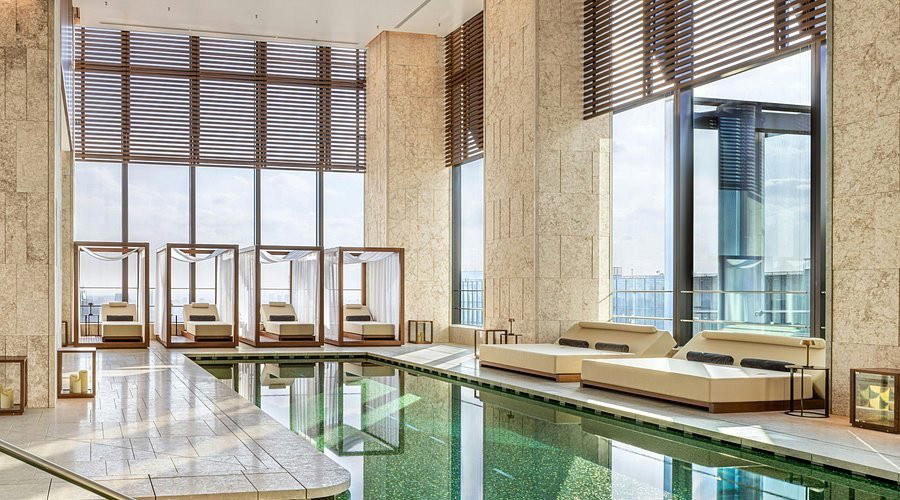
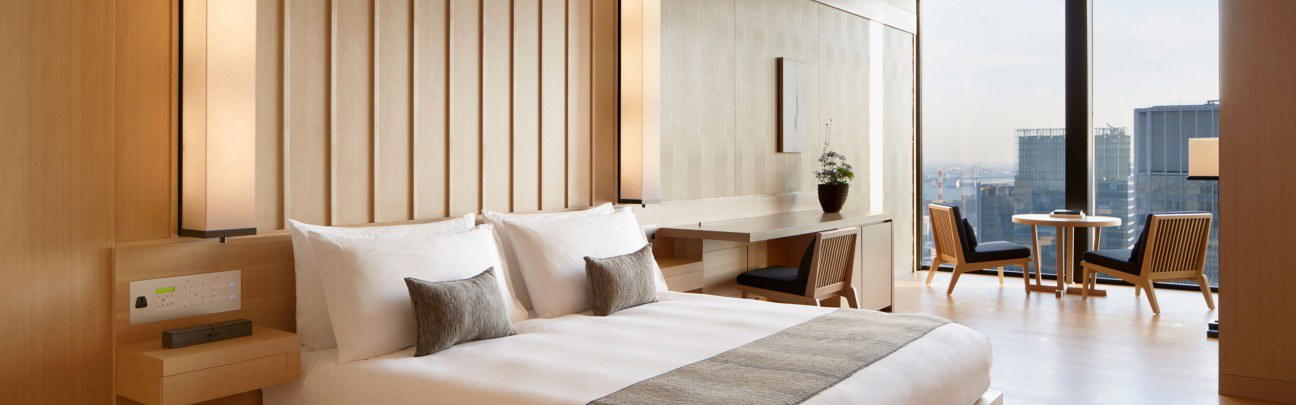
Warm, sophisticated, and well-lit by natural light with stylish modern decor and comfortable seating.