
Tomi Sushi places Nagoya sushi in a compact, ritual-led setting: eight seats, counter focus, and a price tier that signals a serious meal rather than a casual stop. Its 2025 Tabelog Sushi EAST 100 selection and long operating history put it in the city’s established sushi conversation, with the meal shaped by reservation-only pacing and a full-course format.
Pearl is the En Primeur Club membership app — saves, bookings, and concierge access live there. Same editors, same standards.
- Address
- 愛知県名古屋市中区錦3-11-16
- Phone
- +81529715760
- Website
- tomisushi.jp
 Saves & bookings on Pearl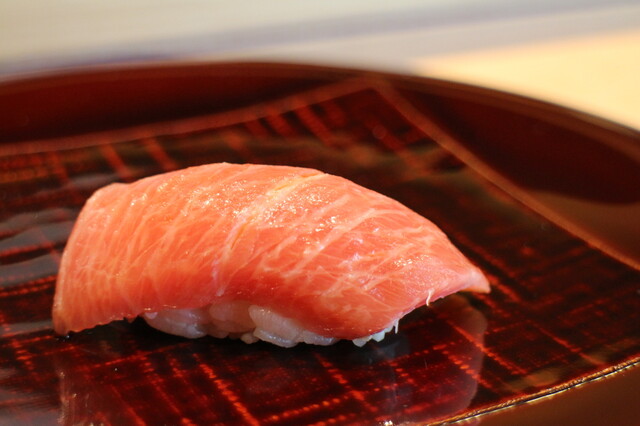
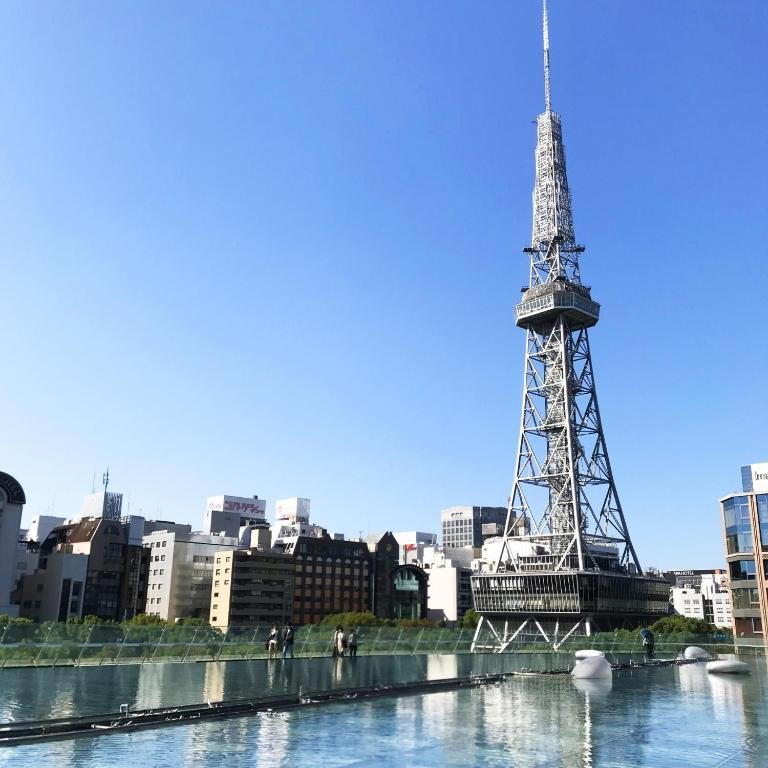
In Nishiki, the city’s after-dark dining district, sushi changes register quickly. The neighbourhood can move from office towers to late-night drinking rooms within a few blocks, but the serious counter format asks for a different tempo: quieter entry, fewer seats, and a meal paced by the sequence rather than the diner’s appetite alone. Tomi Sushi belongs to that Nagoya tradition of small-room sushi, where the counter is not stagecraft so much as the organising principle of the evening.
Nagoya’s premium dining identity is often discussed through hitsumabushi, miso katsu, kishimen, and tebasaki, but sushi occupies a more discreet lane here than in Tokyo or Kanazawa. The city’s stronger addresses tend to work less through spectacle and more through trust: limited seating, set-course discipline, and repeat local custom. A 2025 Tabelog Sushi EAST 100 selection gives this address a public marker inside that category, while the Tabelog score of 3.77 places it in a competitive band where consistency matters more than novelty.
An eight-seat counter built around the sequence
The format is the point. With eight seats and counter seating for seven, the room narrows the meal into a shared rhythm: arrival, first drinks, a progression of seafood and Japanese cooking, then sushi served in a cadence that rewards attention. This is not the free-form sushi bar of walk-in orders and scattered plates. It is closer to the omakase-adjacent ritual common across Japan’s serious sushi rooms, even when a restaurant also identifies broadly as sushi, seafood, and Japanese cuisine.
That distinction matters for travellers. At this tier, dinner sits at JPY 20,000 to JPY 29,999, while lunch is listed at JPY 8,000 to JPY 9,999. The difference is not just price; lunch in Japanese sushi culture often offers a tighter expression of the kitchen’s work, while dinner typically gives the full evening arc. In Nagoya, where high-end dining can feel less internationally amplified than Tokyo, that price band puts Tomi Sushi above casual local sushi and into a category that should be planned as a main event.
The restaurant’s opening date, 1955, gives it another kind of weight. Longevity in Japanese sushi is not automatically a guarantee of relevance, but it does signal a house that has survived changes in supply, neighbourhood economics, reservation culture, and customer expectations. In a city where new tasting-menu rooms compete with older specialist counters, that history helps explain why the address sits differently from newer formats such as Gastronomy Sole Yanagiya or lower-priced local options such as Gyoza Senmon Ten Karaya Nishiki ten. The comparison is not cuisine-for-cuisine; it is about how Nagoya diners allocate an evening.
What the ritual asks of the diner
Serious sushi in Japan is built on small acts of cooperation. Diners arrive on time, keep perfume restrained, mention allergies and dislikes before the meal, and let the sequence do its work. That etiquette is practical rather than precious: procurement, rice preparation, seating rhythm, and course timing all depend on the room being treated as a compact system. Here, reservations are required by the day before, and same-day bookings are not accepted because procurement is part of the meal’s structure.
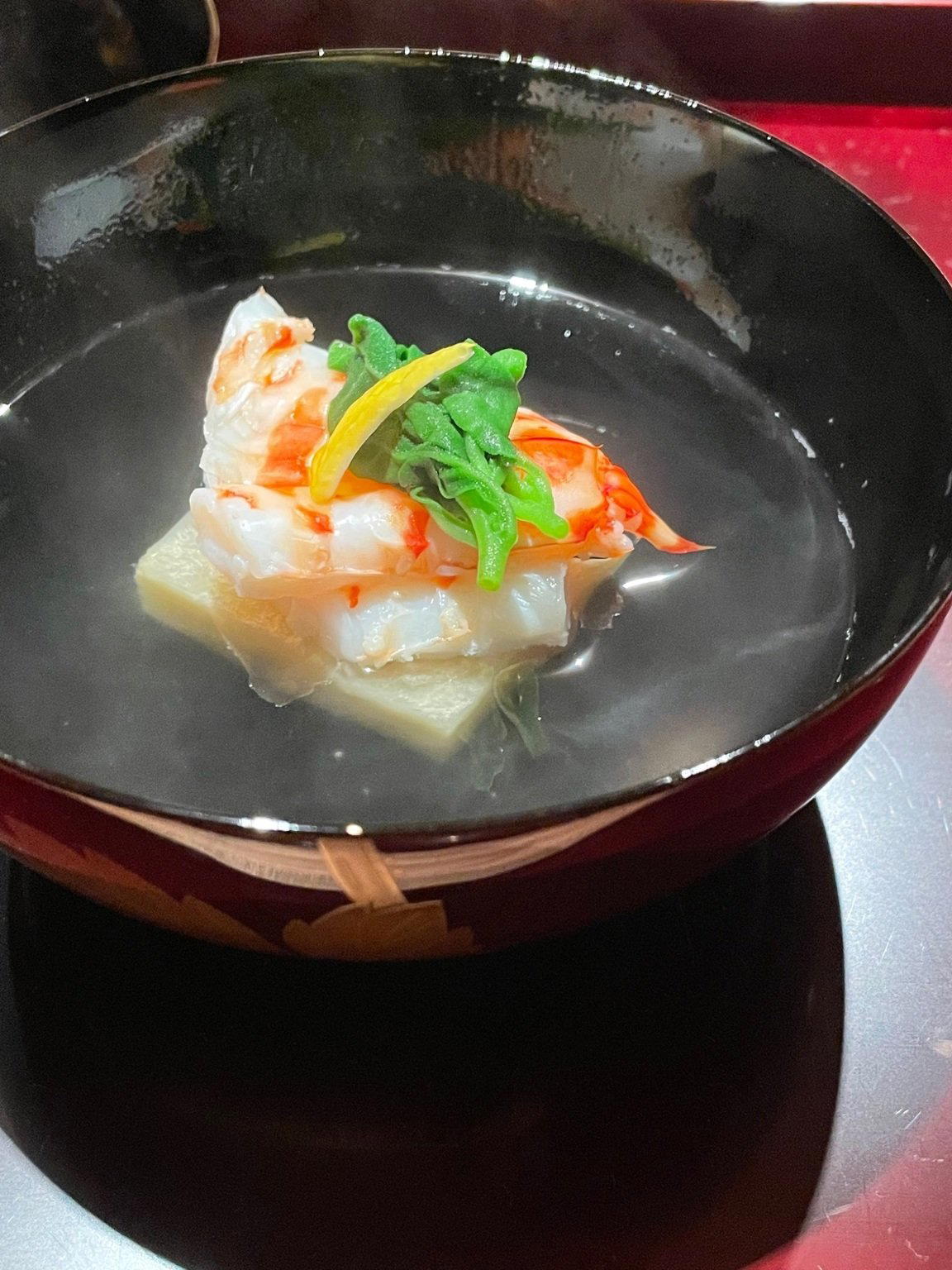
The drinks list points to a classical Japanese pairing frame without closing the door on broader preferences: sake, shochu, and wine are all listed, with particular attention to sake and shochu. That matters in Nagoya, where the meal may sit between a traditional sushi counter and a more general Japanese cuisine format. Wine can work, but sake and shochu often match the pacing more naturally, especially when seafood and cooked dishes appear before the sushi sequence.
Children are handled through the same logic. The house notes that children must be able to enjoy the full course, while private dining can allow more flexibility for families. That is a useful boundary rather than a discouragement. In eight-seat sushi rooms, one restless diner changes the atmosphere for everyone; families who understand the format will find clearer expectations than in larger restaurants.
Where it sits in a Nagoya dining itinerary
Nishiki and nearby Sakae work well for travellers who want dinner to anchor the night rather than interrupt it. The restaurant is listed five minutes on foot from Sakae Station, which makes it easier to pair with a hotel in central Nagoya or a bar afterward. For a broader read on the city, Our full Nagoya restaurants guide maps the restaurant scene beyond sushi, while Our full Nagoya hotels guide, Our full Nagoya bars guide, Our full Nagoya wineries guide, and Our full Nagoya experiences guide help place the meal inside a fuller stay.
For readers comparing across Japanese dining formats, the useful question is not whether sushi outranks another meal, but what kind of attention the night demands. A compact counter such as this suits diners who want precision, quiet pacing, and a meal built around procurement and sequence. Those seeking a broader contemporary restaurant format might look at 1022, 451, Aaron, Alan., or All Day Dining Montmartre. Elsewhere in Japan, the contrast widens further, from -Grilled beef Sukiyaki- KAMAKURA TANUKIAN 鎌倉 たぬき庵 in Kamakura to. 鮪と炭火焼き うお炭 秋葉原店 in Tokyo.cafe in Osaka.know in Kumamoto, (Shoku) Vietnam in Kawasaki, and [Curry Senmon Ten] Maruyama Kyoju. in Sapporo. For sake-minded context beyond Japan, Jōdo Saké Bar in Los Angeles and Onigiri Time in Pasadena show how Japanese drinking and rice formats translate abroad.
The editorial case for Tomi Sushi is strongest for travellers who already understand that a small sushi counter is a social contract. The reward is not abundance or theatrical luxury; it is the discipline of a room that has to make every seat, course, and booking count.
Cuisine Lens
Comparable venues at the same tier for side-by-side context.
| Venue | Cuisine | Price | Notes |
|---|---|---|---|
| Tomi Sushi | Seasonal Sushi Omakase | $$$$ | Naka |
| Japanese cuisine Kashizuki | Seasonal Japanese Kaiseki | $$$$ | Chikusa |
| Onkaiseki Shiratama | Traditional Tea Kaiseki | $$$$ | Kita |
| Nako Tei | Luxury Japanese Teppanyaki | $$$$ | Nakamura |
| Sushi Izumu | Intimate Sushi Omakase Counter | $$$$ | Naka |
| Sekine | Traditional Japanese Kaiseki | $$$$ | Shōwa |
Recognition history
Dated appearances from independent guides and award organizations, with the underlying list record or original source where available.
Tabelog 100 #16 · No. 16
Tabelog · Tabelog 100 - Sushi - EAST - 2025
Continue exploring
More in Nagoya
Restaurants in Nagoya
Browse all →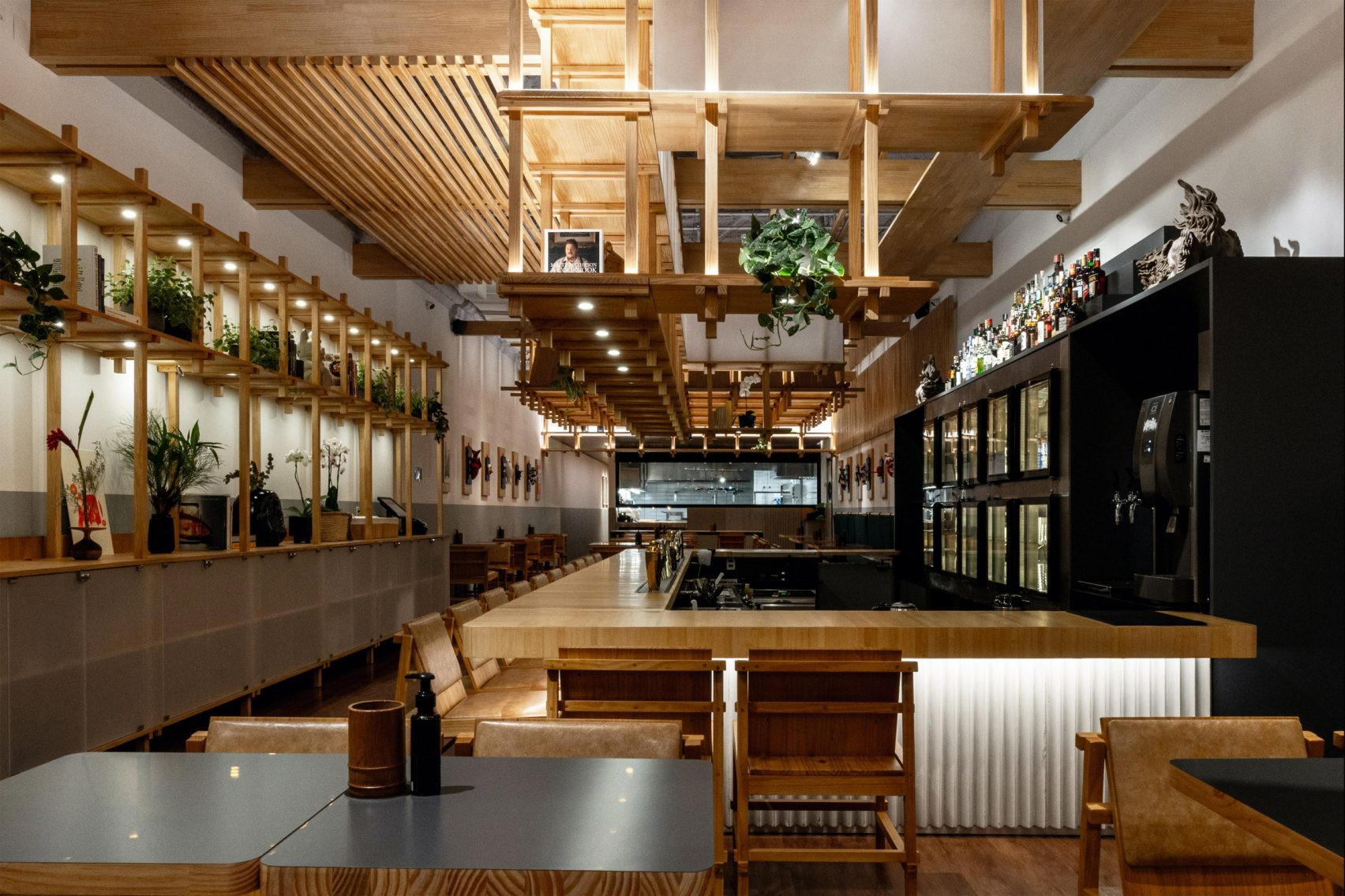
At a Glance
- Elegant
- Intimate
- Cozy
- Classic
- Date Night
- Business Dinner
- Solo
- Special Occasion
- Celebration
- Private Event
- Chefs Counter
- Private Dining
- Standalone
- Design Destination
- Sake Program
- Extensive Wine List
- Beer Program
- Local Sourcing
- Sustainable Seafood
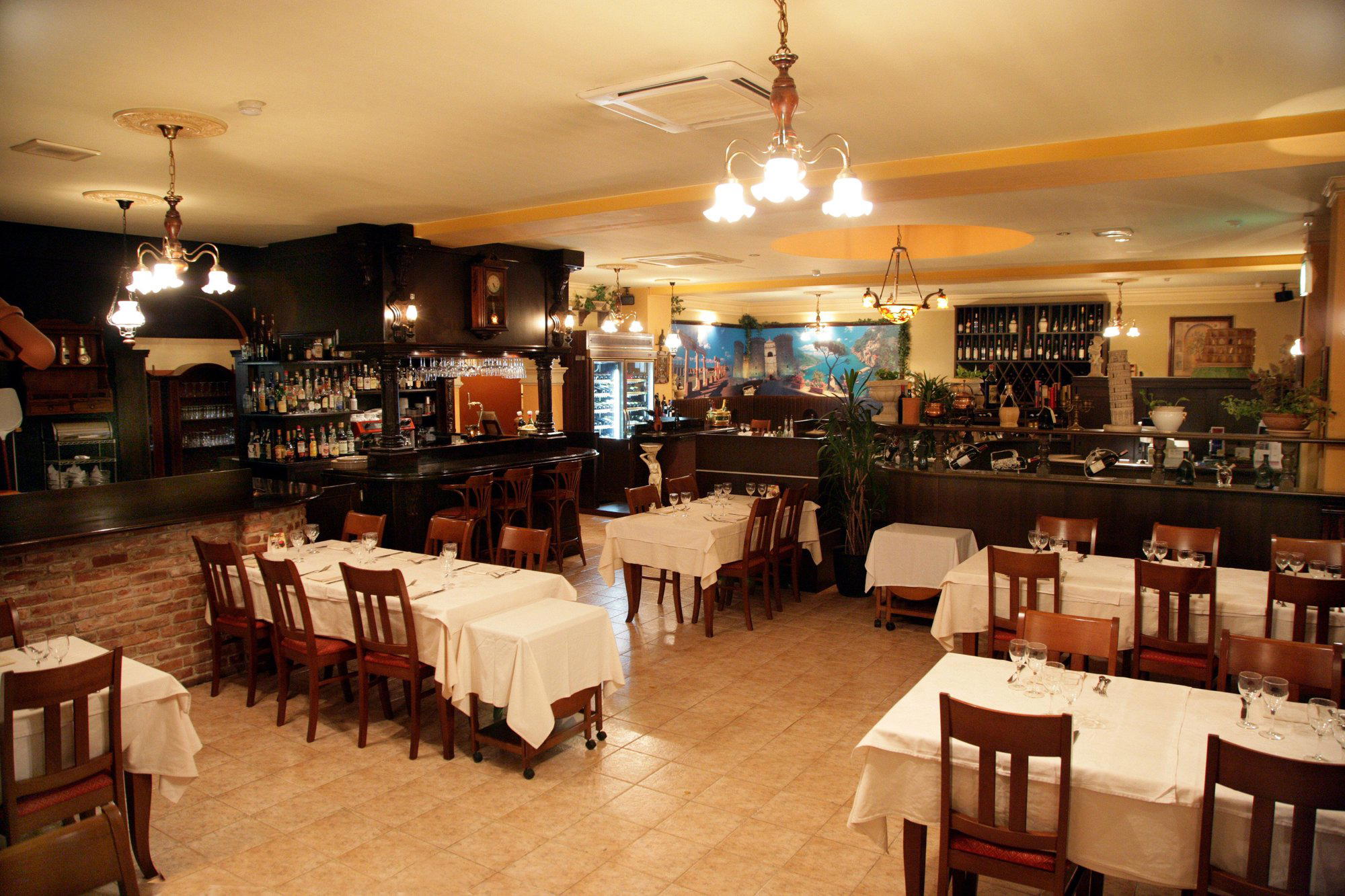
A softly lit, refined sushi counter with only 11 seats, combining a special counter in front of the chef and a small private room; the space is designed to feel calm and comfortable for everything from everyday use to important business dinners, with discreet service and a quiet, relaxed atmosphere.