In Fukushima Ward, one of Osaka's most concentrated pockets of specialist drinking and eating, かしわや泰 美酒佳鶏 occupies a ground-floor unit whose entrance faces the covered shopping arcade on the building's north side. The name signals the program directly: carefully sourced chicken and well-chosen sake. It is the kind of address that rewards knowing where to look.
Pearl is the En Primeur Club membership app — saves, bookings, and concierge access live there. Same editors, same standards.
- Address
- Japan, 〒553-0003 Osaka, Fukushima Ward, Fukushima, 7 Chome−5−20 びびる 1階 エントランスはビルの北側・商店街側です。
- Phone
- +81664524705
- Directions
- Get directions
 Saves & bookings on Pearl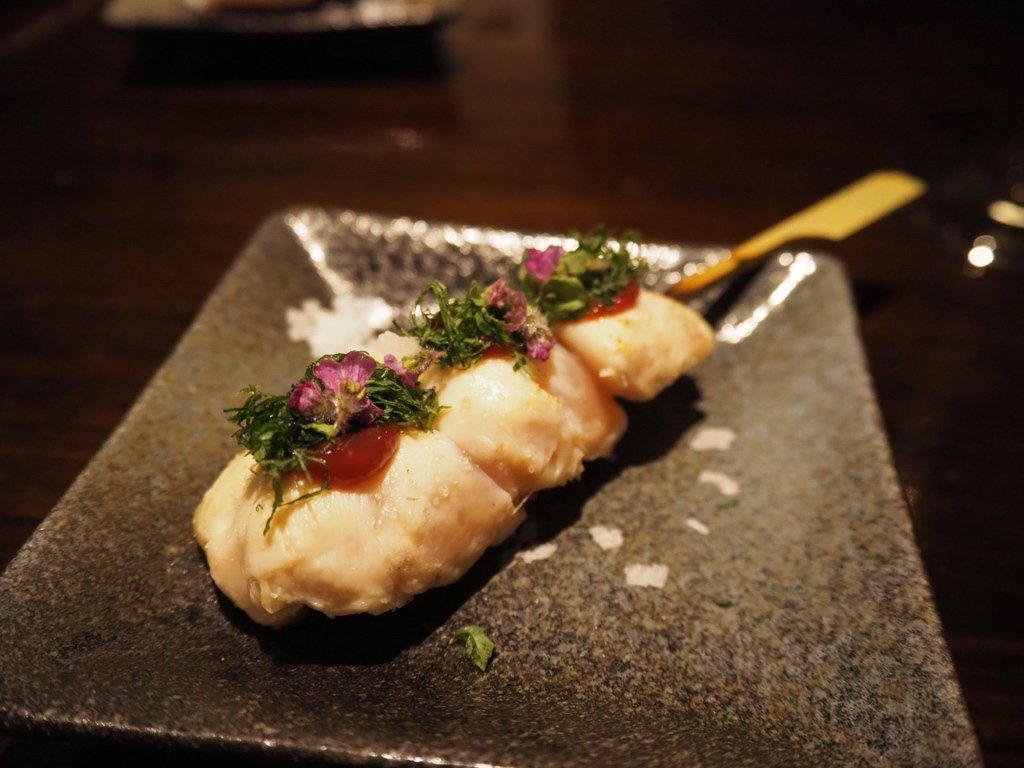
Fukushima Ward and the Izakaya Tier That Takes Chicken Seriously
Osaka's relationship with yakitori and chicken-focused dining sits at a different register from Tokyo's. Where the capital concentrates its serious bird cooking around Yurakucho's smoky underpass counters or the composed omakase format popularised by places like Birdland in Sakai, Osaka tends to fold its leading poultry work into the izakaya format, where the food and the drink are treated as inseparable. Fukushima Ward, immediately west of Umeda, has become one of the cleaner expressions of that tendency. The neighbourhood carries a density of specialist restaurants operating without the tourist-facing pressure that shapes the offer around Dotonbori or Namba, and the result is a street-level dining culture that prizes product quality and sake pairing over spectacle.
It is inside that context that かしわや泰 美酒佳鶏 operates. The venue sits on the ground floor of a building at 7-Chome-5-20 in Fukushima, with the entrance positioned on the building's north side, toward the covered shopping arcade rather than the main street face. That orientation is not incidental: it places the venue squarely within the pedestrian rhythm of a neighbourhood where the leading addresses are often found by knowing the right side of the building to approach.
What the Name Declares
The full name, かしわや泰 美酒佳鶏, is worth parsing. 「かしわ」refers to chicken in the Kansai dialect, a regional word that signals local identity from the outset. 「美酒佳鶏」 translates roughly as fine sake and good chicken, which functions less as marketing copy and more as a precise description of the program. In a city where naming conventions tend toward the literal, this kind of compound declaration usually indicates that both halves of the proposition, the drink and the food, are given equal attention. Chicken-specialist venues that also invest in their sake lists occupy a distinct sub-tier within Osaka's izakaya scene, one that sits above the volume-driven yakitori chains but typically operates without the formal counter format or the tasting-menu structure associated with places like HAJIME in Osaka.
For comparison, the kaiseki and French-influenced registers of Osaka's dining scene, represented by addresses such as Ajikitcho Bunbuan, Calendrier, and Aka to Shiro, occupy a different price tier and a different social occasion. The chicken-and-sake specialist format is dinner rather than event, and that is precisely what makes it a repeatable address for residents rather than a once-per-visit destination for travellers.
The Sensory Logic of a Chicken-and-Sake Counter
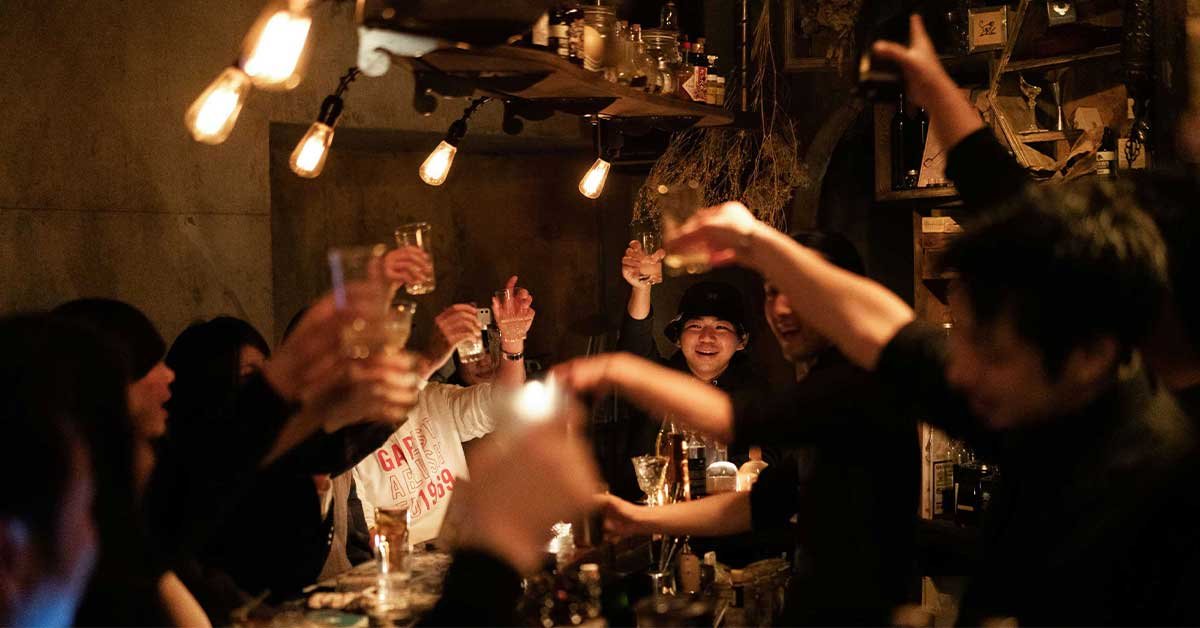
The atmospheric signatures of this format are consistent enough across Osaka's better examples to sketch with confidence. Smoke is present but controlled, rising from binchotan charcoal rather than the cruder heat sources that produce acrid rather than aromatic results. The light tends to run warm and low, sufficient to read a sake label but not so bright as to interrupt the pace of an evening that is designed to extend across multiple rounds. Ceramic cups hold sake at the temperature chosen by the server, cold or gently warmed depending on the style, and the interplay between fatty, charred chicken skin and a dry junmai or a fruit-forward nigori is the kind of pairing logic that serious izakaya in the Kansai region have refined over decades.
This is a dining register that rewards ordering in sequence rather than all at once. The kitchen's rhythm in venues of this type typically favours skewers arriving in small groups, giving the diner room to adjust sake choice between rounds. The sensory experience is cumulative rather than composed in the kaiseki sense. There is no single plated moment. Instead, the meal builds through repetition and variation on a narrow set of ingredients, with the quality of the sourcing doing the argumentative work that technique does in more formally structured kitchens.
That approach to quality sourcing within a narrow ingredient focus connects the better Osaka chicken counters to a broader Japanese culinary principle, one that visitors more often associate with sushi or ramen but that applies with equal force to yakitori and its variants. At destinations like Harutaka in Tokyo or Gion Sasaki in Kyoto, the same principle, restraint in format, intensity in sourcing, governs far more formally presented menus. The chicken-specialist izakaya format applies the same logic at a lower price point and a higher frequency of use.
Placing かしわや泰 in the Osaka Dining Map
Fukushima Ward's dining offer has expanded meaningfully over the past decade, absorbing some of the overflow from Umeda's higher-rent corridors and developing its own character in the process. The neighbourhood now carries a range that runs from neighbourhood soba and standing bars through to the kind of specialist counter that draws regular diners from across the city. かしわや泰 美酒佳鶏 sits within that broader Fukushima pattern, operating as a local specialist rather than a destination in the tourist-circuit sense.
Visitors making wider Kansai itineraries who want to cross-reference the regional izakaya format against other expressions of serious Japanese cooking should note that the standard of comparison shifts considerably once you move into the kaiseki tier represented by Ajihei Sonezaki or the tasting-menu format at Az. For readers with itineraries that extend beyond Osaka, addresses such as akordu in Nara and Goh in Fukuoka provide useful reference points for how the Kansai and Kyushu regions handle the upper end of the dining spectrum.
For international comparison, the narrow-ingredient-focus philosophy that defines this type of venue has its analogues in the seafood counter format at Le Bernardin in New York City or the ingredient-driven Korean tasting approach at Atomix in New York City, though the price tiers and service registers differ substantially.
Planning Your Visit
かしわや泰 美酒佳鶏 is located at 7-Chome-5-20 Fukushima, Fukushima Ward, Osaka. Approach from the shopping arcade on the north side of the building; the entrance is on that face rather than the street-facing south side. Fukushima station on the JR Osaka Loop Line and the Hanshin line both place the ward within a short walk, making this a practical stop within a wider Fukushima evening rather than a standalone trip from central Osaka. Reservation is essential, and the price per person is about US$80.
Peers Worth Knowing
Comparable venues nearby, for context on price, style, and recognition.
| Venue | Cuisine | Price | Notes |
|---|---|---|---|
| かしわや泰 美酒佳鶏This venue — the venue you are viewing | Yakitori | $$$ | Not listed |
| Konishi | Kappo | $$$ | Kita |
| Utsutsuyo | Seasonal Japanese Izakaya with Sake Pairings | $$$ | Chūō |
| Teppanyaki THE VILLAGE OSAKA | Teppanyaki | $$$ | Fukushima |
| Yoshitora | Traditional Unagi (Freshwater Eel) | $$$ | Chūō |
| Wayōshusai Hide | Japanese Izakaya | $$$ | Chūō |
Continue exploring
More in Osaka
Restaurants in Osaka
Browse all →




Bars in Osaka
Browse all →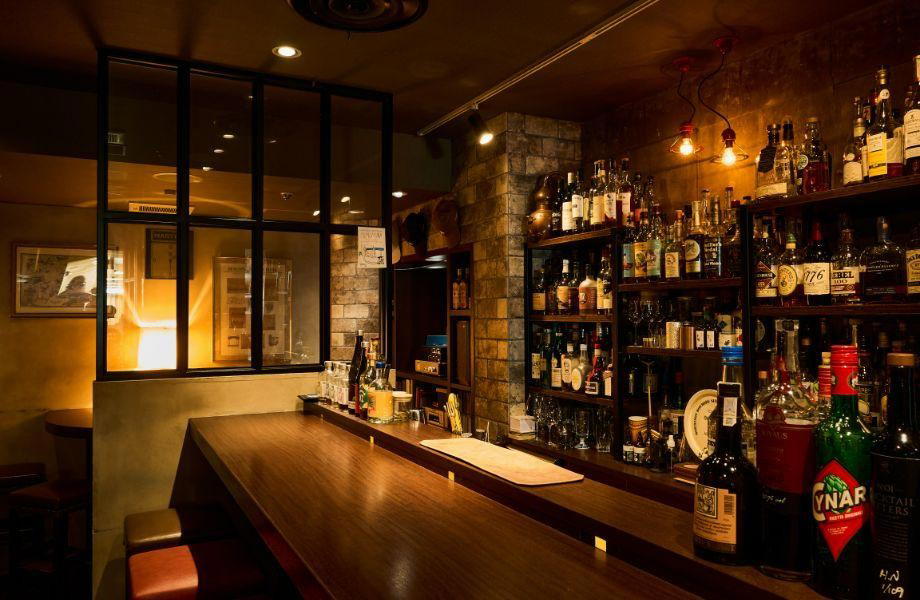
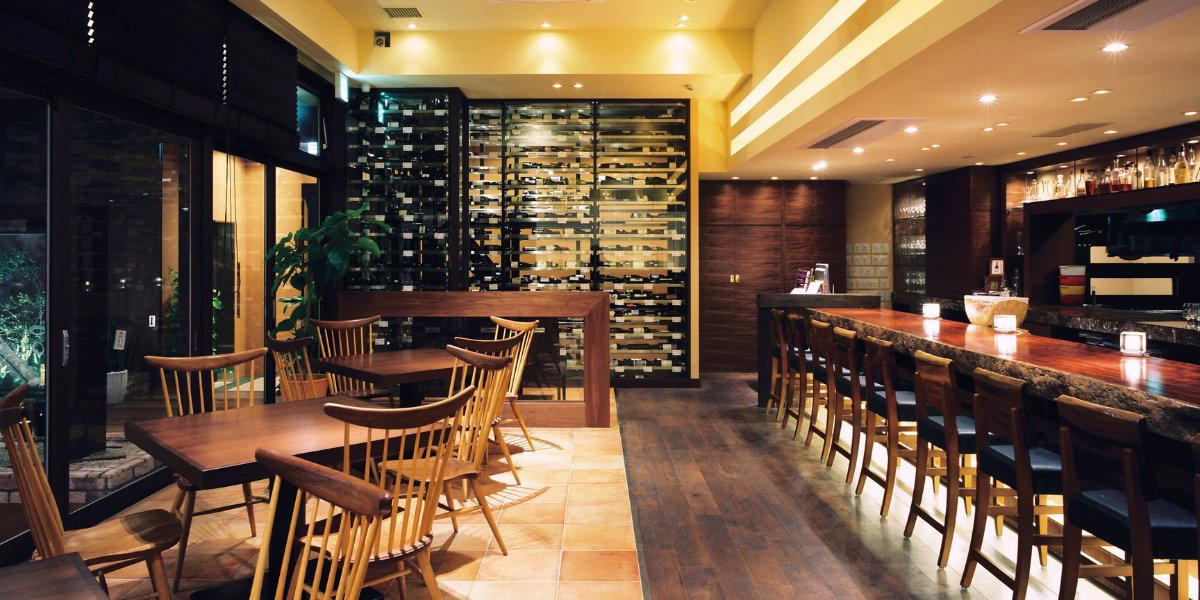
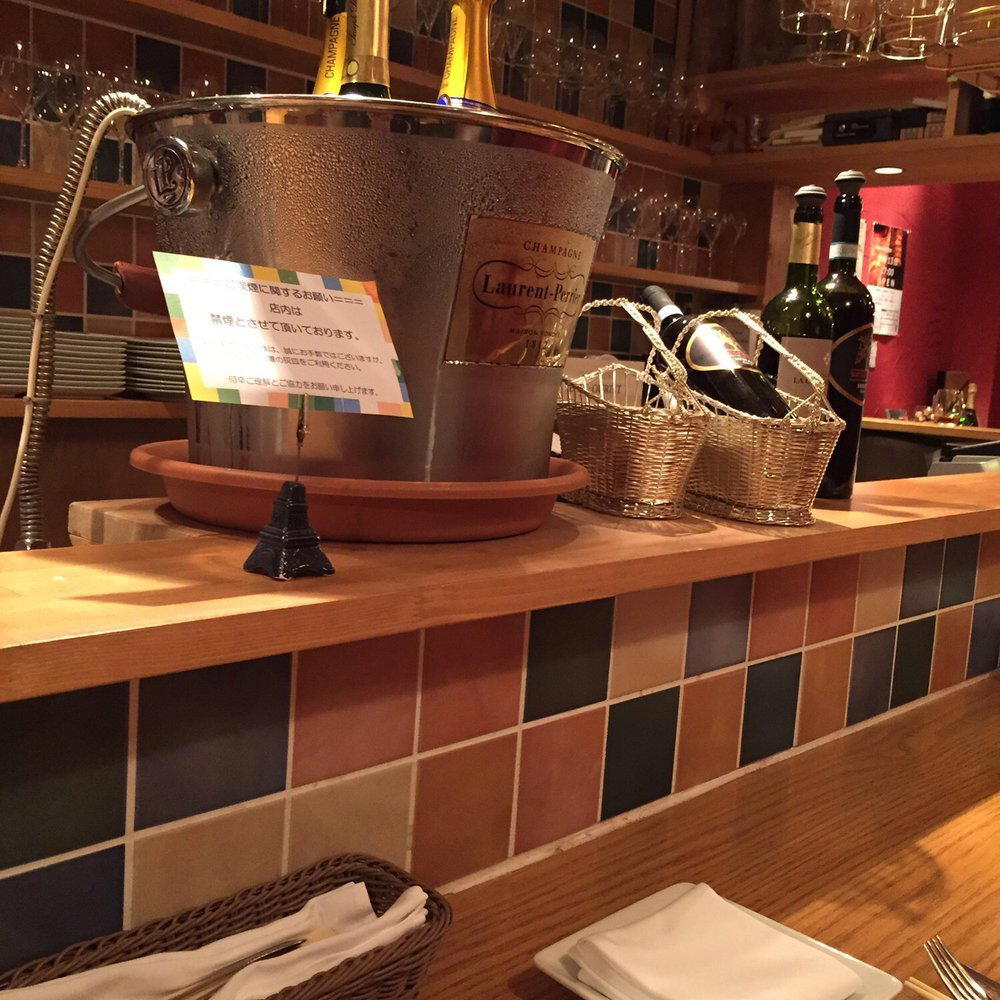

Hotels in Osaka
Browse all →



Wineries in Osaka
Browse all →
At a Glance
- Cozy
- Intimate
- Special Occasion
- Date Night
- Business Dinner
- Standalone
- Sake Program