Our verdict
In Miyakomachi, one of Oita city's quieter residential pockets, おおいた花山椒 operates as a small-format Japanese restaurant where regional Kyushu ingredients take clear precedence over spectacle. The address alone places it outside Oita's more trafficked dining corridors, and the name, hanasansho, the flowering prickly ash, signals a kitchen attentive to what grows nearby and when.

Pearl is the En Primeur Club membership app, where members save venues, book tables and use the concierge.
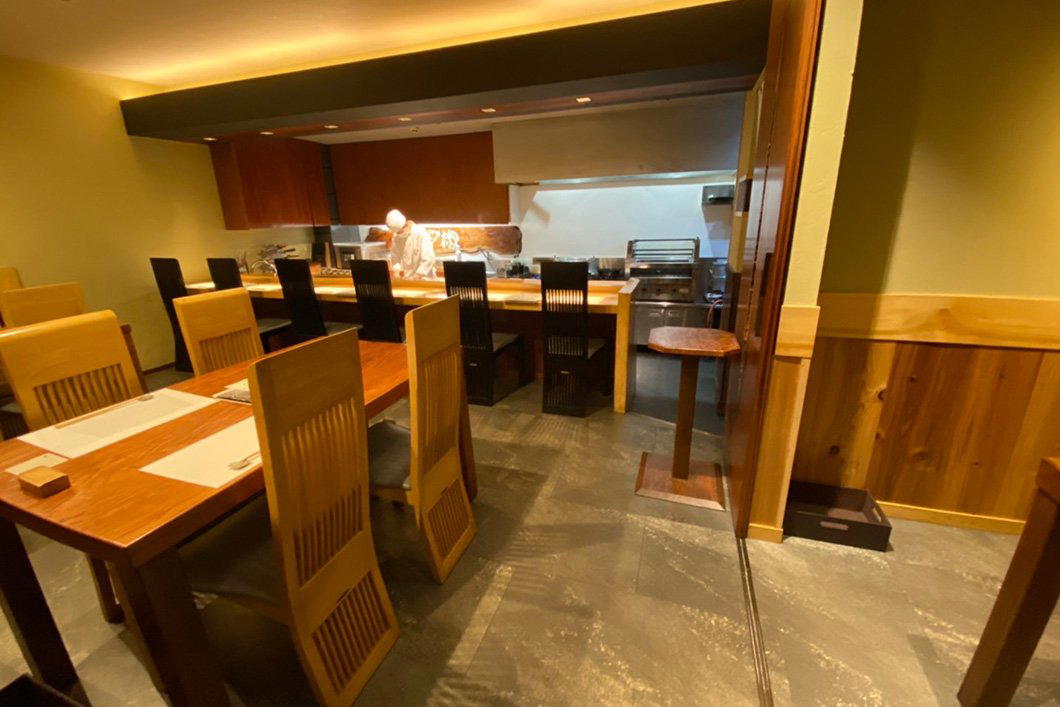
Oita's Ingredient Logic, One Street Back from the Obvious
Oita Prefecture sits at an intersection that most of Japan's dining coverage skips past. Beppu draws visitors for hot springs; the prefecture's agriculture and fisheries rarely make headlines outside the region. Yet the Bungo Channel yields some of Kyushu's more distinctive seafood, Oita's inland areas contribute mountain vegetables and game, and the wider Kyushu supply network, known for wagyu, citrus, and a diversity of seasonal produce, runs directly through this city. Restaurants that choose to work within that local logic, rather than importing prestige ingredients from elsewhere, are making a statement about what Oita dining can be on its own terms.
おおいた花山椒, addressed at 3-2-30 Miyakomachi in Oita city, sits in a residential quarter that sits a step removed from the main commercial strips. The venue's name is worth parsing: hanasansho refers to the flowering stage of sansho, the Japanese prickly ash, a plant whose leaves, berries, and blossoms each carry distinct aromatic profiles and appear at different points in the calendar. Naming a restaurant after that flowering moment is not incidental, it positions the kitchen's attention toward the specific, the seasonal, and the botanical, rather than toward the broad strokes that anchor most restaurant identities.
The Ingredient Sourcing Frame in Kyushu Japanese Cuisine
In Japan's more analytically observed dining cities, Kyoto, Tokyo, Osaka, the connection between restaurant and regional ingredient has been codified into a marketable identity. Kappo and kaiseki houses in those cities compete partly on the provenance stories attached to their seasonal menus. Oita operates without that established narrative infrastructure, which means the sourcing choices a kitchen makes here read as operational decisions rather than marketing positions. That distinction matters. When a restaurant in a less-scrutinised city works closely with local agriculture, the motivation is more likely to be proximity and quality than brand differentiation.
Kyushu's ingredient calendar is dense. Spring brings bamboo shoots and the hanasansho blossoms that share the restaurant's name. Summer opens into ayu sweetfish from the prefecture's rivers, along with the first of the season's eggplant and bitter melon varieties common to southern Japanese kitchens. Autumn shifts toward matsutake and other mushrooms from the region's forested hillsides, and winter brings the channel's yellowtail and oysters alongside root vegetables. A kitchen that reads that calendar closely, rather than importing consistency from outside the region, is aligning itself with a tradition of place-responsive cooking that runs through the best of Japanese cuisine without requiring any particular famous lineage to justify it.
For context, restaurants operating in that same tradition, deeply local sourcing, seasonal constraint, ingredient-forward menus, appear across Japan at different levels of recognition. Gion Sasaki in Kyoto and HAJIME in Osaka both operate inside a sourcing logic tied to regional specificity, though in cities where that approach receives consistent critical attention. In Oita, the same discipline operates largely outside the spotlight.
Where おおいた花山椒 Sits in Oita's Dining Pattern
Oita city's Japanese restaurant tier is anchored by a small group of serious addresses. Beppu Hirokado and Jimgu both operate in the Japanese cuisine category and represent the kind of focused, format-disciplined dining that the prefecture's more demanding visitors seek out.
Within that peer group, the Miyakomachi address places おおいた花山椒 in a quieter residential context than venues positioned near train stations or tourist circuits. That geography tends to self-select for a particular type of guest: local regulars, visitors who have done the research, and the occasional food-focused traveller who has read past the Beppu itinerary. It also tends to produce a different room atmosphere, quieter, less transient, more oriented toward the food itself than toward the occasion of being seen dining out.
The comparison extends further when you look at what serious Japanese cuisine outside the major cities typically requires of its guests. Goh in Fukuoka, operating in a city with stronger food tourism infrastructure than Oita, has developed an international following while maintaining a format-discipline that keeps the focus on the plate. Oita restaurants operating in a similar register do so without that infrastructure advantage, which means the dining experience tends to be less mediated by external expectation.
Planning a Visit to Miyakomachi
The Miyakomachi address is reachable from Oita Station, the prefecture's main rail hub, in a short taxi or walk. Oita city is connected to Fukuoka by the Sonic limited express and to the broader Kyushu Shinkansen network, making it a viable day trip for visitors based in Fukuoka or Kumamoto, though an overnight stay allows for a more considered visit. Reservations at small Japanese restaurants in regional cities of this type are typically made by phone or through local booking channels, an interpreter or hotel concierge can help if direct communication in Japanese is a barrier. Given the scale of Miyakomachi's dining scene and the likely seat count at a restaurant of this format, booking well ahead of any visit is the practical choice rather than an optional precaution.
For visitors building an itinerary around serious Japanese dining in the Kyushu region, the city pairs naturally with stops in Fukuoka and Beppu, and the wider Oita countryside repays time spent outside the city. Our full Oita restaurants guide maps the city's dining options across categories and price tiers.
Elsewhere in Japan, comparable ingredient-focused small-format restaurants worth knowing include Harutaka in Tokyo, akordu in Nara, 一本杉川嶋 in Nanao, 夕佳山乃 in Sapporo, 湖畔荘 in Takashima, and 羽根屋 in Nishikawa Machi, each operating in a regional context where local sourcing drives the menu logic. For a broader comparative frame across food traditions, Birdland in Sakai, Bistro Ange in Toyohashi, Le Bernardin in New York City, and Atomix in New York City each demonstrate how ingredient sourcing philosophy shapes format and menu identity at different price tiers and cultural contexts.
Frequently asked questions
Can I bring kids to おおいた花山椒?
The Miyakomachi address and the restaurant's positioning within Oita city's serious Japanese dining tier suggest a setting oriented toward adult guests seeking a focused meal. Families with young children should check the venue's official channels to confirm suitability before booking, as the format may not be designed around younger diners.
What kind of setting is おおいた花山椒?
The restaurant is located at 3 Chome-2-30 Miyakomachi, a central Oita city address that places it within easy reach of Oita Station. Based on its standing among Oita's tier of serious Japanese restaurants, alongside addresses like Beppu Hirokado and Jimgu, the setting is likely composed and intimate rather than casual. Confirm specifics directly with the venue.
How does おおいた花山椒's location in Miyakomachi compare to dining near Beppu?
Miyakomachi sits within Oita city proper, roughly 15 kilometres from Beppu's hot-spring district, and the dining character differs considerably. Beppu's restaurant scene is shaped by tourism volume; Oita city's Miyakomachi addresses, including おおいた花山椒, operate within a local dining culture that draws residents and intentional visitors rather than passing foot traffic. Travelling between the two by train or taxi takes under 30 minutes, making it a practical addition to a broader Oita Prefecture itinerary.
What's the must-try dish at おおいた花山椒?
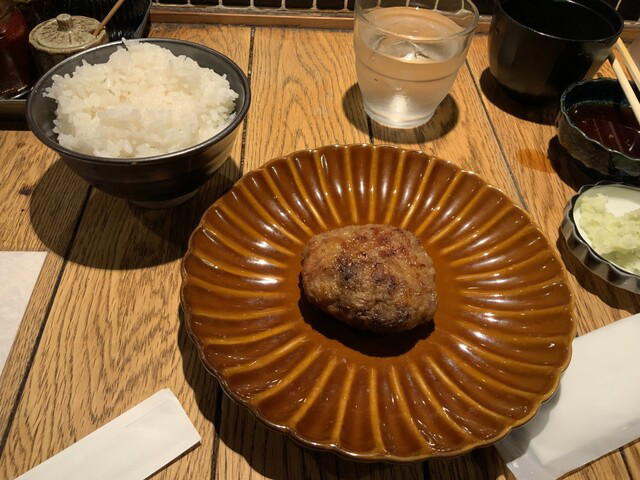
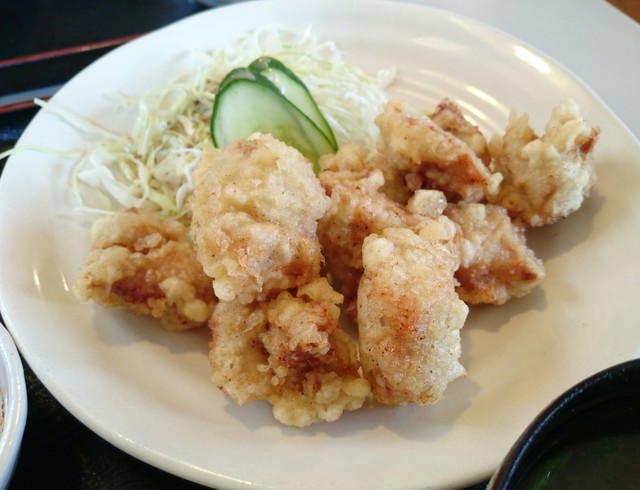
The restaurant's name references hana-sansho, the flowering Japanese pepper native to the region, which signals a kitchen philosophy built around Oita's distinctive seasonal ingredients. Specific menu items are set by the kitchen and are best confirmed at time of booking, as offerings reflect what the prefecture's producers and seasons make available.
Where is おおいた花山椒 located?
おおいた花山椒 is located at 3 Chome-2-30 Miyakomachi, Oita, 870-0034, Japan, Oita.
Should I book おおいた花山椒 in advance?
For any serious Japanese restaurant in Oita city's upper dining tier, advance reservation is standard practice. The Miyakomachi location is not a walk-in destination. check the venue's official channels to secure a table, particularly if visiting during peak travel periods when Beppu and Oita attract higher visitor numbers.
What makes おおいた花山椒 worth seeking out?
Oita Prefecture's agricultural and coastal output, including local citrus varieties, mountain vegetables, and Kyushu seafood, receives relatively little coverage compared to Kyoto or Tokyo's ingredient networks, making restaurants that anchor their menus to this sourcing rarer in the national dining conversation. おおいた花山椒's name alone declares a commitment to the hana-sansho pepper, a hyper-regional ingredient that places the kitchen squarely within Oita's food identity rather than a generic Japanese fine-dining template.
Quick Comparison
Comparable venues nearby, for context on price, style, and recognition.
| Venue | Cuisine | Price | Awards | Notes |
|---|---|---|---|---|
| おおいた花山椒This venue (the venue you are viewing) | Oita Local Japanese Fine Dining | $50–100 | Not listed | Not listed |
| Aji Arai | Kyushu Kappo | $150–200 | Tabelog Bronze #8 | Nakatsu |
| Jimgu | Farm-Driven Innovative Japanese | $100–150 | Relais Chateaux Award · Tabelog Bronze #146 | Yufuin |
| Beppu Hirokado | Kaiseki Kappo with Kyushu Ingredients | $150–200 | Tabelog Silver #36 | Horita |
| Bimi Nakayoshi | Japanese Teishoku / Cafeteria | $1–10 | Tabelog 100 #49 | Higashikasugamachi |
| Ito | Japanese Udon | Not listed | Tabelog Bronze #141 | Oita |




Details
- Elegant
- Intimate
- Sophisticated
- Special Occasion
- Date Night
- Open Kitchen
- Sake Program
- Local Sourcing
- A La Carte
Current opening hours
- Monday
- 5:30–11 PM
- Tuesday
- 5:30–11 PM
- Wednesday
- Closed
- Thursday
- 5:30–11 PM
- Friday
- 5:30–11 PM
- Saturday
- 5:30–11 PM
- Sunday
- 5:30–11 PM
Hours can change for holidays and private events. Hours as of .
Quiet and elegant atmosphere focused on the artistry of each carefully crafted dish.