


We're Smart World 4 Radishes · Relais Chateaux Award
Our verdict
Enowa Yufuin sits inside a botanical eco-resort in Oita Prefecture's Yufuin valley, where Tibetan chef Tashi Gyamtso shapes kaiseki menus from produce grown on the property. For kaiseki within a working landscape, this is a considered proposition.

Pearl is the En Primeur Club membership app — saves, bookings, and concierge access live there. Same editors, same standards.
- Address
- 544 Yufuincho Kawakami, Yufu, Oita 879-5102, Japan
- Phone
- +81 977-28-8310
- Website
- enowa-yufuin.jp
- Directions
- Get directions
- Booking
- Book on the venue's website
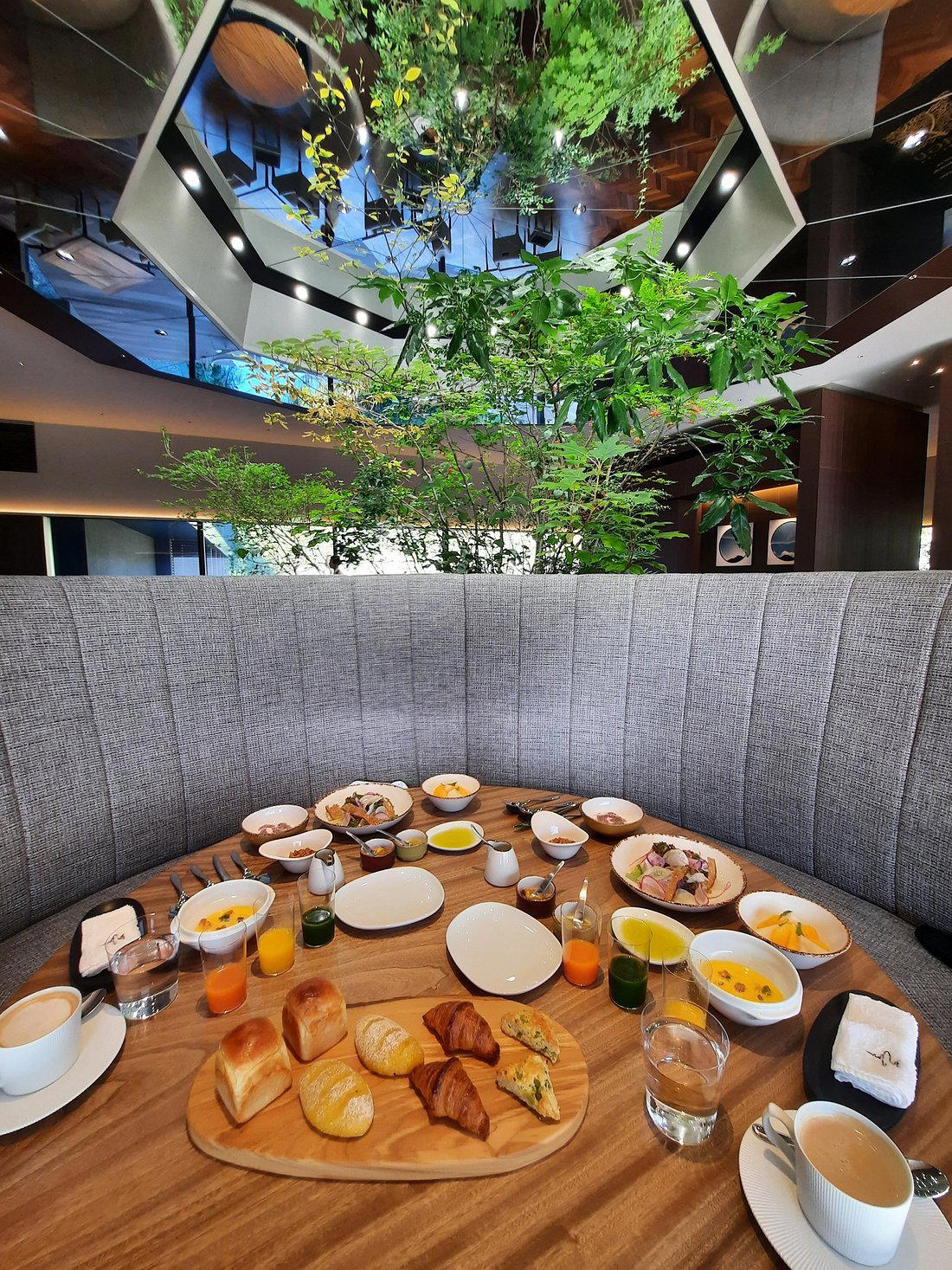
Where the Kitchen Begins in the Garden
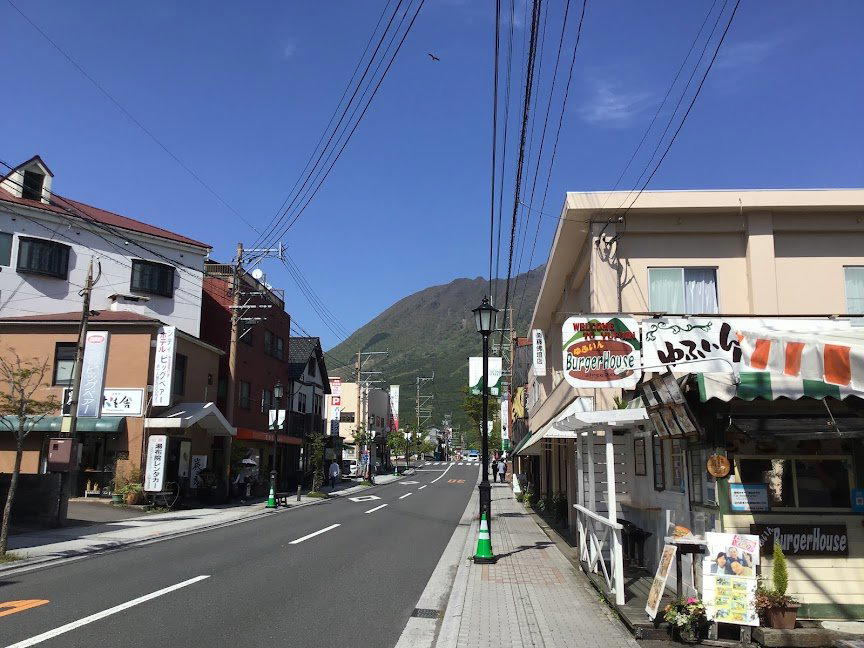
The road into Yufuin carries a particular character that separates it from most Japanese resort towns. Steam rises from the valley floor, cedar slopes press in from the surrounding hills of Oita Prefecture, and the pace slows in a way that feels structural rather than decorative. Arriving at Enowa, that quality sharpens. The resort's botanical gardens are not an amenity placed beside the restaurant — they are its supply chain, and that relationship organises everything that follows at the table.
In kaiseki, the idea of seasonal fidelity is not novel. The multi-course tradition that evolved from the spare meals served at tea ceremonies has always treated the calendar as a co-author. What has shifted in recent decades, across properties from Kyoto machiya counters to rural ryokan dining rooms, is the directness of that connection. Some kitchens source from trusted regional farms. Others, like Enowa, close the distance further by cultivating on-site. The result is a format where the growing conditions, the harvest timing, and the composition of each course occupy a single conversation rather than a supply chain.
Tashi Gyamtso and the Tibetan Thread in Japanese Kaiseki
Chef Tashi Gyamtso occupies an unusual position in the kaiseki conversation. The tradition has deep roots in the Zen Buddhist monastic kitchens of Kyoto, and its practitioners are overwhelmingly formed through Japanese apprenticeship lineages. A Tibetan chef working within that framework — drawing on botanical produce from an Oita eco-resort, represents a genuinely different axis of interpretation. The cuisine of the Tibetan plateau has its own relationship to altitude-grown ingredients and minimal intervention, and while the kaiseki structure remains the organising principle at Enowa, Gyamtso's background as a point of reference within that structure is worth noting.
For the broader kaiseki peer group, training lineage and regional identity function as credentials. At Gion Sasaki in Kyoto or Aca 1° in Kyoto, the culinary logic flows from established Kansai tradition. Aoyagi - 青柳 in Tokyo anchors itself in a different metropolitan register. Gyamtso's position at Enowa sits outside those established lineages, which makes the botanical-resort context more load-bearing: the setting and its produce provide the authority that lineage supplies elsewhere.
The Logic of an Eco-Resort Kitchen
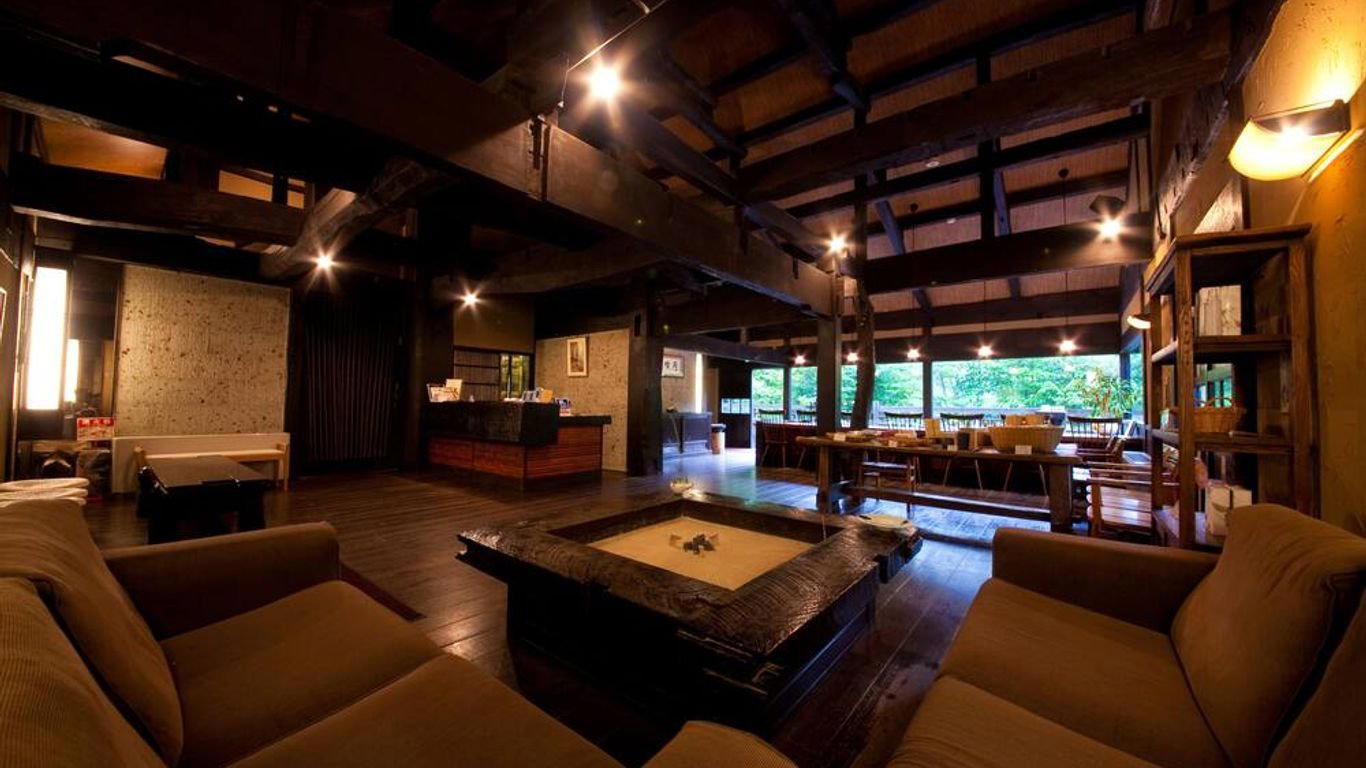
Japan's kaiseki dining has long been associated with the ryokan format, particularly in thermal resort regions. Oita Prefecture, home to more hot spring sources than any other prefecture in Japan, has a well-developed tradition of resort dining that pairs onsen hospitality with multi-course meals. Enowa works within that tradition but with a more deliberate environmental infrastructure: the botanical gardens function as a working farm, not an aesthetic gesture, and that shapes both the menu's range and its day-to-day variability.
The We're Smart Green Restaurant recognition that Enowa has received signals a specific commitment within that framework. We're Smart, the Belgian-origin rating system for vegetable-forward cooking, evaluates the proportion of plant-based ingredients, sourcing ethics, and kitchen philosophy. Recognition from that system places Enowa in a distinct niche within kaiseki, not the austere Zen-derived minimalism of a Kyoto tea-kaiseki counter, but a more ecologically oriented interpretation where vegetables carry primary rather than supporting weight.
For context, Goh in Fukuoka and Aji Arai in Oita represent the Kyushu dining environment more broadly, a region with strong seasonal produce traditions and a culture of hot-spring hospitality that gives resort dining a structural seriousness absent in many other luxury travel contexts. Enowa's farm-first approach is a sharper expression of something already present across the island.
Private Onsen, Modern Aesthetics, and the Resort Logic
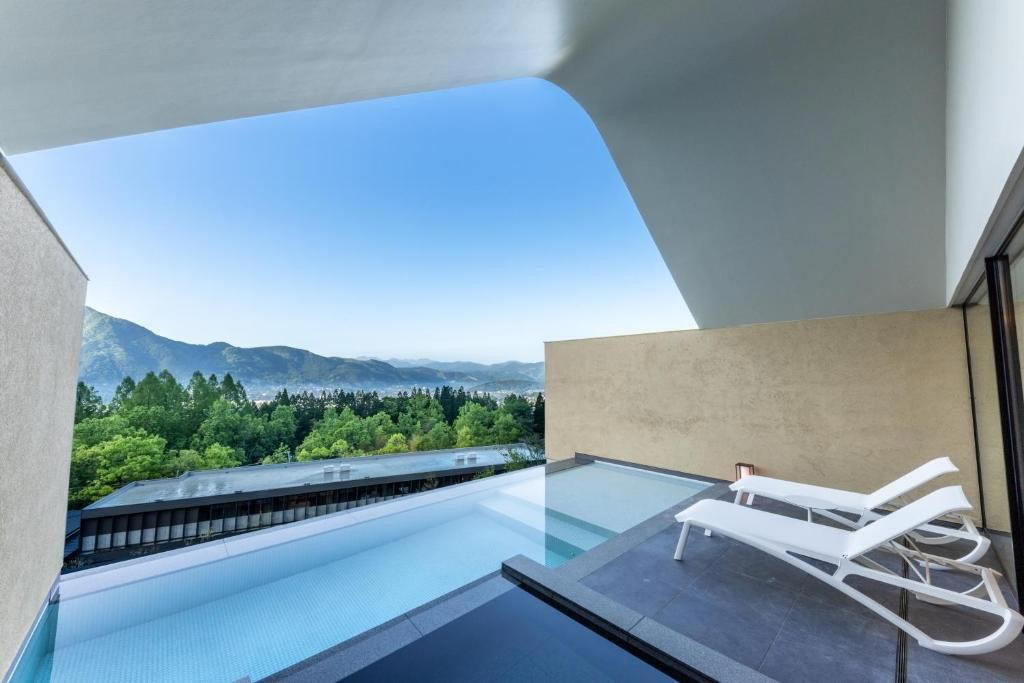
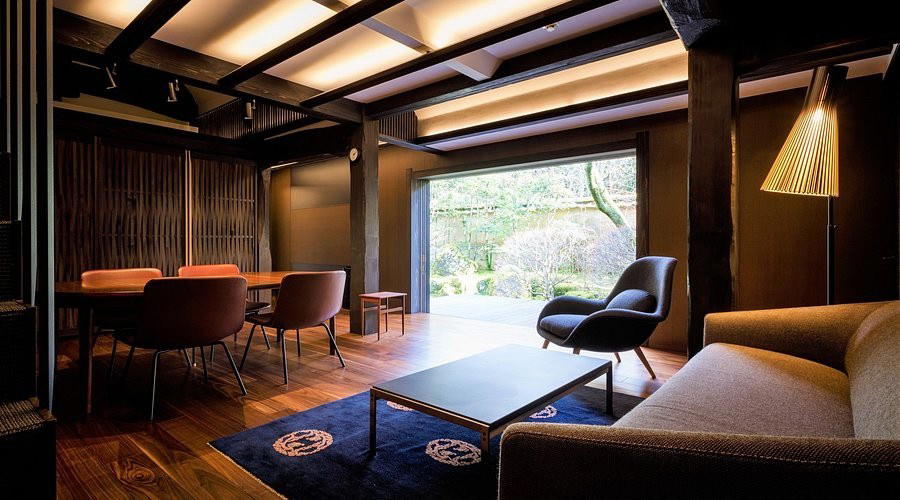
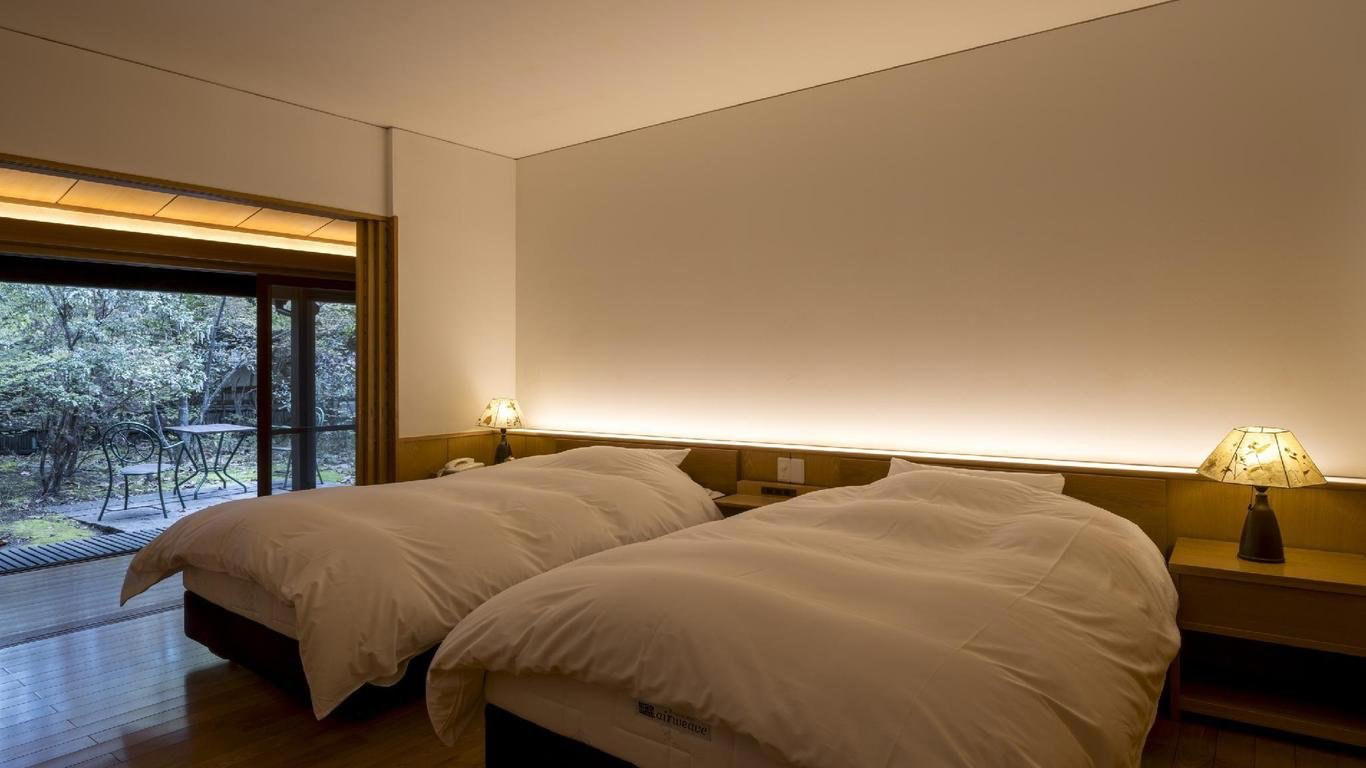
The private onsen access at Enowa connects the dining experience to a wider resort grammar. In Yufuin, the private onsen has become the standard of quality differentiation, public bathing facilities are common across the town's many ryokan, but the move to private access signals a tier of hospitality investment that a specific category of traveller seeks. Modern aesthetics round out the offer: Enowa's design approach sits with the generation of Japanese resort properties that prioritise clean material choices and spatial restraint over the heavy lacquerware and tatami-heavy interiors of an older ryokan tradition.
That combination, botanical farm, kaiseki kitchen, private thermal bathing, contemporary design, positions Enowa in the same conversational space as design-led eco-resorts across Southeast and East Asia, though its kaiseki programme and its specific Yufuin location give it a regional grounding that those comparisons can obscure. Yufuin is not Kyoto, and the kaiseki served here does not compete on the same terms as the leading counters in the capital. It competes on a different axis: immersion, agricultural integrity, and the particular tranquillity of a valley that sits between mountains and steam.
Getting to Yufuin and Planning Your Visit
Enowa's address at 544 Yufuincho Kawakami places it within the broader Yufuin valley, accessible via Oita Airport for those flying in or by train to Yufuin Station on the Kyudai Main Line from Oita city. The train journey through Oita Prefecture's interior is genuinely worth building into the itinerary rather than treating as a transit inconvenience, the landscape changes character considerably as the line climbs. The GPS coordinates (33.2760, 131.3640) confirm a valley-floor position within easy reach of Yufuin's central cluster of ryokan and boutique lodgings.
For an eco-resort with a specialist kaiseki programme operating in a relatively low-traffic valley rather than a major city, that figure reflects consistent delivery to a guest profile that arrives with specific expectations. Booking should be treated as time-sensitive for kaiseki dining within the resort; multi-course formats at this level of sourcing specificity typically operate with fixed-capacity sittings and limited walk-in availability.
For further dining options across the region and beyond, [our full Yufu restaurants guide]() covers the valley's dining proposition in full. The adjacent pages, [our full Yufu hotels guide](), [bars guide](), [wineries guide](), and experiences guide, provide the surrounding context for a multi-day stay. For comparable kaiseki programmes in other Japanese cities, HAJIME in Osaka, akordu in Nara, and 1000 in Yokohama each offer distinct but related reference points. Harutaka in Tokyo](https://www.enprimeurclub.com/restaurants/harutaka-tokyo-restaurant), 6 in Okinawa, Abon in Ashiya, affetto akita in Akita, and Ajidocoro in Yubari District extend the map further across Japan's regional dining geography.
Frequently asked questions
What's Enowa Yufuin's location?
Enowa Yufuin is located at 544 Yufuincho Kawakami, Yufu, Oita 879-5102, Japan, Yufu.
Side-by-Side Snapshot
| Venue | Cuisine | Price | Awards | Notes |
|---|---|---|---|---|
| Enowa YufuinThis venue — the venue you are viewing | Modern Farm-to-Table Japanese | Not listed | We're Smart World 4 Radishes · Relais Chateaux Award | Not listed |
| Harutaka | Sushi | Not listed | Michelin 3 Star | Not listed |
| RyuGin | Modern Kaiseki | $500+ | 3 Michelin Stars · World's 50 Best #41 | Kaiseki, Japanese |
| HAJIME | French, Innovative | Not listed | Michelin 3 Star | Not listed |
| L'Effervescence | French | Not listed | Michelin 3 Star | Not listed |
| HOMMAGE | Innovtive French, French | Not listed | Michelin 2 Star | Not listed |
Recognition history
Dated appearances from independent guides and award organizations, with the underlying list record or original source where available.
Relais Chateaux Award
Relais Chateaux
We're Smart World 4 Radishes
We're Smart World
The Japan Times Destination Restaurants Destination Restaurants Selection #9
The Japan Times Destination Restaurants
Continue exploring
More in Yufu
Bars in Yufu
Browse all →
Details
- Scenic
- Elegant
- Modern
- Intimate
- Sophisticated
- Minimalist
- Special Occasion
- Date Night
- Open Kitchen
- Garden
- Private Dining
- Sake Program
- Farm To Table
- Local Sourcing
- Organic
- Mountain
- Garden
- Tasting Menu
- Vegetarian Friendly
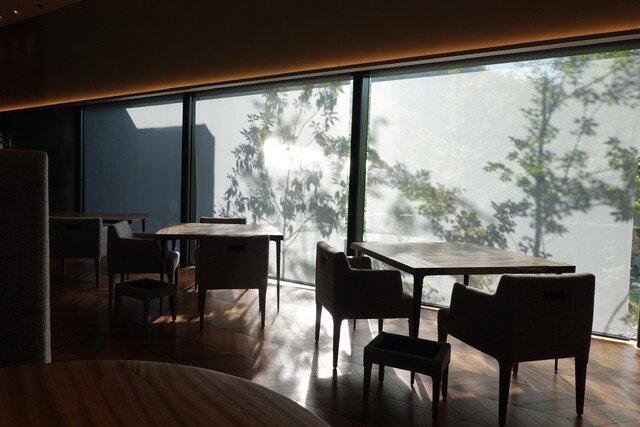
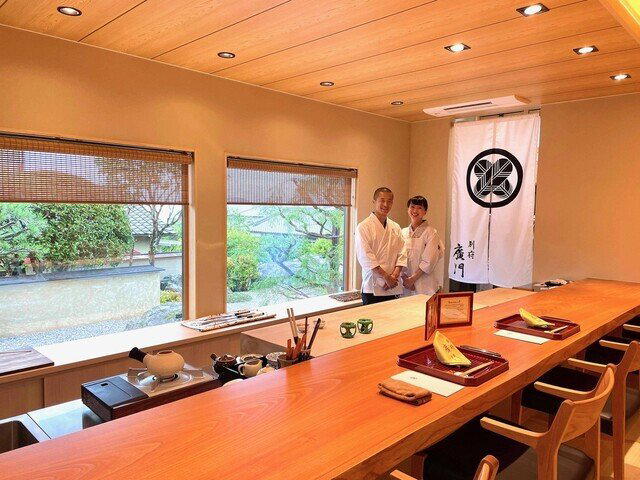
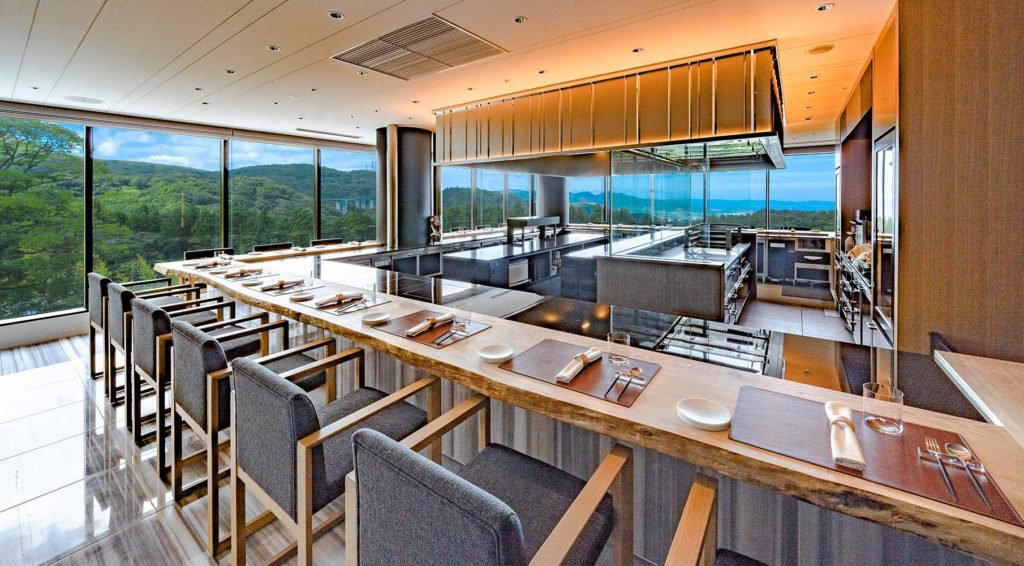
Modern minimalist Zen style with serene, spacious rooms, valley and mountain views, and a refined, cultivated atmosphere blending relaxation and sophistication.