Gettouan sits in Yufuincho Kawakami, the quieter northern reach of Yufu's celebrated onsen corridor in Oita Prefecture. The property occupies a setting shaped by the region's ryokan tradition, where architecture, thermal bathing, and seasonal cuisine converge in a format that resists the volume-driven hospitality of busier resort towns. For travellers calibrating a Kyushu itinerary, it represents the deliberate, slower register that defines Yufuin at its most considered.

Pearl is the En Primeur Club membership app, where members save venues, book tables and use the concierge.
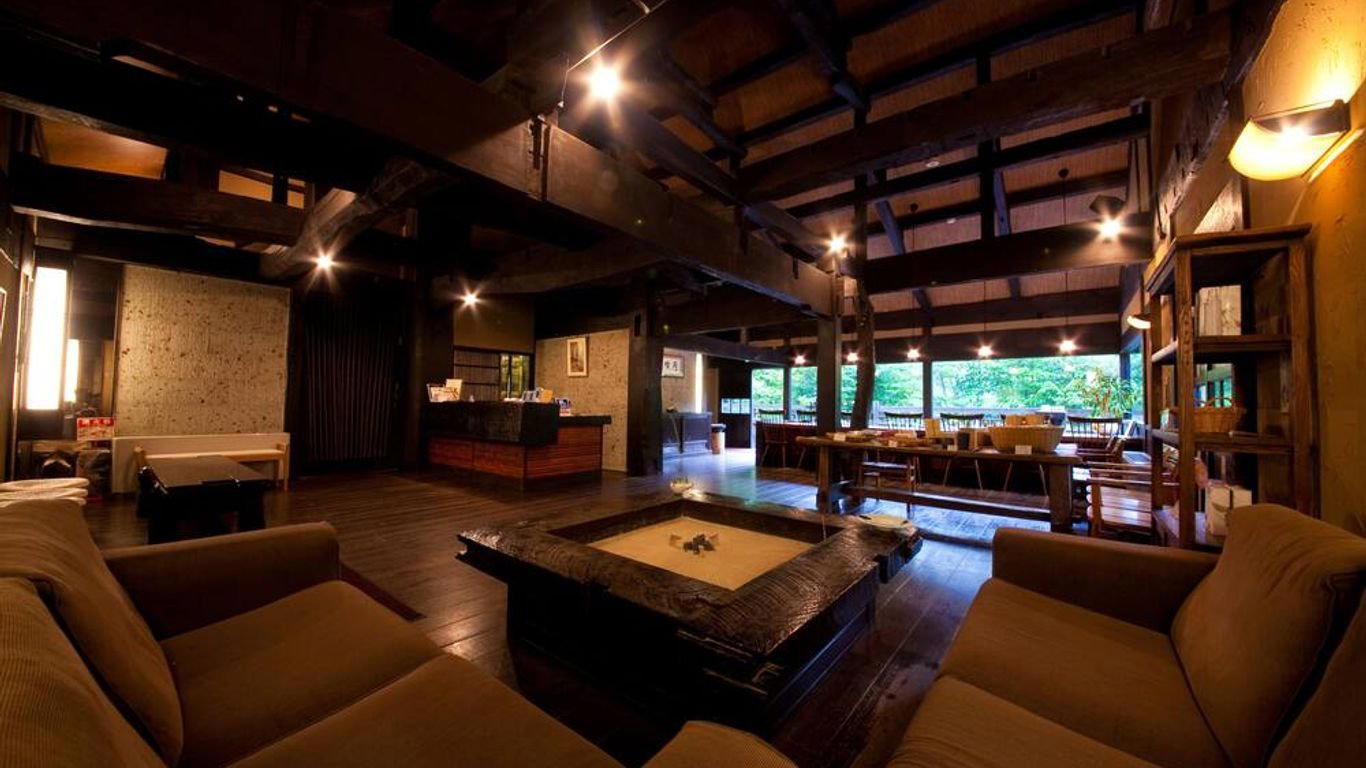
Where Yufu's Onsen Architecture Turns Inward
The road through Yufuincho Kawakami narrows as it moves away from Yufu's more trafficked centre, and the properties that line it tend to share a common instinct: design that faces inward rather than outward, favouring garden enclosure and thermal access over street presence. Gettouan, addressed at 295-2 Yufuincho Kawakami, sits within this corridor, where the ryokan format has historically shaped how space is organised, how a guest moves through a property, and how architecture mediates the relationship between interior life and the volcanic landscape outside.
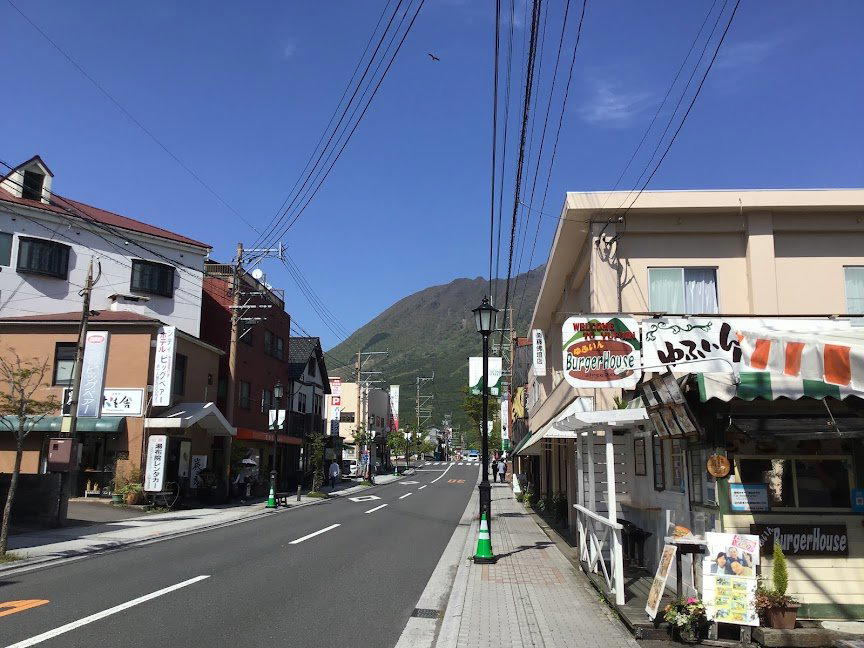
Yufu itself occupies a basin beneath Yufu-dake, the twin-peaked stratovolcano that defines the town's skyline and supplies the geothermal activity underpinning its onsen economy. That geography is not incidental to how properties here are designed. The most considered ryokan in this part of Oita Prefecture treat the hot spring as a spatial anchor, building rooms, corridors, and garden sightlines around thermal access points rather than around views of a road or a lobby atrium. The effect, when it works, is architecture that slows the guest down by design.
The Ryokan Format as Spatial Discipline
Japan's ryokan tradition has always been as much about spatial choreography as it is about accommodation. A well-resolved ryokan sequences arrival, transition, rest, bathing, and dining into something closer to a ritual circuit than a hotel stay. The physical environment carries most of that sequencing: the genkan entry, the change into yukata, the engawa corridor looking onto a maintained garden, the progression to an open-air rotenburo. Each threshold is intentional.
In Yufuin, this tradition has attracted a particular tier of property that operates at low capacity and prices accordingly. The town has developed, over the past four decades, a reputation distinct from the mass onsen resort model of nearby Beppu. Where Beppu runs large-volume bathhouse facilities and hotel-scale accommodation, Yufuin, and by extension the Yufuincho Kawakami addresses within it, has leaned toward the smaller, more architecturally deliberate format. That positioning places properties in this neighbourhood within a competitive set defined by intimacy and finish rather than amenity breadth.
Gettouan's address within Yufuincho Kawakami places it in that smaller-scale cohort. The surrounding area is home to some of the town's most referenced ryokan, including Kamenoi Besso and Yufuin Tamanoyu, both of which have built reputations on restrained design and thermal access as primary amenity. ENOWA Yufu and Yufuincho Kawakami represent the newer entrants to this neighbourhood tier, applying contemporary material languages to the same spatial logic.
Oita's Culinary Framework and the Ryokan Table
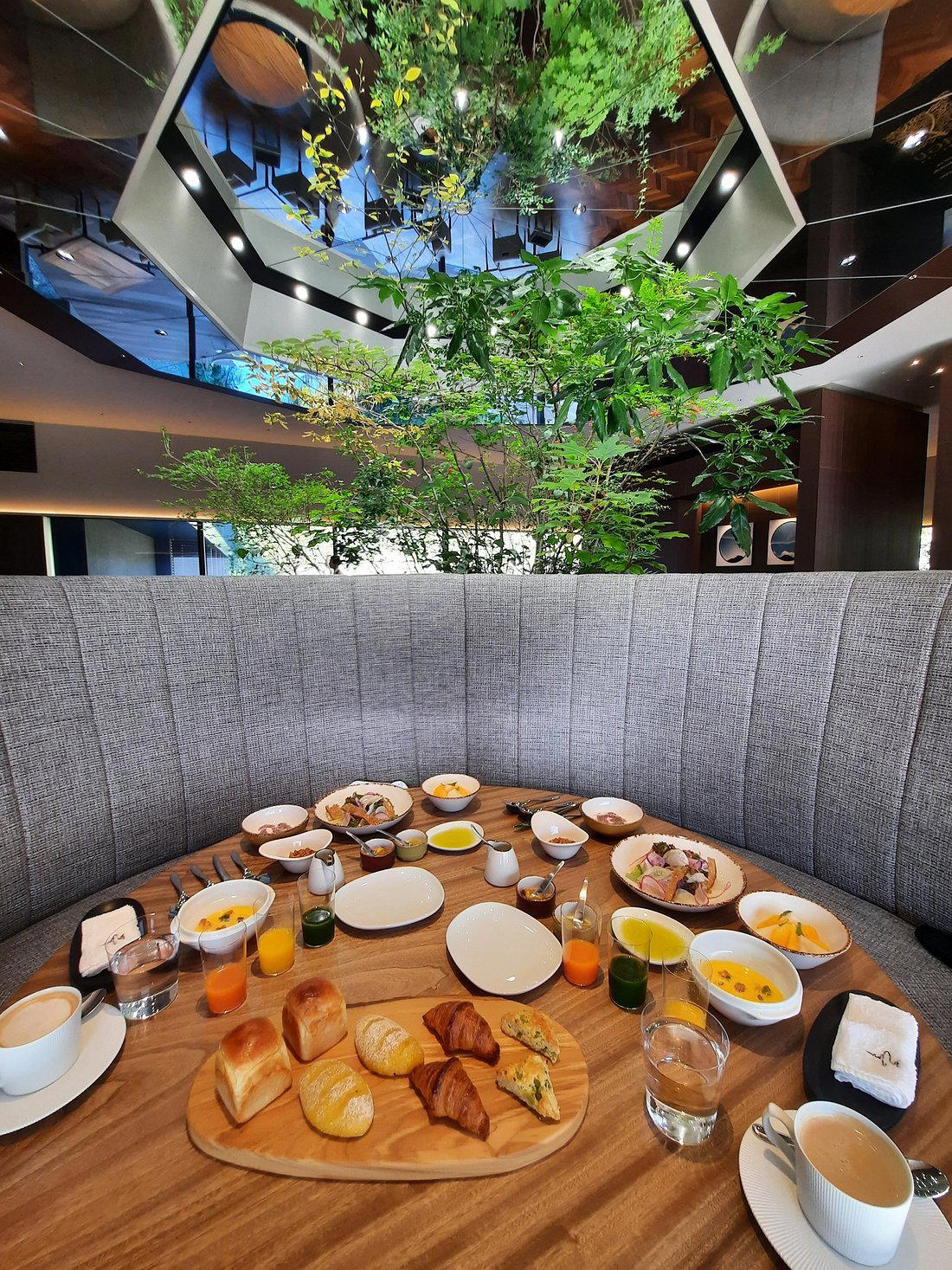
In ryokan of this type, the dining format is typically kaiseki or a kaiseki-adjacent multi-course structure served in-room or in a private dining alcove. The logic behind that format mirrors the spatial logic of the property itself: each course arrives in sequence, tied to season and local ingredient supply, and the guest is not expected to make decisions beyond the initial booking. Oita Prefecture offers a supply chain well suited to this approach. The coastal access through Beppu Bay and the Seto Inland Sea brings seasonal seafood, while the mountain surrounds of Yufu contribute wild vegetables, mushrooms, and game depending on the season.
Chicken from Oita, known locally as Oita-ken tori and including the prized Nakatsu karaage tradition to the north, also factors into the regional pantry. A ryokan operating in this part of Kyushu has access to a depth of local product that supports the kind of hyper-seasonal, place-specific menu structure that kaiseki demands. Whether and how Gettouan deploys these ingredients within its dining format is detail that requires direct inquiry with the property, but the regional supply context is consistent across properties of this tier.
Booking and Planning an Oita Itinerary
Yufuin is accessible by shinkansen to Hakata station in Fukuoka, then by limited express Yufuin no Mori train directly to Yufuin station, a journey of roughly two hours total from Fukuoka. The limited express runs a small number of departures daily, and reservations for the train itself are advisable, particularly during autumn foliage season from mid-October through November, and during the summer Tanabata and Obon periods when domestic travel peaks. Properties in Yufuincho Kawakami are within a short taxi or vehicle transfer from Yufuin station.
For travellers combining Yufu with broader Kyushu itineraries, the ANA InterContinental Beppu Resort & Spa in Beppu provides a contrasting hotel-format base nearby, while the region connects naturally into a circuit that might include Azumi Setoda in Onomichi or Benesse House in Naoshima for those routing through the Setouchi area. For a Japan itinerary that maps design-led ryokan more broadly, peer properties worth considering include Gora Kadan in Hakone, Asaba in Izu, Zaborin in Kutchan, Nishimuraya Honkan in Kinosaki-cho, Amanemu in Mie, Araya Totoan in Kaga, and Fufu Kawaguchiko in Fujikawaguchiko.
For Japan's larger urban hotel tier, Bvlgari Hotel Tokyo in Tokyo and HOTEL THE MITSUI KYOTO in Kyoto anchor the city-based end of a circuit that Yufu complements as a rural counterpoint. For those building longer itineraries across Japan's southern islands, Halekulani Okinawa in Okinawa, Jusandi in Ishigaki, Sekitei in Hatsukaichi-shi, Atami Izusan Karaku in Atami, and Fufu Nikko in Nikko each sit within comparable ryokan and luxury accommodation tiers. See our full Yufu restaurants guide for broader coverage of the town's dining and accommodation options.
Booking for properties in Yufuincho Kawakami is leading made directly with the property or through a Japan-specialist travel agent, particularly for peak-season stays. Many ryokan in this neighbourhood operate at very low room counts and fill months in advance for autumn and summer periods. Communicating dietary requirements at the booking stage is standard practice for kaiseki-format dining.
How It Stacks Up
| Venue | Cuisine | Price | Awards |
|---|---|---|---|
| GettouanThis venue (the venue you are viewing) | This venue | $200–300 | Not listed |
| ENOWA Yufu | Michelin 2 Key | $750–1,000 | 2 Michelin Keys · Relais Chateaux Award |
| Kamenoi Besso | Michelin 2 Key | Not listed | 2 Michelin Keys |
| Yufuin Tamanoyu | Not listed | $750–1,000 | 1 Michelin Key |
Details
- Quiet
- Scenic
- Cozy
- Elegant
- Rustic
- Honeymoon
- Romantic Getaway
- Wellness Retreat
- Anniversary
- Private Villa
- Panoramic View
- Wi Fi
- Hot Tub
- Restaurant
- Concierge
- Free Parking
- Mountain
- Garden
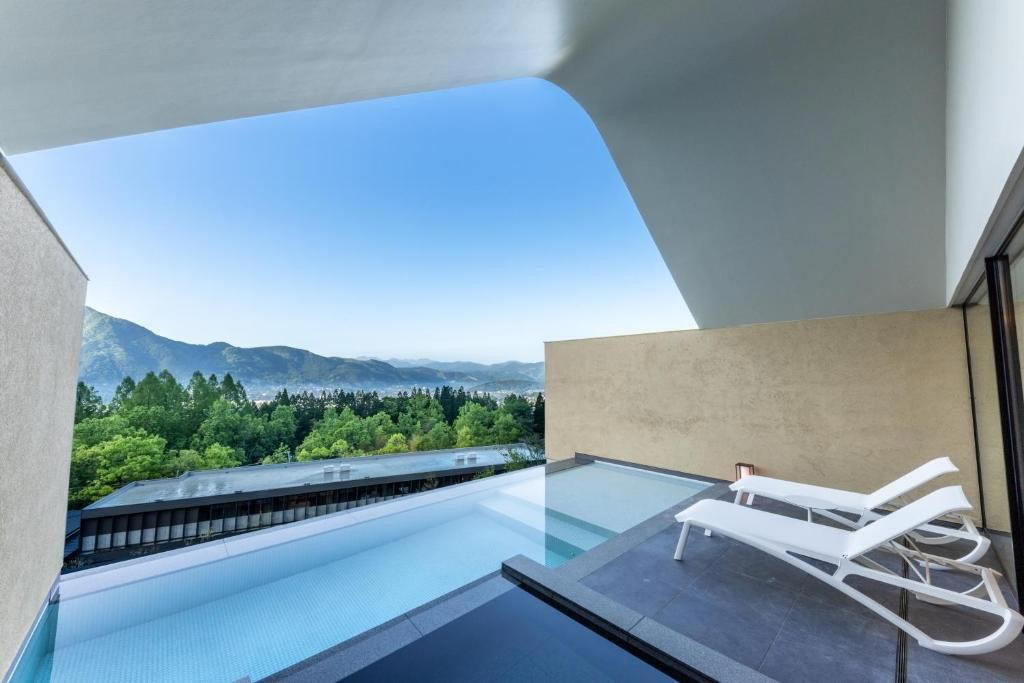
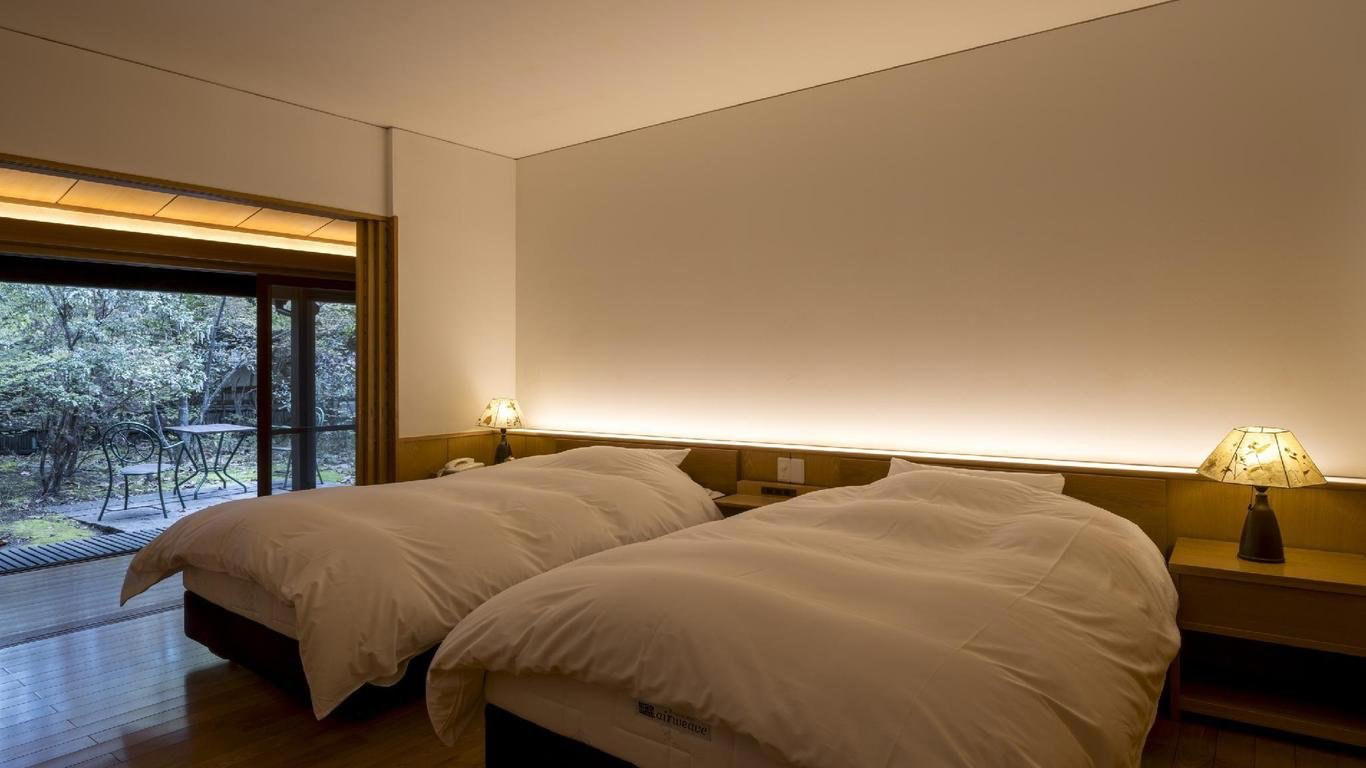
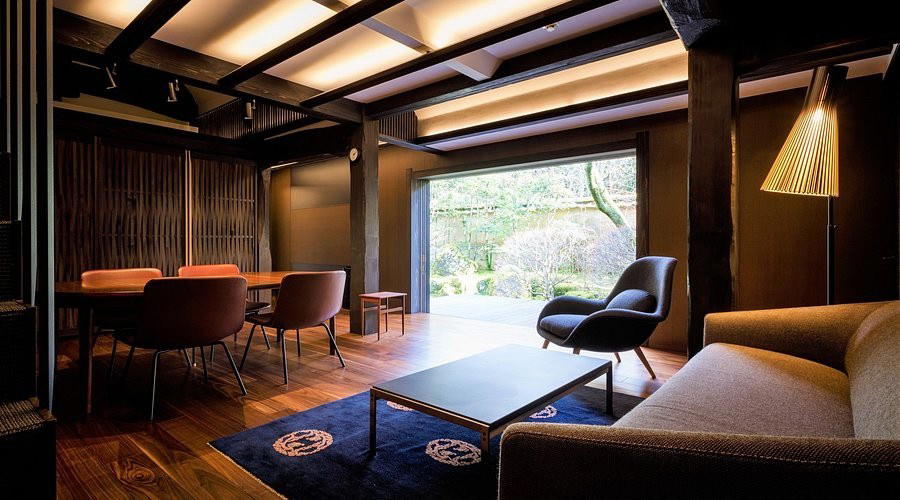
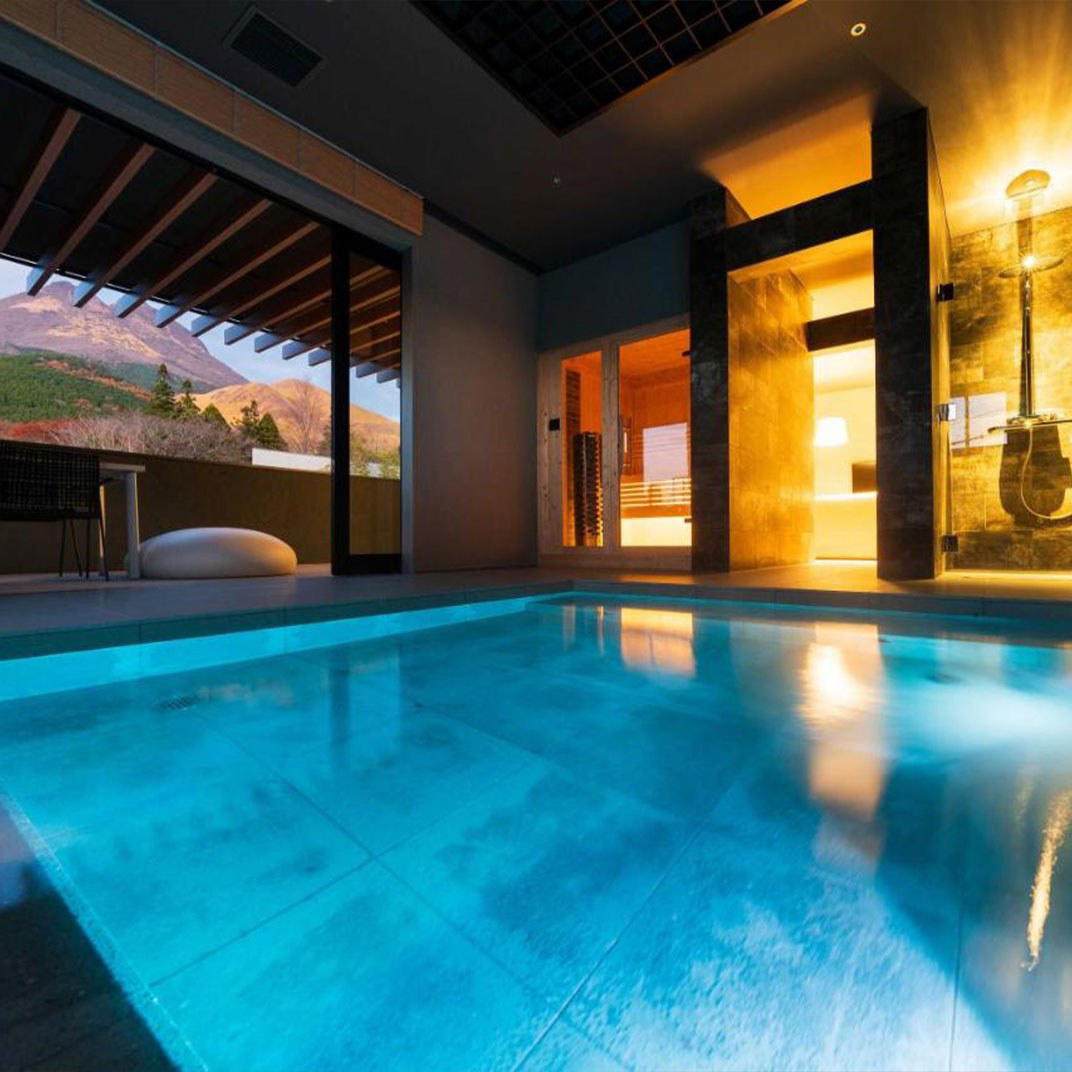
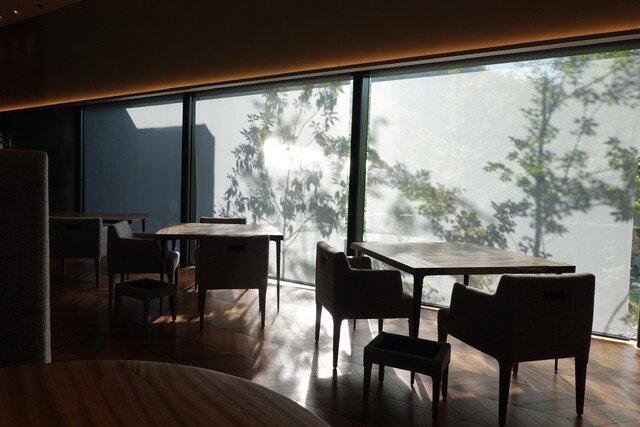
Cozy traditional Japanese ambiance with tatami flooring, surrounded by lush gardens, forested mountains, river sounds, and breezes