
Tabelog 100 #41
Our verdict
B-speak belongs to Yufuin’s low-key sweets culture rather than its kaiseki-and-ryokan circuit, a useful counterweight in a town better known for hot springs and long dinners. The draw is a takeout cake format with Tabelog Sweets WEST “Tabelog 100” 2023 recognition, modest spend, and a location that fits naturally into a station-to-town walk.

Pearl is the En Primeur Club membership app — saves, bookings, and concierge access live there. Same editors, same standards.
- Address
- 3040-2 Yufuincho Kawakami, Yufu, Oita 879-5102, Japan
- Phone
- +81 977-28-2166
- Hours
- Daily 10 AM–5 PM
- Website
- b-speak.net
- Directions
- Get directions
The menu
What to order
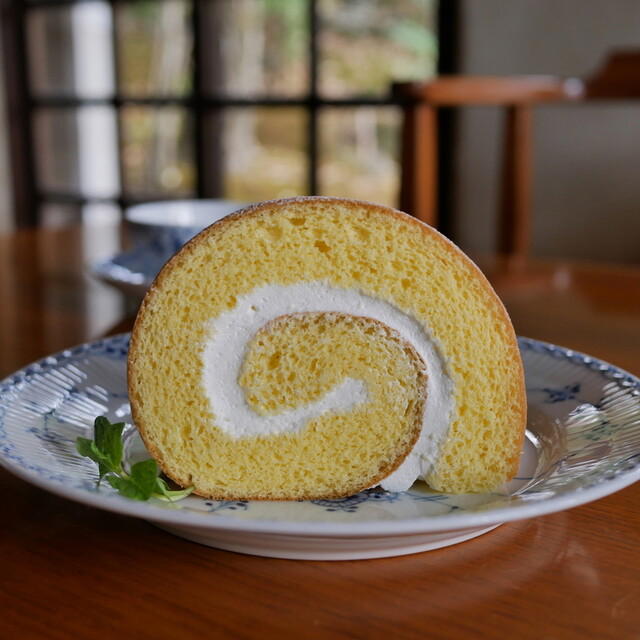
- P Roll Plain
- P Roll Chocolate
- Classic Butter Cake
- Earl Grey Cheesecake
- Bankan Cheesecake
- Biscuits & Musique cookie tin
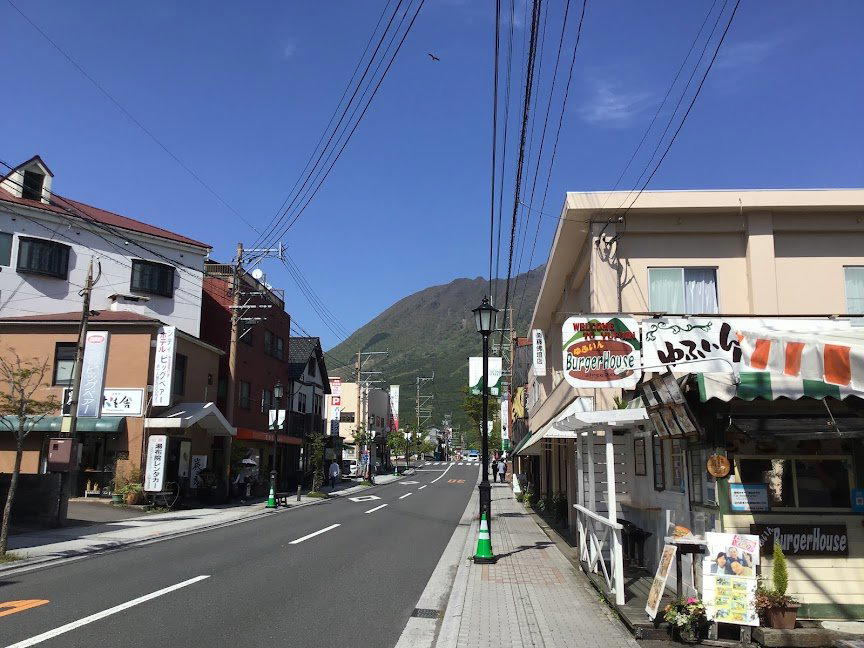
Approaching Yufuin’s main walking streets, the rhythm is less city pâtisserie than onsen-town errand: day-trippers moving between rail station, craft shops, cafés, and ryokan check-ins, with sweets folded into the route rather than treated as a formal course. In that setting, B-speak makes sense as a cake counter, not a restaurant destination in the usual sense. The format is takeout, the category is cake, and the point is a local sweet that travels across town in a box rather than a plated dessert eaten under a tasting-menu spotlight.
Yufuin’s food identity often gets read through ryokan dining, seasonal kaiseki, and beef-focused meals, but its daytime economy runs on smaller purchases: cakes, dairy sweets, coffee, and souvenirs that can be carried back to a train or inn. That matters because the quality signal here is not luxury staging. It is repeatable production, shelf-life discipline, and a narrow focus that fits the town’s visitor pattern. B-speak’s selection for Tabelog Sweets WEST “Tabelog 100” 2023 places it in a regional sweets conversation rather than simply a local snack stop.
Yufuin's sweet-shop culture, read through a roll-cake counter
Western-style cake in Japan has its own grammar: sponge, cream, fruit, dairy, portioning, packaging, and seasonality are calibrated with a level of precision that differs from French pâtisserie orthodoxy. In onsen towns, that grammar becomes more practical. Sweets need to survive a walk, a train ride, or an afternoon in a ryokan room before dinner. A roll-cake specialist fits that environment cleanly because the format is portable, shareable, and less fragile than plated pastry.
The ingredient question is central. Yufuin sits in Oita, a prefecture where dairy, hot-spring tourism, and rural produce sit close together in the visitor imagination. B-speak’s appeal is tied to that broader expectation: a sweet should taste connected to place without turning into a souvenir cliché. The cake-counter model also keeps the decision narrow. Rather than ask travelers to commit to another meal, it inserts a small, focused purchase into a day already shaped by grazing, walking, and bathing.
That restraint separates it from the town’s more elaborate dining modes. A kaiseki meal at Enowa Yufuin (Japanese Kaiseki) asks for time, sequence, and attention to the season. A beef meal at Keikaen sits in a different register, closer to appetite and occasion. Budouya, Gettouan, and Hoshiakari also belong to the broader Yufu dining map, where meals are often planned around the ryokan day. Cake is the lighter counterpoint: lower commitment, easier timing, and more dependent on production consistency than ceremony.
Award recognition without the restaurant theatre
The Tabelog Sweets WEST “Tabelog 100” 2023 selection is the useful credential here because it identifies B-speak within a regional sweets category, not within the starched hierarchy of fine dining. That distinction helps set expectations. This is not a place to judge by service choreography, glassware, or table pacing. It belongs to a Japanese category where the serious work happens before the customer arrives: baking schedule, cream handling, packaging, and the ability to sell a perishable product cleanly through the day.
Takeout-only shops can be misunderstood by travelers who equate culinary value with seating and service. In Japan, some of the more reliable food experiences are counter purchases, station-adjacent specialists, department-store food halls, and single-category shops. The discipline is in repetition. A cake shop with a narrow identity has less room to hide behind menu breadth, and that makes recognition in a sweets list more meaningful than a generic popularity claim.
The price tier also explains why the stop works inside a Yufuin itinerary. It is a modest-spend purchase by Japanese travel standards, which leaves room for a fuller dinner elsewhere in town. That balance is useful in a destination where ryokan meals can dominate the evening and lunch can easily become too heavy. The editorial move is to treat the cake as a punctuation mark in the day: after the station walk, before check-in, or between a café stop and a bath.
How to place it in a Yufu food day
Yufuin rewards sequencing. The town is compact enough for walking, but the day can become cluttered if every stop is treated as a major event. B-speak is better read as a small anchor in the daytime route, especially for travelers who want one sweet purchase with a credible regional signal rather than a string of random snacks. The takeout format also makes it more flexible for families, couples, and rail travelers than a reservation-led meal.
For broader planning, use Our full Yufu restaurants guide to separate cake counters, ryokan dining, beef restaurants, and casual meals. The lodging choice changes the food rhythm as much as the restaurant choice, so Our full Yufu hotels guide is relevant if dinner is included at the inn. Drinking and after-dinner options remain a smaller part of the town’s identity, but Our full Yufu bars guide helps set expectations; Our full Yufu wineries guide and Our full Yufu experiences guide round out the non-restaurant planning.
Travelers building a wider Japan dining route can contrast Yufuin’s soft daytime sweets culture with more specialized meals elsewhere: -Grilled beef Sukiyaki- KAMAKURA TANUKIAN 鎌倉 たぬき庵 in Kamakura, . 鮪と炭火焼き うお炭 秋葉原店 in Tokyo, .cafe in Osaka.know in Kumamoto, (Shoku) Vietnam in Kawasaki, [Curry Senmon Ten] Maruyama Kyoju. in Sapporo, Jōdo Saké Bar in Los Angeles, and Onigiri Time in Pasadena. The comparison is not about hierarchy; it is about format. B-speak is valuable because it shows how a small sweets purchase can carry the same regional specificity that other cities express through beef, tuna, curry, sake, or onigiri.
Frequently asked questions
Would B-speak be comfortable with kids?
Yes, for a quick family stop. B-speak is a take-out shop in Yufu with prices from JPY 1,000 and no seating, so it works better as a pickup than a long sit-down outing.
What should I expect atmosphere-wise at B-speak?
Expect a compact take-out counter rather than a café room. The venue is listed as a stylish space in Yufu, and its Tabelog 100 Sweets WEST 2023 selection puts it firmly on the local sweets map.
What price level is B-speak?
Pricing at B-speak is listed as JPY 1,000 - JPY 1,999 JPY 1,000 - JPY 1,999 View spending breakdown.
What time does B-speak open and close?
Hours at B-speak: Mon: 10 AM–5 PM; Tue: 10 AM–5 PM; Wed: 10 AM–5 PM; Thu: 10 AM–5 PM; Fri: 10 AM–5 PM; Sat: 10 AM–5 PM; Sun: 10 AM–5 PM.
Comparison Snapshot
Comparable venues by cuisine and price in the same metro.
| Venue | Cuisine | Price | Awards | Notes |
|---|---|---|---|---|
| B-speakThis venue — the venue you are viewing | Roll cake & cheesecake specialty shop | $10–20 | Tabelog 100 #41 | Not listed |
| Trattoria diana | Italian Trattoria | $20–30 | Not listed | Yufuin-cho |
| Sabou Tenjou Sajiki | Classic Japanese café with katsu-sando and desserts | $10–20 | Tabelog 100 | Yufuincho Kawakami |
| Enowa Yufuin | Modern Farm-to-Table Japanese | Not listed | We're Smart World 4 Radishes · Relais Chateaux Award | Yufuincho Kawakami |
| Dining at Kai (食事処) | Kaiseki Ryokan Dining | $300–500 | Not listed | Yufuin |
Recognition history
Dated appearances from independent guides and award organizations, with the underlying list record or original source where available.
Tabelog 100 #41 · No. 41
Tabelog · Tabelog 100 - Sweets - WEST - 2023
Details
- Classic
- Cozy
- Well Known
- Solo
- Family
- Casual Hangout
- After Work
- Celebration
- Design Destination
- Hotel Restaurant
- Standalone
- Local Sourcing
- Street Scene
- A La Carte
- Counter Dining
- Coffee
- Tea
Current opening hours
- Monday
- 10 AM–5 PM
- Tuesday
- 10 AM–5 PM
- Wednesday
- 10 AM–5 PM
- Thursday
- 10 AM–5 PM
- Friday
- 10 AM–5 PM
- Saturday
- 10 AM–5 PM
- Sunday
- 10 AM–5 PM
Hours can change for holidays and private events. Last verified .
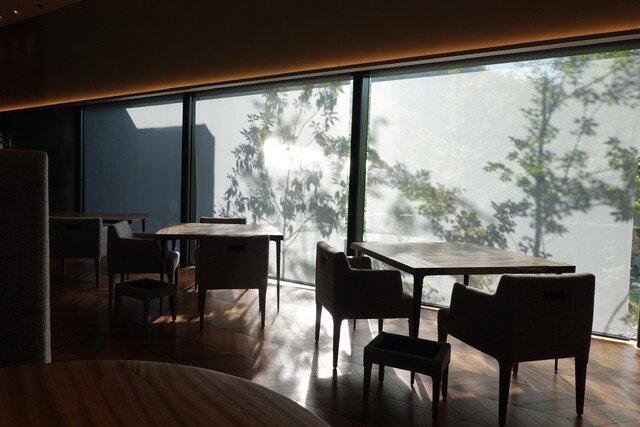
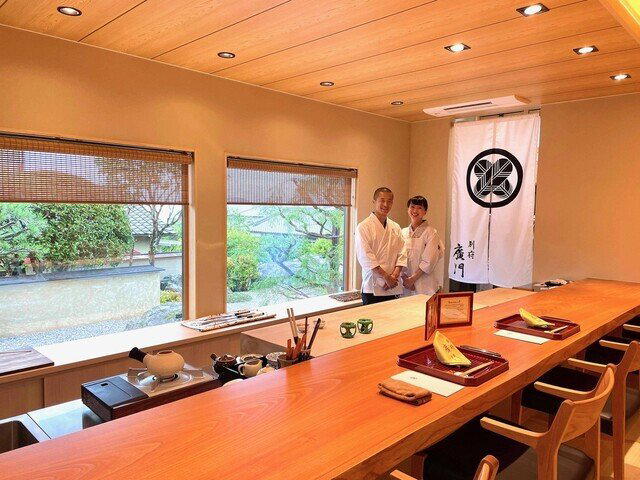
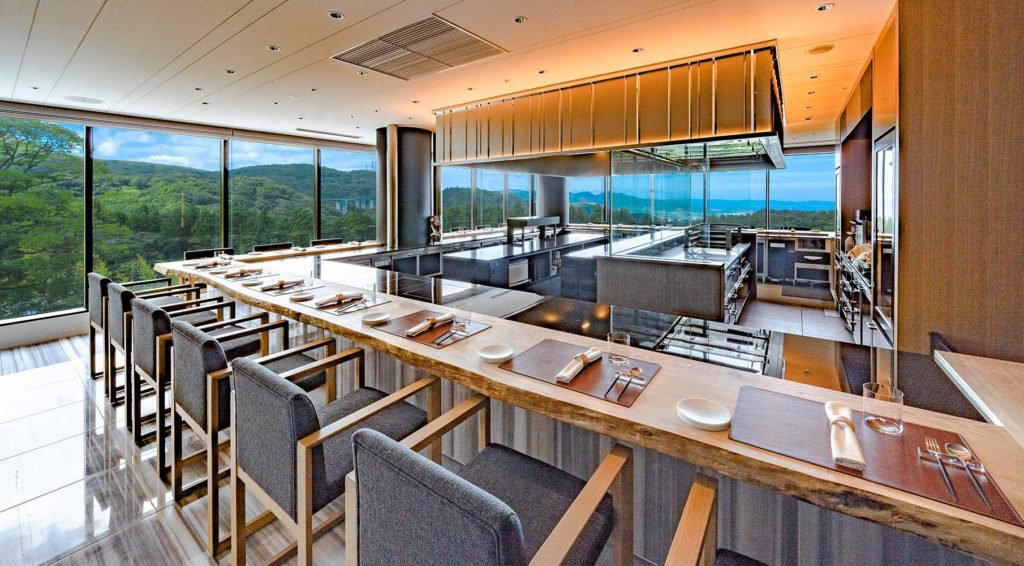
A small, simple roll cake shop with a classic, understated design that feels like an extension of a refined ryokan—bright and orderly, focused on takeaway rather than lingering, with a calm street-side atmosphere in the onsen town of Yufuin.