


Tabelog Silver #36
Our verdict
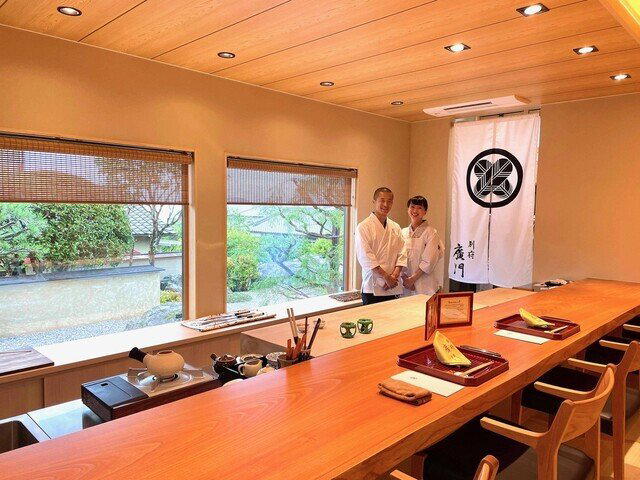
Tabelog Silver Award winner for 2025 and 2026, Beppu Hirokado is an eight-seat counter restaurant in Oita's Horita district, placing Kyushu's regional produce at the centre of a kaiseki-influenced omakase format. Dinner and lunch courses run JPY 30,000–39,999. Bookings open up to three months ahead via TableCheck or OMAKASE, and the counter fills well in advance.

Pearl is the En Primeur Club membership app, where members save venues, book tables and use the concierge.
The menu
What to order
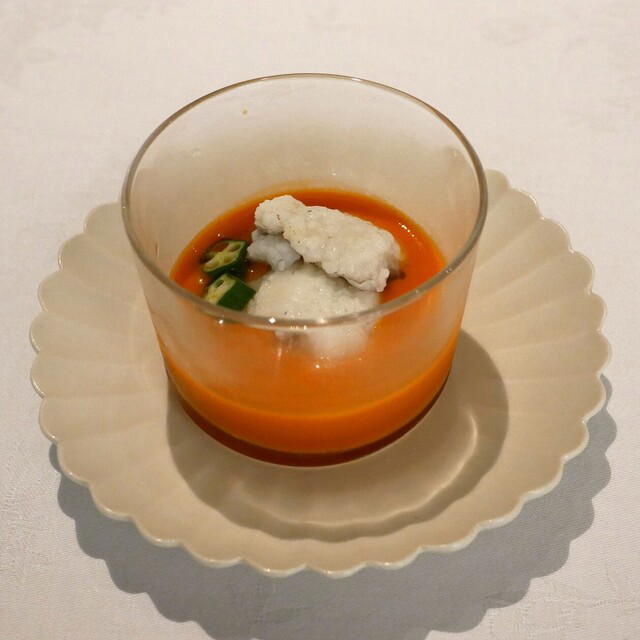
- Boneless pike conger eel
- Handmade soba
Where Oita's Produce Earns Its Own Argument
Japan's premium kaiseki and Japanese-cuisine counter scene has long been concentrated in Kyoto, Tokyo, and Osaka. What has shifted over the past decade is the credibility of regional outposts, small, producer-driven counters in cities like Kanazawa, Matsuyama, and now Beppu, where the local ingredient story is strong enough to support serious omakase pricing without any metropolitan scaffolding. Beppu Hirokado, which opened in June 2021 in the Horita district of Beppu City, belongs firmly in that regional-counter tier. With a Tabelog score of 4.43 and consecutive Silver Awards from the Tabelog Award in 2025 and 2026, upgraded from Bronze in 2023 and 2024, the trajectory is one of a counter finding its feet and then accelerating. It has also been selected for the Tabelog Japanese Cuisine WEST "Tabelog 100" in both 2023 and 2025, a list that ranks it alongside the most-reviewed and highest-rated Japanese cuisine restaurants across western Japan.
For context on what that peer group looks like, counters earning Tabelog Silver in the Japanese cuisine category nationally include venues like Gion Sasaki in Kyoto and HAJIME in Osaka. The fact that Beppu Hirokado holds that tier from a city of roughly 110,000 people, leading known internationally as a hot-spring destination rather than a dining one, says something specific about the quality of Oita's raw materials and what Chef Taizo Hirokado is doing with them. Oita Prefecture is a recognised source of Wagyu beef, large-variety shiitake mushrooms, and coastal seafood from the Bungo Channel; the counter's declared emphasis on fish and its regional cuisine classification confirm that the sourcing argument is local and deliberate.
The Counter Format and What It Implies
Eight seats is the operative number at Beppu Hirokado. That configuration places it in the smallest and most controlled tier of Japanese counter dining, the same physical format used at the most selective omakase counters in Tokyo's Ginza district, where the chef-to-guest ratio allows for course-by-course adjustment and direct communication across the counter. Compare this to Harutaka in Tokyo or akordu in Nara, where small-seat formats signal the same intentionality, or to Goh in Fukuoka, the closest major city, which operates in a comparable chef-driven idiom. At Beppu Hirokado, the venue description references both calm and dynamic technique, a phrase that points toward the contrast between delicate sashimi preparation and live-fire or assertive cooking methods often seen in Kyushu-style kaiseki, where charcoal grilling and bold dashi traditions sit alongside more restrained presentations.
The counter setting also carries social implications that align closely with the izakaya spirit Japan has built around communal eating and drinking. At eight seats, every guest is within sightline of the kitchen action and, by extension, within earshot of the other guests. The atmosphere tends toward the convivial: diners sharing observations about courses, the chef occasionally addressing the room. The drinks program underlines this, the venue lists shochu (Japan's native spirit and specifically a Kyushu tradition), sake, and wine as its three drink categories, with particular emphasis on sake and wine selection. Shochu being listed first is not incidental; Oita is one of Japan's principal mugi-jochu (barley shochu) producing prefectures, and any serious counter in Beppu would be expected to reference that local spirits culture. BYO is permitted, which is an unusual concession at this price point and a notable signal of hospitality over formality.
Beppu's Onsen Context and the Dining Scene Around It
Beppu processes roughly eight million tourists a year through its onsen infrastructure. The city's food culture has traditionally skewed toward casual toriten (tempura chicken), reimen (cold noodles), and the informal eating that supports a high-turnover visitor economy. What Beppu Hirokado represents is a different tier: a permanent, reservation-only counter that positions itself against the leading Japanese-cuisine restaurants in western Japan, not against Beppu's tourist dining market. That positioning is what makes the awards trajectory legible. Peers within Oita prefecture include Jimgu, Aji Arai, and Ito, all of which contribute to an emerging fine-dining layer in a prefecture that has historically exported its leading produce to Osaka and Tokyo kitchens rather than serving it locally at this level.
The broader Japan context is also relevant. Regional counters earning Tabelog Silver are competing in a scoring system where national outliers like Mitsuyasu in Kyoto, 1000 in Yokohama, and even Japan-influenced formats abroad like Cocoro in Auckland or 6 in Okinawa and Abon in Ashiya define the reference range. Achieving a 4.43 score in that environment, from a city outside Japan's primary restaurant markets, requires consistent execution across a large number of reviewer visits, Tabelog scores at this level are resistant to single outlier meals.
Planning Your Visit
The logistics here are specific enough to be worth mapping carefully. Beppu Hirokado is located in the Horita district of Beppu City, approximately 30 seconds by car from the Beppu Interchange, 15 minutes by taxi from Beppu Station, or 20 minutes by bus. Parking is available on-site, which is practical given the location sits outside the immediate station area. The counter operates Tuesday through Saturday, with lunch from 12:00 and dinner from 18:00, generally closed Sundays and Mondays with additional irregular holidays. Reservations are exclusively online: up to two months ahead via Tabelog, and up to three months ahead via TableCheck or the OMAKASE platform. At eight seats, that booking window fills; three months out is the practical planning horizon for dinner. Course pricing sits at JPY 30,000–39,999 for both lunch and dinner, a price point that aligns with top-tier regional counters across western Japan and below the most expensive Tokyo and Kyoto omakase counters, which regularly exceed JPY 50,000. No service charge applies, credit cards are accepted alongside electronic money and QR payment, and the counter is non-smoking indoors with outdoor smoking permitted. For groups of seven or more, exclusive private use of the full counter is available. The venue's family policy is specific: under private reservation, children who do not order a course can accompany with outside food permitted; under standard seating, a babysitting facility in a separate building is available for ages zero and up. For those visiting Oita more broadly, the full Oita restaurants guide maps the wider dining tier, while the Oita hotels guide, bars guide, wineries guide, and experiences guide cover the rest of the prefecture's premium infrastructure.
Frequently asked questions
What distinctions does Beppu Hirokado have?
Beppu Hirokado has received recognition including:
How far ahead should I plan for Beppu Hirokado?
Via Tabelog, the booking window opens two months in advance. Through TableCheck or OMAKASE, seats can be reserved up to three months out. Given the 8-seat counter and a Tabelog Silver Award in 2025 and 2026 with a score of 4.43, availability at the three-month mark is the realistic planning horizon for most dates.
Pricing, Compared
Comparable venues nearby, for context on price, style, and recognition.
| Venue | Cuisine | Price | Awards | Notes |
|---|---|---|---|---|
| Beppu HirokadoThis venue (the venue you are viewing) | Kaiseki Kappo with Kyushu Ingredients | $150–200 | Tabelog Silver #36 | Not listed |
| Aji Arai | Kyushu Kappo | $150–200 | Tabelog Bronze #8 | Nakatsu, Kyushu Kappo |
| Jimgu | Farm-Driven Innovative Japanese | $100–150 | Relais Chateaux Award · Tabelog Bronze #146 | Yufuin, Farm-Driven Innovative Japanese |
| Bimi Nakayoshi | Japanese Teishoku / Cafeteria | $1–10 | Tabelog 100 #49 | Higashikasugamachi, Japanese Teishoku / Cafeteria |
| おおいた花山椒 | Oita Local Japanese Fine Dining | $50–100 | Not listed | Miyako-machi, Oita Local Japanese Fine Dining |
| MIYAKO HAMBURG | Japanese Hamburger Steak Grill | $1–10 | Tabelog 100 #98 | Miyako Town, Japanese Hamburger Steak Grill |
Recognition history
Dated appearances from independent guides and award organizations, with the underlying list record or original source where available.
Opinionated About Dining Top Restaurants in Japan Ranked #110
Opinionated About Dining
Tabelog Silver #36
Tabelog
The Japan Times Destination Restaurants Destination Restaurants Selection #9
The Japan Times Destination Restaurants
Full recognition history (6 entries)
Opinionated About Dining Top Restaurants in Japan Ranked #162
Opinionated About Dining
Tabelog 100 #34 · No. 34
Tabelog · Tabelog 100 - Japanese cuisine - WEST - 2025
Tabelog Silver
Tabelog
Continue exploring
More in Beppu
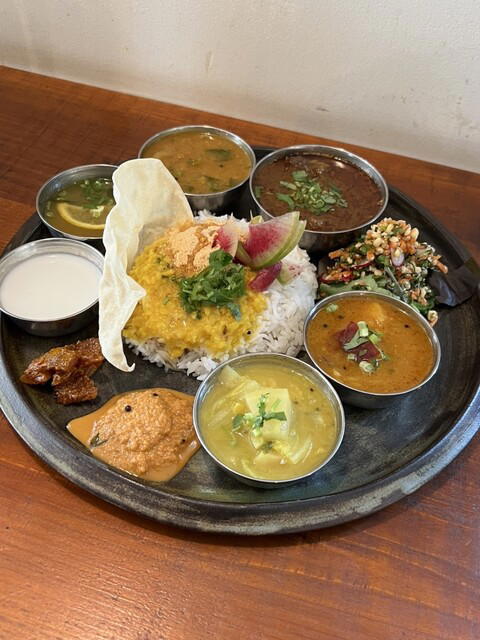
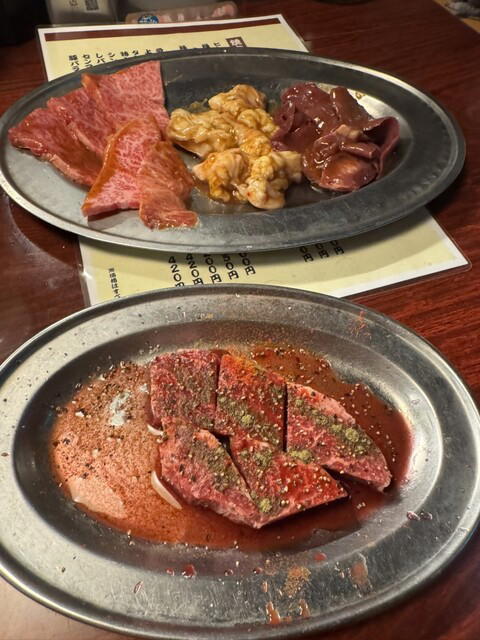
Restaurants in Beppu
All restaurants in Beppu →
Bars in Beppu
Browse all →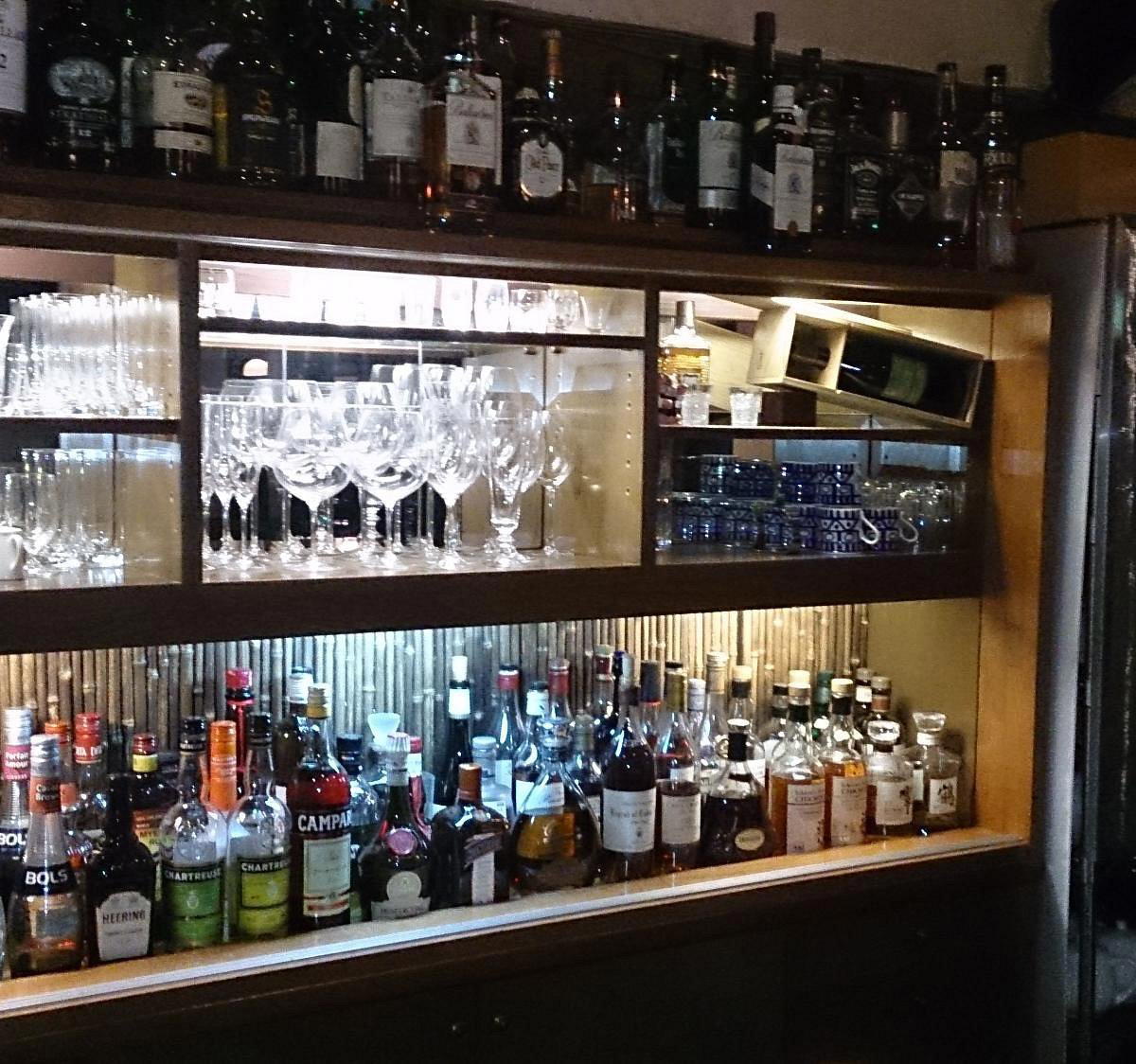
Details
- Intimate
- Elegant
- Cozy
- Sophisticated
- Special Occasion
- Date Night
- Celebration
- Chefs Counter
- Open Kitchen
- Historic Building
- Sake Program
- Extensive Wine List
- Local Sourcing
- Organic
- Sustainable Seafood
- Garden
- Omakase
- Counter Dining
- Sake
- Wine
- Vegetarian Friendly
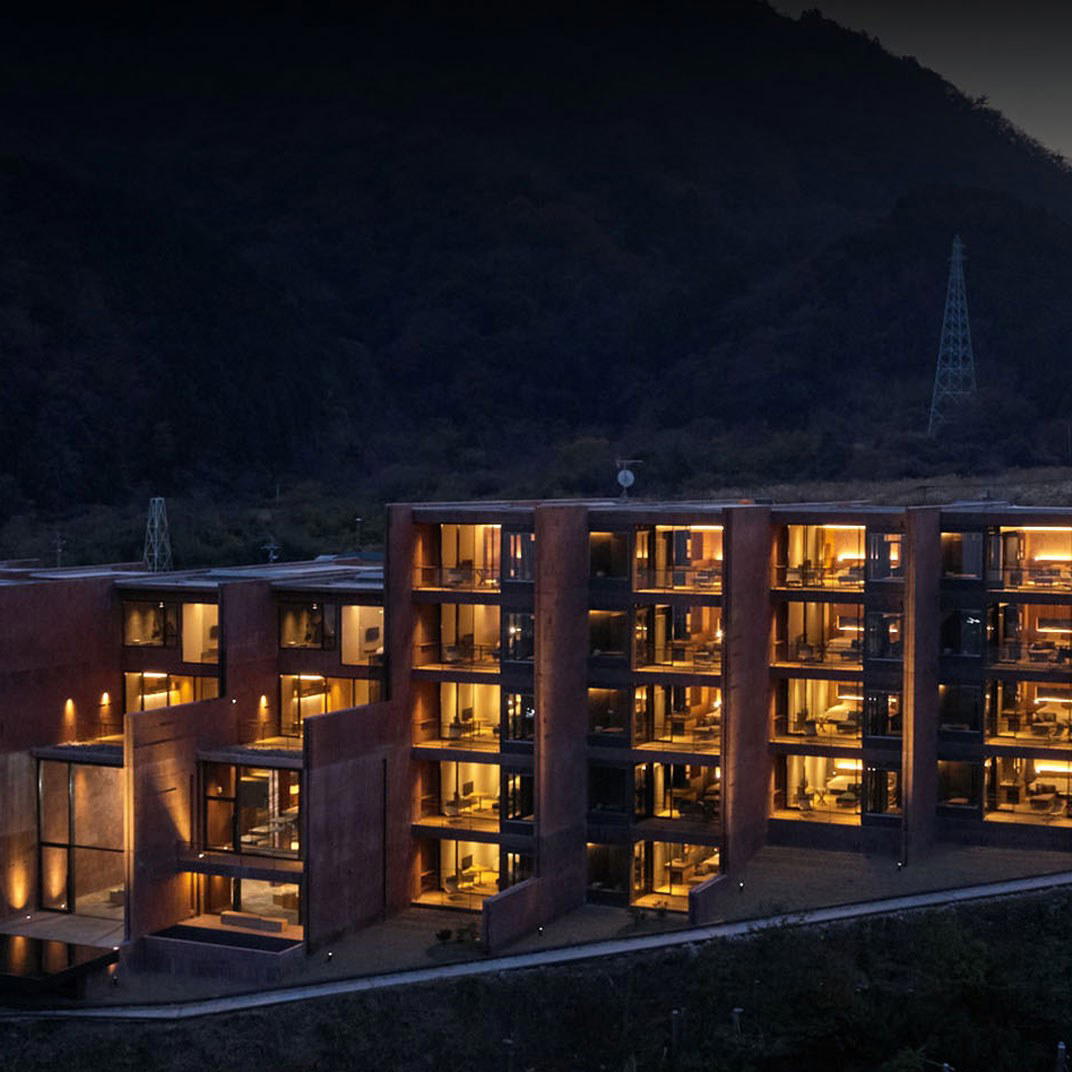
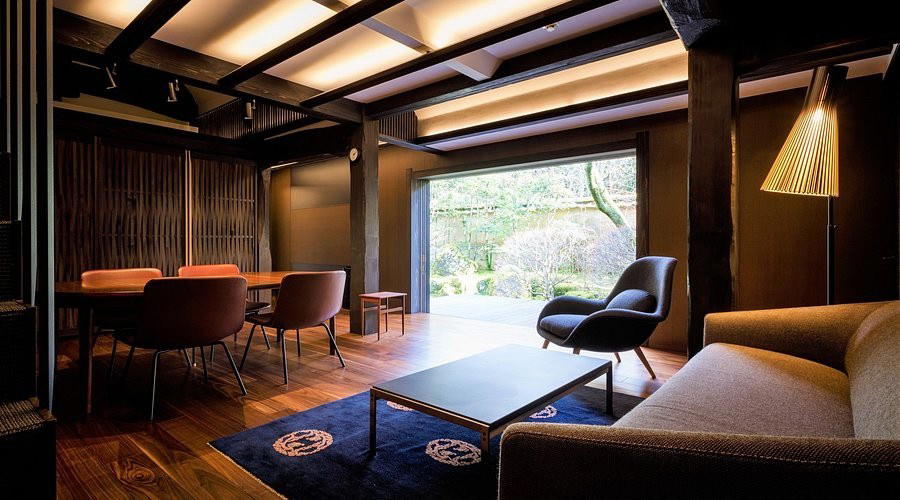
Calm, relaxing space with a stone garden backdrop, warm wooden counter, and intimate counter seating evoking a serene Japanese aesthetic.