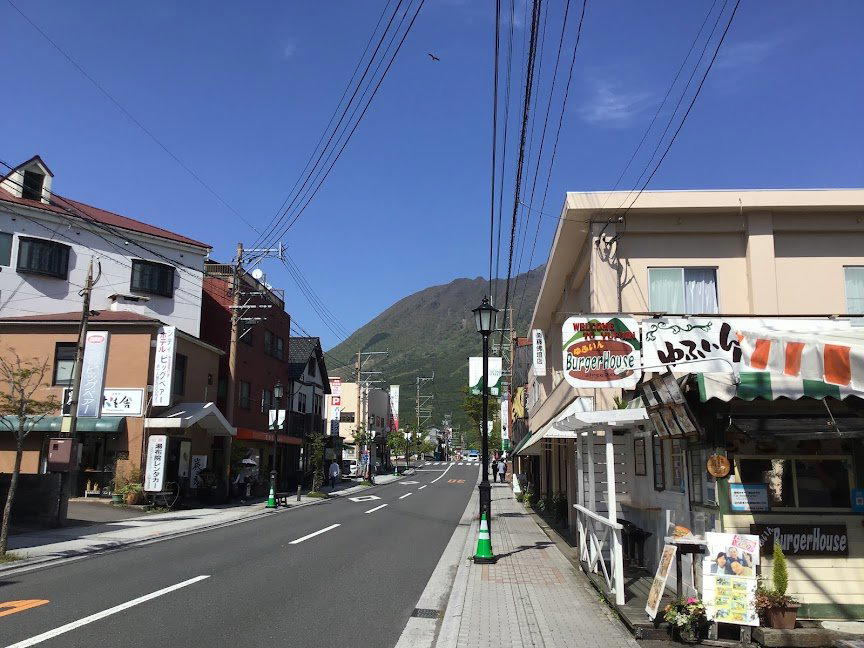
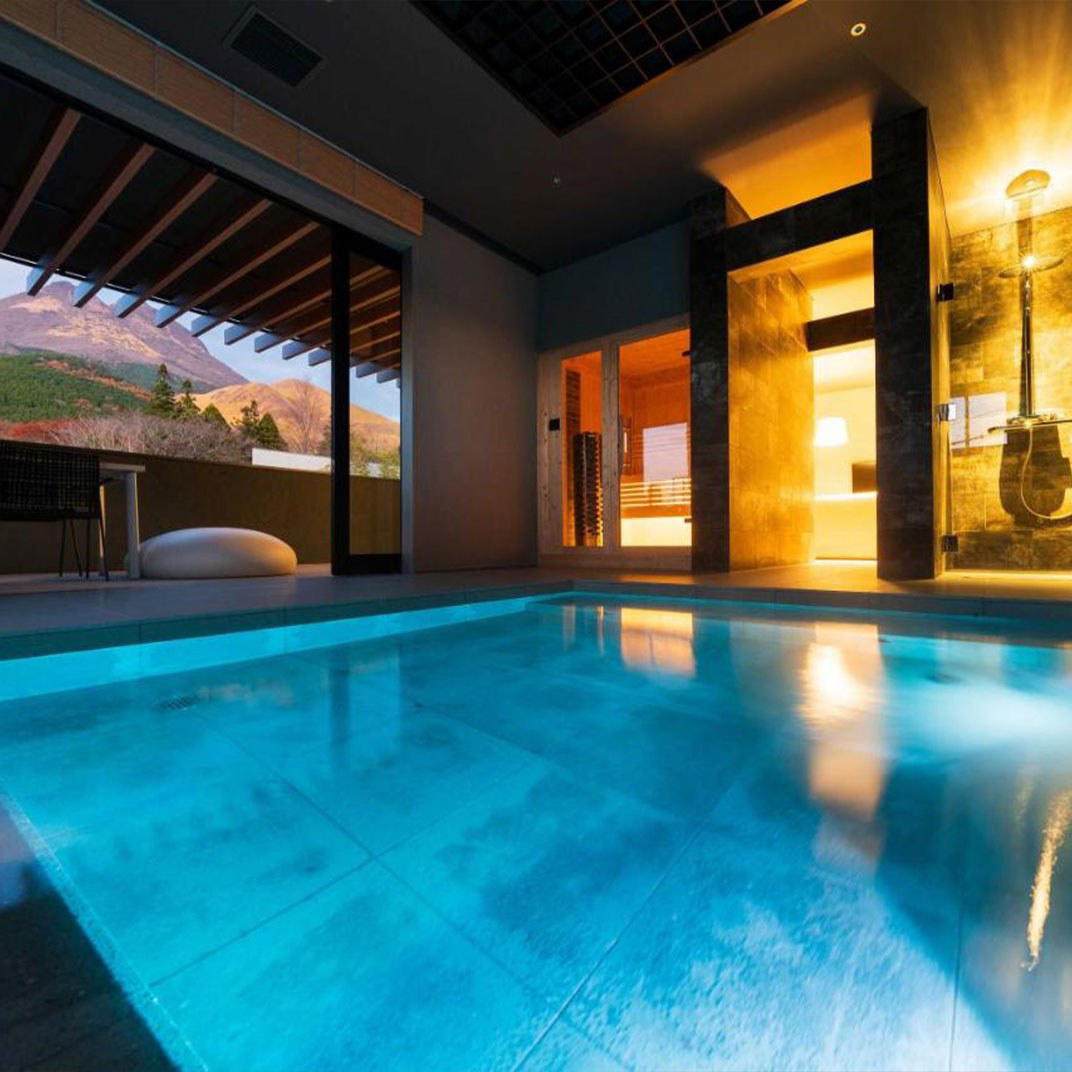
Yufuincho Kawakami sits in Yufu, Oita Prefecture, where the onsen town tradition of Yufuin frames a ryokan experience built around thermal bathing and kaiseki dining. Set against the volcanic backdrop of Yufu-dake, the property represents the quieter, more immersive side of Kyushu's hot spring culture, away from the commercial density of neighbouring Beppu.

Pearl is the En Primeur Club membership app, where members save venues, book tables and use the concierge.
Where Yufu's Thermal Culture Runs Deepest
Yufuin sits at a different register from Beppu's sprawling bath-house economy. Where Beppu processes volume, Yufuin has historically attracted a smaller cohort of travellers seeking slower pacing, forested walks, and ryokan stays calibrated to extended rest rather than quick immersion. Yufuincho Kawakami occupies this quieter current of Oita's onsen culture, positioned in the Yufu postal district at the foot of Yufu-dake, the twin-peaked volcano whose geothermal activity supplies the area's water. That setting is not incidental. In Yufuin, proximity to the mountain and distance from the main Yufuin Station shopping corridor function as informal signals of where a property sits in the town's informal hierarchy of seriousness.
Oita Prefecture accounts for more hot spring sources than any other prefecture in Japan, a fact that gives even mid-tier properties in Yufuin access to genuinely mineral-rich thermal water. The competitive question among the town's better ryokan is not whether the onsen water is good, but how it is framed: the quality of the bathing architecture, the balance between private and communal bathing options, and the degree to which the rest of the property's programming supports rather than distracts from the thermal experience. Properties like ENOWA Yufu, Kamenoi Besso, Gettouan, and Yufuin Tamanoyu each answer those questions differently; Yufuincho Kawakami belongs to this same constellation of Yufuin properties where the bath itself remains the primary offering.
The Retreat Rhythm of a Yufuin Stay
The traditional ryokan format structures time differently from hotel stays. Arrival is calibrated, often in the late afternoon, to allow guests to bathe before the evening meal service. Breakfast follows a similar logic: a formal morning spread that frames the post-meal return to the baths. This rhythm, repeated across Yufuin's established properties, is the format's central appeal rather than a constraint. The body adjusts to the temperature cycling of multiple daily baths faster than most first-time guests expect, and the cumulative effect of alternating between warm water and cool outdoor air across a two-night stay is the closest analogue Japanese wellness culture offers to the structured programmes of European spa resorts.
Yufuin has long positioned itself within Japan's ryokan market as a destination for couples and solo travellers seeking that pattern in a relatively accessible package. The town is roughly two hours from Fukuoka by highway bus or road transfer, and the shinkansen corridor through Kyushu brings it within reach of a broader domestic and international audience than more remote onsen towns. That accessibility has shaped the competitive density here: there are more quality options per square kilometre in Yufuin than in most comparable Japanese onsen towns, which raises the baseline expectation for what a stay should deliver.
Kaiseki as the Evening's Architecture
In a traditional ryokan, the evening kaiseki meal is not ancillary to the onsen experience; it is the second pillar of the stay. Across Oita's better properties, kaiseki menus follow the seasonal logic of Japanese haute cuisine while incorporating Kyushu-specific ingredients: the region's wagyu cattle, locally sourced seafood from the Bungo Channel, and seasonal mountain vegetables that reflect the surrounding forest and farmland. The pace of a ryokan kaiseki, typically eight to twelve courses served in the guest room or a dedicated dining space over ninety minutes to two hours, is itself a form of deceleration that complements the bathing programme.
For context on how this format operates across different scales and price tiers in Japan, properties like Gora Kadan in Hakone and Asaba in Izu represent the upper bracket of this tradition, where kaiseki dining is treated with the same seriousness as a dedicated restaurant kitchen. Closer to Kyushu, the ANA InterContinental Beppu Resort and Spa in Beppu offers a more resort-oriented interpretation. Yufuincho Kawakami sits within the traditional ryokan format rather than a resort hybrid, which suggests the meal service will follow the in-room or small dining room model conventional to that type.
The Wellness Logic of Oita's Onsen Towns
Japan's onsen culture does not use the language of wellness programming in the way European spa resorts do. There are no structured timetables, no treatment menus built around detox narratives, and no instructor-led sessions to attend. The framework is simpler and older: repeated immersion in mineral-rich thermal water, rest between sessions, and careful eating. The scientific literature on balneotherapy, which treats immersion in mineral water as a therapeutic intervention, is more developed in Japan and Germany than anywhere else, and Oita's sulphur and sodium bicarbonate springs have documented effects on circulation and skin condition that give the experience a physiological basis beyond relaxation.
This distinction matters for how to approach a Yufuin stay. The programme is self-directed. A guest who treats the baths instrumentally, fitting them around other activities, will extract less than one who structures the day around the bathing cycle. Properties in this part of Kyushu are not designed to fill time with activities; they are designed to make doing very little feel sufficient. That is a different offer from the activity-dense programmes at places like Amanemu in Mie or Zaborin in Hokkaido, both of which combine onsen infrastructure with broader programming. Yufuin's appeal is specifically in the reduction of that programming to its thermal core.
For travellers building a broader Japan itinerary around this kind of restorative pause, the onsen ryokan format pairs logically with time in Kyoto or Tokyo on either side. HOTEL THE MITSUI KYOTO in Kyoto and Bvlgari Hotel Tokyo in Tokyo represent the urban counterpoint to this kind of rural immersion. Alternatively, extending through Kyushu toward Halekulani Okinawa in Okinawa builds a longer arc from volcanic hot spring country to subtropical coast.
For further context on where Yufuincho Kawakami sits within the local property set, see our full Yufu restaurants guide.
Planning Your Stay
Yufuin is most directly reached from Fukuoka, approximately two hours by road or the Yufuinno-Mori limited express train from Hakata Station, a scenic route that crosses the Oita highlands and is worth taking for the approach alone. The town's peak periods follow Japan's domestic travel calendar: Golden Week in late April and early May, Obon in mid-August, and autumn foliage season through November bring the highest occupancy rates to the area's established ryokan. Booking well ahead of those windows is standard practice across Yufuin's better properties. As the town is small and walkable from the station area, most guests do not need a vehicle once they have arrived, though properties further from the centre may arrange transfers.
Reputation First
| Venue | Price | Awards |
|---|---|---|
| Yufuincho KawakamiThis venue (the venue you are viewing) | Not listed | Not listed |
| ENOWA Yufu | $750–1,000 | 2 Michelin Keys · Relais Chateaux Award |
| Kamenoi Besso | Not listed | 2 Michelin Keys |
| Yufuin Tamanoyu | $750–1,000 | 1 Michelin Key |
| Gettouan | $200–300 | Not listed |
Details
- Cozy
- Quiet
- Scenic
- Family Vacation
- Weekend Escape
- Garden
- Wi Fi
- Air Conditioning
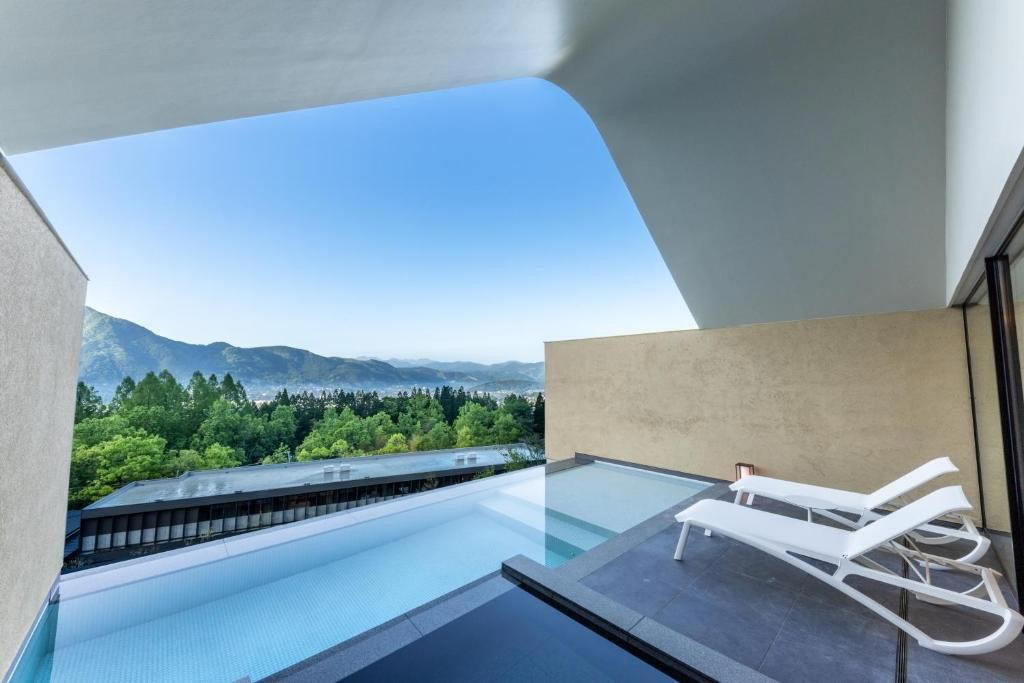
- Mountain
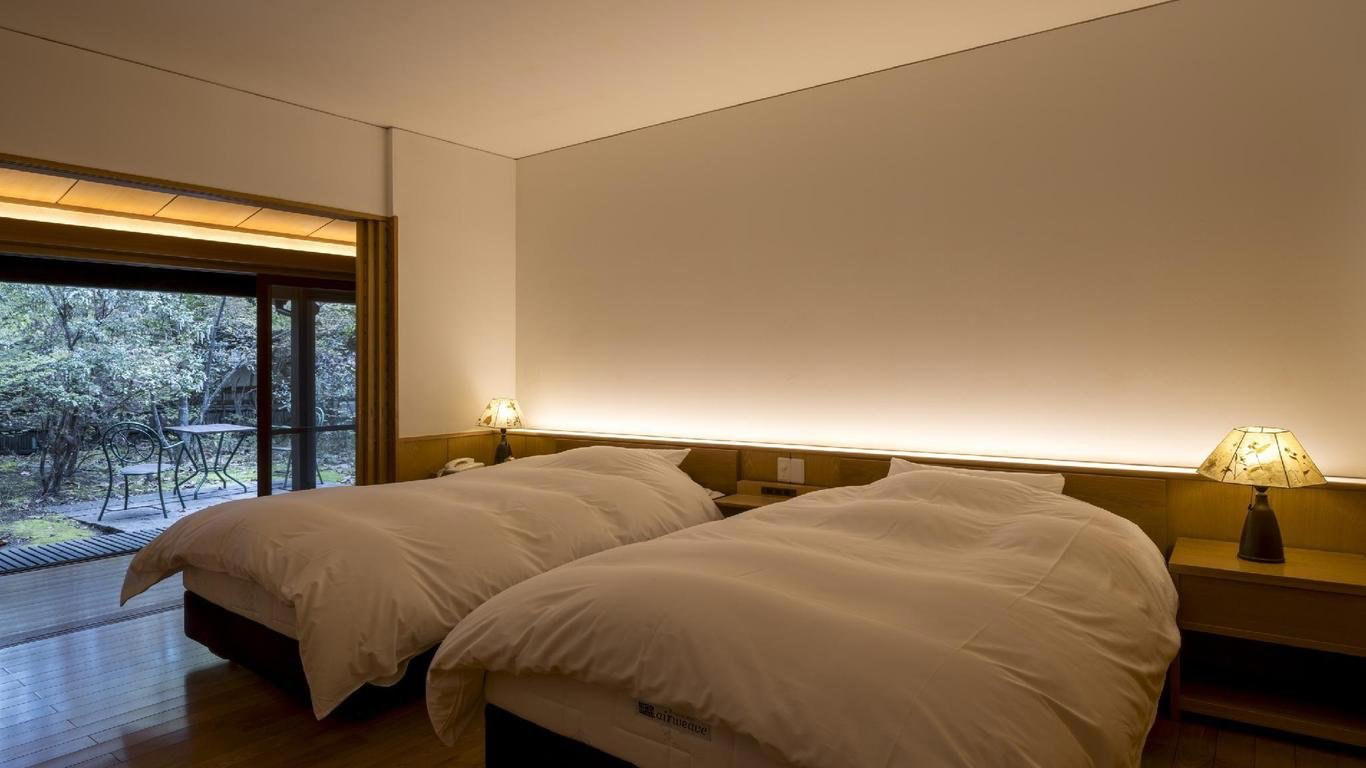
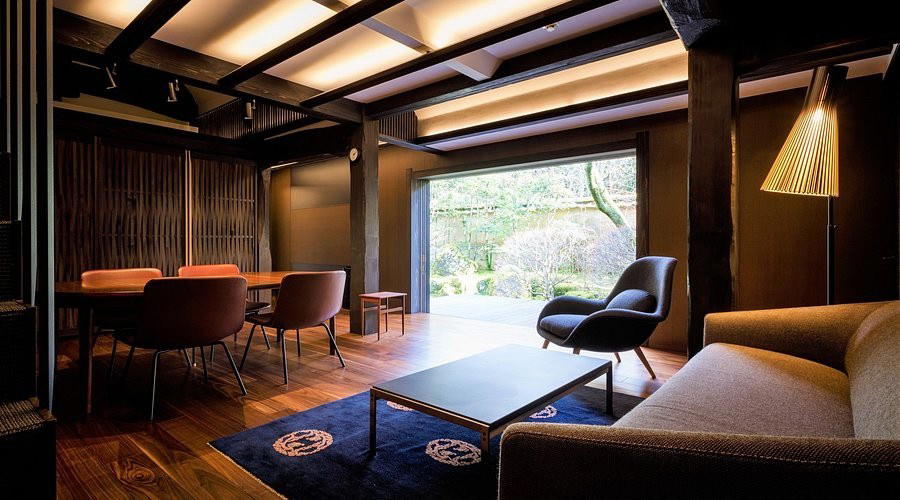
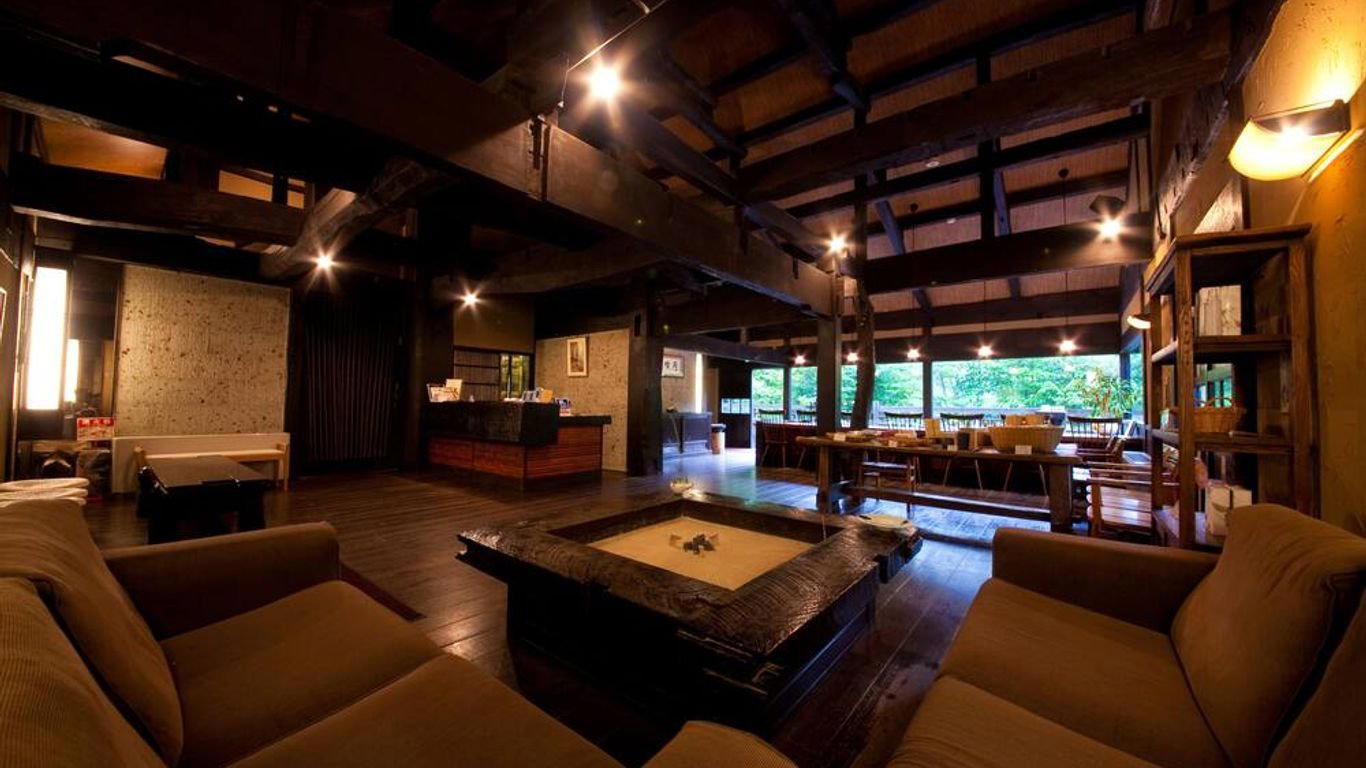
Clean, comfortable, and quiet with a home-like atmosphere featuring tatami rooms and modern amenities.