
Tabelog 100 #48
Our verdict
Gyoza Kogetsu is a gyoza specialist in Beppu, Oita Prefecture, operating within a city better known for its onsen culture than its restaurant scene. The restaurant sits inside a local dining tradition where straightforward technique and quality sourcing carry more weight than culinary theatre. For visitors working through Beppu's food options, it represents the category's regional character in concentrated form.

Pearl is the En Primeur Club membership app, where members save venues, book tables and use the concierge.
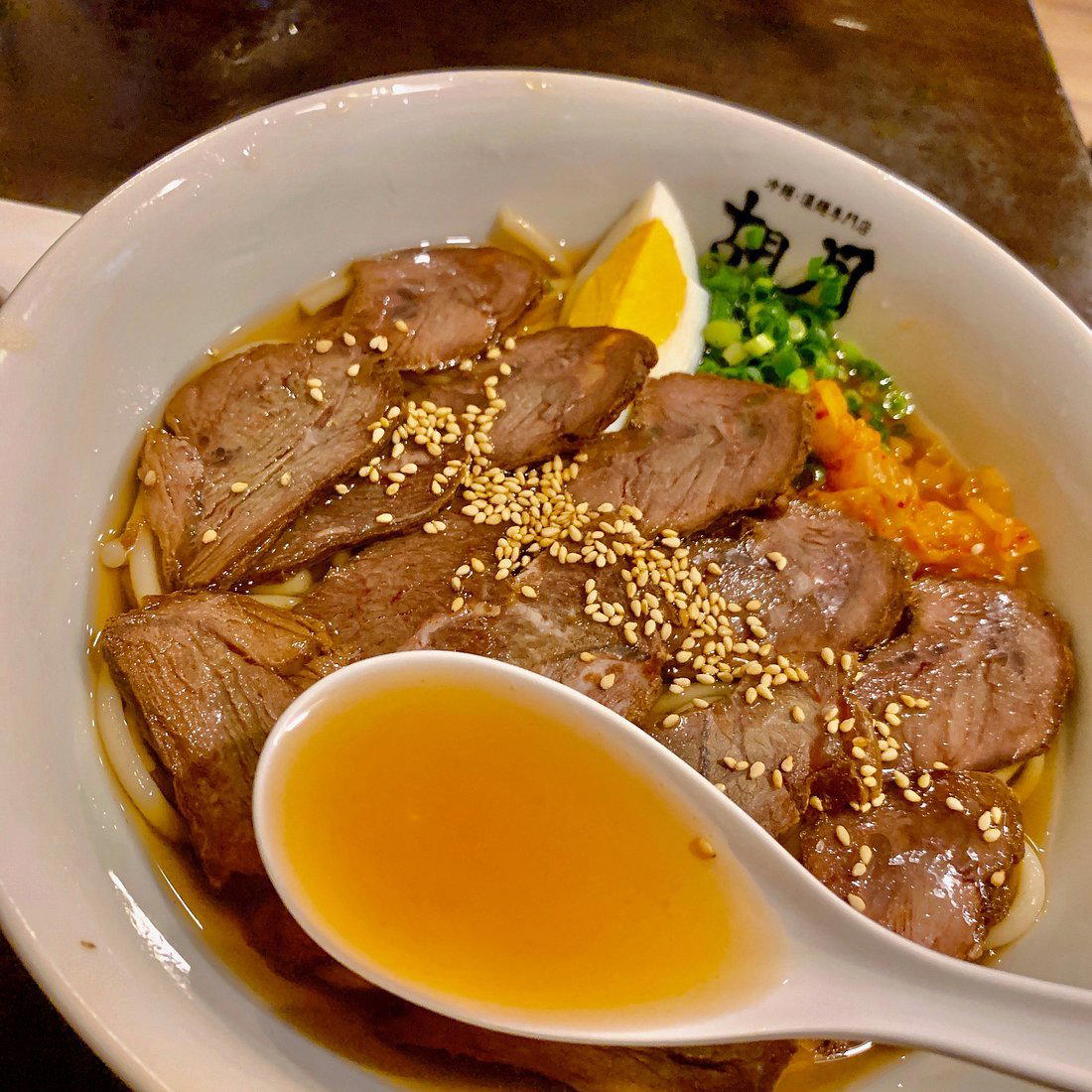
The menu
What to order
- Pan-fried gyoza
Gyoza in a Hot Spring City
Beppu is a city organized around steam. Its famous jigoku, the boiling hells, draw visitors from across Japan and beyond, and the culinary culture that has grown up alongside the onsen trade reflects that same preference for the elemental: ingredients prepared without excessive intervention, flavour built from what the local supply chain provides rather than from technique layered on top of technique. Gyoza Kogetsu operates within that context. Gyoza, as a category, sits at an interesting intersection in Japanese food culture: Chinese in origin, thoroughly domesticated by Japanese kitchen practice, and now differentiated by region in ways that matter to people who follow the form seriously.
In Beppu's restaurant scene, which runs from the casual izakaya end of the spectrum through to more considered dining rooms such as Hatano and Ikkyu no Namida, a gyoza specialist occupies a specific and deliberate niche. It is not trying to compete with the kaiseki format or the more international-facing dining that places like Bepper's Tavern ベッパーズタバーン represent. It works a narrower lane, and that narrowness is the point.
What the Sourcing Question Means for Gyoza
Gyoza is a dish where ingredient sourcing exerts a disproportionate influence on the final result. The wrapper, its thickness, its flour composition, the degree of hydration, determines how the dumpling behaves in the pan: how much of the underside crisps, how the steam works through the interior, how the skin separates from the filling when bitten. The filling itself is where provenance becomes visible. Oita Prefecture, in which Beppu sits, produces pork with a distinct regional character, and the quality of the cabbage, garlic, and ginger used alongside it is not incidental to what ends up on the plate.
Across Japan's gyoza belt, which runs heavily through cities like Utsunomiya and Hamamatsu, where regional gyoza styles have been codified into tourist infrastructure, the distinction between a technically competent gyoza and a genuinely good one usually comes down to these sourcing decisions, made quietly and without announcement. Restaurants in smaller cities, working without the marketing apparatus available to larger urban dining scenes, tend to build their reputations through repetition and consistency rather than through press coverage. Gyoza Kogetsu exists in that register.
Oita's broader food identity is worth understanding as context. The prefecture is associated with toriten (chicken tempura), dangojiru (miso soup with flat wheat dumplings), and a pork culture that has been shaped by the same agricultural conditions that define its climate. A gyoza restaurant drawing on that supply chain has access to raw materials that would be difficult to replicate elsewhere without deliberate sourcing effort. Compare this to how Goh in Fukuoka, operating in a city with a more developed restaurant culture, or HAJIME in Osaka at the opposite end of the formality spectrum, each anchor their identity to regional ingredient logic. The principle scales across price points and formats.
The Beppu Dining Pattern
Beppu is not a dining city in the way Kyoto or Tokyo is a dining city. Its food culture is tied to the rhythms of the onsen town: visitors arrive for the baths, eat locally because they are already there, and rarely plan their trip around a specific restaurant reservation the way they might when visiting, say, Gion Sasaki in Kyoto or Harutaka in Tokyo. This shapes what restaurants in Beppu need to be. The format is typically accessible, the price point moderate, and the dining experience calibrated to people who are eating between activities rather than making the meal the activity itself.
Within that pattern, a gyoza specialist functions well. It requires no advance orientation, no menu literacy, and no particularly long commitment of time. What it rewards is attention to the specifics of what is in front of you: the colour of the crisp underside, the ratio of skin to filling, the degree to which the seasoning is doing work without announcing itself. These are pleasures available to anyone willing to slow down enough to notice them, which is arguably the same discipline that the onsen culture is training visitors to apply to everything else in Beppu.
For a complete view of what is available in the city, our full Beppu restaurants guide maps the dining options across formats and price points, including the more formal end represented by æ¥æ¬æç å¥åº 廣é. Gyoza Kogetsu sits within that range as one of the city's more focused category specialists.
How It Compares Across the Wider Japan Scene
Japan's specialist restaurant culture produces some of the most coherent dining experiences available anywhere, precisely because the format narrows the question being asked. A gyoza house is asking one question, can we make this dish better than anyone near us, and answering it through daily execution rather than concept development. This is a different discipline from the kind of ambition on display at Atomix in New York City or Le Bernardin in New York City, but it is not a lesser one. Specialists in Japan earn reputations through consistency measured in years, and the local audience for a long-running gyoza restaurant tends to be genuinely exacting.
Across the EP Club Japan coverage, from æ£ä¸æ¬æ å·å¶ in Nanao to å¤ä»å±±ä¹ in Sapporo and æ¹é庵 in Takashima, the pattern is consistent: regional specialists operating in smaller cities often hold a quality position that their profile does not fully reflect. The same applies to venues like åºç¾½å± in Nishikawa Machi, Birdland in Sakai, Bistro Ange in Toyohashi, and akordu in Nara, each of which operates outside Japan's primary dining capitals without compromising on what they do. Gyoza Kogetsu belongs to that cohort by geography and format.
Planning a Visit
Beppu is most efficiently reached via Oita Airport, with transfers into the city available by bus or taxi. Visitors typically base themselves in Beppu for one to three nights, combining onsen access with day trips to the wider Oita region. For gyoza restaurants in Japan at this category level, walk-in dining is common, though queues at peak evening hours are typical at well-regarded spots.
Frequently asked questions
How does dining at a gyoza specialist in Beppu differ from gyoza elsewhere in Japan?
Beppu's food culture operates on an onsen-town rhythm distinct from the competitive restaurant density of Tokyo or Fukuoka, which means specialist venues like Gyoza Kogetsu serve a local and visitor base rather than a critic-circuit audience. Oita prefecture's agricultural output, including regional vegetables and proteins, feeds into the sourcing possibilities available to Beppu kitchens. The experience is grounded in the specific character of a hot spring city rather than the showcase dining of Japan's larger metros.
What's the signature dish at Gyoza Kogetsu?
As the name signals, gyoza is the focus of the kitchen. Gyoza as a specialist format rewards this kind of singular attention: the wrapper construction, the filling ratio, and the pan technique all matter in ways that multi-dish menus rarely allow for. Beppu's position in Oita prefecture gives the kitchen access to strong regional produce networks.
Should I book Gyoza Kogetsu in advance?
Beppu draws consistent visitor traffic as Japan's most active hot spring city, which means dining rooms tied to its rhythm, particularly specialists with a focused menu, tend to fill quickly around peak onsen seasons. Checking availability before arriving in Beppu is advisable, especially during Golden Week or autumn travel periods. Contact details are best sourced locally or via Beppu tourism listings.
What is Gyoza Kogetsu known for?
Gyoza Kogetsu is known as a gyoza specialist operating in Beppu, a city whose food culture is shaped by onsen tourism rather than the high-volume restaurant density found in Tokyo or Osaka. That context matters: specialist kitchens in onsen towns occupy a specific role, serving both local regulars and visitors seeking something beyond hotel dining. The gyoza format itself is the draw.
Can Gyoza Kogetsu adjust for dietary needs?
Gyoza as a format involves wheat wrappers and typically pork-based fillings, which creates natural constraints for guests with gluten sensitivities or those avoiding meat. Contacting the venue directly before visiting is the practical approach for anyone with specific dietary requirements.
Is a meal at Gyoza Kogetsu worth the investment?
Beppu is not a city where restaurants charge Tokyo-tier prices, and gyoza as a category sits at the more accessible end of Japanese dining. The value case for a specialist gyoza kitchen is less about price-per-dish and more about the coherence of a focused format done with care. For visitors already in Beppu for the jigoku and onsen, it fits the rhythm of the city rather than demanding a detour.
Side-by-Side Snapshot
Comparable venues nearby, for context on price, style, and recognition.
| Venue | Cuisine | Price | Awards | Notes |
|---|---|---|---|---|
| Gyoza KogetsuThis venue (the venue you are viewing) | Traditional Japanese Gyoza | $10–20 | Tabelog 100 #48 | Not listed |
| 日本料理 別府 廣門 | Kaiseki Kappo with Kyushu Ingredients | $150–200 | Tabelog Silver #36 | Beppu Onsen |
| Yakiniku Ichiriki | Traditional Yakiniku (Japanese BBQ) | $30–50 | Tabelog 100 #70 | Ekimae Honmachi |
| Hatano | Traditional Kaiseki | $100–150 | Not listed | Minamitateishi |
| Karin | Northeastern Chinese Dumpling House | $50–100 | Tabelog 100 #76 | Motomachi |
| ぎょうざ 湖月 | Traditional Japanese Gyoza | $10–20 | Tabelog 100 #48 | 北浜 |
Recognition history
Dated appearances from independent guides and award organizations, with the underlying list record or original source where available.
Tabelog 100 #48 · No. 48
Tabelog · Tabelog 100 - Dumplings - 2024
Continue exploring
More in Beppu
Restaurants in Beppu
All restaurants in Beppu →
Bars in Beppu
Browse all →


Details
- Cozy
- Intimate
- Casual Hangout
- Beer Program
- A La Carte
- Beer
Current opening hours
- Monday
- Closed
- Tuesday
- Closed
- Wednesday
- Closed
- Thursday
- Closed
- Friday
- 2–7 PM
- Saturday
- 2–7 PM
- Sunday
- 2–7 PM
Hours can change for holidays and private events. Hours as of .
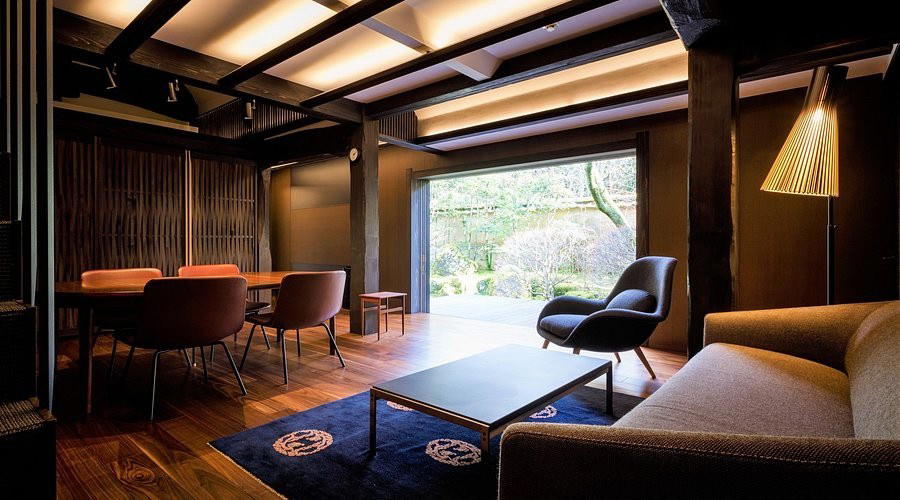
Intimate counter-only seating in a narrow alley shop with a simple, no-frills atmosphere focused on gyoza.