
Michelin Selected
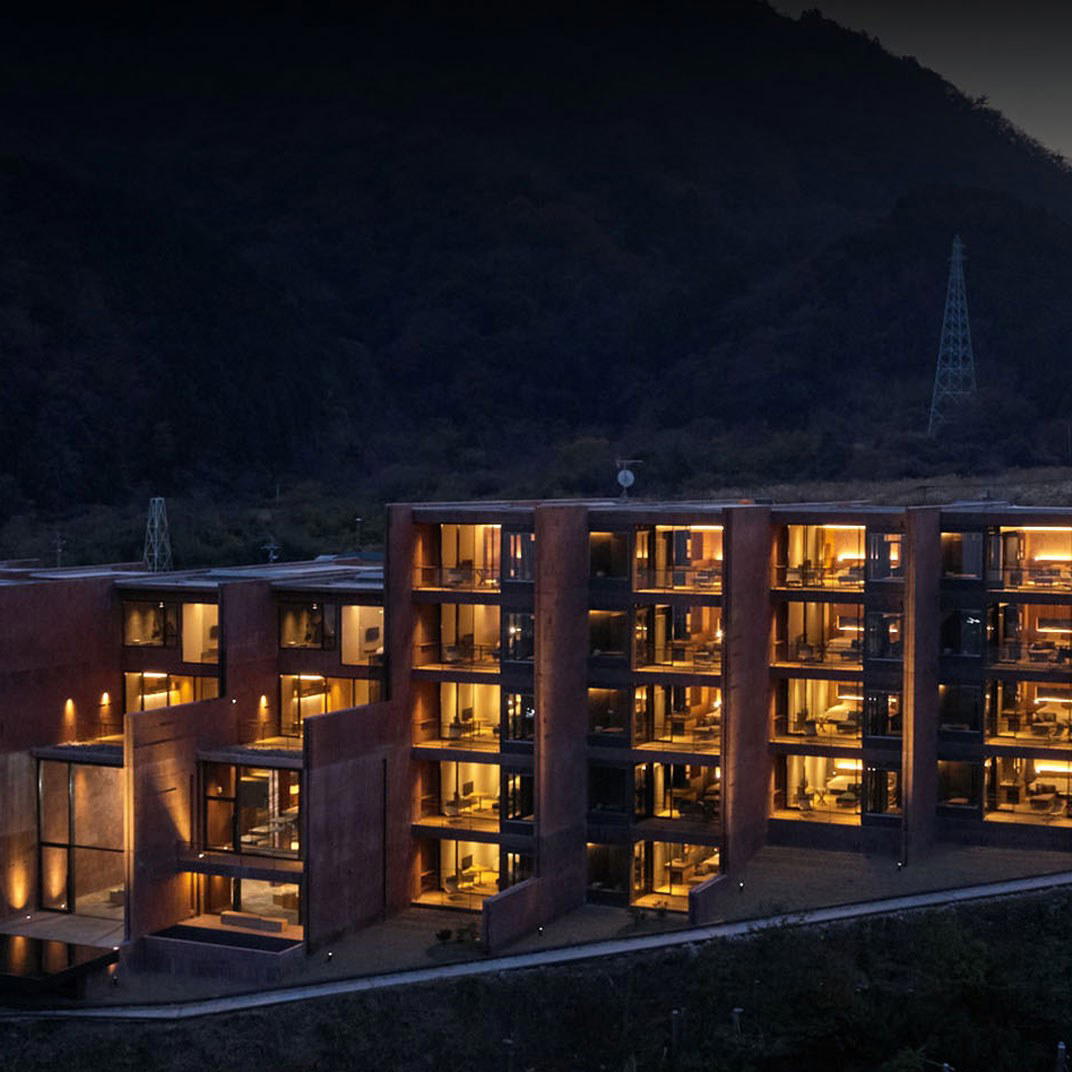
Galleria Midobaru is a Michelin Selected property in Beppu, Oita Prefecture, occupying a forested hillside position that reflects the area's tradition of combining onsen culture with considered hospitality. Recognised in the Michelin Guide Hotels & Stays 2025, it sits in the quieter, design-conscious tier of Beppu accommodation, distinct from the resort-scale properties closer to the waterfront.

Pearl is the En Primeur Club membership app — saves, bookings, and concierge access live there. Same editors, same standards.
- Address
- Japan, 〒874-0831 Oita, Beppu, 堀田町 5番57号
- Phone
- +81 977-76-5303
- Website
- beppu-galleria-midobaru.jp
- Directions
- Get directions
Beppu's Hillside Accommodation Tier
Beppu has long operated on two hospitality tracks. The first runs along the bay, where large-format resort hotels, including the ANA InterContinental Beppu Resort & Spa, offer panoramic sea views and full-service infrastructure at scale. The second track moves inland and uphill, into the Midobaru district, where the volcanic topography and cedar-dense slopes have shaped a smaller, quieter category of property. Galleria Midobaru belongs firmly to that second tier — positioned in Horita, away from the commercial centre, with a setting that reflects the area's reputation as a place where the thermal landscape is as much an aesthetic proposition as a therapeutic one.
Michelin's inclusion of Galleria Midobaru in its 2025 Hotels & Stays selection — a list that applies the same editorial rigour to accommodation as the red guide applies to restaurants, places it within a nationally recognised cohort of properties judged on character, quality of experience, and consistency rather than room count or brand affiliation. In Oita Prefecture, that kind of distinction carries particular weight: the region has become one of Japan's most seriously regarded onsen destinations, and the Michelin selection signals that Galleria Midobaru competes at the quality end of that conversation, not merely the scenic one. Nearby, Terrace Midoubaru occupies a comparable position in the same district, and the two properties together illustrate how the Midobaru area has developed a distinct identity within Beppu's wider offer.
Where Galleria Midobaru Sits in Japan's Ryokan Tradition
Japan's premium ryokan circuit has produced a recognisable set of reference points over the past two decades. Properties like Gora Kadan in Hakone, Asaba in Izu, and Zaborin in Kutchan have set standards for how a ryokan can operate when architecture, seasonal kaiseki, and private bathing are treated as a unified proposition rather than separate amenities. Kamenoi Besso in Yufu, just inland from Beppu, represents the same approach applied to Oita's particular thermal landscape.
Galleria Midobaru enters this conversation from a slightly different angle. The name itself, Galleria, hints at an aesthetic sensibility that extends beyond traditional ryokan conventions, suggesting a space where art or design occupies a more deliberate role than is typical in properties that lead with heritage. This positions it within a smaller subset of Japanese accommodation where contemporary curation and onsen culture are in dialogue, rather than one subordinate to the other. Properties like Benesse House in Naoshima have demonstrated that this pairing can generate a distinct category of guest loyalty, attracting visitors whose primary interest is as much in the spatial and visual experience as in the thermal or culinary one.
The Dining Frame in Onsen Hospitality
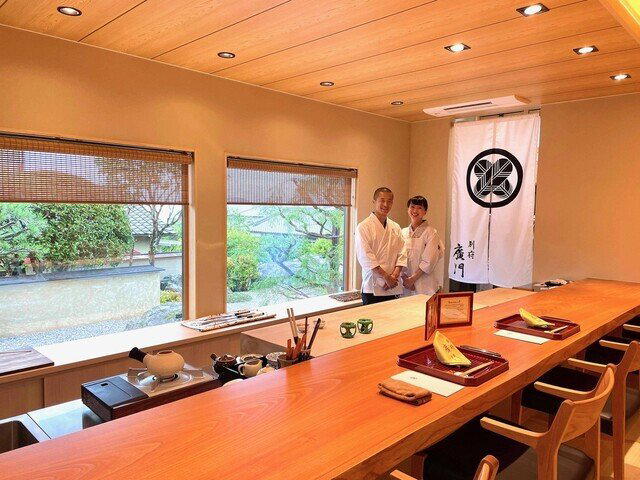
In the ryokan format, the dining programme is not peripheral to the stay, it is structurally central to it. Kaiseki, served in the room or in a dedicated dining space, accounts for a significant portion of the per-night rate and is typically the primary differentiator between properties at the same onsen destination. The editorial angle here is not about a single dish or chef biography; it is about how a property's approach to seasonal Japanese cuisine signals its overall positioning and who it is competing with.
Properties that carry Michelin recognition, even at the Selected level rather than the starred level, are being assessed on this totality. The dining component, whether structured around a classical kaiseki sequence tied to Oita's local producers or a more contemporary interpretation of regional ingredients, functions as both a culinary and a hospitality statement. Oita Prefecture has strong ingredient credentials: fresh seafood from Beppu Bay, local poultry varieties, and mountain vegetables from the surrounding hills all feature prominently in the region's cooking tradition. How those ingredients are handled in the dining room is where the distinction between a well-run onsen inn and a property worth a Michelin annotation tends to become visible.
For reference, Nishimuraya Honkan in Kinosaki-cho and Satoyama-Jujo in Niigata both illustrate how Michelin-recognised ryokan properties in other prefectures have developed dining programmes that are inseparable from their regional identity, the food is the argument for staying, not an afterthought to the bathing facilities.
Planning a Stay: Context and Logistics
Beppu is accessible from Fukuoka by limited express rail in approximately two hours, making it a realistic extension of a larger Kyushu itinerary. The Midobaru district sits above the main city, so guests should expect hillside access rather than flat urban convenience. Properties in this part of Beppu are typically reached by taxi from Beppu Station; the drive takes roughly fifteen to twenty minutes depending on traffic and the specific hillside approach.
Booking windows for Michelin-recognised onsen properties in Japan tend to compress quickly during peak periods: autumn foliage season (late October through November) and the spring shoulder months are the most sought-after. For guests building a broader Japan itinerary, Galleria Midobaru pairs logically with a Fukuoka base, or with other Kyushu properties. Those planning a wider national circuit might compare it against properties further afield: Fufu Nikko in Nikko, Fufu Kawaguchiko in Fujikawaguchiko, or Fufu Kyu-Karuizawa Restful Forest in Karuizawa represent comparable Michelin-tier onsen accommodation in other regions. For those specifically interested in the warmer, subtropical end of the Japanese onsen and resort spectrum, Halekulani Okinawa and Jusandi in Ishigaki offer a different climatic register entirely.
Urban luxury counterparts, Bvlgari Hotel Tokyo or HOTEL THE MITSUI KYOTO, operate in a structurally different hospitality category, but guests who move between city hotel and onsen ryokan on the same trip will find the contrast instructive. The shift from metropolitan dining-led luxury to the enveloping, single-property focus of a hillside onsen stay is one of the more distinctive experiences Japan's hospitality range offers. For the full picture of what Beppu has to offer beyond accommodation, our full Beppu restaurants guide covers the dining scene in more detail.
Booking and Cost Snapshot
Comparable venues nearby, for context on price, style, and recognition.
| Venue | Price | Awards | Notes |
|---|---|---|---|
| Galleria MidobaruThis venue — the venue you are viewing | $200–300 | Michelin Selected | Not listed |
| ANA InterContinental Beppu Resort & Spa | $300–500 | 1 Michelin Key | Beppu foothills, Contemporary luxury hot spring resort blending modern design with authentic Japanese craftsmanship and natural elements. |
| Terrace Midoubaru | Not listed | Michelin Selected | Hotta, Modern ryokan with Japanese hospitality and panoramic views. |
| The Shinra | Not listed | Michelin Selected | Tateyama Onsen-kyo, Tower ryokan blending traditional onsen with modern resort design |
| GEKKOJU YUFUIN | $500–750 | Michelin Selected | Yufuincho, Luxury all-suite villa with butler service |
| seven x seven Ishigaki | Not listed | Michelin Selected | Maezato, Self-hospitality luxury resort with low-touch service and high-end comforts. |
Recognition history
Dated appearances from independent guides and award organizations, with the underlying list record or original source where available.
Michelin Selected
Michelin
Details
- Modern
- Elegant
- Scenic
- Sophisticated
- Minimalist
- Romantic Getaway
- Wellness Retreat
- Anniversary
- Weekend Escape
- Panoramic View
- Terrace
- Wi Fi
- Spa
- Massage
- Restaurant
- Waterfront
- Mountain
- Garden
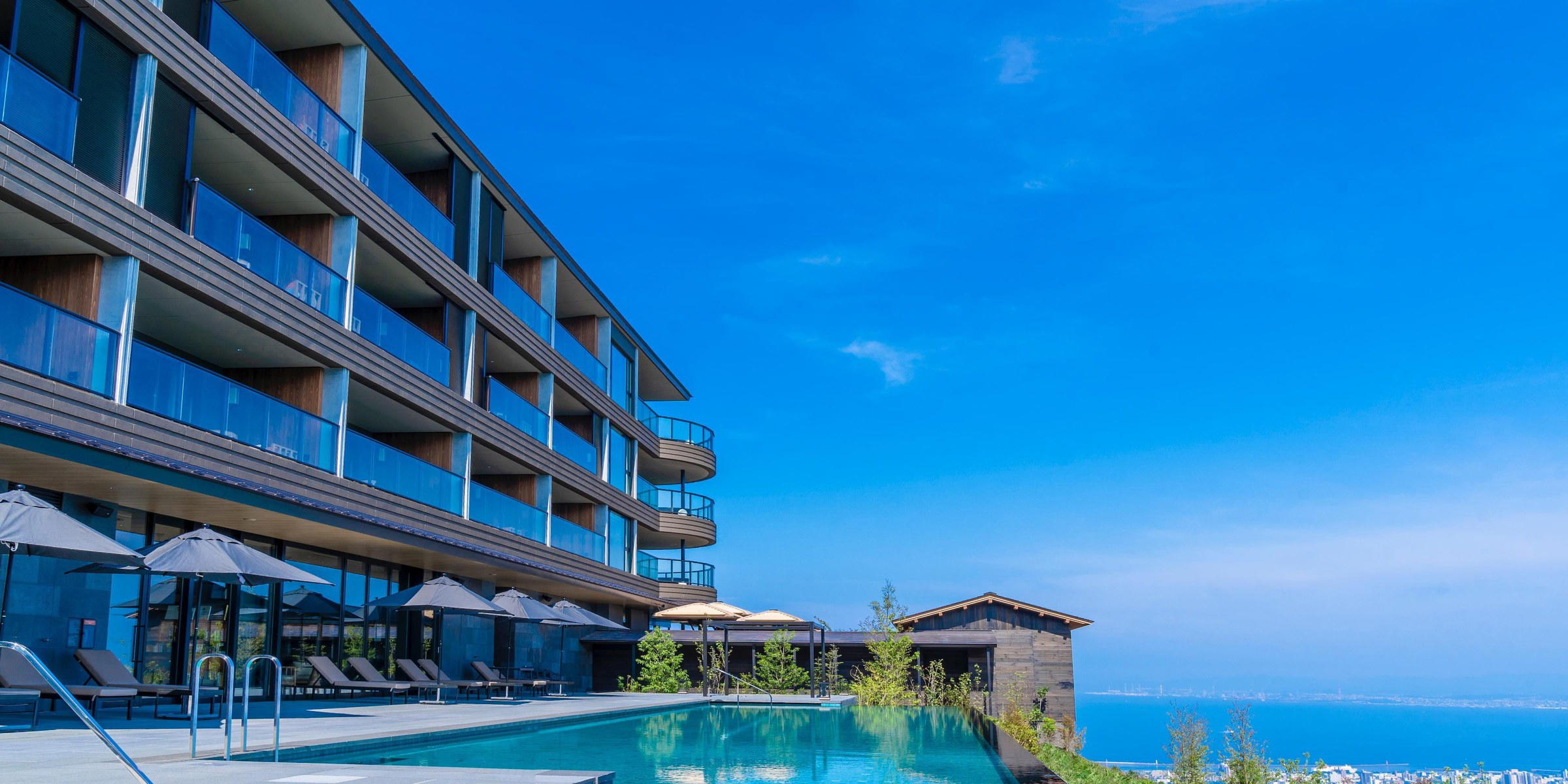
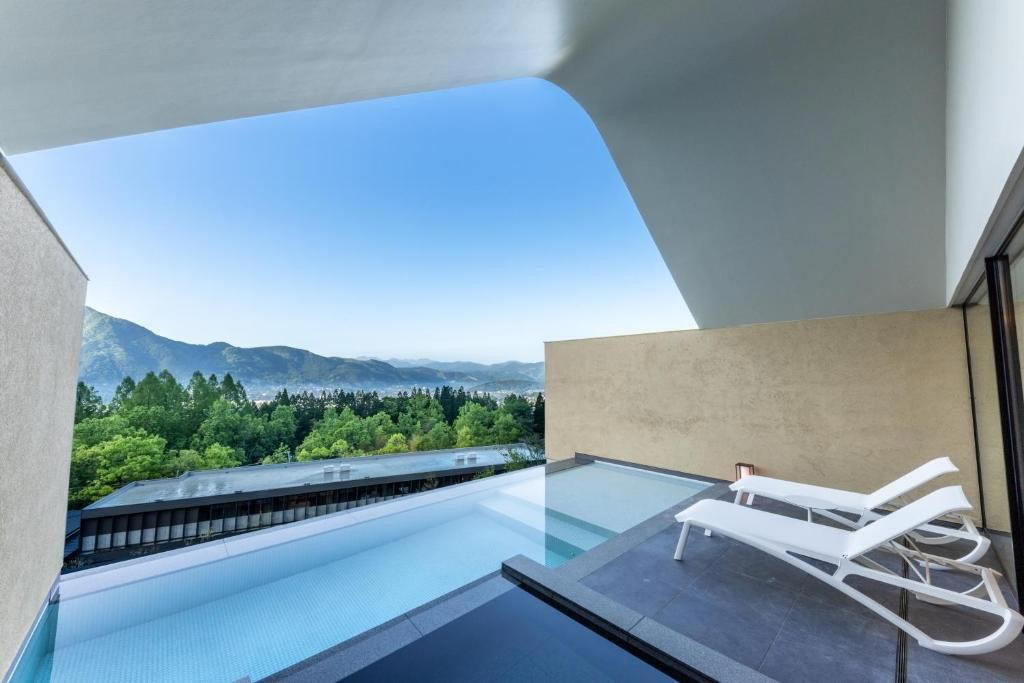
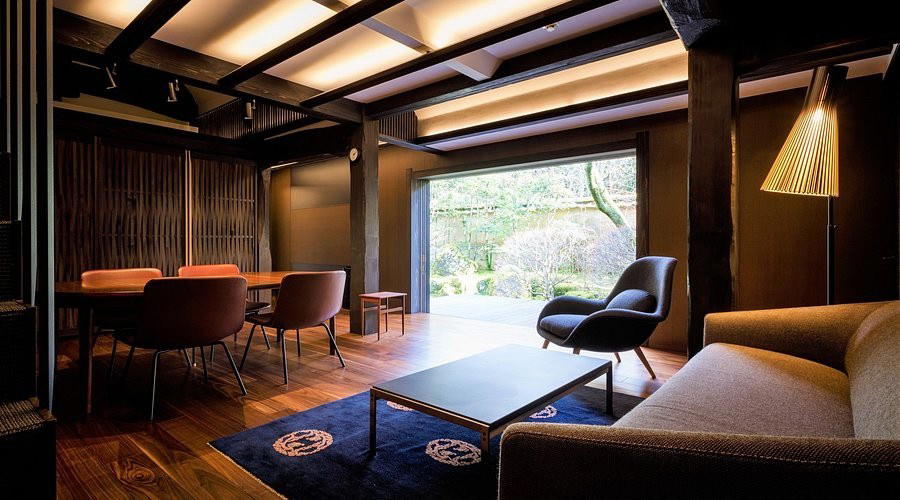
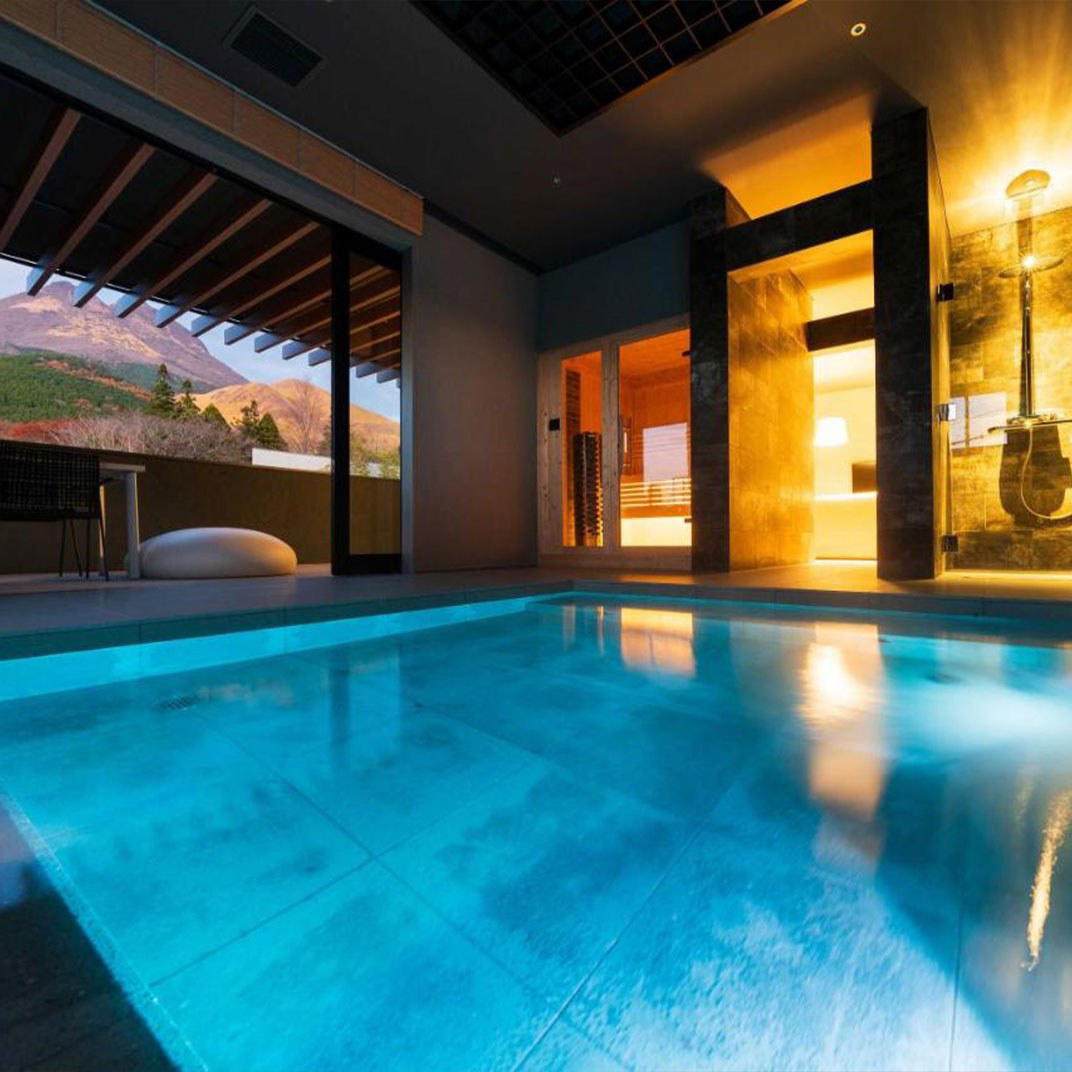
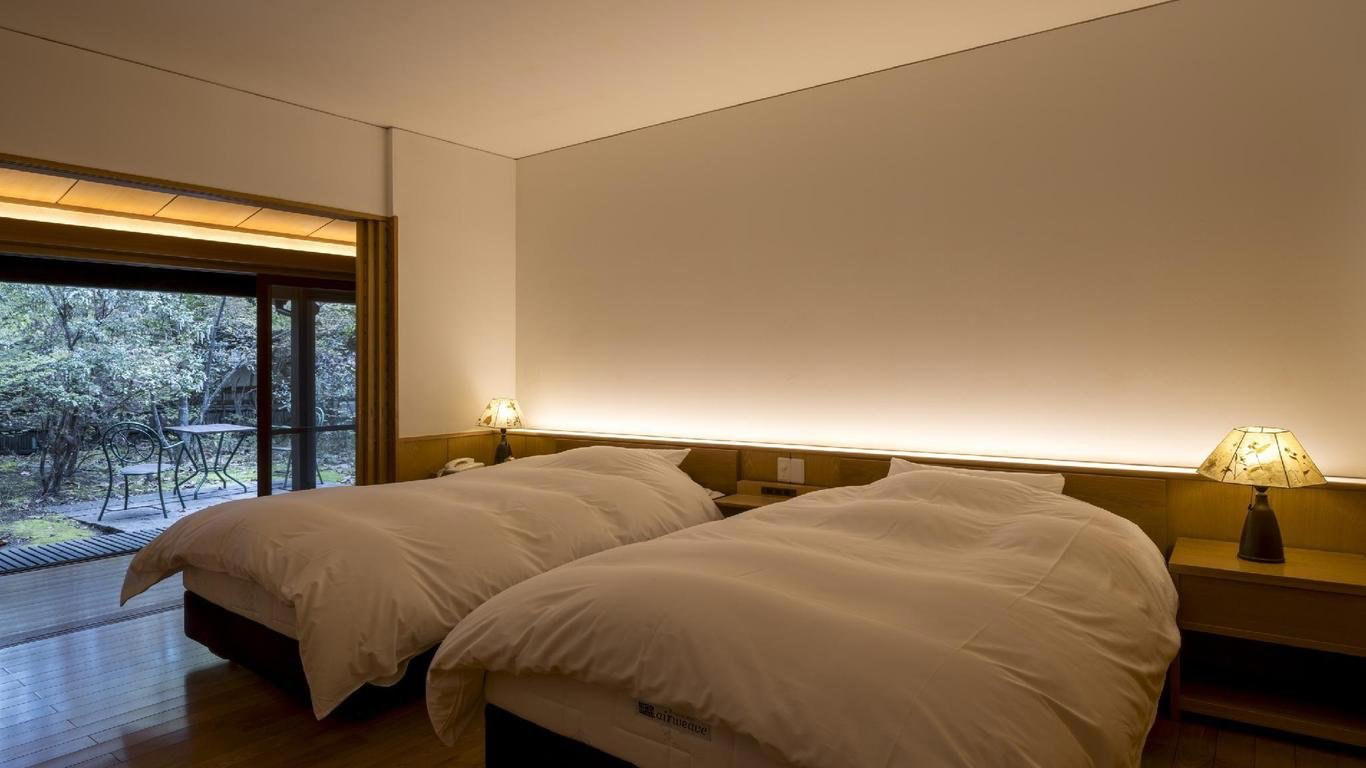
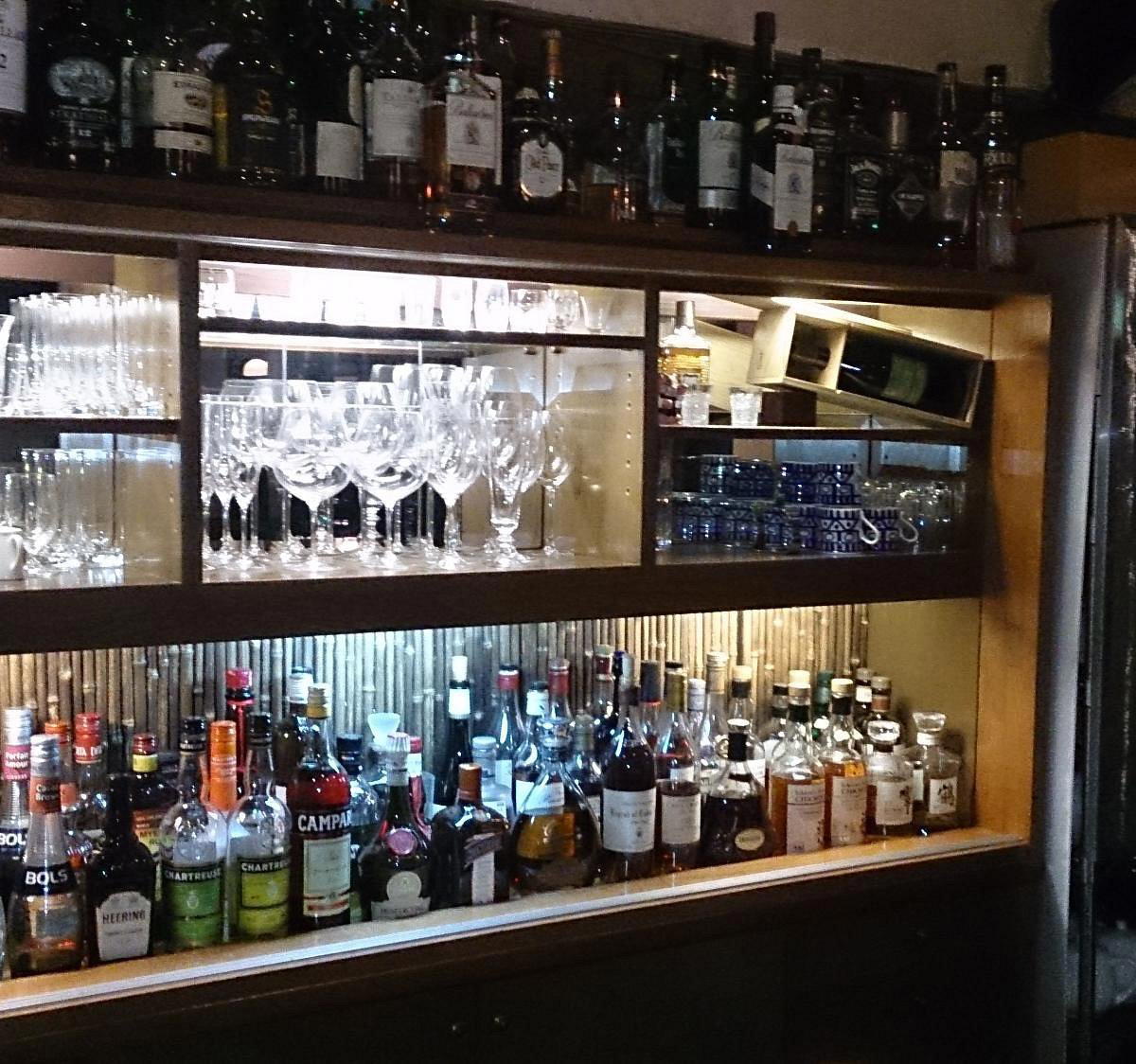
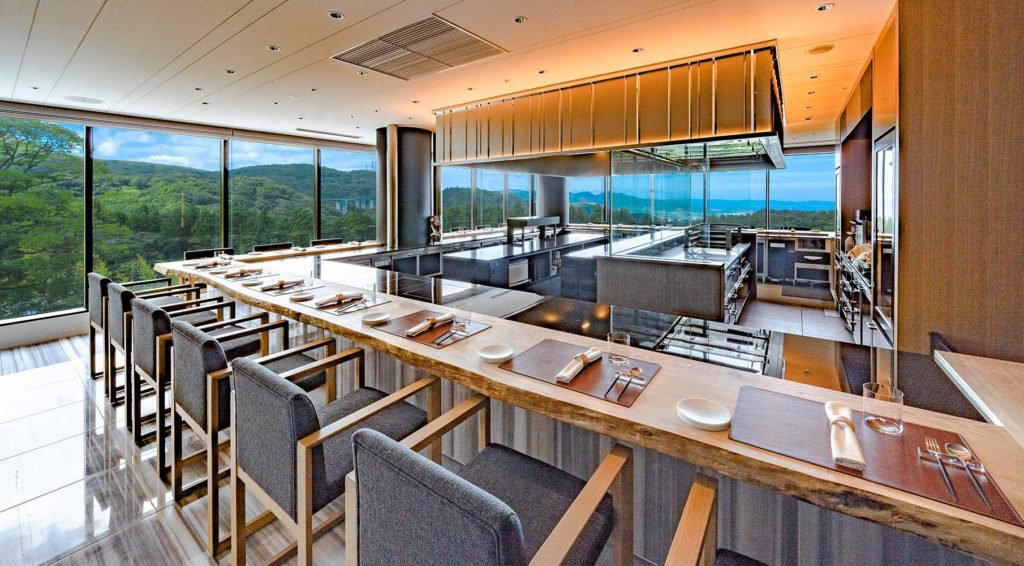
Museum-like spaces with minimalist brutalist design, contemporary art installations, natural light from floor-to-ceiling windows, and a moody wood-forward bar.