
Tabelog 100
Our verdict
Sabou Tenjou Sajiki places Yufuin’s kissaten culture inside the slower rhythm of an onsen town, where coffee, sweets, and a house-restaurant setting matter as much as a full meal. Its selection for Tabelog 100 - Kissaten - 2022 gives it a clear marker within Japan’s classic coffee-shop category, while the modest spend keeps it grounded rather than ceremonial.

Pearl is the En Primeur Club membership app — saves, bookings, and concierge access live there. Same editors, same standards.
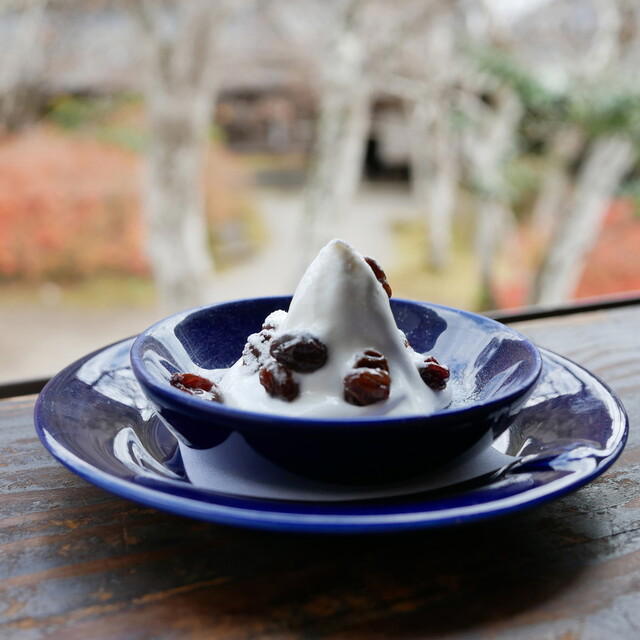
The menu
What to order
- Katsu-sando (pork cutlet sandwich)
- Mon Yufu cream cheesecake
- Photogenic waffles
- Beef stew
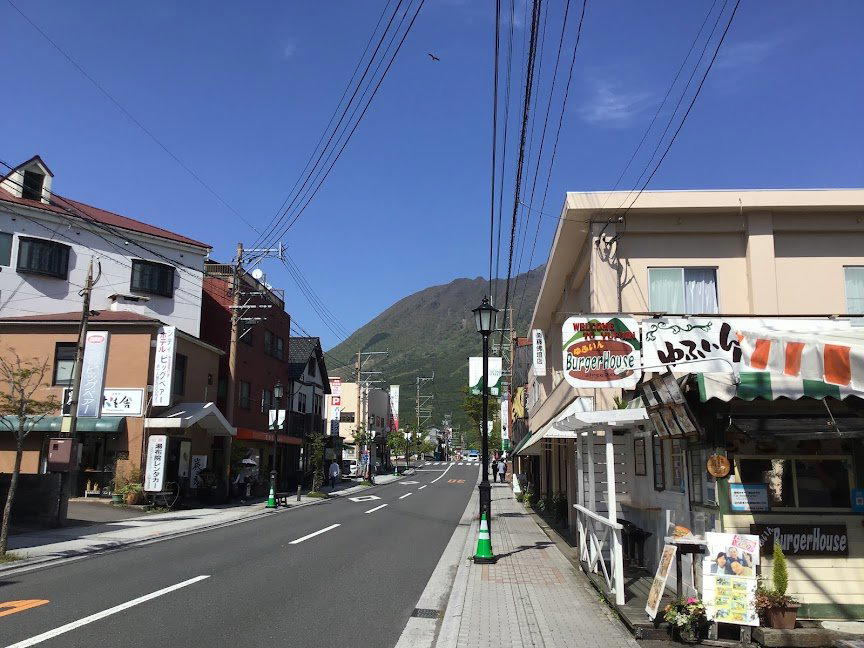
Yufu’s café culture is shaped by the walk: low roofs, hot-spring inns, small shops, and the steady pull of the town’s landscape beyond the main tourist corridor. In that setting, the kissaten is not a quick caffeine stop. It is a pause between inn check-in, gallery browsing, and the town’s slower lunch trade. Sabou Tenjou Sajiki fits that pattern with unusual clarity, operating as a Japanese coffee shop and café in Yufu, a context that places it closer to the town’s inn culture than to the urban espresso bar.
That distinction matters because Yufu does not dine like Fukuoka, Osaka, or Tokyo. The town’s stronger register is seasonal hospitality: inn meals, small sweet shops, country-style cafés, and places that make sense before or after an onsen stay. For the wider dining map, Our full Yufu restaurants guide shows how café stops sit beside more formal rooms and casual counters, while Our full Yufu hotels guide explains why inns shape the rhythm of eating here more than in larger Japanese cities.
A kissaten lens on Yufu café hospitality
Japanese kissaten culture is often misunderstood by visitors as nostalgia alone. The stronger reading is operational: coffee, tea, sweets, light meals, and a room designed for lingering, with food serving the pace of conversation rather than the theatre of a tasting menu. Sabou Tenjou Sajiki’s Tabelog 100 - Kissaten - 2022 selection places it inside that national category, not as a formal restaurant chasing course-menu prestige, but as part of a genre where consistency, atmosphere, and small-format hospitality carry weight.
The local angle in Yufu is quieter than in chef-led urban restaurants. The town’s food identity leans on the rhythms of hot-spring tourism, small cafés, and sweets shops that feed the day-trip economy. A café in this town has to work with that cadence: visitors arrive between trains, inn transfers, and local walks, often looking for a controlled break rather than a long meal. That is why the kissaten format remains useful here. It gives the town a daytime grammar: something modest, local in feeling, and less rigid than a formal dinner.
Within Yufu’s wider set, the contrast is instructive. Other Yufu dining rooms belong to the more composed end of the dining spectrum, while local sweet shops reflect the town’s gift-sweet economy. Budouya, Keikaen, Nicol’s, Yufuincho Kawakami, and Yunotake-Ann point to the way restaurants, inns, and cafés can overlap in a resort town where the meal is often part of a longer stay. Sabou Tenjou Sajiki sits in the daytime middle: more rooted than a snack stop, less formal than a destination dinner.
The room is part of the category, not decoration
Kissaten rooms succeed when they slow the guest down without turning stiff. Here, the category itself is important: it suggests a room for coffee, tea, sweets, and light refreshment, rather than the counter-only intensity of urban specialty coffee. The setting matters in Yufu, where the commercial centre can become crowded during peak daytime hours. A café with a defined sense of pause has practical value in a town built around strolling.
The Tabelog score of 3.65 gives another useful signal. In Japan, scores in this range for a provincial café indicate sustained approval rather than a flash-in-the-pan tourist listing. The Tabelog 100 kissaten recognition adds category context: this is being judged within the coffee-shop tradition, where atmosphere, drink service, and light food count differently from the metrics applied to sushi counters or French tasting menus. Readers should approach it as a refined daytime stop, not as a substitute for an inn dinner.
That framing also keeps expectations honest. The venue is listed in the Kissa Japanese coffee shop and Cafe categories, which points toward orderly daytime hospitality rather than ceremony. Those details describe a Japanese café that is modest but not casual in the throwaway sense, suitable for travellers who want the quieter side of Yufu without committing to a full restaurant meal.
How to place it in a Yufu itinerary
Yufu rewards sequencing. A morning or early-afternoon café stop makes more sense than treating this as a late dining anchor, especially because the town’s stronger evening identity often moves back toward inns, bars, and ryokan meals. For drinking after dark, Our full Yufu bars guide gives the broader context; for wineries and rural tasting routes, Our full Yufu wineries guide is the better planning layer. Travellers building a non-restaurant day should also use Our full Yufu experiences guide, since café timing in Yufu often depends on walks, museum stops, and bathhouse schedules.
The practical read is simple: use Sabou Tenjou Sajiki when the day calls for a composed pause rather than a reservation-driven meal. Its listed price bracket sits at JPY 1,000 - JPY 1,999, which places it in an approachable café range. That spend level reinforces its role in the town’s walking-and-taxi circuit rather than as a heavy destination meal.
For readers comparing Japan’s casual dining categories more broadly, Yufu’s café culture has little in common with the urban spread represented by other cafés, bars, and casual restaurants in larger Japanese cities. It is closer to a travel rhythm than a food-crawl rhythm. Even comparisons beyond Japan show how Japanese formats change when they leave their original setting. In Yufu, the kissaten remains tied to place: a room, a modest spend, and a break in the day.
For a wider domestic contrast, urban and suburban dining rooms elsewhere in Japan sit in different conversations. Sabou Tenjou Sajiki is quieter and more place-dependent. Its appeal is not spectacle; it is the way a recognized kissaten can make Yufu’s daytime hospitality feel measured, local, and properly paced.
Frequently asked questions
Is Sabou Tenjou Sajiki a family-friendly restaurant?
Sabou Tenjou Sajiki is listed as a kissa Japanese coffee shop and cafe in Yufu, with pricing at JPY 1,000 - JPY 1,999. Check the venue's official channels for the latest details.
What kind of setting is Sabou Tenjou Sajiki?
It is listed as a kissaten and cafe. The Tabelog 100 Kissaten 2022 selection gives it added context in Yufu.
What price level is Sabou Tenjou Sajiki?
Pricing at Sabou Tenjou Sajiki is listed as JPY 1,000 - JPY 1,999.
What are the operating hours at Sabou Tenjou Sajiki?
Operating hours are not specified in the provided record. Check the venue's official channels before visiting.
What's the address for Sabou Tenjou Sajiki?
Yufu.
Comparison Snapshot
Comparable venues by cuisine and price in the same metro.
| Venue | Cuisine | Price | Awards | Notes |
|---|---|---|---|---|
| Sabou Tenjou SajikiThis venue (the venue you are viewing) | Classic Japanese café with katsu-sando and desserts | $10–20 | Tabelog 100 | Not listed |
| Dining at Kai (食事処) | Kaiseki Ryokan Dining | $300–500 | Not listed | Yufuin |
| Trattoria diana | Italian Trattoria | $20–30 | Not listed | Yufuin-cho |
| B-speak | Roll cake & cheesecake specialty shop | $10–20 | Tabelog 100 #41 | Yufuin Onsen |
| Enowa Yufuin | Modern Farm-to-Table Japanese | Not listed | We're Smart World 4 Radishes · Relais Chateaux Award | Yufuincho Kawakami |
Recognition history
Dated appearances from independent guides and award organizations, with the underlying list record or original source where available.
Tabelog 100
Tabelog · Tabelog 100 - Kissaten - 2026
Full recognition history (2 entries)
Tabelog 100 #17 · No. 17
Tabelog · Tabelog 100 - Kissaten - 2022
Continue exploring
More in Yufu
Restaurants in Yufu
All restaurants in Yufu →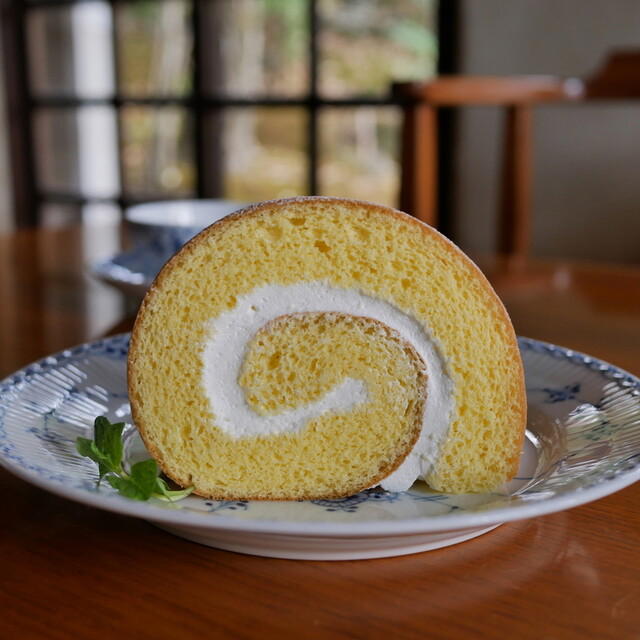
Bars in Yufu
All bars in Yufu →
Details
- Classic
- Cozy
- Scenic
- Romantic
- Intimate
- Date Night
- Solo
- Casual Hangout
- Brunch
- Special Occasion
- Garden
- Historic Building
- Design Destination
- Hotel Restaurant
- Garden
- A La Carte
- Coffee
- Tea
Current opening hours
- Monday
- 9 AM–5 PM
- Tuesday
- 9 AM–5 PM
- Wednesday
- 9 AM–5 PM
- Thursday
- 9 AM–5 PM
- Friday
- 9 AM–5 PM
- Saturday
- 9 AM–5 PM
- Sunday
- 9 AM–5 PM
Hours can change for holidays and private events. Last verified .
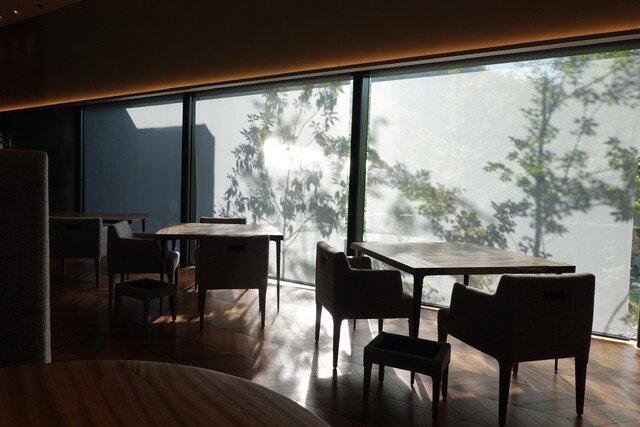
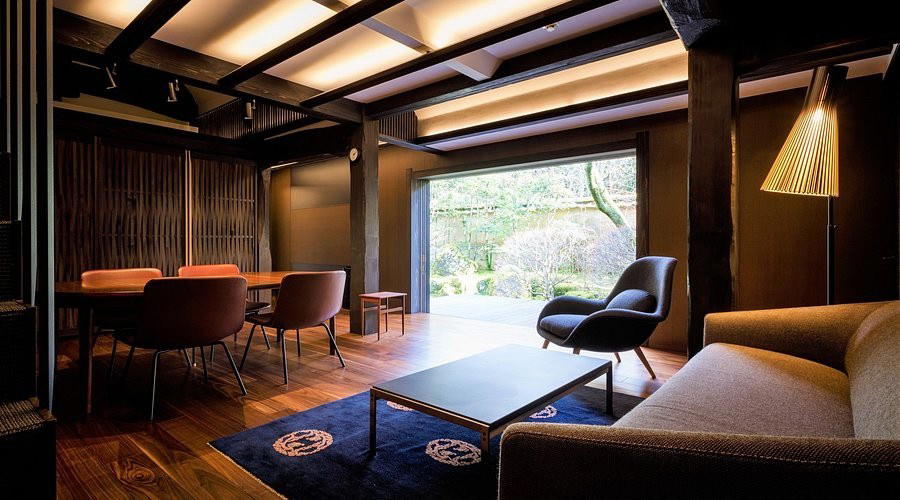
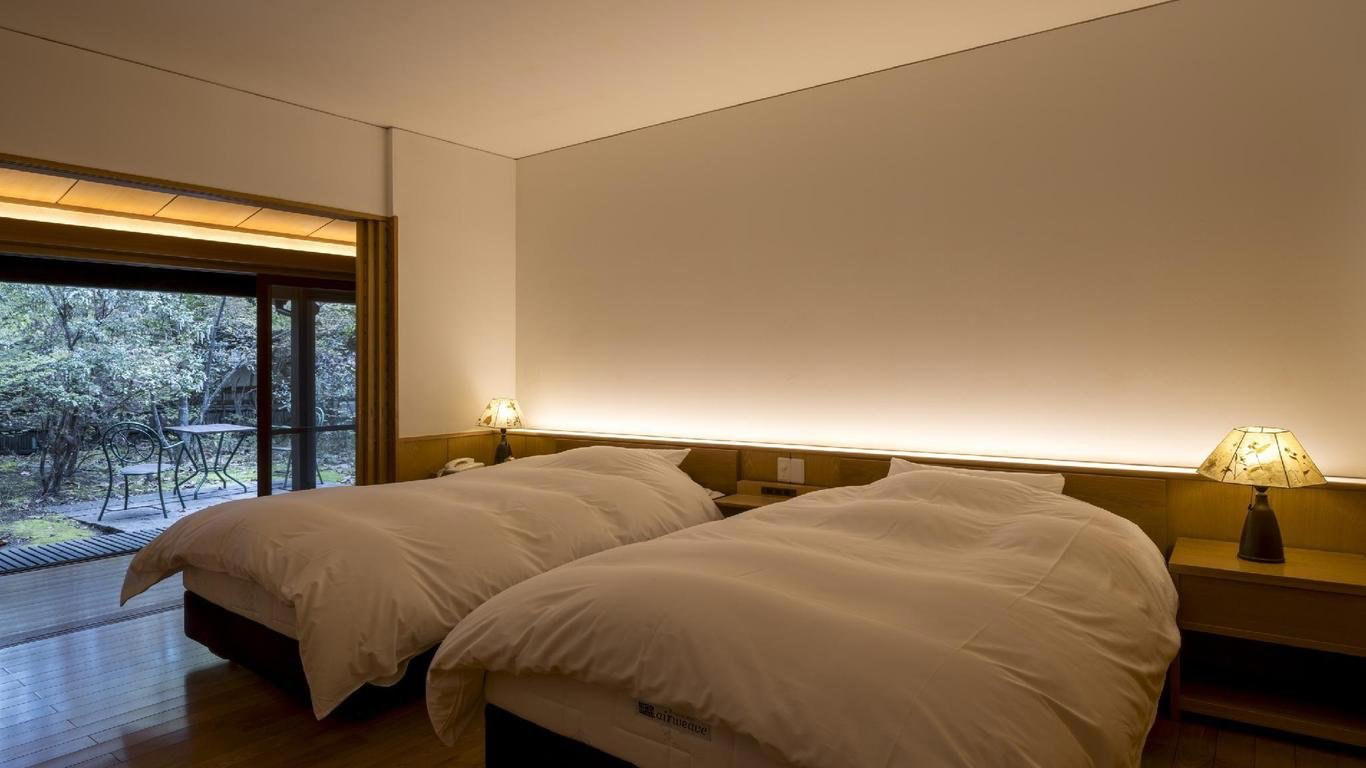
A warmly lit, retro Japanese wooden interior with the feel of a historic sake brewery, creating a quiet, nostalgic and romantic atmosphere that emphasizes calm conversation and scenic views of the inn’s garden.