Bar Yamaneko gives Yufuin’s evening scene a small-format drinking address in a town better known for ryokan dinners, hot springs, and slow rural pacing. With, it is better read through context: a local bar option at 2629 Yufuincho Kawakami for travellers comparing Yufu’s quiet after-dark rhythm with Japan’s larger cocktail cities.

Pearl is the En Primeur Club membership app — saves, bookings, and concierge access live there. Same editors, same standards.
- Address
- 2629 Yufuincho Kawakami, Yufu, Oita 879-5102, Japan
- Phone
- +81 977-85-2866
- Directions
- Get directions
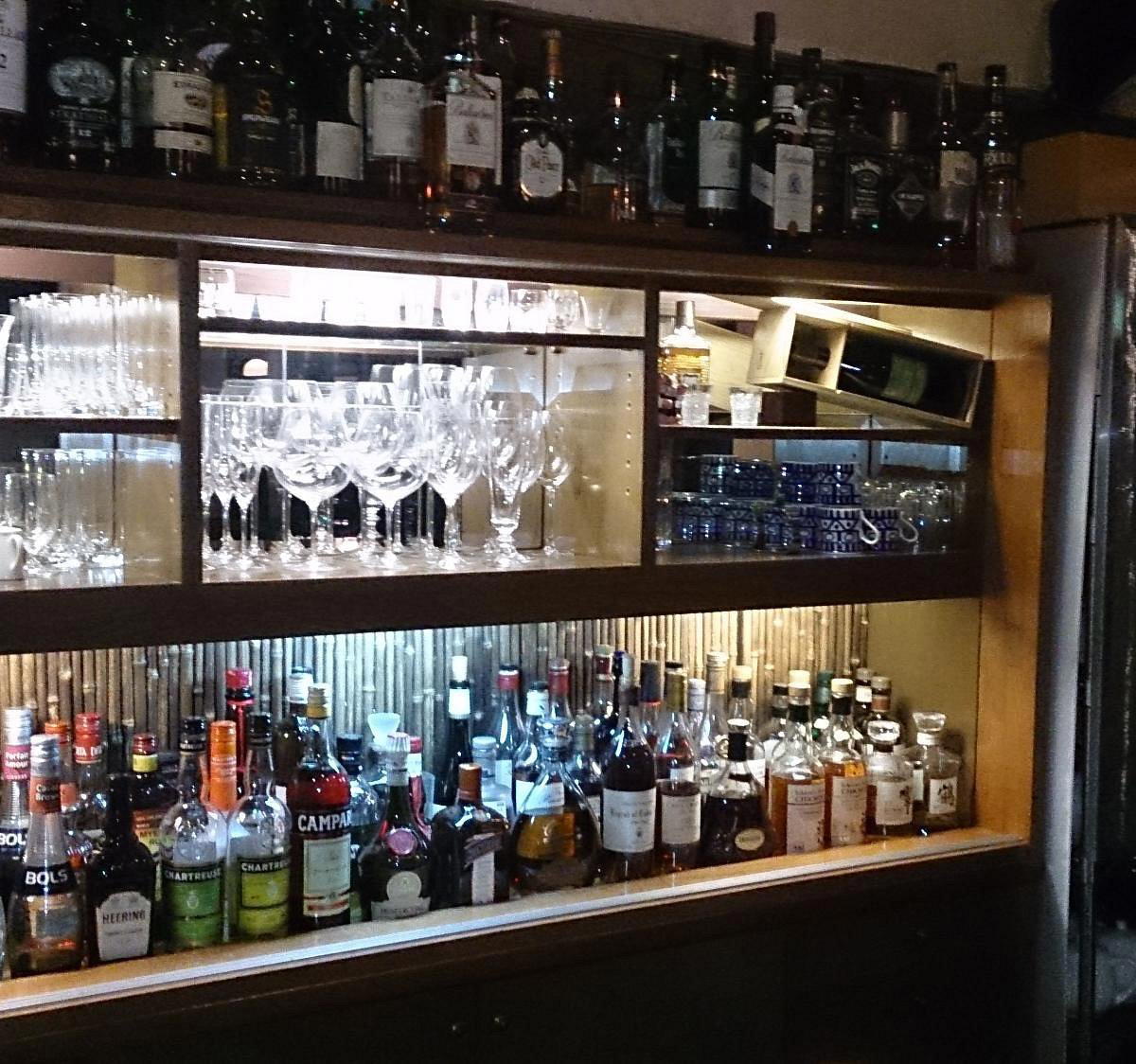
Yufuin After Dark, in a Town Built for Slower Evenings
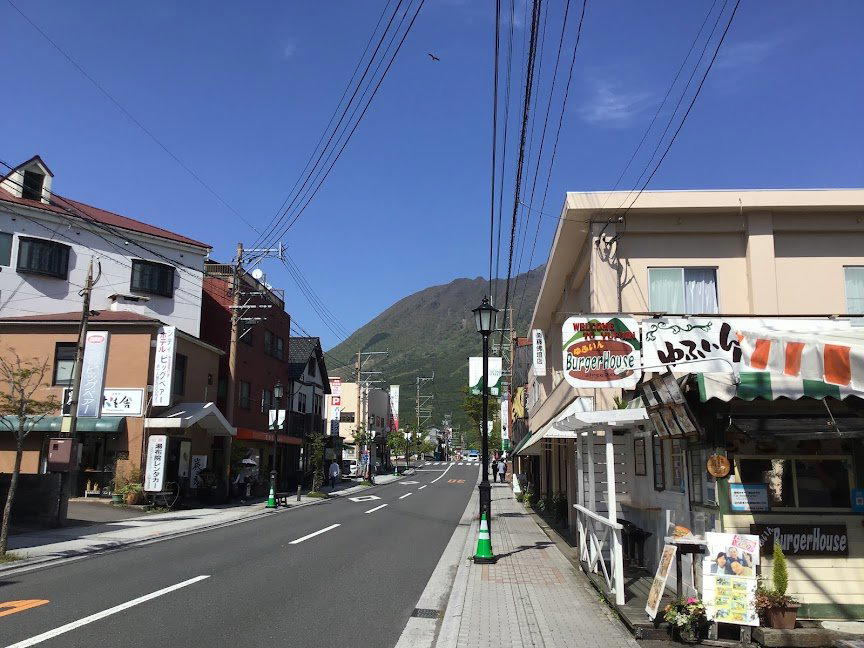
Yufuin changes character after the day-trip traffic thins. The town’s daytime image is built around Mount Yufu, small galleries, lakeside walking, onsen inns, and souvenir streets that run at a gentler pace than Beppu or Fukuoka. By evening, the energy narrows. Ryokan guests often stay inside for dinner, hotel baths, and early nights, while independent drinkers look for the handful of addresses that keep the town from becoming silent after the shutters come down. Bar Yamaneko belongs to that smaller evening circuit, not as a grand cocktail destination with published accolades, but as a local bar presence in a place where the category itself is selective.
The confirmed record is spare: Bar Yamaneko is in Yufu, Japan, at 2629 Yufuincho Kawakami, Yufu, Oita 879-5102. There is, seat count, price range, awards history, bartender profile, or published drinks That absence matters editorially. In a major bar city, a lack of public detail can be a liability; in a compact onsen town, it often signals a different kind of drinking culture, one shaped by street-level discovery, local regulars, and a slower exchange between traveller and bartender. The useful reading is not that Bar Yamaneko can be assessed like Tokyo’s formal hotel bars or Osaka’s high-concept counters. It sits in Yufuin’s narrower night-time field, where simply finding a credible bar setting can shape the evening.
For readers comparing Yufu options, the wider category is worth separating. Restaurants in town tend to orbit ryokan cuisine, soba, wagyu, cafés, and tourist-route lunch stops; bars operate in a thinner layer. The broader city research begins with Our full Yufu restaurants guide, while accommodation-driven evenings are better mapped through Our full Yufu hotels guide. Bar Yamaneko should be placed against that local bar category first, before any comparison with the large-city cocktail institutions that define Japan’s international reputation.
The Cocktail Question in a Rural Onsen Town
Japan’s cocktail culture is often framed through immaculate urban counters: measured stirring, hand-cut ice, polished glassware, and a hierarchy of classics that rewards restraint. That image is real, but it is incomplete. Outside Tokyo, Kyoto, Osaka, and Nara, the cocktail bar can play a different role. In smaller towns, the bar is less a stage for technical display and more a late-evening social room, particularly in resort towns where visitor flow is seasonal and hotel dining absorbs much of the dinner trade. Bar Yamaneko has to be understood inside that pattern.
The contrast with Japan’s better-documented cocktail addresses is useful. Star Bar Ginza in Tokyo sits within Ginza’s lineage of formal, precision-led cocktail service, where the counter itself carries cultural weight. Bar Nayuta in Osaka reflects a more urban, improvisational strand of Japanese drinking, while Lamp Bar in Nara shows how smaller historic cities can sustain serious cocktail craft without the scale of a capital. Bee's Knees in Kyoto belongs to Kyoto’s international-facing bar culture, where visitors arrive with clearer expectations. Bar Yamaneko is not supported by equivalent published credentials in the available record, which means its interest lies in a different editorial category: the value of a bar in a town where evening choices are limited and atmosphere is often inseparable from geography.
That distinction helps set expectations. A traveller looking for a bar with documented awards, a known creative director, or a publicly available cocktail canon should treat Bar Yamaneko cautiously until current details are confirmed locally. A traveller already staying in Yufuin, however, may find the address useful precisely because it offers an alternative to the ryokan-bound evening. The creative vision of a bartender cannot be described, but the likely question for Yufu is narrower and more practical: does the town offer a place for a properly paced drink after dinner? Bar Yamaneko is one of the names to consider in that answer.
Where It Sits in Yufu's Visitor Rhythm
Yufu is not a late-night city. Its appeal is built around arrival, bathing, walking, and retreat. The town’s commercial day often peaks before dinner, especially around the areas most visible to visitors. That has consequences for anyone planning drinks. Bars here do not compete with dense entertainment districts; they operate around a more restrained evening economy. The better comparison is not Shinjuku, Namba, or Kyoto’s Kiyamachi corridor, but the quiet after-dinner geography of a rural spa town.
Bar Yamaneko’s address in Yufuincho Kawakami places it inside the part of Yufu most associated with the Yufuin visitor circuit. What can be said is simpler: the address belongs to Yufuin rather than a remote outer hamlet, so it is relevant for travellers already basing themselves in the town. Those planning a full evening should check current operating information through local sources or accommodation staff, since no official website or phone number is listed in the record. In a city with dense bar listings, that would be a minor inconvenience; in Yufuin, it becomes part of the planning discipline.
Neighbouring cities broaden the frame. Kumamoto’s drinking culture, represented here by Yakoboku in Kumamoto, sits in a larger urban field than Yufu’s. Kyoto hotel bars such as Hotel Okura Kyoto in Kyoto Shi serve another role again: polished, accommodation-adjacent, and predictable for international travellers. Even a non-Japanese comparison such as Café La Trova in Miami clarifies the point, since Miami’s bar culture is driven by volume, music, and neighbourhood identity in a way that Yufuin is not. Bar Yamaneko sits in the opposite register: small-town, low-publicity, and dependent on the traveller’s willingness to accept a less documented format.
Limited data should not be treated as romance. It should be treated as a signal to be handled carefully. That means trust cannot be built through accolades. It has to be built through context, address confirmation, and the role the venue play within Yufu’s compact night-time scene. For EP Club readers, that makes Bar Yamaneko a candidate for considered exploration rather than a credentials-led reservation.
The responsible editorial position is clear. Bar Yamaneko is worth noting because Yufuin has fewer dedicated drinking addresses than Japan’s major leisure cities, and because a bar in this setting can change the shape of a stay. It gives travellers a way to extend the evening outside the inn without committing to a high-volume entertainment district or a formal hotel lounge. That is a different value proposition from a acclaimed cocktail counter with named awards. It is quieter, more conditional, and more dependent on fit.
Price remains unverified, so visitors should avoid assuming either bargain or luxury positioning. Dress code is also unlisted, which usually means the safe approach is neat casual rather than resort-room informality. Cuisine type is null in the record, so Bar Yamaneko should not be treated as a dinner substitute unless current local information confirms food service. In a town where evenings can be compressed around hotel dinner times, arriving with flexibility is the sensible strategy.
Planning an Evening Around Bar Yamaneko
The practical plan starts with the address: 2629 Yufuincho Kawakami, Yufu, Oita 879-5102, Japan. That is especially relevant in a resort town, where holidays, weather, and seasonal visitor patterns can affect small businesses more visibly than in a major city.
Pairing matters. Yufuin’s strongest dining experiences often happen before the bar question appears, whether in a ryokan dining room, a local restaurant, or a casual evening meal near the visitor centre. A bar like this is better approached after dinner than as the anchor of the night, unless current information confirms a broader food or cocktail programme. Travellers building a wider itinerary can use Our full Yufu experiences guide for daytime structure and Our full Yufu wineries guide for regional drinking context beyond cocktails. The point is to let Yufuin lead the pacing rather than force a big-city bar crawl onto a town designed for slower movement.
For cocktail-focused travellers, the bar should be framed as a local add-on with potential, not as a guaranteed technical showcase. Ask what the bartender recommends only after checking what is actually being served that evening. If the menu is classic-led, judge the drink on balance, temperature, and dilution rather than novelty. If it is more casual, accept the setting for what it adds to the town: a place to sit, drink, and watch Yufuin’s evening quiet settle in.
Continue exploring
More in Yufu
Restaurants in Yufu
Browse all →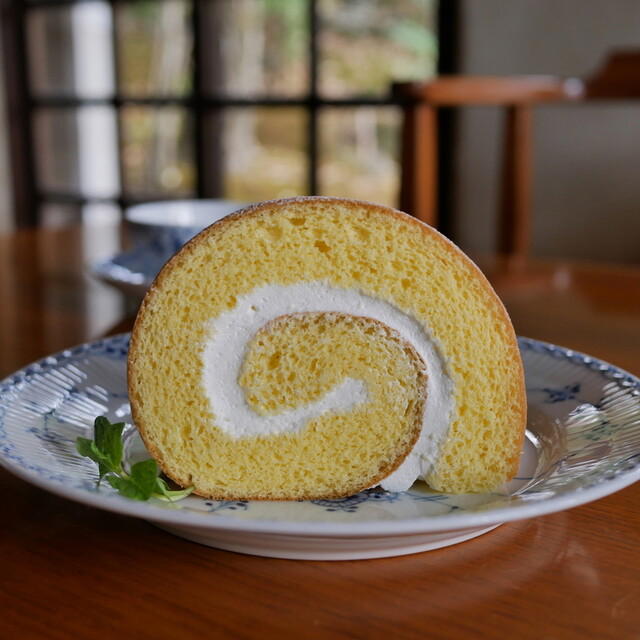
Details
- Quiet
- Cozy
- Intimate
- Solo
- Casual Hangout
- Date Night
- Standalone
- Historic Building
- Seated Bar
- Counter Only
- Classic Cocktails
- Conventional Wine
- Garden
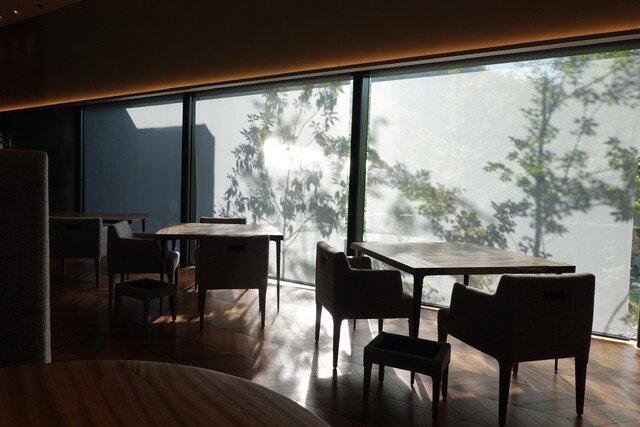
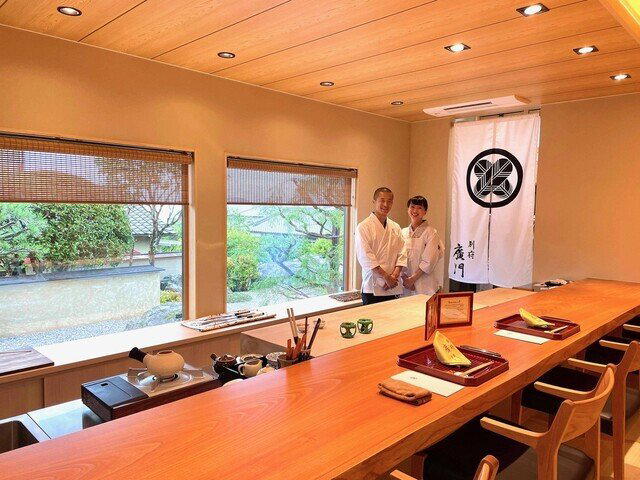
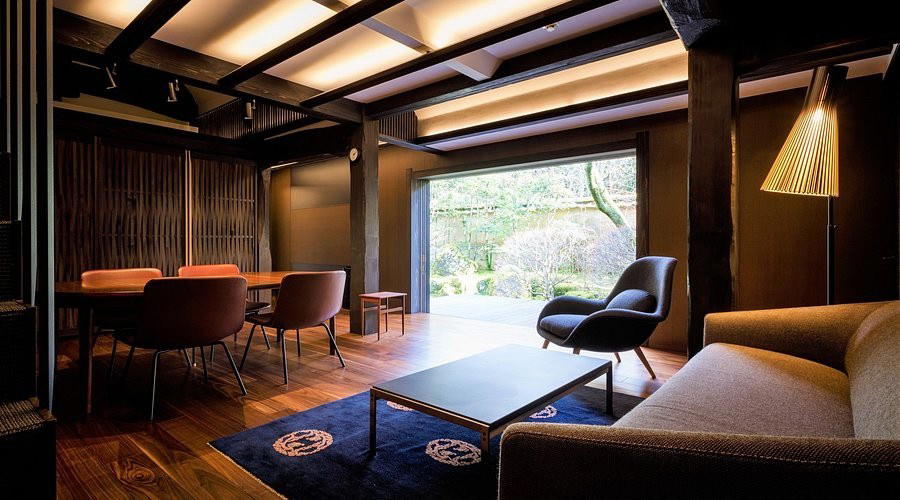
Cozy, relaxed bar atmosphere with a calm, settled feel; TripAdvisor labels it as '落ち着いている' (calm/quiet).