
Tabelog Bronze #141
Our verdict
Ito puts Oita yakiniku in a Kyushu frame rather than a Tokyo luxury one: regional appetite, grill-table pacing, and a meat-and-offal category with serious national recognition. The draw is less ceremony than sourcing discipline, backed by repeated Tabelog Bronze recognition and selection for Tabelog’s Yakiniku WEST 100.

Pearl is the En Primeur Club membership app, where members save venues, book tables and use the concierge.
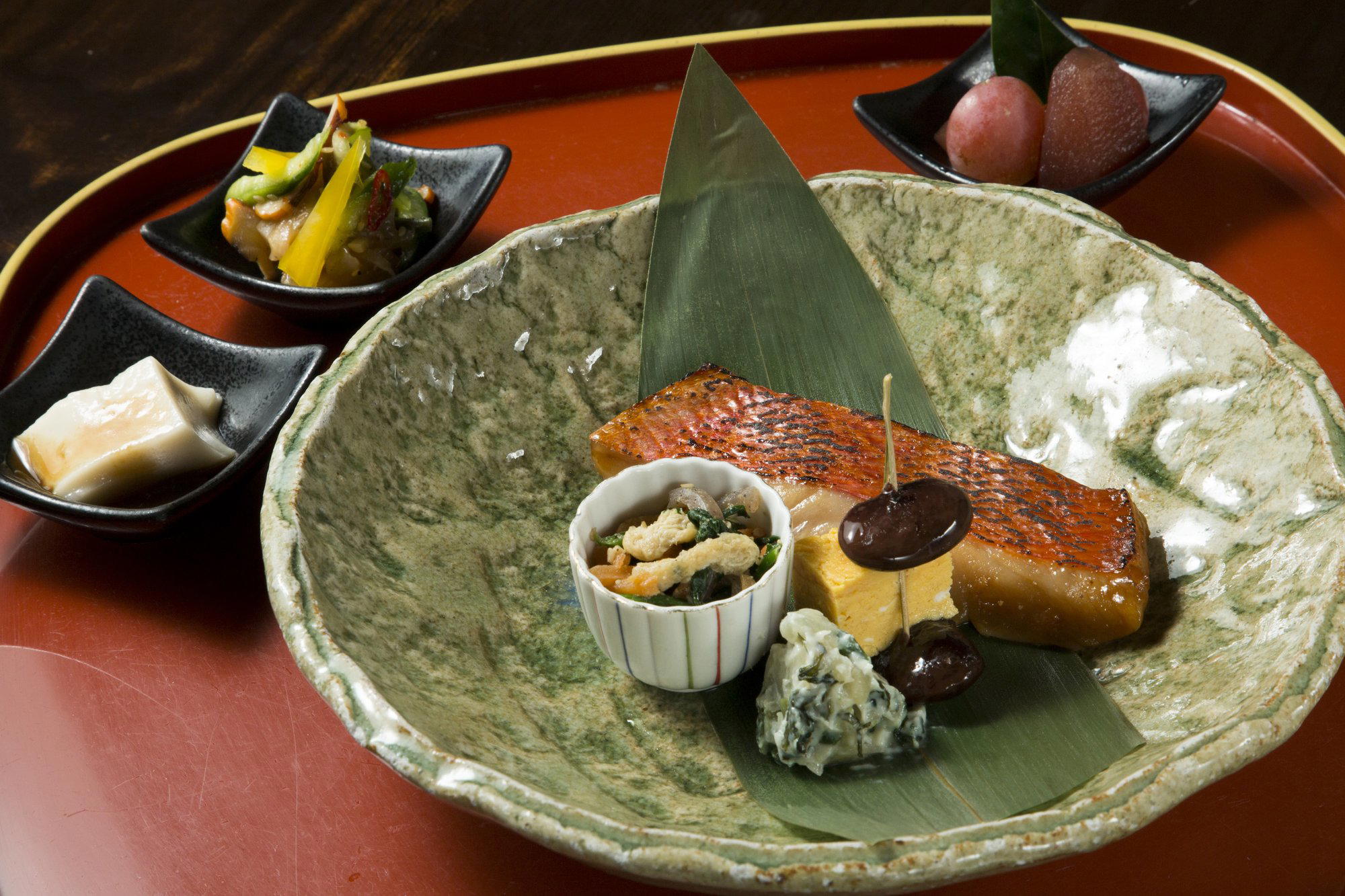
The room belongs to the practical side of Japanese barbecue: grill heat, table conversation, tatami seating, and the rhythm of meat arriving in cuts meant to be handled by the diner rather than hidden behind kitchen choreography. In Oita, that matters. Yakiniku here is not a metropolitan tasting-menu performance dressed in smoke; it is a sourcing-led format where the quality of beef, offal, and timing does the heavy lifting.
Ito sits inside that tradition with unusual force for Saiki, a coastal city better associated with seafood than destination yakiniku. The restaurant’s repeated Tabelog Bronze recognition from 2023 through 2026, plus inclusion in Tabelog’s Yakiniku WEST 100 in multiple years, places it in a national conversation usually dominated by larger dining markets. That is the editorial point: Kyushu’s grill culture is not a side note to Tokyo or Osaka. It has its own supply logic, appetite, and expectations around value.
Oita yakiniku, read through beef, offal, and Kyushu appetite
Yakiniku rewards restaurants that buy well and waste little. The category is built around cuts with different cooking speeds, fat structures, and chew, and the presence of tripe on the category listing signals a kitchen operating beyond a narrow luxury-beef script. In Japan, serious grill restaurants often reveal themselves through the secondary cuts as much as through marbled beef; offal requires freshness, cleaning, and confidence from regulars who know what they are ordering.
That is where Oita’s position becomes interesting. The prefecture is part of a Kyushu food belt where beef, shochu, and charcoal cooking sit comfortably beside the region’s better-known seafood and hot-spring tourism. For travellers using our full Oita restaurants guide, this is the counterweight to seafood-forward meals and kaiseki-leaning addresses. The local conversation can move from Aji Arai and Beppu Hirokado (Japanese Cuisine) to grill-table dining without feeling like a step down in seriousness.
The useful comparison is not with anonymous high-spend wagyu counters, but with regional restaurants that have made a specific category legible to a wider audience. Bimi Nakayoshi, Jimgu (Japanese Cuisine), and MIYAKO HAMBURG all point to an Oita dining map where comfort formats and serious sourcing can overlap. Yakiniku has the advantage of immediacy: the diner sees the cut, controls the grill, and understands quality without a long explanation.
Recognition without the tasting-menu costume
Tabelog Bronze is a meaningful trust signal in Japan because it reflects a crowded, review-driven dining culture rather than a single critic’s visit. A score above 4.0 in this category is a hard-won position, particularly outside a major urban centre. Ito’s recognition is strongest when read as category evidence: diners are not travelling for theatrical plating or chef biography, but for a yakiniku house whose meat handling and consistency have kept it in view across several award cycles.
The price bracket reinforces that reading. Dinner sits in the JPY 8,000 to JPY 9,999 range, which places the restaurant above casual grill chains but below the rarefied counters that turn beef into a luxury ritual. That middle-high tier is often where regional Japan is strongest: enough spend to support careful purchasing, enough informality to preserve the social nature of the meal. Drinks follow the same regional logic, with sake, shochu, and wine all listed, though shochu feels especially aligned with Kyushu grill culture.
For travellers building a broader Japan itinerary, the point is contrast. A beef-focused meal in Saiki has a different grammar from -Grilled beef Sukiyaki- KAMAKURA TANUKIAN 鎌倉 たぬき庵 in Kamakura, where sukiyaki frames beef through sweetness, broth, and set pacing. It also differs from urban charcoal formats such as. 鮪と炭火焼き うお炭 秋葉原店 in Tokyo, where fish and fire share the stage. Yakiniku here is more direct: source, slice, grill, repeat.
How to place it in an Oita trip
Oita itineraries often split between onsen towns, seafood ports, and mountain drives. A serious yakiniku dinner works well as the meal that changes the register: less formal than a Japanese cuisine counter, more ingredient-focused than a casual izakaya, and better suited to groups than many small-format restaurants. The room’s private-room options and family-friendly positioning also matter in a region where dining is often multigenerational rather than date-night coded.
Saiki is not the default base for every Oita visitor, so this meal makes greatest sense for travellers already moving through the southern part of the prefecture or for those willing to treat dinner as the anchor of the day. Pairing it with the wider EP Club city rails helps clarify the choice: our full Oita hotels guide handles where to stay, while our full Oita bars guide, our full Oita wineries guide, and our full Oita experiences guide round out the non-restaurant planning.
The wider national links are useful for calibration rather than direct comparison.cafe in Osaka.know in Kumamoto, (Shoku) Vietnam in Kawasaki, [Curry Senmon Ten] Maruyama Kyoju. in Sapporo, Jōdo Saké Bar in Los Angeles, and Onigiri Time in Pasadena show how narrow formats travel: coffee, curry, sake, onigiri, grill. The stronger the format, the less it needs decorative language. Ito’s case is that Oita yakiniku, when backed by repeat recognition and a clear meat-and-offal identity, deserves to be read as a destination category in its own right.
Frequently asked questions
Is Ito child-friendly?
Yes. The restaurant accepts babies, preschoolers, and school-age children, and it has 46 seats plus private rooms for 4 to 20 people. That setup makes it workable for family dinners in Oita.
Is Ito better for a quiet night or a lively one?
It reads as better for a quieter, seated dinner than a lively night out. The room layout leans on tatami seating and private rooms, and the service note about parties over 2.5 hours points to a meal-focused format rather than a bar scene.
What are Ito's hours?
Hours at Ito: Mon, Wed, Thu, Fri 17:30 - 22:00 L.O. Food 21:00 Drinks 21:30.
What's the address for Ito?
Ito is located in Oita.
What's the signature at Ito?
No named signature dish is listed, so the clearest markers are the house focus on yakiniku and tripe, plus Tabelog Bronze recognition in 2026. Reservations are phone-only, and the restaurant warns that tongue and harami can sell out after 8 PM.
In Context: Similar Options
Comparable venues by cuisine and price in the same metro.
| Venue | Cuisine | Price | Awards | Notes |
|---|---|---|---|---|
| ItoThis venue (the venue you are viewing) | Japanese Udon | Not listed | Tabelog Bronze #141 | Not listed |
| おおいた花山椒 | Oita Local Japanese Fine Dining | $50–100 | Not listed | Miyako-machi |
| Beppu Hirokado | Kaiseki Kappo with Kyushu Ingredients | $150–200 | Tabelog Silver #36 | Horita |
| MIYAKO HAMBURG | Japanese Hamburger Steak Grill | $1–10 | Tabelog 100 #98 | Miyako Town |
| Aji Arai | Kyushu Kappo | $150–200 | Tabelog Bronze #8 | Nakatsu |
| Bimi Nakayoshi | Japanese Teishoku / Cafeteria | $1–10 | Tabelog 100 #49 | Higashikasugamachi |
Recognition history
Dated appearances from independent guides and award organizations, with the underlying list record or original source where available.
Tabelog Bronze #141
Tabelog
Full recognition history (3 entries)
Tabelog Bronze
Tabelog
Tabelog 100 #100 · No. 100
Tabelog · Tabelog 100 - Yakiniku - WEST - 2025
Ito
Featured Guides
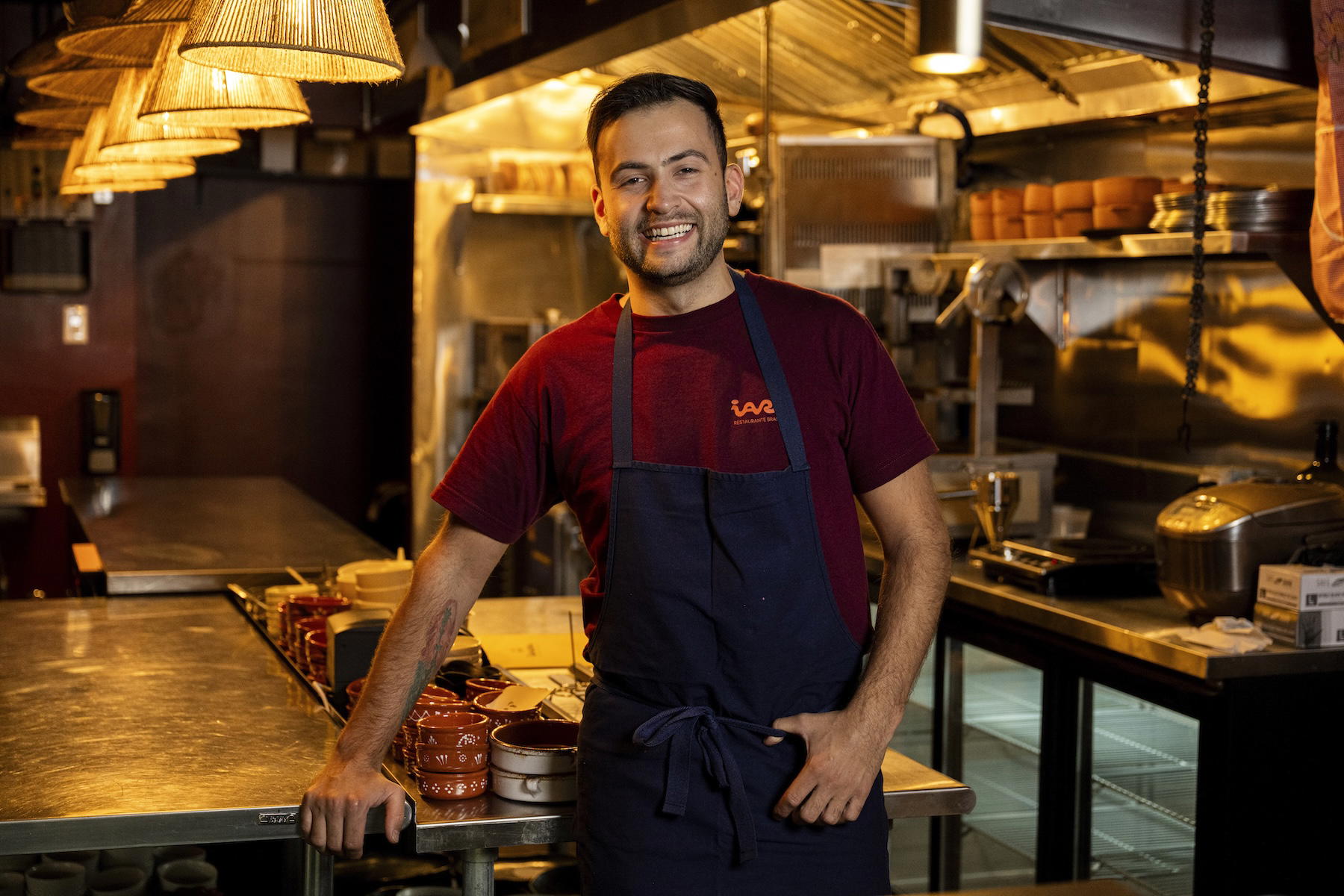
Chef Vitor Mendes Opens Iara Lower East Side
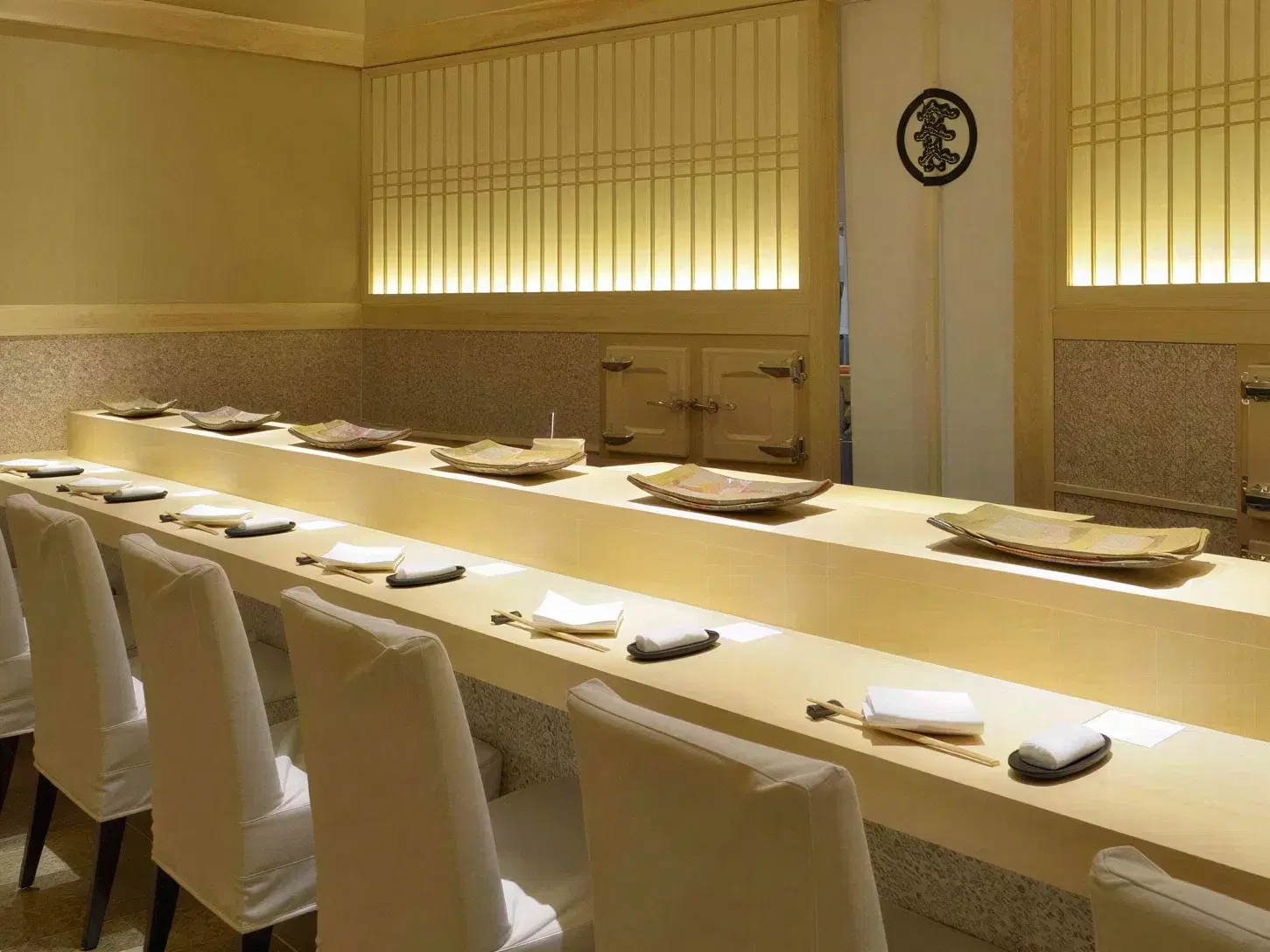
Dining at the Sushi God’s Table: Sushi Saito Tokyo Review 2026 — The World’s Most Exclusive Invite-Only Meal (And How to Get a Reservation)
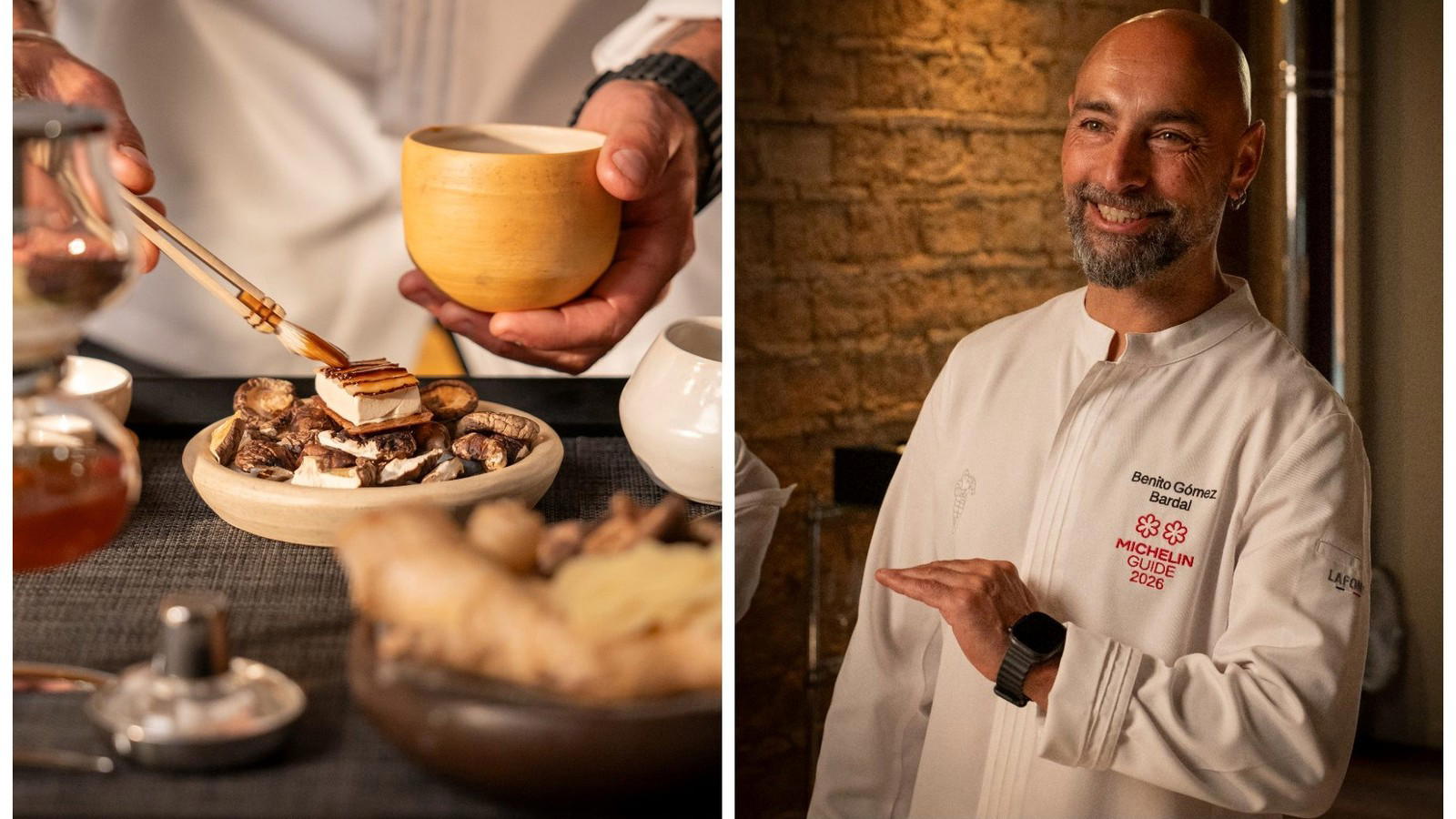
Chef Benito Gómez Opens Ocean Club by Benito Gómez in Phu Quoc
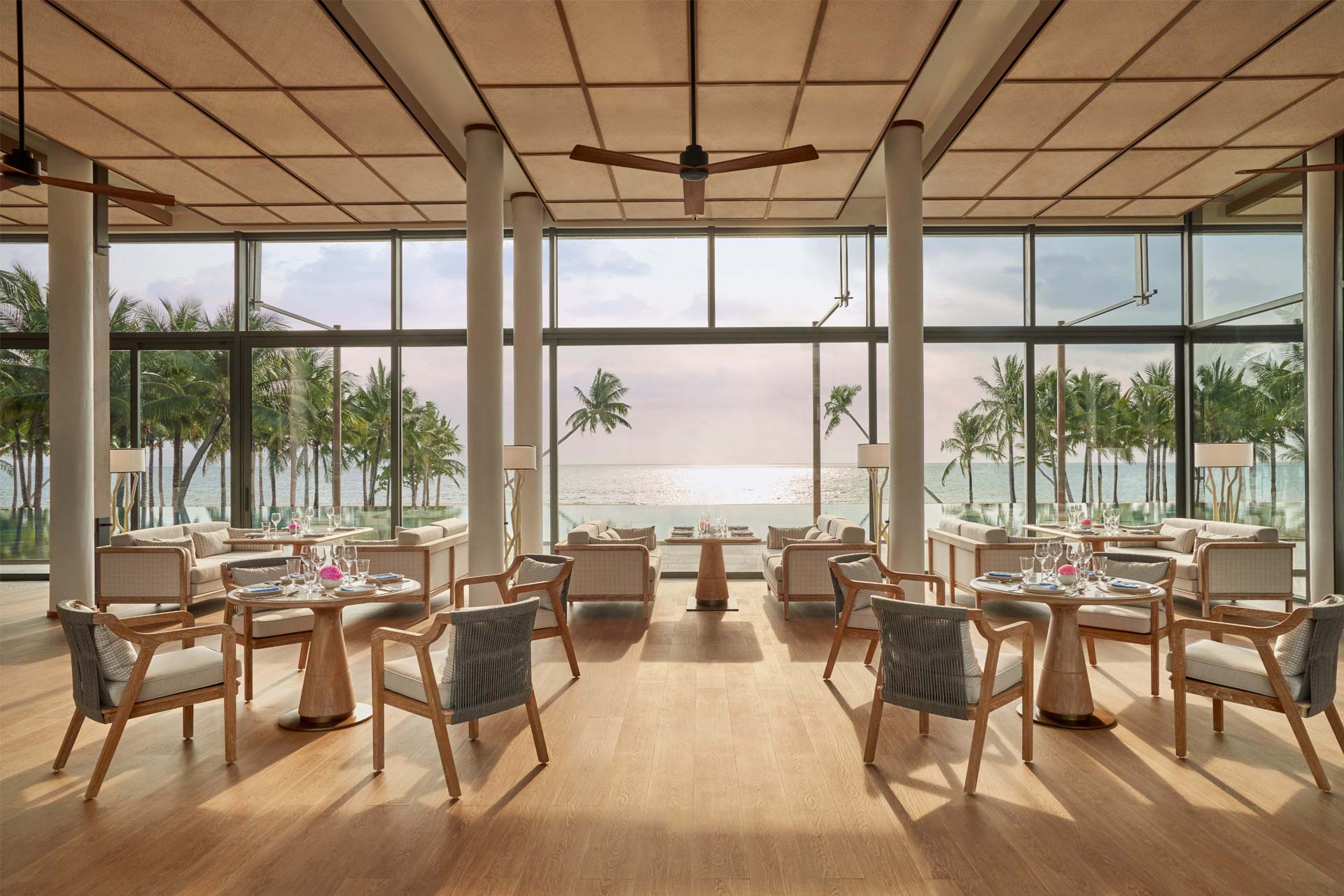
Ocean Club by Benito Gomez Is Coming to Regent Phu Quoc
Continue exploring
More in Kyoto
Restaurants in Kyoto
All restaurants in Kyoto →
Bars in Kyoto
All bars in Kyoto →

Hotels in Kyoto
All hotels in Kyoto →
Wineries in Kyoto
Browse all →
Details
- Lunch
- Dinner
- A La Carte
Current opening hours
- Monday
- 12–2 PM, 6–9 PM
- Tuesday
- 12–2 PM, 6–9 PM
- Wednesday
- Closed
- Thursday
- 12–2 PM, 6–9 PM
- Friday
- 12–2 PM, 6–9 PM
- Saturday
- 12–2 PM, 6–9 PM
- Sunday
- 12–2 PM, 6–9 PM
Hours can change for holidays and private events. Hours as of .