í ë¼íì¿ ê°
Our verdict
í ë¼íì¿ ê° serves Traditional Korean Steakhouse dishes such as Aged Sirloin Steak, Galbi, and Charcoal-Grilled Beef, with an extensive wine list and leisurely dinner pacing.

Pearl is the En Primeur Club membership app, where members save venues, book tables and use the concierge.
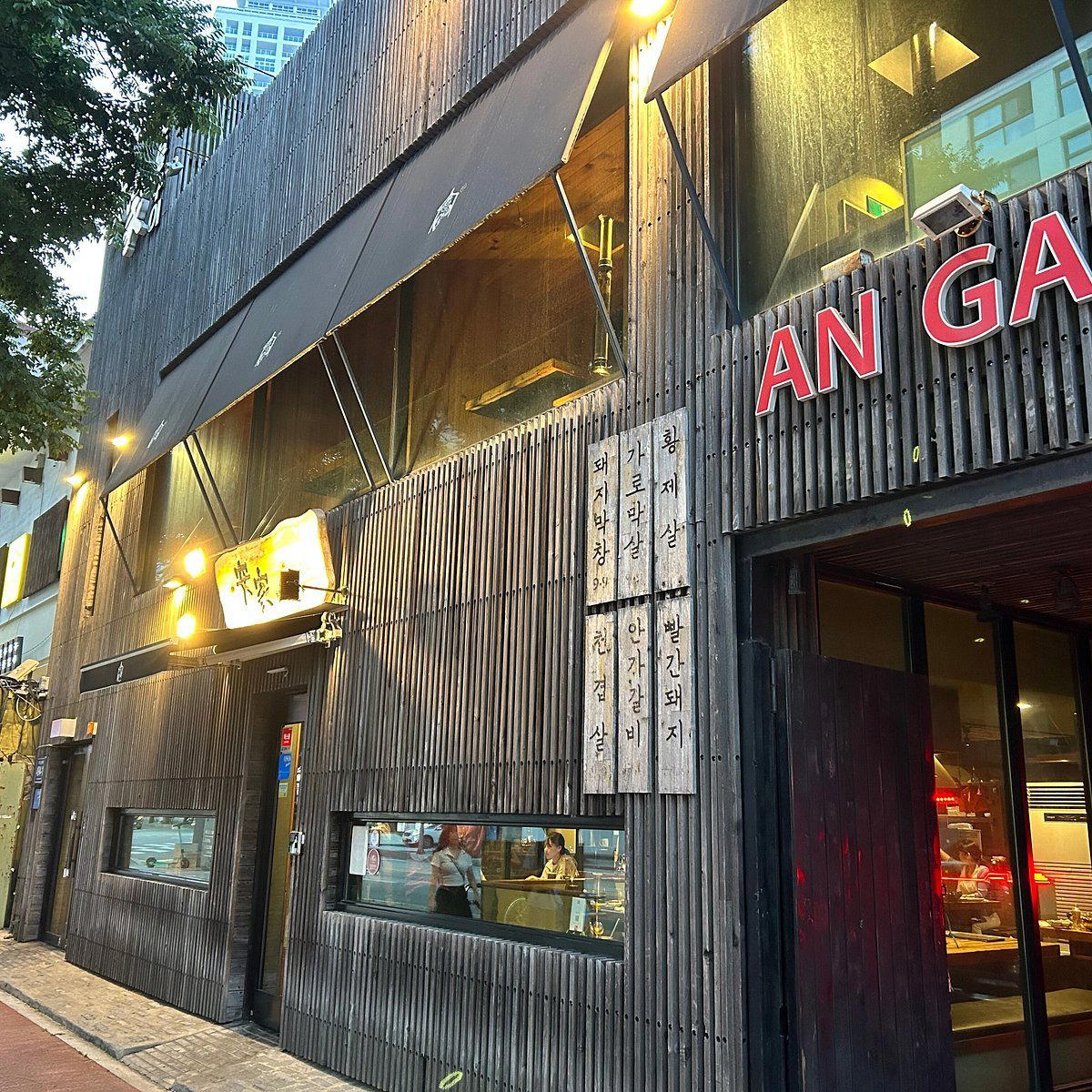
The menu
What to order
- Aged Sirloin Steak
- Galbi
- Charcoal-Grilled Beef
Haeundae's Coastal Dining Scene and Where La Rascasse Sits Within It
Haeundae-gu occupies a particular position in Busan's dining conversation. The district carries the city's highest concentration of hotel restaurants, contemporary Korean counters, and ingredient-driven independents, all competing within walking distance of one of South Korea's most trafficked coastal strips. Within that cluster, La Rascasse (라 라스카세가) operates from an address on Jwadongsunhwan-ro, a road that curves through the residential and dining zone north of the beach itself. The physical approach along that road signals something: this is not a beachfront terrace built for tourist throughput, but a dining room that positions itself toward residents and repeat visitors who already know the neighbourhood's better options.
Busan's dining character differs from Seoul's in ways that matter when placing any individual restaurant. Where Seoul's premium tier, represented by addresses like Mingles or Atomix in New York City (whose Korean-founded model has influenced how international critics read Korean fine dining globally), tends toward formal tasting-menu architecture, Busan's stronger suit has historically been product-led cooking: the pork bone broths of Gukje Market, the live seafood of Millak Waterside Park, the grilled mackerel that the city essentially owns as a regional signature. Restaurants that perform well in Haeundae tend to sit at the intersection of that product culture and a more considered format. La Rascasse appears to occupy that intersection.
Ingredient Sourcing as the Central Editorial Question
The editorial angle that matters most when thinking about any serious Busan restaurant is where the food comes from. South Korea's southeastern coast and the waters of the Korea Strait produce a specific larder: hairtail, squid, sea bream, blue crab, and the peninsula's prized abalone from Geoje and Tongyeong. Inland, the Gyeongnam region supplies pork, mountain greens, and the fermented staples that underpin Korean cooking at every price point. A restaurant operating in Haeundae-gu with any culinary ambition has access to that supply chain in a way that Seoul venues, importing from the same sources, do not. Proximity to the docks at Jagalchi and the fishmongers of Millak creates a fresher, shorter supply line for marine products specifically.
This matters because sourcing proximity is one of the structural advantages that Busan's better restaurants hold over comparable Seoul operations. Compare this to how Le Bernardin in New York City built its identity around fish sourcing precision, or how Jeju's coastal restaurants, including operations like Badang Lounge, have made proximity to the island's haenyeo catch a distinguishing feature. In Busan, the same logic applies: the most credible restaurants in the city make the sourcing visible, whether through live tanks, daily chalk boards, or menus that change with the catch rather than with the season in a generic sense. La Rascasse sits within this coastal sourcing tradition.
How La Rascasse Compares Within Busan's Current Restaurant Set
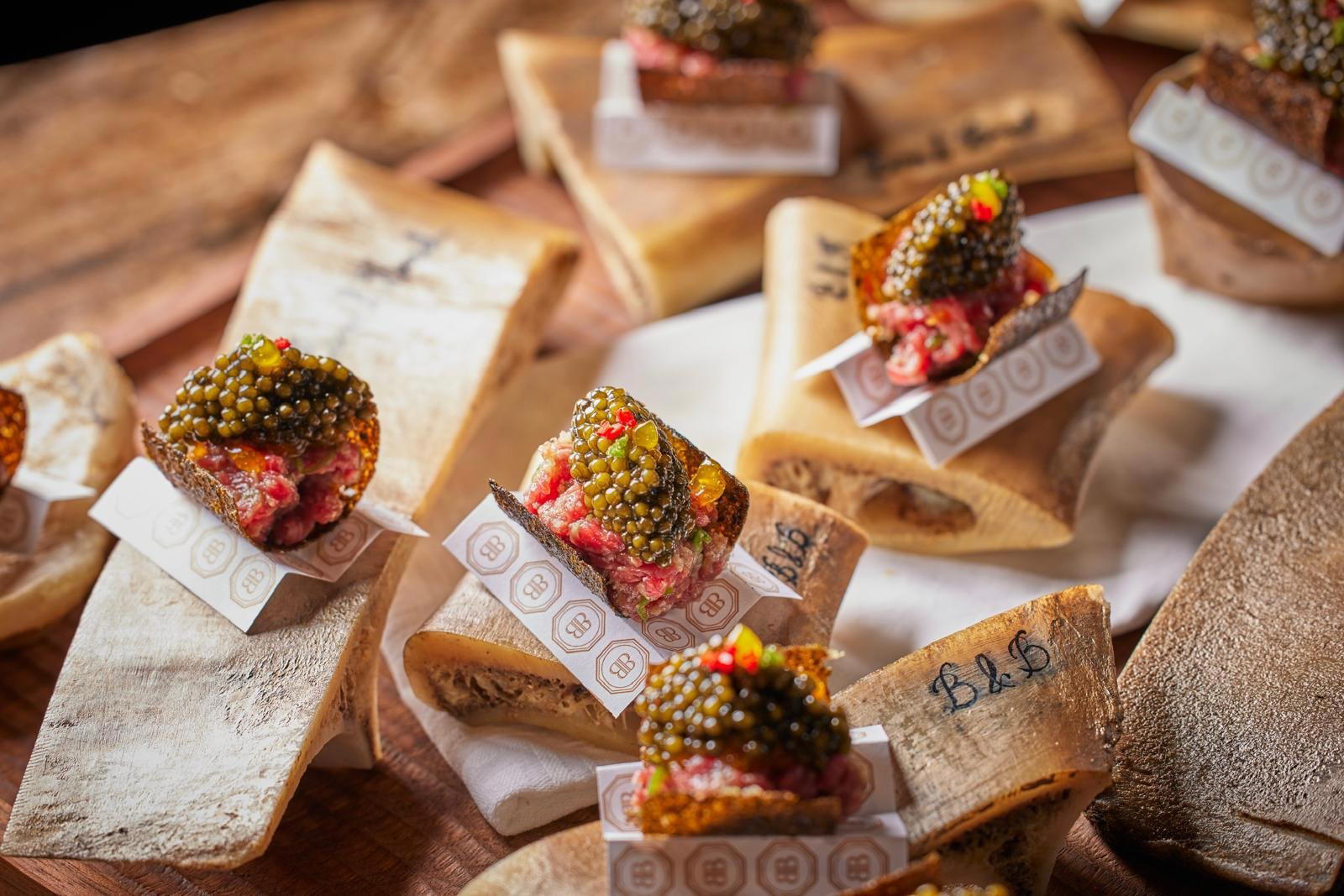
Busan's restaurant market has stratified meaningfully over the past decade. At the upper end, Born and Bred commands a ₩₩₩₩ price point around premium beef, while Mori anchors the Japanese counter tier at ₩₩₩. Contemporary Korean at ₩₩, represented by Palate, occupies a middle bracket with a broader accessible appeal. At the other end, the city's legacy single-dish specialists, among them 100.1. Pyeongnaeng for naengmyeon and 1969 Buwondong Kalguksu for the city's knife-cut noodle tradition, operate at ₩ and draw their authority from decades of consistency rather than format sophistication. What is clear is that it operates in Haeundae-gu's mid-to-upper dining zone, where the peer comparison set includes both hotel restaurants along the beachfront and the more discreet independents further inland.
For a broader read on where La Rascasse sits in the full Busan dining picture, the EP Club Busan restaurants guide maps the city's current options by neighbourhood, cuisine, and price tier. Separately, venues like Dining Room (다이닝룸) in the wider Busan metropolitan area represent the newer wave of format-conscious independents that have begun to shift the city's dining reputation beyond its traditional pork-and-seafood strengths.
Regional Context: Korea's Broader Ingredient Culture
La Rascasse operates within a national ingredient tradition that has become increasingly legible to international visitors. South Korea's regional food identities are granular: Jeonju owns bibimbap and kongnamul, Gyeongju carries its own baked goods tradition visible at spots like Hwangnam Bread and Busan Steamed Bun, and Jeju's black pork, served at operations like Black Pork BBQ in Seogwipo and 88돼지, carries a protected regional identity that mainland restaurants cannot replicate. Busan's version of that regionalism is marine-first: the city's leading cooking finds its authority in the sea, and restaurants that lean into that sourcing logic tend to hold their position more durably than those that apply a generic contemporary format.
The same principle holds in other Korean cities. Gobojeong Galbi #1 in Suwon and Doosoogobang in Suwon each draw authority from galbi and regional noodle traditions respectively; Gyeongju Wonjo Kongguk and Hinode (히노데) in Jeju demonstrate how regional ingredient specificity sustains restaurants over decades where format trends do not.
Planning a Visit
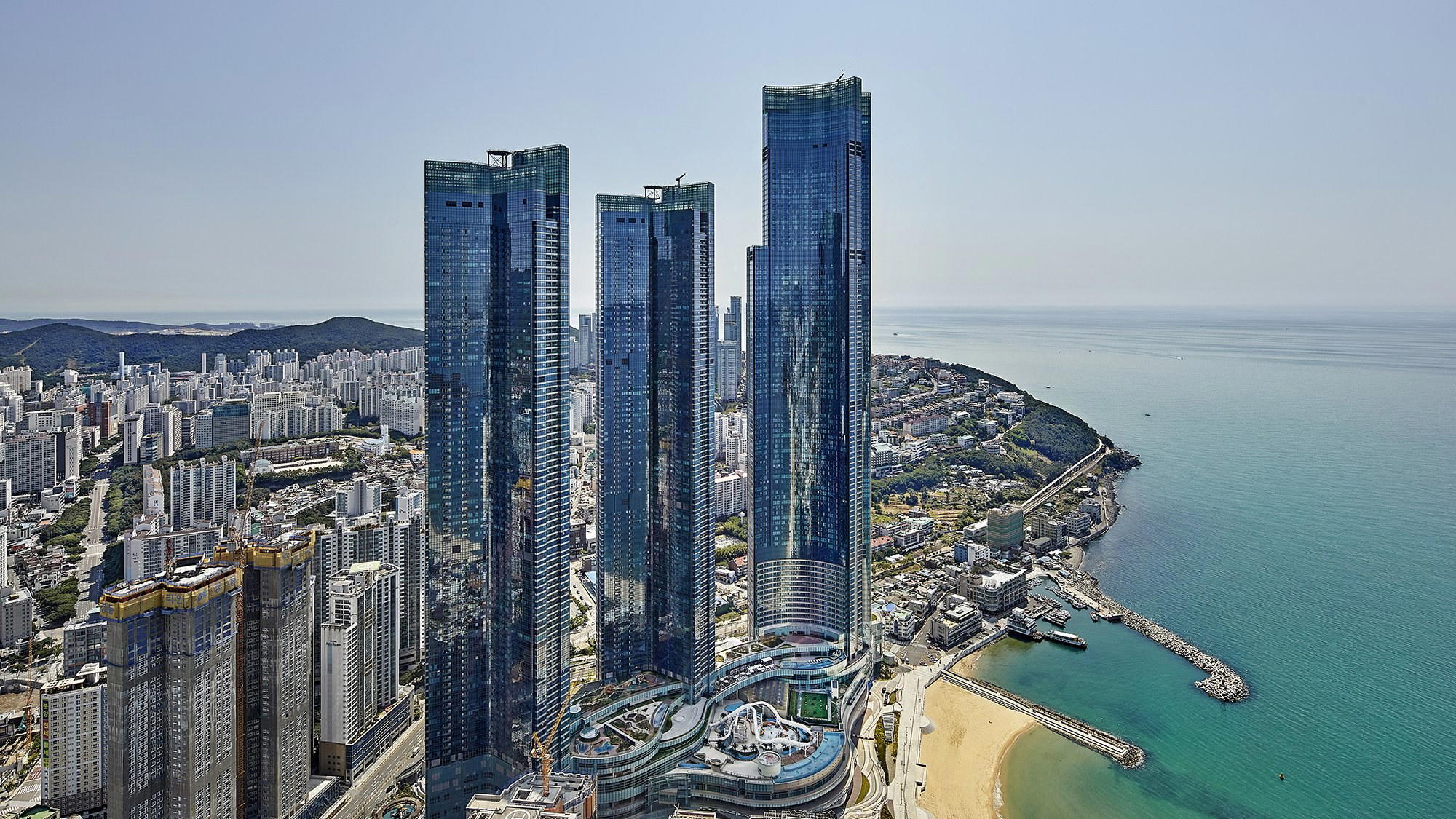
La Rascasse is located at 480 Jwadongsunhwan-ro, Haeundae-gu, within the Geumo ipark residential and commercial complex. The Haeundae district is accessible by Busan Metro Line 2, with Haeundae station and Jangsan station both within reasonable distance of the address. As with most independent restaurants in this part of Busan that attract a neighbourhood-loyal clientele, booking ahead is advisable rather than walking in, particularly on weekends when Haeundae's dining density means table competition is higher than weekday evenings.
Frequently asked questions
Where is í ë¼íì¿ ê° in Busan?
í ë¼íì¿ ê° is located at South Korea, Busan, Haeundae-gu, Jwadongsunhwan-ro, 480 ê¸í¸ì´ì¸ë¦¼ìê°, Busan.
What dish is La Rascasse famous for?
Located at 480 Jwadongsunhwan-ro in Haeundae-gu, the restaurant sits within direct reach of Busan's southeastern coastal seafood supply, which in this district typically anchors the menu's central offering. Until confirmed menu data is available, the kitchen's positioning within Haeundae's upper dining tier is the clearest indicator of what to expect in terms of sourcing ambition.
How hard is it to get a table at í ë¼íì¿ ê°?
Reservations are recommended for í ë¼íì¿ ê° in Busan. Confirm current policy via the venue's official channels.
What makes í ë¼íì¿ ê° worth seeking out?
í ë¼íì¿ ê° is best approached by focusing on the core concept and signature offerings.
Can í ë¼íì¿ ê° handle vegetarian requests?
Dietary accommodations can vary. Flag restrictions in advance via the venue's official channels.
Fast Comparison
A small set of peers for context, based on recorded venue fields.
| Venue | Cuisine | Price | Awards | Notes |
|---|---|---|---|---|
| í ë¼íì¿ ê°This venue (the venue you are viewing) | Not listed | $50–100 | Not listed | Not listed |
| Palate | Contemporary French with Korean Fusion | $150–200 | 1 Michelin Star · La Liste Top Restaurants | Contemporary |
| Mori | Japanese Kaiseki | $200–300 | 1 Michelin Star | Japanese |
| Born and Bred | Modern Hanwoo Beef Omakase Steakhouse | $100–150 | Michelin Plate · World's 50 Best #51 | Steakhouse |
| 100.1. Pyeongnaeng | Pyongyang-style Naengmyeon | $10–20 | Michelin Bib Gourmand | Naengmyeon |
| Anmok | Modern Korean Dwaeji-Gukbap | $10–20 | Michelin Bib Gourmand | Dwaeji-gukbap |
Continue exploring
More in Busan
Restaurants in Busan
All restaurants in Busan →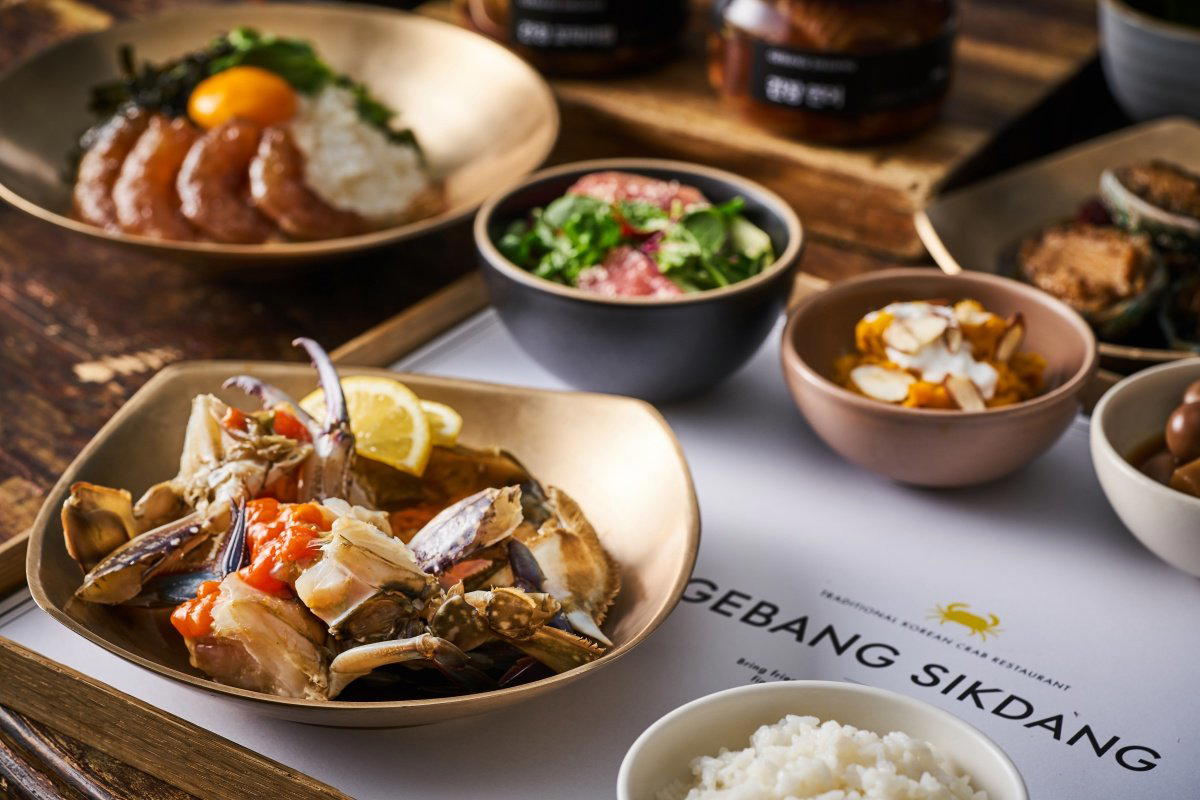
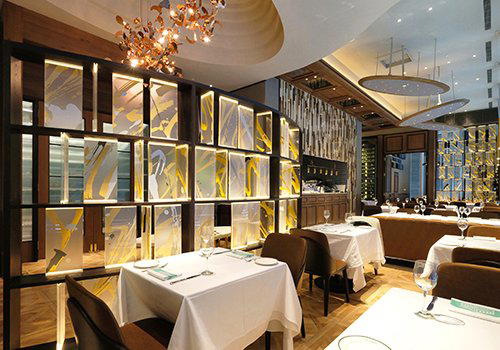
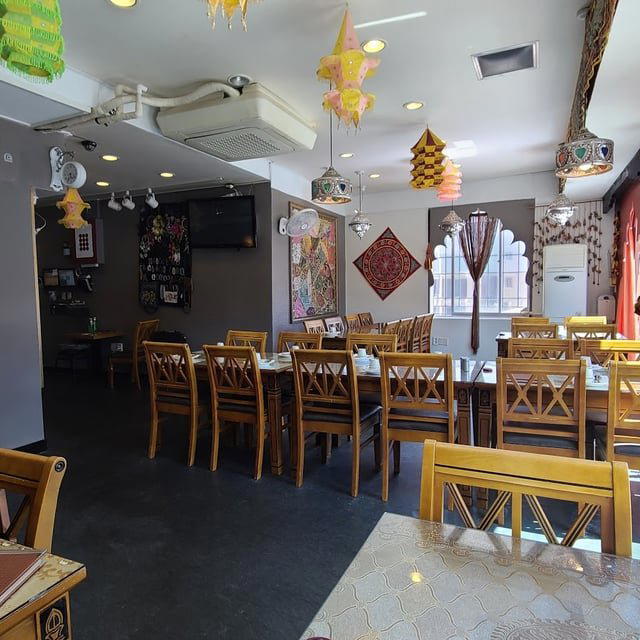
Bars in Busan
All bars in Busan →
Details
- Elegant
- Sophisticated
- Intimate
- Date Night
- Special Occasion
- Business Dinner
- Open Kitchen
- Extensive Wine List
- A La Carte
- Wine