Chaoran

Michelin Plate
Our verdict
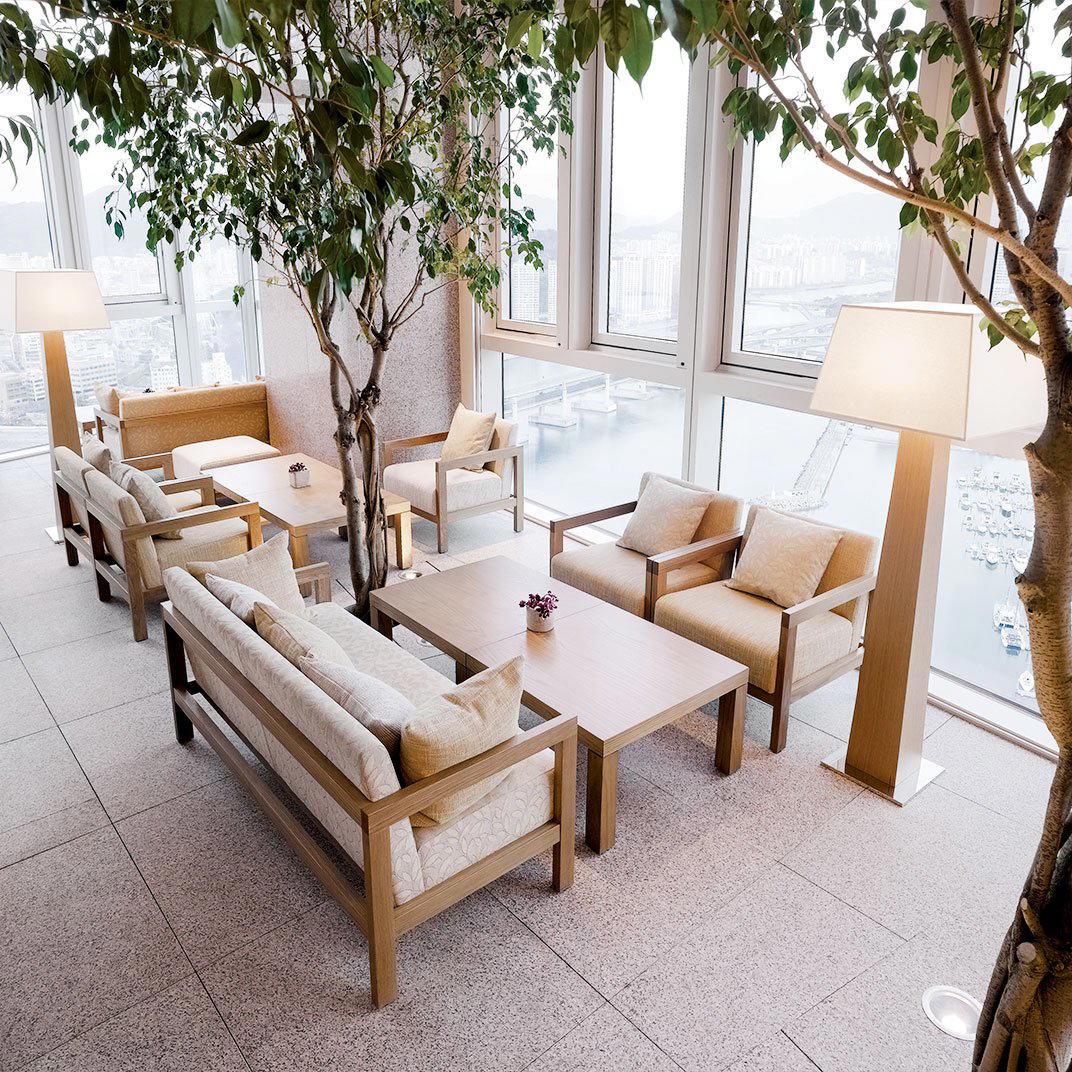
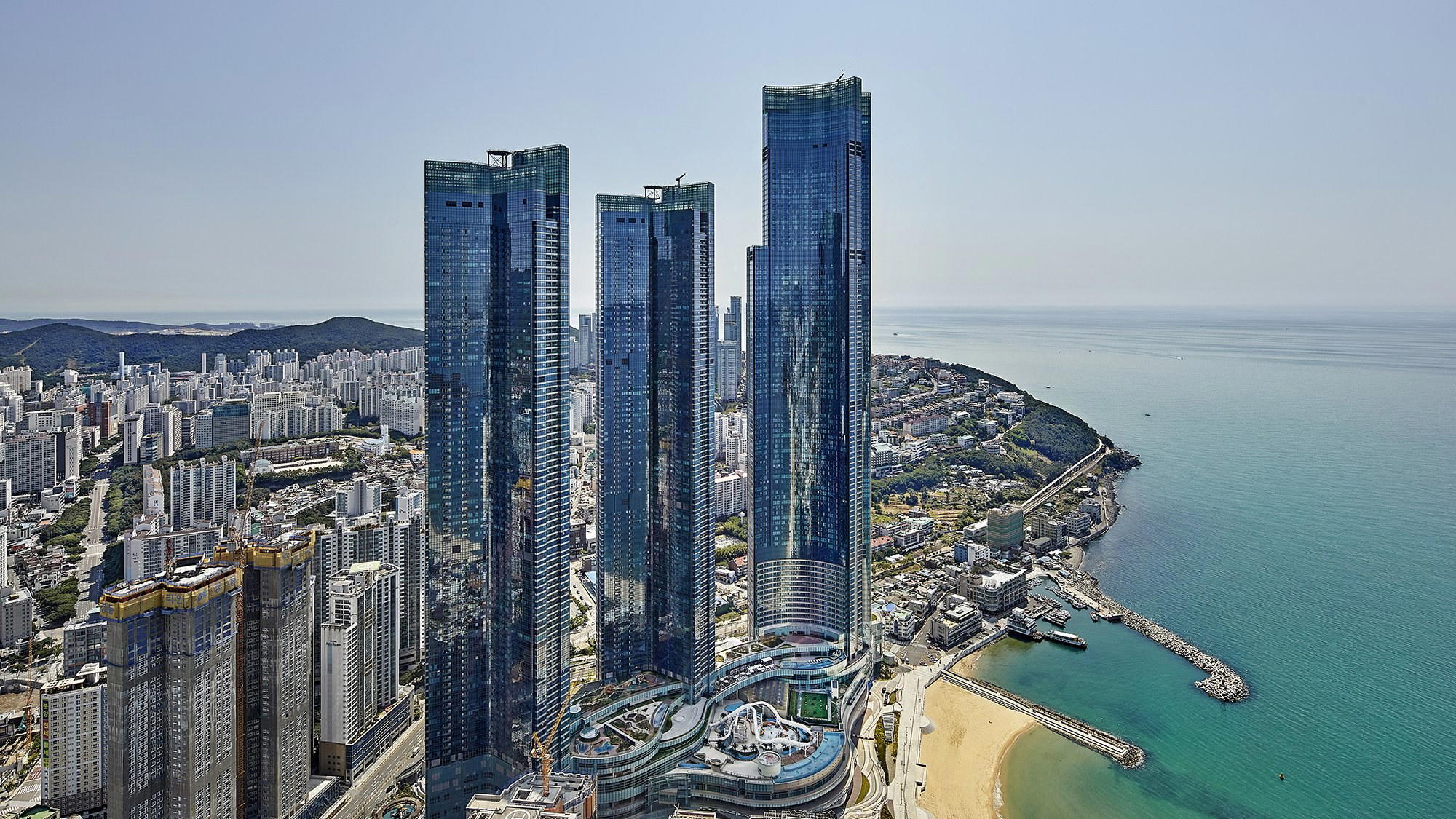
Chaoran occupies a high-floor position inside the Signiel Busan tower on Dalmaji-gil, serving Chinese cuisine at the ₩₩₩₩ price point with consecutive Michelin Plate recognition in 2024 and 2025. It sits at the upper end of Busan's fine-dining tier, where premium Chinese restaurants remain a rarity.

Pearl is the En Primeur Club membership app, where members save venues, book tables and use the concierge.
The menu
What to order
- Pork Barbeque with Honey Sauce
- Crispy Pork Belly
- Har Gow
- Truffle Dumpling
Chinese Fine Dining at Altitude: What Chaoran Represents in Busan's Restaurant Scene
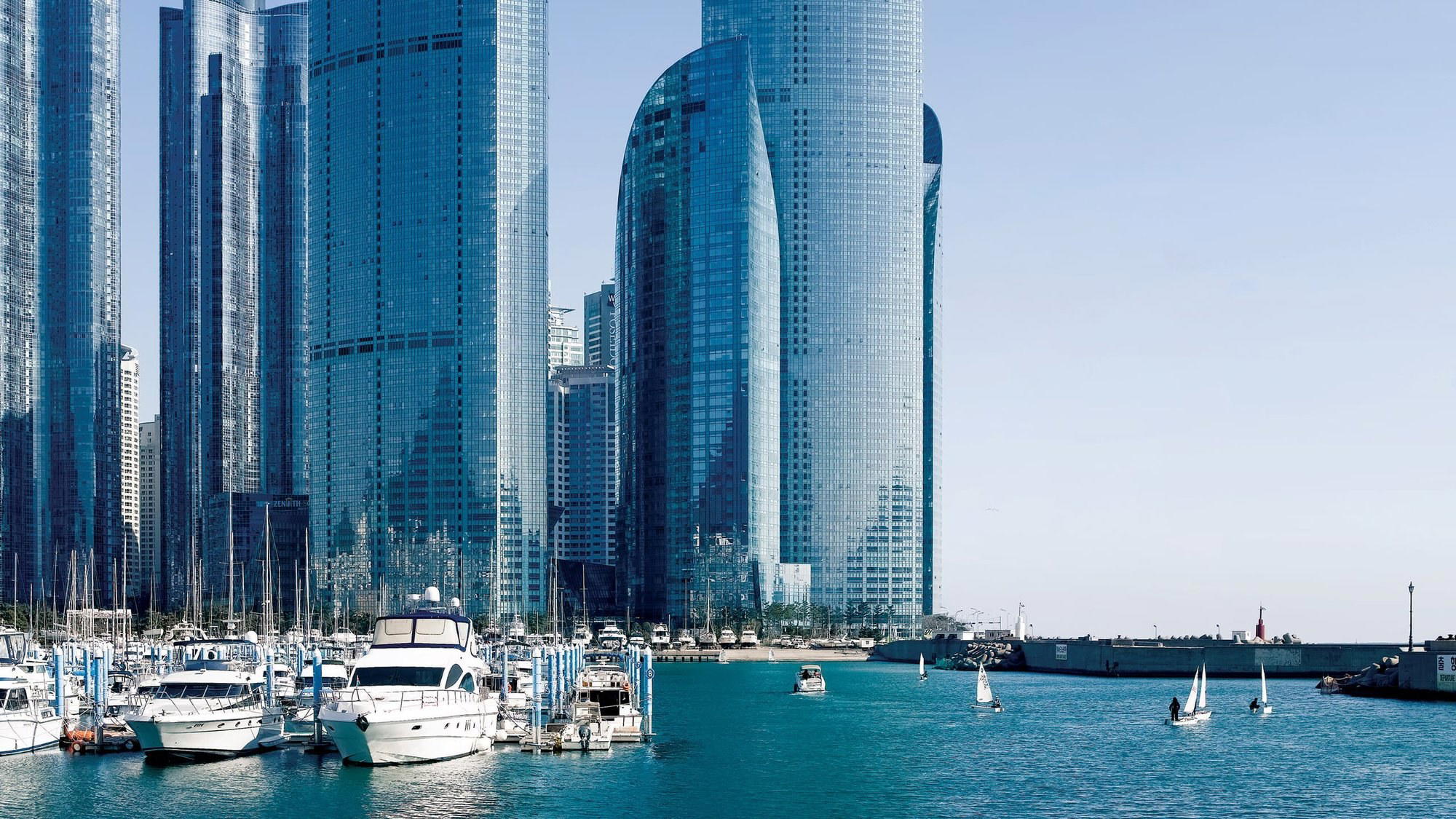
Dalmaji-gil climbs east out of Haeundae, a coastal road that trades beach-front density for elevation and sea views. At the top of that ascent, the Signiel tower positions itself firmly in the tier of address-first hospitality: the kind of building where the view is part of the proposition before anything arrives at the table. Inside that structure, on one of its upper floors, Chaoran makes a case that has little precedent in this city, a Chinese restaurant operating at the ₩₩₩₩ price point with two consecutive years of Michelin Plate recognition, in a dining scene where Korean and Japanese formats have historically absorbed most of the premium spend.
That context matters. Busan's high-end restaurant tier is not short of ambition, but its composition is specific. Mori holds a Michelin star in Japanese cuisine at the ₩₩₩ level; Palate holds a star in contemporary at ₩₩. Chinese cuisine at the fine-dining level is a different proposition, one that cities like Beijing and Hong Kong have long resolved, but that most Korean coastal cities have not.
The Live Selection Tradition in Premium Chinese Dining
One of the defining characteristics of high-end Chinese cooking, particularly Cantonese and its adjacent regional styles, is the theatre of freshness. Live seafood tanks, market-weight pricing, and the practice of selecting your own fish or crustacean before service are not decorative flourishes; they are structural to how these cuisines communicate quality to a diner. The argument is direct: the leading ingredient is the one still living an hour before it is cooked, and the ability to show that ingredient to the guest is an act of culinary transparency.
This tradition places premium Chinese restaurants in a different relationship with their supply chain than most Western or Japanese fine-dining formats. Where an omakase counter signals quality through the chef's sourcing authority and seasonal knowledge, a Chinese live-selection format makes the diner a participant in that process. You are not trusting the kitchen's judgment alone, you are exercising your own, guided by the kitchen's expertise. The result is a style of hospitality that is simultaneously more democratic and more demanding: more democratic because the guest has agency, more demanding because the quality of what you select is visible before you commit.
For Chaoran, positioned inside a luxury tower hotel in a city where seafood is a genuine obsession, Busan's Jagalchi Market is one of Korea's most active fish markets, that alignment between format and place is not accidental. The East Sea and the Korea Strait make this one of the most well-supplied coastal cities in Northeast Asia, and a Chinese restaurant that operates in the live-selection tradition is drawing on that local abundance in a register that most of Busan's restaurants do not.
The ₩₩₩₩ price bracket places Chaoran alongside Born and Bred, Busan's premium steakhouse, at the top of the city's dining price range. The Michelin Plate, awarded in both 2024 and 2025, is not a starred designation but it is a meaningful one: the Guide's editors are confirming that the kitchen is producing food at a level worth the inspector's attention, which at the ₩₩₩₩ tier carries real weight. The guest profile skews toward those who have already decided before arriving.
Globally, the positioning of Chinese fine dining inside luxury hotels has accelerated as a format. VELROSIER in Kyoto and Restaurant Tim Raue in Berlin each show how Chinese culinary frameworks can be adapted for non-Chinese urban markets at premium price points, while Mister Jiu's in San Francisco demonstrates the same logic applied to a diaspora context. Chaoran's version of this is rooted in a Korean coastal city with its own seafood culture, which creates a specific set of possible ingredient interactions, local catches meeting Chinese technique, that none of those other cases replicate.
Within South Korea, the Michelin-recognized fine-dining tier is largely Seoul-concentrated. Mingles and Gaon represent the capital's confidence in Korean fine dining with global credentials; Kwon Sook Soo in Gangnam operates in a similar register. Busan's version of that tier is smaller and more spread across cuisines, which makes each entry in it more individually visible. Chaoran's consecutive Plate recognitions establish it clearly within that Busan cohort, alongside Mori and Palate, as a restaurant the Guide considers worth tracking.
The Haeundae Hotel-Dining Context
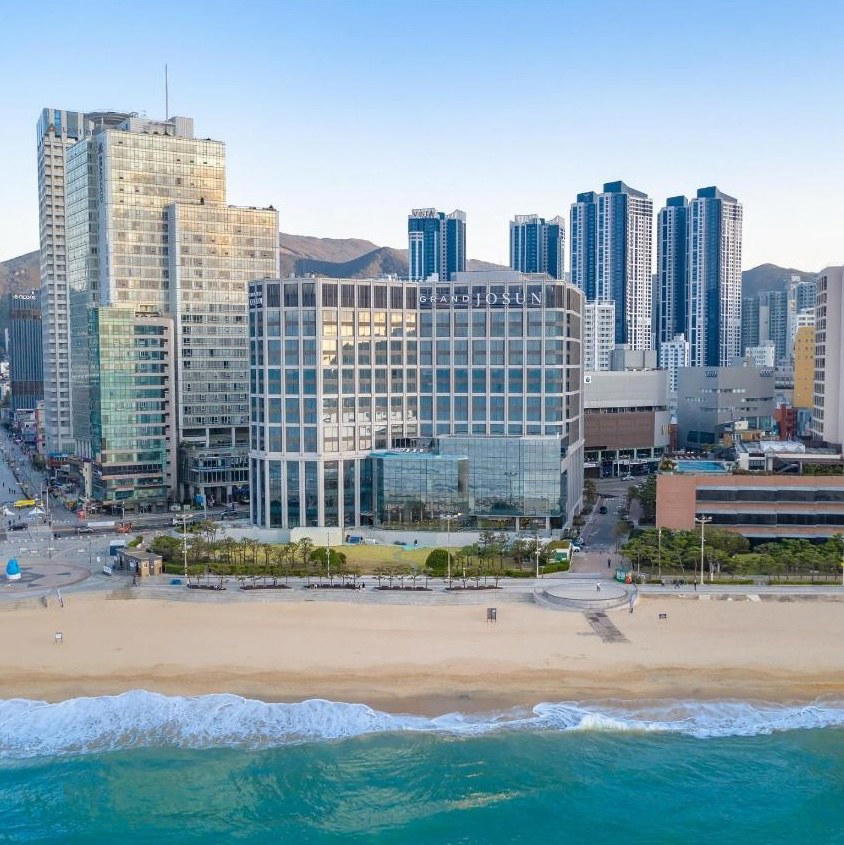
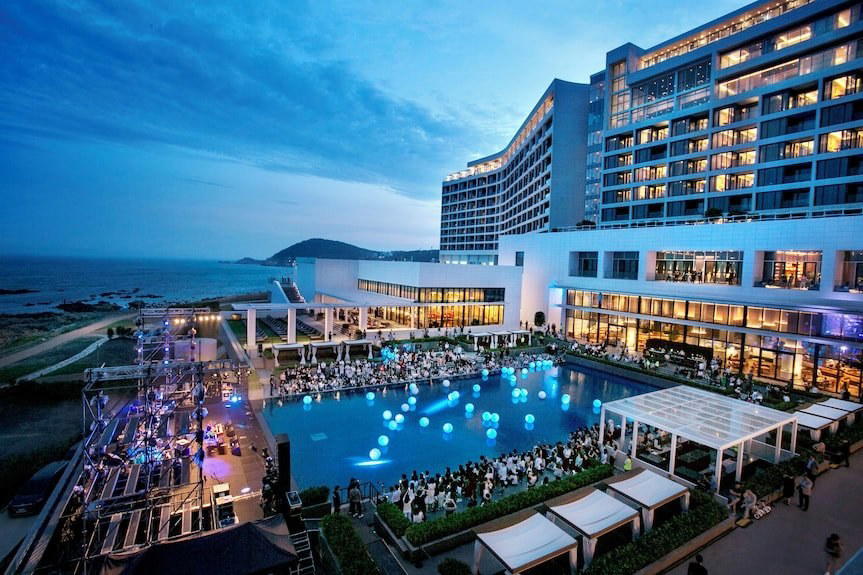
Signiel Busan is part of Lotte's flagship luxury hotel brand, which means Chaoran operates with the infrastructure and service expectations of a five-star hotel F&B; program. That parentage shapes the physical experience: the address on Dalmaji-gil is a deliberate elevation above the beach strip, the interiors will meet the group's presentation standards, and the service model reflects hotel-dining conventions rather than the more intimate protocols of a standalone fine-dining room. For some diners that distinction is irrelevant; for others, the hotel context is precisely the point, the coordination of room, view, and meal as a single package.
Busan's broader restaurant scene offers considerable range outside the hotel tier, from the one-won affordability of 100.1. Pyeongnaeng's naengmyeon to the focused contemporary cooking at Palate. Haeundae specifically has developed a concentration of higher-end options that cater to the district's mix of domestic tourism and international arrivals, with Good Morning Hongkong representing the area's appetite for Chinese-adjacent formats at a different price point. Chaoran occupies the ceiling of that local range.
Planning a Visit
Chaoran is located at 30 Dalmaji-gil, Haeundae-gu, within the Signiel Busan tower in the Jung-dong area of Haeundae. The ₩₩₩₩ price range places this firmly in special-occasion or corporate-entertainment territory for most visitors. Hours and specific booking methods are best confirmed directly with the Signiel Busan concierge or front desk.
For those building a broader Busan itinerary, EP Club's full guides cover the city's restaurant scene, hotels, bars, wineries, and experiences across price tiers and neighbourhoods. The Baegyangsa Temple in Jangseong-gun and The Flying Hog in Seogwipo offer reference points for the broader Korean dining geography beyond Busan itself.
Frequently asked questions
What does dinner at Chaoran typically cost?
Pricing at Chaoran is listed as ₩₩₩₩.
Is Chaoran award-winning?
Chaoran has received recognition including: Michelin Plate (2025); Michelin Plate (2024).
What's the best thing to order at Chaoran?
Chaoran's Michelin Plate recognition in both 2024 and 2025 points to consistent kitchen execution across the menu rather than a single standout dish. In premium Chinese dining at the ₩₩₩₩ price tier, live-seafood preparations and table-side presentations are typically where the kitchen demonstrates its range. Without a current published menu, the most reliable approach is to ask the front-of-house team at the time of booking, since hotel-integrated Chinese restaurants at this level often rotate dishes seasonally.
What part of town is Chaoran in?
Chaoran is located at South Korea, Busan, Haeundae-gu, Jung-dong, Dalmaji-gil, 30 시그니엘, Busan.
Style and Standing
| Venue | Cuisine | Price | Awards | Notes |
|---|---|---|---|---|
| ChaoranThis venue (the venue you are viewing) | Hong Kong-style Cantonese | Not listed | Michelin Plate | Not listed |
| Palate | Contemporary French with Korean Fusion | $150–200 | 1 Michelin Star · La Liste Top Restaurants | Contemporary |
| Mori | Japanese Kaiseki | $200–300 | 1 Michelin Star | Japanese |
| Born and Bred | Modern Hanwoo Beef Omakase Steakhouse | $100–150 | Michelin Plate · World's 50 Best #51 | Steakhouse |
| 100.1. Pyeongnaeng | Pyongyang-style Naengmyeon | $10–20 | Michelin Bib Gourmand | Not listed |
| Anmok | Modern Korean Dwaeji-Gukbap | $10–20 | Michelin Bib Gourmand | Not listed |
Recognition history
Dated appearances from independent guides and award organizations, with the underlying list record or original source where available.
Michelin Plate
Michelin
Full recognition history (3 entries)
Michelin Plate
Michelin
Michelin Plate
Michelin
Continue exploring
More in Busan
Restaurants in Busan
All restaurants in Busan →
Bars in Busan
All bars in Busan →
Details
- Elegant
- Modern
- Sophisticated
- Date Night
- Special Occasion
- Open Kitchen
- Hotel Restaurant
- Craft Cocktails
- Street Scene
- A La Carte
- Set Menu
Current opening hours
- Monday
- 12–3 PM, 6–9:30 PM
- Tuesday
- 12–3 PM, 6–9:30 PM
- Wednesday
- 12–3 PM, 6–9:30 PM
- Thursday
- 12–3 PM, 6–9:30 PM
- Friday
- 12–3 PM, 6–9:30 PM
- Saturday
- 12–3 PM, 6–9:30 PM
- Sunday
- 12–3 PM, 6–9:30 PM
Hours can change for holidays and private events. Hours as of .
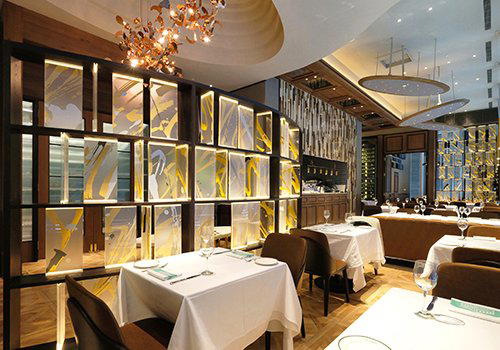
Modern decor reminiscent of 1920s Hong Kong, refined and elegant atmosphere with nice lighting and views.