해운대암소갈비집
해운대암소갈비집 sits in Busan's Haeundae district, where Korean beef-rib culture runs deep among locals who measure a restaurant's worth by the quality of its amso galbi rather than its décor. The address at Jungdong 2-ro places it within reach of one of South Korea's most visited coastal neighbourhoods, drawing diners who prioritise the ritual of charcoal-grilled beef ribs over dining-room theatrics. For a grounding in how Busan approaches this tradition, this is a practical starting point.
 Discover on Pearl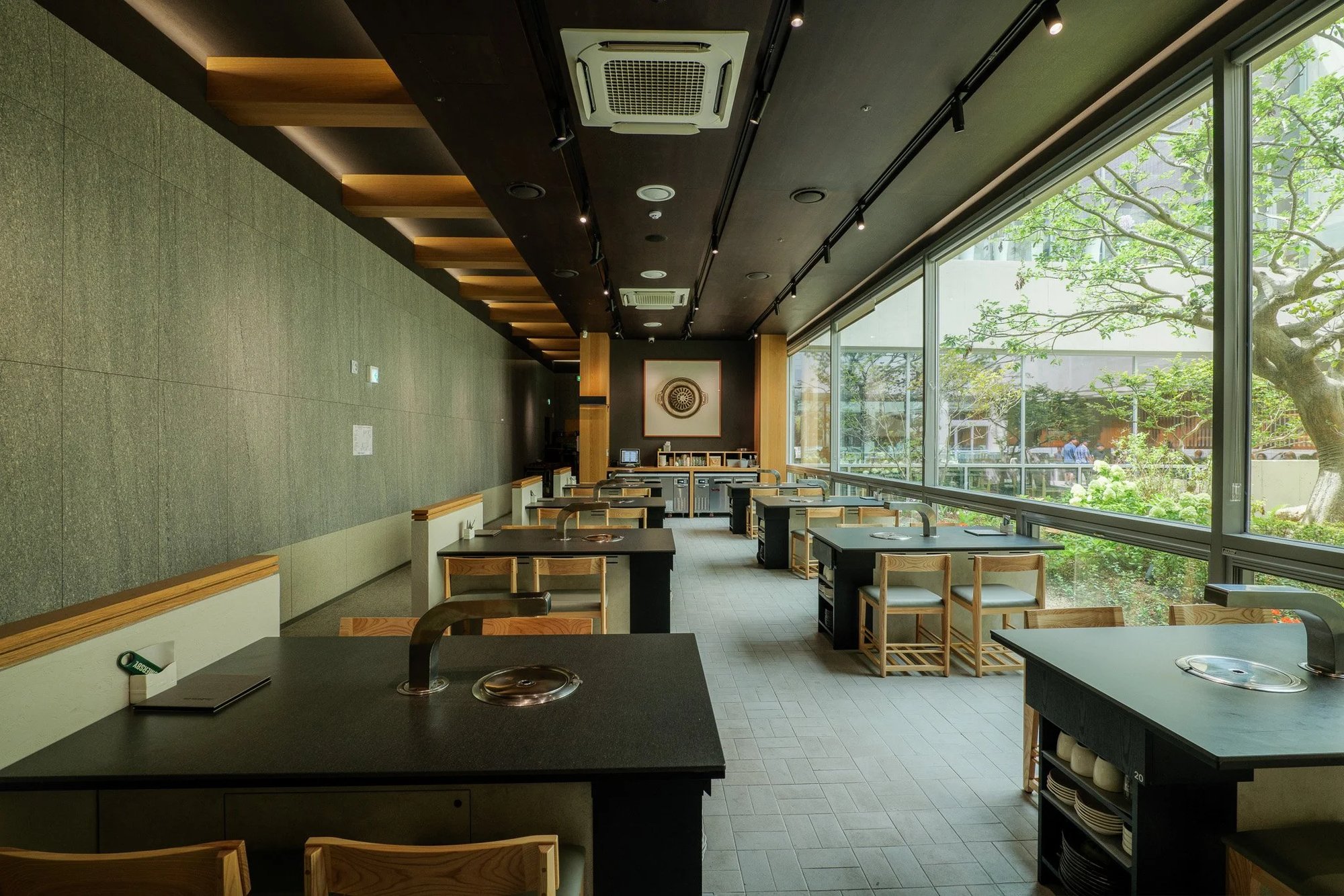
Where Busan's Beef-Rib Tradition Concentrates
Korean beef culture has always had a geography. Seoul's galbi houses cluster around Mapo and Gangnam, carrying price signals that reflect the capital's appetite for ceremony. Busan does something different. Along the coastal neighbourhoods of Haeundae, the amso galbi — beef ribs from Korean cattle, distinguished from pork by their density, fat structure, and the patience required to eat them well — occupies a quieter, more rooted position in the dining culture. These are not restaurants that market themselves aggressively. They are, in many cases, establishments that have earned their place through repetition: the same cut, the same fire, the same expectation managed across decades of local use.
해운대암소갈비집, located at Haeundae-gu Jungdong 2-ro 10beon-gil 32-10, sits inside this tradition rather than commenting on it from a distance. The name translates directly , Haeundae Amso Galbi House , and the directness of that naming is itself a signal. In a city where dining identity often resides in the specificity of a single protein or preparation, operating under a name that states exactly what you do is a form of confidence that earns attention from those who know what to look for.
The shortlist, unlocked.
Hard-to-book tables, cellar releases, and concierge-planned trips.
Get Exclusive Access →The Amso Galbi Tradition and What It Demands
Amso galbi , ribs from Korean native cattle, sometimes referred to in English-language contexts as hanwoo , occupies a distinct tier in Korean meat culture. The animal produces a marbling pattern that differs from wagyu in its distribution and from commodity beef in its restraint. The ribs, when cut properly and handled with attention to grain and thickness, hold up to charcoal heat in ways that reward slower cooking and a diner willing to manage their own grill pace. This is not a format where the kitchen controls the final temperature of your food. The theatrics of the table-grill format are partly social and partly practical: the cook is the guest.
That dynamic shapes how serious amso galbi restaurants operate across South Korea. From Gobojeong Galbi #1 (가보정 1관) in 수원시 , one of Suwon's most referenced galbi addresses, where the LA-cut rib has become almost a category-defining standard , to Doosoogobang in Suwon, the format is consistent in its expectations of the diner. You arrive knowing that your attention is part of the meal. Busan's version of this culture carries the same expectation, layered with a coastal pragmatism that tends to strip away ceremony without stripping away quality.
For comparison elsewhere in Korean BBQ culture, 88돼지 in 제주시 and Black Pork BBQ in Seogwipo illustrate how Jeju handles a parallel tradition around black pork , a regional protein with its own cultural weight. The structural logic is similar: a single animal, a strong regional identity, and a dining format built around the specificity of the cut rather than the complexity of the preparation.
Haeundae as a Dining District
Haeundae is better known internationally for its beach, its summer crowds, and its position as Busan's most internationally visible neighbourhood. What that visibility obscures is a dining scene that operates on two tracks simultaneously. One track serves the tourist calendar: seafood restaurants facing the waterfront, international chains, and mid-range Korean fare pitched at visitors. The other track is where local diners go when they want to eat something specific and eat it well. Beef-rib houses in Haeundae tend to occupy that second track, operating at addresses slightly removed from the beach-facing strip, drawing regulars rather than foot traffic.
해운대암소갈비집's address on Jungdong 2-ro places it within the residential and commercial grid behind the main tourist corridor , a positioning that, in Busan's dining geography, correlates with local rather than tourist orientation. For visitors who want to move off the main drag and into the dining habits of the neighbourhood, beef-rib houses of this type are a practical entry point. Our full 부산광역시 restaurants guide covers the broader district in more depth, including the contrast between Haeundae's coastal-facing dining and its residential dining character.
Those looking for Busan's more contemporary dining tier should also consult Mori in Busan, which represents a different register of the city's food ambition, and for the capital-level context, Mingles in Seoul illustrates what happens when Korean culinary tradition meets a formal fine-dining framework. 해운대암소갈비집 operates at the opposite end of that axis: direct, specific, and grounded in a single preparation rather than a tasting menu structure.
How Busan's Galbi Houses Position Against Seoul's
The comparison between Seoul and Busan galbi culture is worth making explicit. Seoul's premium galbi houses, particularly those operating in the ₩₩₩₩ tier alongside restaurants like Onjium or the contemporary Korean formats at venues like 7th Door, have built formal dining experiences around the galbi format , private rooms, extensive side dishes, sommelier-grade soju and makgeolli pairings, and a price architecture that signals occasion dining. Busan's equivalent houses rarely pursue that register. The ambition is different: consistency of product and familiarity of format over theatrical presentation.
That difference is not a deficit. It reflects a distinct understanding of what this kind of meal is for. In Haeundae, as in most of Busan's residential dining culture, the galbi house exists as a place where the quality of the beef and the efficiency of the grill management are the measures of success. The side dishes , the banchan spread that arrives before the meat , function as a supporting cast rather than a co-feature. This is a lean format in the leading sense of that word: nothing present that doesn't serve the central purpose.
For diners accustomed to the New York context, where Korean fine dining at venues like Atomix in New York City has built a multi-course, tasting-menu framework around Korean culinary tradition, and where Le Bernardin in New York City represents how a single protein (fish, in that case) can anchor a restaurant's entire identity at the highest formal level, the Haeundae amso galbi house represents the other end of the same argument: that a single great ingredient, handled with discipline and without elaboration, is sufficient to constitute a serious meal.
Planning Your Visit
해운대암소갈비집 is located at 해운대구 중동2로10번길 32-10 in Busan's Haeundae district, accessible via the Haeundae metro station on Busan Metro Line 2. Specific booking details, hours, and pricing are not confirmed in our current database; visiting during off-peak hours on weekdays is generally advisable at beef-rib houses of this type in Haeundae, where weekend evenings draw heavy local traffic. The format , table grill, shared meal , is well-suited to groups of two to four. Those with an interest in how Busan's broader dining culture maps across the city's neighbourhoods will find useful context in our Busan restaurants guide. For other regional Korean dining traditions worth cross-referencing before or after a Busan visit, 바다마루 전복죽 and Hwangnam Bread and Busan Steamed Bun in Gyeongju offer strong anchors in adjacent regional food traditions.
The shortlist, unlocked.
Hard-to-book tables, cellar releases, and concierge-planned trips.
Get Exclusive Access →Frequently Asked Questions
Budget Reality Check
These are the closest comparables we have in our database for quick context.
Need a table?
Our members enjoy priority alerts and concierge-led booking support for the world's most difficult tables.
Get Exclusive AccessThe shortlist, unlocked.
Hard-to-book tables, cellar releases, and concierge-planned trips.
Get Exclusive Access →