Tapas Molecular Bar occupies a narrow counter inside the Mandarin Oriental Tokyo, where a theatre-kitchen format built around molecular gastronomy techniques has drawn serious attention since the mid-2000s. The Nihonbashi address places it inside one of the city's most historically layered commercial districts, and the format, a fixed sequence of small preparations executed tableside, remains one of the more disciplined expressions of the genre in Japan.
Pearl is the En Primeur Club membership app — saves, bookings, and concierge access live there. Same editors, same standards.
- Address
- 2 Chome-1-1 Nihonbashimuromachi, Chuo City, Tokyo 103-8328, Japan
- Phone
- +81332708188
- Website
- mandarinoriental.co.jp
 Saves & bookings on Pearl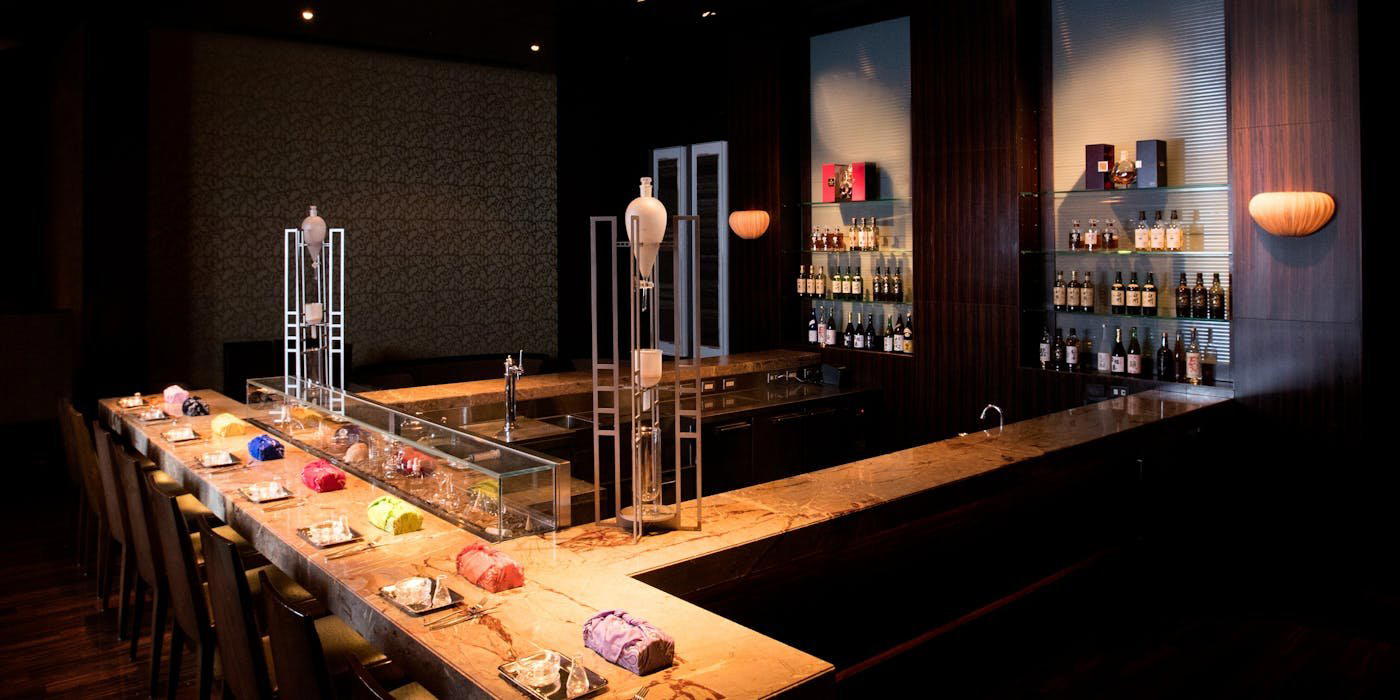
A Counter in Nihonbashi: The Architecture of Attention
When molecular gastronomy arrived in Japan's fine-dining rooms during the 2000s, it mostly entered through French-influenced tasting menus at stand-alone restaurants. The counter format was different. A bar-length surface, eight seats or fewer, a kitchen that is also a stage: this arrangement imported the logic of the omakase counter and ran it through a European avant-garde sensibility. Tapas Molecular Bar, positioned inside the Mandarin Oriental Tokyo in Nihonbashi, is a molecular gastronomy tapas restaurant in Tokyo.
The Nihonbashi address is not incidental. This district has functioned as Tokyo's commercial and financial centre since the Edo period, and the hotel towers above a neighbourhood where department stores, brokerages, and established restaurants coexist within a few city blocks. Hotel dining here competes against a dense comparable set in the surrounding wards: Harutaka (sushi, ¥¥¥¥) and RyuGin (kaiseki, ¥¥¥¥) represent the depth of Tokyo's destination-dining supply, and the standard for what a city-centre counter must deliver to earn repeat attention has risen considerably since the venue opened.
The Counter as Physical Argument
In Tokyo's high-end dining rooms, the physical container communicates before a single dish arrives. Kaiseki rooms use tatami, shoji screens, and ceramicware in deliberate dialogue with Japanese material culture. Omakase sushi counters keep surfaces bare and sight lines to the chef unobstructed. The molecular bar format makes a different spatial argument: the counter becomes a laboratory bench, with tools, vessels, and heat sources visible to diners as part of the experience rather than hidden behind a pass.
This transparency is a design position, not merely a stylistic flourish. It aligns the venue with a strand of European avant-garde dining that treated the act of cooking as performance and legibility as hospitality. Comparable formats elsewhere in the world, including the counter structure at Atomix in New York, which uses card-and-object narration to make technique readable for diners, share the premise that seeing the process adds a layer of meaning that the plated dish alone cannot carry.
At Tapas Molecular Bar, the narrow count of seats is central to how the format functions. Small-capacity counters in Tokyo's serious dining rooms shift the dynamic from service to something closer to a workshop. The preparation-to-diner ratio changes, and the precision of individual servings becomes visible in a way it cannot be in a larger room. This is the spatial logic behind why Tokyo's leading omakase counters, in sushi, in kaiseki, in contemporary formats, have trended toward fewer seats over the past decade, even as per-cover prices have risen.
Molecular Technique in a Tokyo Context
The genre has an interesting position in Japan specifically. Japanese culinary culture already placed extraordinary weight on technique precision, ingredient sourcing, and sensory detail long before European molecular gastronomy codified those concerns under a scientific vocabulary. The result, when the format landed in Tokyo, was less a collision than a partial overlap: technique-led restaurants here had existing audiences with the patience for long, sequential meal structures and the attention to detail that tableside preparations demand.
What the molecular bar format added was a register of transformation and surprise: the visible conversion of liquid to gel, temperature inversion, encapsulation, smoke. These are theatrical tools, but in the hands of a disciplined kitchen they function as extensions of technique rather than replacements for it. The question that Tokyo diners and critics have consistently asked of this category is whether the technique serves the ingredient or overwhelms it. That question has defined which molecular-format venues have retained serious standing over time and which have cycled out of critical attention.
For comparison: L'Effervescence and Sézanne represent the French tasting-menu tradition in Tokyo at the ¥¥¥¥ tier, both holding critical recognition, while Crony occupies a more experimental French-innovative position. Tapas Molecular Bar sits in a different category again: it is neither kaiseki nor French tasting menu, but a format that crosses hotel dining and avant-garde counter structure in a way that has no clean Japanese predecessor.
The Hotel Dining Tier in Tokyo
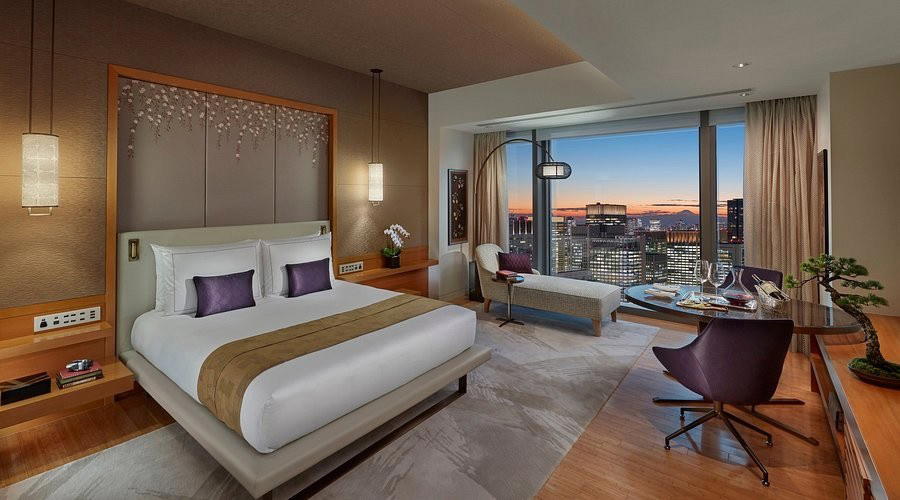
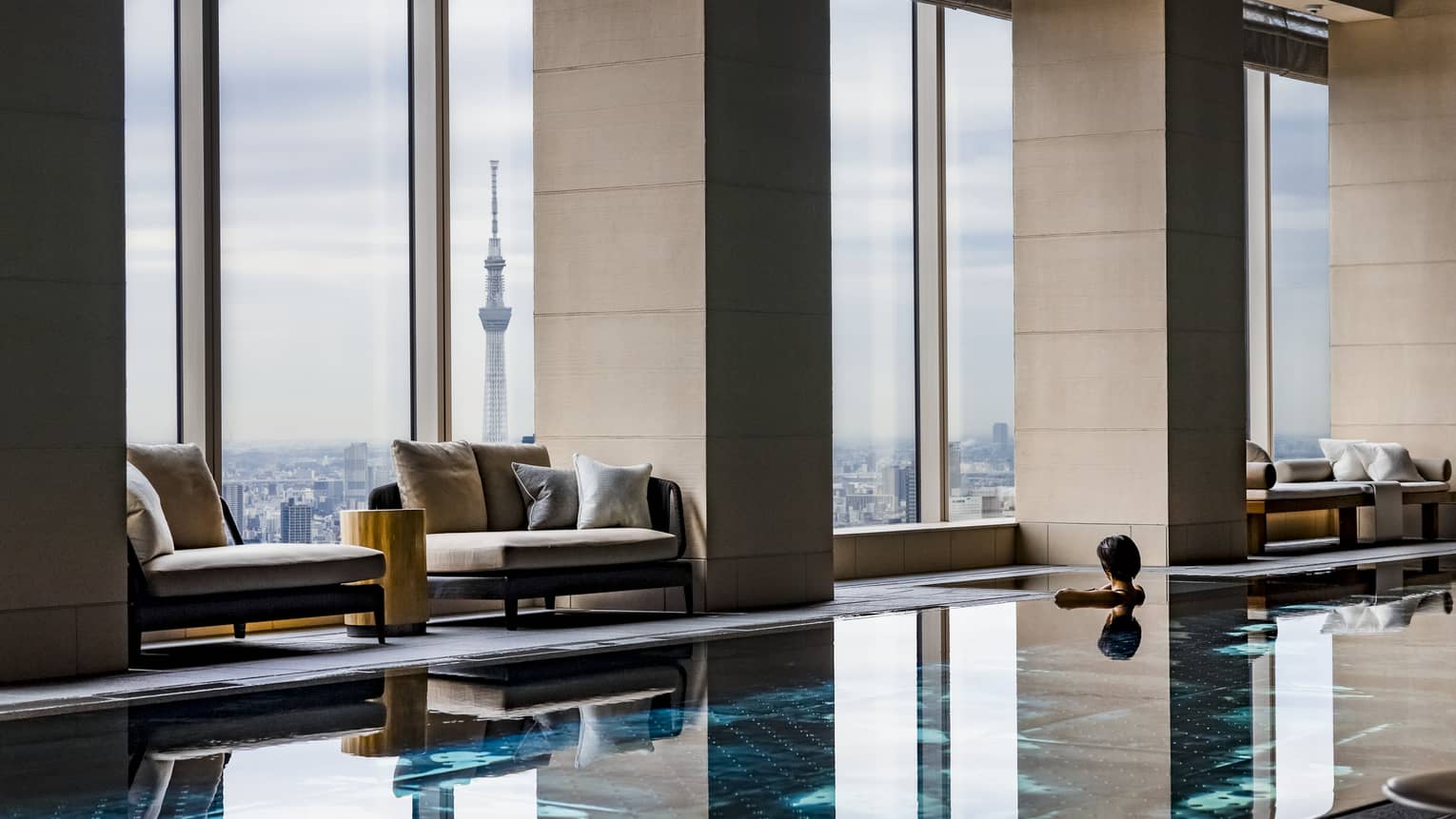
Hotel fine dining in Tokyo operates under different pressures than stand-alone restaurants. A counter inside a luxury hotel carries the operational infrastructure of the building around it, front-of-house depth, concierge integration, wine cellar logistics, but also the expectation of consistency that hotel guests apply across repeated or first-time visits. The Mandarin Oriental Tokyo's position in Nihonbashi places the venue in conversation with the hotel's own forty-plus-floor architecture and the city views that the higher levels command.
Across Japan, hotel dining has produced a number of serious critical entries. HAJIME in Osaka and Gion Sasaki in Kyoto represent the depth of the restaurant tier outside Tokyo, and the standard across Japan's major cities has made the country among the more concentrated markets for high-achievement dining in the world. Within Tokyo specifically, the hotel dining category includes several long-standing entries alongside newer openings, and venues that have maintained critical standing over a decade-plus hold a position that newer entrants have to earn.
Planning a Visit
The venue sits at 2 Chome-1-1 Nihonbashimuromachi, Chuo City, inside the Mandarin Oriental Tokyo.
How Tapas Molecular Bar Compares with Peer Counters
| Venue | Format | Cuisine | Price Range |
|---|---|---|---|
| Tapas Molecular Bar | Counter / molecular | Contemporary | Not confirmed |
| Harutaka | Omakase counter | Sushi | ¥¥¥¥ |
| RyuGin | Tasting menu | Kaiseki | ¥¥¥¥ |
| L'Effervescence | Tasting menu | French | ¥¥¥¥ |
| Crony | Tasting menu | Innovative / French | ¥¥¥¥ |
akordu in Nara, Goh in Fukuoka, and regional entries such as 一本杉 川島酒造 in Nanao, 古代山乃井 in Sapporo, 湖畔庵 in Takashima, 庄羽屋 in Nishikawa Machi, Birdland in Sakai, and Bistro Ange in Toyohashi. Le Bernardin in New York City remains one of the more instructive comparisons for how a technically serious kitchen sustains long-term critical standing.
A Quick Peer Check
Comparable venues nearby, for context on price, style, and recognition.
| Venue | Cuisine | Price | Notes |
|---|---|---|---|
| タパス モラキュラーバーThis venue — the venue you are viewing | Molecular Gastronomy Tapas | $$$$ | Not listed |
| Shirogane Baru | Spanish Tapas & Wine Bar | $$$ | Shibuya |
| Fonda Sant Jordi | Authentic Catalan Spanish Restaurant & Wine Bar | $$$ | Shibuya |
| Kongst | Spanish Counter Dining | $$$ | Chūō |
| El Pescador | Traditional Spanish (Basque‑influenced) restaurant | $$$ | Meguro |
| EL BUEY | Spanish bar with charcoal-grilled Wagyu | $$$ | Shinjuku |






At a Glance
- Elegant
- Modern
- Sophisticated
- Intimate
- Special Occasion
- Date Night
- Celebration
- Chefs Counter
- Hotel Restaurant
- Open Kitchen
- Design Destination
- Sommelier Led
Current opening hours
- Monday
- Closed
- Tuesday
- Closed
- Wednesday
- 6–10:30 PM
- Thursday
- 6–10:30 PM
- Friday
- 6–10:30 PM
- Saturday
- 6–10:30 PM
- Sunday
- 6–10:30 PM
Hours can change for holidays and private events. Last verified .
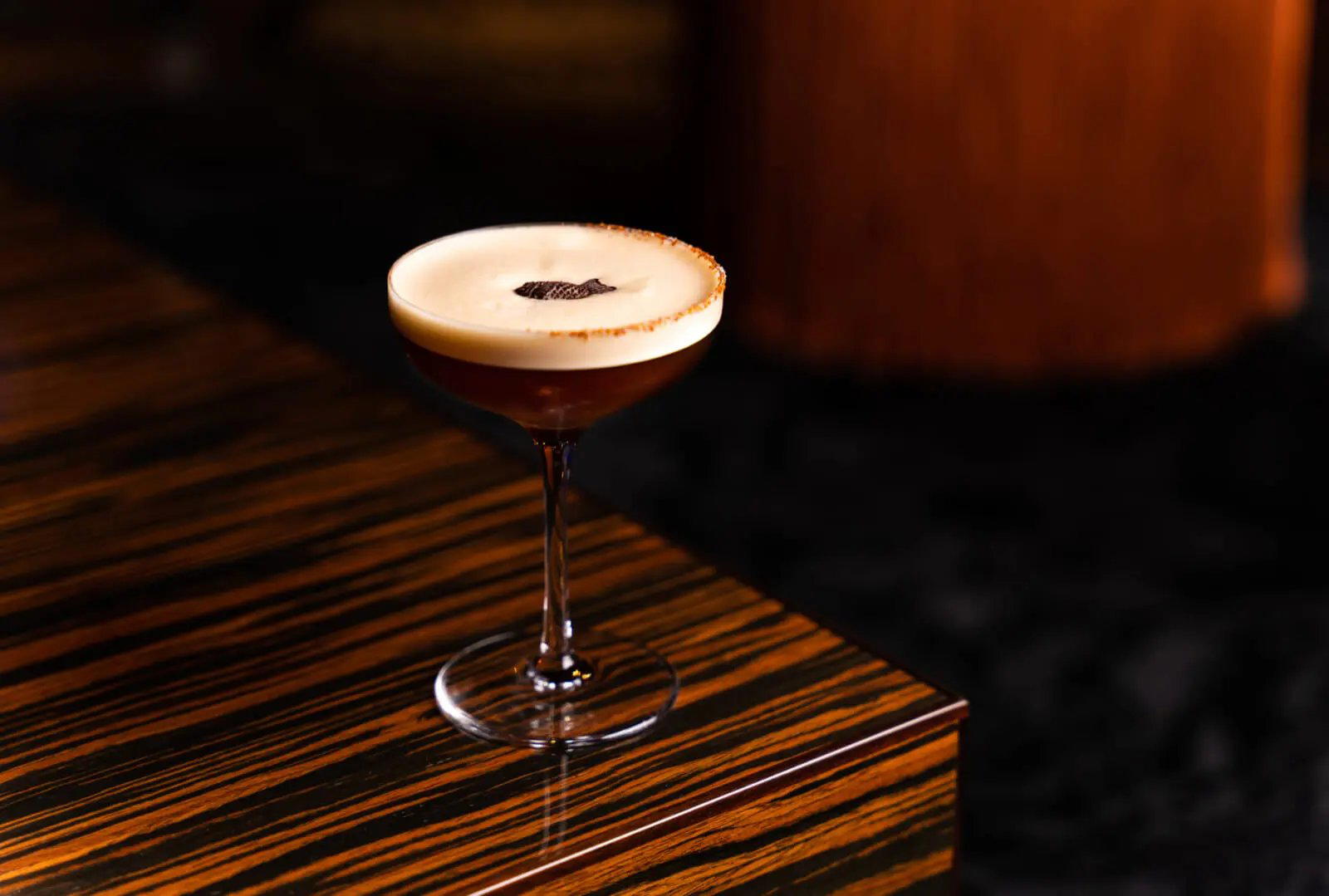
Intimate bar counter setting with theatrical culinary presentation; sophisticated and refined atmosphere designed to stimulate all five senses through visual and gustatory artistry.