
Shirogane Baru sits in Tokyo’s Spanish dining-bar lane rather than the formal tasting-menu bracket: fish-led cooking, wine and cocktails, counter seating, and private rooms for small groups. Its Tabelog 100 Spanish cuisine selections in 2024 and 2026 place it in a competitive Tokyo category where longevity, format discipline, and neighbourhood fit matter as much as ceremony.
Pearl is the En Primeur Club membership app — saves, bookings, and concierge access live there. Same editors, same standards.
- Address
- 東京都渋谷区恵比寿3-49-1
- Phone
- +81354233236
- Website
- liberty-feel.co.jp
 Saves & bookings on Pearl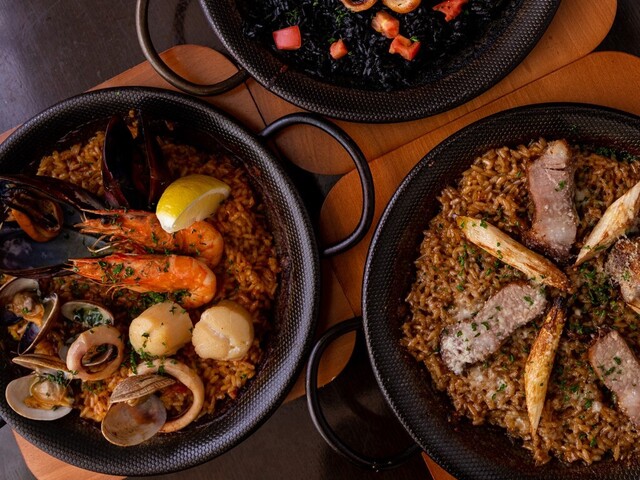
Ebisu’s eastern edge shifts toward Hiroo and Shirokane: fewer station-front chains, more low-rise dining rooms, more restaurants for people who know the area. Shirogane Baru fits that in-between Tokyo grammar: part Spanish restaurant, part dining bar, part wine bar. Read it less as a formal Spanish dining room than as a Tokyo bar-counter adaptation: flexible, drink-aware, fish-focused, and built for repeat local use rather than destination spectacle.
That matters in Tokyo, where Spanish cooking has split into lanes: structured tasting-menu rooms using contemporary Iberian technique, and casual tapas counters built around wine and quick sharing plates. Shirogane Baru sits closer to the latter, with enough recognition to avoid neighbourhood-fallback status. Selection for Tabelog 100 Spanish cuisine in both 2024 and 2026 is the key trust signal, especially in a city where the category has moved beyond paella-and-sangria shorthand.
Tokyo Spanish cooking has moved from novelty to neighbourhood literacy
Spanish restaurants in Tokyo once leaned on familiar markers: jamón, tortilla, paella, cava. Stronger contemporary rooms now translate the format into Japanese dining habits: counter seats, compact groups, seafood fluency, and wine-led service without fine-dining theatre. Shirogane Baru’s listed categories, Spanish, dining bar, and wine bar, place it squarely in that hybrid space.
The fish emphasis is not incidental. Tokyo’s Spanish category benefits from high seafood supply and customer expectations. A Spanish bar here can use fish not as imported identity but as local logic, framed through Iberian technique and wine-led rhythm. That is more interesting than a checklist of Spanish staples. Sommelier availability and stated wine focus confirm that the drink program structures the meal rather than sitting after it.
Price also defines the lane. The restaurant’s dinner range is JPY 6,000 to JPY 7,999, below higher-spend Shirokane comparisons such as RAMA Shirokane at JPY 10,000 to JPY 14,999 and Mizuki at JPY 15,000 to JPY 19,999. It is not budget; it is a polished Spanish bar at mid-premium Tokyo spend, suited to dates, friends, and small celebrations without special-occasion-only posture.
A 2003 opening gives the room a different kind of authority
Longevity carries weight in Tokyo restaurant culture. Opened in 2003, the restaurant has lived through shifts in Ebisu’s dining economy, online reservations, natural-wine counters, and the city’s growing confidence with non-Japanese specialist cuisines. Survival alone is not a credential, but survival plus repeat Tabelog 100 Spanish cuisine selection suggests a restaurant that has kept its format legible as the category grew more competitive.
The current direction reads practical rather than nostalgic. Counter seating, small private rooms, a non-smoking policy, and a wine-bar identity match how Tokyo diners use this part of the city: not for grand hotel dining, but for evenings needing intimacy, competence, and a room that handles different social registers. Private rooms for four, six, and eight people are especially telling. In Tokyo, where group dining can become too casual or too formal, that range fills a useful gap.
The baru format lets the kitchen stay less rigid than a course-only restaurant. That flexibility is central to Spanish dining in Japan: shared plates, wine progression, and a table moving between seafood, meat, rice dishes, and desserts without dégustation choreography. The result is not Spain copied wholesale. It is Spanish structure serving a compact, social Tokyo evening alert to drink pairings.
For a broader Tokyo itinerary, this contrasts with more cuisine-specific stops. A seafood-and-charcoal angle appears in . 鮪と炭火焼き うお炭 秋葉原店, while counter-centred Japanese cooking sits in another register at 124. KAGURAZAKA (Yakitori). Casual visual culture pulls another crowd at 2D Cafe, and comfort-food specificity defines 3 Chome no Curry Ya San. The restaurant shows another Tokyo pattern: imported cuisine made local through scale, drink, and repeatability.
Who this Spanish bar format suits in Ebisu and Hiroo
The restaurant best suits diners wanting Tokyo polish without rigid ceremony. A 36-seat room with counter seating puts it in a middle zone: intimate enough to feel personal, large enough for broader nightly rhythm. Its Ebisu address, with Hiroo as the nearest listed station, suits travellers already eating across central Tokyo rather than chasing one landmark meal.
Reservations are available, and busy periods may bring a 2-hour-and-30-minute seating limit: long enough for full dinner with drinks, not an all-night lounge drift. The online reservation note says specific seat requests are not handled through online booking, useful for anyone expecting a guaranteed counter position or private room. Families are allowed; the restaurant suggests earlier arrival with a table or private room, practical in a city where adult-oriented bars can be less accommodating.
Read the limits correctly. Private use is unavailable, parking is unavailable, and the restaurant is completely non-smoking. Payment is modern for Tokyo, with major credit cards and PayPay accepted, while electronic money is not accepted. A table charge applies outside course meals, and private rooms carry a separate fee. These details place it in normal Tokyo mid-premium mode: accessible, but not frictionless-casual.
As an editorial choice, the restaurant works when Spanish food is the frame, wine matters, and the party wants Ebisu-Hiroo ease over ceremony. It is less compelling for travellers seeking a chef-driven tasting counter or trophy reservation. That is the point. Tokyo’s dining strength is not only its highest temples; it is also rooms that absorb an imported cuisine, adjust it to local habits, and keep doing so for decades.
For broader planning, use Our full Tokyo restaurants guide alongside Our full Tokyo hotels guide, Our full Tokyo bars guide, Our full Tokyo wineries guide, and Our full Tokyo experiences guide. Nearby and cross-city contrasts include 12/10 Shinjuku ten, while Japan-wide dining context runs from -Grilled beef Sukiyaki- KAMAKURA TANUKIAN 鎌倉 たぬき庵 in Kamakura and.cafe in Osaka to.know in Kumamoto, (Shoku) Vietnam in Kawasaki, [Curry Senmon Ten] Maruyama Kyoju. in Sapporo, and [ki:] in Kyoto. For overseas Japanese-adjacent comparison, see Jōdo Saké Bar in Los Angeles and Onigiri Time in Pasadena.
What It’s Closest To
Comparable venues at the same tier.
| Venue | Cuisine | Price | Notes |
|---|---|---|---|
| Shirogane BaruThis venue — the venue you are viewing | Spanish Tapas & Wine Bar | $$$ | Not listed |
| EL Castellano | Traditional Spanish Restaurant & Wine Bar | $$$ | Shibuya |
| sardexka | Basque-leaning Japanese-Spanish Fusion | $$$ | Taitō |
| Spain Bar Girona | Spanish Bar / Tapas | $$ | Shinagawa |
| Spain Restaurant Ginza Espero | Traditional Spanish restaurant specializing in paella | $$ | Chūō |
| 立喰 鮨となり | Standing Sushi | $$$ | Azabujuban |
Recognition history
Dated appearances from independent guides and award organizations, with the underlying list record or original source where available.
Tabelog 100 #11 · No. 11
Tabelog · Tabelog 100 - Spanish cuisine - 2026














At a Glance
- Cozy
- Intimate
- Classic
- Lively
- Date Night
- After Work
- Casual Hangout
- Group Dining
- Solo
- Late Night
- Standalone
- Wine Cellar
- Private Dining
- Extensive Wine List
- Sommelier Led
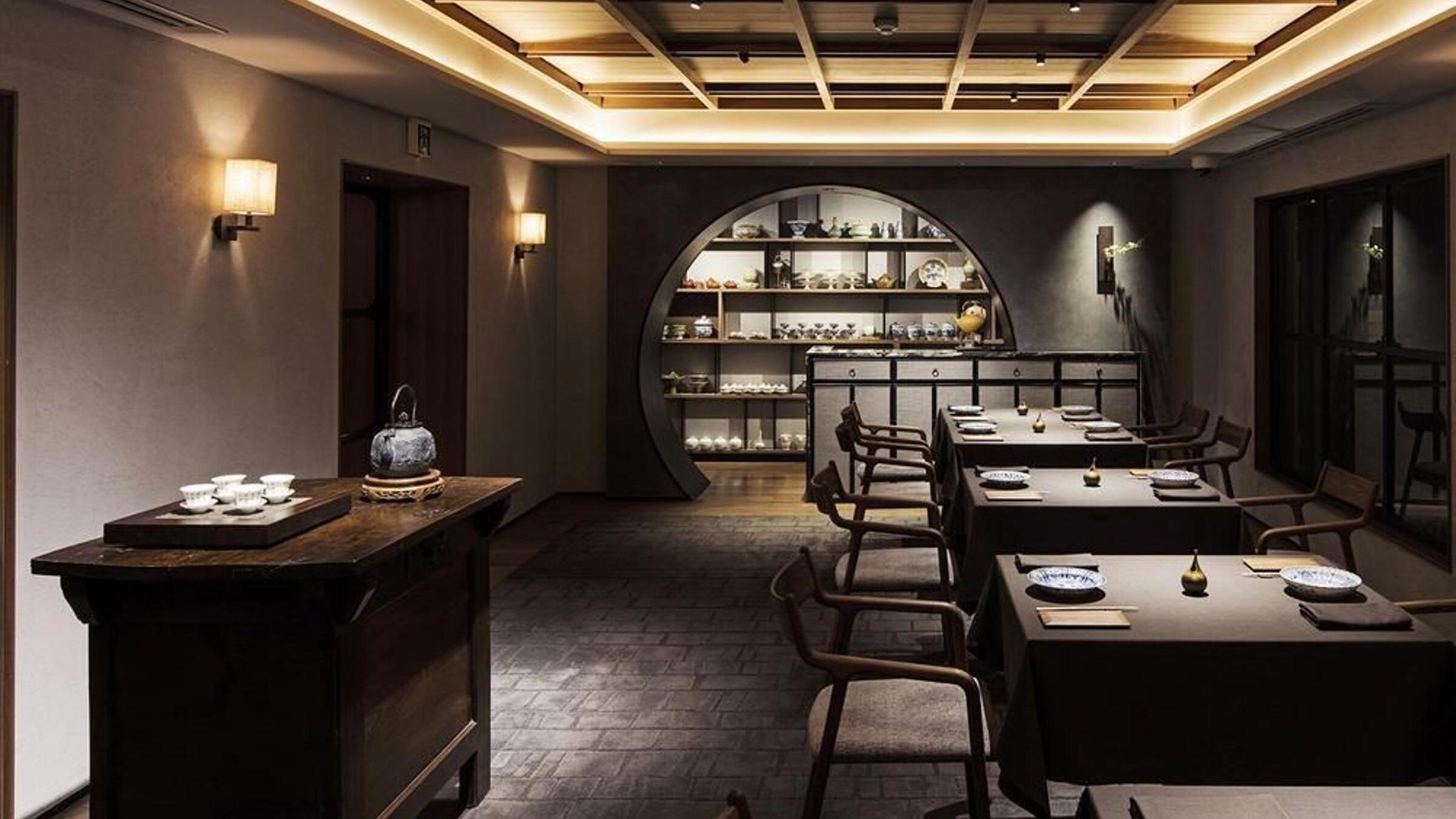
Relaxed, adult-oriented Spanish bar with warm, classic interiors and mostly counter seating, suited to quiet conversations over wine rather than a loud party atmosphere.