
Counter seating, wine, and Spanish cooking give El Pescador a sharper identity than the casual cafés and mid-priced neighborhood rooms around Jiyugaoka. Its selection for Tabelog 100 Spanish Cuisine 2026 and 2024 places it in a small Tokyo group where Iberian food is judged on consistency, drink pairing, and format rather than spectacle.
Pearl is the En Primeur Club membership app — saves, bookings, and concierge access live there. Same editors, same standards.
- Address
- 1 Chome-13-4 Jiyugaoka, Meguro City, Tokyo 152-0035, Japan
- Phone
- +81 3-3723-8471
- Website
- tabelog.com
 Saves & bookings on Pearl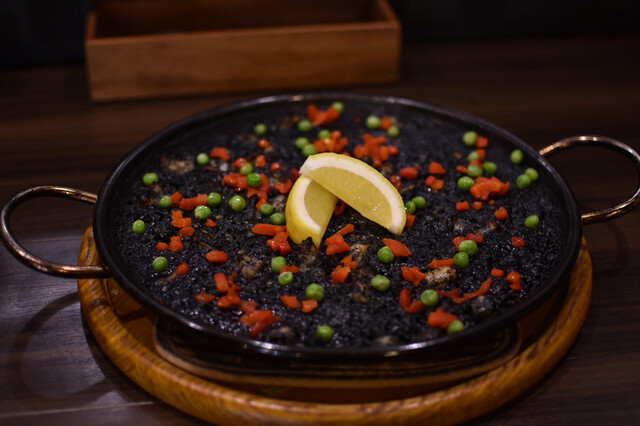
Jiyugaoka approaches dining at a lower volume than central Tokyo: fewer hotel-lobby dining rooms, fewer theatrical tasting counters, more compact restaurants built around regulars, wine, and repeatable comfort. In that setting, Spanish cooking reads differently. It is not a grand destination language here; it works through the bar-like rhythm of counter seating, shared plates, and bottles opened for conversation rather than ceremony.
El Pescador belongs to that neighborhood register. Its Tabelog 100 Spanish Cuisine selections in 2024 and 2026 put it inside a narrow category in Tokyo, where Spanish restaurants compete less on luxury signals than on whether the room can sustain appetite across lunch, dinner, and wine-led evening use. The distinction matters: Spanish dining in Tokyo often sits between izakaya informality, European bistro habits, and specialist Iberian technique. The stronger rooms make wine feel central, not decorative.
Spanish cooking in Jiyugaoka works when wine drives the tempo
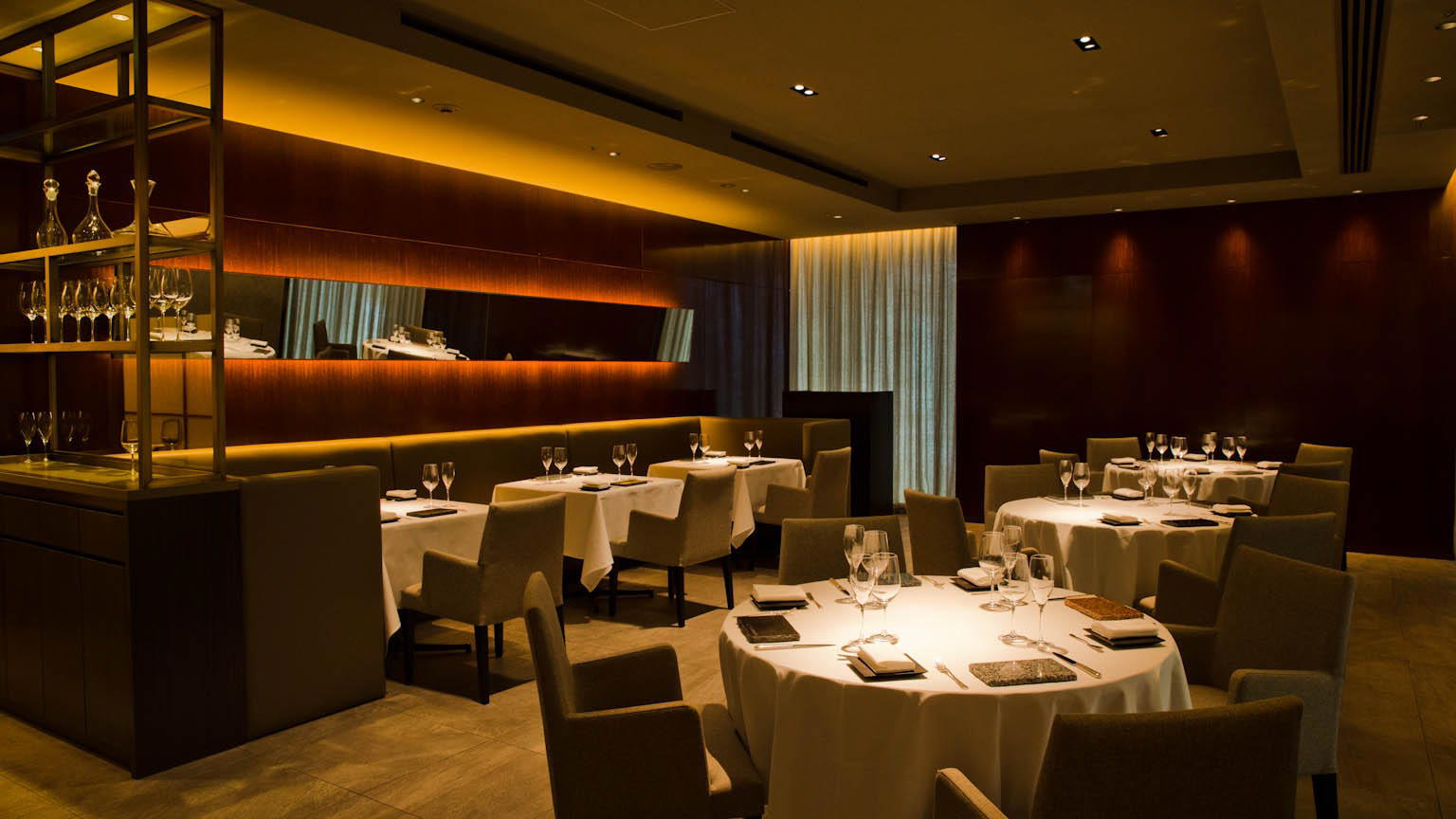
Tokyo’s Spanish restaurants are often judged by a split personality. Some lean toward tapas-bar looseness, others toward formal European dining. The Jiyugaoka version is more practical: a counter, a compact room, and a wine program that gives the meal its pace. The listed drink focus is wine, and that detail says more than a generic beverage note. It places the restaurant in the category of Spanish rooms where ordering is expected to move in stages, with food and glassware doing equal work.
That is also where the comparison with nearby venues becomes useful. Cafe Enseigne Dangle Jiyuugaoka ten and Majo no Chiisana Mori no Hamburger occupy a lighter neighborhood spend bracket; Kaneda and Toyoda sit in a more casual evening range; Le Monde Gourmand gives Jiyugaoka a French reference point. Against that local spread, a Spanish restaurant recognized by Tabelog 100 is not competing with quick café traffic. It is competing for diners who want European cooking with enough structure to justify a longer table, but not the fixed-course gravity of Tokyo fine dining.
The absence of course meals is part of the appeal for this category. Spanish dining is strongest when the table can be built by appetite: seafood, rice, vegetables, fried textures, grilled notes, and wine-friendly salt all belong to the wider tradition, though the specific order should be led by the day’s menu rather than by a prewritten script. In Tokyo, that freedom can be more useful than ceremony, especially for travelers who have already committed other nights to omakase, kappo, or French tasting menus.
The room belongs to Tokyo's counter culture, not imported theme dining
Counter seating changes the reading of Spanish food in Japan. It pulls the meal toward Tokyo’s native dining grammar: close-range cooking, quick adjustment, and a room scaled for attention. That format separates a serious neighborhood Spanish restaurant from decorative Iberian pastiche. The point is not to recreate Madrid or San Sebastián wholesale; the point is to translate a wine-and-plate tradition into the physical language Tokyo diners understand.
This is why the Tabelog 100 Spanish Cuisine recognition carries weight. It is not a broad popularity badge across all cuisines; it marks a category where Tokyo diners compare paella houses, tapas counters, wine bars, and more formal Spanish kitchens against one another. A score of 3.56 on Tabelog also places the restaurant in the kind of Japanese review environment where small differences in consistency, booking friction, and regular-customer loyalty matter. The figure should be read locally, not as a Western star-rating equivalent.
Jiyugaoka adds another layer. The area is residential, polished, and weekend-friendly without being anonymous. Restaurants here need to serve neighborhood diners as well as visitors coming off the Tokyu lines, so the strongest rooms tend to avoid bloated formats. They survive by being specific. Spanish food with wine, counter seating, and repeat recognition fits that pattern better than a concept restaurant chasing a trend.
How to place it within a Tokyo eating itinerary
For a Tokyo trip, this is a useful counterweight to the city’s more scripted meals. It belongs in an evening built around conversation and wine rather than a checklist of courses. Travelers mapping several nights across the city might use Our full Tokyo restaurants guide to balance it against Japanese formats, from seafood and grill cooking at . 鮪と炭火焼き うお炭 秋葉原店 to yakitori at 124. KAGURAZAKA (Yakitori), curry at 3 Chome no Curry Ya San, or a more visually playful stop such as 2D Cafe.
The wider itinerary matters because Spanish cooking in Tokyo is not a substitute for sushi, tempura, or ramen. It is a different kind of night: less about national canon, more about how Tokyo absorbs foreign dining traditions and makes them local through scale, service rhythm, and drink culture. A Shinjuku plan might include 12/10 Shinjuku ten, while Jiyugaoka asks for a slower evening and a willingness to let wine shape the table.
EP Club readers building a broader Japan route can treat this as one node in a wider dining map rather than a standalone pilgrimage. The same trip might extend to -Grilled beef Sukiyaki- KAMAKURA TANUKIAN 鎌倉 たぬき庵 in Kamakura.cafe in Osaka.know in Kumamoto, (Shoku) Vietnam in Kawasaki, [Curry Senmon Ten] Maruyama Kyoju. in Sapporo, or [ki:] in Kyoto. For non-restaurant planning, the city pages for Tokyo hotels, Tokyo bars, Tokyo wineries, and Tokyo experiences help keep the night in context.
The editorial case for El Pescador is therefore not that Tokyo lacks Spanish restaurants, but that recognized neighborhood specialists often reveal the city more clearly than larger destination rooms. For travelers who care about wine as much as the plate, this is the category to watch: compact, adult, and resistant to overproduction. It also pairs well with overseas comparisons in drink-led casual dining, from Jōdo Saké Bar in Los Angeles to Onigiri Time in Pasadena, where format and beverage culture define the experience as much as cuisine label.
Accolades, Compared
Comparable venues side-by-side for orientation.
| Venue | Cuisine | Price | Notes |
|---|---|---|---|
| El PescadorThis venue — the venue you are viewing | Traditional Spanish (Basque‑influenced) restaurant | $$$ | Not listed |
| Spanish Ryouri Pablo | Spanish tapas & paella bar | $$$ | Meguro |
| GinaGina | Modern Spanish Fusion | $$$ | Minato |
| Kongst | Spanish Counter Dining | $$$ | Chūō |
| Shirogane Baru | Spanish Tapas & Wine Bar | $$$ | Shibuya |
| Mon-Rico | Spanish restaurant with Japanese seasonal ingredients | $$ | Minato |
Recognition history
Dated appearances from independent guides and award organizations, with the underlying list record or original source where available.
Tabelog 100 #21 · No. 21
Tabelog · Tabelog 100 - Spanish cuisine - 2026












At a Glance
- Cozy
- Classic
- Intimate
- Lively
- Date Night
- Group Dining
- Casual Hangout
- After Work
- Celebration
- Standalone
- Extensive Wine List
Current opening hours
- Monday
- Closed
- Tuesday
- 11:30 AM–2:30 PM, 5–9:30 PM
- Wednesday
- 11:30 AM–2:30 PM, 5–9:30 PM
- Thursday
- 11:30 AM–2:30 PM, 5–9:30 PM
- Friday
- 11:30 AM–2:30 PM, 5–9:30 PM
- Saturday
- 11:30 AM–2:30 PM, 5–9:30 PM
- Sunday
- 11:30 AM–2:30 PM, 5–9:30 PM
Hours can change for holidays and private events. Last verified .
A quaint, casual, family‑run Spanish spot with a cozy, classic bodega feel; counter seating and a compact dining room create an intimate but lively atmosphere where the focus is firmly on rustic, authentic food and Spanish wines.