
Fonda Sant Jordi puts Catalan cooking into Ebisu’s small-room dining culture, closer to a wine-bar tavern than a formal Spanish dining room. Its Tabelog 100 selection for Spanish cuisine in 2024 and 2026 gives it a clear credential in a Tokyo category where regional cooking, wine service, and front-of-house pacing matter as much as chef technique.
Pearl is the En Primeur Club membership app — saves, bookings, and concierge access live there. Same editors, same standards.
- Address
- Japan, 〒150-0013 Tokyo, Shibuya, Ebisu, 1 Chome−12−5 萩原ビル3 2F
- Phone
- +81 3-5420-0747
- Website
- s.tabelog.com
- Directions
- Get directions
 Saves & bookings on Pearl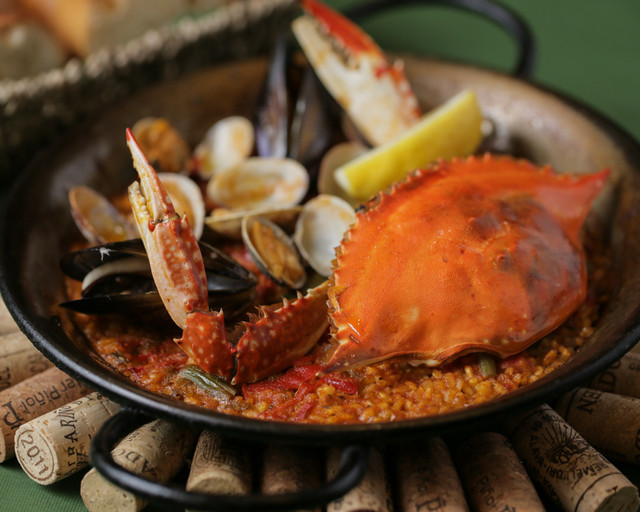
Ebisu rewards restaurants that do not announce themselves loudly. Around the station, dining shifts from after-work counters to compact specialist rooms, and Spanish cooking fits: shared plates, wine-led pacing, and service closer to a neighborhood tavern than a formal dining room. Fonda Sant Jordi belongs to that Ebisu register, where Catalan reference points meet Tokyo’s appetite for small, focused restaurants.
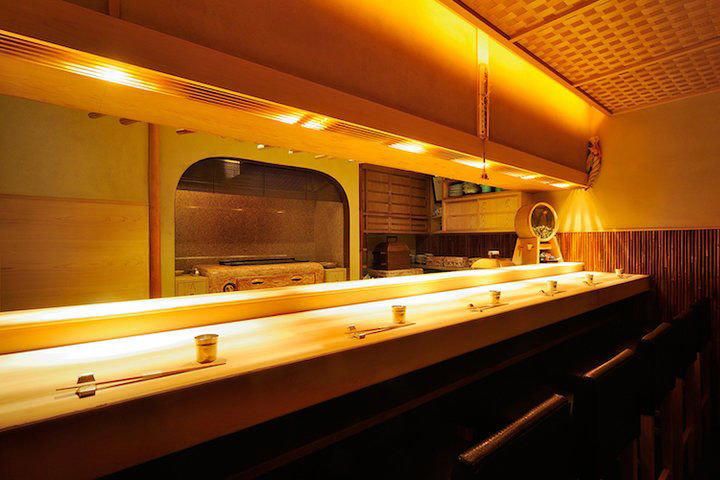
The point is not Spanish food as a broad label. Tokyo has long absorbed European cuisines by making them specific: the Italian trattoria, French bistro, natural-wine counter, and tapas bar with izakaya logic. Here, the category is Spanish, wine bar, and izakaya-adjacent tavern, a combination that says as much about Tokyo as Catalonia. At 22 seats, ordering, drinking, and pacing become one conversation rather than separate courses in a fixed procession.
Catalan cooking through Tokyo's wine-bar discipline
Regional Spanish restaurants in Tokyo often succeed by avoiding paella-and-sangria shorthand. Catalan cooking gives a kitchen precise material: coastal and inland habits, vegetable-driven preparations, charcuterie, stews, rice dishes, and a strong drinking culture. Fonda Sant Jordi is credited with creative dishes inspired by authentic regional cuisine, placing it inside a regional tradition rather than a generalized tapas template.
The 2026 Tabelog 100 selection for Spanish cuisine, following selection in 2024, is the clearest public signal of standing. Tabelog’s Hyakumeiten lists are category-specific, so the recognition places the restaurant among Japanese diners’ notable Spanish addresses rather than a catch-all European bracket. Its Tabelog score of 3.55 also reflects the platform’s harsher scoring culture, where mid-3 ratings can indicate serious local traction rather than middling reception.
Tokyo’s Spanish scene is strongest when wine is structure, not accessory. The drinks focus includes wine, cocktails, and particular attention to wine, putting the room closer to a dining wine bar than a spectacle-driven restaurant. In Ebisu, where dinner often stretches into a second bottle or post-meal bar rather than ending with a theatrical finale, that matters. The service format also allows celebrations and longer parties, suggesting a room built for social meals rather than rigid tasting-menu silence.
For readers mapping by category, Fonda Sant Jordi sits apart from nearby meat-led Ebisu dining such as Yoroniku Ebisu and Ebisu Yoroniku, where yakiniku technique and beef sourcing define the meal. It also differs from L'Antica Pizzeria da Michele, where Neapolitan pizza sets a narrower expectation. Ebisu’s appeal is this compression: a district where a Catalan-leaning wine dinner can sit near specialist beef, pizza, burgers, and taiyaki without feeling like a novelty import.
The room depends on the handoff between kitchen, wine, and floor
The useful way to read this restaurant is through team dynamics. In a small Spanish wine-bar format, the kitchen does not carry the experience alone. Front-of-house must judge tempo: when shared plates should land, when a table needs another glass, when a celebratory meal should be left alone. Wine service must do more than recite regions; it has to make Catalan and broader Spanish cooking legible in a Tokyo evening.
That triangle, kitchen, wine, floor, explains why the tavern comparison is more accurate than fine dining. Japanese izakaya culture prizes sequence and social control: dishes appear as the table needs them, drinking sets the pace, and the room’s intelligence lies in not overexplaining. Spanish dining, especially in bar and fonda traditions, also accepts looseness, appetite, and conversation. The overlap gives this address its local logic.
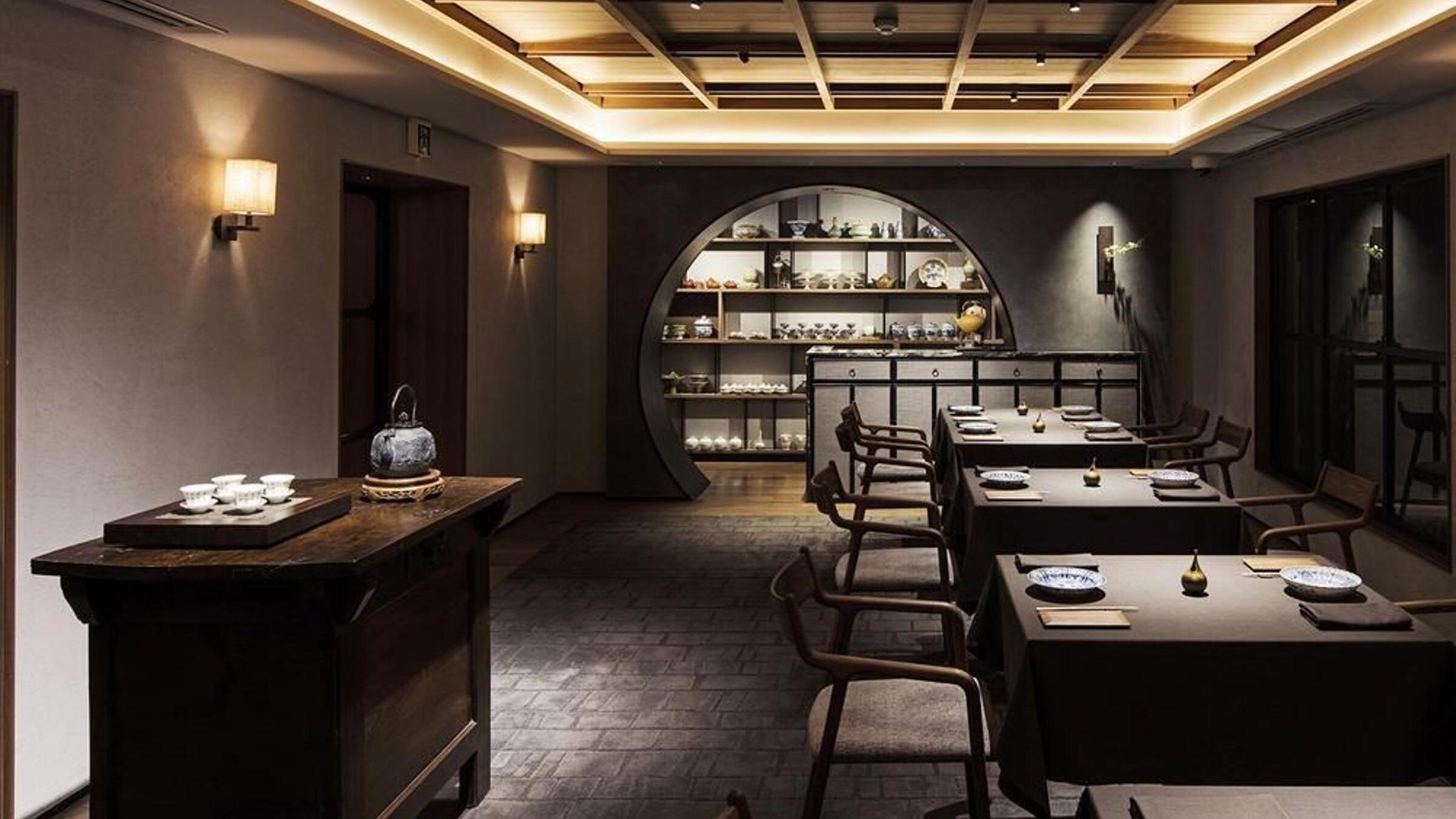
The no-smoking policy, lack of private rooms, and private-use availability for small groups point to a room that is intimate but not hermetic. That distinction helps Tokyo travelers who conflate small capacity with solemnity. A 22-seat Spanish wine room in Ebisu should be read as convivial, not ceremonious: better for diners who want regional cooking, bottles or glasses, and conversation than for those seeking a hushed counter performance.
Within EP Club’s Tokyo coverage, this is part of a broader pattern: serious dining is not confined to sushi, kaiseki, and tempura. The same attention to format appears across casual and specialist rooms, from 124. KAGURAZAKA (Yakitori) to 3 Chome no Curry Ya San, 12/10 Shinjuku ten, . 鮪と炭火焼き うお炭 秋葉原店, and the graphic café culture around 2D Cafe. The thread is not cuisine type; it is Tokyo’s habit of tightening a format until the room has a clear operating logic.
How to place it in an Ebisu evening
Ebisu is for people who like options before and after dinner. It is polished without being Ginza, social without being Shinjuku, and mature enough to sustain restaurants that ask for attention without demanding ceremony. That makes the restaurant a strong fit for a date or friends’ dinner where the food should be specific and the wine program should matter, but the evening should not feel choreographed to death.
Travelers building a wider Japan itinerary should remember that Tokyo’s European restaurants are not secondary to its Japanese canon. They are part of how Tokyo eats now: technical, compact, category-aware, and often more rewarding when approached through format than nationality. For broader planning, start with Our full Tokyo restaurants guide, then cross-check drinking and stay patterns through Our full Tokyo bars guide, Our full Tokyo hotels guide, Our full Tokyo wineries guide, and Our full Tokyo experiences guide.
The comparison becomes clearer outside Tokyo. A traveler moving through Japan might read this alongside -Grilled beef Sukiyaki- KAMAKURA TANUKIAN 鎌倉 たぬき庵 in Kamakura.cafe in Osaka.know in Kumamoto, (Shoku) Vietnam in Kawasaki, [Curry Senmon Ten] Maruyama Kyoju. in Sapporo, and [ki:] in Kyoto. For a transpacific contrast in bar-adjacent Japanese dining culture, Jōdo Saké Bar in Los Angeles and Onigiri Time in Pasadena show how format changes when Japanese food travels in the opposite direction.
Credentials Lens
Comparable venues by category and price.
| Venue | Cuisine | Price | Notes |
|---|---|---|---|
| Fonda Sant JordiThis venue — the venue you are viewing | Authentic Catalan Spanish Restaurant & Wine Bar | $$$ | Not listed |
| GinaGina | Modern Spanish Fusion | $$$ | Minato |
| Kongst | Spanish Counter Dining | $$$ | Chūō |
| FERMINTXO | Seasonal Spanish Wine Restaurant | $$$ | Minato |
| オガサワラ レストラン | Modern Spanish Fine Dining | $$$$ | Shinjuku |
| エスタシオン | Regional Spanish Home Cooking | $$$ | Shinjuku |
Recognition history
Dated appearances from independent guides and award organizations, with the underlying list record or original source where available.
Tabelog 100 #6 · No. 6
Tabelog · Tabelog 100 - Spanish cuisine - 2026












At a Glance
- Cozy
- Romantic
- Lively
- Rustic
- Intimate
- Date Night
- After Work
- Group Dining
- Celebration
- Casual Hangout
- Special Occasion
- Standalone
- Wine Cellar
- Extensive Wine List
- Local Sourcing
Current opening hours
- Monday
- Closed
- Tuesday
- 6–11 PM
- Wednesday
- 6–11 PM
- Thursday
- 6–11 PM
- Friday
- 6–11 PM
- Saturday
- 5:30–10 PM
- Sunday
- Closed
Hours can change for holidays and private events. Last verified .
Small, stylish yet relaxed wine-bar-style space with a cozy, hideout feel; guests describe it as like being in Spain, with friendly, personal service and an atmosphere suited to dates or lingering over tapas and wine.