
Kongst brings Tokyo’s compact counter-dining discipline to Spanish cooking in Nihonbashikoamicho, with fish, wine, and a 14-seat format defining the experience. Its selection for Tabelog 100 Spanish Cuisine in 2026 places it in a small, closely watched category where neighbourhood scale matters as much as technique.
Pearl is the En Primeur Club membership app — saves, bookings, and concierge access live there. Same editors, same standards.
- Address
- 東京都中央区日本橋小網町16-19 大都ビル 1F
- Phone
- +817012472468
- Website
- tabelog.com
 Saves & bookings on Pearl
Approaching the quieter side of Nihonbashi, the mood shifts from office-city efficiency to Ningyocho’s smaller grain: old commercial blocks, compact dining rooms, and restaurants built less on spectacle than repeat attention. Kongst fits that Tokyo pattern. The room is small, counter-led, and centered on Spanish cooking rather than the sushi, tempura, or yakitori grammar that dominates the city’s intimate-seat conversation.
That matters because Spanish dining in Tokyo occupies a curious position. It has serious kitchens, but often sits outside the obvious tourist script. The stronger rooms borrow Japanese service precision while keeping the Iberian framework intact: wine, fish, courses, and a looser rhythm than kappo or omakase. Kongst’s 2026 selection for Tabelog 100 Spanish Cuisine places it in that narrower bracket, not as a grand dining-room statement, but as part of Tokyo’s appetite for specialist counters that compress a cuisine into a tight, personal format.
Ningyocho gives Spanish cooking a quieter Tokyo frame
Ningyocho is a useful address for this kind of restaurant. Close to Nihonbashi’s finance and trading history, its dining culture is less glossy than Ginza and less nightlife-driven than Ebisu or Roppongi. Small restaurants feel more integrated into daily Tokyo here, especially with compact footprints and narrow culinary briefs. In that context, Spanish cooking reads less as imported theatre and more as a neighbourhood counter with a wine spine and seafood emphasis.
The category signal is precise. Tabelog’s 2026 Spanish Cuisine 100 list is not a general popularity badge; it identifies a specific dining lane in Japan, where Spanish restaurants are measured against Spanish specialists rather than French dégustation rooms, sushi counters, or Italian trattorie. Kongst also appeared in the 2024 Spanish Cuisine 100 selection, giving it repeat recognition in a category that rewards consistency as much as novelty.
Tokyo diners often understand this format instinctively. A counter need not mean Japanese cuisine; it means proximity, pacing, and a clear view of sequence. For Spanish food, that works especially well when the emphasis is fish and wine rather than large shared platters. The result is a Tokyo-style interpretation of Spanish dining: concentrated, reservation-led, and suited to diners comfortable letting the room’s rhythm set the evening.
A small counter format changes the way the meal reads
The listed capacity is 14 seats, placing Kongst closer to Tokyo’s specialist-counter economy than to larger Spanish rooms in hotel districts or entertainment areas. That scale shapes expectations. Conversation is lower, service has fewer layers, and the kitchen-dining room divide is less formal. Food and wine have little room to hide.
The cuisine is listed as Spanish, with wine as the drink focus and fish called out as a kitchen priority. Those details position the restaurant clearly. This is not the tapas-bar end of the spectrum, built around casual ordering and noise. It belongs to the dinner-counter side of Tokyo Spanish dining, where courses, seafood handling, and beverage-pairing logic matter more than the social looseness many travellers associate with Spain.
Price clarifies the tier. The posted dinner range of JPY 10,000 to JPY 14,999 sits below Tokyo’s highest-priced European tasting rooms but above casual neighbourhood Spanish bars. The course note of JPY 9,000 before tax reinforces the point: this is a planned dinner, not a spontaneous plate-and-glass stop. For travellers mapping one serious non-Japanese meal into a Tokyo itinerary, that middle-premium band buys focus without pushing into the luxury-hotel bracket.
The setting is non-smoking, private rooms are not part of the format, and private use is available. Those facts match the room: small, contained, and better suited to diners who want Tokyo counter energy without choosing another omakase. Children are welcomed, less common in serious small-room dining than many visitors expect, though the price level and counter-led mood make this a considered family choice rather than a casual fallback.
Where it sits in a Tokyo itinerary
Kongst is strongest as a neighbourhood-led dinner for travellers already focused on eastern central Tokyo. Ningyocho and Nihonbashi work well before or after a day around Marunouchi, Tokyo Station, or the older commercial streets east of the Imperial Palace. It differs from the Shinjuku density around 12/10 Shinjuku ten, the Akihabara pull of . 鮪と炭火焼き うお炭 秋葉原店, or the yakitori rhythm of 124. KAGURAZAKA (Yakitori). The choice is clear: a small Spanish counter in an older mercantile district, not a broad survey of Tokyo dining genres.
Within Tokyo’s wider map, it also sits far from the dessert-cafe styling of 2D Cafe or the curry specificity of 3 Chome no Curry Ya San. Travellers building a broader food route should use Our full Tokyo restaurants guide for dining, then cross-check the city through Our full Tokyo hotels guide, Our full Tokyo bars guide, Our full Tokyo wineries guide, and Our full Tokyo experiences guide. Kongst does not replace those categories; it gives a compact European counter option in a city that can otherwise steer visitors toward Japanese formats at every serious meal.
For a wider Japan and overseas comparison set, the contrast is instructive. The beef-led structure of -Grilled beef Sukiyaki- KAMAKURA TANUKIAN 鎌倉 たぬき庵 in Kamakura, the casual cafe register of.cafe in Osaka, the Kumamoto perspective at.know in Kumamoto, the Vietnamese focus of (Shoku) Vietnam in Kawasaki, the Sapporo curry lane at [Curry Senmon Ten] Maruyama Kyoju. in Sapporo, and Kyoto’s [ki:] in Kyoto all show how tightly Japanese dining formats define intent. Even outside Japan, venues such as Jōdo Saké Bar in Los Angeles and Onigiri Time in Pasadena show how Japanese formats travel. Kongst is the reverse: Spanish cuisine filtered through Tokyo’s preference for small, disciplined rooms.
The editorial read is clear. Choose it when the night’s point is not another famous Japanese category, but a specialist Spanish counter shaped by Nihonbashi’s quieter scale. Its awards history, 14-seat capacity, fish-and-wine emphasis, and mid-premium dinner pricing make it a precise entry in Tokyo’s European dining scene, especially for travellers who understand that the city’s smaller rooms often carry the sharper argument.
Similar Picks
Comparable venues for orientation by cuisine and category.
| Venue | Cuisine | Price | Notes |
|---|---|---|---|
| KongstThis venue — the venue you are viewing | Spanish Counter Dining | $$$ | Not listed |
| El Pescador | Traditional Spanish (Basque‑influenced) restaurant | $$$ | Meguro |
| shokudou aca | Casual Spanish Tapas | $$ | Minato |
| Shirogane Baru | Spanish Tapas & Wine Bar | $$$ | Shibuya |
| EL Castellano | Traditional Spanish Restaurant & Wine Bar | $$$ | Shibuya |
| Bar Portillo de sal y amor | Traditional Spanish tapas & paella bar | $$ | Meguro |
Recognition history
Dated appearances from independent guides and award organizations, with the underlying list record or original source where available.
Tabelog 100 #63 · No. 63
Tabelog · Tabelog 100 - Spanish cuisine - 2026






At a Glance
- Intimate
- Sophisticated
- Cozy
- Modern
- Date Night
- Solo
- Family
- Special Occasion
- Chefs Counter
- Open Kitchen
- Standalone
- Sommelier Led
- Local Sourcing
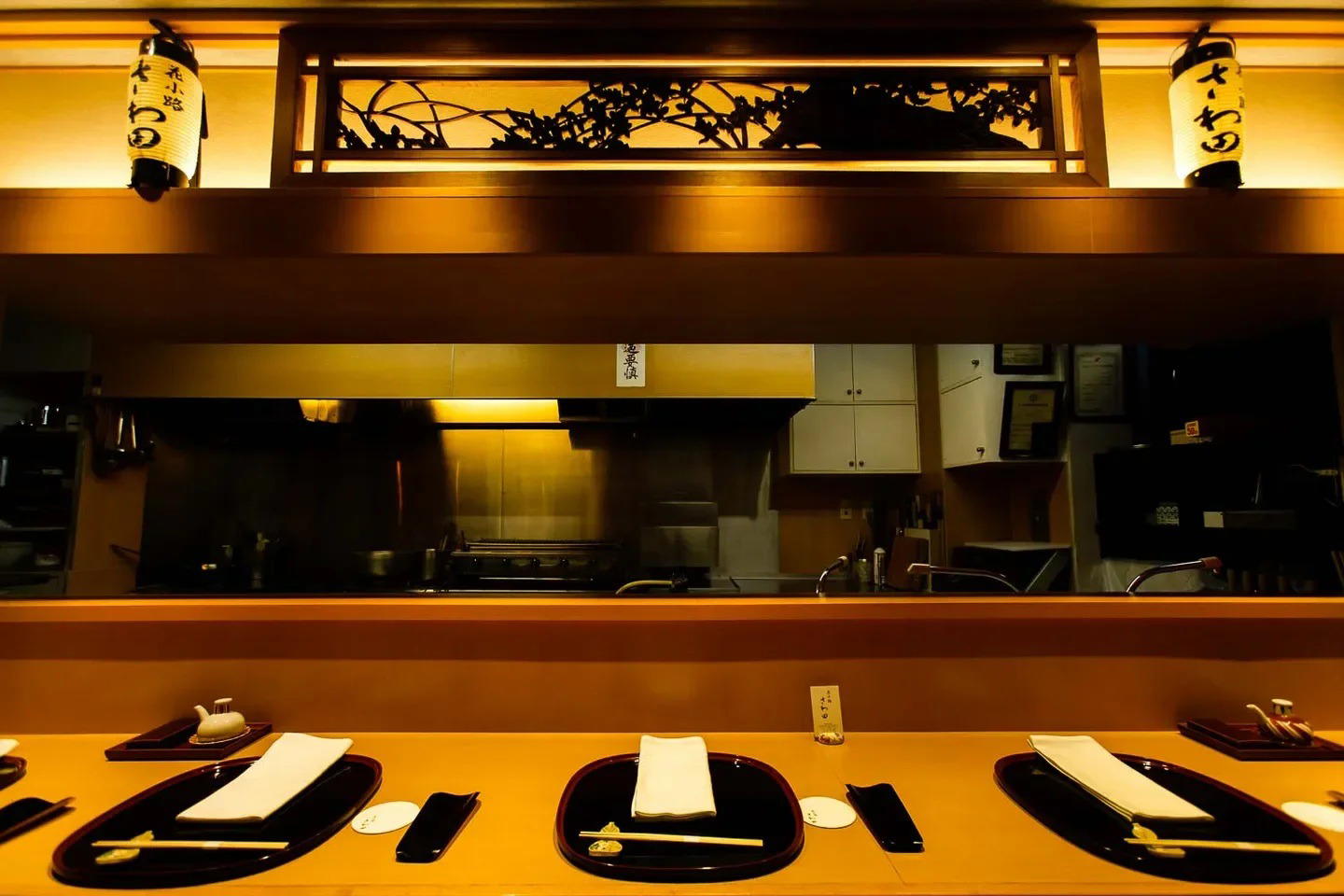
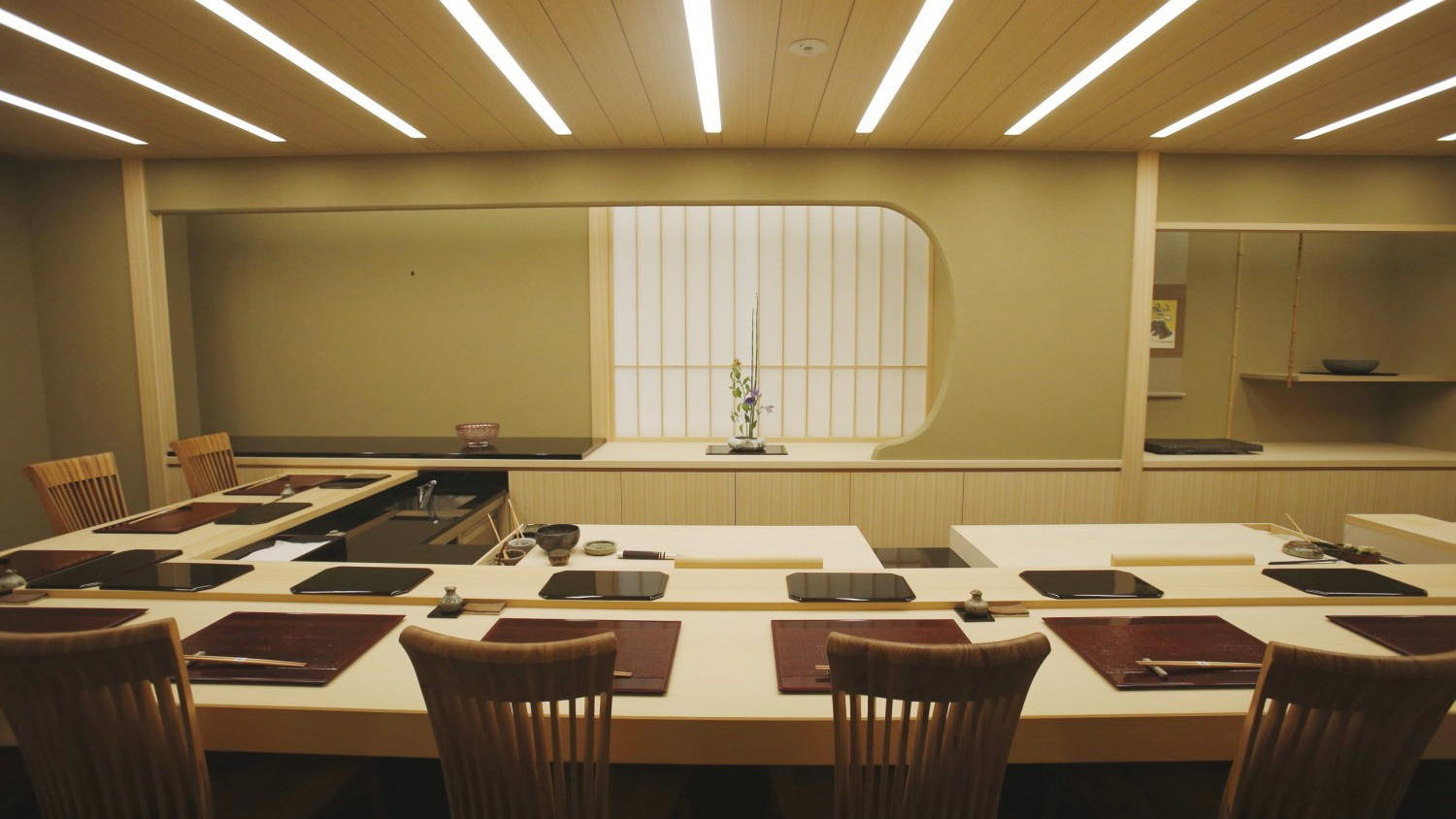
A stylish, warm, and hidden-gem atmosphere with spacious counter seating and an open kitchen.