
Kagurazaka’s Spanish dining pocket rewards small rooms, wine-led ordering, and regulars who know how to pace a night. EL BUEY fits that pattern with Spanish and Spanish-style bar cooking, a fish-focused kitchen, 24 seats, counter seating, and selection for Tabelog 100 Spanish cuisine 2026, priced in the JPY 8,000–9,999 dinner bracket.
Pearl is the En Primeur Club membership app — saves, bookings, and concierge access live there. Same editors, same standards.
- Address
- Japan, 〒162-0825 Tokyo, Shinjuku City, Kagurazaka, 3 Chome−4 1F
- Phone
- +81 3-3266-0229
- Website
- instagram.com
 Saves & bookings on Pearl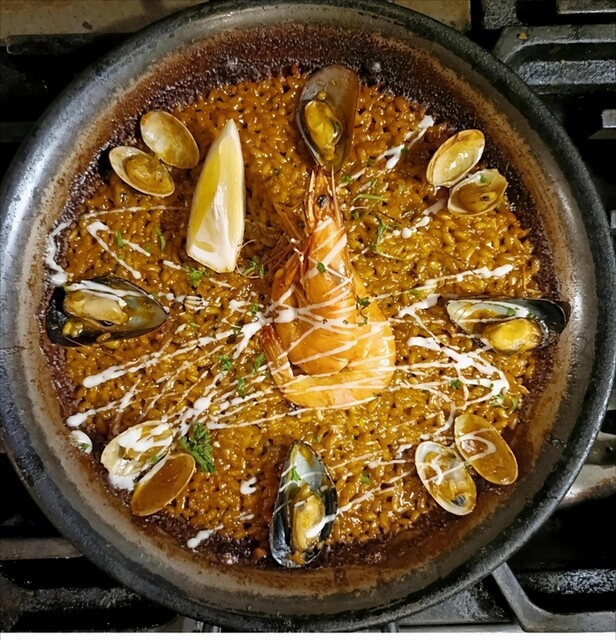
Kagurazaka changes register after dark: slopes narrow, restaurant fronts press close, and the area’s old ryotei gravity gives way to compact rooms built for wine, conversation, and repeat custom. Spanish cooking in Tokyo often splits between polished course-menu restaurants and looser bar-style counters. EL BUEY belongs to the latter, with enough recognition and regular-driven discipline to sit above the casual tapas lane.
Read the room not as a Spanish theme transplanted into Shinjuku, but as part of Kagurazaka’s dining habit: small scale, adult pacing, and returning clientele because the format does not demand a special-occasion script. The Tabelog 100 Spanish cuisine selection in 2026 matters because this is not Tokyo’s loudest international lane. Spanish restaurants compete in a city where French, Italian, sushi, kaiseki, yakitori, and ramen have deeper ranking cultures. Recognition here signals consistency within a narrower, specialist set.
Spanish-bar cooking filtered through Kagurazaka's regulars culture
Tokyo’s Spanish restaurants reveal priorities quickly. Some lean toward full-course Iberian fine dining, others toward jamón, paella, and bottle traffic. Sharper bar-style rooms build loyalty through flexible ordering, wine fluency, and a kitchen that supports a second glass without forcing a rigid tasting-menu rhythm. This is EL BUEY’s lane, with Spanish and Spanish-style bar categories, a stated emphasis on fish, and a wine program integral to the experience.
That fish emphasis is an important local translation. In Spain, coastal cooking can be direct and product-led; in Tokyo, seafood availability and expectations raise the standard for any serious European kitchen. A Spanish bar in Kagurazaka must speak both languages: recognizable Iberian structure and Tokyo-level ingredient scrutiny. The result is not theatrical reinvention, but how a neighbourhood room earns repeat visits through range, pacing, and wine compatibility.
The regulars’ perspective also explains why the format suits Kagurazaka better than a flashier district. Nearby Iidabashi brings office traffic; Kagurazaka brings residents, couples, and small groups treating dinner as ritual rather than discovery mission. A 24-seat room with counter seating fits, creating intimacy for familiar ordering patterns while letting first-timers read the tempo.
Where it sits against Tokyo's higher-touch dining map
Tokyo’s premium dining hierarchy is unforgiving. At one end are reservation-driven counters and formal Japanese rooms such as Kohaku, where kaiseki structures the evening. At another are mid-price neighbourhood restaurants and bars where value lies in ease, drinkability, and frequency. EL BUEY sits between: more selective than a casual wine bar, less ceremonial than a full tasting-menu restaurant.
That position helps travellers who already have sushi, tempura, or kaiseki booked and want a different Tokyo dinner. Spanish cooking changes the itinerary’s register without leaving the city’s small-room discipline. Compared with Japanese restaurants in the same broad neighbourhood orbit, including Ichiu or the yakitori lane represented by 124. KAGURAZAKA, the appeal is not a more formal craft expression. It is the ability to drink well, order across Spanish-bar categories, and let the evening widen rather than narrow around one tradition.
The comparison with lower-priced Tokyo drinking rooms is equally instructive. A venue such as jiubar signals the city’s appetite for compact, drink-led formats at a lighter spend, while the restaurant moves into a higher dinner bracket and carries category recognition. That changes expectations: the room must deliver more than a casual glass-and-snack stop, but should not be judged by chef’s-counter choreography. The right standard is repeatability. Would a local return for wine, seafood-oriented Spanish cooking, and a room that handles a proper evening without ceremony? That is the test.
How to use it in a Tokyo itinerary
For visitors, the strongest case is as a second or third Tokyo dinner rather than the trip’s headline reservation. Kagurazaka rewards that placement. The area works after a day around central Tokyo museums, bookstores, or bar-hopping routes, and offers a calmer counterpoint to Shinjuku’s brighter, louder restaurant corridors. Plan dinner as a seated wine-and-food evening, not a quick pre-theatre stop or late-night fallback.
The rhythm is adult and compact: no smoking, no private rooms, and private use available for groups within the stated range. The restaurant also notes that children should not be brought, clarifying the intended atmosphere. This is not a family-flexible bistro, but a small Spanish wine-and-food room where the social contract is quiet enough to protect the meal and relaxed enough to avoid dress-up anxiety.
Tokyo dining planning increasingly requires category thinking. A high-end trip can become monotonous if every night chases the same scarcity. Kagurazaka’s Spanish-bar tier is a useful release valve: serious enough to reward attention, informal enough to preserve appetite for the next day. For wider routing, compare neighbourhood styles in Our full Tokyo restaurants guide, then balance the trip with Our full Tokyo hotels guide, Our full Tokyo bars guide, Our full Tokyo wineries guide, and Our full Tokyo experiences guide.
Nearby and adjacent restaurant research can sharpen the decision. In Tokyo, look at 124. KAGURAZAKA (Yakitori), 12/10 Shinjuku ten, 3 Chome no Curry Ya San, 2D Cafe, and. 鮪と炭火焼き うお炭 秋葉原店 for how varied a single city itinerary can become. Beyond Tokyo, EP Club’s Japan and diaspora notes include -Grilled beef Sukiyaki- KAMAKURA TANUKIAN 鎌倉 たぬき庵 in Kamakura.cafe in Osaka.know in Kumamoto, (Shoku) Vietnam in Kawasaki, [Curry Senmon Ten] Maruyama Kyoju. in Sapporo, [ki:] in Kyoto, Jōdo Saké Bar in Los Angeles, and Onigiri Time in Pasadena.
Local
Comparable venues for orientation by cuisine and category.
| Venue | Cuisine | Price | Notes |
|---|---|---|---|
| EL BUEYThis venue — the venue you are viewing | Spanish bar with charcoal-grilled Wagyu | $$$ | Not listed |
| GinaGina | Modern Spanish Fusion | $$$ | Minato |
| sardexka | Basque-leaning Japanese-Spanish Fusion | $$$ | Taitō |
| Bar Porteno | Spanish & South American Wine Bar | $$$ | Sumida |
| Akasaka Tan-tei | Okinawan Kaiseki | $$$ | Akasaka |
| 荒木町たつや | Michelin-Starred Kaiseki | $$$ | Shinjuku |
Recognition history
Dated appearances from independent guides and award organizations, with the underlying list record or original source where available.
Tabelog 100 #100 · No. 100
Tabelog · Tabelog 100 - Spanish cuisine - 2026









At a Glance
- Cozy
- Lively
- Intimate
- Rustic
- Date Night
- After Work
- Group Dining
- Casual Hangout
- Late Night
- Standalone
- Extensive Wine List
Current opening hours
- Monday
- 6–11 PM
- Tuesday
- 6–11 PM
- Wednesday
- 6–11 PM
- Thursday
- 6–11 PM
- Friday
- 6 PM–12 AM
- Saturday
- 6–11 PM
- Sunday
- Closed
Hours can change for holidays and private events. Last verified .
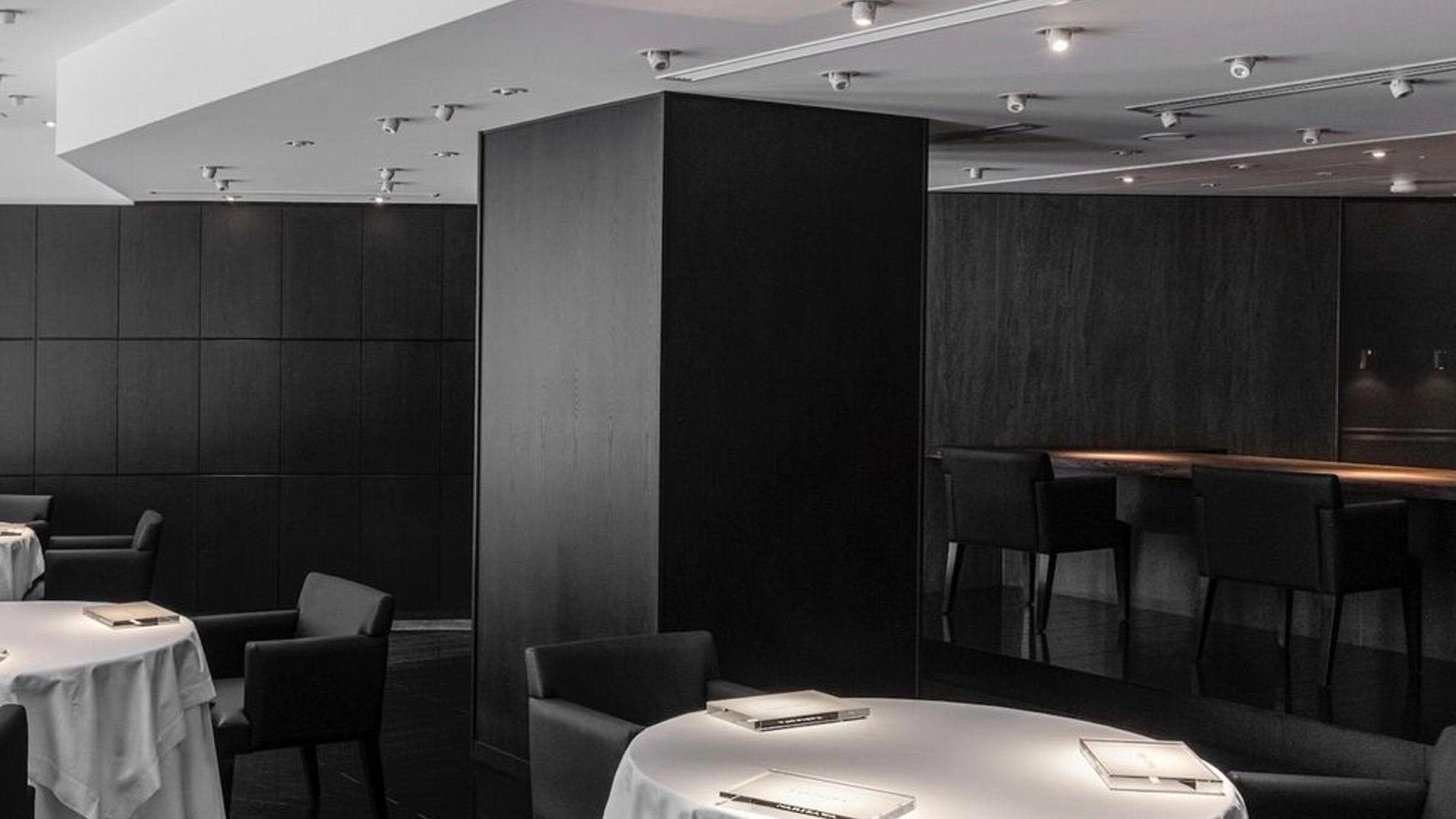
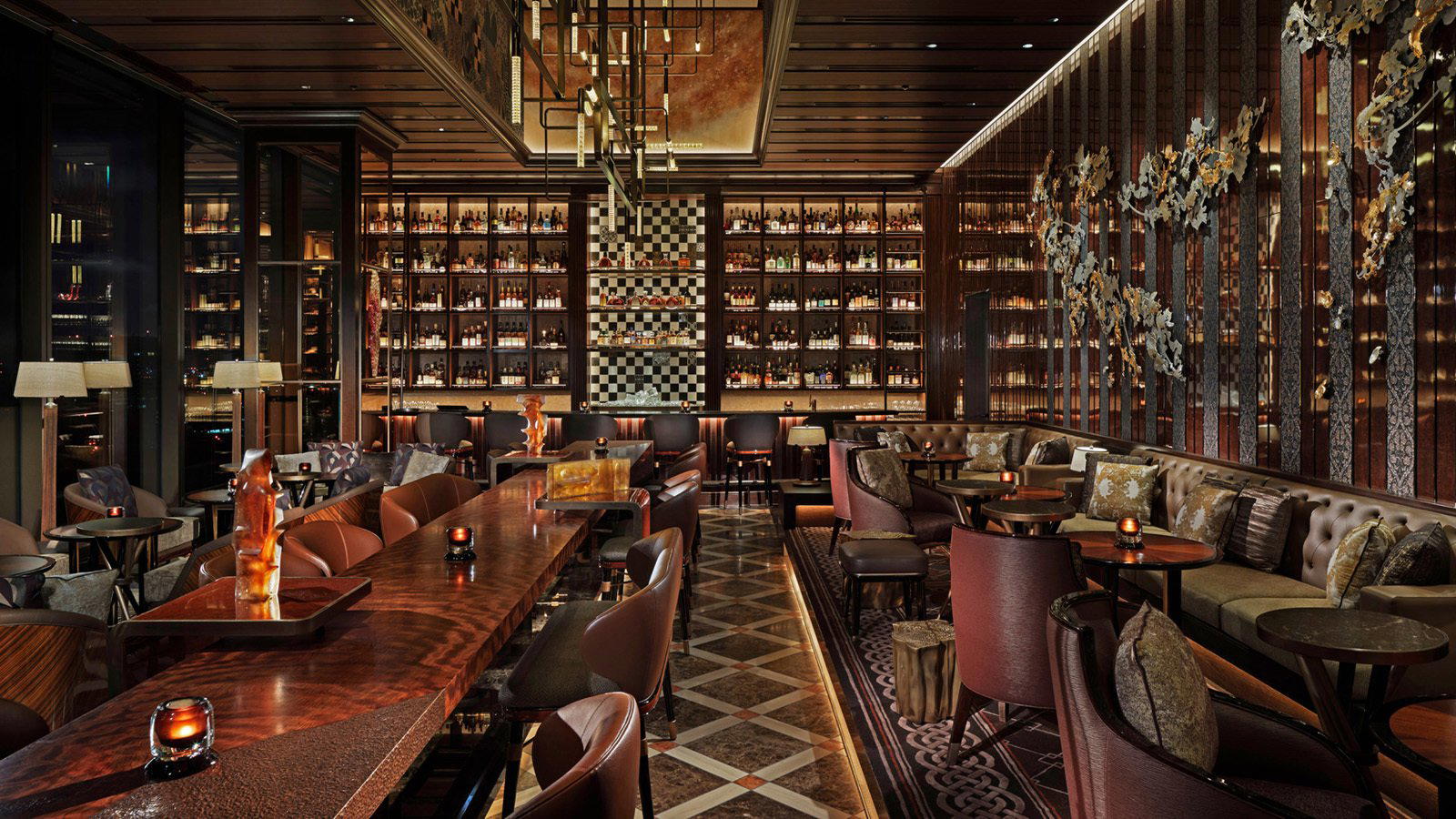
A small, cozy Spanish bar-style space with counter-focused seating, warm lighting, and a relaxed yet lively atmosphere centered around the charcoal grill and wine.