Villa Le Barone

Michelin Selected
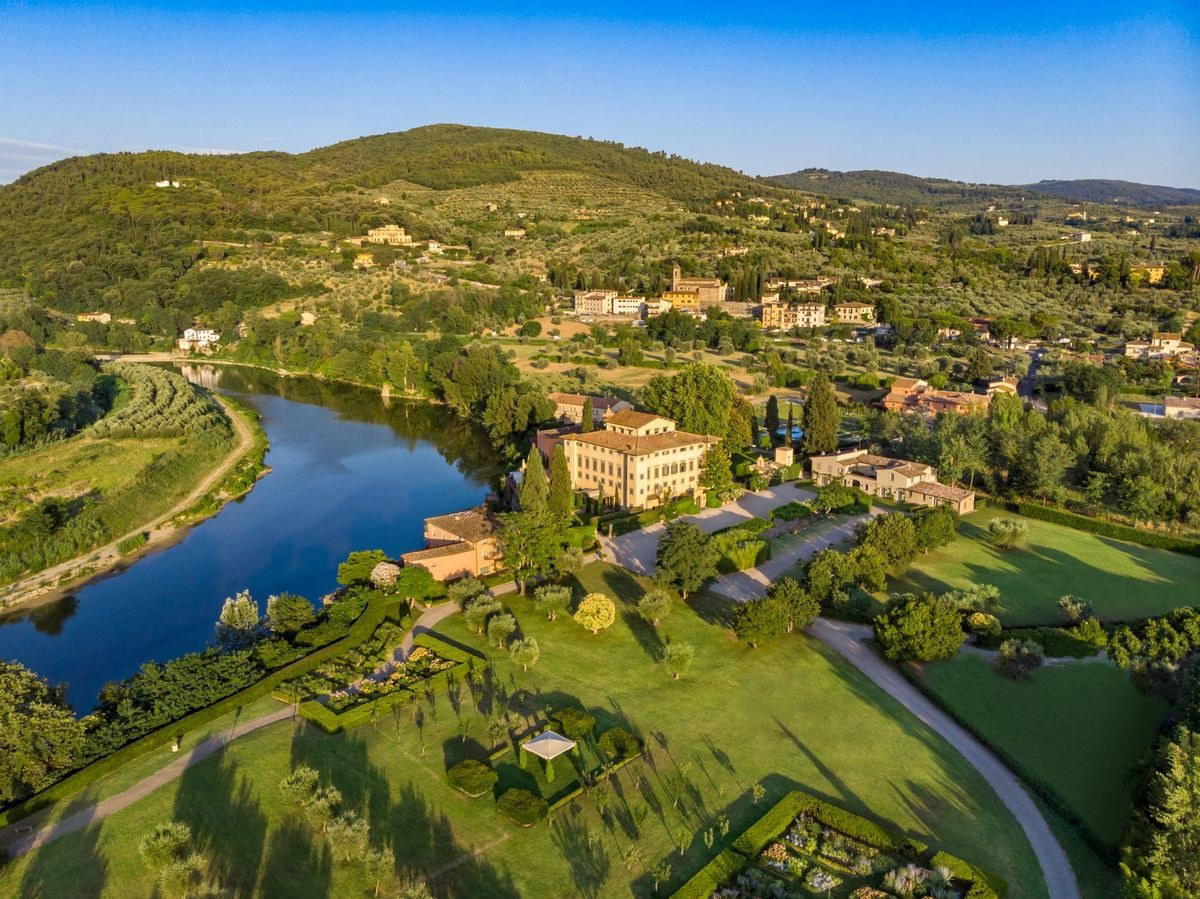
A Michelin Selected property in the Chianti Classico hills above Florence, Villa Le Barone occupies a centuries-old Florentine noble estate in Pieve di Panzano. The setting — cypress alleys, stone terraces, and vineyard views — places it firmly within the tradition of aristocratic Tuscan agriturismo, but at a register that the Michelin Hotels guide treats as a peer of Italy's serious boutique category.

Pearl is the En Primeur Club membership app — saves, bookings, and concierge access live there. Same editors, same standards.
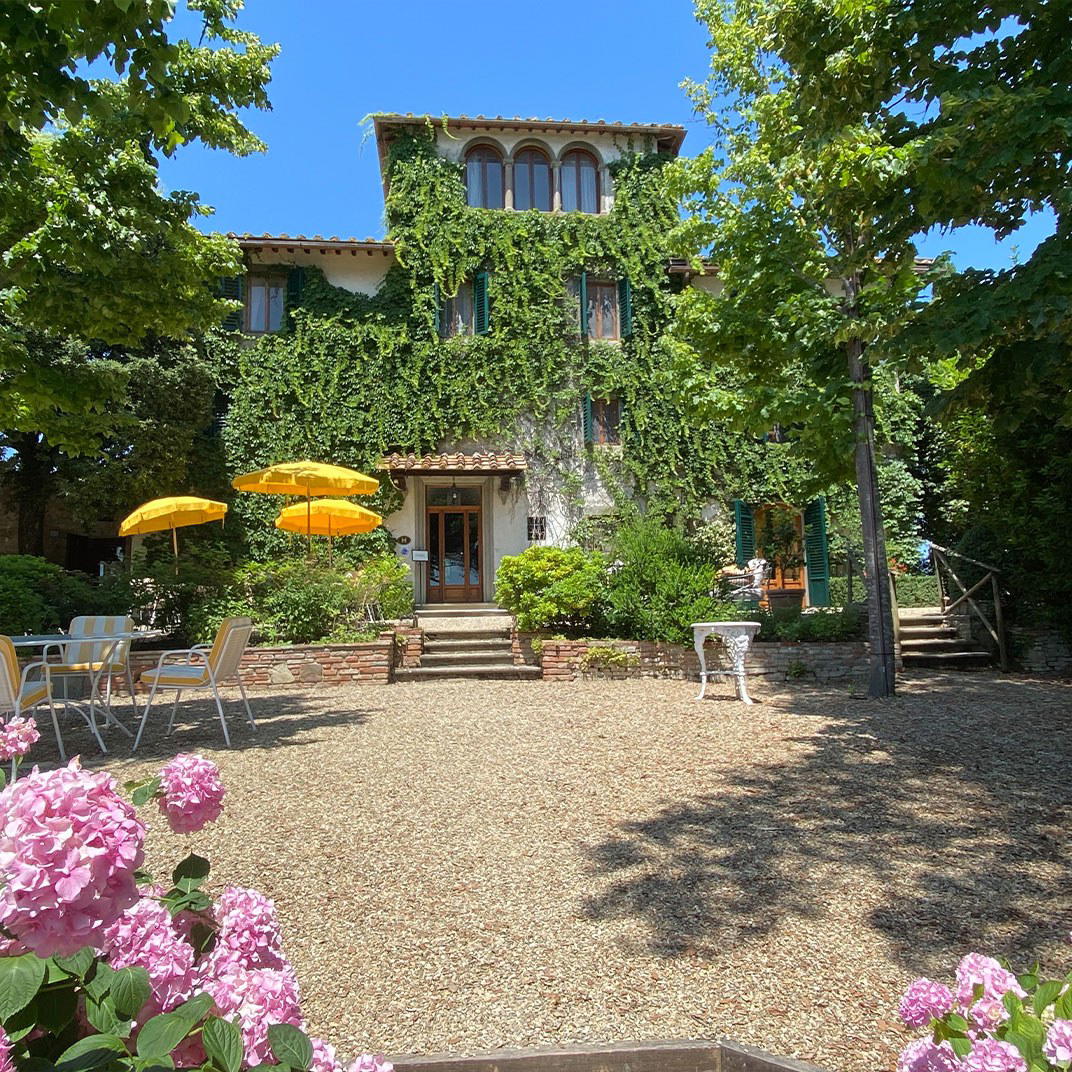
Stone, Cypress, and the Weight of a Chianti Estate
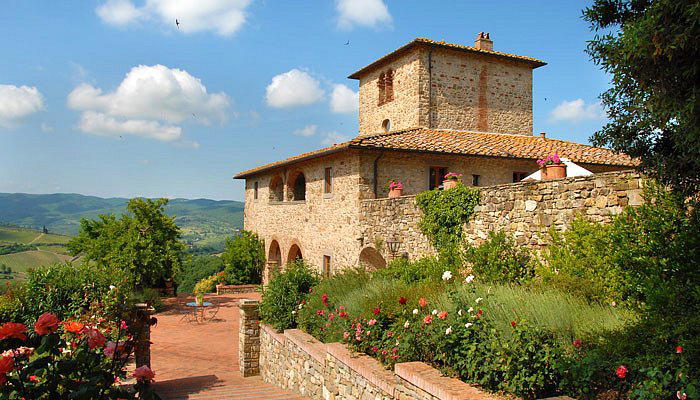
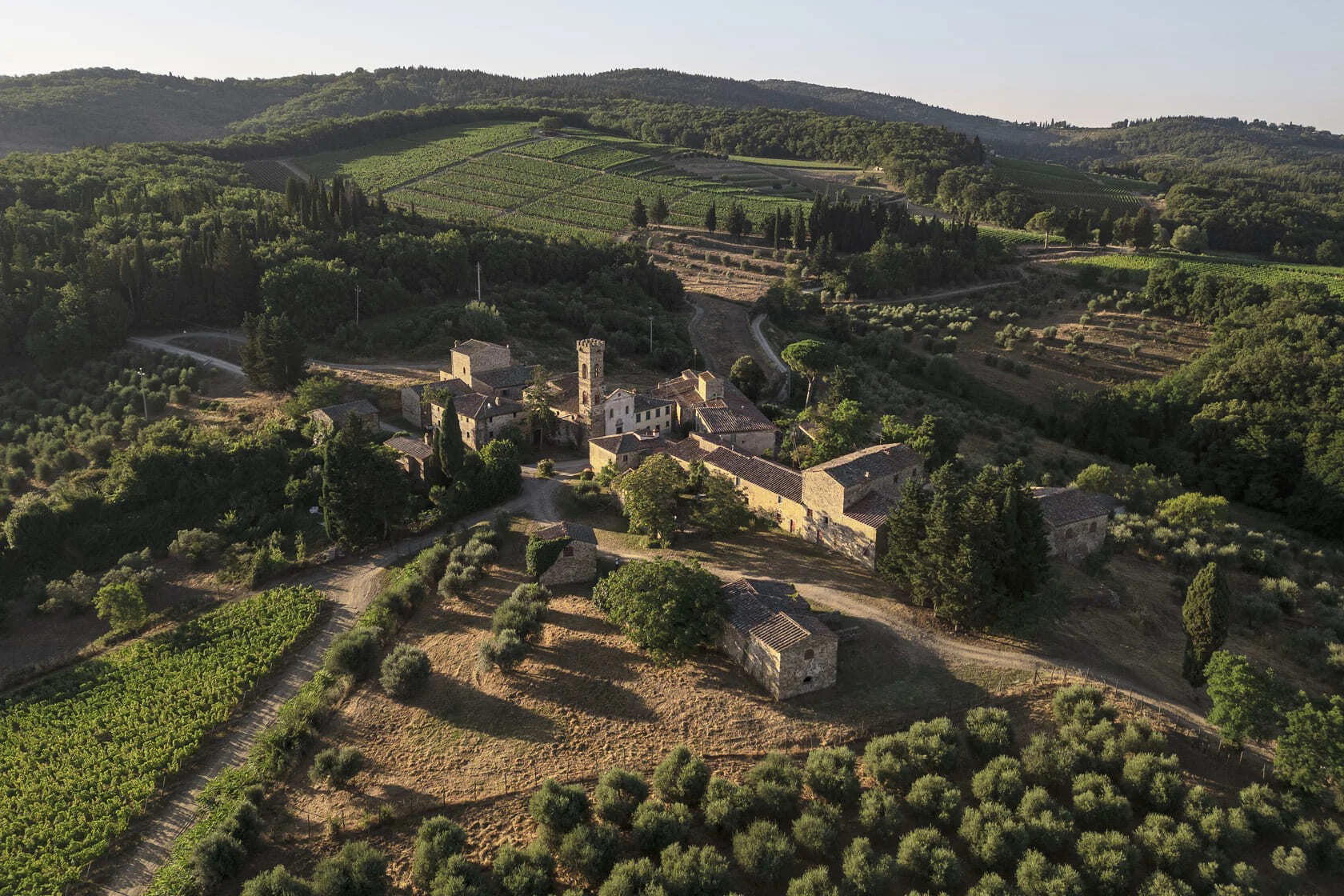
Approaching Pieve di Panzano from the Via Chiantigiana, the road narrows into a corridor of cypress and oak that has defined the Chianti Classico heartland for centuries. This is not the Tuscany of tourist posters, smoothed and simplified. The terrain between Greve and Castelnuovo Berardenga is genuinely agricultural, dotted with working estates where the architecture speaks in the dialect of the fattoria: thick-walled stone farmhouses, loggia that face south toward the valley, and terraced gardens that were laid out less for ornament than for function. Villa Le Barone belongs to this tradition. The property sits at Località San Leolino 19, on refined ground with the layered topography of the Classico zone spreading below it, and the physical fabric of the building carries the accumulated weight of a Florentine noble estate rather than the engineered restraint of a modern hotel.
Within the Chianti Classico accommodation tier, the property's selection for the Michelin Hotels 2025 guide places it in the company of Italian boutique hotels whose credentials rest on architectural authenticity and territorial rootedness rather than on brand infrastructure or room count. That is a meaningful distinction. The Michelin hotel selection in rural Tuscany tends to cluster around two poles: large-scale resort conversions with significant investment in amenity programming, and smaller estate properties where the architecture and the landscape are the primary offering. Villa Le Barone occupies the second pole.
Reading the Architecture of an Italian Noble House
The design logic of a property like Villa Le Barone is inseparable from the social history of the Florentine landed class. Noble estates in the Chianti hills were built not to impress passing visitors but to administer territory, process harvests, and shelter an extended household across generations. The result is an architectural language that prioritises solidity, orientation, and spatial hierarchy over decorative flourish. Rooms are organised around interior courtyards or loggias. Ceilings are high to counter summer heat. Walls are thick enough to maintain a stable interior temperature without mechanical intervention. Gardens occupy ground between the main structure and the vineyards, serving as a transitional zone between the domestic and the agricultural.
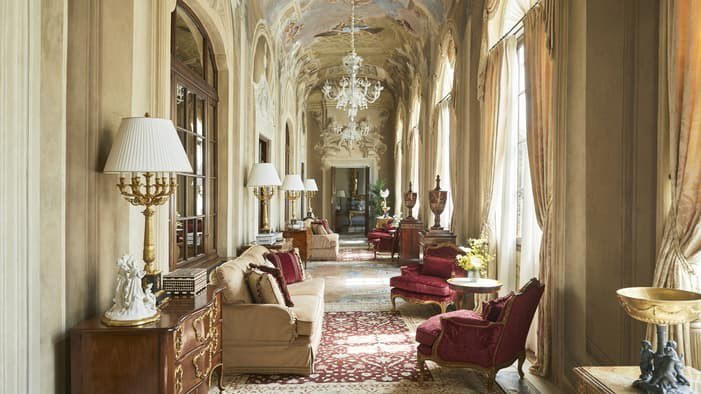
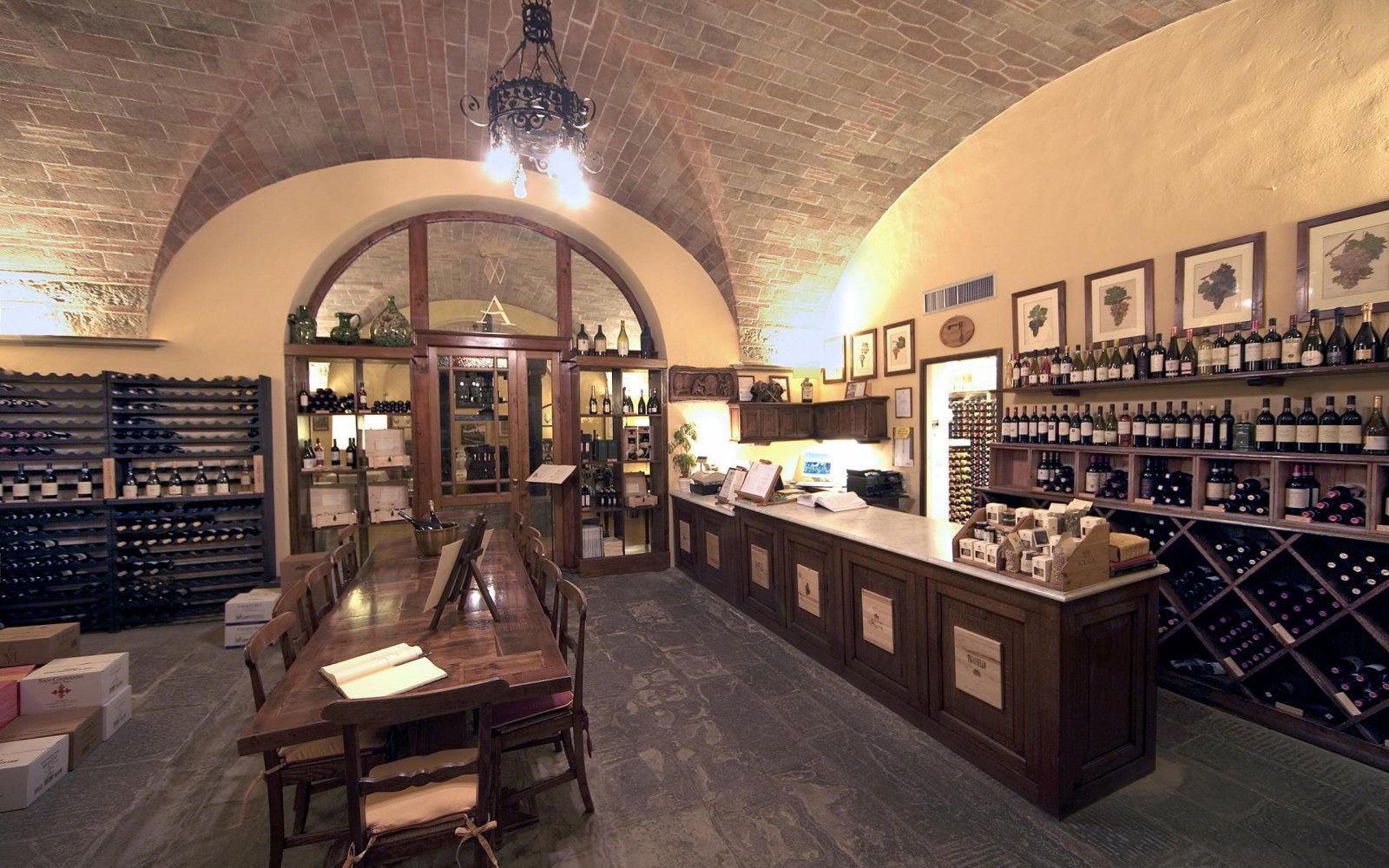
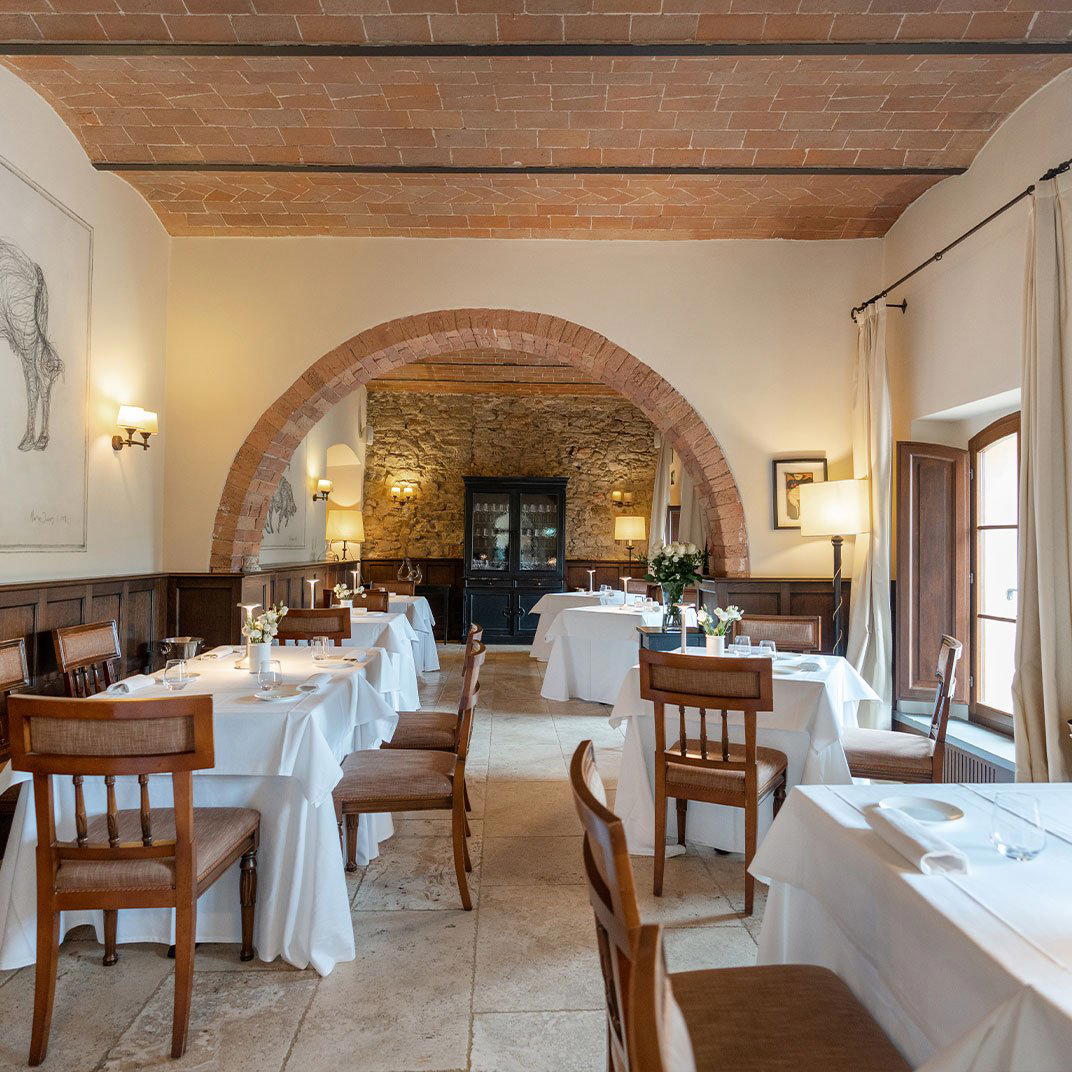
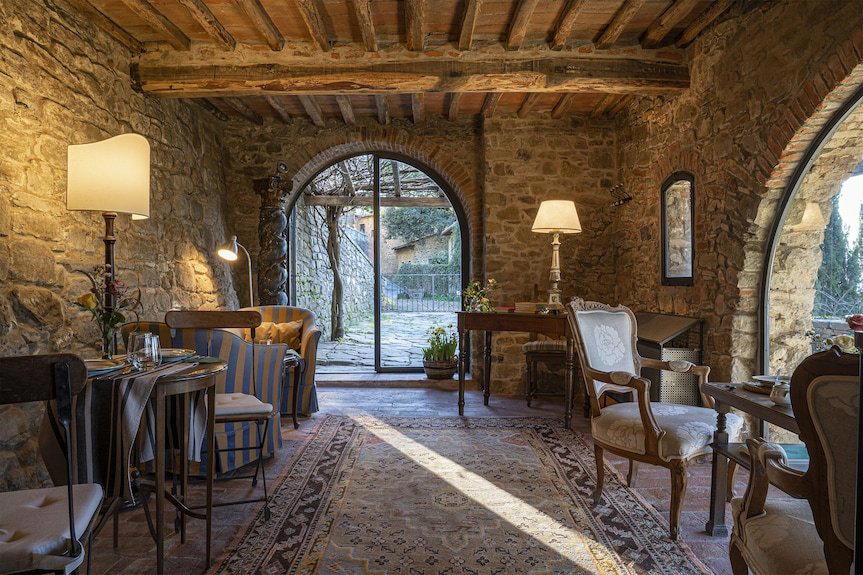
When estates of this type are converted to hospitality use, the strongest operators resist the temptation to modernise too aggressively. The physical material, whether original terracotta floors, exposed stone walls, or antique furnishings, carries a documentary authenticity that purpose-built hotels cannot replicate. Guests who book into this category are, whether consciously or not, reading a property as a text about how a particular class lived in a particular landscape at a particular historical moment. That interpretive layer is part of what the Michelin Hotels selection acknowledges. Compare this to what larger Tuscany luxury properties such as Rosewood Castiglion Del Bosco in Montalcino or Borgo San Felice Resort in Castelnuovo Berardenga offer: those are full resort conversions with extensive amenity layers added over original structures. Villa Le Barone operates at a more intimate scale, which concentrates the relationship between guest and architecture.
The Chianti Classico Context
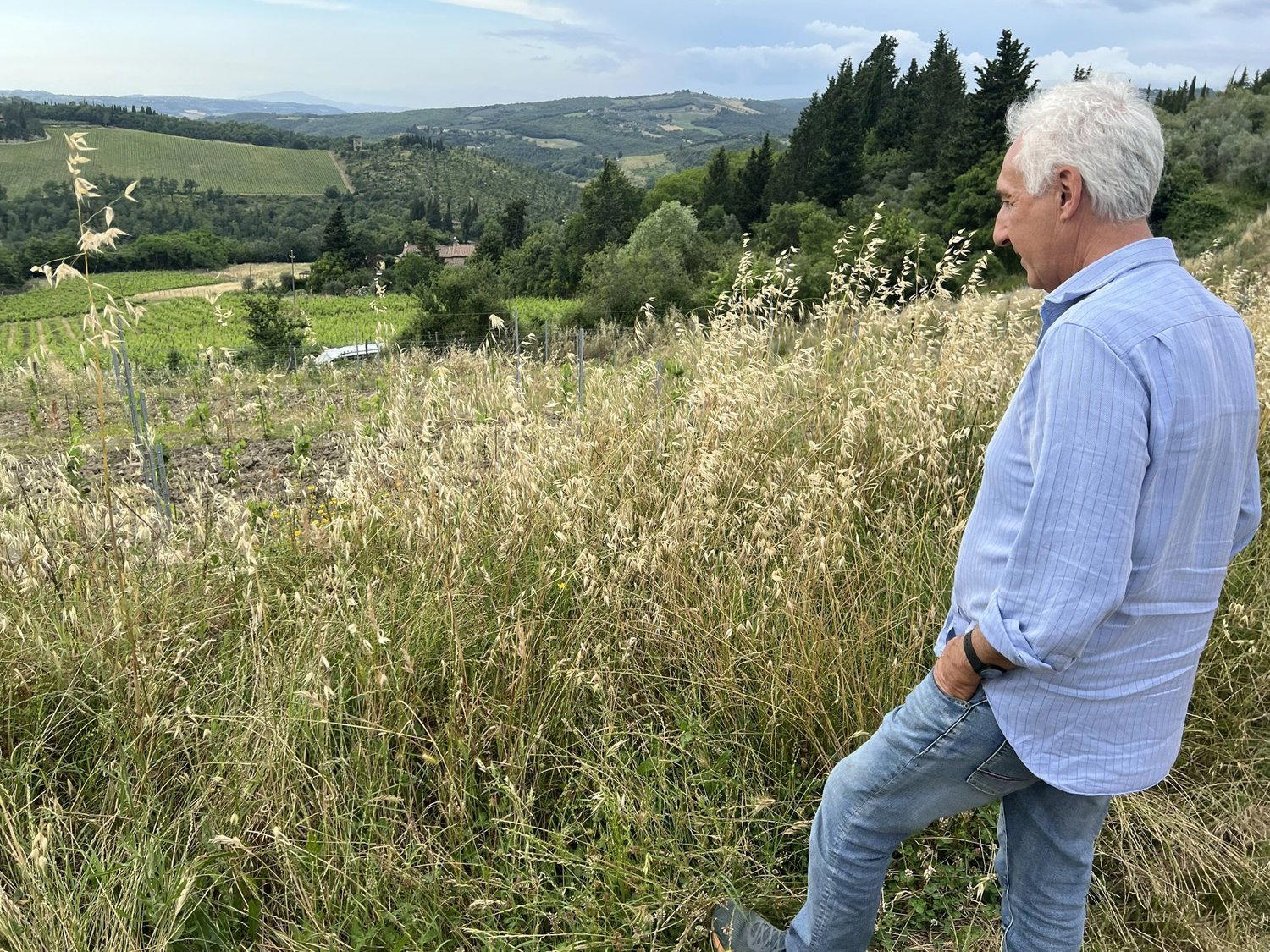
Pieve di Panzano sits within the administrative territory of Greve in Chianti, roughly equidistant between Florence to the north and Siena to the south, two cities whose competing cultural gravitational fields have shaped the villages, churches, and estates of this corridor for six hundred years. The zone's wine identity, anchored to Sangiovese-based Chianti Classico DOCG, gives the landscape an additional temporal dimension: the same vineyards that supply bottles for the estate dining table have been cultivated here, in some cases, since the medieval period. For a hotel guest, this means that the view from a south-facing terrace is not merely scenic. It is a working agricultural system with a documented history. See our full Pieve di Panzano restaurants guide for what the surrounding area offers beyond the estate itself.
Within the broader Italian boutique hotel category, Villa Le Barone's position in the Chianti hills invites comparison with properties that use territorial identity as their primary differentiator. Castello di Reschio in Lisciano Niccone, across the Umbrian border, operates on a related premise but at greater scale and with a more pronounced design-hotel orientation. Castel Fragsburg in Merano applies a comparable aristocratic-estate logic in the Alto Adige context, where the architectural vernacular and landscape character are entirely different but the underlying hospitality proposition, stay inside a property that records a specific class culture in a specific place, maps onto a similar guest appetite.
Planning a Stay
The property is positioned for guests travelling the Via Chiantigiana, the old road connecting Florence and Siena that threads through the Chianti Classico production zone. Guests arriving from Florence face a drive of roughly forty minutes through the Chianti hills, which itself functions as a transition into the slower pace that the estate operates at. There is no motorway shortcut; the road insists on its own rhythm. For those building a broader Italian itinerary, the property pairs logically with a stay in Florence, where Four Seasons Hotel Firenze represents the city's most architecturally serious hotel option, also operating out of a historic Florentine palazzo with significant garden grounds. Further afield, Aman Venice and Bulgari Hotel Roma represent the Italian urban luxury tier that a Chianti Classico estate stay tends to bracket naturally, one city before and one city after a period of deliberate rural deceleration.
The Chianti Classico harvest season, running from late September through October, is the period when the agricultural character of the surrounding landscape is most legible. Vines show colour, harvest crews move through the rows, and the air carries the fermentation notes of freshly pressed Sangiovese from the estates along the valley floor. Spring, from April through early June, offers cooler temperatures and gardens at full growth. High summer, July and August, concentrates visitor numbers across the Classico zone, and the road from Greve through Panzano becomes significantly busier. Guests who can travel outside these peak weeks will find the landscape considerably more to themselves.
For context on what the broader Italian hotel category looks like at this quality register, it is useful to hold Villa Le Barone against the spectrum that runs from intimate estate properties like Corte della Maestà in Civita di Bagnoregio and Il Pellicano in Porto Ercole at the smaller, more private end, through to larger resort formats such as Borgo Egnazia in Savelletri di Fasano and Grand Hotel Tremezzo in Tremezzo. Villa Le Barone's Michelin selection places it in the quality tier without specifying the experiential register, which remains quieter and more architecturally focused than amenity-led competitors. Other comparable Michelin-acknowledged Italian properties to consider when building a multi-stop itinerary include Passalacqua in Moltrasio, Casa Maria Luigia in Modena, Il Sereno in Torno, Bellevue Hotel & Spa in Cogne, and Therasia Resort in Lipari.
Comparison Snapshot
Comparable venues nearby, for context on price, style, and recognition.
| Venue | Cuisine | Price | Awards | Notes |
|---|---|---|---|---|
| Villa Le BaroneThis venue (the venue you are viewing) | Historic Tuscan manor house blending 16th-century authenticity with refined luxury, maintaining period character while offering modern comfort. | $300–500 | Michelin Selected | Not listed |
| Relais Corte Rodeschi | Historic 18th-century relais villa with modern comforts | Not listed | Michelin Selected | Nocchi |
| Tenuta Merlò | Restored Tuscan villa with authentic hospitality and high-end antique furnishings. | Not listed | Michelin Selected | Castagneto Carducci |
| La Collegiata | Historic convent in Tuscan countryside with sober pietra serena tones and Renaissance proportions. | $200–300 | Michelin Selected | Località La Collegiata |
| Hotel Lamm | Historic alpine design hotel with casual luxury | $300–500 | Michelin Selected | Castelrotto |
| Villa Svetoni Wine Resort | Historic Tuscan estate reimagined as luxury wine resort; blends 18th-century architectural heritage with contemporary hospitality and wellness focus. | $100–200 | Michelin Selected | Montepulciano |
Recognition history
Dated appearances from independent guides and award organizations, with the underlying list record or original source where available.
Michelin Selected
Michelin
Continue exploring
More in Pieve Di Panzano
Hotels in Pieve Di Panzano
All hotels in Pieve Di Panzano →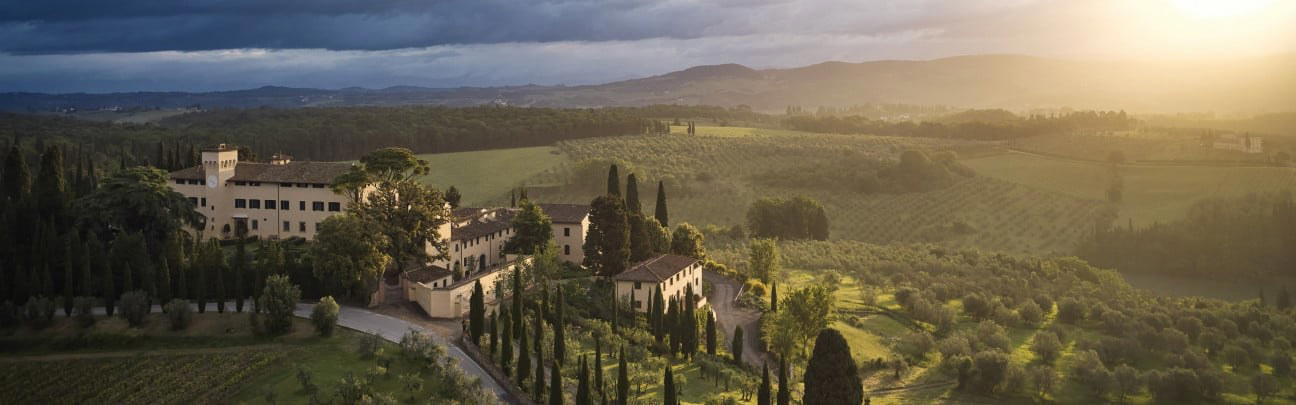
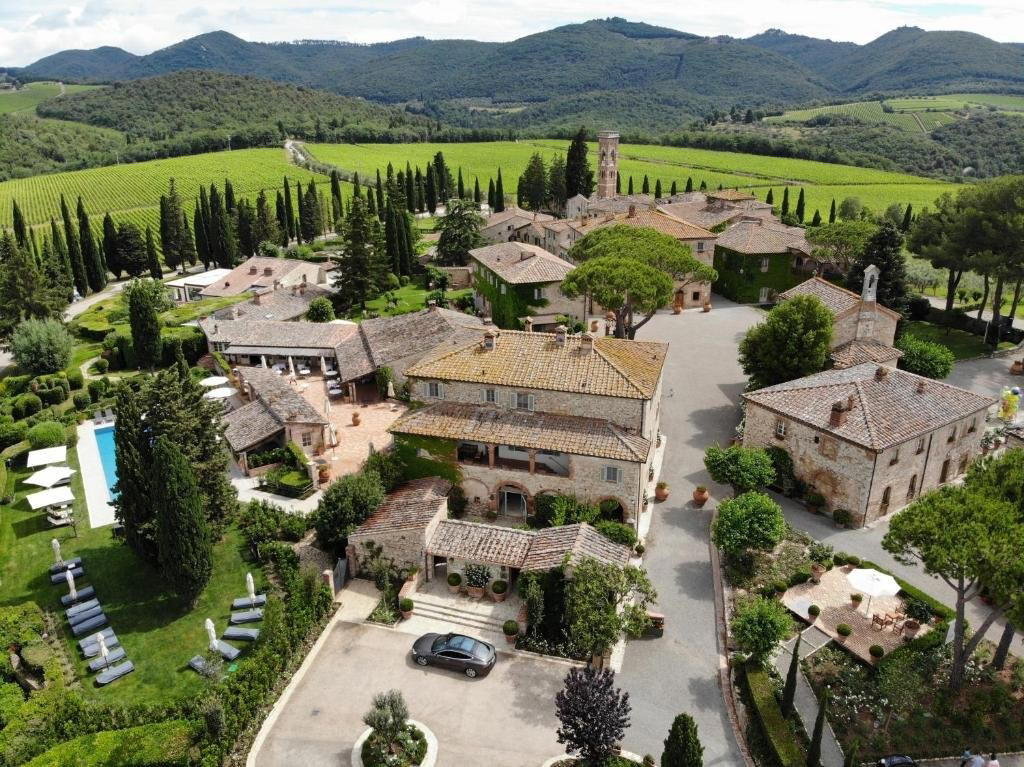
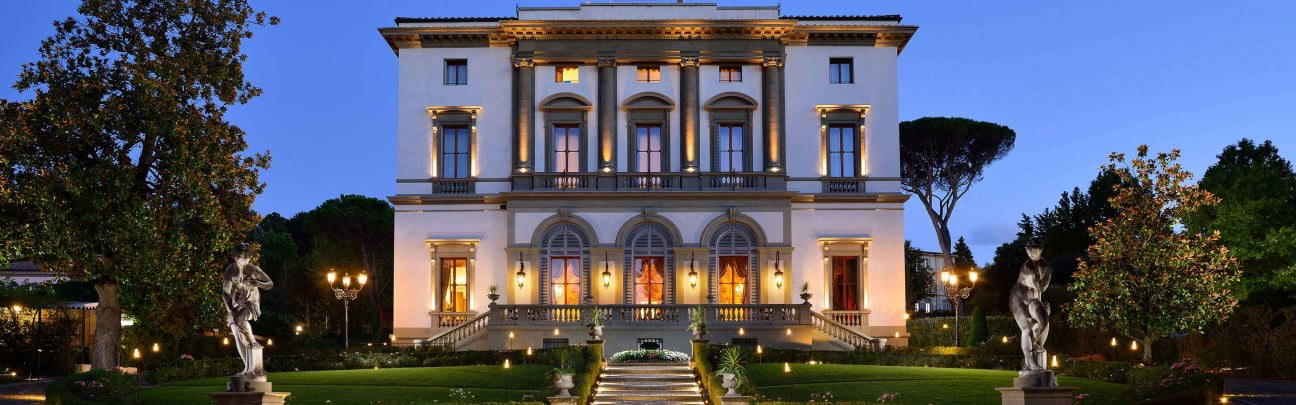
Bars in Pieve Di Panzano
Browse all →
Restaurants in Pieve Di Panzano
Browse all →
Details
- Romantic
- Quiet
- Elegant
- Scenic
- Classic
- Intimate
- Romantic Getaway
- Honeymoon
- Anniversary
- Weekend Escape
- Family Vacation
- Historic Building
- Garden
- Terrace
- Panoramic View
- Infinity Pool
- Wi Fi
- Pool
- Fitness Center
- Tennis Court
- Restaurant
- Bar
- Room Service
- Concierge
- Parking
- EV Charging
- Bicycle Rental
- Vineyard
- Garden
- Mountain
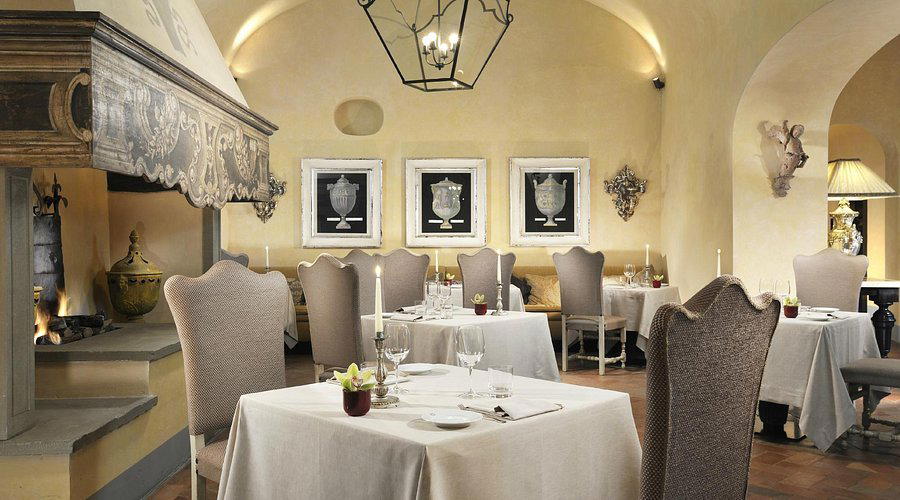
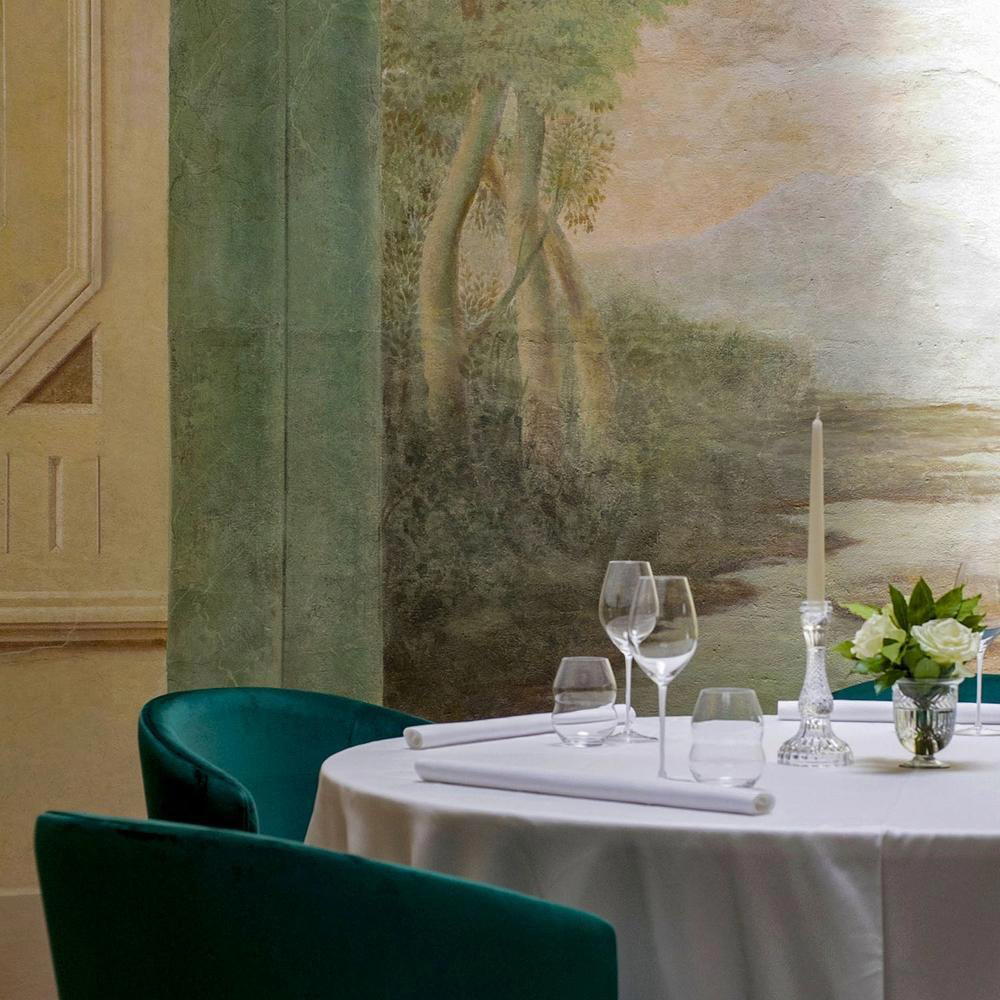
Warm, inviting, and authentically Tuscan with romantic common areas, fireplaces, vintage décor, and a peaceful countryside setting that evokes timeless Italian elegance.