La Collegiata

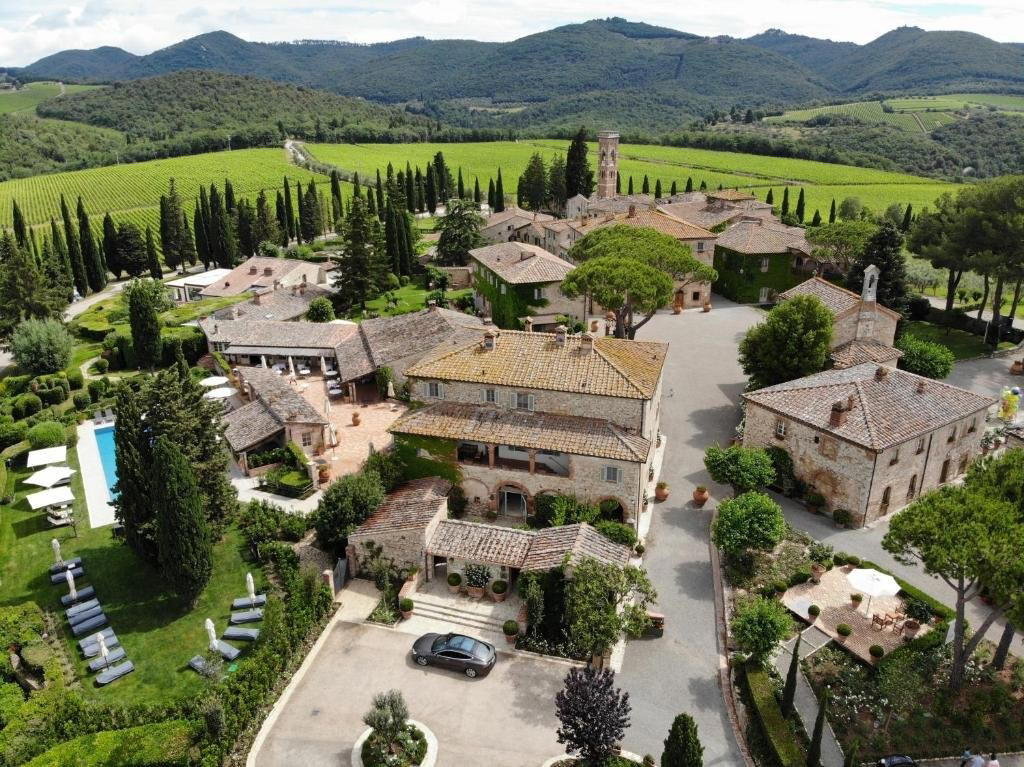
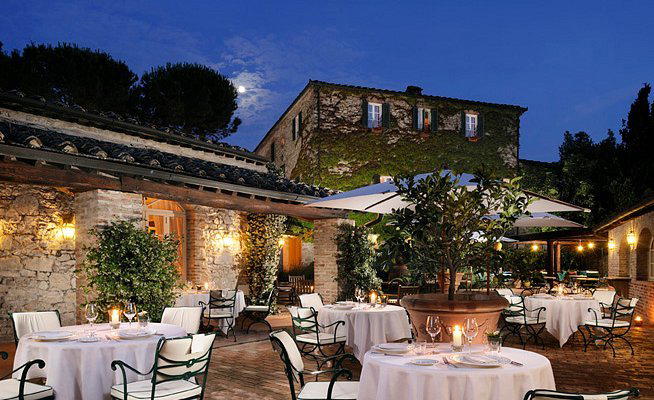
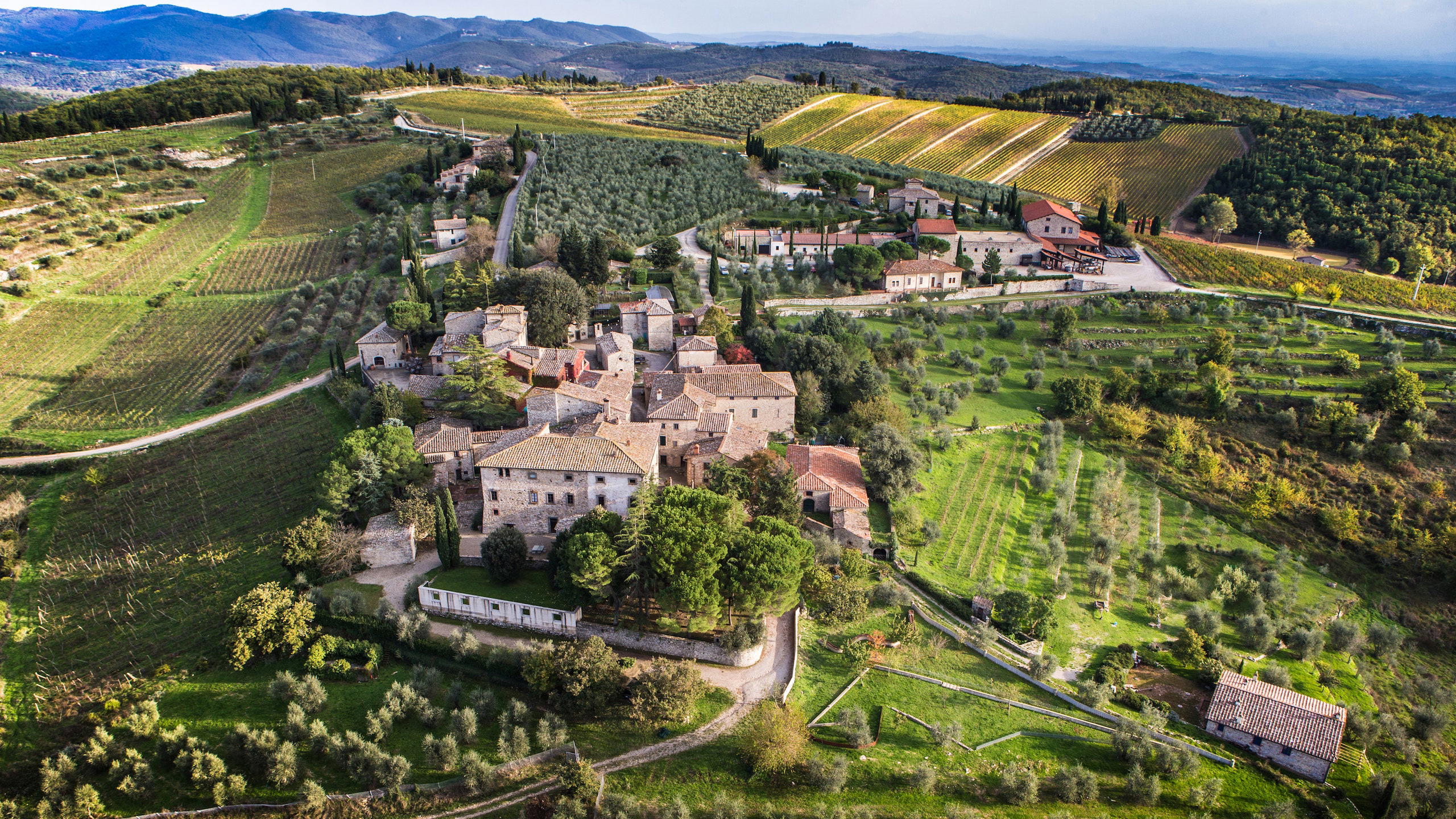
A former Franciscan convent converted into a Michelin Selected hotel, La Collegiata sits just outside San Gimignano's medieval walls with views across Vernaccia vineyards and the Val d'Elsa. The property's 13th-century architecture, cloistered courtyards, frescoed ceilings, and chapel-turned-common spaces, places it in a narrow tier of Tuscan retreats where the building itself is the primary experience.
Pearl is the En Primeur Club membership app — saves, bookings, and concierge access live there. Same editors, same standards.
- Address
- Località La Collegiata, 53037 San Gimignano SI, Italy
- Phone
- +39 0577 943201
- Website
- lacollegiata.it
- Directions
- Get directions
 Saves & bookings on Pearl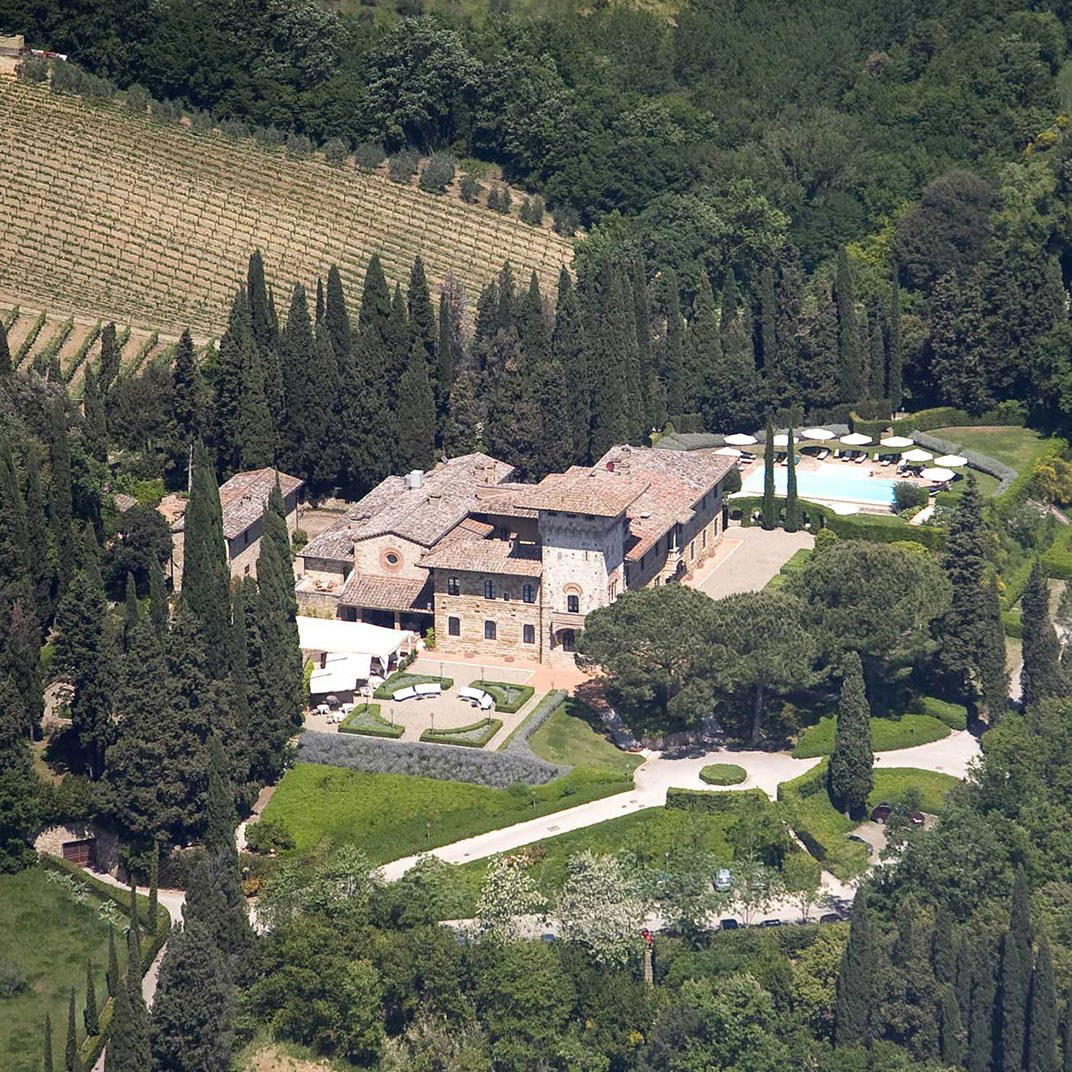
Stone, Silence, and the Architecture of a Former Convent
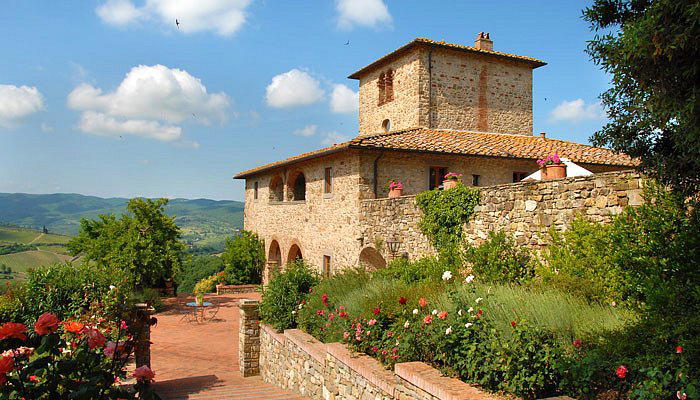
San Gimignano's towers have drawn visitors since the Grand Tour era, but the town's accommodation offer has long been divided between basic agriturismo stays and properties that treat the medieval fabric as genuine design material. La Collegiata belongs firmly to the latter category. Set in a converted Franciscan convent just outside the town walls at Località La Collegiata, the property occupies a building that predates most of Europe's luxury hotel industry by several centuries. That history is not ornamental, it shapes the spatial logic of the entire stay.
Franciscan convents follow a particular architectural grammar: long corridors built for procession, courtyards organised around contemplation, rooms scaled for function rather than comfort. The conversion of such a structure into a hotel requires either erasing that grammar or working with it, and La Collegiata has chosen the latter. The result is a property where monastic proportions, high ceilings, thick stone walls, deep-set windows, define the guest experience before any interior detail registers. In Tuscany's broader design-led hotel tier, which includes properties like Rosewood Castiglion Del Bosco in Montalcino and Borgo San Felice Resort in Castelnuovo Berardenga, the hotel occupies a distinct position: it is a single converted religious structure rather than a village-scale borgo, which concentrates the architectural experience rather than dispersing it across a compound.
What Michelin Selection Signals for This Property Category
The hotel is a 4-star hotel in San Gimignano. In Italy, that comparable set includes properties that carry either strong architectural identity, a clear sense of place, or both. For a convent conversion in a medieval Tuscan hill town, the designation reflects how effectively the property has translated its physical heritage into a contemporary hospitality offer.
Other Michelin-recognised Italian properties in the luxury tier, such as Aman Venice, Bulgari Hotel Roma, and Four Seasons Hotel Firenze, operate at significant scale and brand weight. The hotel's position is different: it is a site-specific property in a small Sienese hill town, where the building's singular character carries a weight that no brand infrastructure could replicate.
San Gimignano as a Setting: What the Location Means Practically
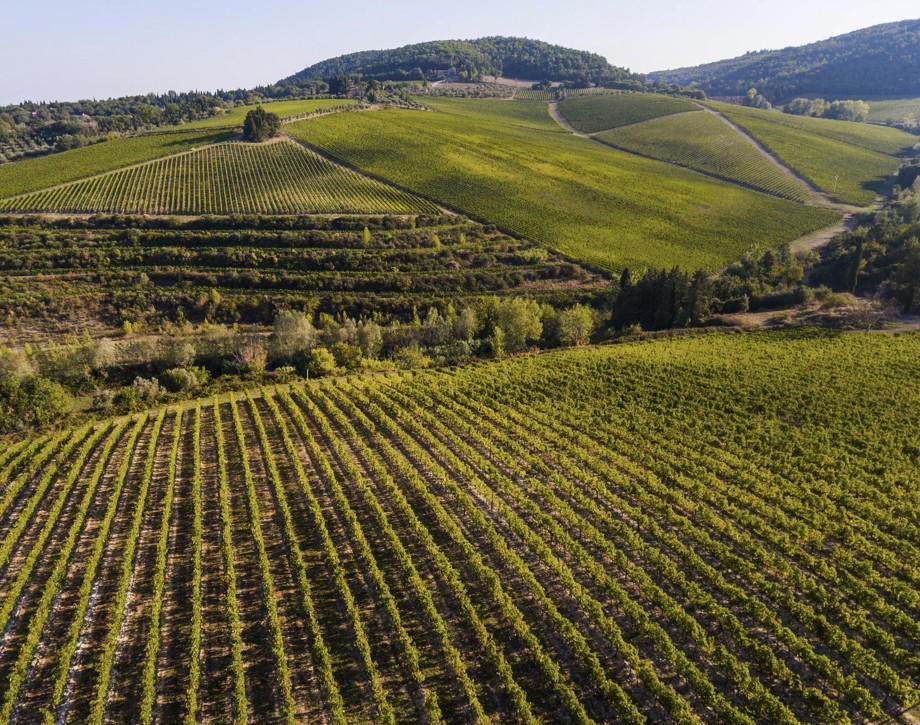
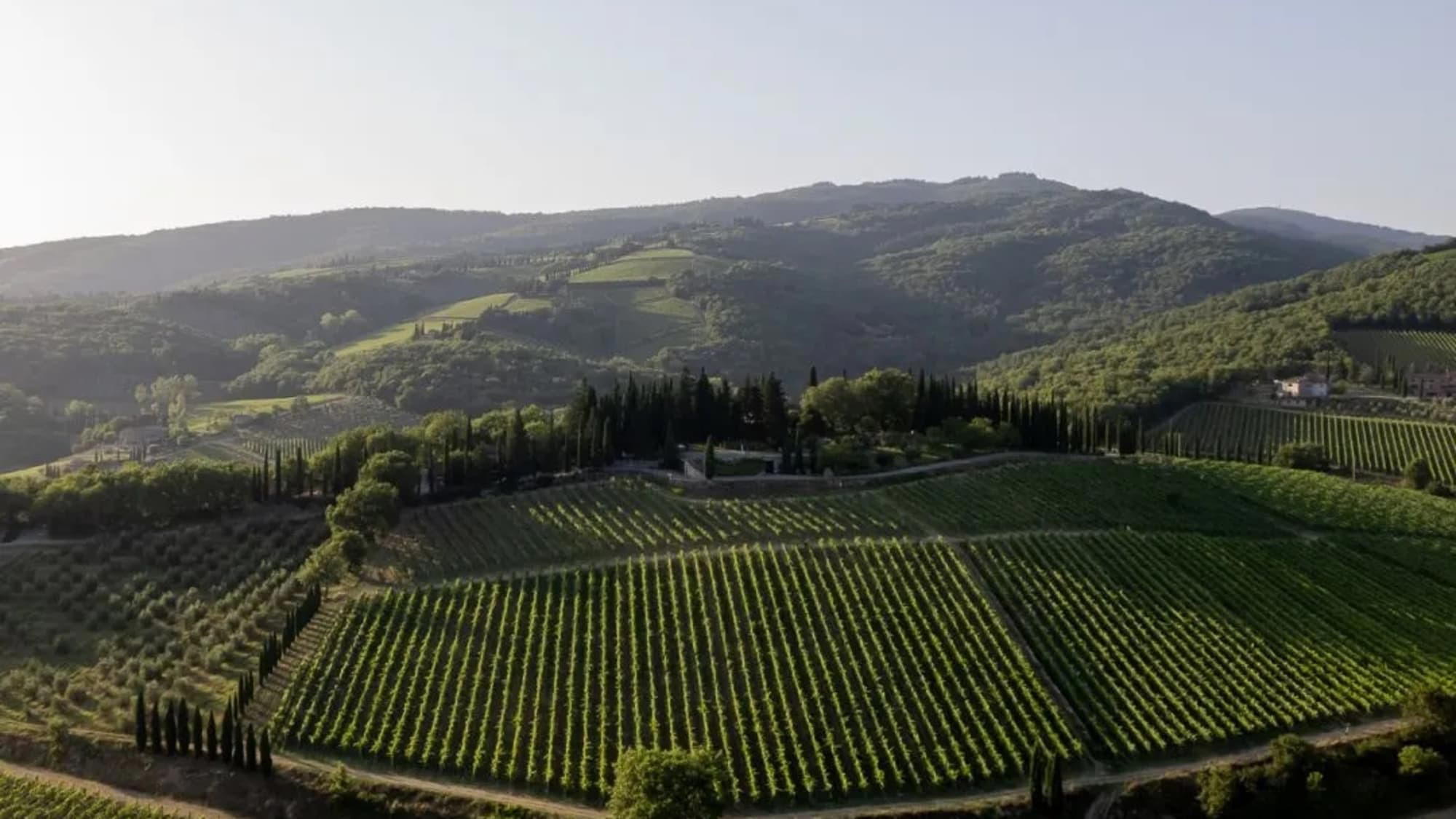
San Gimignano sits in the Sienese hills between Florence and Siena, roughly equidistant from both cities. Its fourteen surviving medieval towers, out of an original seventy-two, make it among the more architecturally intact hill towns in Italy, and its UNESCO World Heritage status since 1990 has fixed its skyline against further development. The town's size means it can be absorbed in a day by visitors arriving from Florence or Siena, but the properties that encourage longer stays do so by offering a depth of experience the town itself cannot provide over a single evening. The hotel's location just outside the walls, surrounded by Vernaccia di San Gimignano vineyards, gives guests a degree of separation from the day-tripper traffic that compresses into the centro storico by mid-morning.
Vernaccia di San Gimignano, the white wine produced from the surrounding hillsides, holds DOCG status, Italy's highest wine classification tier, and is the variety most closely associated with this particular corner of Tuscany. Staying at a property set within that vineyard landscape rather than inside the walled town changes the sensory register of a visit: the towers are visible from a remove, framed by vines rather than encountered at pavement level. For anyone whose primary interest is the Sienese countryside rather than the town's museums and churches, that positioning matters. Visitors interested in exploring the broader wine region can use San Gimignano as a base for Chianti Classico and Brunello di Montalcino territory, with Rosewood Castiglion Del Bosco representing the Montalcino end of that arc.
The Convent's Interior Logic
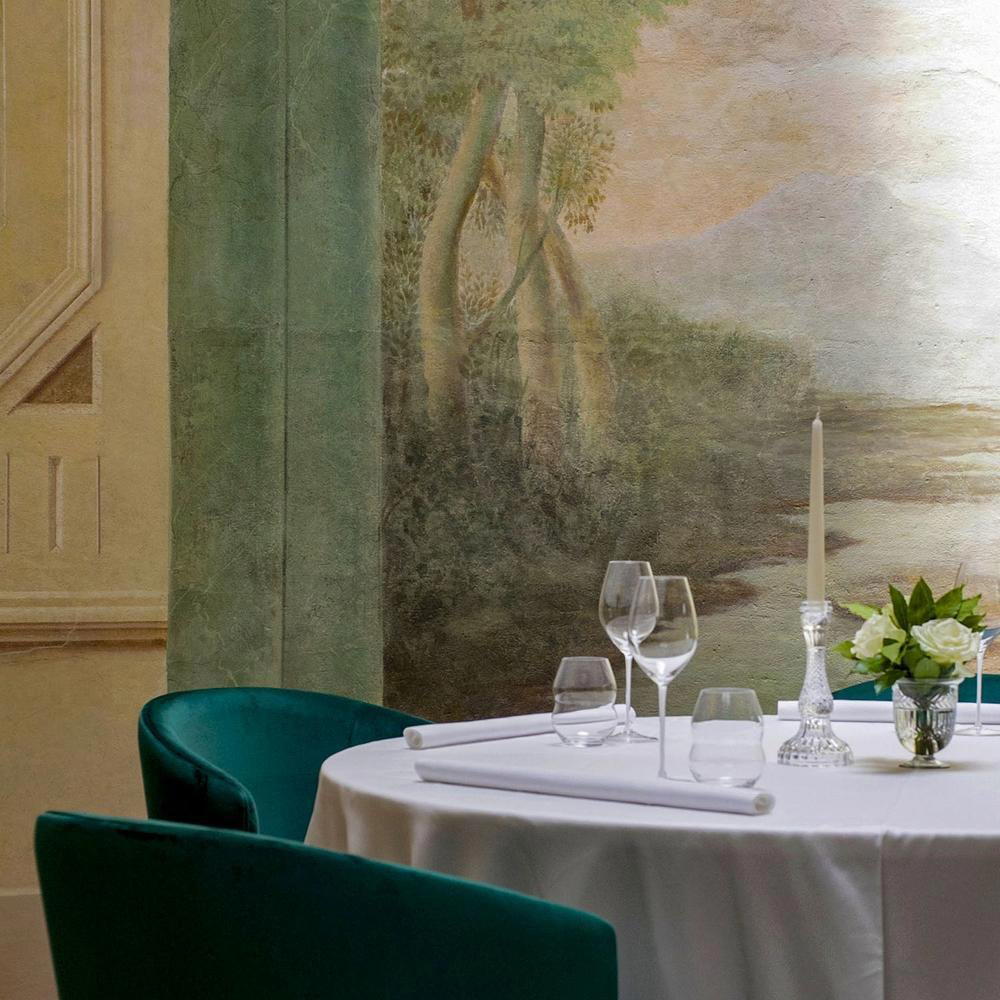
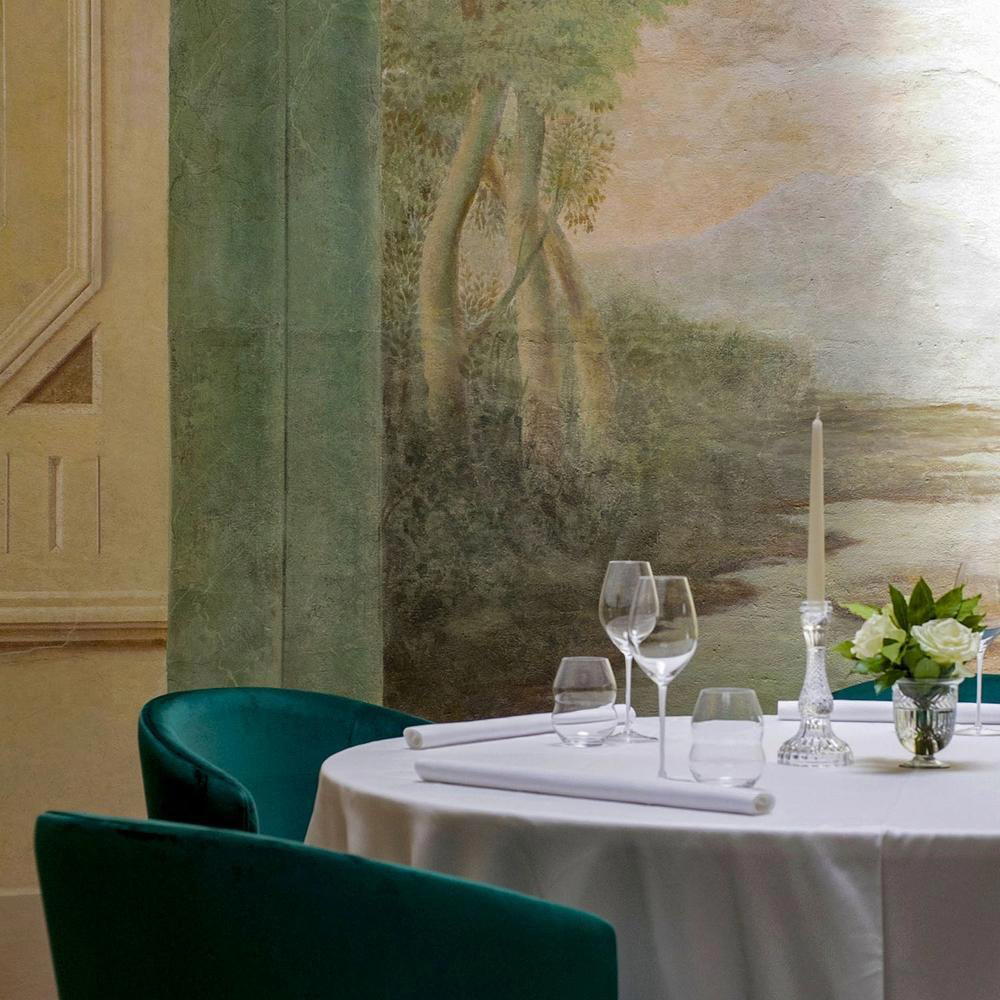
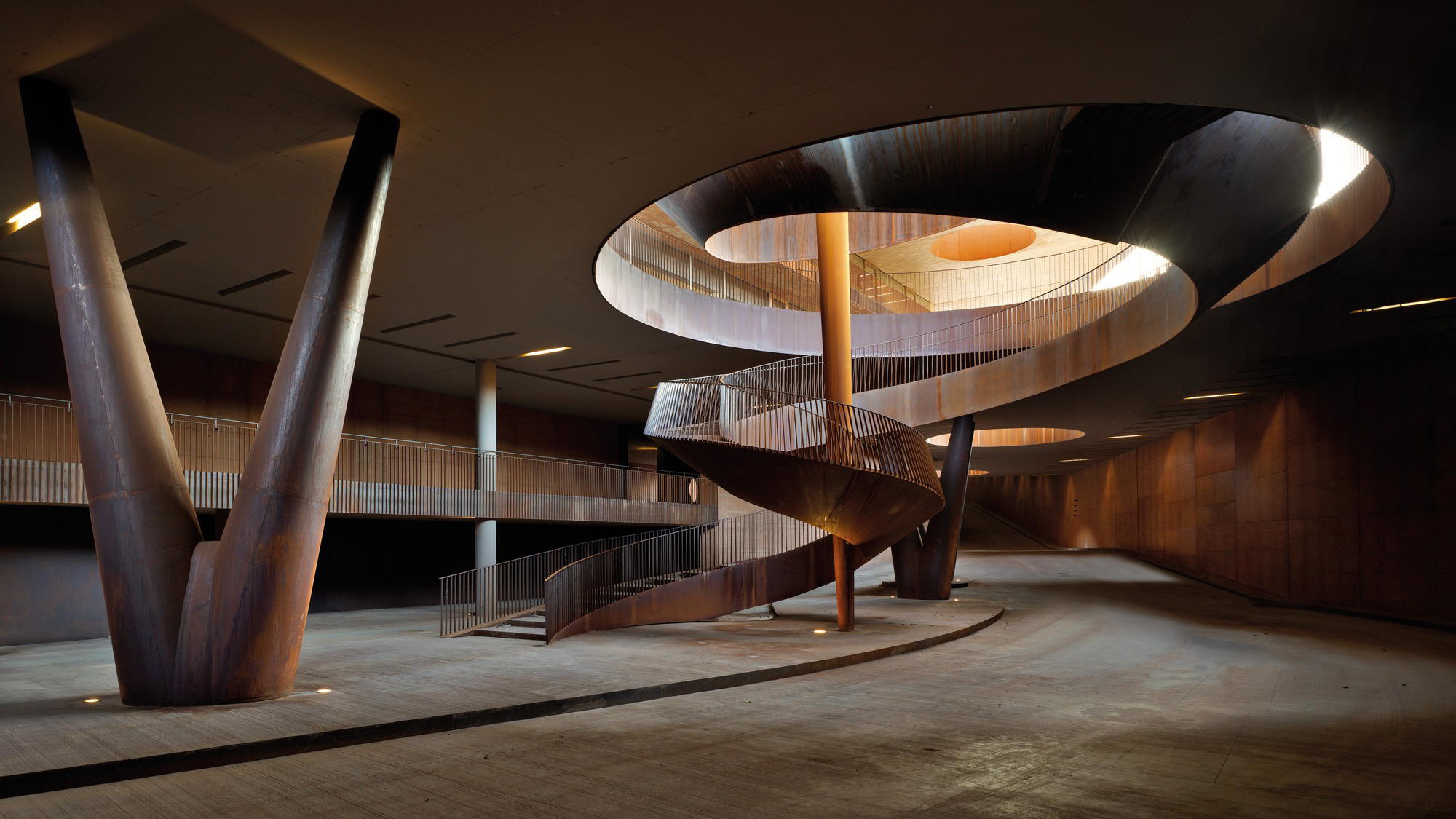
The architectural interest at the hotel lies in elements that cannot be manufactured: frescoed ceilings that date to the convent's active religious period, cloister spaces that organise movement through the property, and the particular quality of light that enters through walls built to moderate rather than maximise it. In Italian heritage properties of this type, the tension between preservation and comfort is permanent. Rooms carved from convent cells will always carry some of the cell's spatial constraints alongside its atmospheric character. That trade-off is not a failure of the conversion; it is the honest condition of staying in a building that was not designed for leisure.
The chapel, where it has been retained or repurposed within the property, represents architecturally significant space in any convent conversion. Such spaces tend to anchor the social geometry of heritage hotels in Italy, functioning as the room that justifies the classification and concentrates the sense of place that the guest is paying to access. Properties like Castello di Reschio in Lisciano Niccone and Passalacqua in Moltrasio demonstrate how Italian heritage properties across different regions have handled analogous spatial challenges, preserving signature rooms as experiential centrepieces while building modern comfort around them.
Planning a Stay: Practical Orientation
San Gimignano is most manageable between April and June, and again in September and October, when day-tripper volumes drop and the surrounding countryside is at its most legible as landscape rather than backdrop. July and August bring significant crowds into the walled centre, though the property's position outside the walls provides some insulation from that pressure. Florence's Peretola airport and Siena's rail connections are the practical access points for most international visitors, with the final approach to San Gimignano by road through the Val d'Elsa. Booking for peak summer weeks and for the harvest period in September should be treated as requiring advance planning comparable to any well-regarded Tuscan property of limited key count.
Comparable Spots, Quickly
Comparable venues nearby, for context on price, style, and recognition.
| Venue | Cuisine | Price | Awards | Notes |
|---|---|---|---|---|
| La CollegiataThis venue — the venue you are viewing | Historic convent in Tuscan countryside with sober pietra serena tones and Renaissance proportions. | $$$$ | 4-Star | Not listed |
| Stazzo Lu Ciaccaru | Traditional Gallura farmhouse restored into a luxury wine resort | $$$$ | 4-Star | Arzachena |
| Villa d'Amelia | Restored 19th-century farmhouse blending classic architecture with contemporary design | $$$$ | 4-Star | Benevello |
| Masseria Fontana di Vite | Restored historic masseria blending heritage architecture with modern hospitality | $$$$ | 4-Star | Contrada Fontana Di Vite |
| Gallery Hotel Art | Contemporary design boutique hotel owned by Salvatore Ferragamo, blending high couture sensibility with modern hospitality efficiency. | $$$$ | 4-Star | Santo Spirito |
| Vinilia Wine resort | Restored neo-eclectic castle with family-style hospitality | $$$$ | 4-Star | Manduria |
Recognition history
Dated appearances from independent guides and award organizations, with the underlying list record or original source where available.
Michelin Selected
Michelin
Continue exploring
More in San Gimignano
Hotels in San Gimignano
Browse all →
Bars in San Gimignano
Browse all →
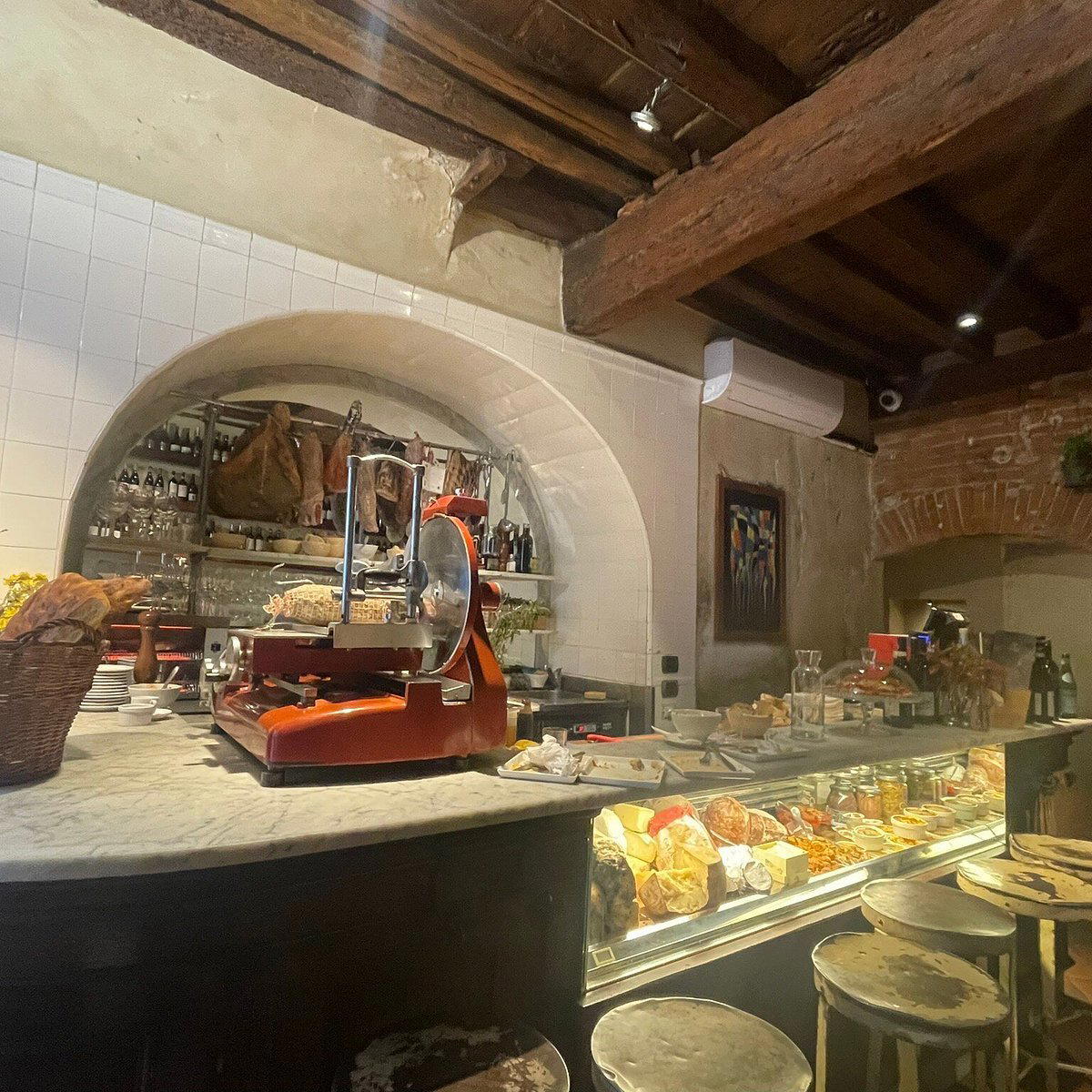
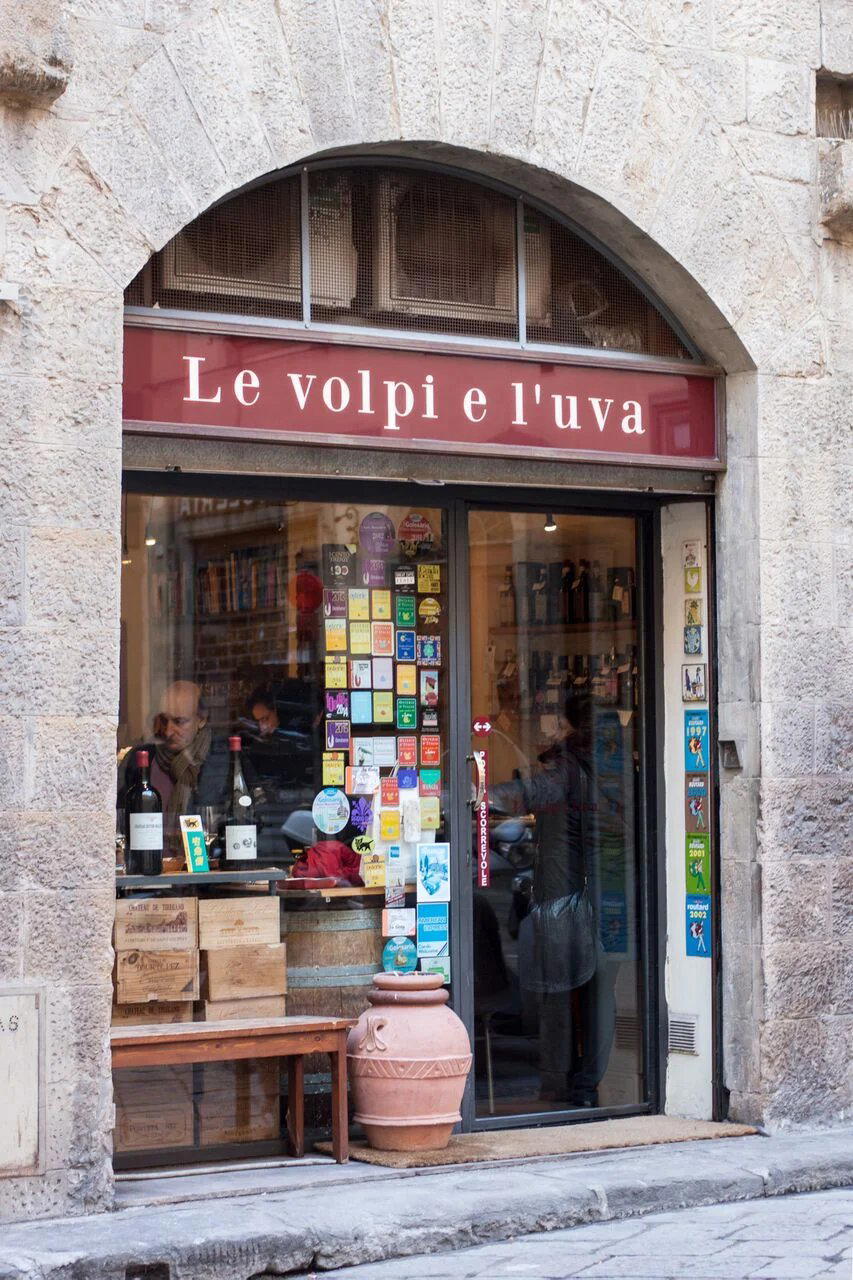
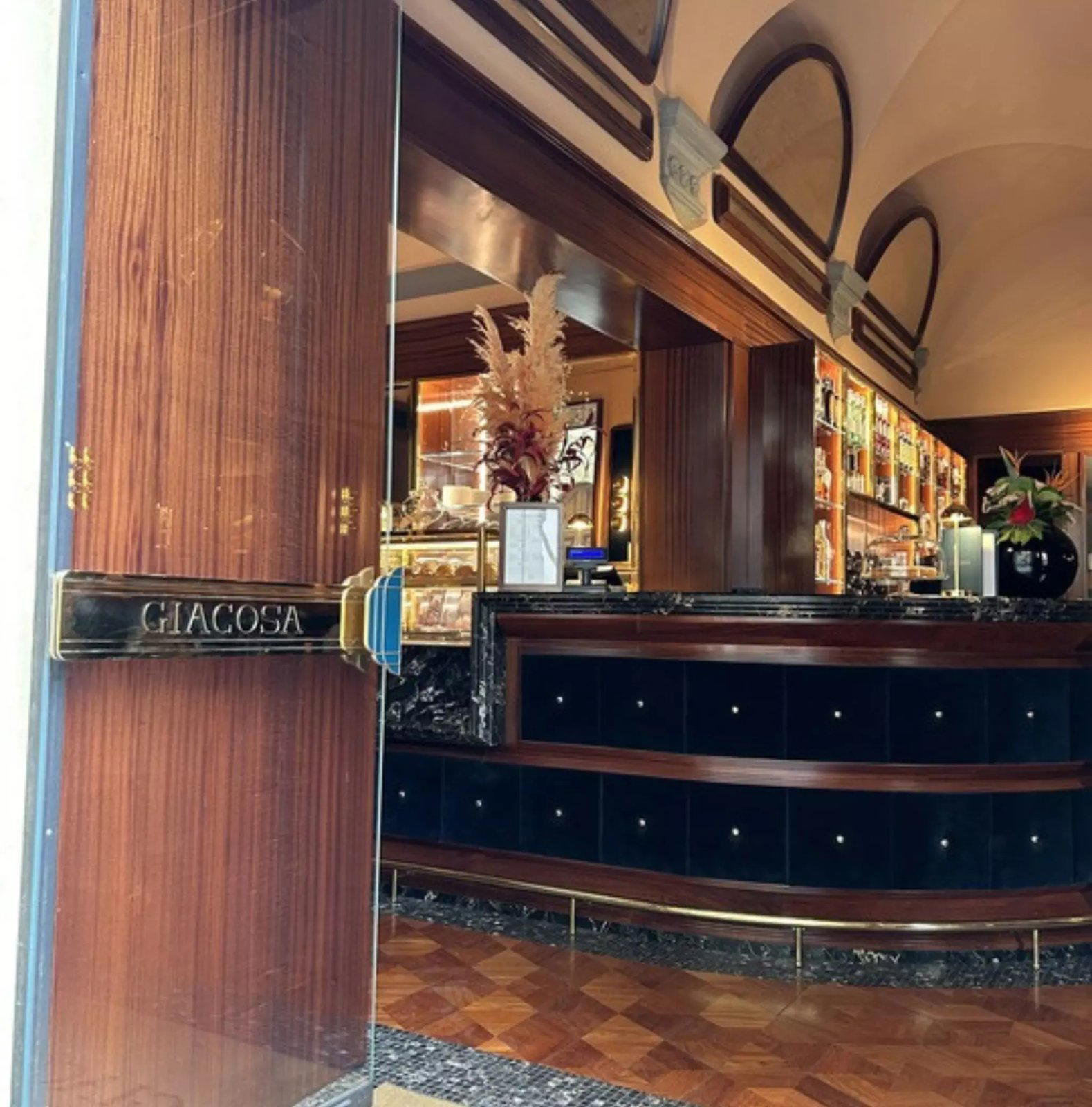
Restaurants in San Gimignano
Browse all →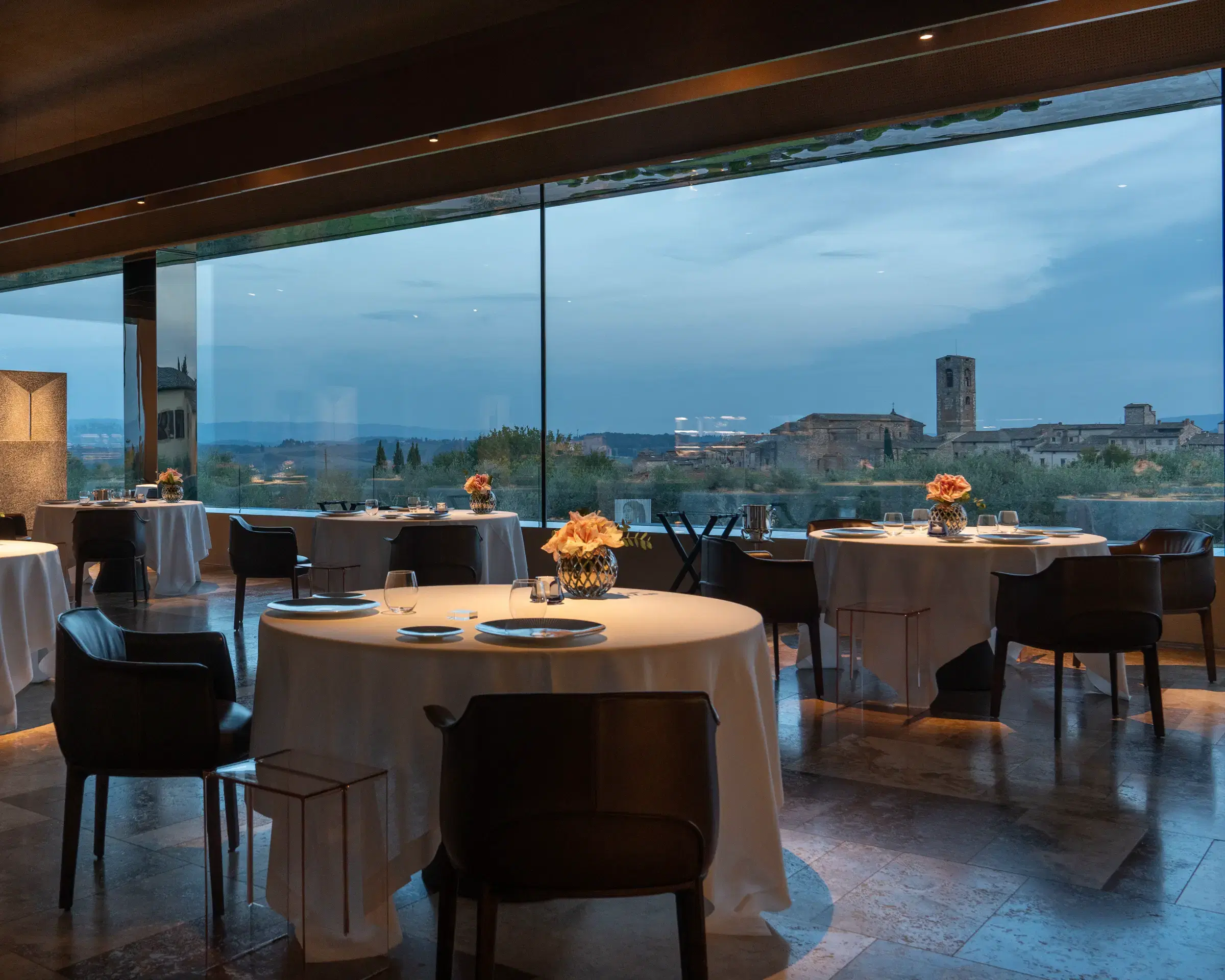
At a Glance
- Romantic
- Quiet
- Elegant
- Rustic
- Scenic
- Intimate
- Sophisticated
- Romantic Getaway
- Honeymoon
- Anniversary
- Weekend Escape
- Historic Building
- Panoramic View
- Garden
- Terrace
- Pool
- Wi Fi
- Concierge
- Room Service
- Garden
- Fitness Center
- Vineyard
- Street Scene
- Pool
- Wi Fi
- Concierge
- Room Service
- Garden
- Fitness Center
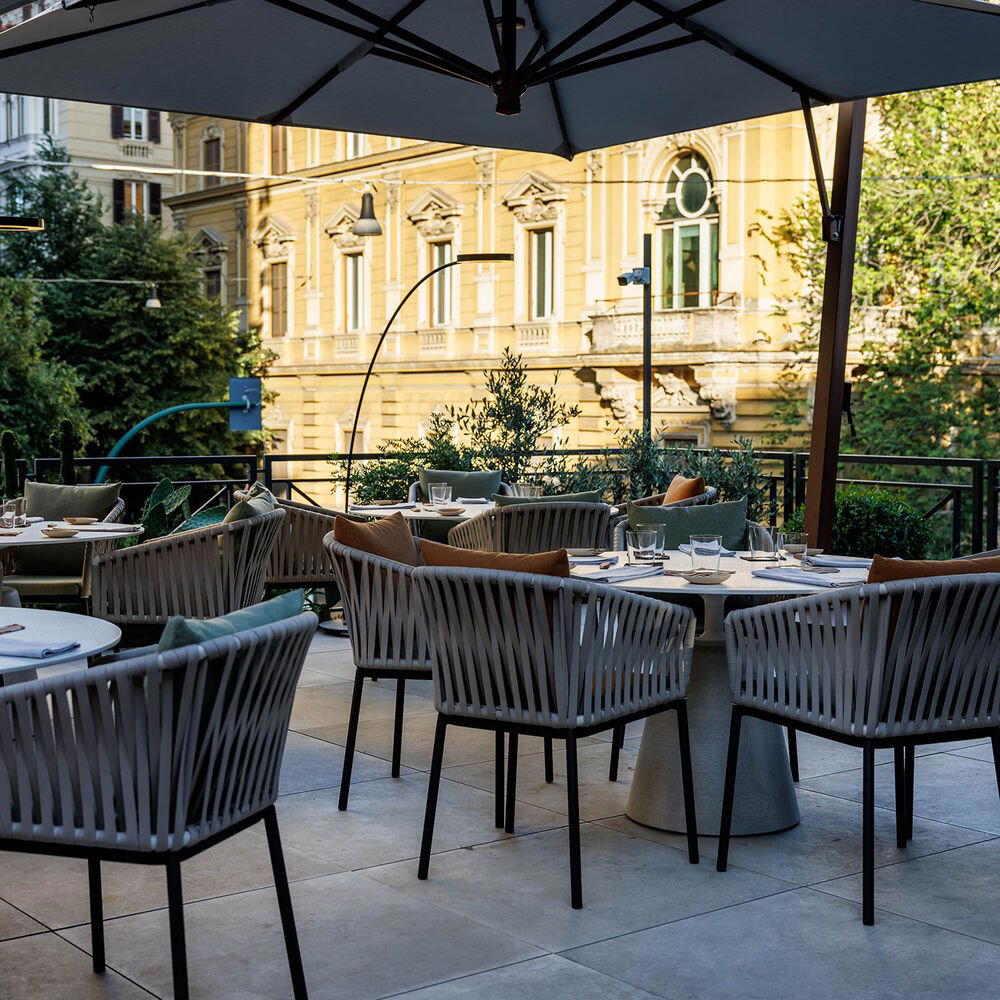
Traditional elegance with rustic antique-style rooms, serene gardens, and a peaceful, heightened tranquility atmosphere.