





2 Michelin Keys · La Liste Top Hotels · Virtuoso Luxury Hotel Partner
Il Sereno occupies a glass, stone, and copper structure on Lake Como's eastern shore near Torno, designed entirely by Patricia Urquiola and recognised as the No. 1 hotel in Italy by both Condé Nast Traveller Readers' Choice Awards (2022) and Travel + Leisure World's Best Awards (2021). Forty suites open onto lake-facing terraces, and the Michelin-starred restaurant Il Sereno Al Lago earned its star in its first year of operation.

Pearl is the En Primeur Club membership app, where members save venues, book tables and use the concierge.
A Deliberate Break from Lake Como's Neoclassical Consensus
Lake Como has long operated on a single aesthetic register: ornate facades, frescoed ceilings, and porticoed terraces that signal heritage whether or not any genuine history supports them. For decades, new construction on the lake simply joined the pastiche. Il Sereno, on the eastern shore just outside the village of Torno, represents a calculated refusal to follow that script. The building rises from the footprint of a former stone boathouse as a glass-encased volume in stone, bronze, and copper, several stories above the waterline. From the lakeside approach, it reads less like a hotel than a considered piece of architecture that happens to contain one. That clarity of intent is what separates it from the neoclassical imitations that dominate the surrounding shoreline.
The commission went to Patricia Urquiola, a Milan-based architect and designer whose work spans furniture collected by MoMA's permanent collection to hospitality projects across Europe. Twice named designer of the year by Wallpaper*, Urquiola has a documented practice in natural materials and geometric precision. At Il Sereno, she extended that practice across every surface and object in the building: custom-woven fabrics, bathtubs, armchairs, staff uniforms, and the floating walnut-and-copper staircase in the lobby that descends to the restaurant. The staircase, built in collaboration with a local craftsman, is one of the more successful pieces of functional architecture in Italian hotel design of the past decade.
What the Design Is Actually Doing
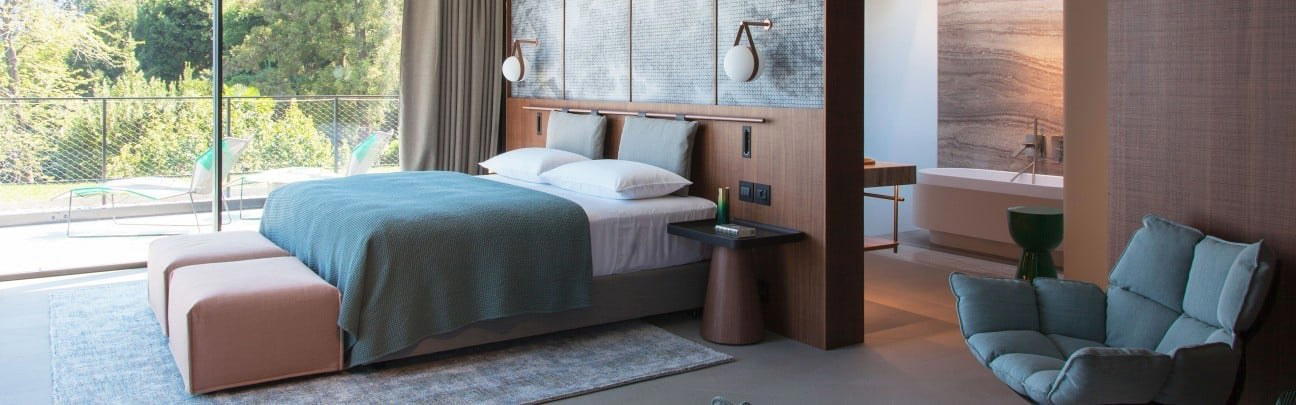
Urquiola's approach at Il Sereno is grounded in geographic specificity rather than cosmopolitan neutrality. The communities around Lake Como and along the road toward Milan have been centres of artisan production for centuries, with established traditions in silk weaving and woodworking. Rather than sourcing interiors internationally, Urquiola drew on regional makers for the majority of the hotel's furnishings and decorative elements. The result is a building whose contemporary language is still rooted in the materials of its landscape. Two vertical gardens designed by French botanist Patrick Blanc frame the exterior structure; inside, the material palette of wood, copper, and natural textiles connects the building to the lake's productive hinterland rather than to a generic luxury hotel vocabulary.
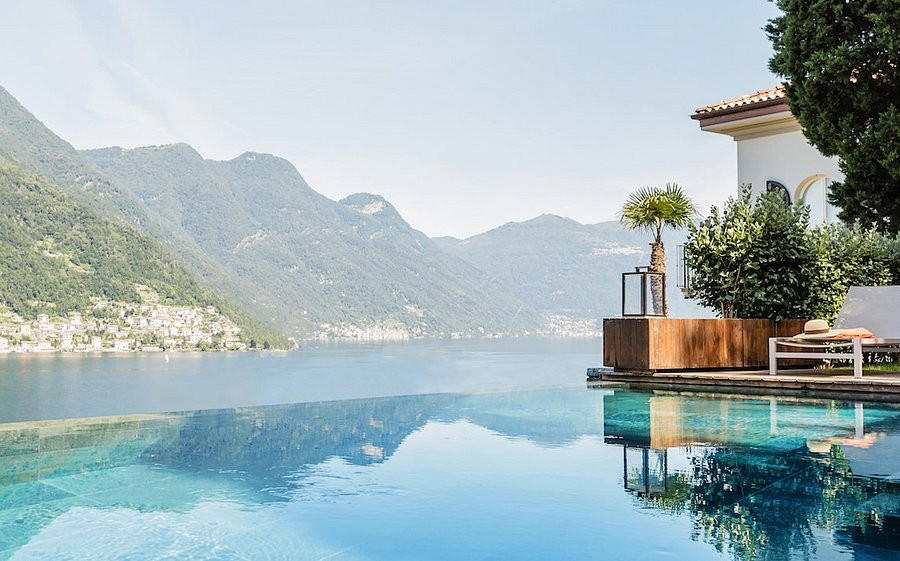
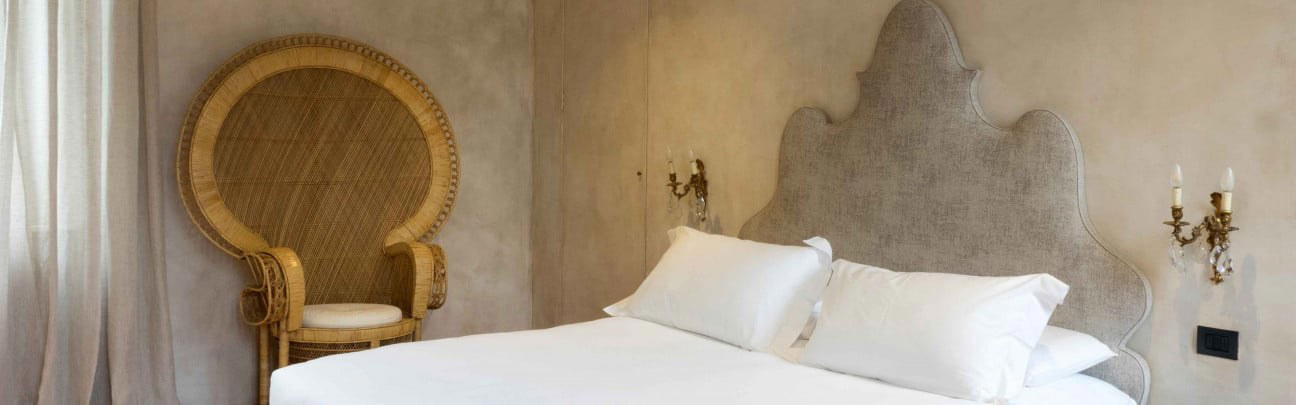
The 40 suites each include a furnished lakefront terrace, floor-to-ceiling windows, king-sized beds, and a flexible "Night and Day" space configurable as a study, lounge, or children's room. Suites begin at 40 square metres; the Penthouse exceeds 200 square metres. Every room category maintains the same orientation principle: unobstructed water views as the primary spatial experience. The 60-foot freshwater infinity pool suspended above the lake is the largest on Como and, along with the private beach and dock, forms the exterior guest circuit. Boats used for lake transfers and excursions are custom-built wooden vessels from Cantiere Ernesto Riva, a Como-area boatbuilding family with a documented history dating to 1771, with interiors by Urquiola.
This kind of design coherence across architecture, furnishings, and transport is relatively rare in Italian lake hospitality. Compare it with the sector broadly: most premium Como properties treat design as a branding layer applied to a heritage structure. Il Sereno treats the structure and everything in it as a single design problem. That consistency is what placed the hotel on the New York Post's list of the world's top 19 hotels to visit as early as 2016, before the property had accumulated the awards record it now holds. Among Italian lake alternatives, Grand Hotel Tremezzo in Tremezzo and EALA My Lakeside Dream in Limone sul Garda represent different points on the spectrum, with the former committed to its Belle Époque heritage and the latter offering a more intimate contemporary alternative on Lake Garda.
Awards Record and Where It Sits in the Italian Market
Italy's premium hotel market is heavily contested, and recognition at the national level is genuinely difficult to accumulate. Il Sereno holds the No. 1 position in Italy from Condé Nast Traveller's Readers' Choice Awards (2022) and the No. 1 position from Travel + Leisure's World's Leading Awards (2021). La Liste's 2026 hotel ranking places it at 94 points. It carries Michelin's 2 Keys designation (2024) and holds Leading Hotels of the World membership (2025). Taken together, this is a consistent recognition pattern across reader-voted, editor-voted, and trade-credentialed formats, which is an unusual alignment.
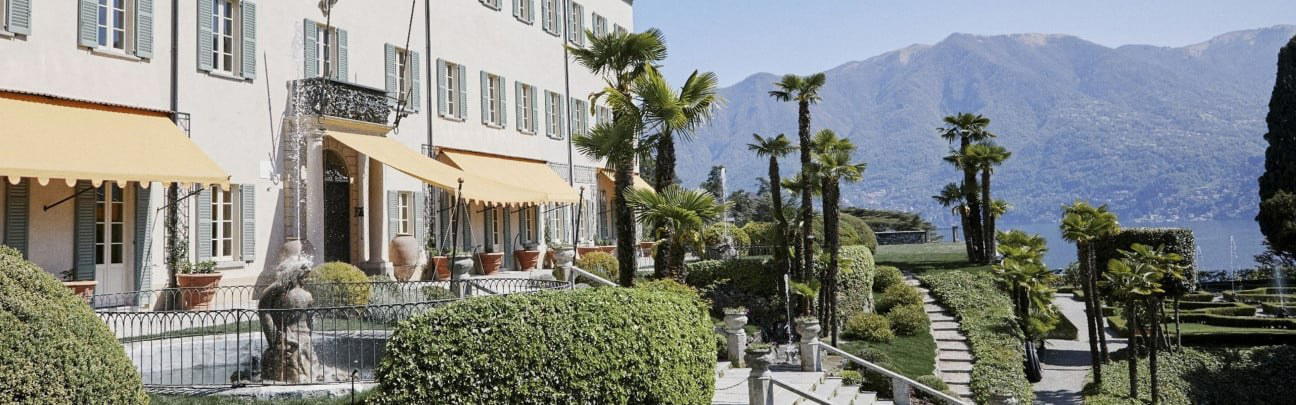
Within Italy's design-led hotel tier, the peer group is small but competitive. Aman Venice operates on a comparable scale of intimacy with a similarly rigorous design approach. Bulgari Hotel Roma and Four Seasons Hotel Firenze in Florence occupy the upper bracket of urban Italian luxury. Passalacqua in Moltrasio, also on Lake Como's western shore, is the closest direct competitor in format and setting, though its character runs to restored-villa heritage rather than contemporary architecture. Castello di Reschio in Lisciano Niccone and Rosewood Castiglion Del Bosco in Montalcino offer rural Umbrian and Tuscan counterpoints for travellers weighing lake against countryside. For coastal Italian alternatives, Borgo Santandrea on the Amalfi Coast and Il San Pietro di Positano operate in a different climate and landscape register. Il Pellicano in Porto Ercole remains a reference point for the understated Tuscan coastal model. Further south, Borgo Egnazia in Savelletri di Fasano and JK Place Capri represent the Puglian and island verticals of the Italian premium market.
Il Sereno Al Lago: A Restaurant That Reinforces the Property's Position
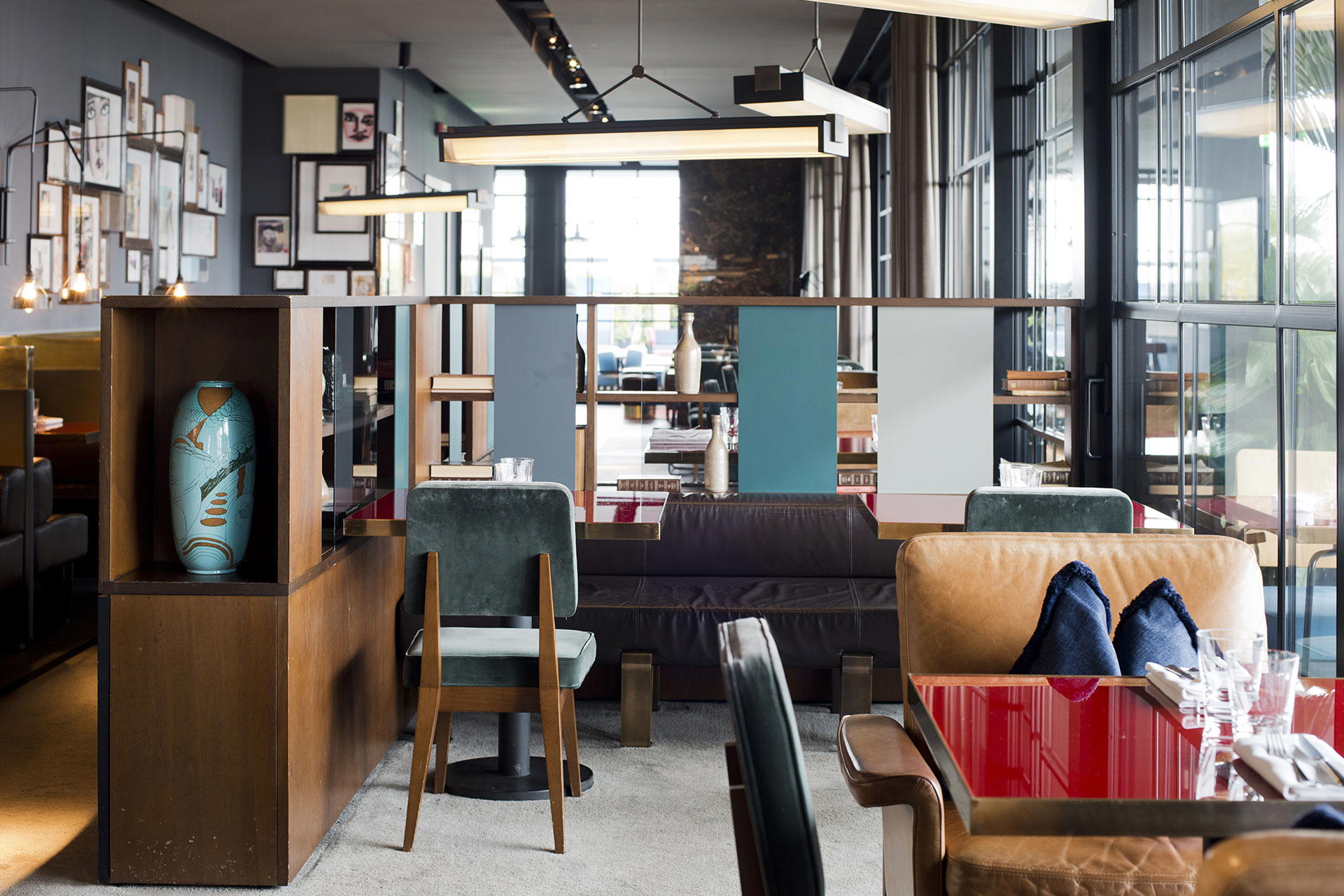
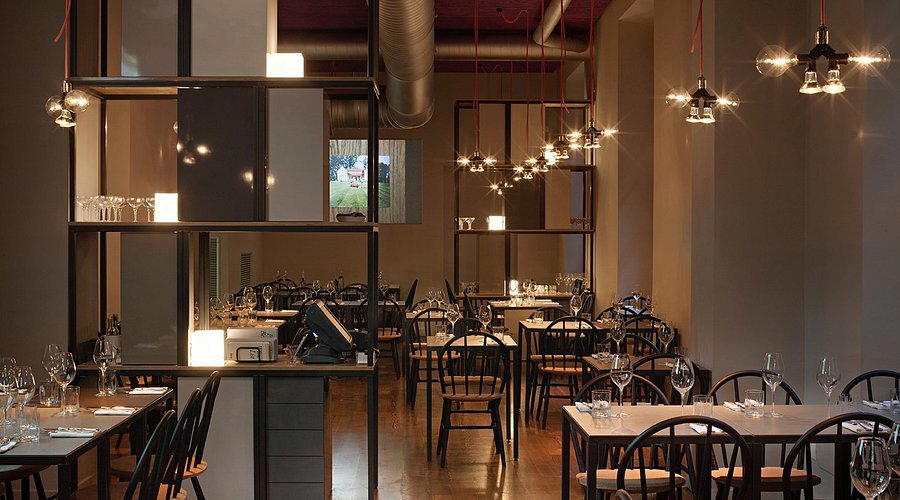
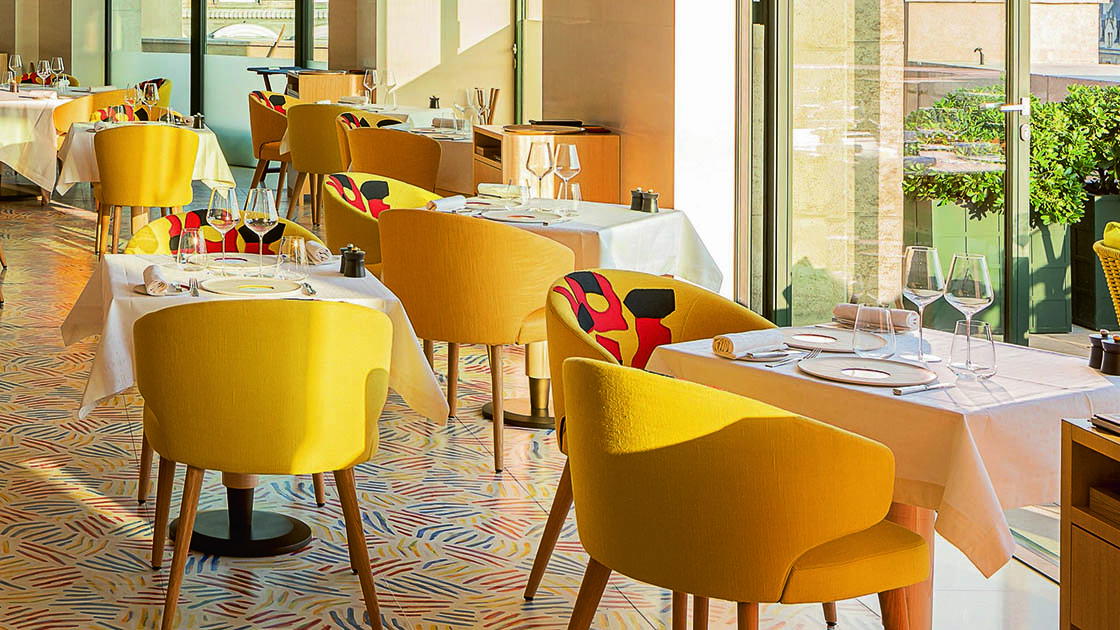
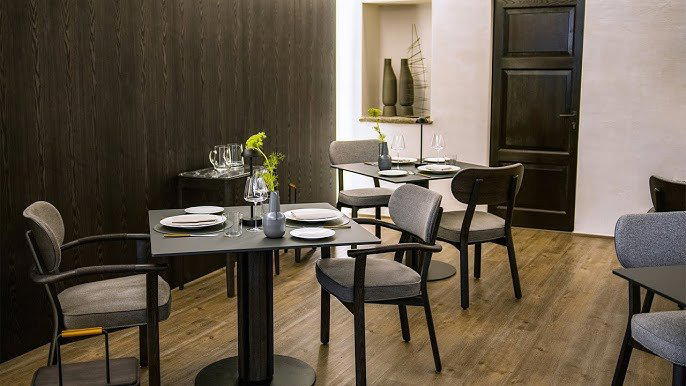
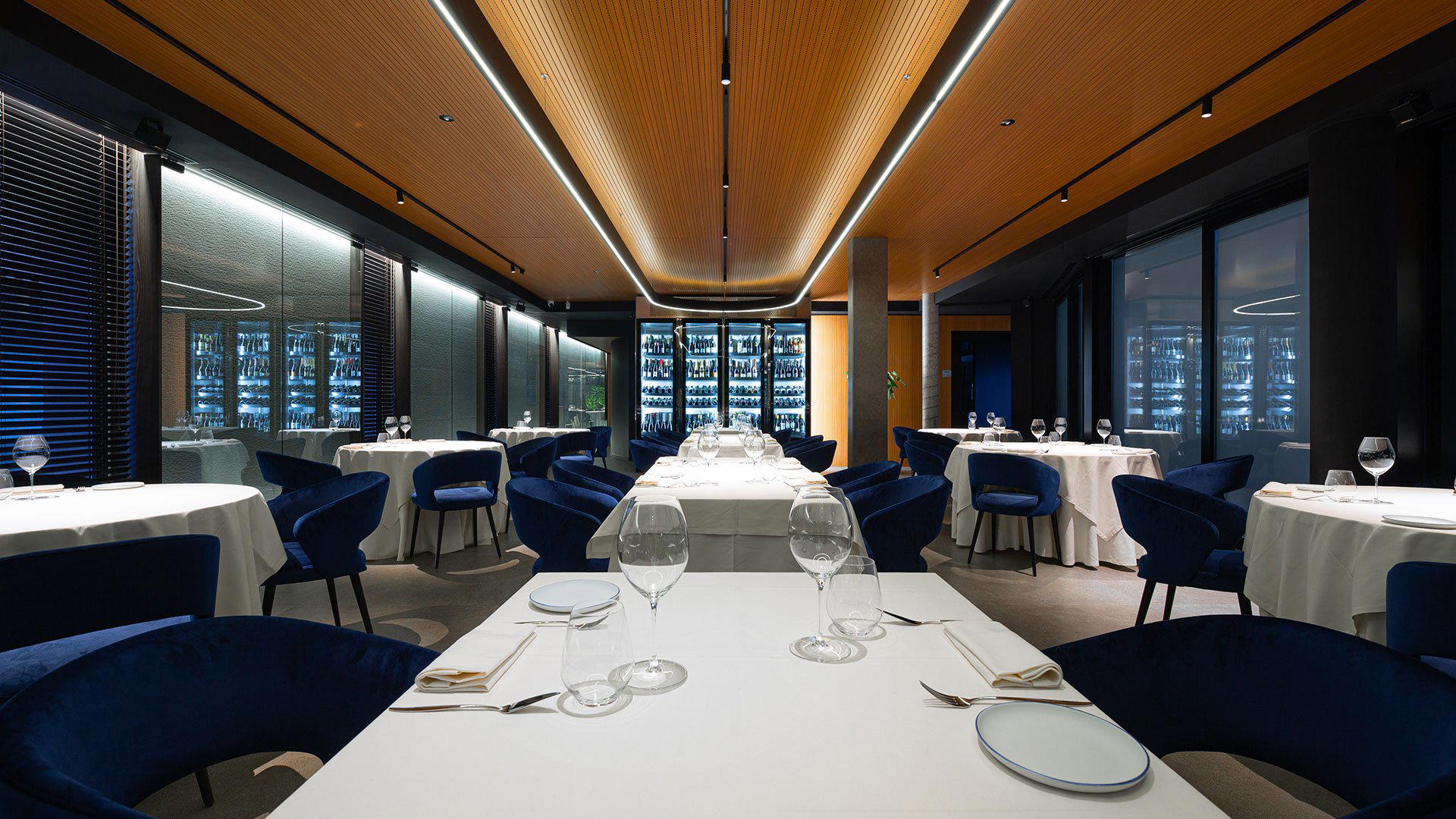
The hotel's restaurant, Il Sereno Al Lago, operates as an indoor-outdoor space under the direction of Chef Raffaele Lenzi. It earned a Michelin star in its first year of operation, which is a meaningful credential regardless of a property's overall reputation: first-year Michelin recognition implies a program that arrived fully formed rather than one that built toward the award over time. The restaurant descends from the lobby via the walnut-and-copper staircase, reinforcing the architectural continuity that runs through the entire building. For guests considering how to allocate time, this is a dining room worth treating as a destination within the stay rather than a default convenience.
The hotel's spa sits under original century-old arches, preserving the material memory of the boathouse that preceded the current structure. This layering of old stone beneath contemporary glass and metal is one of the more architecturally interesting decisions in the building: the spa's vaulted spaces contrast directly with the open, light-flooded volumes above.
Planning a Stay: Logistics and Timing
Il Sereno operates on a seasonal schedule, accepting reservations from mid-March through early November. The property is located in Torno on Como's eastern shore, accessible by car, by water taxi from Como town, or by arrival at the hotel's private dock via its own boats. Guests considering comparable properties at different Italian lake destinations should note Grand Hotel Tremezzo on the western shore as an alternative with a longer operating season and a more classical format. For those using a Como stay as part of a broader northern Italian itinerary, Portrait Milano provides a strong urban counterpoint approximately an hour south by road. For complete Torno dining and hospitality context, see our full Torno restaurants guide.
International travellers pairing a Lake Como stay with other Italian regions should consider the scope of what the country's premium hotel sector now offers: from Casa Maria Luigia in Modena in Emilia-Romagna to Castel Fragsburg in Merano in the Alto Adige, Forestis Dolomites in Plose for mountain-facing minimalism, Castelfalfi in Montaione or Borgo San Felice Resort in Castelnuovo Berardenga for Tuscan alternatives, Bellevue Syrene 1820 in Sorrento for the Campanian coast, and Corte della Maestà in Civita di Bagnoregio for a quieter Lazio option. For those extending travel beyond Italy, Aman New York, The Fifth Avenue Hotel in New York City, and Amangiri in Canyon Point represent the design-led luxury tier in North America.
Side-by-Side Snapshot
Comparable venues nearby, for context on price, style, and recognition.
| Venue | Cuisine | Price | Awards | Notes |
|---|---|---|---|---|
| Il SerenoThis venue (the venue you are viewing) | contemporary luxury all-suite hotel | $1,500–2,500 | 2 Michelin Keys · La Liste Top Hotels | Not listed |
| Grand Hotel Victoria | Renovated historic luxury property blending classic charm with modern high-tech amenities | Not listed | 2 Michelin Keys · Virtuoso Luxury Hotel Partner | Menaggio |
| Villa Eden The Leading Park Retreat | luxury wellness park retreat | Not listed | 2 Michelin Keys · Virtuoso Luxury Hotel Partner | prestigious residential area |
| Castel Fragsburg | 17th-century castle turned luxury boutique retreat | Not listed | 2 Michelin Keys · La Liste Top Hotels | Merano |
| Bvlgari Hotel Milan | Renovated 18th-century Milanese palazzo with contemporary luxury design | Not listed | 2 Michelin Keys · La Liste Top Hotels | Brera |
| Grand Hotel et de Milan | Historic luxury palace hotel in Milan's fashion district | Not listed | 2 Michelin Keys · Leading Hotels of World Member | Brera |
Recognition history
Dated appearances from independent guides and award organizations, with the underlying list record or original source where available.
Michelin 2 Keys
Michelin
La Liste Top Hotels
La Liste
Mr & Mrs Smith Seal of Approval
Mr & Mrs Smith
Travel + Leisure 100 Favorite Hotels in the World #23 · No. 23
Travel + Leisure · 2026 Travel + Leisure 100 Favorite Hotels in the World
Virtuoso Luxury Hotel Partner
Virtuoso
Full recognition history (8 entries)
Leading Hotels of World Member
Leading Hotels of World
Michelin 2 Keys
Michelin
Michelin 2 Keys
Michelin
Continue exploring
More in Torno
Hotels in Torno
All hotels in Torno →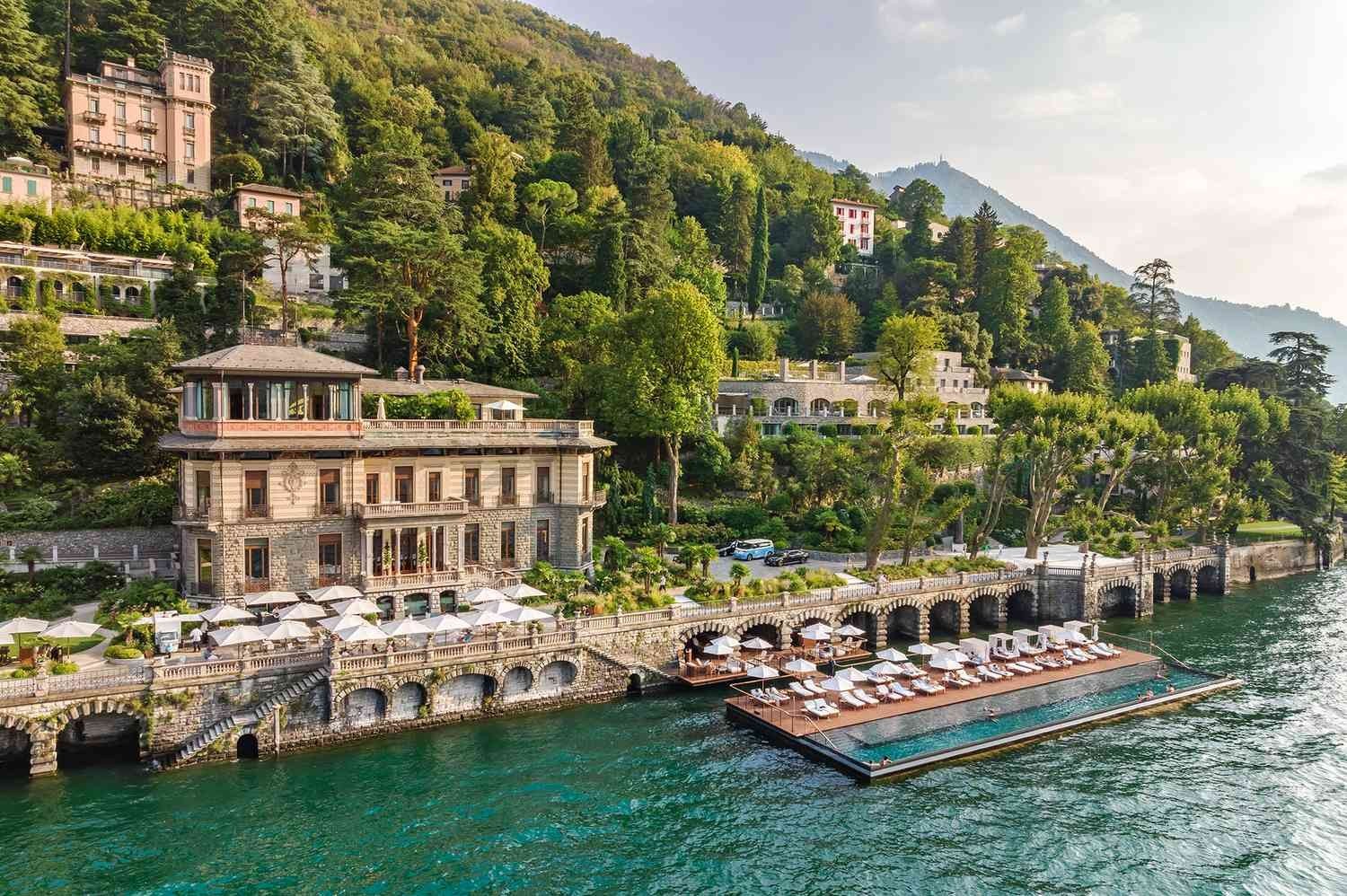
Bars in Torno
Browse all →

Details
- Romantic
- Elegant
- Modern
- Sophisticated
- Scenic
- Intimate
- Honeymoon
- Romantic Getaway
- Anniversary
- Weekend Escape
- Infinity Pool
- Waterfront
- Panoramic View
- Wi Fi
- Pool
- Spa
- Fitness Center
- Room Service
- Concierge
- Restaurant
- Bar
- Valet Parking
- Waterfront
- Wheelchair Accessible
- Elevator
Understated elegance with natural materials, minimalist chic, and serene lake views creating a sophisticated and tranquil atmosphere.