The Westin Excelsior occupies a palazzo on Piazza Ognissanti, one of Florence's most composed addresses along the Arno. Its scale and position place it in the city's upper tier of grand hotel properties, alongside properties like the Four Seasons and St. Regis. For travellers prioritising central access, riverside presence, and the operational depth of a large international property, it represents a coherent choice.
Pearl is the En Primeur Club membership app — saves, bookings, and concierge access live there. Same editors, same standards.
- Address
- Piazza Ognissanti, 3, 50123 Firenze FI, Italy
- Phone
- +39 390 552 7151
- Website
- marriott.com
- Directions
- Get directions
 Saves & bookings on Pearl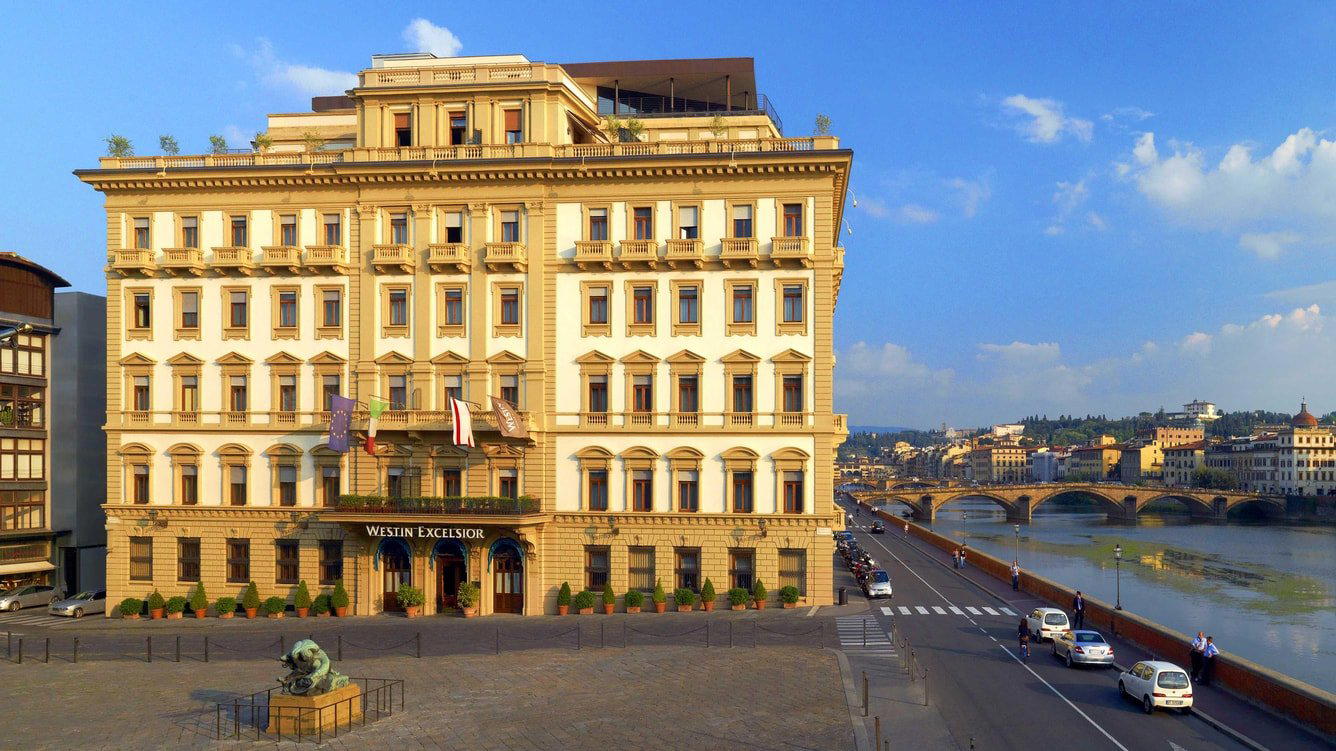
Piazza Ognissanti and the Grand Hotel Tradition
Florence's luxury hotel market has always run on two parallel tracks: the intimate palazzo conversion, usually with fewer than fifty rooms and a design-led sensibility, and the full-scale grand hotel that draws its authority from architecture, address, and operational depth. The Westin Excelsior, Florence sits firmly in the second category. Its address on Piazza Ognissanti, a quiet square set back slightly from the Lungarno Amerigo Vespucci, puts guests within a short walk of both Santa Maria Novella and the Ponte Vecchio corridor, while the river-facing aspect of the building anchors it to among the more composed stretches of the city. That combination of civic grandeur and geographic precision is exactly what distinguishes the traditional Florentine grand hotel from the boutique properties that have proliferated over the past decade.
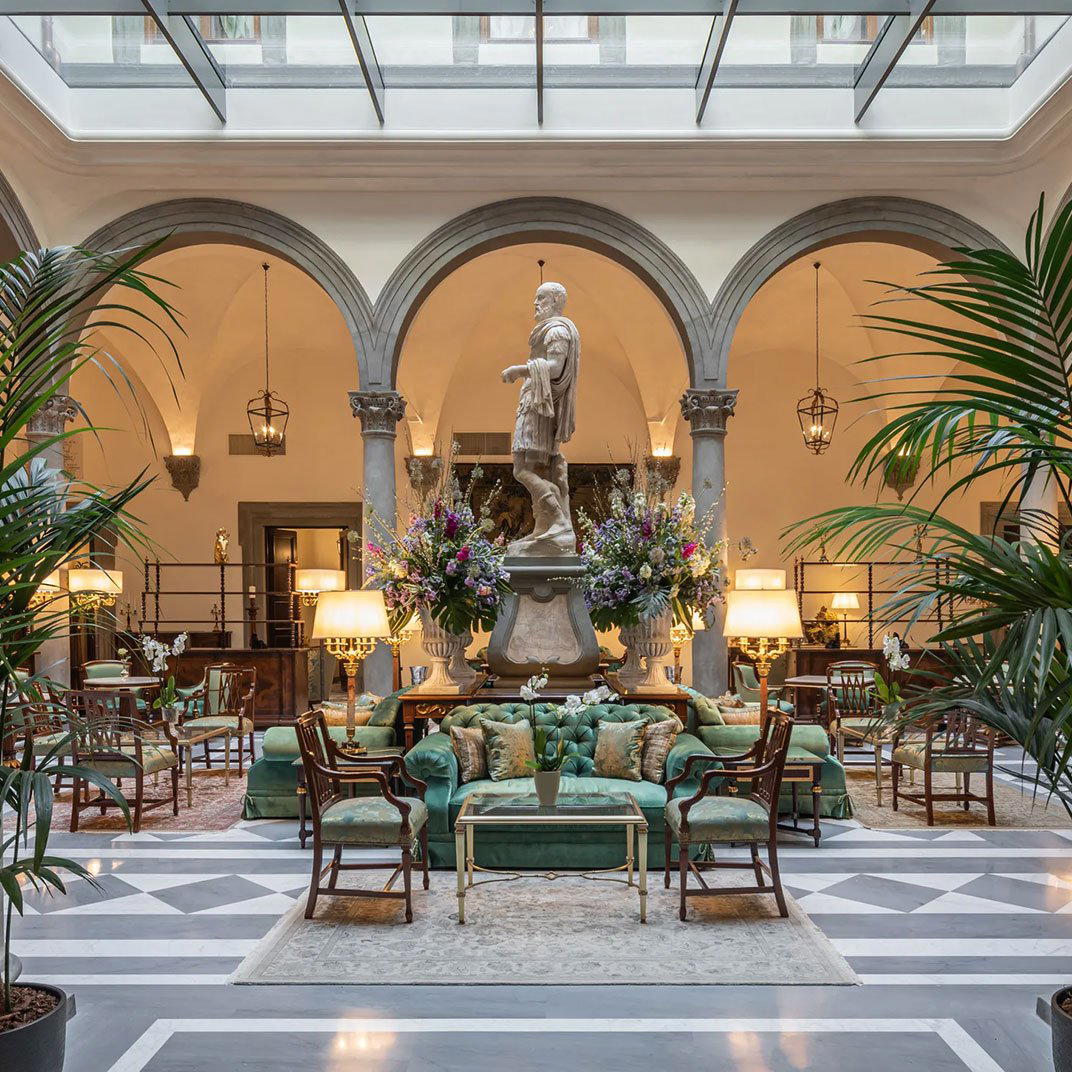
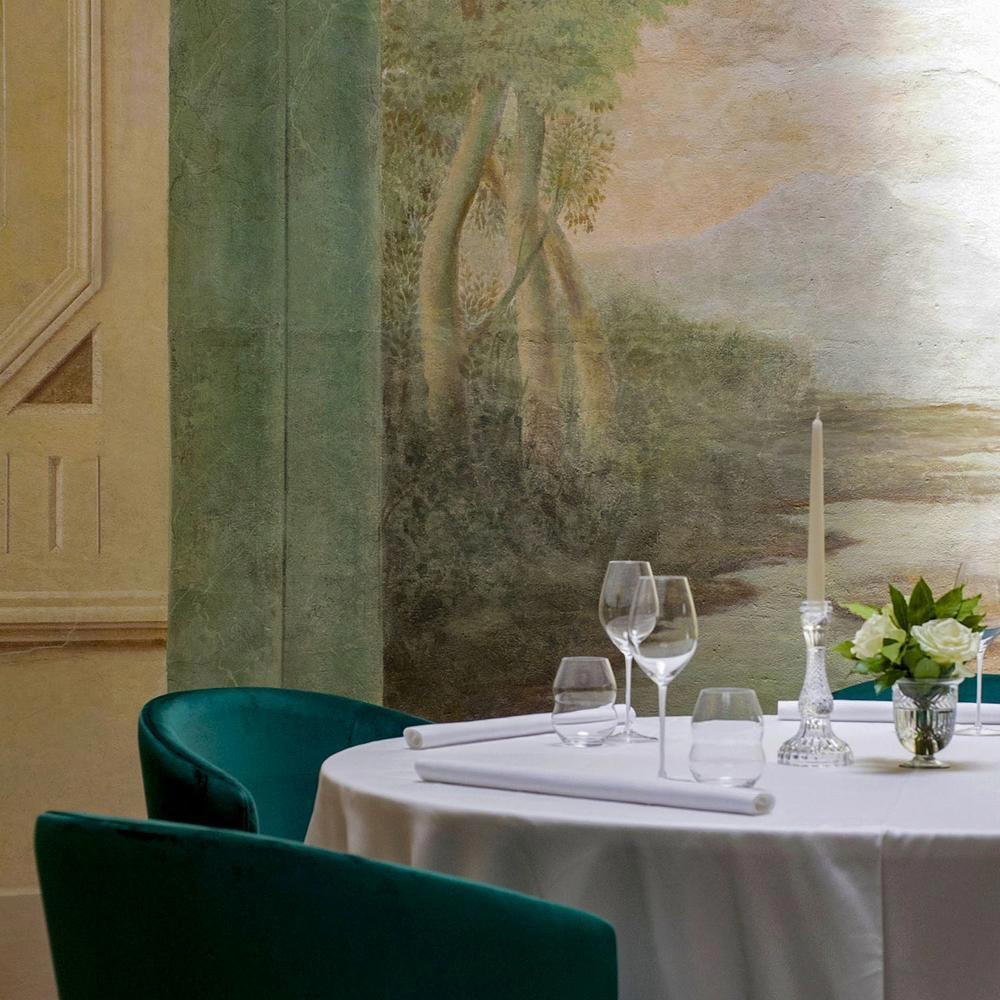
In the wider Florence market, the competitive set for a property of this scale includes the Four Seasons Hotel Firenze, which operates from a converted convent and gardens in the San Gallo quarter, and the St. Regis Florence, positioned directly on the Arno at Piazza Ognissanti's eastern edge. The Excelsior's palazzo fabric, with its frescoed public spaces and high-ceilinged rooms, places it in the tradition of properties built to receive diplomatic and aristocratic visitors in the late nineteenth and early twentieth centuries, a heritage that shapes expectations around service formality, room proportion, and the quality of common spaces.
The Collaboration at the Centre of a Grand Hotel
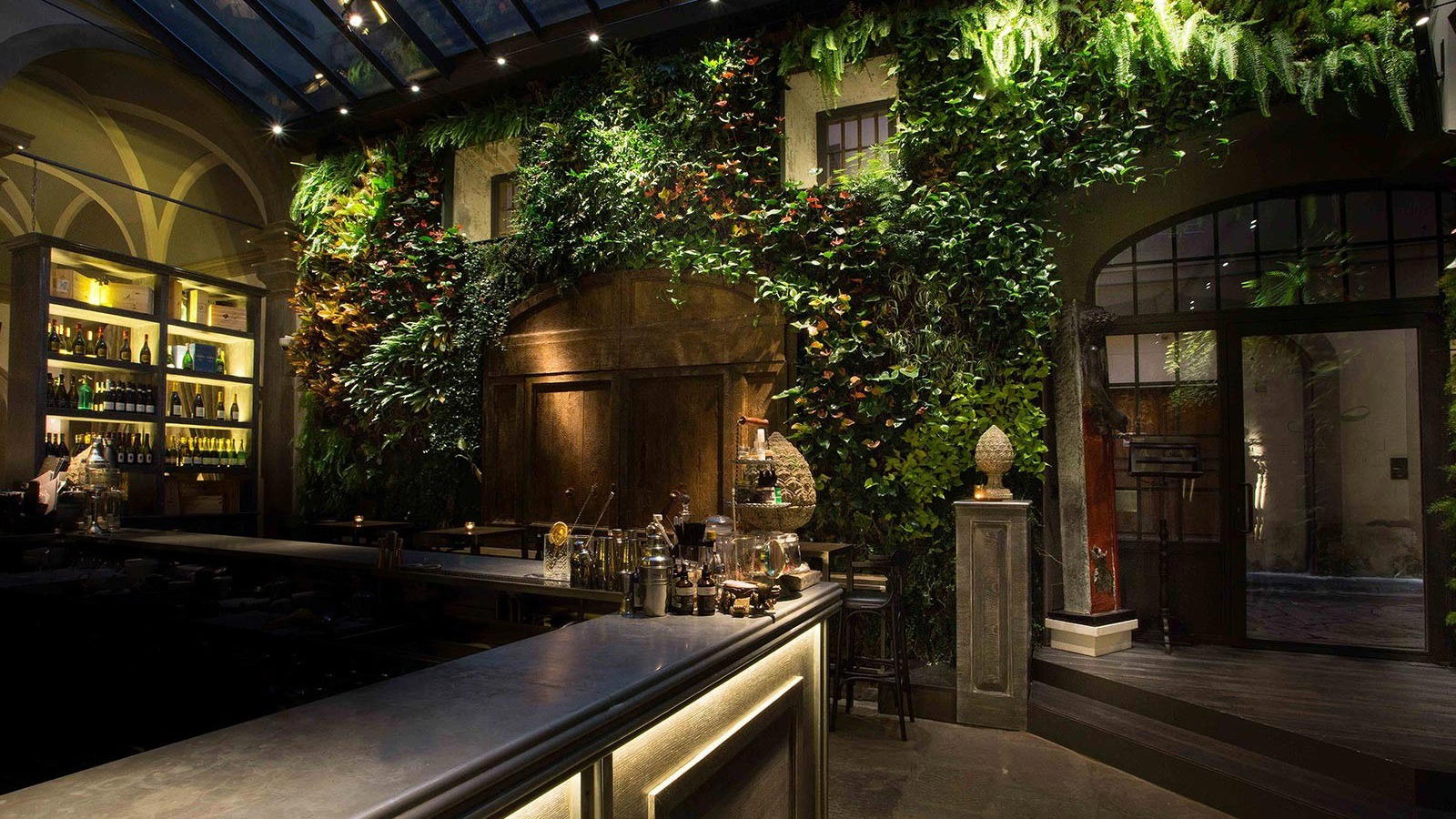
What separates a grand hotel from a large hotel is rarely the room count or the address alone. It is the coherence between the front-of-house team, the food and beverage operation, and the guest services that govern the day-to-day experience. In properties of this type and scale, the dining room and bar function as the connective tissue between different guest profiles: business travellers, leisure visitors from North America and Japan, and the longer-stay guests who treat the hotel as a Florentine base for weeks at a time.
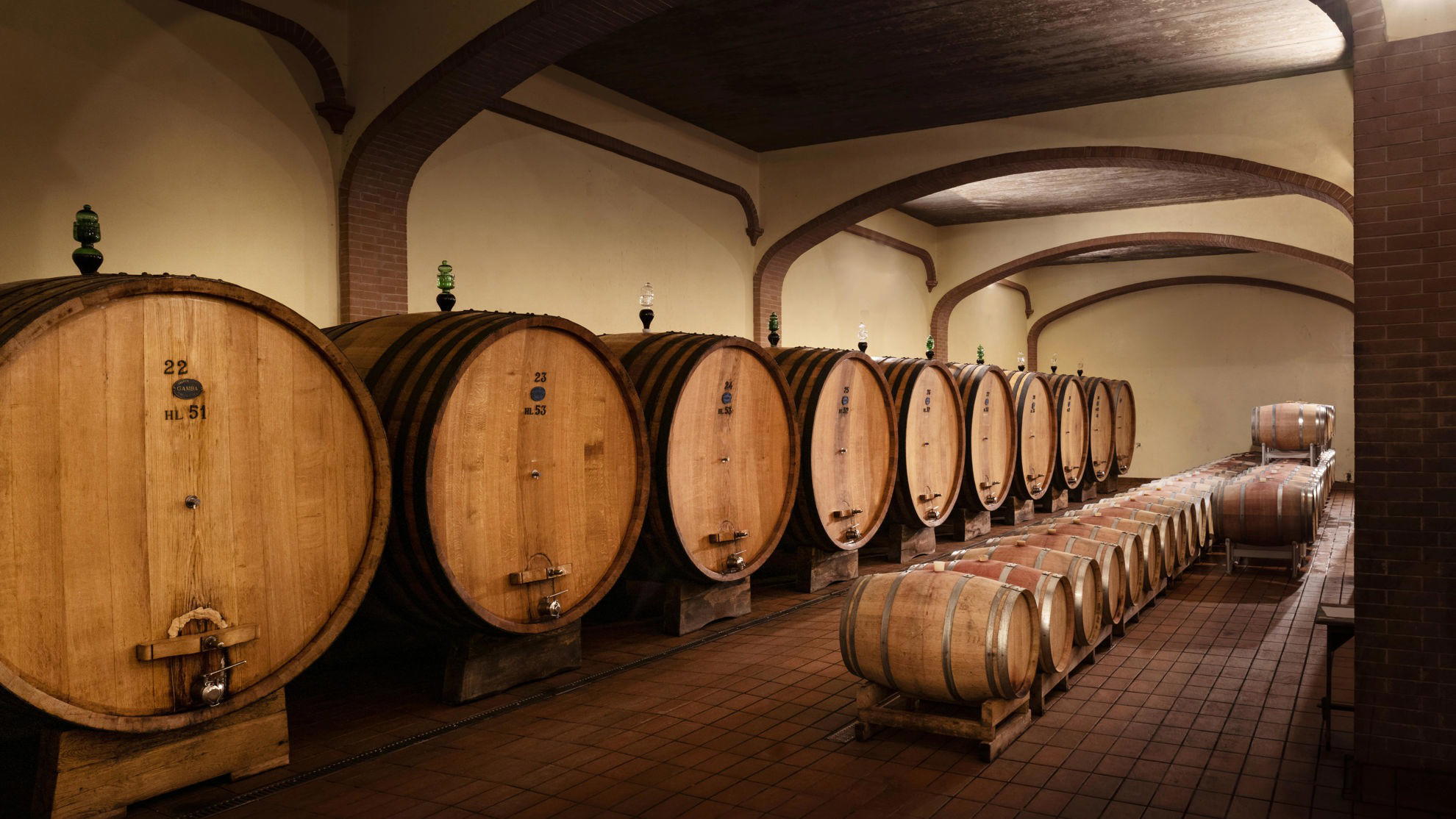
Grand hotels in Florence have historically maintained rooftop or refined dining operations that serve the view as much as the plate, and the Excelsior's position on the Arno makes that logic particularly strong. Across the Italian luxury hotel sector, properties in this tier have invested significantly in beverage programs, particularly Italian wine lists, as a differentiator within the broader international hotel category. A thoughtfully built Tuscan wine list, anchored in Chianti Classico and Brunello but ranging into the Maremma and Bolgheri, is now a baseline expectation at hotels competing at this level in Florence.
The front-of-house dynamic in a property like the Westin Excelsior is shaped by the volume and diversity of the guest mix. Unlike the more contained experience at a smaller property such as Palazzo Portinari Salviati or Ad Astra, where the host-to-guest ratio allows for more personalised, granular service, a larger palazzo hotel must develop systems that maintain consistency across a wider range of interactions. The leading operators in this tier achieve that through structured concierge programs, dedicated relationship managers for repeat clients, and dining teams that can shift register between a family breakfast and a formal business dinner without losing fluency in either.
Florence's Luxury Hotel Geography
Understanding where the Westin Excelsior sits requires reading Florence's hotel geography carefully. The city's premium addresses cluster along the Arno and in the historic centre north of the river, with a secondary cluster in the hillside properties above the Oltrarno. Properties like Villa Cora and Villa La Massa operate in the hillside-and-garden tier, offering seclusion and landscape at the cost of centrality. Piazza Ognissanti properties trade in the opposite direction: immediate walkability to the Uffizi, Santa Croce, and the main commercial streets, with the Arno as a visual anchor rather than a separating barrier.
For visitors whose programme is built around the city's museums, galleries, and historic churches, a central Arno-facing address compresses the transit time significantly. The Accademia and the Bargello are both reachable on foot; the leather market of San Lorenzo and the covered arcades of Piazza della Repubblica sit within a fifteen-minute walk. That kind of positioning has always been part of the grand hotel's implicit offer: the city is your operating theatre, and the hotel is the staging ground.
Travellers comparing the Excelsior against the Hotel Lungarno or Brunelleschi Hotel will find that scale is the primary variable. The Lungarno and Brunelleschi operate at a smaller key count with a more curated atmosphere; the Excelsior offers the depth of amenities, meeting space, and staffing that a larger property brings. Neither model is inherently superior, the choice depends on whether the guest values intimacy or operational range.
Elsewhere in Italy, the grand palazzo hotel tradition shows similar patterns: Aman Venice occupies a converted palazzo on the Grand Canal with comparable civic weight, while Bulgari Hotel Roma represents the opposite pole, a smaller, design-forward property that trades historic volume for precision. The Excelsior's lineage aligns more closely with the former.
Planning and Practical Orientation
Rooms at palazzo hotels on the Arno are among the more sought-after during that window, and properties of this tier typically see their better room categories taken well in advance.
The Excelsior's proposition is the inverse of all three: city-centre density, historic architecture, and the full-service infrastructure of a major international hotel brand on one of Florence's authoritative squares. Castello di Reschio in Umbria for a rural counterpoint, Borgo Santandrea on the Amalfi Coast for a coastal comparison, and Rosewood Castiglion del Bosco in Montalcino for a Tuscan alternative that trades urban proximity for wine-country depth. The Excelsior's proposition is the inverse of all three: city-centre density, historic architecture, and the full-service infrastructure of a major international hotel brand on one of Florence's authoritative squares.
Reputation Context
Comparable venues nearby, for context on price, style, and recognition.
| Venue | Cuisine | Price | Awards | Notes |
|---|---|---|---|---|
| The Westin Excelsior, FlorenceThis venue — the venue you are viewing | Classic luxury historic palazzo with Renaissance-inspired furnishings. | $$$$ | 5-Star | Not listed |
| Ville sull'Arno | Historic villa resort with modern renovations | $$$$ | 5-Star | Gavinana |
| La Gemma | 19th-century palazzo with modern Italian hospitality | $$$$ | 5-Star | Santo Spirito |
| Hotel Number Nine | Family-owned 5-star luxury boutique in Renaissance building | $$$$ | 5-Star | Santo Spirito |
| Il Tornabuoni | Luxury Renaissance revival palazzo with contemporary design integration, positioned as Italy's first Hyatt Unbound Collection property. | $$$$ | 5-Star | Santo Spirito |
| Hotel Savoy, a Rocco Forte Hotel | Contemporary luxury blending Florentine heritage and modern Italian design | $$$$ | 5-Star | Santo Spirito |
Continue exploring
More in Florence
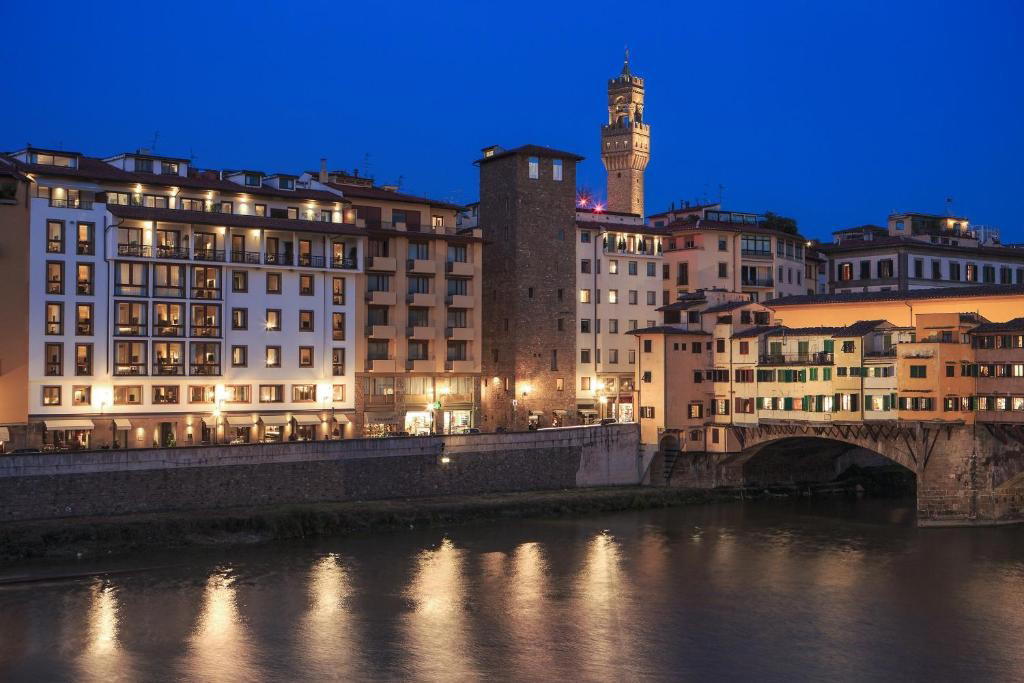
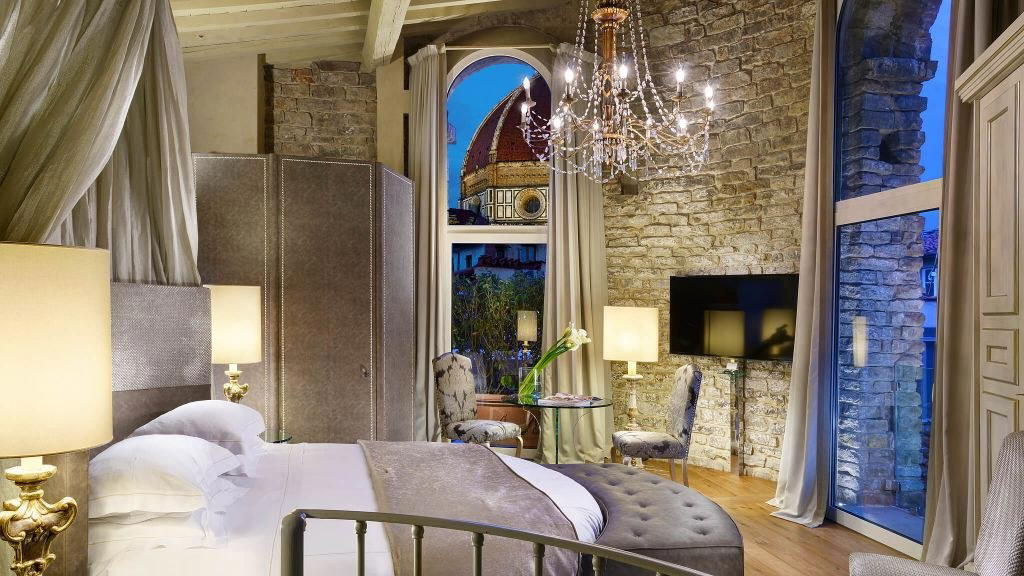
Hotels in Florence
Browse all →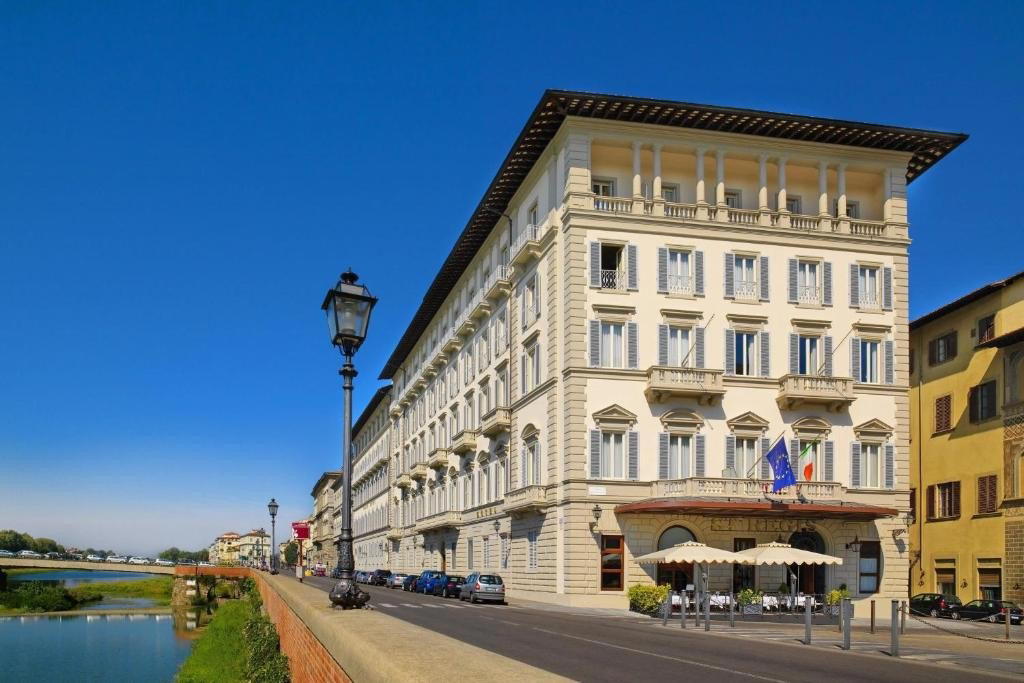
Bars in Florence
Browse all →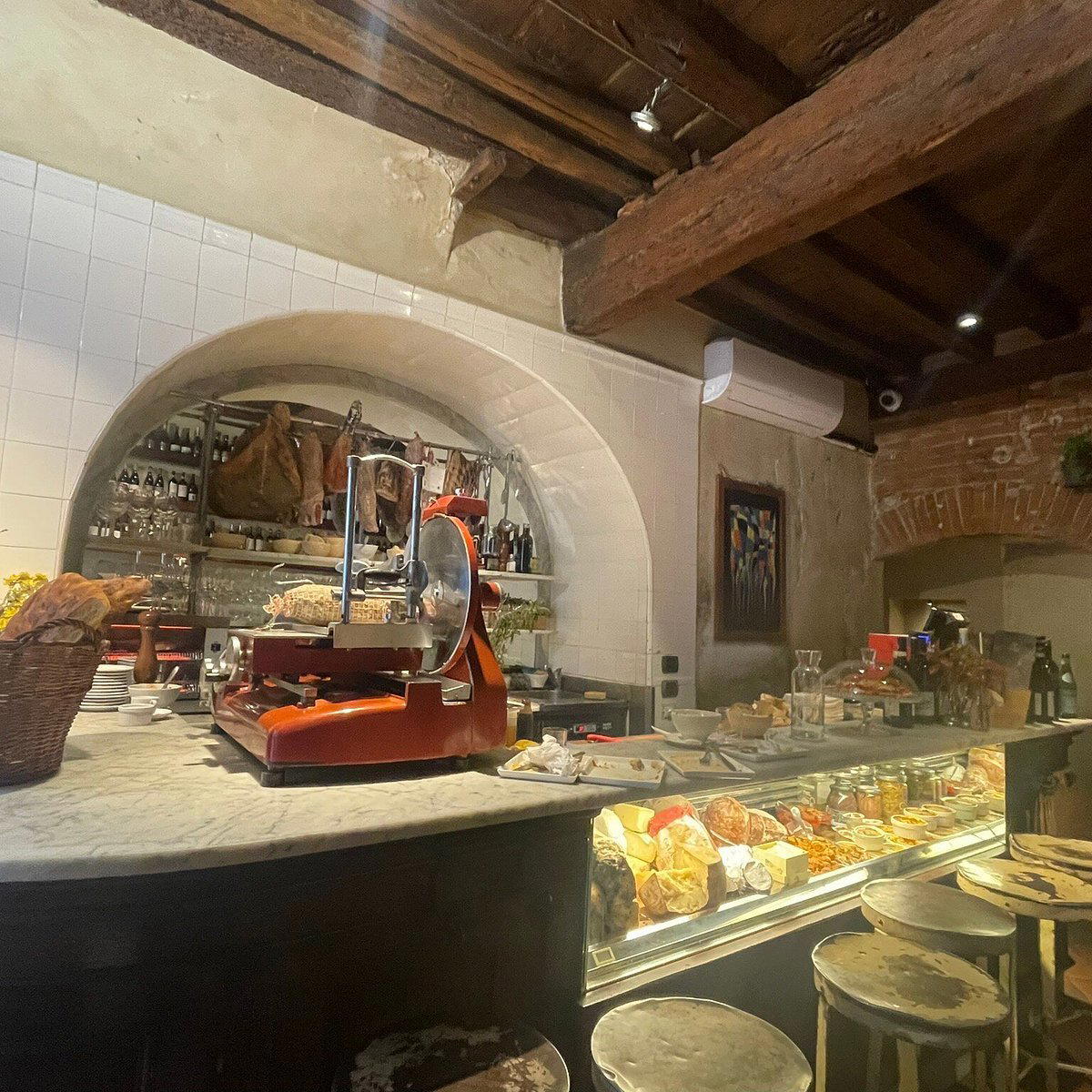
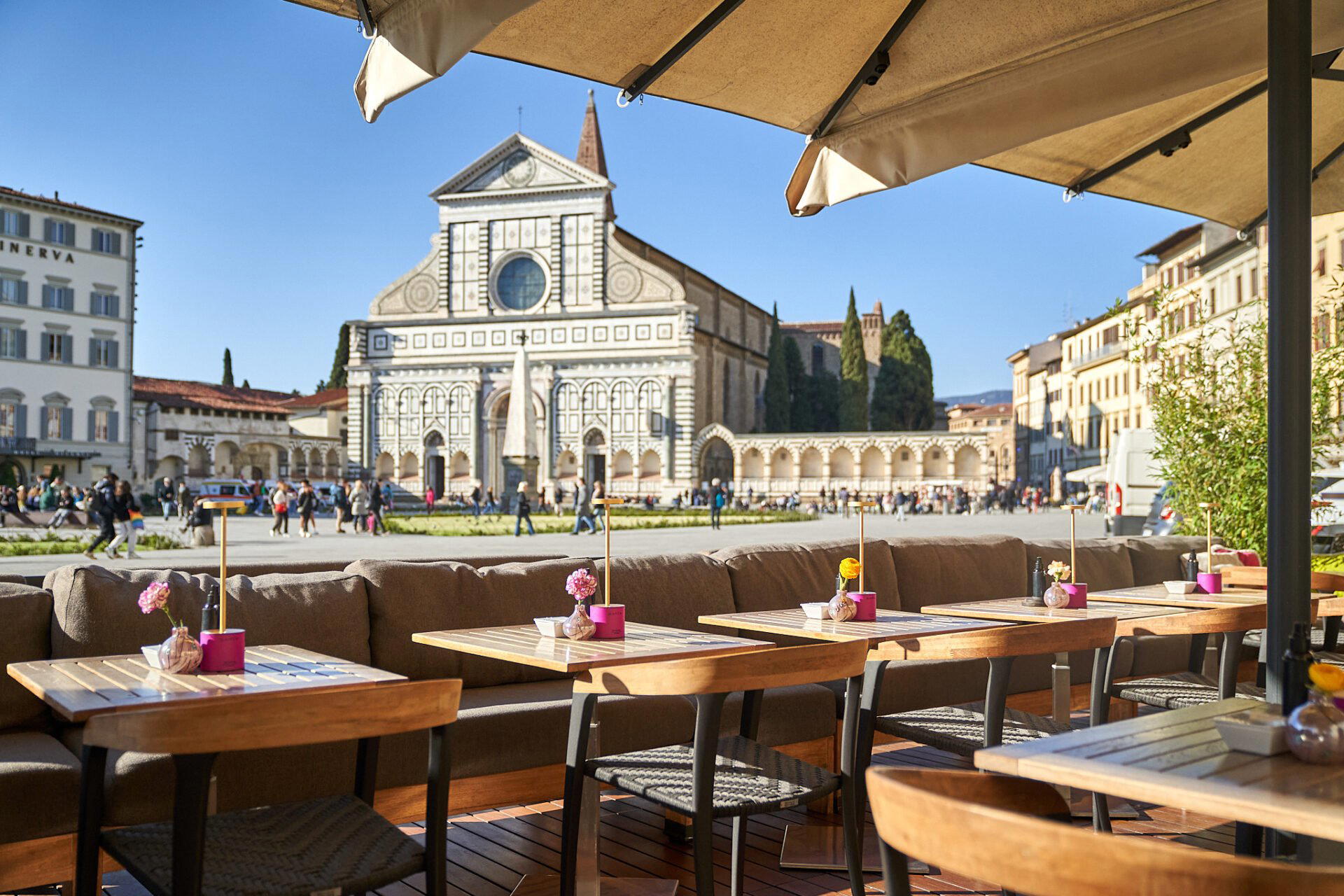
Restaurants in Florence
Browse all →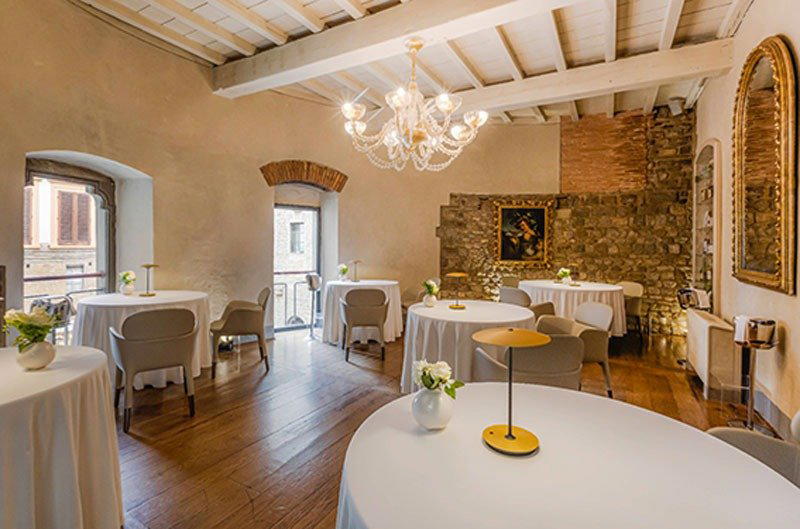
At a Glance
- Elegant
- Classic
- Sophisticated
- Ornate
- Romantic Getaway
- Business Trip
- Anniversary
- Historic Building
- Panoramic View
- Terrace
- Fitness Center
- Room Service
- Concierge
- Business Center
- Valet Parking
- Street Scene
- Fitness Center
- Room Service
- Concierge
- Business Center
- Valet Parking
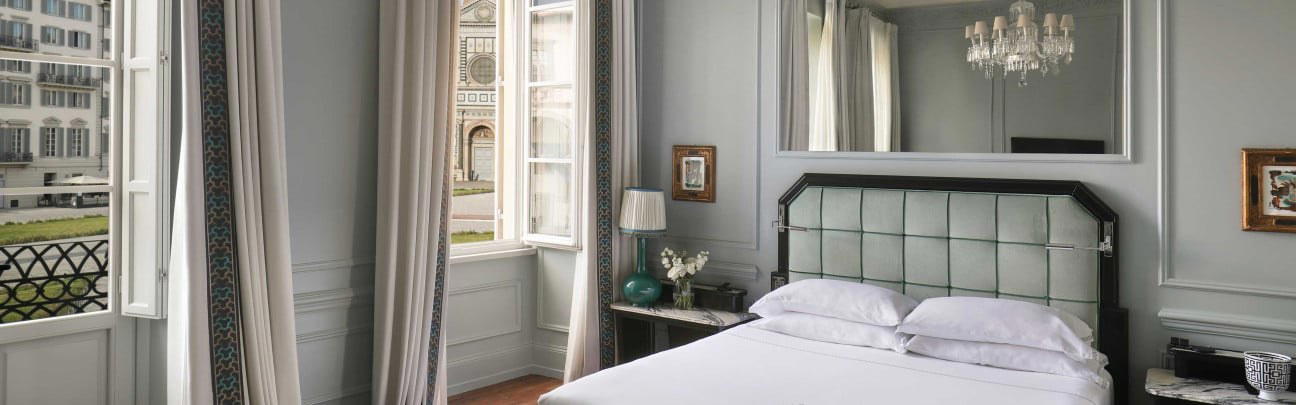
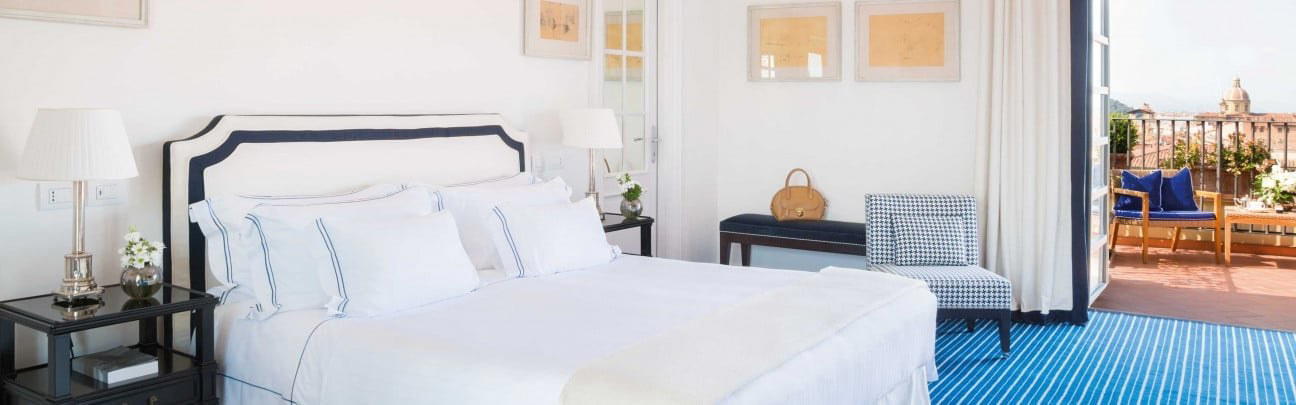
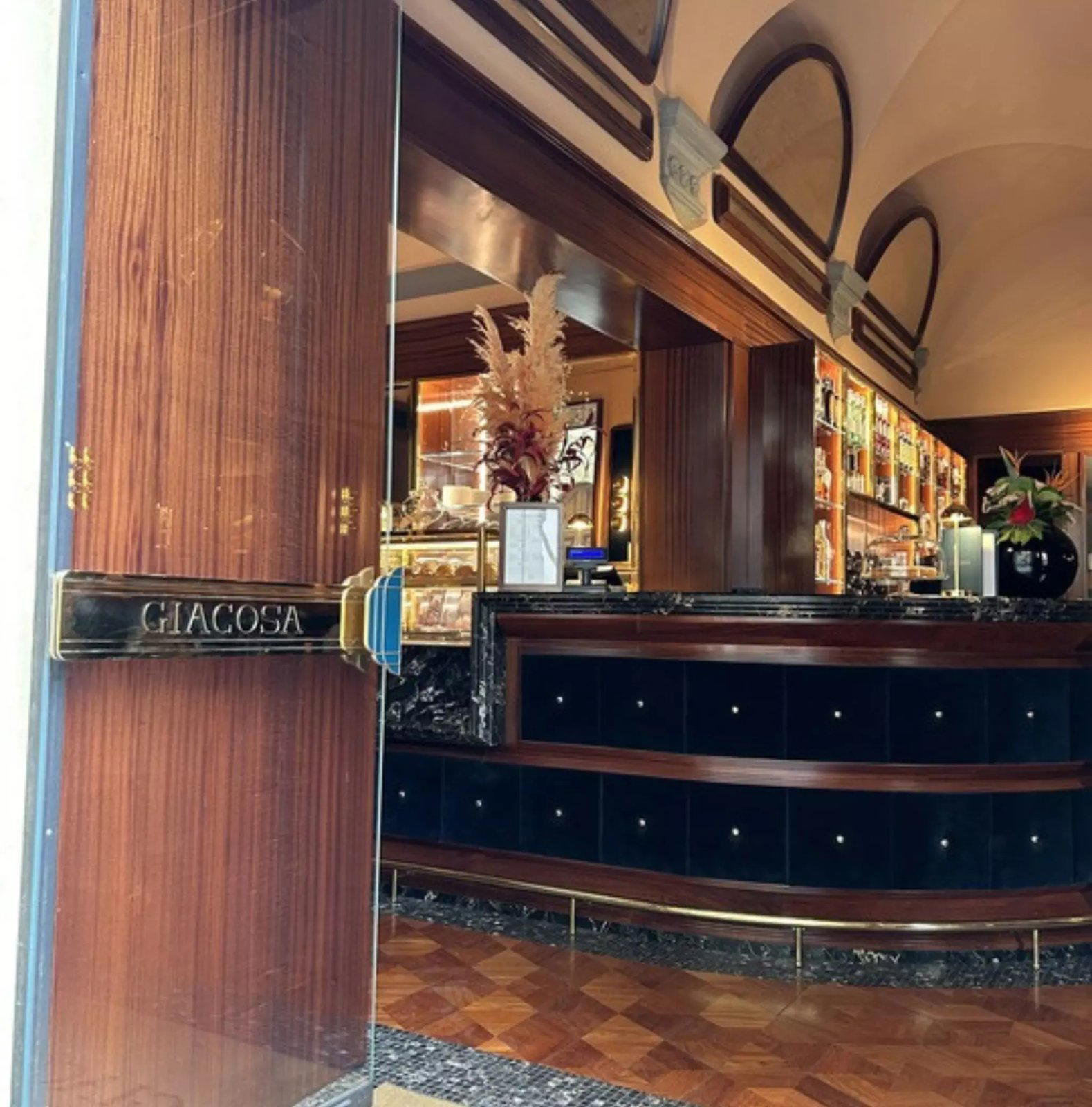
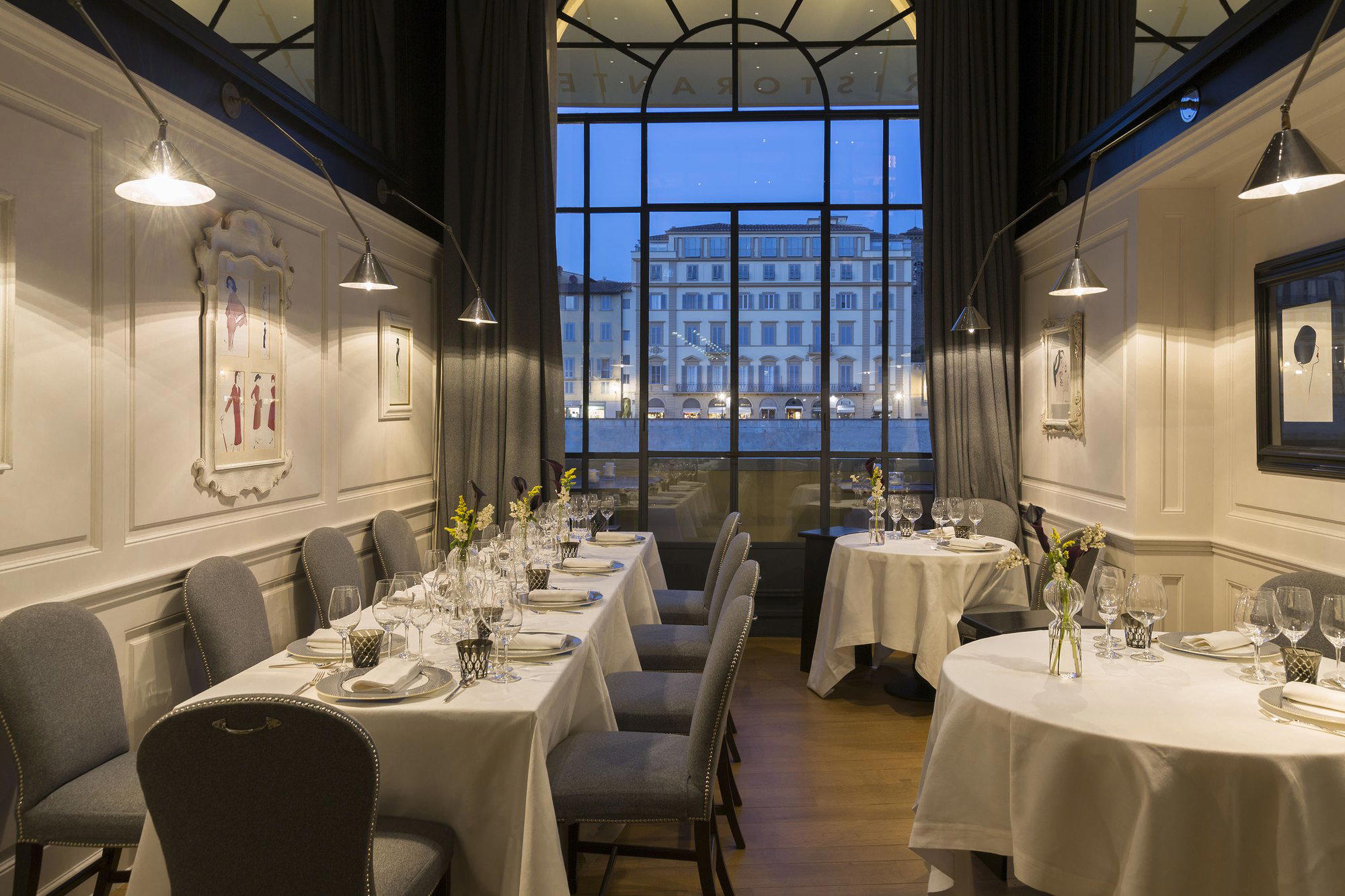
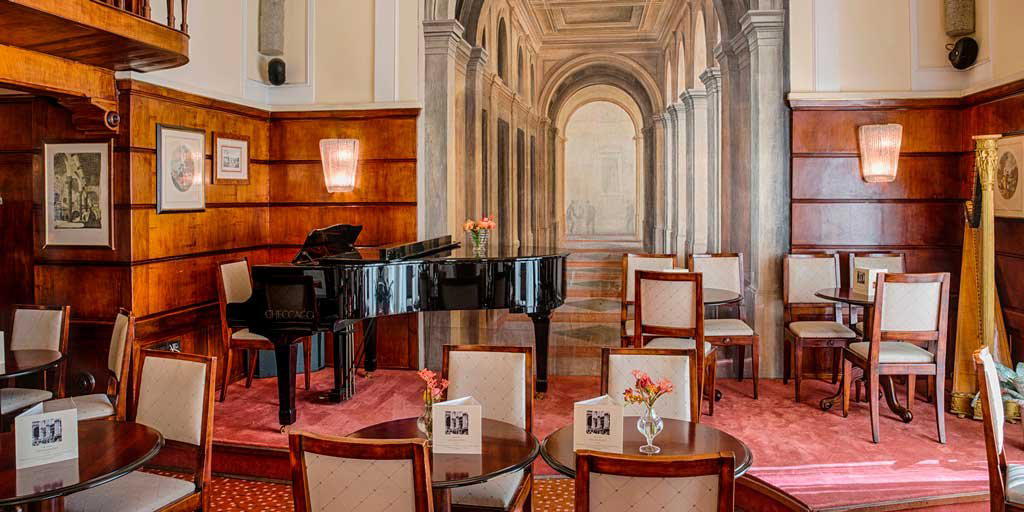
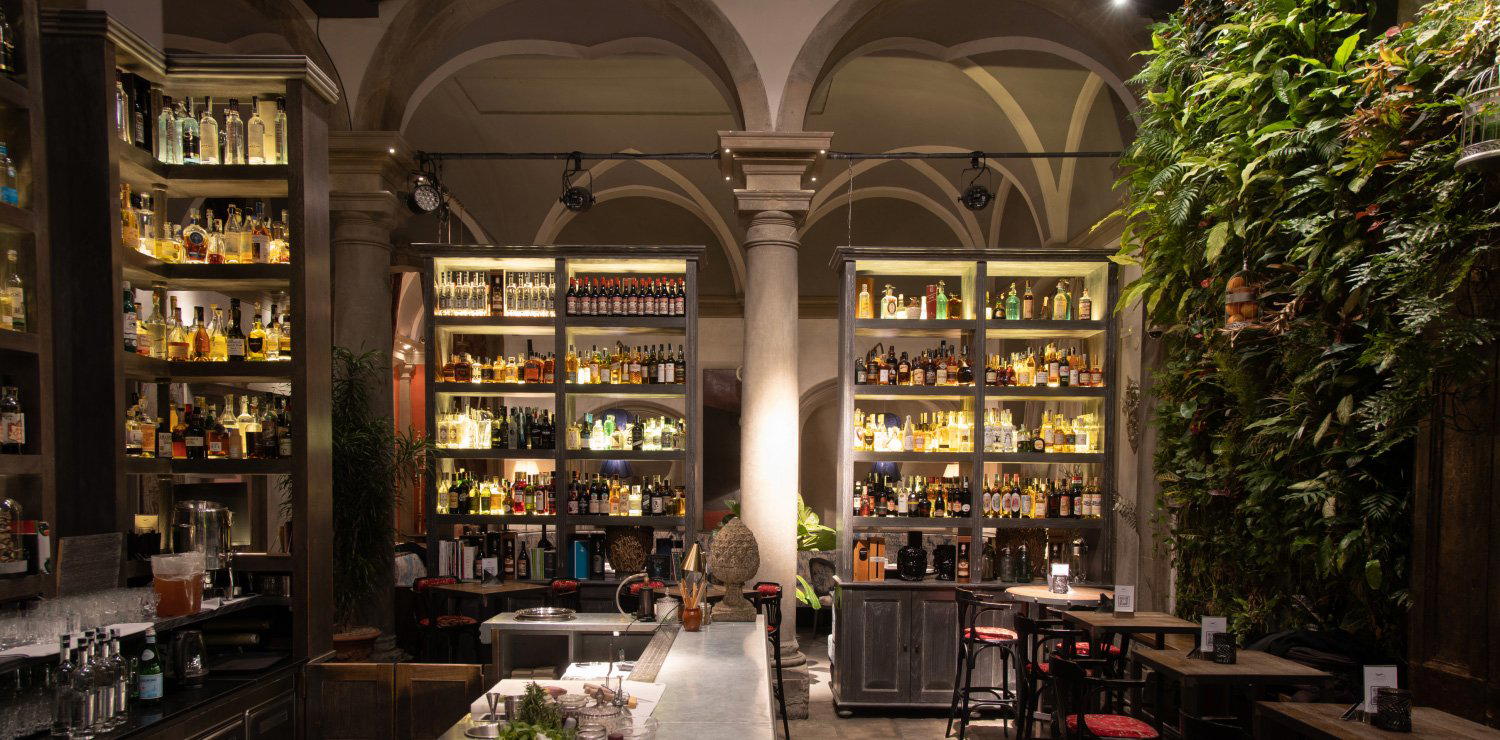
Ornate period elegance featuring fine tapestries, ornate antiques, and refined lighting that blends historic charm with contemporary sophistication.