

Hotel Number Nine occupies a 40-room address on Via dei Conti in Florence's historic centre, placing guests within walking distance of San Lorenzo and the Medici Chapels. The property sits in a tier of intimate city-centre hotels that prioritise architectural character and neighbourhood access over resort-scale amenities. For travellers whose Florence itinerary is built around the city itself, the address does the work.
Pearl is the En Primeur Club membership app — saves, bookings, and concierge access live there. Same editors, same standards.
- Address
- Via dei Conti, 9, 50123 Firenze FI
- Phone
- +39 055 293777
- Website
- firenzenumbernine.com
- Directions
- Get directions
 Saves & bookings on Pearl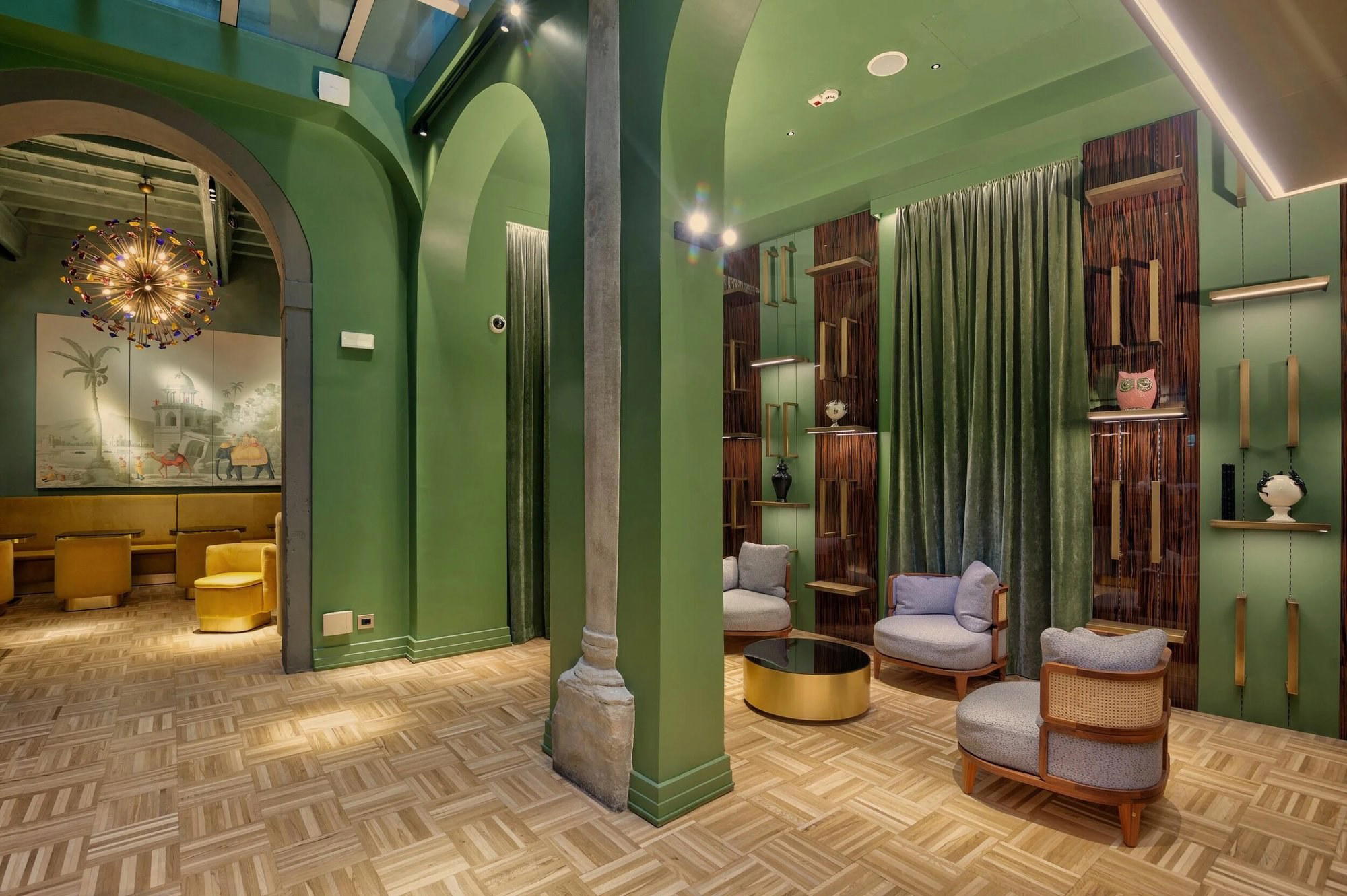
A Florence Address That Does the Heavy Lifting
Via dei Conti is one of those Florentine streets that functions as connective tissue between the tourist circuits without ever appearing on the highlights reel. It runs a short walk north of the Duomo, past the Medici Chapels and toward the San Lorenzo market quarter, in a part of the centro storico that retains the texture of a working neighbourhood rather than an open-air museum. Hotels in this corridor tend to be mid-size and independently minded, occupying palazzi that were built for purposes other than hospitality. Hotel Number Nine, at number nine on the same street, fits that description: 40 rooms inside a historic building, a 5-star hotel at Via dei Conti, 9, 50123 Firenze FI.
The 40-room count places the property in a deliberate niche. Florence's accommodation offer splits broadly between large international flagships, such as the Four Seasons Hotel Firenze with its garden estate in the Oltrarno, and smaller-scale addresses where the building itself carries most of the architectural weight. Hotel Number Nine belongs to the latter category, where the absence of a ballroom or a spa wing is a position rather than a gap. Forty rooms is a deliberate ceiling, not a growth constraint.
The Physical Container: What 40 Rooms Means in Practice
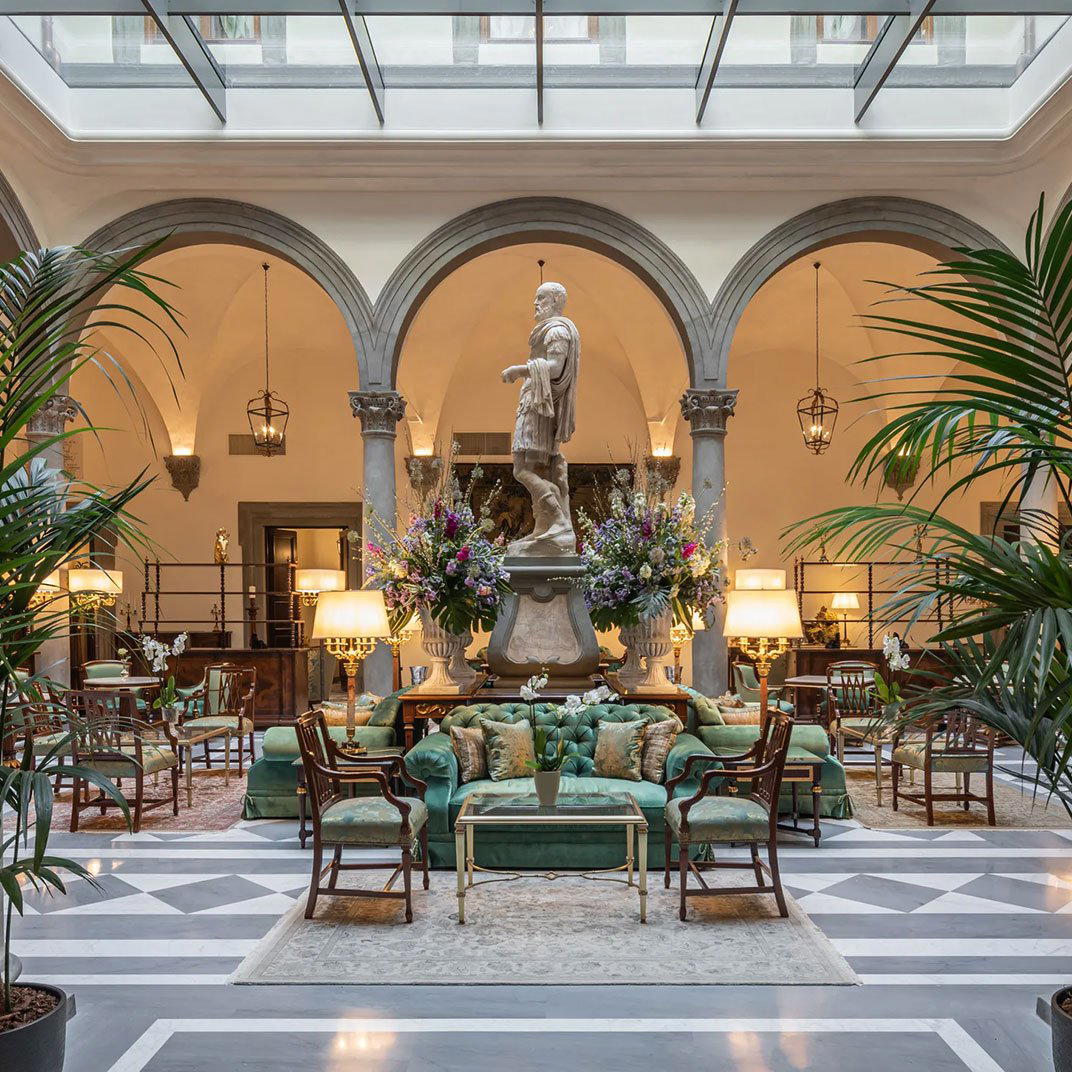
In Florence's historic centre, the buildings that become boutique hotels were not designed as hotels. They were private palaces, merchant residences, or monastic properties, and their floor plans reflect that. Corridors tend to be narrow, ceilings high or vaulted in unexpected places, and room proportions governed by the original structure rather than a standardised key count. This is the defining condition of Florence's design-led hotel tier: the architecture sets the terms, and the interior scheme responds to it.
A 40-key property in this context means the guest population stays small enough that common areas do not become crowded transition zones. The ratio of space to guest is higher than at properties running 100 rooms or more in a similarly sized envelope. That changes how a stay feels in practical terms: less lobby traffic, more opportunity for the building's original character to register. Comparable properties in Florence's historic core, including Hotel Calimala and Palazzo Portinari Salviati Residenza D'Epoca, operate in the same general model: the building's pre-hotel identity remains readable in the proportions and materiality of the spaces.
For guests whose primary interest is the city, this physical arrangement has a specific advantage. Staying in a 40-room property in the centro storico puts you in a building that behaves like a building, not a facility. You walk out onto Via dei Conti, not across a lobby into a hotel precinct. That distinction matters in a city where the architecture outside is the reason most people came.
Neighbourhood Position and What It Offers
The San Lorenzo quarter, immediately adjacent to Via dei Conti, is one of Florence's most functionally layered neighbourhoods. The covered Mercato Centrale draws both wholesale trade and the tourist-facing food hall on its upper floor; the outdoor market stalls running along the surrounding streets have operated in more or less the same form for generations. The Medici Chapels, attached to the Basilica di San Lorenzo, represent particularly concentrated Michelangelo work in any single Florentine building, yet they tend to carry shorter queues than the Accademia or the Uffizi. For guests staying on Via dei Conti, both are within a ten-minute walk.
The Duomo complex and the Baptistery are similarly close, as is the relatively quieter pedestrian zone running toward Piazza della Repubblica. Guests based here do not need to use transport to access the city's primary cultural circuit. That walkability is the location's core value, and it holds across seasons. Florence's peak months run June through August and again in November and December, when the city's Christmas markets and winter programming draw a different visitor profile. A central address like this one functions across all of them without the seasonal exposure of a property closer to the Arno or in a more peripheral position.
How Hotel Number Nine Sits in the Florence Market
Florence's hotel tier structure is worth understanding before booking. At the summit of the market, properties like the Four Seasons Hotel Firenze, Villa Cora, and Villa La Massa offer estate-scale grounds, multiple dining outlets, and the full amenity infrastructure of an international luxury flag. Below that tier, a group of smaller, architecturally led city-centre properties competes on location quality, building character, and a more contained guest experience. Hotel Number Nine operates in this second tier. The 40-room count is a reasonable benchmark for where it sits relative to both the large flagships and the smallest boutique addresses in the city.
For comparison, Hotel Lungarno, Brunelleschi Hotel, and Ad Astra each occupy distinct positions in the city's boutique and design-hotel segment. Understanding where the hotel sits relative to these properties helps clarify what the booking decision actually involves: it is a choice about scale, location specificity, and the kind of building you want to inhabit during a stay in Florence, rather than a direct amenity comparison.
Guests whose Italy itinerary extends beyond Florence will find strong reference points at the other end of the planning spectrum: Aman Venice for the palazzo-hotel format taken to its most resource-intensive expression, Castello di Reschio in Umbria for the rural-estate alternative, or Rosewood Castiglion Del Bosco in Montalcino for a wine-country base with access to the Brunello vineyards. Each represents a different logic for how to use accommodation to shape an Italian trip.
Planning Your Stay
The hotel is located at Via dei Conti 9, in the centro storico of Florence, zip 50123. The property runs 40 rooms. For travellers arriving by train, Santa Maria Novella station is approximately a 10-minute walk from Via dei Conti, making the hotel accessible without ground transport on arrival. Florence's ZTL restricted traffic zone covers most of the centro storico, so guests driving should confirm parking arrangements in advance.
For broader Italy planning alongside a Florence base, options like Borgo Santandrea on the Amalfi Coast and Il San Pietro di Positano in Positano extend a natural southern counterpoint to a Tuscan itinerary.
Comparison Snapshot
Comparable venues nearby, for context on price, style, and recognition.
| Venue | Cuisine | Price | Awards | Notes |
|---|---|---|---|---|
| Hotel Number NineThis venue — the venue you are viewing | Family-owned 5-star luxury boutique in Renaissance building | $$$$ | 5-Star | Not listed |
| La Gemma | 19th-century palazzo with modern Italian hospitality | $$$$ | 5-Star | Santo Spirito |
| Palazzo Firenze | Eighteenth-century residence offering the intimacy of a private palazzo with luxury services. | $$$$ | 5-Star | San Niccolo |
| Borgo Pignano Florence - A Virtuoso Preview Property | Historic Tuscan estate blending Renaissance heritage with contemporary luxury and artistic curation | $$$$ | 5-Star | La Pietra |
| NH Collection Firenze Porta Rossa | Historic 13th-century tower transformed into a 5-star luxury hotel blending Renaissance architecture with modern comforts. | $$$$ | 5-Star | Duomo |
| Portrait Firenze | Ferragamo family-owned luxury boutique hotel embodying 1950s Florentine glamour and haute couture heritage with discreet, intimate service. | $$$$ | 5-Star | Santo Spirito |
Recognition history
Dated appearances from independent guides and award organizations, with the underlying list record or original source where available.
Michelin Selected
Michelin
Preferred Hotels Member
Preferred Hotels
Continue exploring
More in Florence
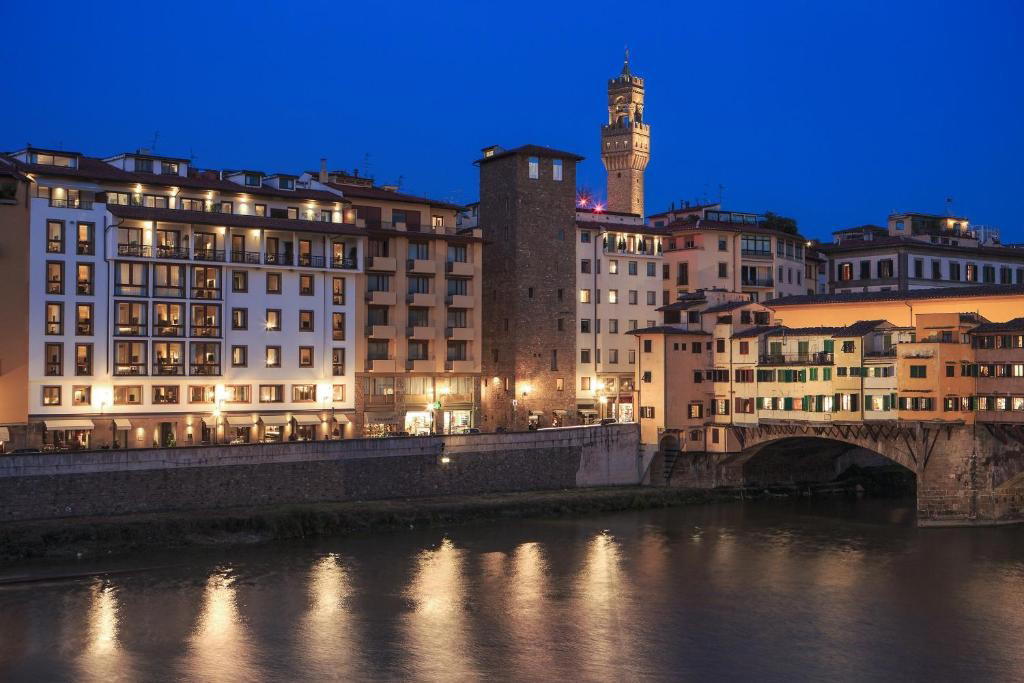
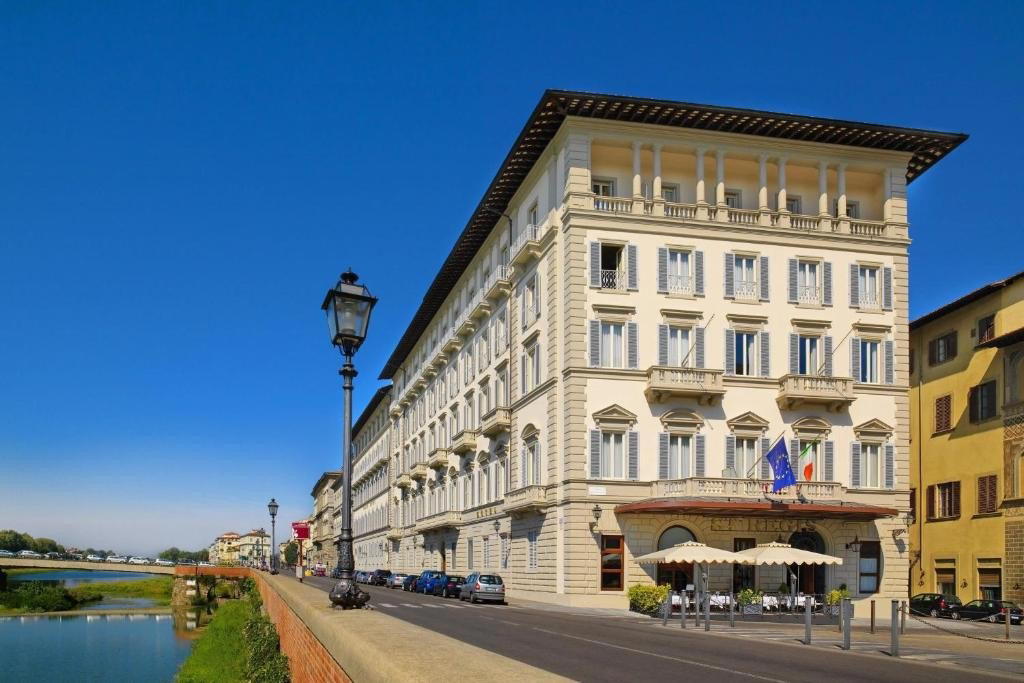
Hotels in Florence
Browse all →
Bars in Florence
Browse all →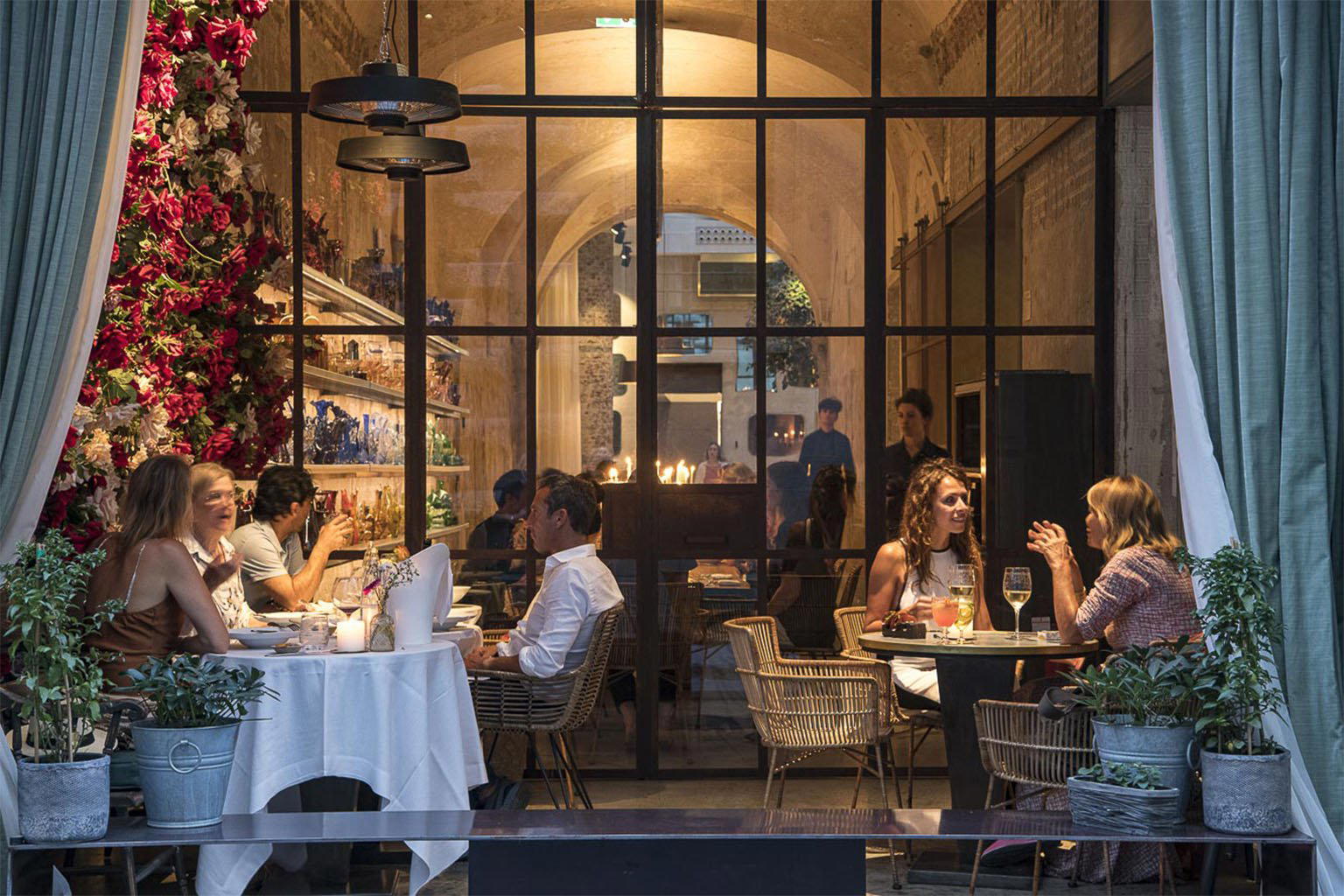
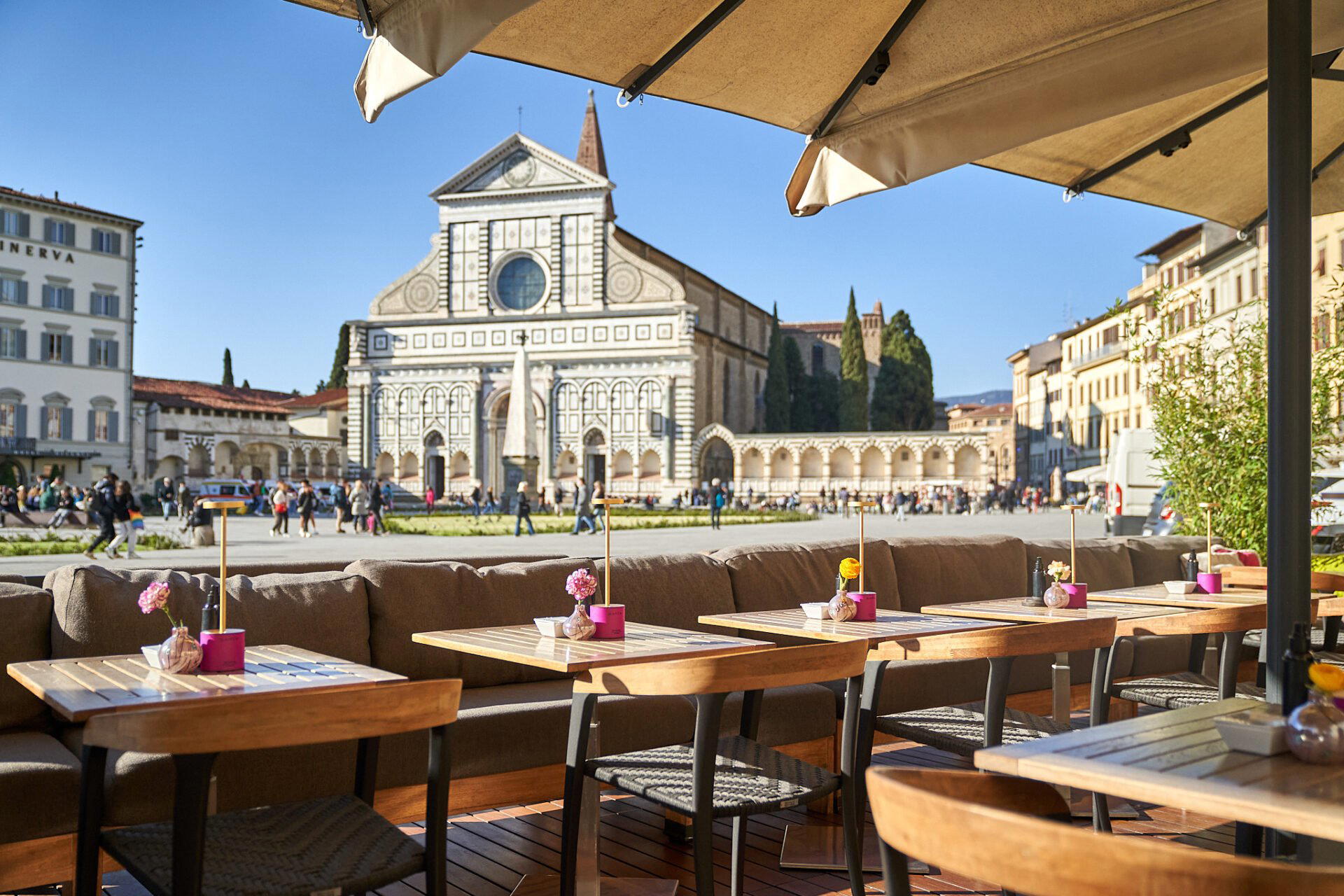
Restaurants in Florence
Browse all →
At a Glance
- Elegant
- Sophisticated
- Modern
- Cozy
- Trendy
- Romantic Getaway
- Wellness Retreat
- Anniversary
- Weekend Escape
- Historic Building
- Terrace
- Spa
- Fitness Center
- Sauna
- Room Service
- Concierge
- Restaurant
- Wi Fi
- Street Scene
- Spa
- Fitness Center
- Sauna
- Room Service
- Concierge
- Restaurant
- Wi Fi
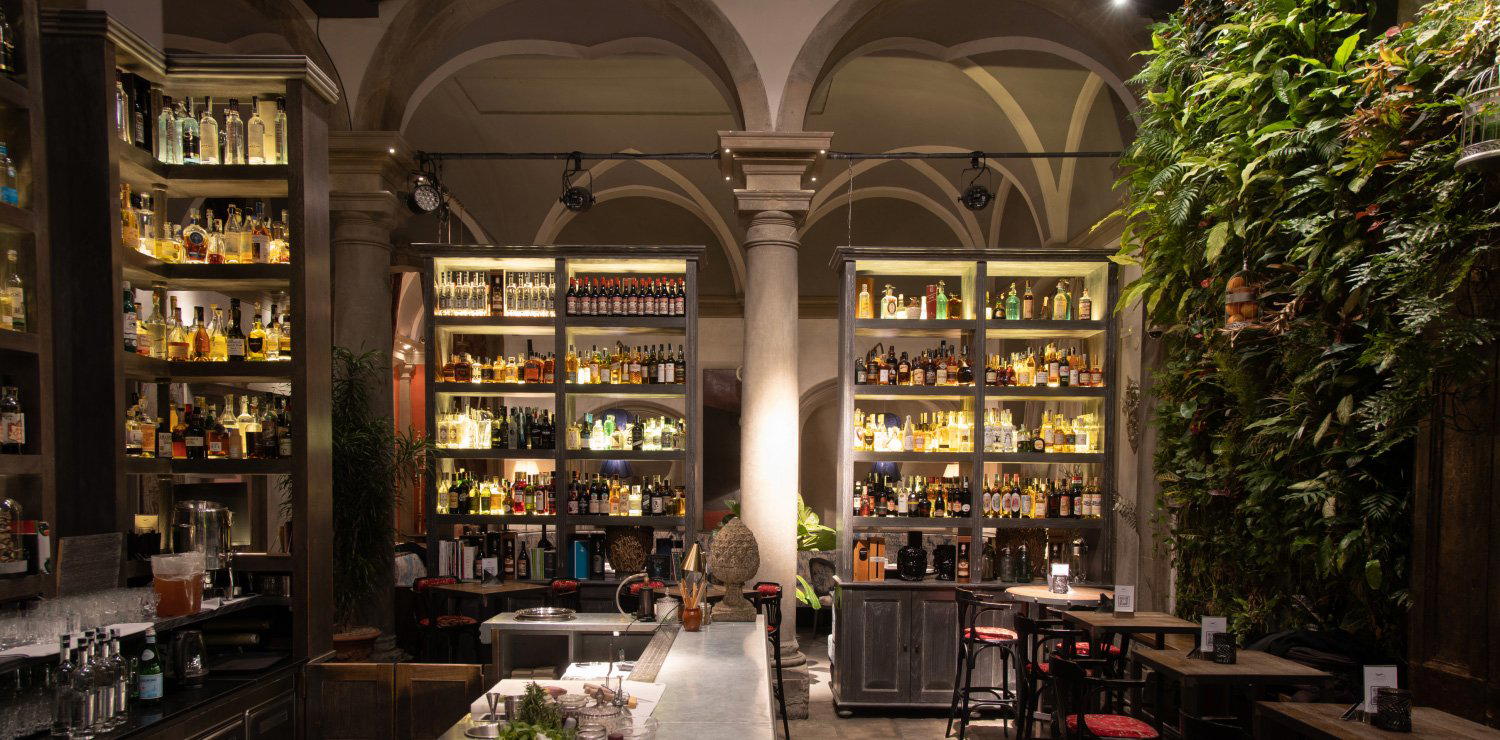
Elegant and artistic atmosphere with distinctive design elements, live music, warm attentive service, and relaxed sophisticated lighting.