



Michelin Selected · La Liste Top Hotels · Forbes 5-Star
Occupying Piazza della Repubblica since 1893, Hotel Savoy anchors Florence's luxury hotel tier with 80 rooms, 30 restructured suites, and Irene restaurant serving seasonal Tuscan cooking under chef Fulvio Pierangelini. The 2018 renovations, completed in partnership with Emilio Pucci, refreshed the lobby and terrace while preserving the property's position as the city's central reference point for classic Italian hospitality. La Liste ranked it 97.5 points in 2026.

Pearl is the En Primeur Club membership app — saves, bookings, and concierge access live there. Same editors, same standards.
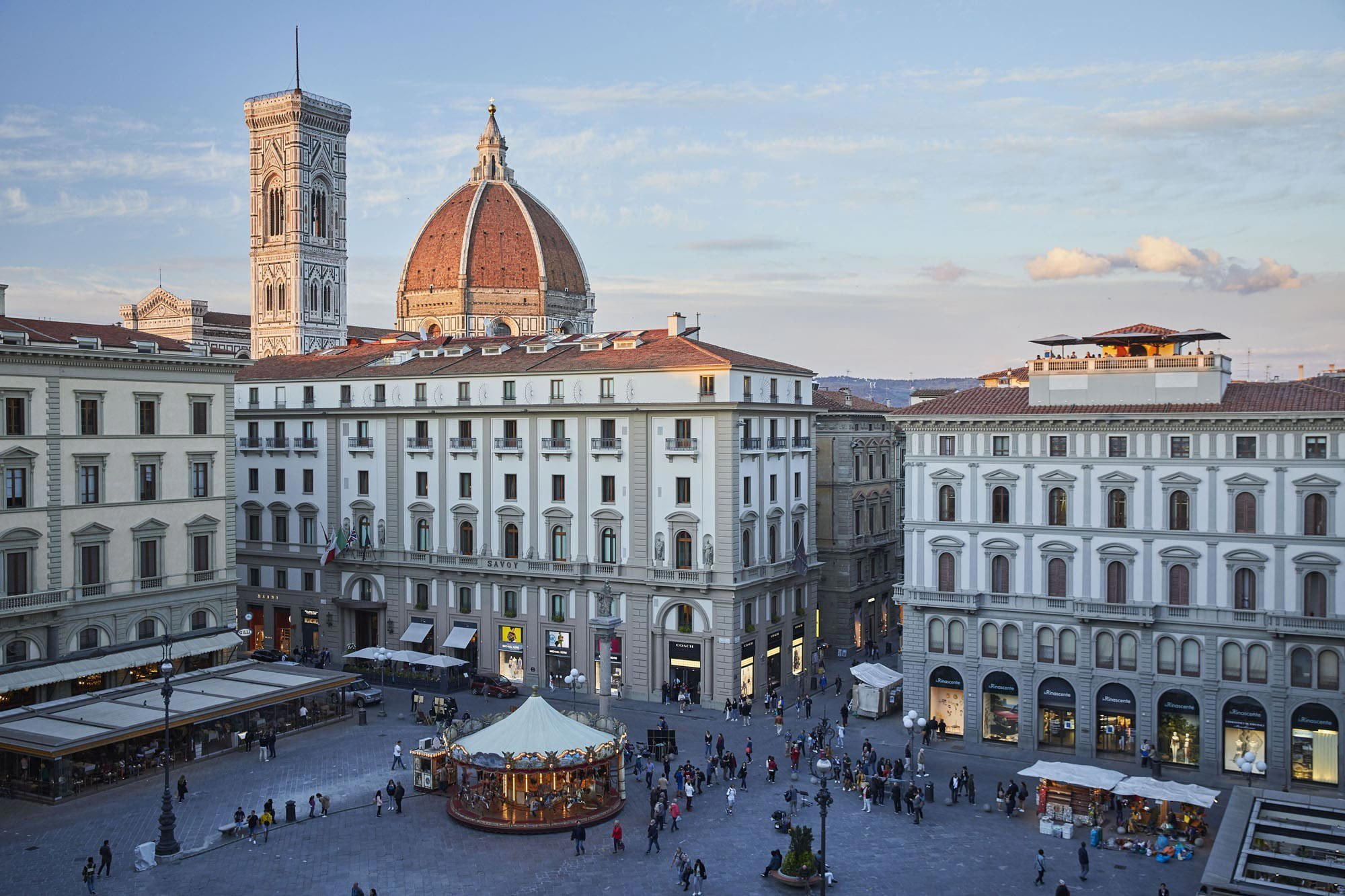
Piazza della Repubblica and the Geography of Florentine Luxury
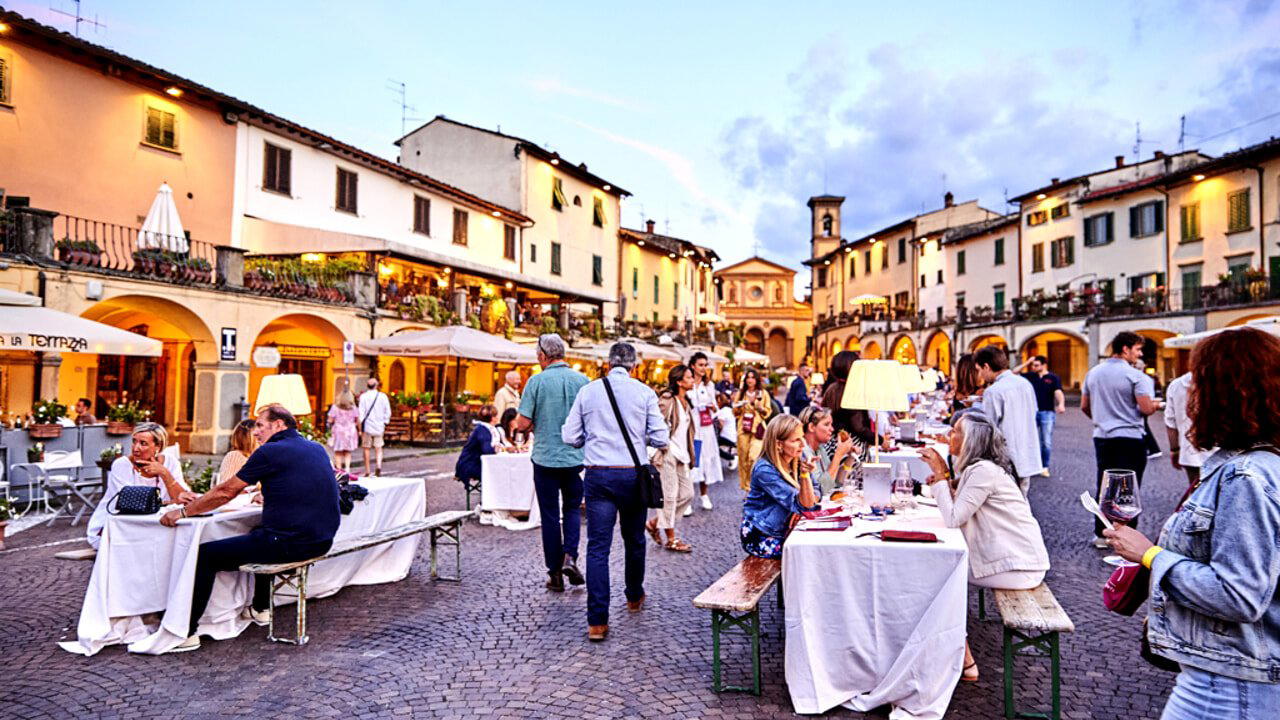
Florence's luxury hotel addresses cluster in two broad zones: the quieter Oltrarno and riverside stretches favoured by design-led properties, and the historic centre, where proximity to the Duomo and the Piazza della Repubblica commands a different kind of premium. Hotel Savoy, a Rocco Forte Hotel, has occupied that central piazza since 1893, which means the property predates the modern concept of the luxury city hotel and has had more than a century to refine what central-Florence hospitality looks like. The address is not incidental to the experience — the piazza was the crossroads of the ancient Roman town of Florentia, and guests step out directly into a square that has served as the city's social and commercial heart across multiple centuries.
Within Florence's competitive luxury tier, the Savoy sits alongside properties such as the Four Seasons Hotel Firenze, which occupies a walled Renaissance garden estate, and Palazzo Portinari Salviati Residenza D'Epoca, which leans into palazzo-specific heritage. The Savoy's proposition is distinct from both: it offers the density and immediacy of the city centre combined with the operational depth of the Rocco Forte group, whose Italian properties — including Bulgari Hotel Roma in Rome and Portrait Milano in Milan, have made Italian urban luxury a consistent focus. The La Liste Leading Hotels ranking of 97.5 points in 2026 places the Savoy within a narrow international tier where address, service depth, and culinary credibility all contribute to the overall score.
The 2018 Renovation and the Emilio Pucci Collaboration
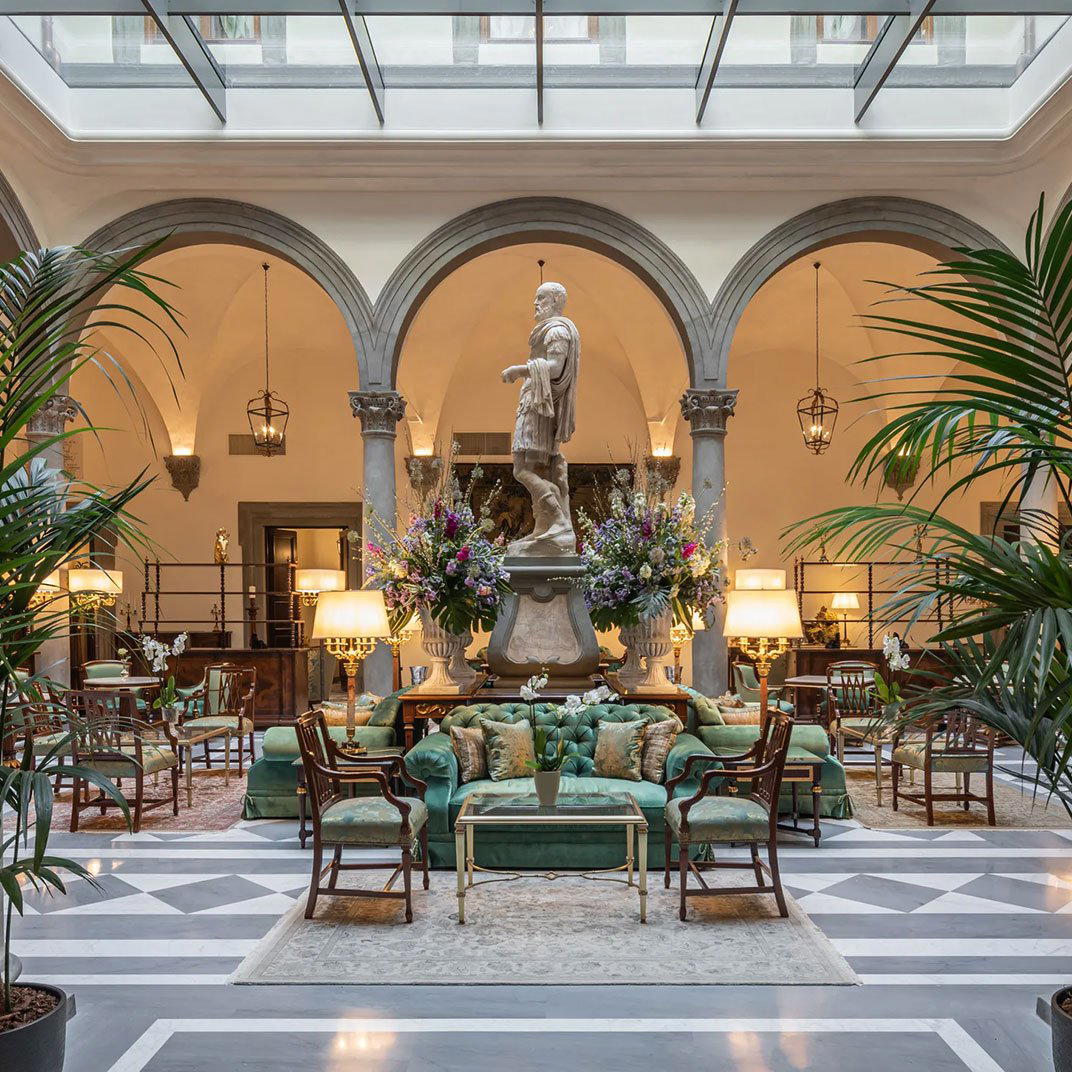
Luxury hotel renovations in historic European cities typically face a version of the same problem: how to introduce contemporary comfort without diluting the period character that justifies the premium rate. The 2018 renovation at the Savoy resolved this by reducing the room count from 102 to 80, a decision that traded volume for spatial quality, and by engaging Florentine fashion house Emilio Pucci to redesign the lobby and alfresco terrace. The Pucci collaboration introduced colour and pattern into what had been a more conventionally sedate grand-hotel palette, the result is an entrance lobby that reads as white and fluid in structure but animated by art and design elements that reference the city's textile and fashion heritage rather than its Renaissance painting tradition. It is an editorial choice that differentiates the Savoy from Florentine competitors who default to frescoes and stone as their primary design language.
Olga Polizzi, the designer behind the Rocco Forte aesthetic across multiple properties, oversaw the room interiors. The 30 suites were completely restructured and enlarged, and the bathroom specification, Carrara marble throughout, with Forte Organics products, separate showers and soaking tubs, reflects a consistent Rocco Forte material standard applied with local specificity. The Grand View Suites use furniture from local Florentine craftsmen and fabrics from C&C; and Dedar, connecting the rooms' material story to the city's craft economy in a way that avoids the generic luxury hotel neutrality of mass-market design. Other Florence properties, including Hotel Calimala and Brunelleschi Hotel, take their own approaches to Florentine craft references, but the Savoy's partnership with named local and national artisan brands gives its interiors a verifiable material provenance.
Irene: Tuscan Ingredients, Positioned in a European Bistro Format
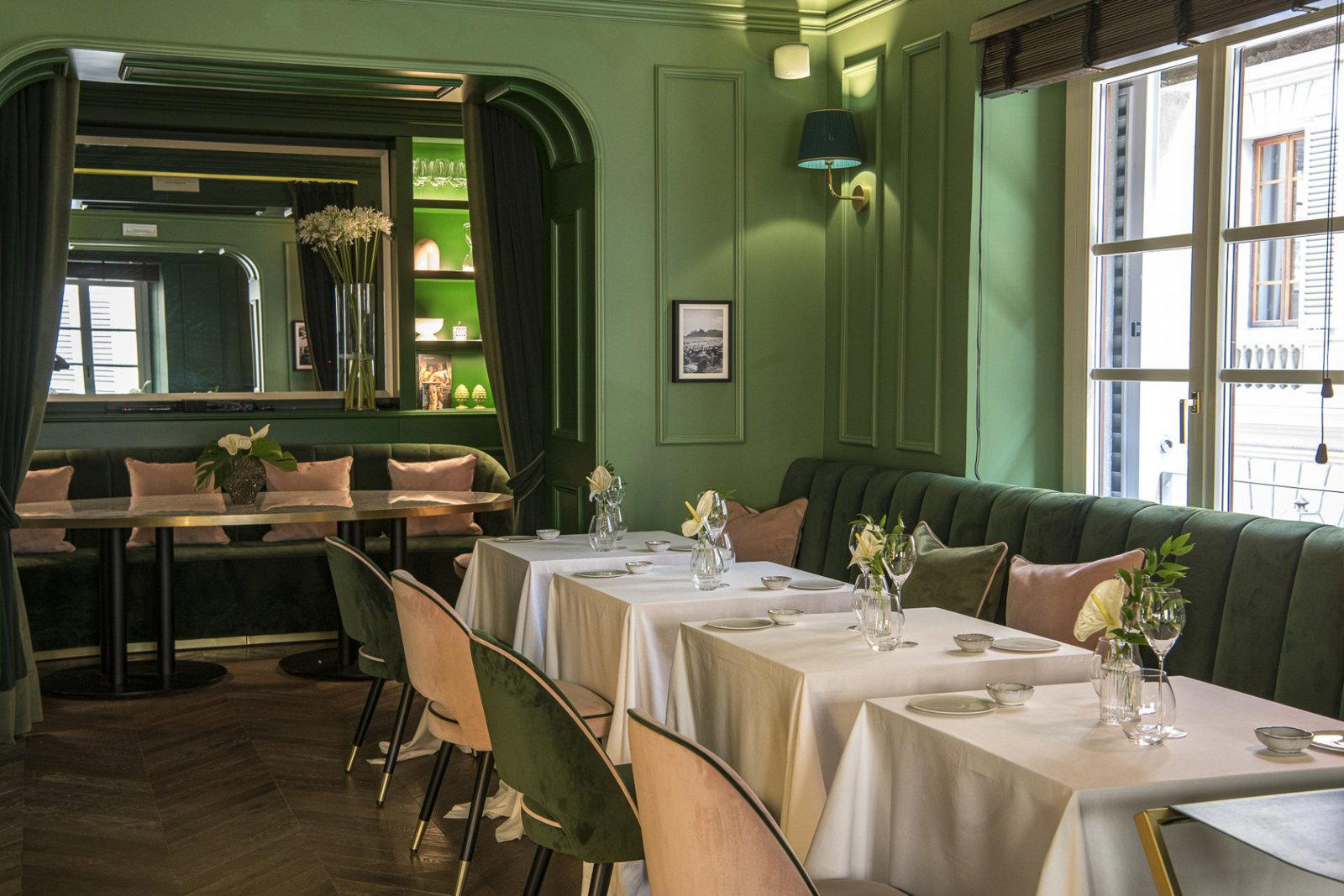
Hotel restaurants in European luxury properties occupy a complicated position. They need to serve hotel guests reliably across breakfast, lunch, and dinner, but the most credible ones also draw an independent local clientele, a balance that requires a culinary identity strong enough to compete with standalone restaurants. Irene, the ground-level restaurant and bar at the Savoy, navigates this through a specific format choice: the design references a 1950s retro-chic Florentine bistro, which signals approachability and informality rather than the stiff white-tablecloth register of traditional grand hotel dining. The result is that lunch at Irene draws both visitors and locals, with dishes that sit in the bistro register, an organic veal burger, a lobster sandwich, rather than the tasting-menu format that characterises destination hotel restaurants in other European cities.
The editorial angle is the sourcing framework. Chef Fulvio Pierangelini, whose name carries significant weight in Italian fine dining, has oriented the Irene menu around local and seasonal raw ingredients applied through a technique set that reflects his broader career. This is the intersection that defines the restaurant's position: Tuscan produce, the region's olive oils, vegetables, meats, and seafood from nearby coasts, filtered through a culinary sensibility trained at a European level. The approach connects the Savoy's dining to a wider Italian cooking argument: that the leading application of local ingredients is not folk tradition preserved unchanged, but local product handled with the technical rigour of contemporary European cooking. For context on where Irene sits within Florence's broader dining scene, the EP Club Florence guide maps the city's full restaurant landscape.
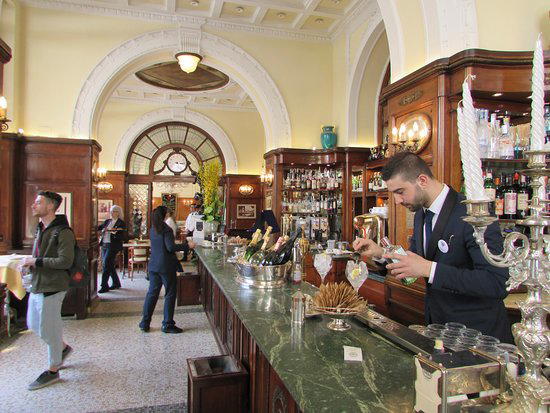
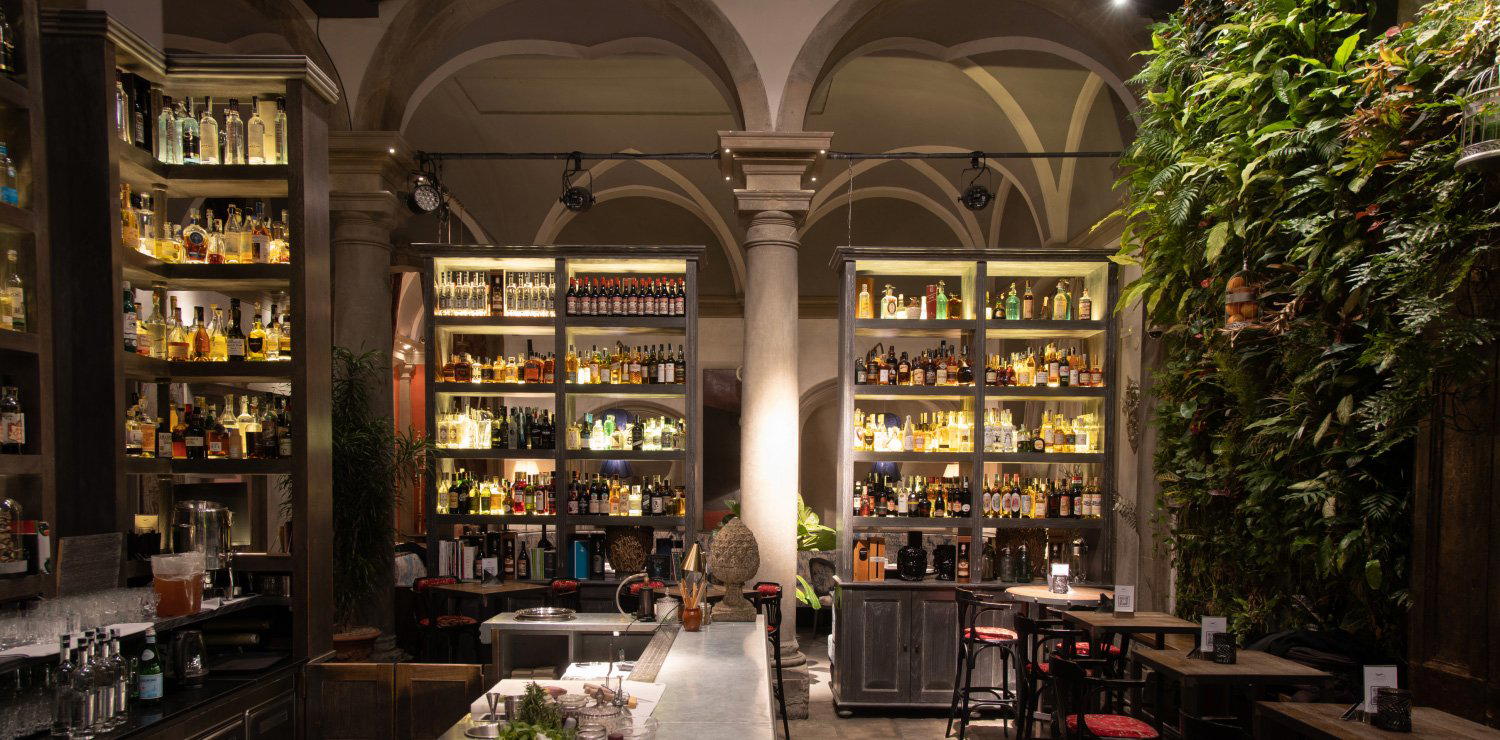
Irene Bar extends the space into a cocktail programme described as having a speakeasy character, with artisan aperitifs including the Serendipity, Calvados, mint, apple juice, sugar, and champagne, alongside the standard sundowner and nightcap function expected of a luxury hotel bar. The bar occupies the same design language as the restaurant, which avoids the common hotel error of treating the bar as an afterthought appendage to the dining room.
Rooms and Suites: What the Suite Tier Offers
The 80-room count, reduced from 102 in the 2018 renovation, positions the Savoy at the smaller end of the luxury city hotel category. The 30 suites represent a significant proportion of the inventory, and they vary considerably in what they offer beyond standard floor area. The Artist Suites and the 152-square-metre Duomo Presidential Suite represent the upper end of a suite progression that culminates in views of Brunelleschi's dome, a view that has been the defining Florentine prospect for six centuries and that the suite tier prices accordingly. The Presidential Suite occupies its own wing and includes 24/7 in-room buffet breakfast, packing services, and a personalised experience credit ranging from a private city tour to a Tuscan wine tasting. The Carrara marble bathrooms and gold-leaf mirrors in that suite are the kind of specification detail that positions the Savoy's leading accommodation against comparable suites at Villa Cora and Villa La Massa, though both of those properties offer the contrasting proposition of Florentine hillside quiet rather than central piazza immediacy.
On the fifth floor, a two-storey Spa Suite with rooftop views across Florence's skyline occupies a different niche: it combines accommodation and wellness in a single booked space, a format that has become a standard offering at Italy's leading spa-inclusive hotels, including Rosewood Castiglion Del Bosco in Montalcino and Borgo Egnazia in Savelletri di Fasano. Suite guests also have access to the hotel's Velorbis bicycles with Brooks saddles, a practical perk in a city centre where cycling covers distances between major monuments faster than walking and more usefully than driving.
Concierge, Service Architecture, and the Piazza as Amenity
One of the structural advantages of a historic city-centre address is that the concierge function has genuine use when the hotel's relationships with neighbourhood institutions are long-standing rather than recently cultivated. The Savoy's concierge team is noted for depth of preparation: restaurant reservations, car service, and logistical coordination are the expected outputs, but the team's reputation extends to experiences that require genuine local access and timing intelligence. Caffe Gilli, directly across the piazza, has operated for 270 years and serves as an informal extension of the hotel's neighbourhood, the kind of proximity that a newer address cannot replicate. For comparison, city-centre properties at a similar tier in other Italian cities, such as Passalacqua in Moltrasio or Aman Venice, each derive a portion of their service identity from the specific character of their urban or natural surroundings. At the Savoy, the surrounding character is Florence's commercial and cultural centre, which is a different kind of asset but no less specific.
Guests planning a stay should book well in advance for the suite tier, particularly during peak spring and autumn travel windows when the Piazza della Repubblica is at its most active. The Ad Astra and Hotel Lungarno offer alternative positions in the Florence luxury tier for those whose priorities shift toward Arno-facing views or quieter neighbourhood settings. For travellers extending their Italian itinerary beyond Florence, the Rocco Forte network and comparable independent properties are represented across the country, Il San Pietro di Positano, Il Pellicano in Porto Ercole, JK Place Capri, Casa Maria Luigia in Modena, Castello di Reschio in Lisciano Niccone, Borgo Santandrea on the Amalfi Coast, and Corte della Maestà in Civita di Bagnoregio each representing a different Italian regional proposition. International travellers comparing European and transatlantic luxury hotel formats may also find relevant context in The Fifth Avenue Hotel in New York City, Aman New York, and Amangiri in Canyon Point as reference points for how the city-centre luxury format translates across markets.
Style and Standing
Comparable venues nearby, for context on price, style, and recognition.
| Venue | Cuisine | Price | Awards | Notes |
|---|---|---|---|---|
| Hotel Savoy, a Rocco Forte HotelThis venue — the venue you are viewing | Contemporary luxury blending Florentine heritage and modern Italian design | $500–750 | Michelin Selected · La Liste Top Hotels | Not listed |
| Palazzo Firenze | Eighteenth-century residence offering the intimacy of a private palazzo with luxury services. | Not listed | Leading Hotels of World Member · Forbes Recommended | San Niccolo |
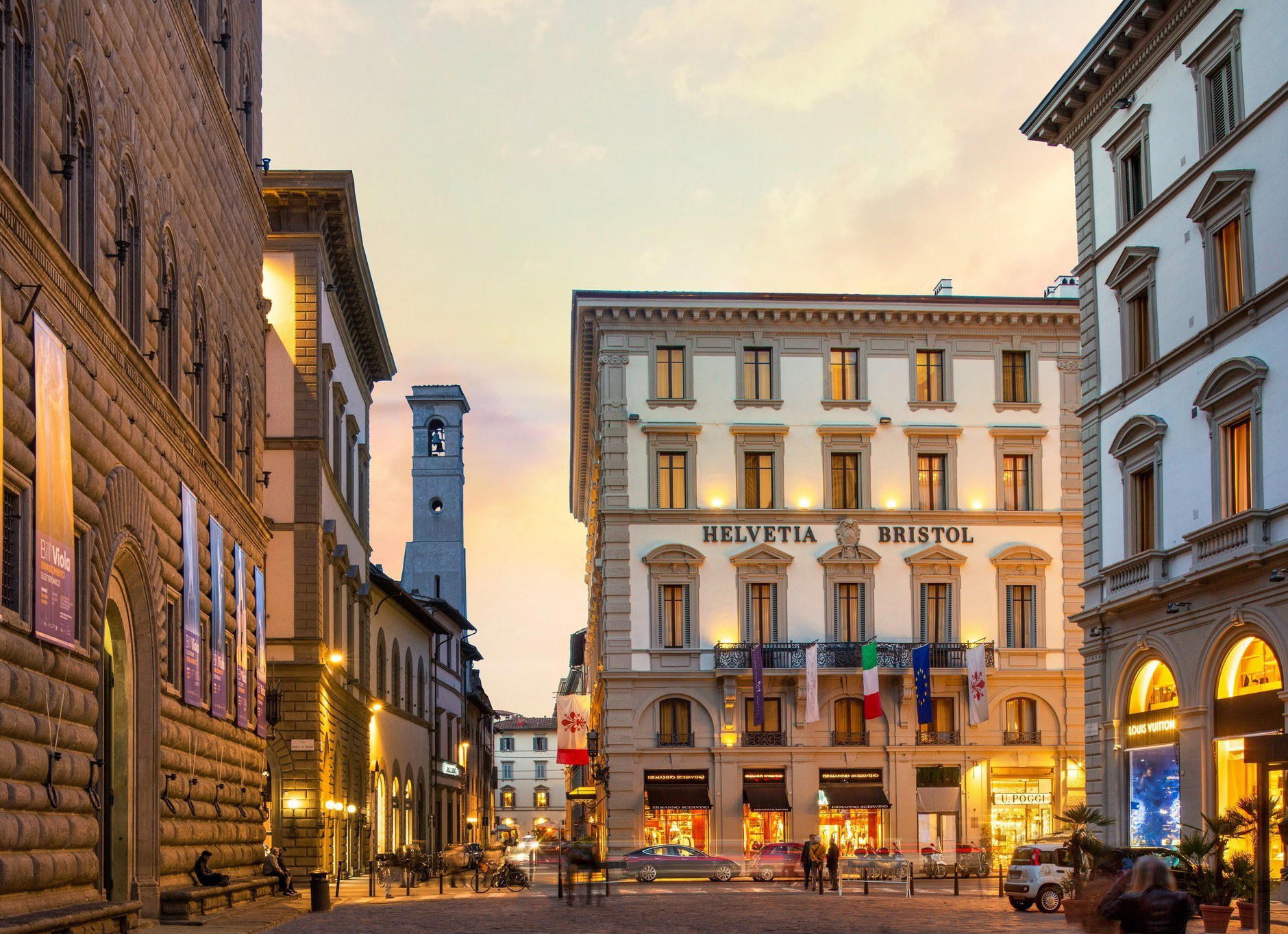
| Helvetia & Bristol Firenze - Starhotels Collezione | Timeless historic palazzo with contemporary extensions blending classic Florentine elegance and modern luxury. | Not listed | Michelin Selected · Forbes Recommended | Santo Spirito |
| Villa Tolomei Hotel & Resort | Restored Renaissance villa in 17-hectare park with vineyards and olive groves | $200–300 | Michelin Selected | Olivuzzo |
| Velona's Jungle Luxury Suites | Luxurious jungle-themed boutique B&B in a historic building with Art Deco architecture. | Not listed | 1 Michelin Key | San Jacopino |
| Il Salviatino | Historic 15th-century Renaissance villa blending classic elegance with contemporary design | Not listed | Michelin Selected · Mr & Mrs Smith Seal of Approval | Coverciano |
Recognition history
Dated appearances from independent guides and award organizations, with the underlying list record or original source where available.
Michelin Selected
Michelin
La Liste Top Hotels
La Liste
Forbes 5-Star
Forbes
Virtuoso Luxury Hotel Partner
Virtuoso
Full recognition history (5 entries)
Forbes 5-Star
Forbes
Hotel Savoy, a Rocco Forte Hotel
Featured Guides
Continue exploring
More in Florence
Hotels in Florence
All hotels in Florence →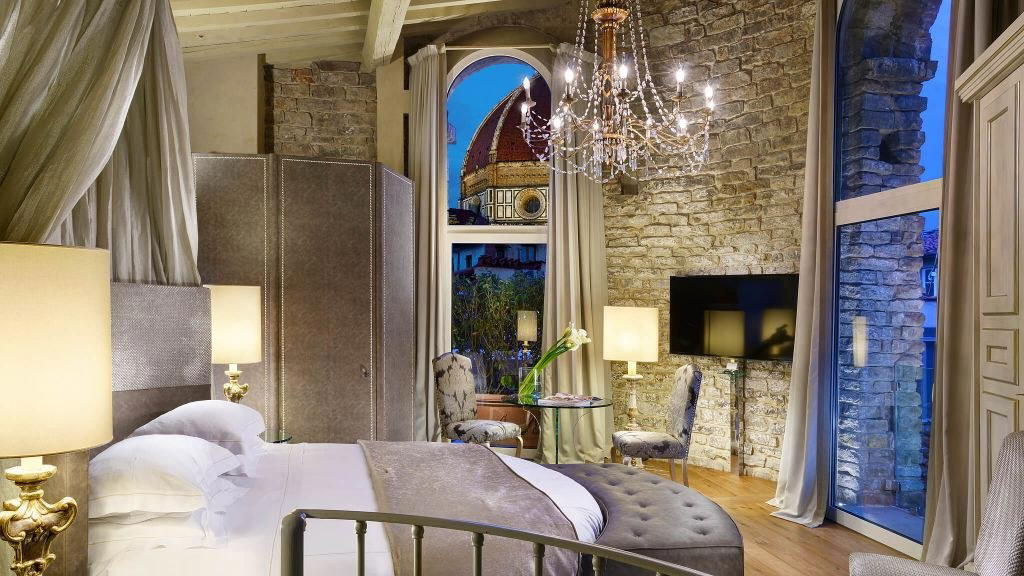
Bars in Florence
All bars in Florence →
Restaurants in Florence
All restaurants in Florence →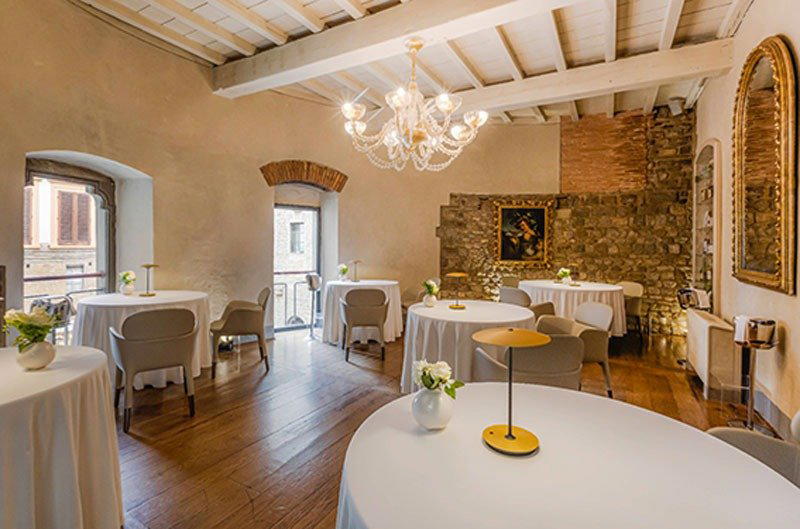

Details
- Elegant
- Sophisticated
- Classic
- Ornate
- Romantic Getaway
- Honeymoon
- Anniversary
- Historic Building
- Terrace
- Panoramic View
- Wi Fi
- Fitness Center
- Room Service
- Concierge
- Restaurant
- Bar
- Business Center
- Valet Parking
- Street Scene
- Skyline
- Wheelchair Accessible
- Elevator
Elegant and serene with calming palettes, Tuscan silks, glamorous furnishings, and soundproofed rooms creating a sophisticated retreat amid the bustling city.