


The St. Regis Qingdao occupies 23 floors of the Haitian Center tower, one of the tallest structures in the region at roughly 1,200 feet, overlooking Fushan Bay in Shinan District. The address places guests at the intersection of Qingdao's central business district and its coastal edge, with the bay as a constant backdrop. For travelers who want city access and waterfront orientation in the same room, this is a clear reference point in the Qingdao hotel market.
Pearl is the En Primeur Club membership app — saves, bookings, and concierge access live there. Same editors, same standards.
- Address
- 48 Hong Kong West Road, Shinan District, Qingdao, Shandong
- Phone
- 86-532-82659999
- Website
- marriott.com
- Directions
- Get directions
 Saves & bookings on Pearl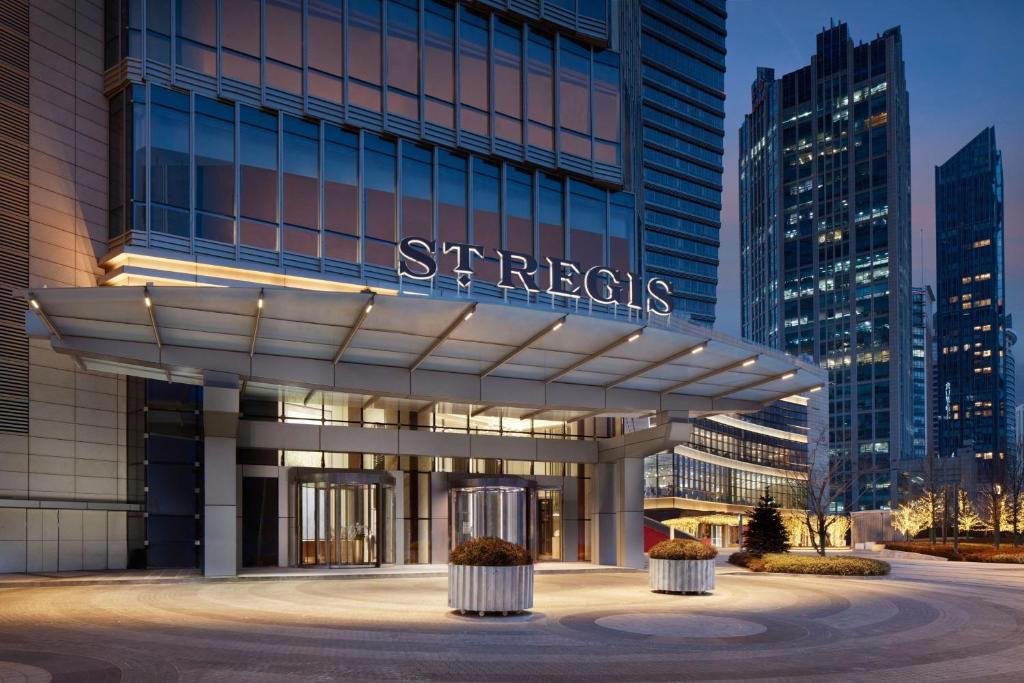
Vertical Ambition on Fushan Bay
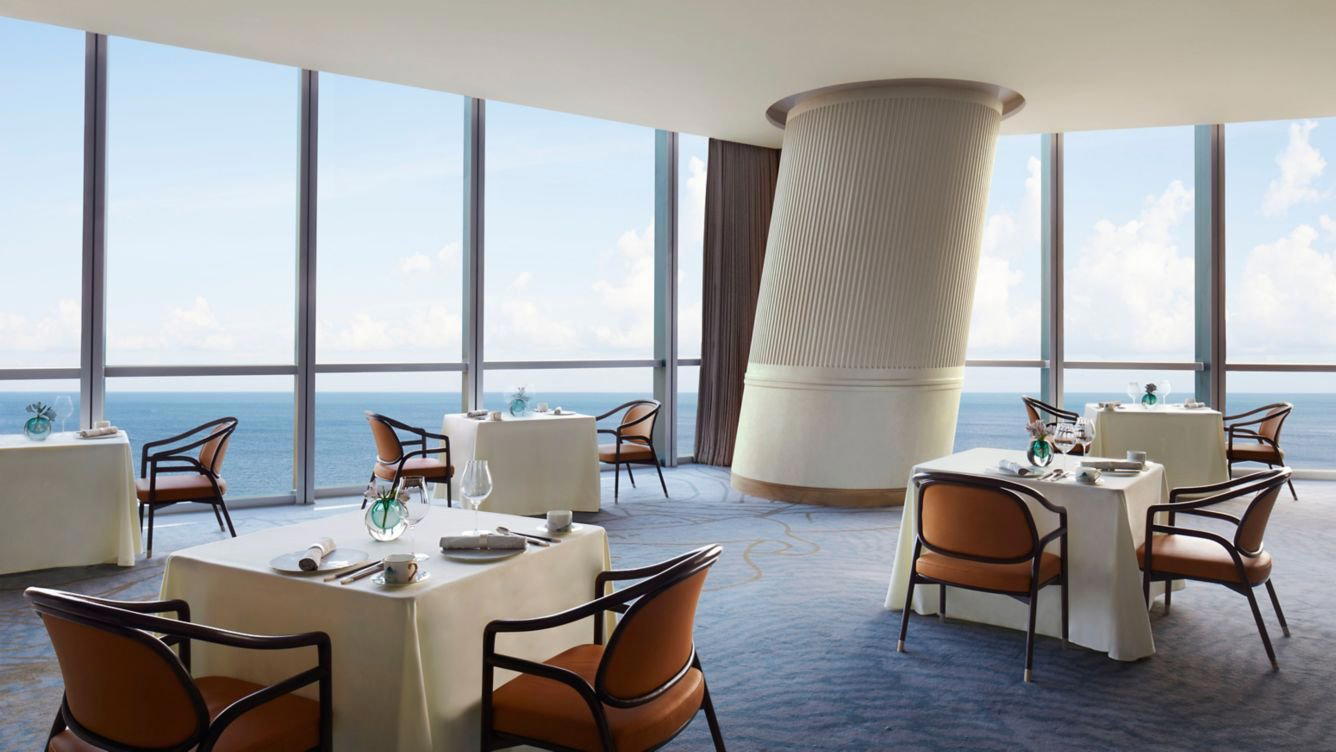
Qingdao has always operated in two registers at once: a port city with German colonial bones and a Chinese coastal identity that has grown sharper with each decade of development. The Shinan district, the central business district fronting Fushan Bay, captures this tension more honestly than anywhere else in the city. Towers that would read as unremarkable in Shanghai carry different weight here, where the skyline still negotiates with the sea. The St. Regis Qingdao occupies 23 floors within the Haitian Center, a structure that rises to roughly 1,200 feet and ranks among the tallest buildings in the region. The hotel does not merely have a view of the bay; its physical position within a supertall tower makes the bay a structural condition of every stay.
What the Architecture Argues
Tall-tower hotels in Chinese coastal cities tend toward one of two approaches: full-glass curtain walls that dissolve the boundary between interior and exterior, or heavily clad facades that signal institutional weight. The Haitian Center reads as the former, placing The St. Regis Qingdao in a lineage of vertically integrated luxury that has redefined how premium hospitality is experienced in second- and third-tier Chinese coastal markets over the past decade. The model contrasts sharply with the lower-rise, garden-centric logic of properties like Amanfayun in Hangzhou or Amandayan in Lijiang, where horizontality and landscape integration are the primary design arguments. Here, height is the argument. The upper floors reframe Fushan Bay as something closer to an aerial geography than a street-level amenity, a perspective that changes how guests relate to the city below.
The St. Regis brand has historically used architectural ambition as a differentiator in markets where it competes against both international chains and domestic luxury operators. In Qingdao specifically, positioning within one of the tallest buildings in Shandong province serves as a legible proxy for category leadership. For context, JW Marriott Hotel Shanghai at Tomorrow Square deployed an identical logic in Shanghai years earlier, and Mandarin Oriental Qianmen in Beijing took the opposite route entirely, embedding itself in a historic hutong compound. Both strategies work; they simply construct different relationships between guest and city.
Coastal Sophistication as Design Brief
The Haitian Center's position on Hong Kong West Road in Shinan places The St. Regis Qingdao at an address that functions simultaneously as a business and leisure destination. Shinan is where Qingdao's corporate infrastructure meets its waterfront identity, and hotels that operate here serve a mixed demand set: conference travelers who need proximity to the CBD, leisure visitors drawn by the bay, and a growing cohort of domestic premium travelers who treat Qingdao as a long-weekend destination from Beijing and Shanghai. This is a different competitive dynamic from resorts like 1 Hotel Haitang Bay in Sanya, which operate in a near-exclusively leisure register, or from the urban-only positioning of Conrad Tianjin. The St. Regis Qingdao holds both markets simultaneously, which shapes everything from lobby programming to the pitch of the wine program.
That wine program has earned recognition from Star Wine List in 2026, a credential that signals a list operating above category average for a coastal Chinese business hotel. Star Wine List assessments focus on depth, producer diversity, and list architecture rather than bottle count alone, which suggests the cellar here reflects considered curation. For travelers who treat the wine list as a reliable proxy for overall kitchen and beverage seriousness, the 2026 recognition is a meaningful data point. Our full Qingdao restaurants guide maps the broader dining picture for visitors who want to extend their eating and drinking beyond the hotel.
How the Room Hierarchy Works at Altitude
In tall-tower luxury hotels, the room category question is almost always a floor question. The higher the floor, the more the bay view operates as a primary amenity rather than a secondary feature. Standard rooms in properties like this deliver the tower experience; suites at upper floors deliver something closer to a private observatory. The St. Regis brand applies its Butler Service model globally, which means service architecture is consistent across room categories, but the physical experience of the bay shifts substantially as you ascend. Guests prioritizing the Fushan Bay outlook should factor floor position into their category selection, not just suite square footage. For comparison, properties like Andaz Shenzhen Bay have used an identical waterfront-height dynamic to justify premium tiering, and the logic holds in Qingdao.
Planning a Stay
The St. Regis Qingdao sits at 48 Hong Kong West Road in the Shinan district, within the Haitian Center tower. Qingdao Liuting International Airport connects the city to Beijing, Shanghai, and most major domestic hubs, with journey times to the Shinan CBD typically falling under an hour by road outside peak traffic. The hotel operates in a district where Qingdao's commercial and coastal identities intersect, which means proximity to both the waterfront and the city's business infrastructure. Given the tower's position and the Star Wine List recognition, advance reservations for dining are advisable, particularly on weekends when domestic leisure demand competes with the corporate midweek baseline. Travelers comparing this property with other Chinese coastal hotels might also consider Xiamen Yunding Resort or Banyan Tree Chongqing Beibei as points of reference across different coastal and inland formats. For those building a broader China itinerary, properties including Altira Macau, Conrad Guangzhou, Hyatt Place Nanjing Xuanwu, Green Lake Hotel Kunming, Vanke Lake Songhua Yunlu Hotel in Jilin, Beidahu Asian Games Village, Mohe Youran Mountain Residence, Elite Spring Villas in Anxi, Huyi District in Xi'an, Banyan Tree Ringha in , Conrad Jiuzhaigou, and Conrad Urumqi cover a wide range of formats and geographies. For international comparisons at the upper end of the St. Regis competitive set, Aman New York, The Fifth Avenue Hotel in New York City, and Aman Venice offer useful reference points for how tall-tower and heritage luxury diverge at a global scale.
Comparison Snapshot
| Venue | Cuisine |
|---|---|
| The St. Regis QingdaoThis venue — the venue you are viewing | This venue |
Recognition history
Dated appearances from independent guides and award organizations, with the underlying list record or original source where available.
Forbes 4-Star
Forbes
Michelin Guide New Hotels New Hotel
Michelin Guide New Hotels
Star Wine List
Star Wine List
Michelin Selected
Michelin
Continue exploring
More in Qingdao
Hotels in Qingdao
Browse all →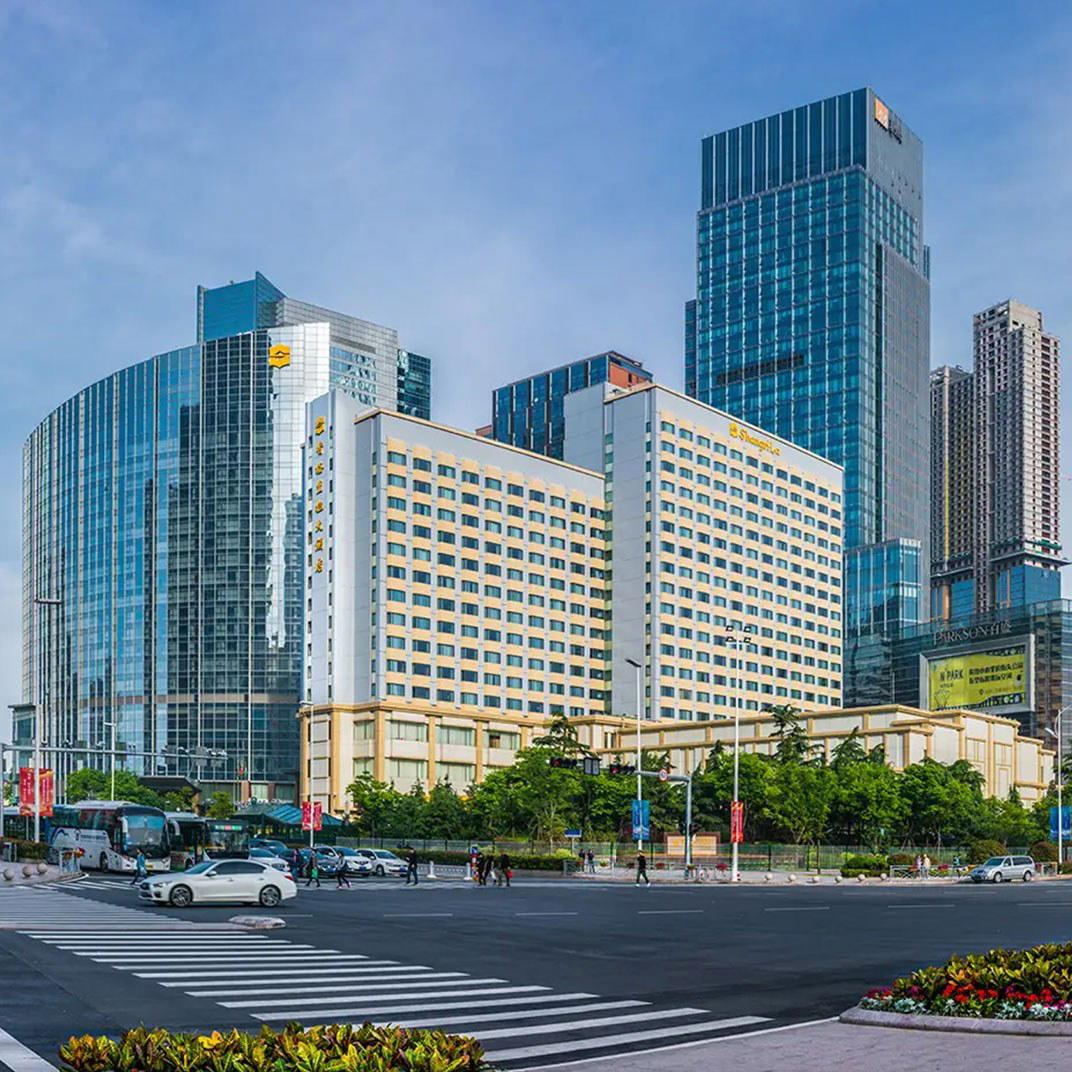
Bars in Qingdao
Browse all →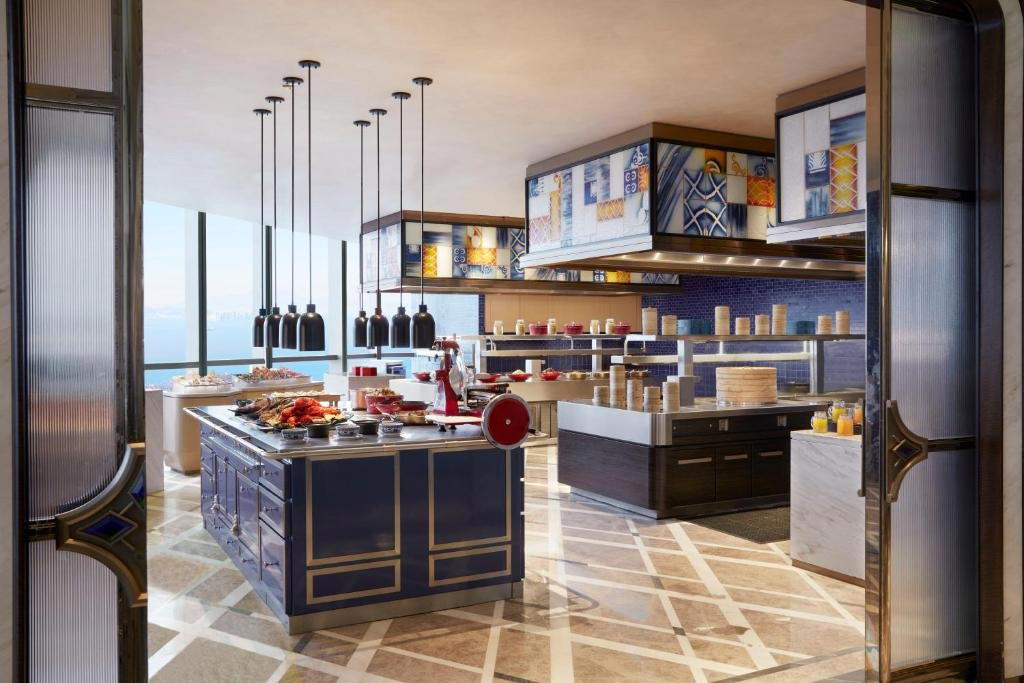
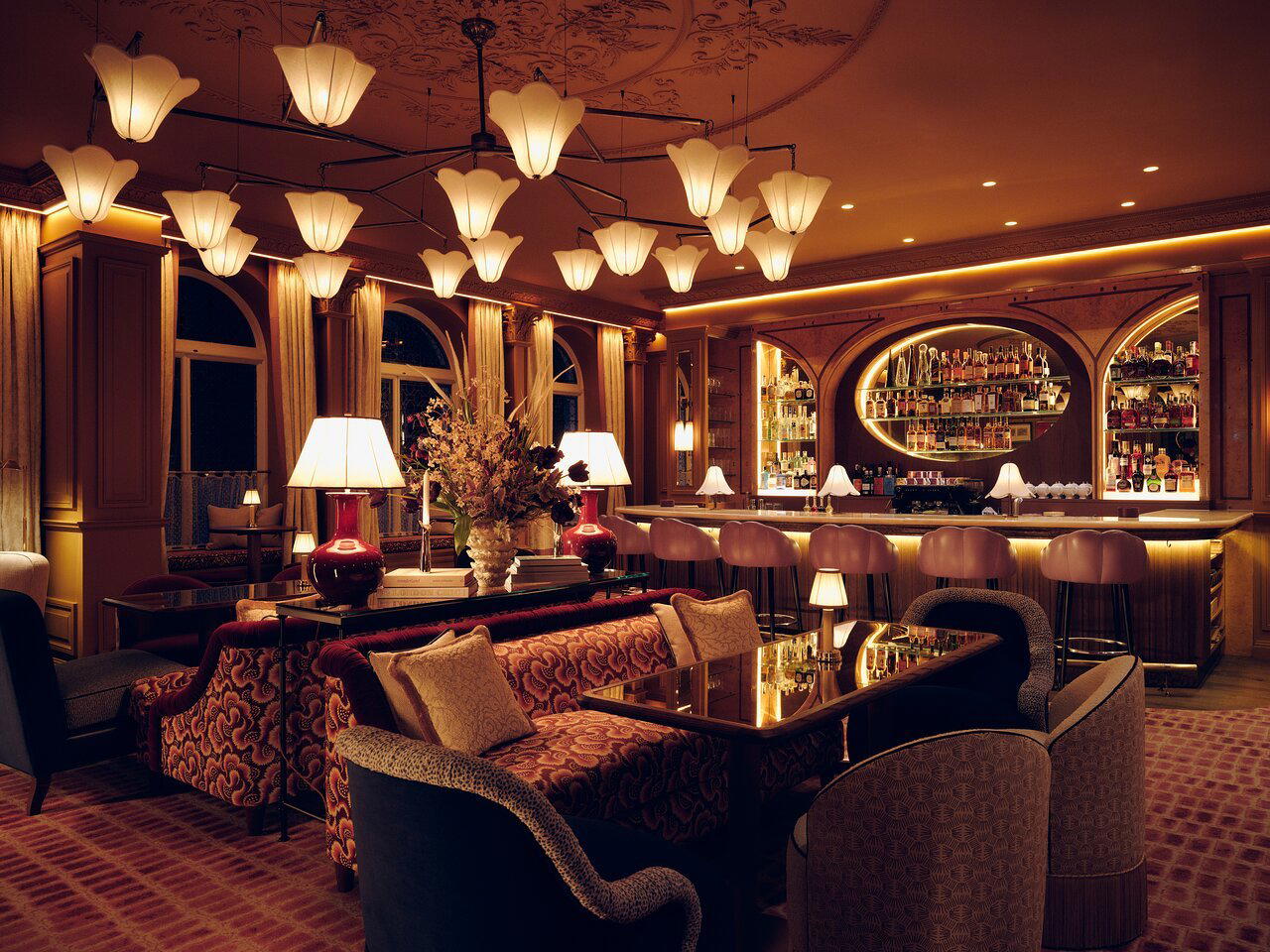
Restaurants in Qingdao
Browse all →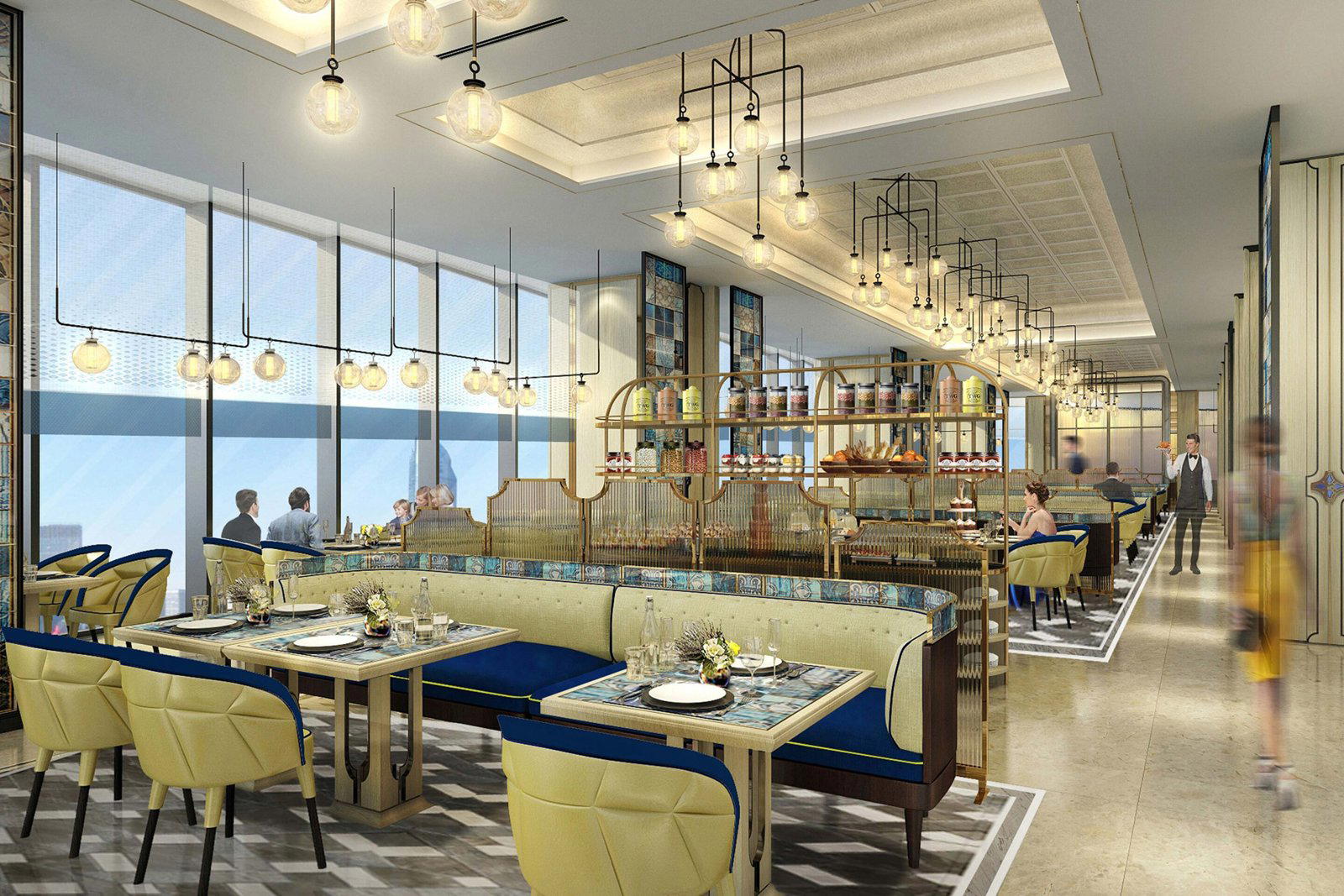
At a Glance
- Elegant
- Sophisticated
- Scenic
- Romantic
- Romantic Getaway
- Business Trip
- Anniversary
- Celebration
- Butler Service
- Destination Spa
- Waterfront
- Panoramic View
- Infinity Pool
- Private Dining
- Rooftop Pool
- Wi Fi
- Pool
- Spa
- Fitness Center
- Room Service
- Concierge
- Business Center
- Valet Parking
- EV Charging
- Restaurant
- Bar
- Sauna
- Waterfront
- Skyline
- Wi Fi
- Pool
- Spa
- Fitness Center
- Room Service
- Concierge
- Business Center
- Valet Parking
- EV Charging
- Restaurant
- Bar
- Sauna
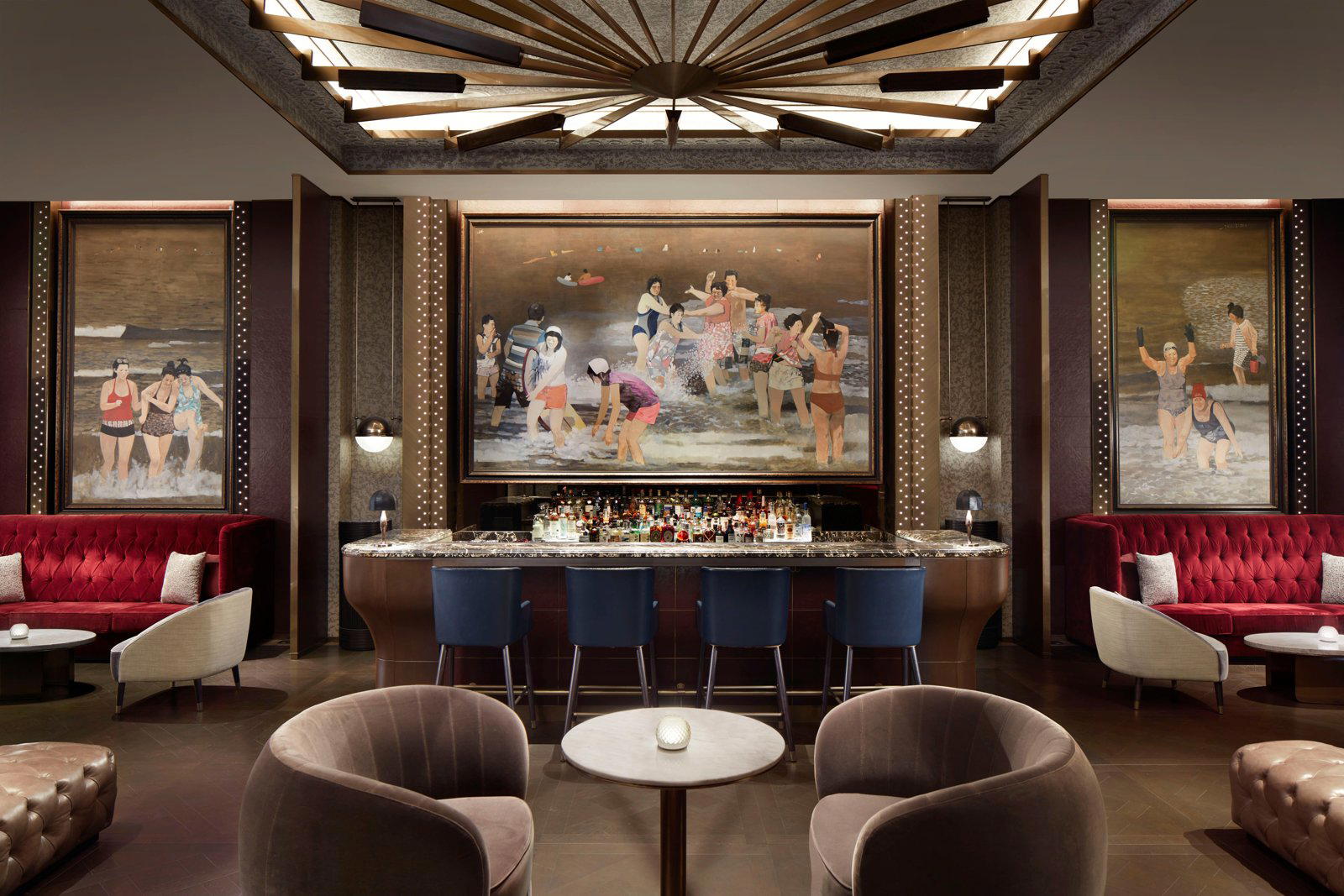
Sophisticated and serene with soft lighting, contemporary design, and expansive windows framing Fushan Bay; an upscale yet relaxed setting that balances modern elegance with coastal tranquility.
Know Before You Go
- Getting there
- 48 Hong Kong West Road, Shinan District, Qingdao, Shandong