
Set among the tea terraces of Anxi County in Fujian Province, Elite Spring Villas offers a boutique retreat built around heritage-inspired architecture and poolside gardens that draw directly from the region's deep-rooted tea culture. The property sits in a part of southern China where landscape and tradition remain closely intertwined, making it a considered alternative to the large-format resort circuit in coastal Fujian.
Pearl is the En Primeur Club membership app — saves, bookings, and concierge access live there. Same editors, same standards.
- Address
- Anxi County, Quanzhou, China, 362441
- Phone
- +8659526166666
- Website
- bluepillow.com
- Directions
- Get directions
 Saves & bookings on Pearl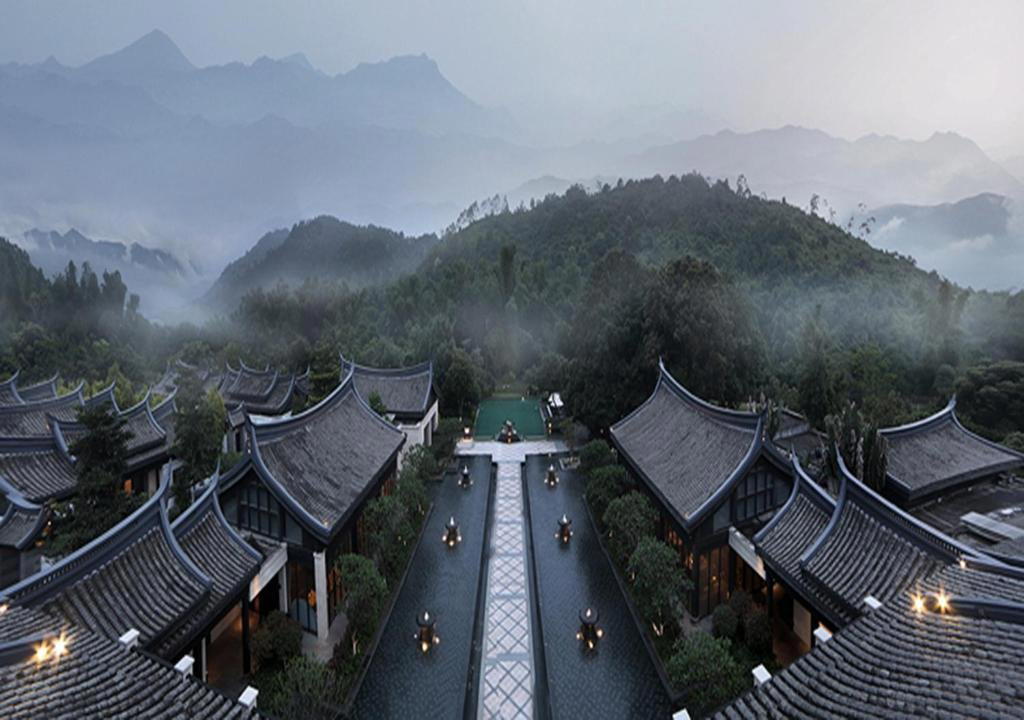
Tea Country Architecture: Where Fujian's Heritage Meets the Terraces
Anxi County sits at the heart of one of China's most consequential agricultural regions. This is Tieguanyin country, the Fujian highlands where oolong tea cultivation has shaped the land, the economy, and the architectural vocabulary of settlements for centuries. The hills roll in graduated tiers, the air carries a green, vegetal weight, and the built environment has historically kept low to the contours of the land. It is in this setting that heritage-inspired design carries genuine weight, because the reference points surround you on every side.
Elite Spring Villas occupies a position within this tradition rather than standing apart from it. The property's approach places heritage-inspired buildings alongside tranquil water features, a compositional logic that draws from classic Fujian residential architecture, where internal courtyards and reflective pools served both ornamental and cooling functions in a subtropical climate. That design grammar remains relevant here, where summer humidity is real and the relationship between interior and exterior space defines the quality of daily life.
The Design Logic of Southern Fujian Hospitality
Southern Chinese boutique hospitality has divided into two broad camps over the past decade. One group pursues the internationally legible luxury aesthetic, glass and steel and European furniture, which reads clearly to global booking platforms but says little about place. The other, smaller group has committed to a vernacular approach, using materials and forms rooted in local tradition. Elite Spring Villas belongs to the second camp, positioning itself as a property where the physical environment is itself the primary argument for visiting.
The heritage-building format common to this tier of Fujian resort draws from the region's distinctive architectural history. Southern Fujian, or Minnan, developed a recognisable residential style characterised by sweeping tiled rooflines, carved timber detailing, and a spatial hierarchy that moves from public reception spaces toward progressively more private residential zones. Boutique properties that work within this tradition typically keep their footprint modest and their key counts low, which sustains the residential quality that is the whole point of the exercise. Elite Spring Villas, described as a boutique hotel, aligns with this format rather than the large-resort model seen at properties like 1 Hotel Haitang Bay, Sanya or JW Marriott Hotel Shanghai at Tomorrow Square.
Arriving in Anxi: Context Before Check-In
Anxi is not a city that announces itself with the density of Xiamen, its nearest substantial neighbour to the southeast. The county town is functional and unhurried, and the approach to any rural property here involves passing through tea gardens, terraced slopes, and villages where production and daily life occupy the same frame. That approach is itself part of the experience at properties in this area, distinguishing Anxi from the more managed resort corridors of Sanya or the urban luxury tier represented by Mandarin Oriental Qianmen in Beijing.
For comparable nature-immersive boutique formats elsewhere in China, the peer conversation includes Amanfayun in Hangzhou, which places guests within a preserved village setting among tea hills, and Amandayan in Lijiang, where Naxi architectural forms anchor the guest experience to a specific cultural geography. Elite Spring Villas operates in that same conceptual space, where the environment is the product and the architecture is the medium through which place becomes legible. The Fujian context adds specificity: this is a region with a distinct material culture, and properties that engage with it seriously offer something that generic resort formats cannot replicate.
The Pools, the Terraces, and the Idea of Retreat
The tranquil pool elements described at Elite Spring Villas are not incidental features. In the southern Chinese resort tradition, water features function as thermal regulators, acoustic buffers against outside noise, and compositional anchors that organise the spatial experience of a property. The leading examples of this approach, seen across Minnan heritage restorations and at Aman-group properties like Aman Venice and Aman New York, use water not as decoration but as architecture. When a boutique property in a tea-growing region makes this commitment, the payoff is a particular quality of stillness that distinguishes it from properties built primarily around activity programming.
That quality of stillness is, increasingly, what a specific kind of traveller comes to Fujian's interior to find. The market for culturally specific, low-stimulus retreat has grown consistently, and properties in agricultural heritage settings have benefited. In this context, the absence of large-resort infrastructure is a feature. The experience is defined by what is removed, not what is added.
Placing Elite Spring Villas in the Wider Fujian Conversation
Fujian's hospitality map skews heavily toward Xiamen, which carries the brand recognition and the international airport. Anxi sits inland, requiring a longer transfer, and that friction functions as a natural filter. The guests who arrive at a property like Elite Spring Villas have chosen to come specifically here, not simply to Fujian in general. That self-selection changes the character of a stay and, by extension, the character of a property that serves those guests.
For travellers calibrating this against other nature-immersed options in China, comparable considerations apply at Xiamen Yunding Resort, which sits closer to the coast with easier access, and at Banyan Tree Ringha in , which offers a higher-altitude, culturally distinct version of the heritage-immersion format. Within Fujian itself, Anxi's tea-country setting is specific enough that it does not compete directly with coastal options. It is a different argument entirely: slower, greener, and structured around a cultural practice, tea production, that has shaped this land for a thousand years. You can find further context on what the wider area offers through our full Anxi restaurants guide.
Other properties across China's diverse hospitality scene offer useful reference points for travellers building an itinerary. Conrad Jiuzhaigou addresses the challenge of placing international-grade accommodation within a protected natural area; Mohe Youran Mountain Residence pushes into China's far north for a completely different engagement with landscape. Vanke Lake Songhua Yunlu Hotel and Green Lake Hotel Kunming represent the nature-adjacent urban hybrid. Elite Spring Villas sits closer to the fully rural end of that spectrum, where the commitment to landscape is total rather than partial.
Planning a Stay
Anxi is accessible from Xiamen by road, typically around 90 minutes depending on traffic and the specific route taken through the county. Xiamen Gaoqi International Airport is the practical entry point for most international travellers. Within Fujian's seasonal rhythm, the tea-harvest periods in spring and autumn bring heightened activity to the surrounding agricultural landscape, which adds a layer of context to a stay during those windows. The summer months are warm and humid; the cooler months from November through February offer a quieter version of the countryside experience. Given the boutique scale and the specificity of the setting, advance planning is advisable, though specific booking channels and lead times are best confirmed directly with the property. For additional points of comparison across the region, Andaz Shenzhen Bay, Banyan Tree Chongqing Beibei, Conrad Guangzhou, Altira Macau, Hyatt Place Nanjing Xuanwu, Grand Ocean View Hotel Zhuhai, The Fifth Avenue Hotel in New York City, Beidahu Asian Games Village, Huyi District in Xi'an, and Conrad Urumqi each represent distinct positions across China's hospitality range, useful when mapping what kind of experience Anxi's tea-country boutique format is and is not.
How Elite Spring Villas Anxi compares with similar nearby venues.
| Venue | Awards |
|---|---|
| Elite Spring Villas | Small Luxury Hotels of the World Member (2025) |
Recognition history
Dated appearances from independent guides and award organizations, with the underlying list record or original source where available.
Small Luxury Hotels of the World Member
Small Luxury Hotels of the World
Continue exploring
More in Anxi
Bars in Anxi
Browse all →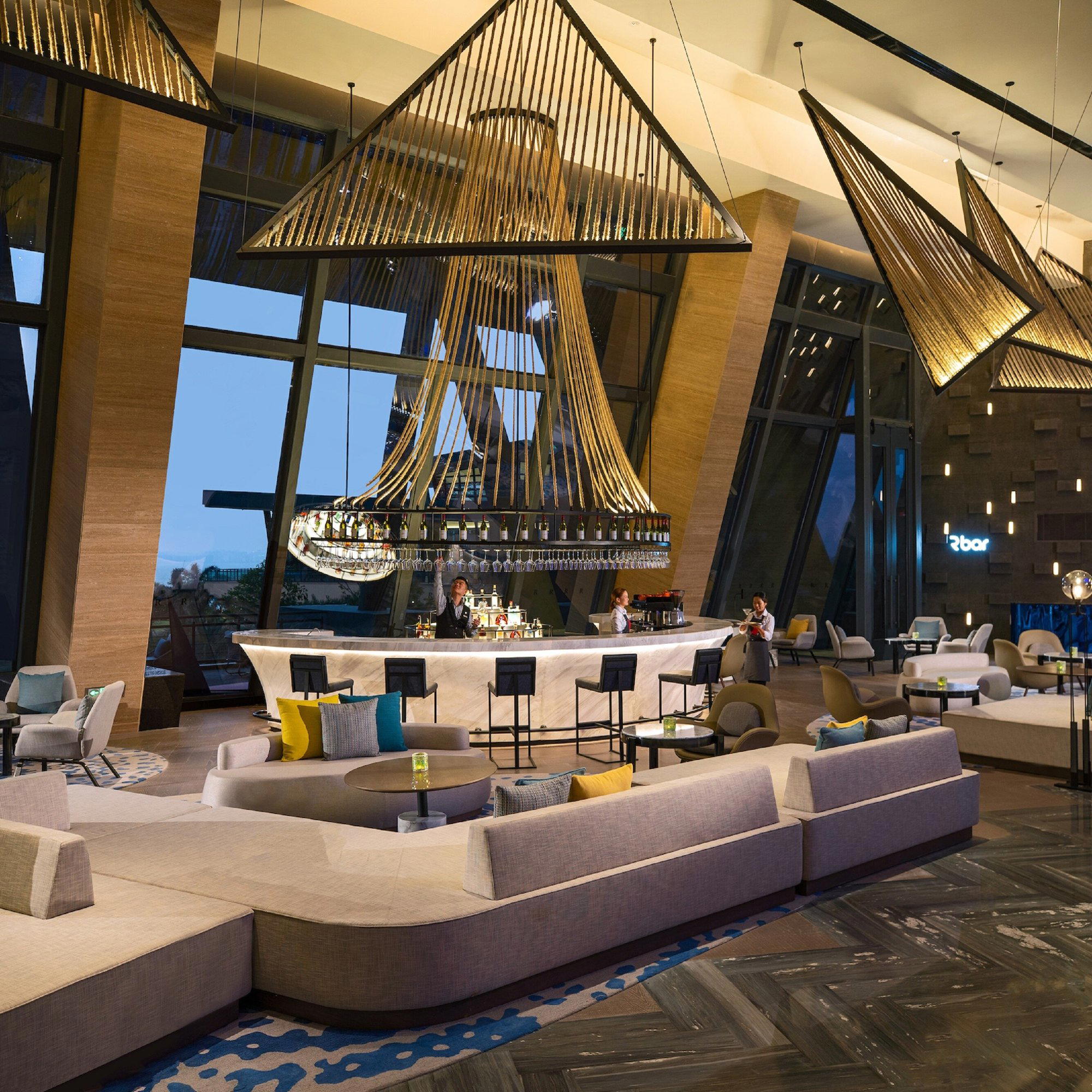

At a Glance
- Quiet
- Elegant
- Scenic
- Cozy
- Sophisticated
- Romantic Getaway
- Wellness Retreat
- Family Vacation
- Weekend Escape
- Private Villa
- Panoramic View
- Garden
- Wi Fi
- Pool
- Spa
- Restaurant
- Concierge
- Fitness Center
- EV Charging
- Garden
- Mountain
- Wi Fi
- Pool
- Spa
- Restaurant
- Concierge
- Fitness Center
- EV Charging
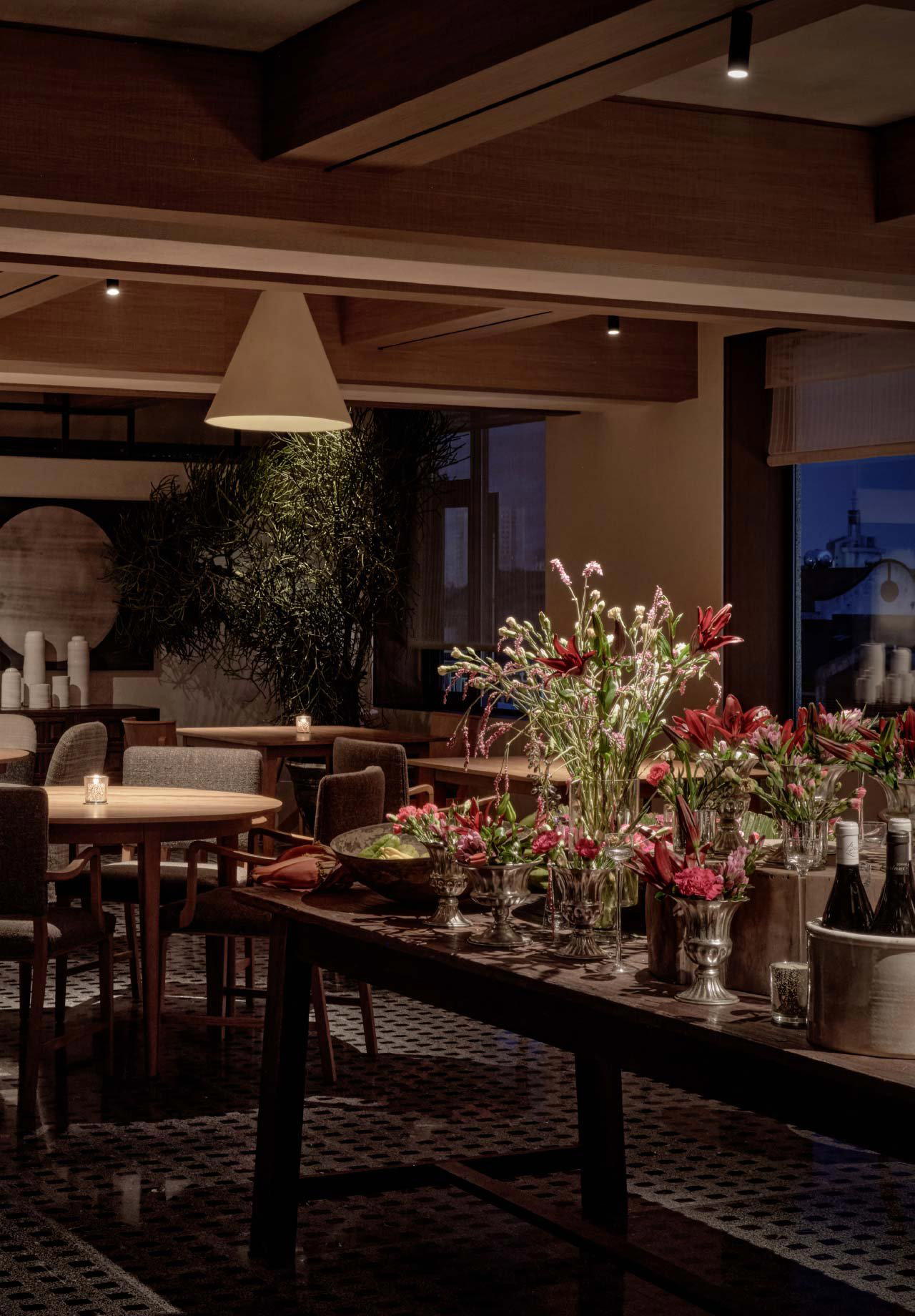
Secluded tranquility with calming lighting, beautiful gardens, atmospheric water features, and relaxing hot spring ambiance.
Know Before You Go
- Getting there
- Anxi County, Quanzhou, China, 362441