Huyi District occupies Xi'an's western fringe, where the Wei River plain gives way to the Qinling foothills. Less trafficked than the city's walled centre, it operates as a counterpoint to the tourist-dense Muslim Quarter, with a quieter, more residential character that rewards visitors willing to look beyond the obvious itinerary. For travellers using Xi'an as a base for broader Shaanxi exploration, Huyi offers a different kind of access to the region's deep historical and geographical layers.

Pearl is the En Primeur Club membership app, where members save venues, book tables and use the concierge.
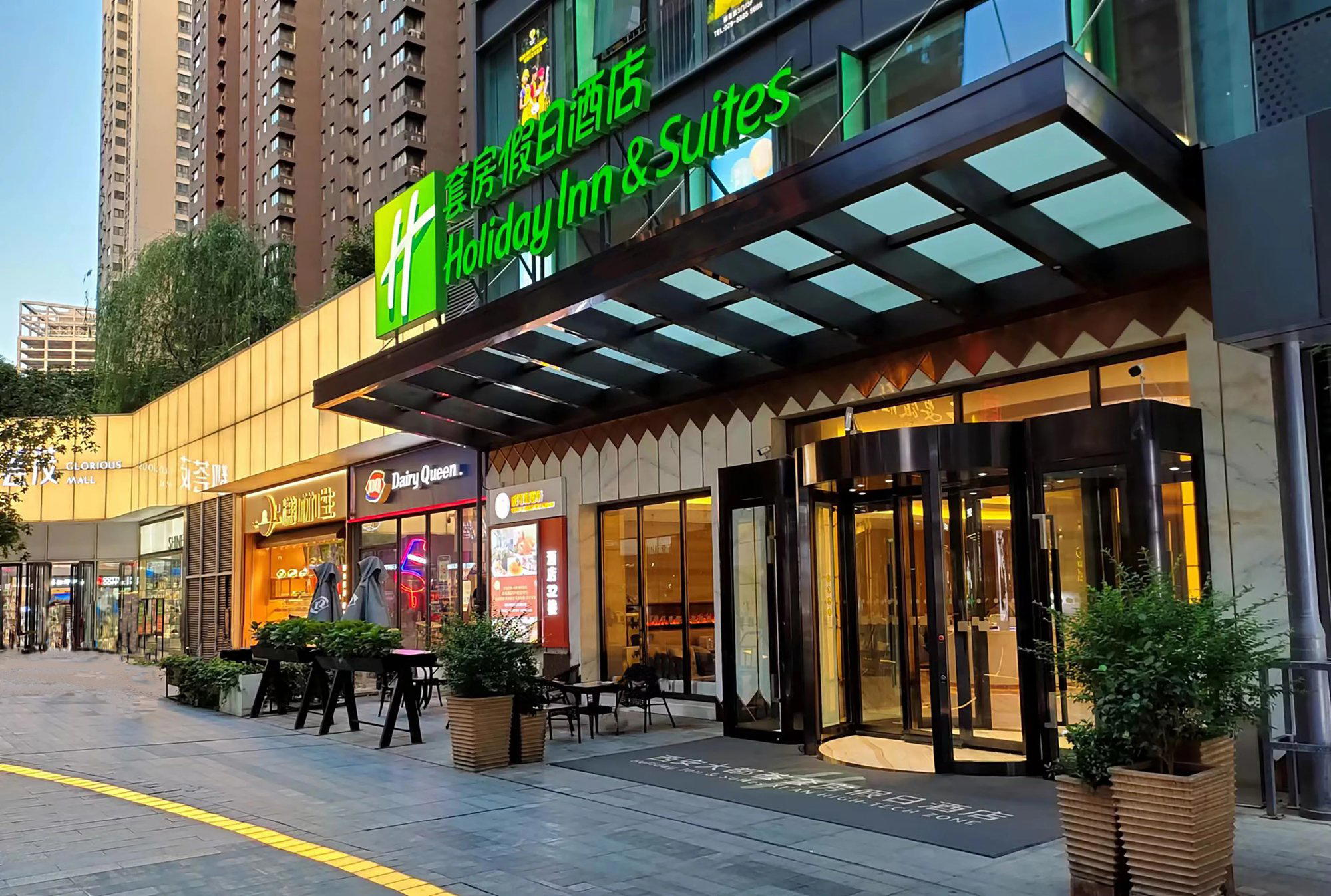
Where Xi'an's Western Suburbs Meet a Different Pace
Arriving in Huyi District from central Xi'an, the city's density gives way without fanfare. The skyline loses its compressed energy, replaced by low-rise clusters and the kind of agricultural fringe that rings many of China's older provincial capitals. Huyi sits roughly 35 kilometres southwest of the Bell Tower, and the physical gap carries cultural weight: this is not the Xi'an of the Muslim Quarter's pressed crowds or the Terracotta Warriors' tour buses, but a district that operates at a different register entirely. The transition is felt as much as seen, particularly in the way road noise thins and the horizon opens toward the Qin Mountains to the south.
For travellers who have spent time in China's heritage tourism circuit, that shift carries genuine appeal. Xi'an draws visitors primarily on the strength of its Tang and Qin imperial legacy, which means the city centre absorbs enormous visitor volume concentrated around a small number of sites. Huyi's position outside that gravitational pull makes it structurally different as a destination, oriented more toward residents than tourists, and organised around local life rather than managed heritage. See our full Xi'an restaurants guide for how the broader city maps across its districts.
The Architecture of the Edge City
Huyi's built environment reflects a pattern visible across China's rapidly developing peri-urban zones: a layering of timescales in which mid-century industrial infrastructure, late-twentieth-century residential blocks, and new-millennium mixed-use developments exist within close proximity of one another. What distinguishes Huyi within this pattern is the persistence of older village morphology in certain pockets, where courtyard compounds and narrow lane networks survive alongside newer arterial roads. This coexistence is not curated or preserved in any formal sense; it is simply the result of uneven development pace, which gives the district an accidental authenticity that more aggressively modernised zones in other Chinese cities have lost.
The approach to the Qin Mountains from Huyi is architecturally significant in a different way. The foothills zone, where the flat Wei River plain begins to rise, contains a series of temples, rural estates, and scenic areas that use the landscape as a structural element in ways that recall the relationship between built form and terrain found in Sichuan or Yunnan mountain properties. Comparison properties in that mountain-adjacent category, such as Banyan Tree Ringha in or Mohe Youran Mountain Residence in Da Hinggan Ling, demonstrate how Chinese hospitality has learned to use refined, nature-adjacent positions as a design argument in themselves. Huyi's foothills share that premise at a more unmediated scale.
Contextualising Huyi Within Xi'an's Districts
Xi'an's administrative districts each carry a distinct identity. The Weiyang and Baqiao districts to the north and east hold manufacturing and logistics weight. The Yanta and Beilin districts in the urban core concentrate heritage, commerce, and higher education. Huyi, designated as a district in its own right since 2014 when it was upgraded from county-level status, has been positioned by local government as a zone for ecological development and tourism infrastructure linked to the Qin Mountains. That designation shapes what gets built there and for whom.
The ecological orientation means Huyi has received investment in green infrastructure, forest parks, and scenic area development that differs from the urban intensification happening in central Xi'an. For visitors, this creates a practical choice: Huyi is where you go when the heritage circuit has been covered and the interest shifts toward landscape, rural food culture, and the kind of atmospheric distance from tourist infrastructure that a major ancient capital rarely offers within its own boundaries. Properties at a comparable remove from Chinese city centres, such as Amanfayun in Hangzhou or Amandayan in Lijiang, are explicit about selling exactly this quality: proximity to a major heritage city combined with physical separation from its tourism mass.
Food and Local Character
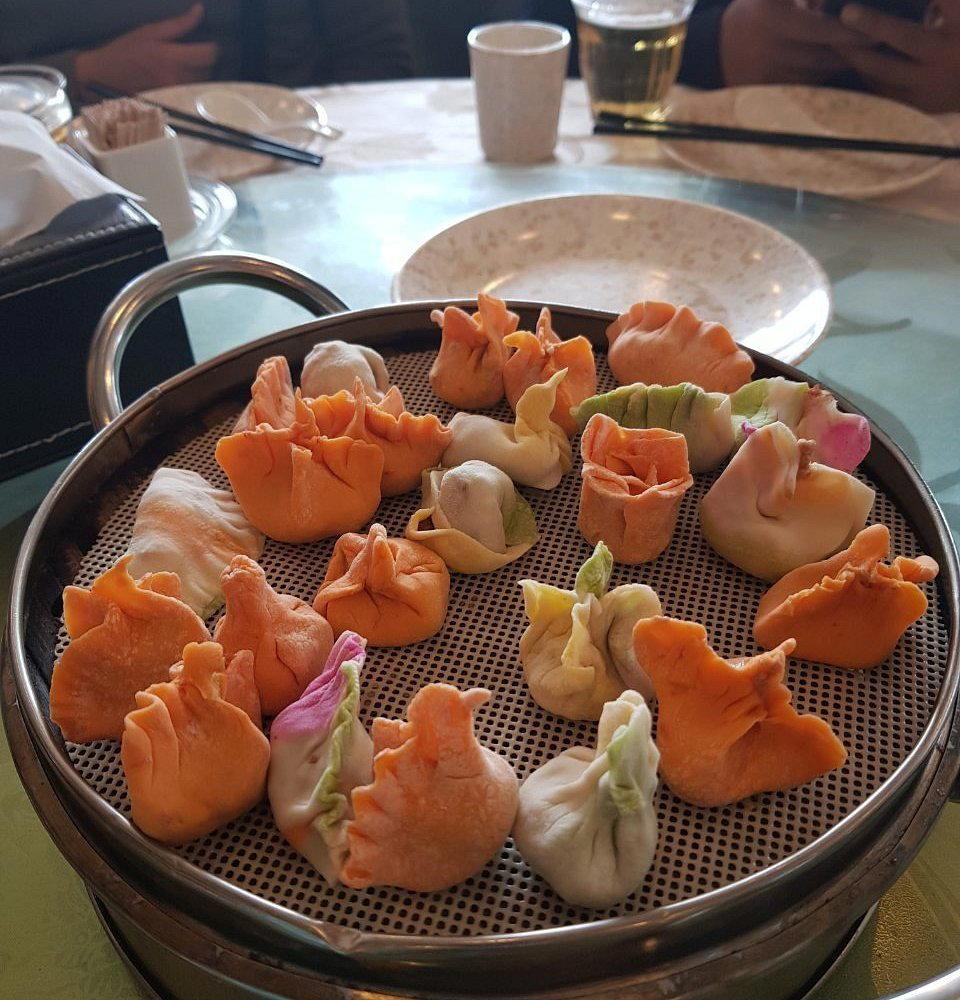
Shaanxi cuisine, the regional tradition that Xi'an anchors, is one of China's most historically layered food cultures. Its markers include wheat-forward staples, bold cumin and chilli seasoning that reflects centuries of Silk Road exchange, and a particular approach to braised meats that differs markedly from the soy-heavy profiles of eastern Chinese cooking. Huyi's local food scene operates within that tradition but at a neighbourhood rather than tourist scale, meaning the liangpi, roujiamo, and paomo that appear on every visitor itinerary in the Muslim Quarter are consumed here in the form in which local residents actually eat them: priced for daily use, prepared without the self-consciousness of heritage performance.
This distinction between food-as-tourism-product and food-as-daily-practice is one of the more honest reasons to spend time in a district like Huyi. The same principle holds in other Chinese cities: the most instructive eating often happens at the administrative edge rather than the curated centre. For reference points in how Chinese cities organise premium and neighbourhood-scale hospitality in parallel, the contrast between Mandarin Oriental Qianmen in Beijing and its surrounding hutong food culture captures the same layering that Huyi offers relative to Xi'an's centre.
Planning a Visit to Huyi
Reaching Huyi from central Xi'an involves roughly 45 to 60 minutes by road, depending on traffic and point of departure. The Xi'an metro system's extending lines have begun to reduce that friction for some entry points into the district, though the foothills areas remain most accessible by road. The district is most rewarding in autumn, when the Qin Mountains carry colour and temperatures drop to a comfortable range for walking, and in spring before the summer haze settles over the Wei River basin. Visitors staying in central Xi'an at internationally branded properties, several of which operate in the high-rise corridor around the South Gate, can treat Huyi as a half-day or full-day excursion rather than a base.
For those building a broader China itinerary that combines heritage cities with nature-adjacent districts, the pattern that Huyi represents recurs across the country. The Conrad Jiuzhaigou in Sichuan, Xiamen Yunding Resort, and 1 Hotel Haitang Bay in Sanya each represent variations on the edge-of-city or nature-proximate positioning that Huyi offers in a less formalised, more vernacular register. For travellers comfortable working without the scaffolding of a premium property, that lack of formality is the point. Further reference across China's hospitality range: Green Lake Hotel Kunming, Andaz Shenzhen Bay, Conrad Guangzhou, Banyan Tree Chongqing Beibei, Hyatt Place Nanjing Xuanwu, JW Marriott Hotel Shanghai at Tomorrow Square, Vanke Lake Songhua Yunlu Hotel in Jilin, Beidahu Asian Games Village, Altira Macau, Elite Spring Villas in Anxi, Grand Ocean View Hotel Zhuhai, Aman New York, The Fifth Avenue Hotel in New York City, Aman Venice, and Conrad Tianjin and Conrad Urumqi round out the China portfolio for itinerary planning purposes.
At-a-Glance Comparison
| Venue | Price | Awards |
|---|---|---|
| Huyi DistrictThis venue (the venue you are viewing) | Not listed | Not listed |
| Aman Summer Palace | $1,000–1,500 | Forbes 4-Star |
| Amanfayun | Not listed | Michelin Selected · La Liste Top Hotels |
| Amanyangyun | Not listed | 2 Michelin Keys · Vogue 2026 Vogue Best Hotels in Shanghai |
| Andaz Xintiandi, Shanghai | $100–200 | Michelin Selected · Forbes Recommended |
| Banyan Tree Hangzhou | $300–500 | Michelin Selected · Forbes 4-Star |
Continue exploring
More in Xi'an
Hotels in Xi'an
All hotels in Xi'an →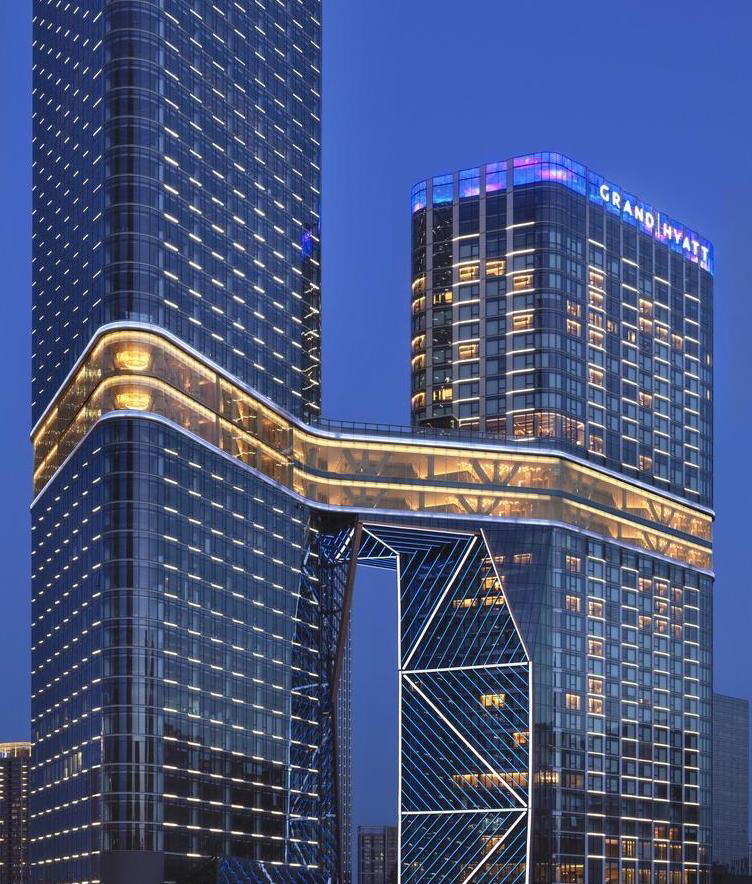
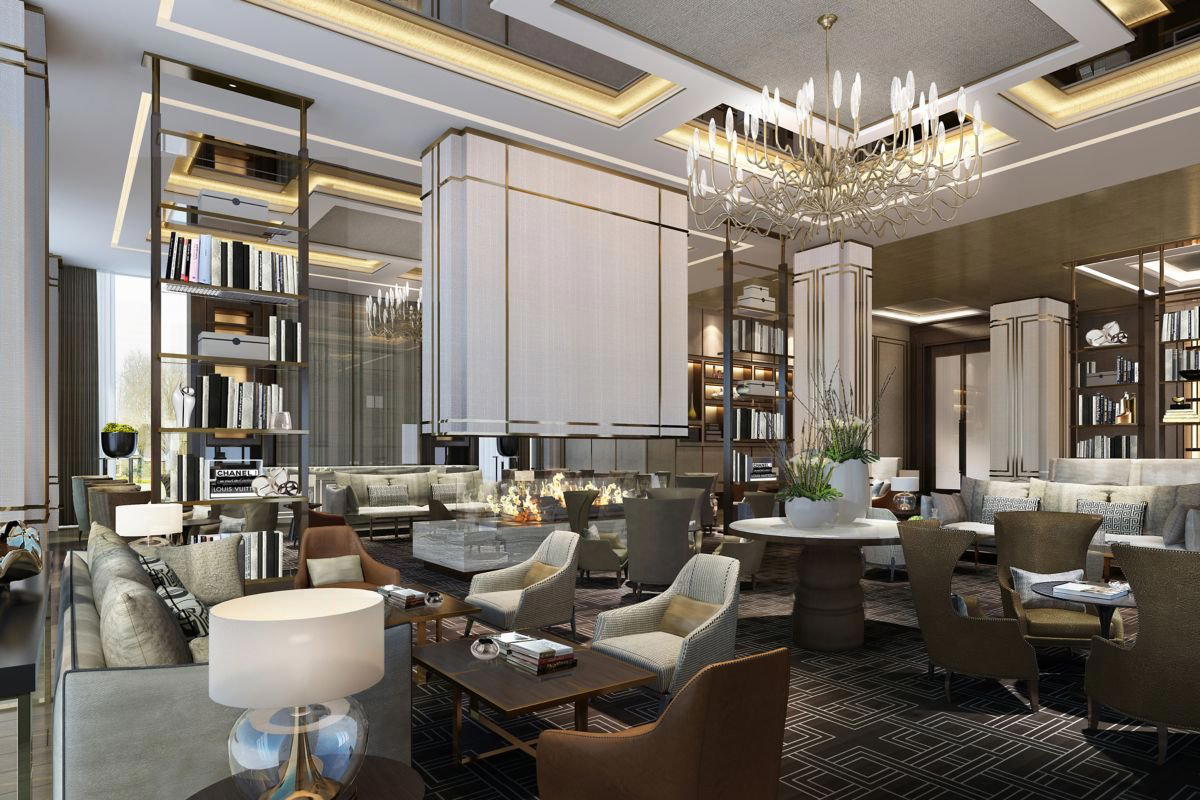
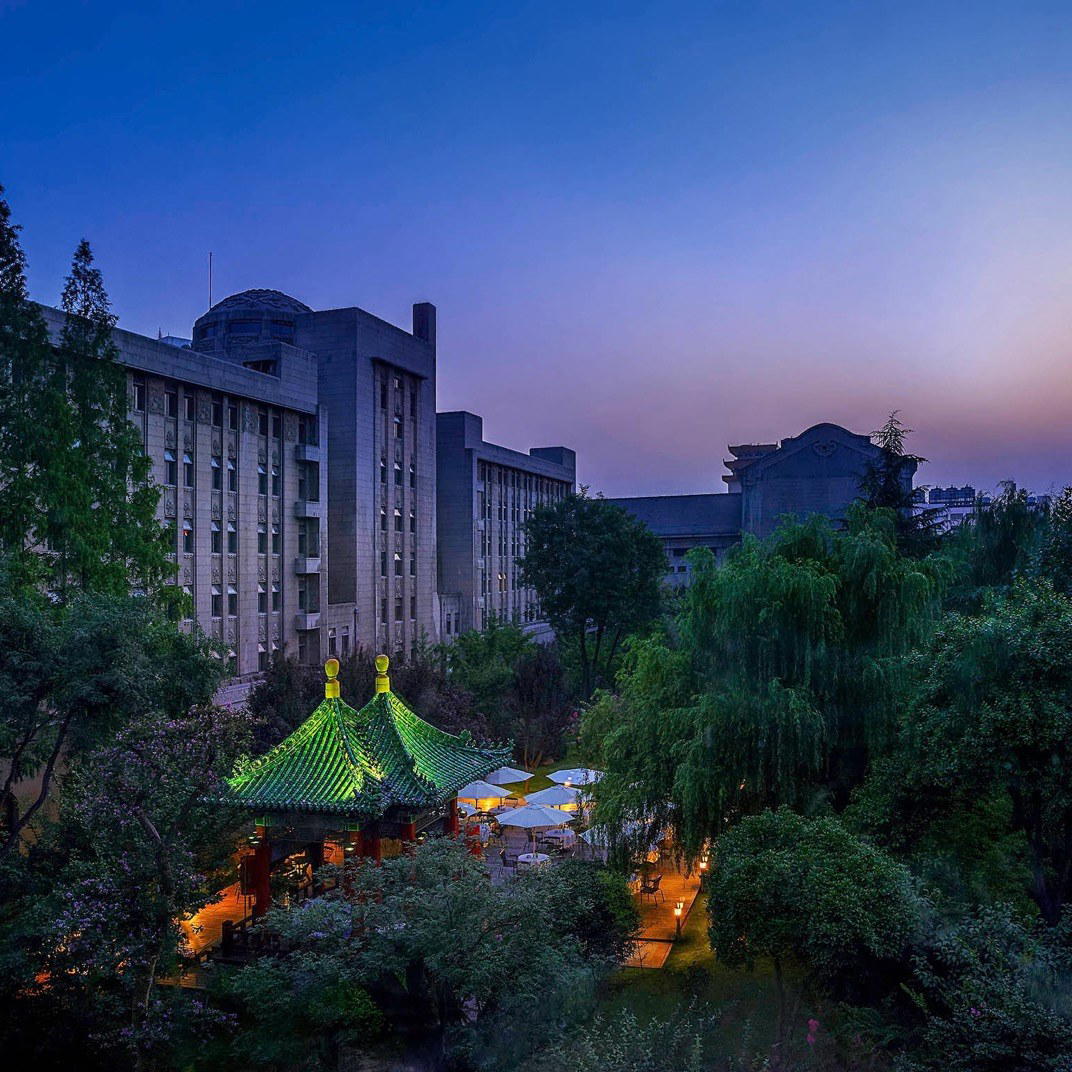
Details
- Family Vacation
- Garden
- Wi Fi