
Forbes Recommended
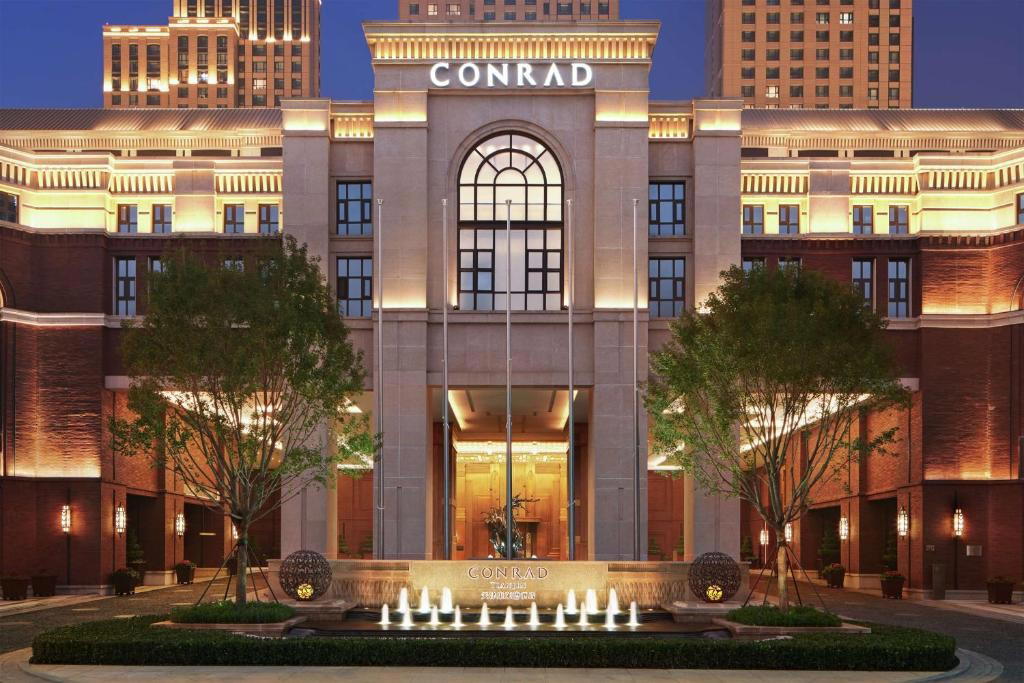
Conrad Tianjin occupies a considered position in Nankai district, drawing on the city's Jazz Age heritage through an art deco design program that runs from the marble lobby to the restaurant floor. Rooms start at 484 square feet, and the hotel's three dining venues each reference a distinct chapter of China's trade history.

Pearl is the En Primeur Club membership app, where members save venues, book tables and use the concierge.
Where Tianjin's Jazz Age Comes Back to Architecture
Tianjin spent a significant portion of the late nineteenth and early twentieth centuries as one of China's most cosmopolitan treaty-port cities, absorbing European architectural grammar at a pace few Chinese cities matched. That inheritance is visible today in the Italian, French, and British concession buildings still standing along the Haihe River. Conrad Tianjin reads that history and channels it deliberately: the property's design program is anchored in the Jazz Age moment when Tianjin's east-west cultural overlap was at its most charged. The result is a hotel that functions as a design argument about a specific historical period rather than a generic gesture toward luxury.
The lobby makes the case immediately. White marble walls and molded ceilings meet oversized crystal chandeliers, which is a combination that would read as straight European revival if not for the black and grey furnishings, bronze accents, and geometric patterning that pull the space into something more considered. The art deco reference is present but not nostalgic: it is used as a structural language rather than a costume. Where a lesser property might stop at the lobby as its statement moment, Conrad Tianjin carries the design logic through to its restaurant program, where each of the three venues draws a distinct chapter of China's history of global trade as its visual brief.
A Design Framework Expressed Room by Room
In Chinese luxury hotels, room size often functions as a proxy for competitive positioning. Conrad Tianjin's entry-level accommodations begin at 484 square feet, which places them in a bracket where space is itself a deliberate offering rather than a constraint managed around. That square footage is generous enough to permit furniture arrangements that do not feel compressed, and the deep-soaking tubs fitted with Shanghai Tang amenities signal the kind of considered accessory curation that separates properties thinking about design as a system from those treating it as surface decoration.
The geometric patterning that defines the public spaces carries into the rooms, though the palette softens. The classic deco motifs that appear in bronze and marble in the lobby translate here through wood detailing, a material substitution that lightens the residential areas without abandoning the underlying grammar. It is a small but telling decision: the kind of tweak that reveals whether a design direction has been genuinely thought through or applied only where guests will notice it first.
For those comparing Conrad Tianjin against other Hilton Worldwide properties in China's second-tier cities, the architecture-led positioning distinguishes it from hotels that rely primarily on brand recognition. Within the Conrad portfolio specifically, the Tianjin property occupies a position defined by its historical design brief rather than by a landscape setting or arts-district address. Travelers familiar with Conrad Guangzhou or Conrad Urumqi will find a distinct design logic here, as will those who have visited Conrad Jiuzhaigou, where setting rather than urban history drives the aesthetic.
Three Restaurants, One Trade History
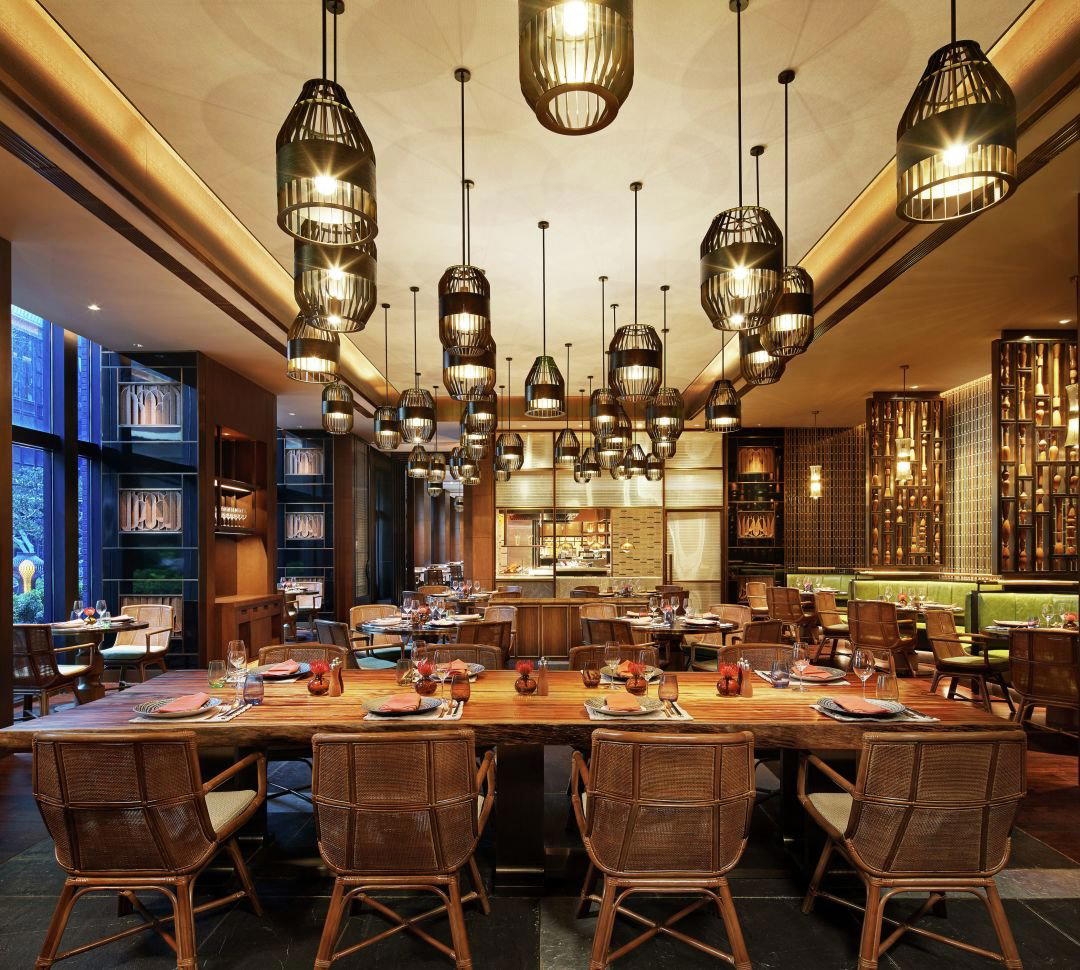
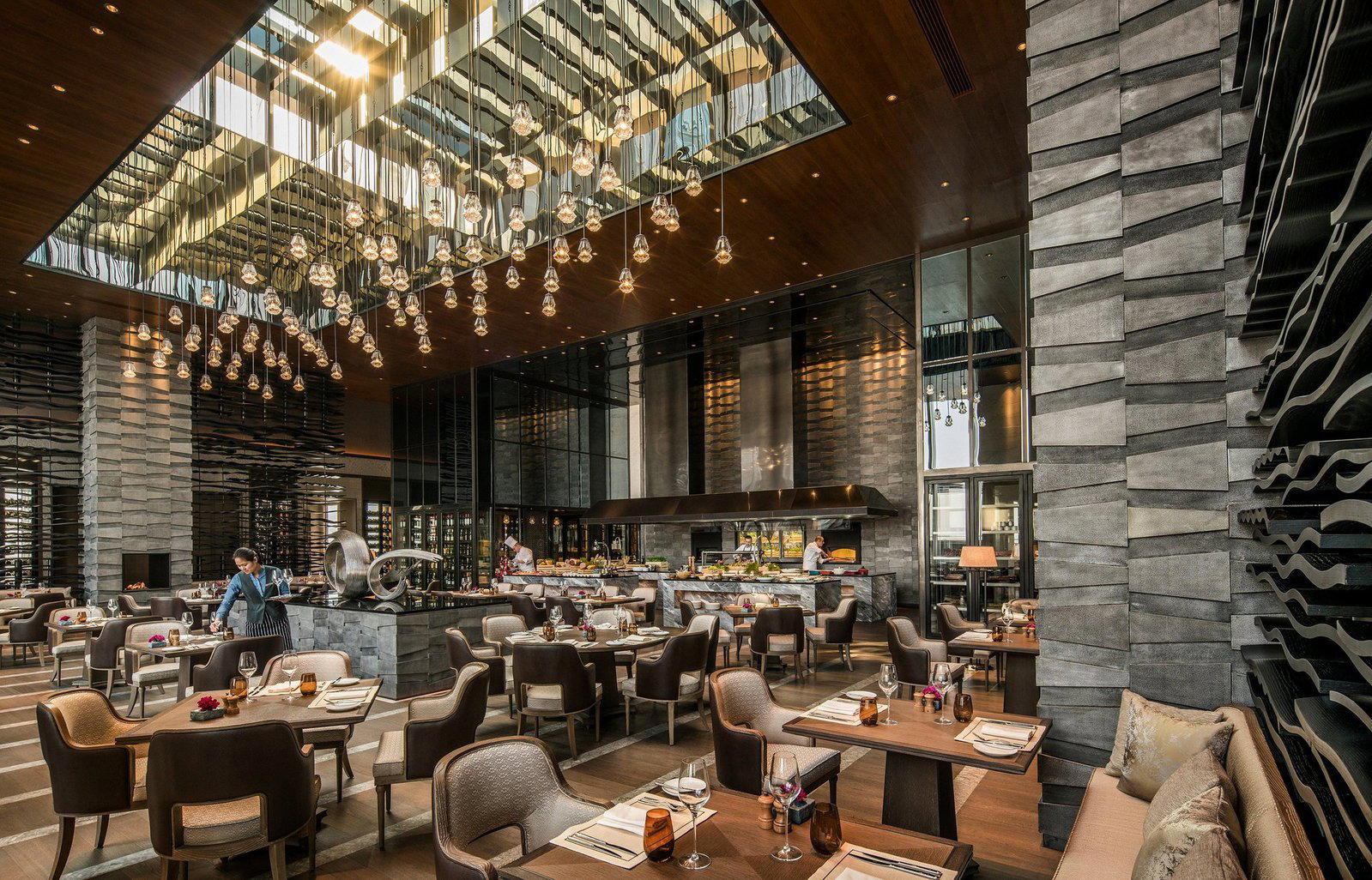
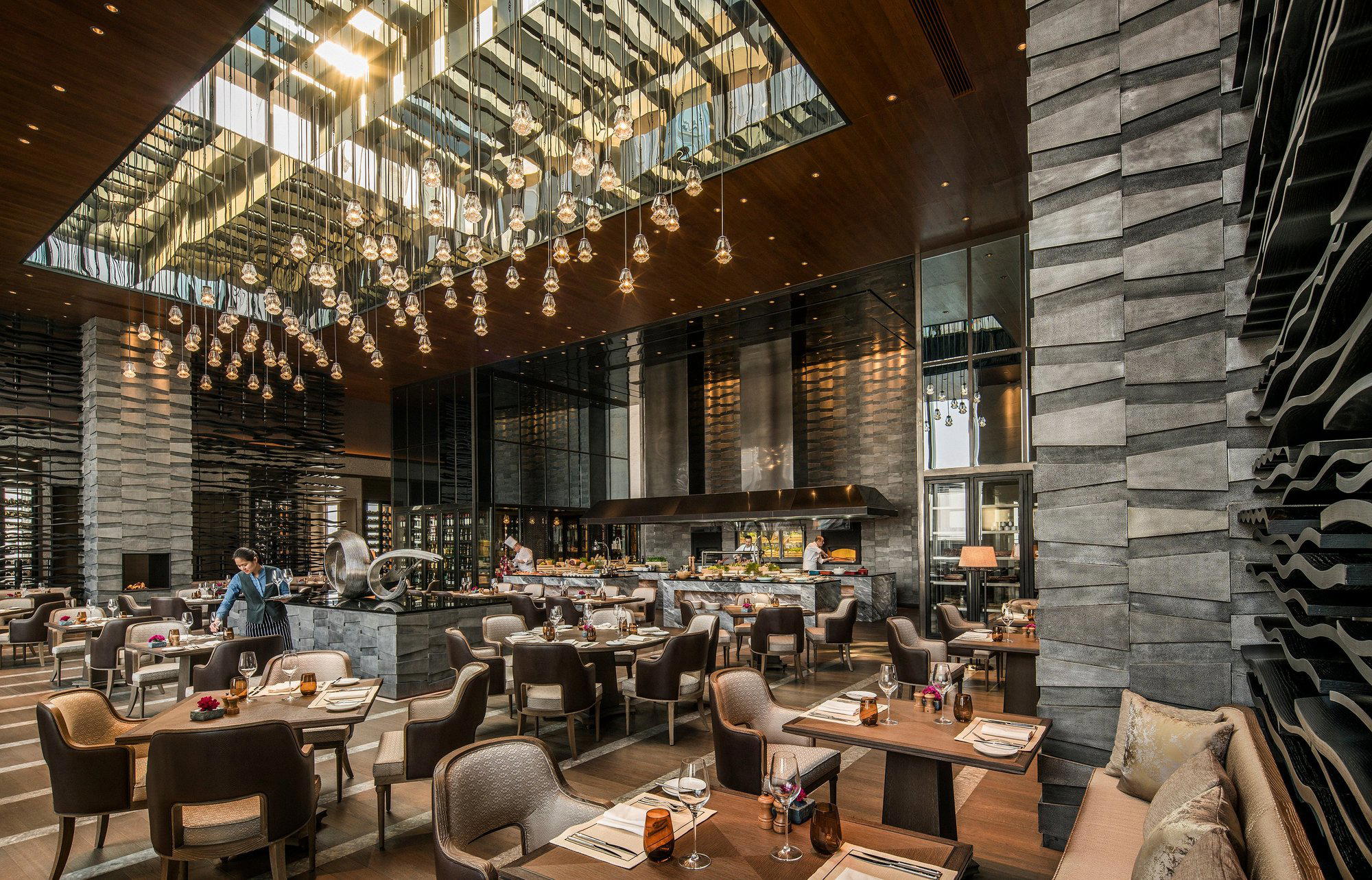
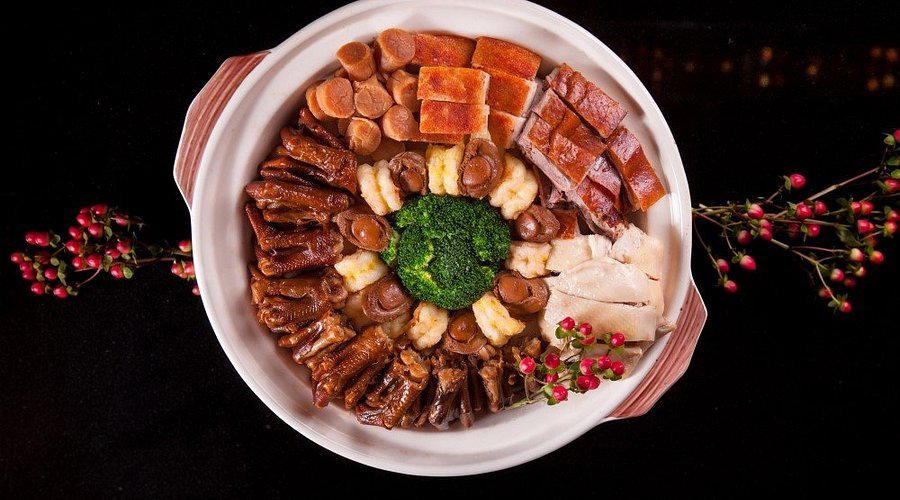
The hotel's dining program is organized around the same design logic that governs the rooms. All three restaurants draw on China's centuries of global trade as their thematic and visual source material, but each takes a different chapter. Brasserie on G works with a restrained European aesthetic, the kind of French-influenced cooking and interior that would have been familiar to Tianjin's concession-era foreign residents. Bam Bou turns toward Southeast Asia, using bright tropical colors and a garden terrace that opens during summer months, when the alfresco format becomes the natural choice for the season. Ying focuses on Chinese regional cooking with a specifically local Tianjin inflection, which makes it the most geographically grounded of the three.
The summer terrace at Bam Bou is worth noting as a seasonal variable. Lanterns and greenery frame what is described as an atmospheric setting for Southeast Asian cuisine during the warmer months. This kind of outdoor dining format is relatively rare in Tianjin's hotel sector, where northern China's climate restricts viable alfresco seasons more sharply than in the country's south.
Cha Lobby Lounge operates a TWG tea service presented in Wedgwood china, with floor-to-ceiling windows opening onto the adjacent gardens. Afternoon tea programs of this specification, where tea brand, tableware, and setting are all deliberately chosen, tend to occupy a narrow bracket in Chinese hotel dining: they require a property willing to invest in the format as a destination offering rather than a lobby amenity. Conrad Tianjin's version fits that pattern, making it a reasonable reason to visit independently of a room stay.
For a broader view of where to eat and drink in the city beyond the hotel's own restaurants, our full Tianjin restaurants guide maps the wider dining scene by neighborhood and format.
Nankai District and the Hotel's Urban Position
Luxury hotels in Chinese cities tend to cluster in central business districts or around transport hubs, where corporate demand is most concentrated. Conrad Tianjin's Nankai address, on Tianta Road a short walk from Shuishang Park, positions it slightly outside that default clustering. Nankai is a district with its own institutional weight: it is home to Nankai University, Ancient Culture Street, and the Tianjin Water Park, which means the surrounding neighborhood offers cultural substance beyond the generic hotel corridor.
The proximity to Shuishang Park is a practical asset in a city where green space within walking distance of a hotel is not guaranteed. Tianjin Zoo sits nearby, and Ancient Culture Street, which is one of the more coherent surviving examples of Qing-dynasty commercial architecture in northern China, is reachable without a long transfer. The Nankai address also means the property sits at a remove from the denser commercial noise of central Tianjin, a tradeoff that favors guests who want a quieter base over those who need to be in the financial district on short notice.
The Pool as an Architectural Room
Indoor pools in urban luxury hotels often default to functional utility: lane swimming, maintenance-friendly surfaces, low ceilings. Conrad Tianjin's indoor pool takes a different approach. Plush daybeds and soothing uplighting position the space closer to a gallery or lounge than a sports facility, and a large whale tail sculpture gives the room a focal point that is explicitly aesthetic rather than operational. Garden views complete the composition. It is a design decision that reflects a broader commitment to treating every guest-facing space as an extension of the hotel's art deco and natural-elements framework, rather than as infrastructure that simply needs to be signed off.
Planning Your Stay
Conrad Tianjin sits at No. 46 Tianta Road in the Nankai District, postcode 300381. The hotel is part of Hilton Worldwide's Conrad portfolio, and bookings are most efficiently made through Hilton's central reservation system, where Hilton Honors members can access rate and points benefits. Tianjin is accessible from Beijing by high-speed rail in approximately 30 minutes, making the hotel viable as either a standalone destination or an extension of a Beijing itinerary. Travelers comparing northern China luxury options may also want to consider Mandarin Oriental Qianmen in Beijing for a capital-based alternative, or look further afield to properties like JW Marriott Hotel Shanghai at Tomorrow Square for a comparison of how international chain luxury translates across China's major cities.
For those building a wider China itinerary, design-led properties across the country vary significantly in approach. Amanfayun in Hangzhou works from a heritage village framework, while Amandayan in Lijiang draws on Naxi architectural tradition. Andaz Shenzhen Bay, Banyan Tree Chongqing Beibei, and 1 Hotel Haitang Bay in Sanya each represent a distinct approach to the same question Conrad Tianjin is answering: how does a luxury property build a design identity that is specific rather than generic. Altira Macau, Xiamen Yunding Resort, and Banyan Tree Ringha in extend the comparison across different regional and climatic contexts. For travelers exploring northeastern China, Vanke Lake Songhua Yunlu Hotel in Jilin and Beidahu Asian Games Village offer a sharply different register, as does Mohe Youran Mountain Residence in Da Hinggan Ling. Those moving through central and western China can reference Hyatt Place Nanjing Xuanwu, Green Lake Hotel Kunming, Huyi District in Xi'an, and Elite Spring Villas in Anxi for further comparison. International travelers weighing Asian luxury against Western alternatives may find value in benchmarking against The Fifth Avenue Hotel in New York City, Aman New York, or Aman Venice, where design-led positioning operates in a very different competitive context. Grand Ocean View Hotel Zhuhai rounds out the southern China reference set.
A Quick Peer Check
Comparable venues nearby, for context on price, style, and recognition.
| Venue | Cuisine | Price | Awards | Notes |
|---|---|---|---|---|
| Conrad TianjinThis venue (the venue you are viewing) | Contemporary luxury hotel with Art Deco heritage design elements, positioned as a smart-luxury retreat for global travelers seeking modern sophistication with historical charm. | $200–300 | Forbes Recommended | Not listed |
| The St. Regis Beijing | Luxury urban palace with St. Regis traditions | $300–500 | Forbes Recommended | Chaoyang |
| InterContinental Tianjin Yujiapu Hotel & Residences | international luxury landmark hotel | Not listed | Michelin Selected | Yujiapu Financial District |
| HUALUXE Xiamen Haicang | Contemporary luxury Chinese hospitality brand with wave-inspired architecture | $1–100 | Michelin Selected | Haicang District |
| Park Hyatt Shenzhen | Luxury contemporary design hotel positioned as a sophisticated urban sanctuary blending Asian heritage with modern technology. | $200–300 | 1 Michelin Key | Futian |
| Hyatt Regency Beijing Wangjing | Modern urban oasis blending minimalist design with natural elements. | $200–300 | Michelin Selected · Conde Nast Best Hotels #18 | Dashanzi |
Recognition history
Dated appearances from independent guides and award organizations, with the underlying list record or original source where available.
Forbes Recommended
Forbes
Full recognition history (2 entries)
Forbes Recommended
Forbes
Continue exploring
More in Tianjin
Bars in Tianjin
All bars in Tianjin →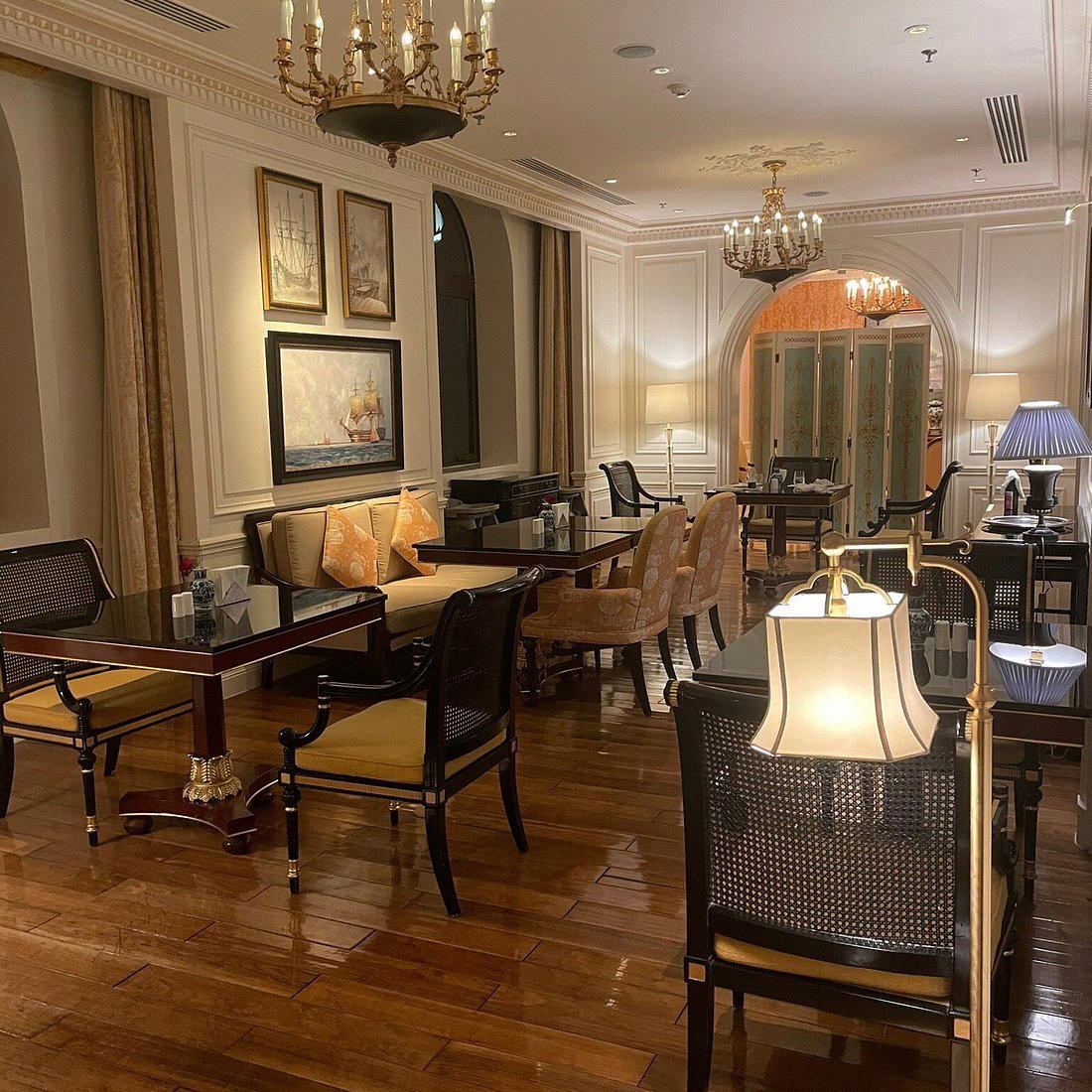
Details
- Elegant
- Sophisticated
- Modern
- Romantic
- Business Trip
- Romantic Getaway
- Family Vacation
- Celebration
- Garden
- Terrace
- Historic Building
- Design Destination
- Panoramic View
- Rooftop Pool
- Wi Fi
- Parking
- Pool
- Fitness Center
- Spa
- Sauna
- Room Service
- Concierge
- Business Center
- Restaurant
- Bar
- EV Charging
- Luggage Storage
- Laundry Service
- Garden
- Skyline
- Wheelchair Accessible
- Elevator
- Accessible Restroom
- Accessible Parking
Immaculate Art Deco interiors with elegant artwork, fresh flower arrangements, soft uplighting around the pool area, and refined sophistication without formality; described as serene and sophisticated by guests.