

Michelin Guide New Hotels New Hotel · Michelin Selected · Forbes Recommended
The Ritz-Carlton, Xi'an occupies a prime position in the city's central business district, placing guests within reach of the Muslim Quarter, the ancient city walls, and the Terracotta Warriors. The hotel's dining programme spans Cantonese and Shaanxi cooking at Jing Xuan, teppanyaki at Tasuro, and rooftop cocktails at Flair, while the full-floor spa and Club Level access round out a comprehensive luxury offer.3 from 16 ratings.

Pearl is the En Primeur Club membership app — saves, bookings, and concierge access live there. Same editors, same standards.
- Address
- Xi An Li Si Ka Er Dun Jiu Dian, 电子城 Yan Ta Qu, Xi An Shi, Shan Xi Sheng, 710065
- Phone
- +86 29 8881 8888
- Website
- ritzcarlton.com
- Directions
- Get directions
Where Xi'an's Ancient Gravity Meets the CBD Grid
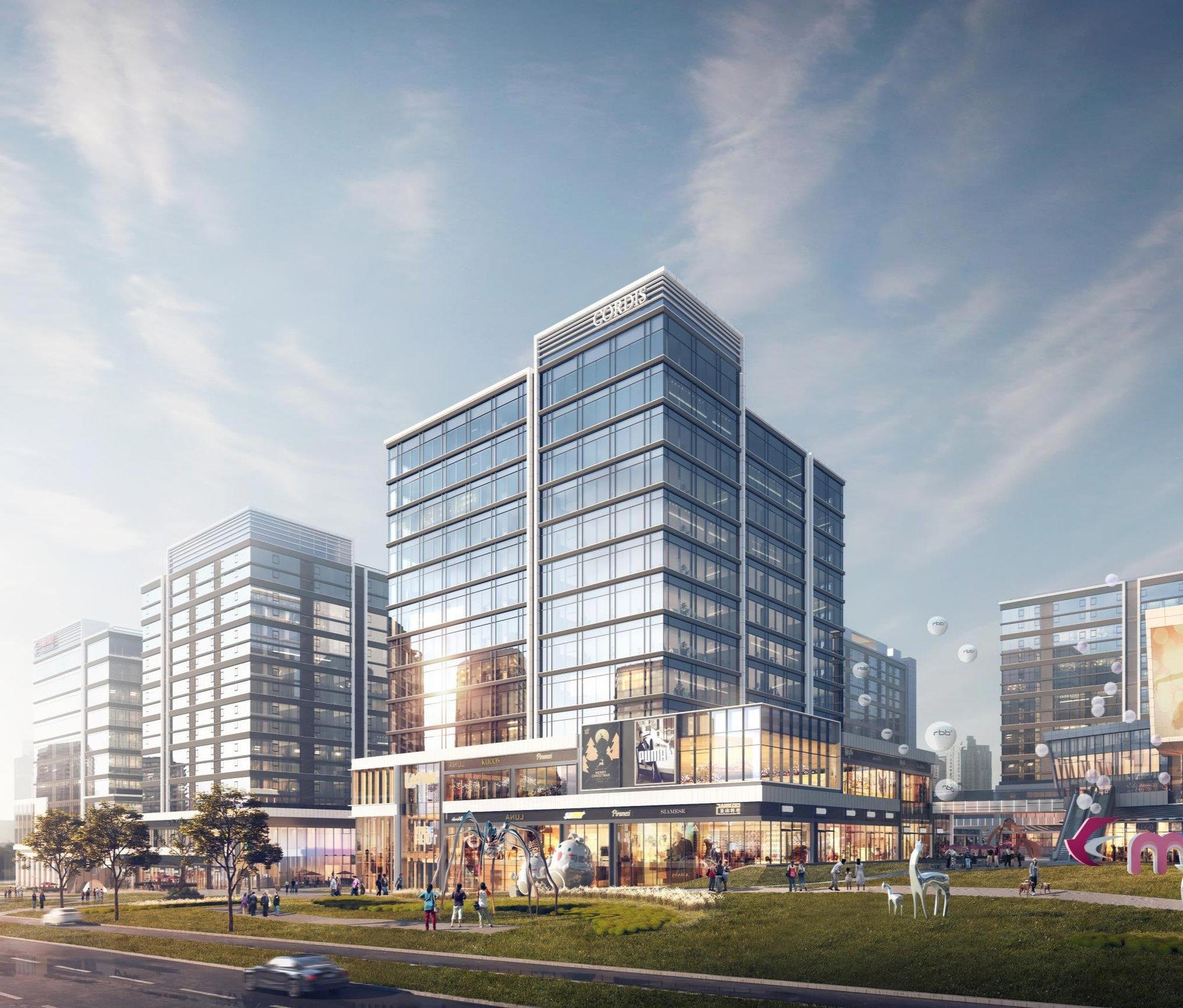
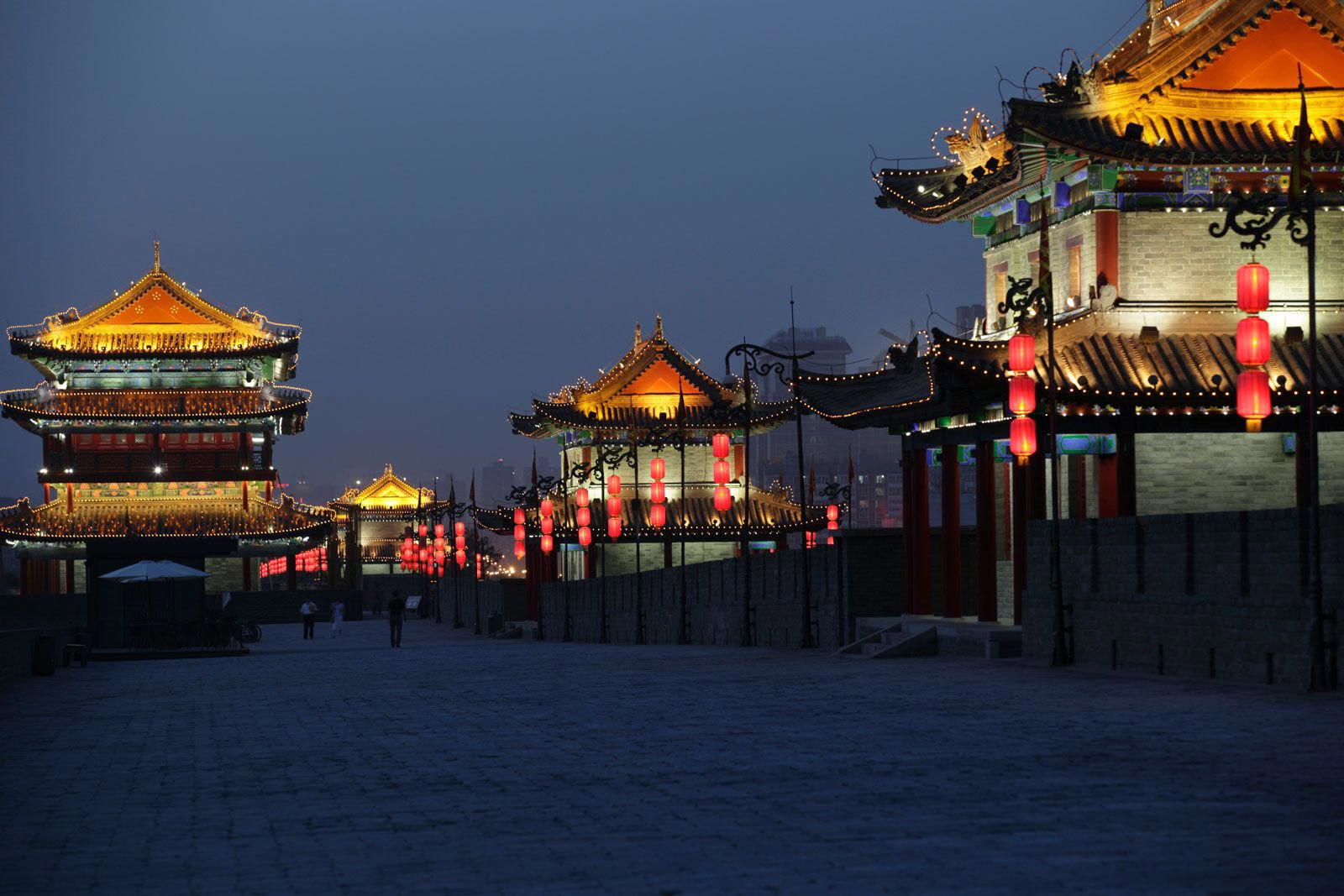
Arriving on Keji 2nd Road in the High-Tech Zone, the skyline registers as resolutely contemporary: glass towers, broad arterials, the low hum of a district built for commerce rather than tourism. The Ritz-Carlton, Xi'an occupies this terrain deliberately. Positioned in the city's central business district, it operates as a staging post between the modern economy of western China and the archaeological weight that makes Xi'an one of the country's most visited destinations. The Muslim Quarter, the Giant Wild Goose Pagoda, the ancient city walls, and the Great Mosque of Xi'an are all accessible from the address, with the Terracotta Warriors requiring a longer excursion into the surrounding plains. For travellers whose itineraries span both boardroom and heritage site, that position carries practical logic.
A Dining Programme That Works Harder Than Most
Luxury hotels in Chinese cities have long used their food and beverage floors as competitive differentiators, and the Ritz-Carlton brand has built its China presence partly around multi-concept dining formats. The Xi'an property runs four distinct programmes under one roof, each anchored to a different reference point, which gives the hotel a breadth that peers in similar tier ranges rarely match. Whether a guest wants a long Cantonese dinner, a tight teppanyaki counter session, a Western-inflected breakfast, or a rooftop cocktail at altitude, the property keeps that decision in-house.
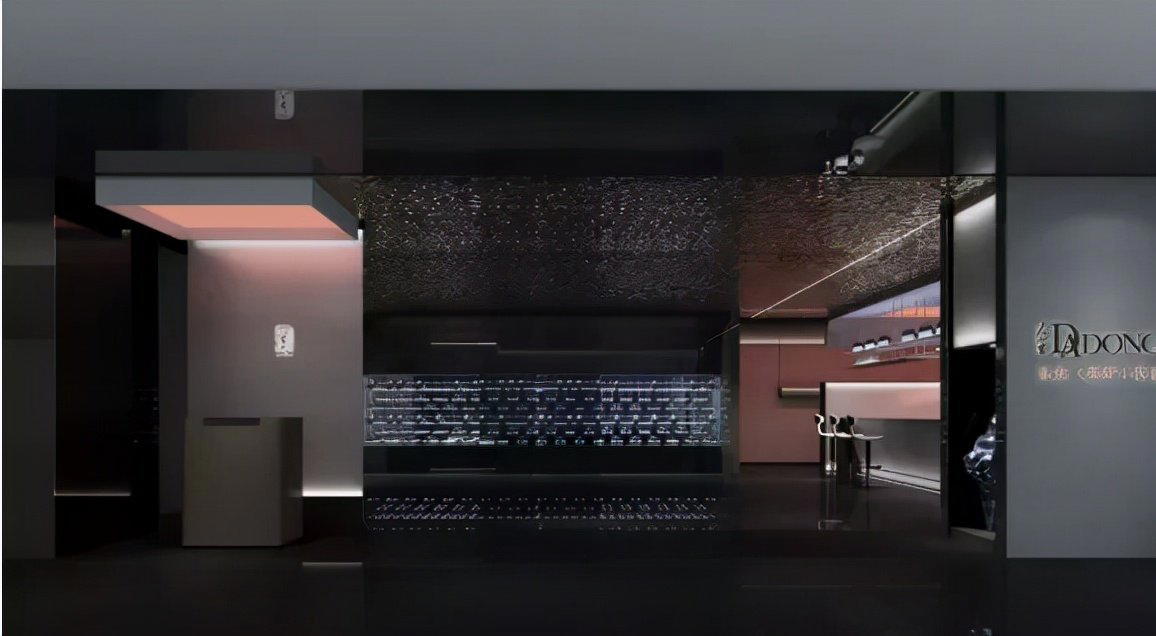
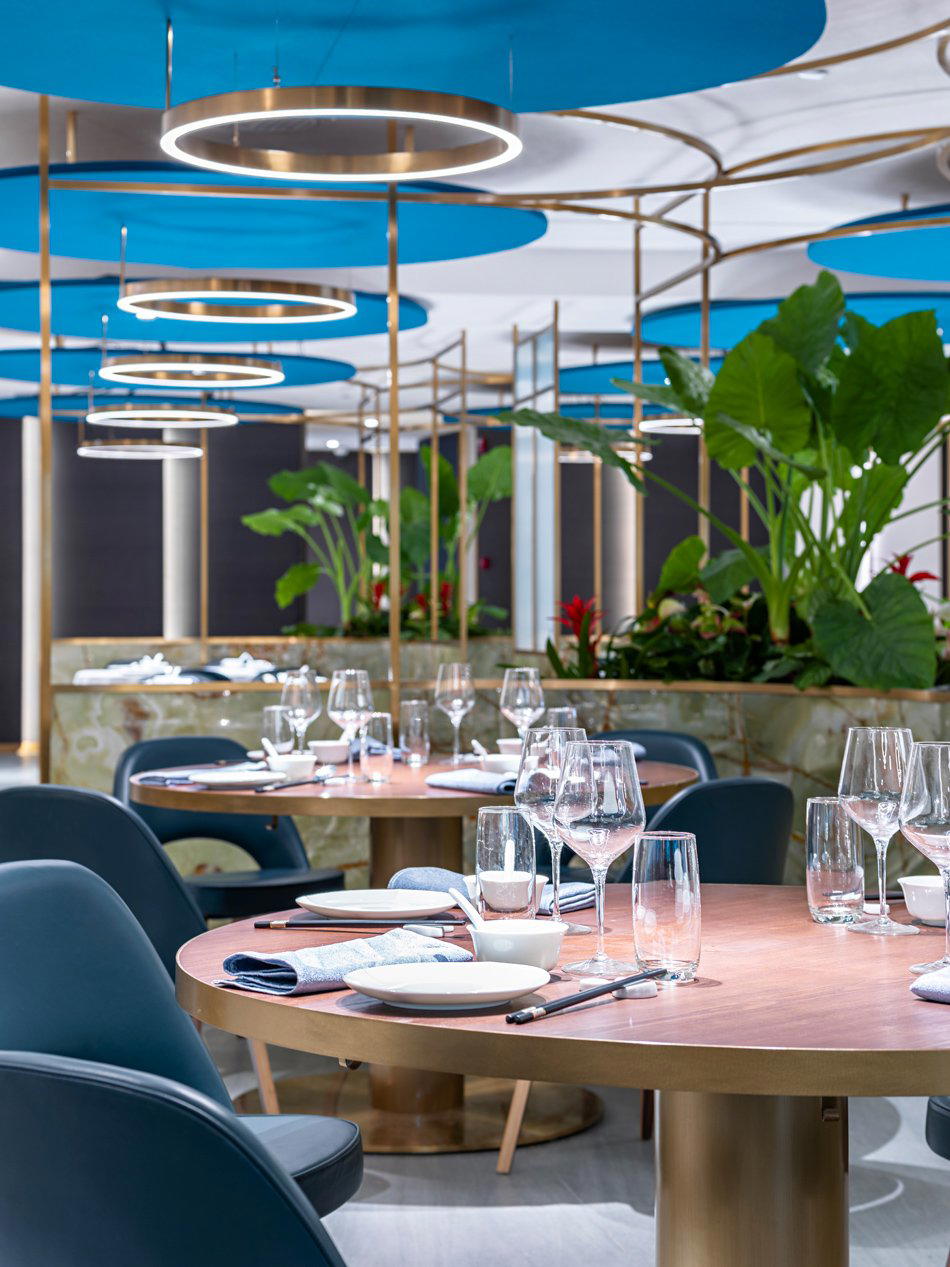
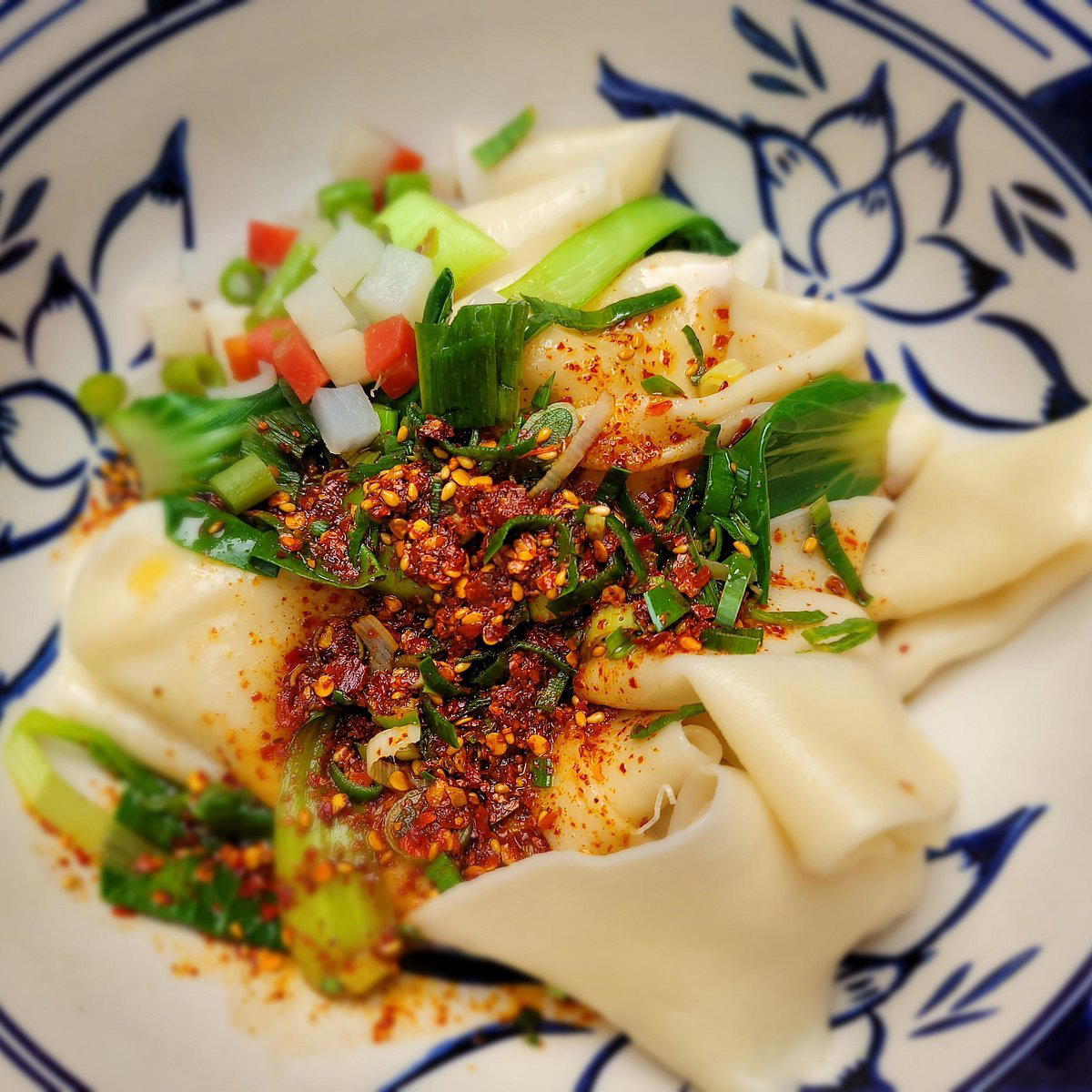
Jing Xuan is the formal anchor of the dining programme, combining Cantonese cuisine with Shaanxi regional specialities. The dual identity is deliberate: Cantonese cooking represents the prestige grammar of Chinese fine dining, while Shaanxi dishes connect the property to its geography in ways that a purely Cantonese menu could not. The restaurant's eight private dining rooms are each named after road designations in the Xi'an High-Tech Zone, a local specificity that stops the space from feeling generically international. For groups, those private rooms give Jing Xuan a function that the other outlets cannot replicate.
Tasuro, the Japanese teppanyaki restaurant, occupies a different register entirely. Sleek wood-panelled walls and low lighting create a counter environment where the cooking is visible and the pacing is controlled by the chef's sequence rather than the guest's order. The whisky and sake selection accompanying the teppanyaki programme reflects a broader trend in Asian hotel restaurants: Japanese spirits have become a legitimate wine-list equivalent at this tier, and a serious collection signals intent. Teppanyaki in mainland China has moved from novelty format to established premium dining category over the past fifteen years, and Tasuro sits within that matured expectation.
Xian Kitchen handles the morning meal in a buffet format that spans Chinese and Western registers, from congee and noodles through to charcuterie, pastries, and a juice bar. Breakfast buffets at this price point are often where hotel dining programmes either build or lose loyalty, and the range here is calibrated to an international business travel demographic that wants optionality without having to navigate an a la carte decision before 9am. The Lobby Lounge completes the ground-level food offer with afternoon tea, gourmet pastries, and light meals, operating as the transitional space between arrival and the more structured dining rooms.
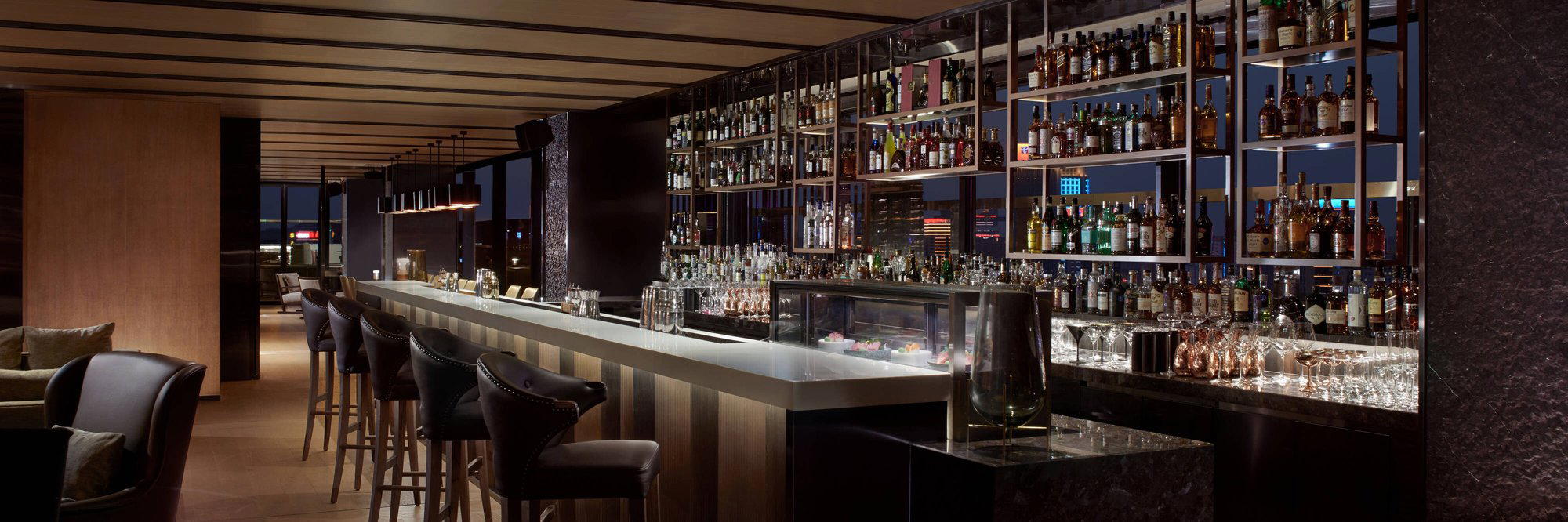
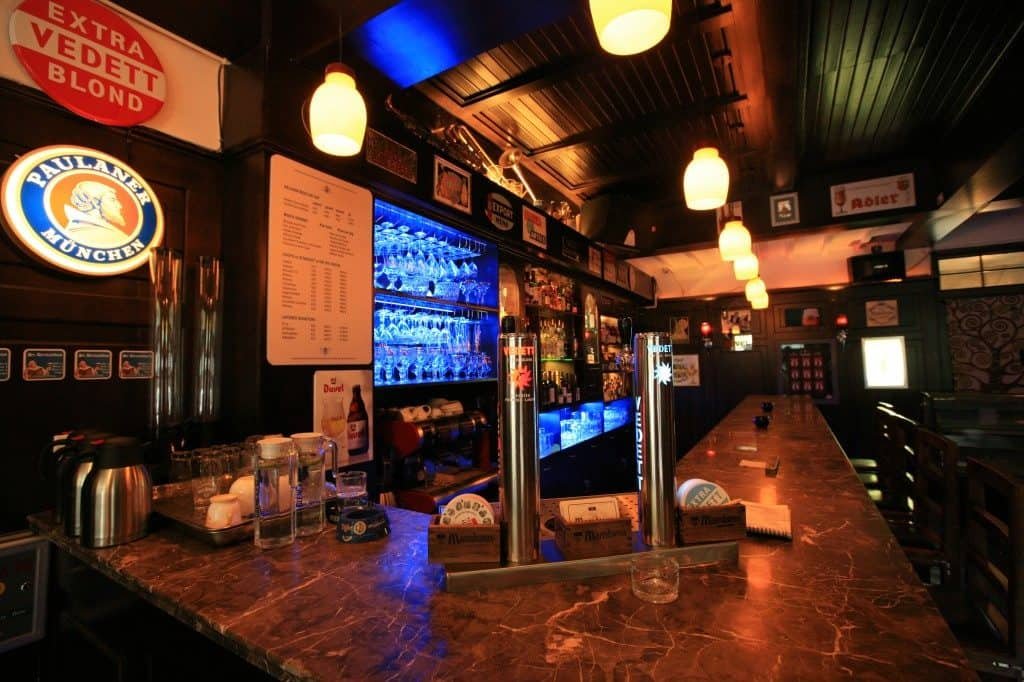
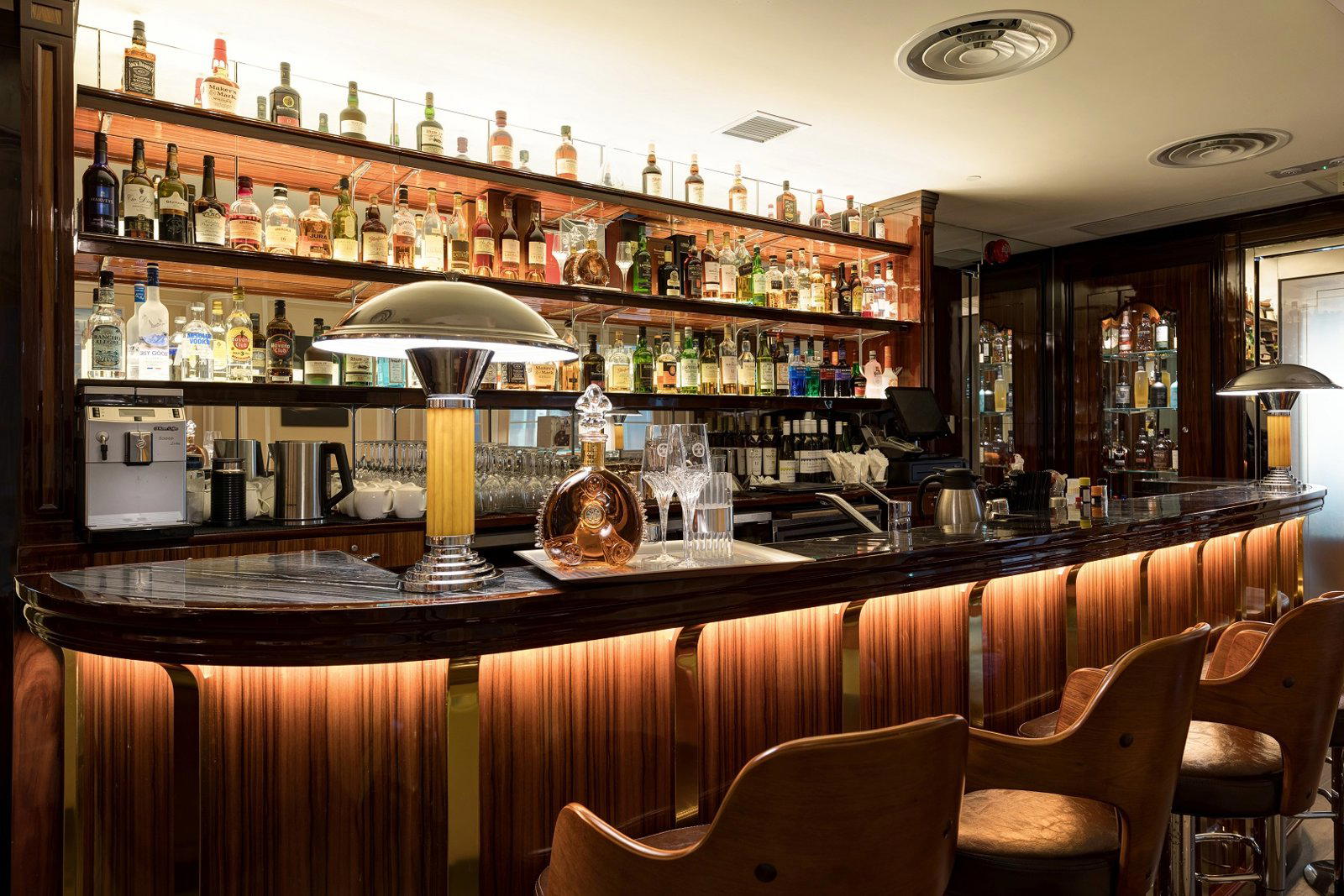
Flair, the rooftop bar, sits at the apex of the programme. Accessed by a private elevator, it delivers skyline views over Xi'an alongside handcrafted cocktails and a tight menu of fresh sushi and Southeast Asian-inflected tapas-style dishes. Rooftop bars at urban Ritz-Carlton properties have become a consistent brand format across Asia, offering a social experience that guests can share with local business contacts or city visitors who aren't staying at the hotel. Flair fits that template and adds a geographic specificity: the Xi'an skyline, viewed from above the CBD, is a particular kind of image, one that positions the city as something other than a museum piece.
Rooms, Floors, and the Club Level Calculation
Accommodations start at 538 square feet, a floor plate that sits at the upper end of what comparable properties offer in Chinese tier-one and tier-two cities. Curated artwork, marble bathrooms with jetted soaking tubs, and oversized picture windows framing the city skyline are the consistent features across the room category. For guests considering an upgrade, the Club Level tier unlocks access to the Club Lounge, which provides complimentary snacks, drinks, and desserts across defined service periods. In a hotel where the dining programme is already substantial, the Club Lounge shifts from convenience to genuine value proposition, particularly for longer stays or travellers who want a private space outside the main lobby energy. Among travellers familiar with the brand's global Club Level format, this tier consistently draws repeat bookings; it is the room category most frequently referenced in reviews that note value relative to rate.
The Ritz-Carlton Spa and the Fifth-Floor Offer
The spa programme occupies the entire fifth floor, a dedicated footprint that allows for a Zen garden, private couples' suites, and a sleek indoor pool without compressing into the corridor-and-door configuration that smaller wellness floors often produce. Fitness classes and a gym round out the wellness amenities. For a property positioned in a business district, the spa floor serves a specific function: it gives the hotel a reason to hold leisure travellers who might otherwise consider a heritage-adjacent property closer to the old city.
Xi'an in the Context of Chinese Luxury Hotels
Xi'an sits in a distinct position within China's luxury hotel geography. Unlike Beijing or Shanghai, where international brands compete across dozens of five-star properties and the competitive set is dense, Xi'an's premium tier is smaller and more defined. The Sofitel Legend Peoples Grand Hotel Xi'an offers a different positioning, one that leans into historical architecture rather than contemporary CBD placement. The Ritz-Carlton's decision to anchor in the High-Tech Zone rather than the old city reflects a calculation about its primary guest: the business traveller with a heritage excursion agenda, rather than the heritage traveller with a business obligation. That distinction shapes everything from the room size to the dining programme's breadth.
Across China more broadly, Marriott International's portfolio spans a range of formats and price tiers. Properties like the JW Marriott Hotel Shanghai at Tomorrow Square occupy comparable CBD-tower positioning in a far more competitive market. The Xi'an property benefits from operating in a city where the competitive pressure at this tier is lower, which allows the dining programme and spa floor to register more distinctly against the local field.
For travellers building a broader China itinerary, the contrast between Xi'an and design-led alternatives is instructive. Amandayan in Lijiang, Amanfayun in Hangzhou, and Banyan Tree Chongqing Beibei each represent a different approach to luxury in culturally significant Chinese cities, one that prioritises materials-led design and local architectural integration over the full-service hotel model. The Ritz-Carlton, Xi'an argues for the opposite position: that a comprehensive on-site programme is the appropriate response to a city where the main attractions are geographically dispersed and guest logistics are complex. Visits to the Terracotta Warriors, for instance, require organised transfers and planning that a full-service hotel is better placed to coordinate than a boutique property with minimal front-of-house infrastructure.
Travellers researching the wider region can also consider the range covered in our full Xi'an restaurants guide, which maps the city's dining scene beyond the hotel tier. Other Chinese properties worth considering for adjacent itineraries include the Mandarin Oriental Qianmen in Beijing, the Andaz Shenzhen Bay, the Conrad Guangzhou, the Altira Macau, and the 1 Hotel Haitang Bay, Sanya. Further afield, Xiamen Yunding Resort and Conrad Jiuzhaigou offer distinct natural-setting alternatives. For travellers extending into northeast China, Vanke Lake Songhua Yunlu Hotel in Jilin and Mohe Youran Mountain Residence represent the outer edge of the luxury map. Properties like the Hyatt Place Nanjing Xuanwu, Green Lake Hotel Kunming, Beidahu Asian Games Village, Huyi District in Xi'an, Banyan Tree Ringha, Conrad Tianjin, Conrad Urumqi, The Fifth Avenue Hotel in New York City, Aman New York, and Aman Venice round out the broader EP Club portfolio for itinerary planning.
Planning Your Stay
The hotel is located at No. 50 Keji 2nd Road, Xi'an, Shaanxi, 710065. The High-Tech Zone address places it away from the historic centre, so guests planning heavy heritage itineraries should factor in transfer time to the Muslim Quarter and city walls, and allow considerably more for the Terracotta Warriors site east of the city. The full-service infrastructure, including 24-hour room service, meeting rooms, spa, gym, and multiple dining outlets, means that most practical needs can be resolved on-site. Reservations and current rate information are best confirmed directly with the hotel or through the Marriott International booking platform, as pricing at this tier varies with demand, seasonality, and loyalty programme status.
Cost and Credentials
Comparable venues nearby, for context on price, style, and recognition.
| Venue | Cuisine | Price | Awards | Notes |
|---|---|---|---|---|
| The Ritz-Carlton, Xi'anThis venue — the venue you are viewing | Not listed | Not listed | Michelin Guide New Hotels New Hotel · Michelin Selected | Not listed |
| Sofitel on Renmin Square | Not listed | $200–300 | Michelin Selected | Xi'an City Center, Historic luxury within city walls |
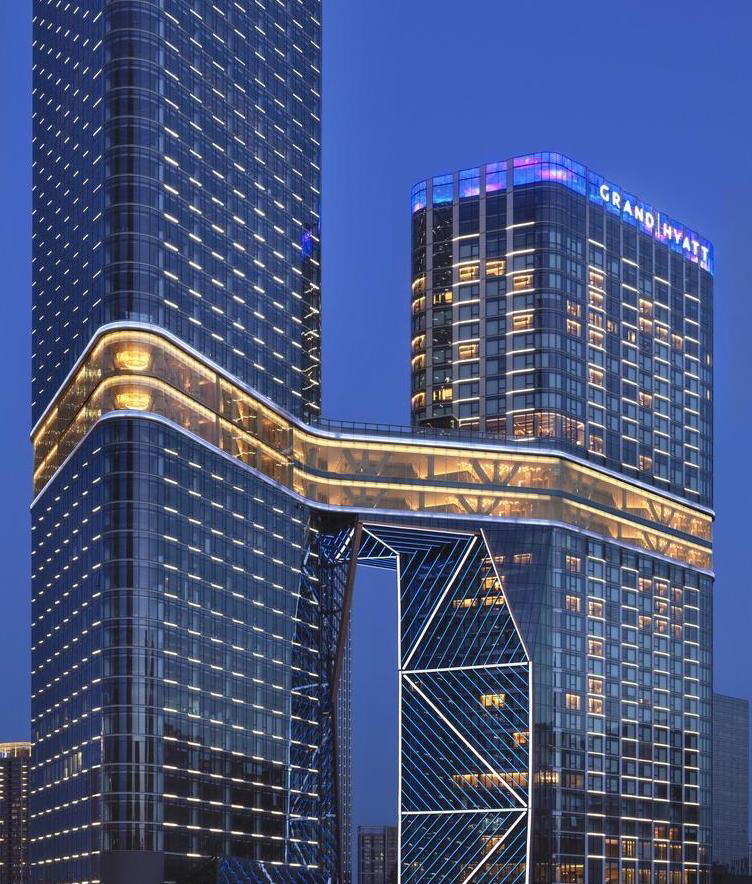
| Grand Hyatt Xi’an | Not listed | Not listed | Michelin Selected | High-tech Zone, Contemporary luxury inspired by Silk Road and Tang Dynasty heritage |
| Park Hyatt Xi'an | Not listed | Not listed | Not listed | Qujiang District, Luxury urban Park Hyatt positioned as a sophisticated home-away-from-home for informed global travelers in a major mixed-use commercial district. |
| Sofitel Legend Peoples Grand Hotel Xi'an | Not listed | $200–300 | 1 Michelin Key · Virtuoso Luxury Hotel Partner | Renmin Square, Historic luxury with modern French-Chinese fusion |
| Huyi District | Huyi District, ecological garden style | Not listed | Not listed | Not listed |
Recognition history
Dated appearances from independent guides and award organizations, with the underlying list record or original source where available.
Michelin Guide New Hotels New Hotel
Michelin Guide New Hotels
Michelin Selected
Michelin
Forbes Recommended
Forbes
Full recognition history (4 entries)
Forbes Recommended
Forbes

Details
- Elegant
- Sophisticated
- Ornate
- Business Trip
- Romantic Getaway
- Celebration
- Rooftop Pool
- Historic Building
- Panoramic View
- Pool
- Spa
- Fitness Center
- Room Service
- Concierge
- Wi Fi
- Skyline
- Wheelchair Accessible
- Elevator
- Step Free Entrance
- Accessible Parking
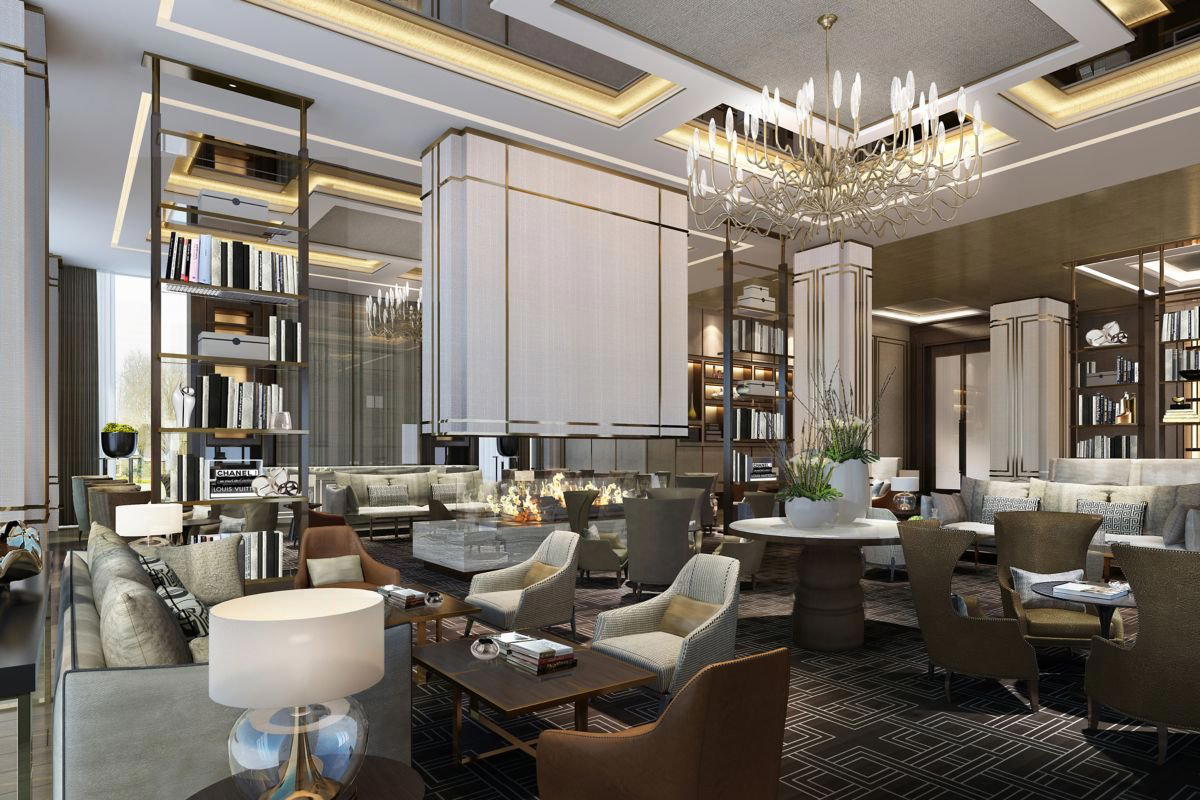
Serene and elegant atmosphere with soaring ceilings, grand chandeliers, a four-sided glass fireplace, and tranquil spa spaces featuring zen gardens.