

1 Michelin Key · Virtuoso Luxury Hotel Partner
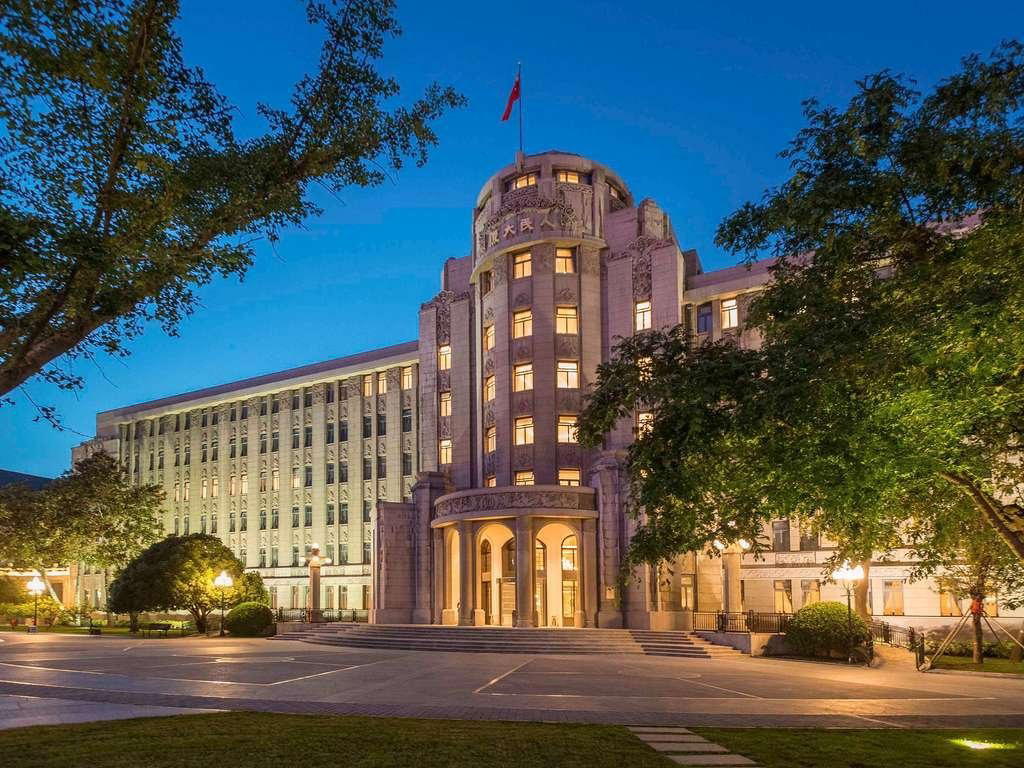
Originally opened as a Chinese state guesthouse in 1953, the Sofitel Legend Peoples Grand Hotel Xi'an sits inside the ancient city walls on Renmin Square, within walking distance of the Bell and Drum Towers. Its 71 rooms and suites blend Art Deco details, Sino-Russian architecture, and French hospitality standards, making it one of the most historically grounded luxury options in a city that served as China's imperial capital across 13 dynasties.

Pearl is the En Primeur Club membership app — saves, bookings, and concierge access live there. Same editors, same standards.
- Address
- 319 Dong Xin Jie, Xin Cheng Qu, Xi An Shi, Shan Xi Sheng, 710005
- Phone
- +8602987928888
- Website
- sofitel.accorhotels.com
- Directions
- Get directions
A State Guesthouse That Became a Hotel, and Why That Distinction Matters
Xi'an occupies a particular position in China's urban hierarchy that no other city quite replicates. As the starting point of the Silk Road and the imperial capital across 13 dynasties, it carries a historical density that newer business destinations cannot manufacture. For a long time, that history drew scholars and archaeologists more than international leisure travellers. The Economist's designation of Xi'an as one of China's thirteen emerging megalopolises shifted the calculation, and the international hotel groups followed. Among those arrivals, the Sofitel Legend Peoples Grand Hotel stands apart from purpose-built luxury towers because it did not arrive at all: it was already there, opened in 1953 as a state guesthouse on Renmin Square, repurposed rather than constructed for its current role.
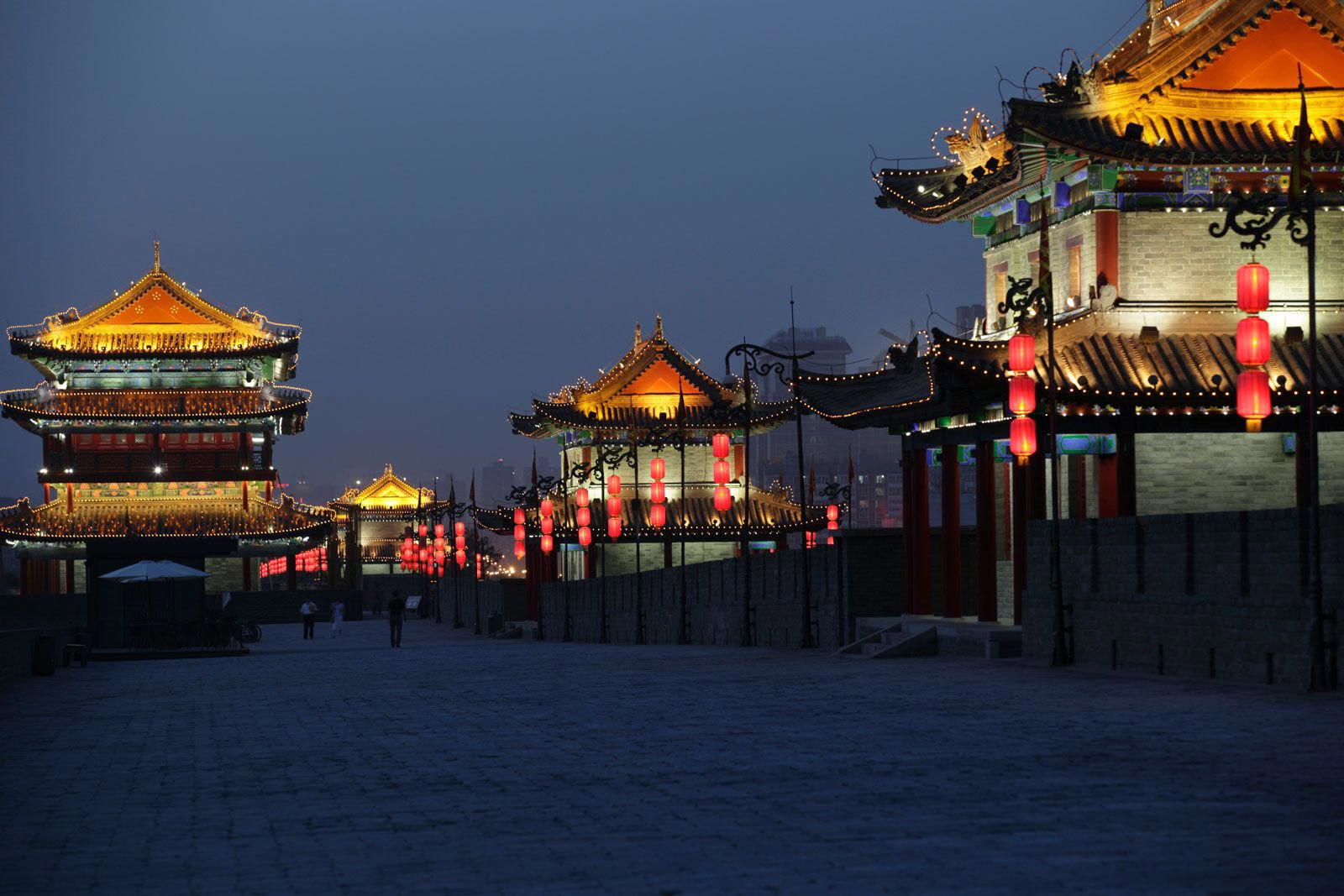
That provenance shapes everything about how the property presents itself. Where competitors like The Ritz-Carlton, Xi'an occupy positions in the city's newer commercial fabric, the Sofitel Legend sits inside the ancient city walls, a few minutes on foot from the Bell and Drum Towers and the Muslim Quarter's street-food corridors. The address alone positions it in a different tier of the Xi'an hotel market: not newer and taller, but older and more embedded.
The Architecture: Three Traditions in One Building
The design language of the Sofitel Legend Peoples Grand Hotel is a product of its Cold War-era origins. Completed in 1953, during a period when Soviet technical and aesthetic influence was substantial in Chinese institutional architecture, the building reflects a convergence of French grandeur, Sino-Russian civic formality, and local stylistic sensibility. The result is a set of proportions that feel genuinely monumental without tipping into anonymity: lofty ceilings, ornate molded cornices, and Art Deco details that have been preserved through sensitive renovation rather than erased in favour of a generic contemporary finish.
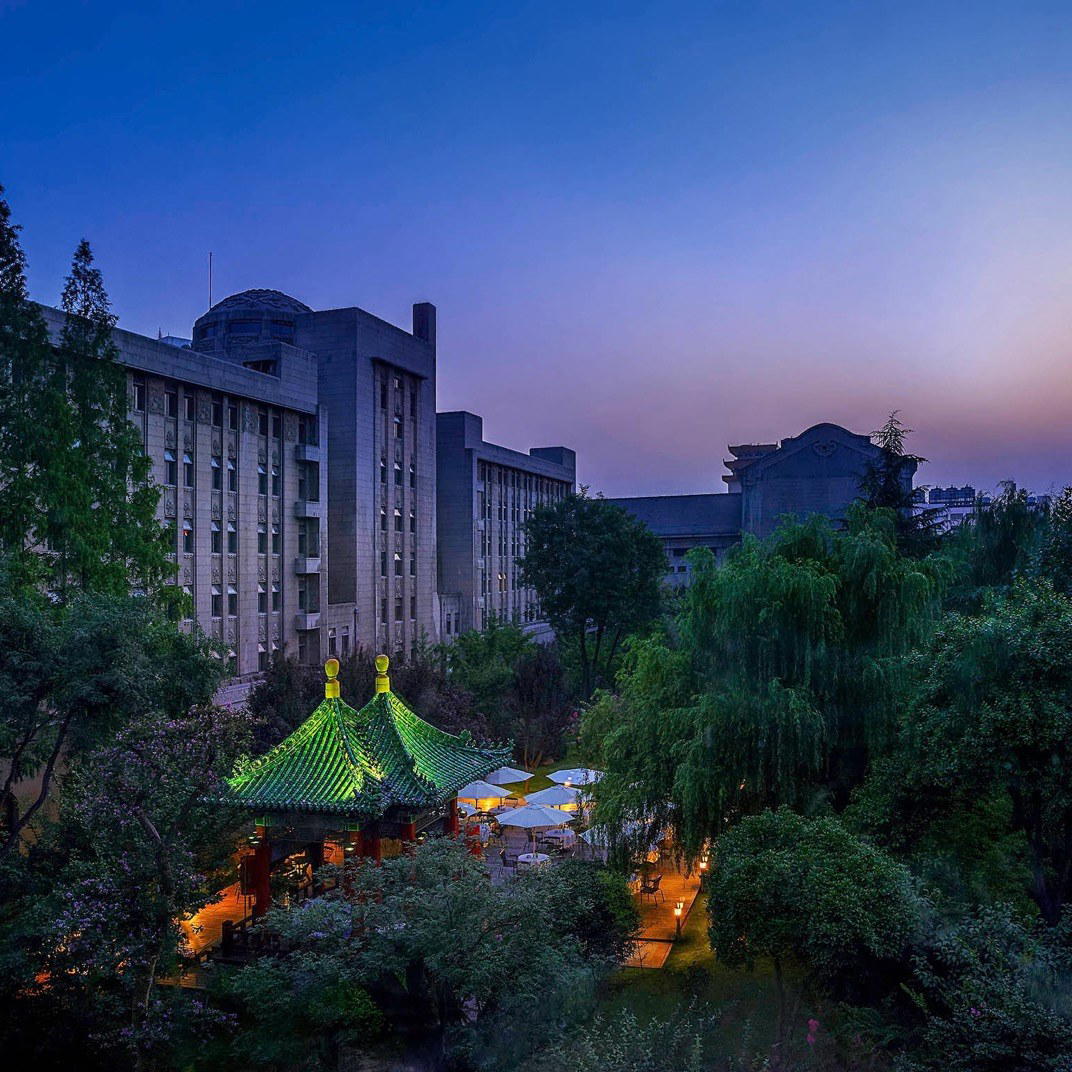
Hotels that have successfully converted mid-century state buildings into luxury accommodation tend to succeed when they treat the architecture as the primary asset rather than a constraint to be masked. The Sofitel Legend falls into that category. The landscaped gardens that surround the structure reinforce the sense of spatial generosity: this is a property where the grounds read as an extension of the building's civic character, not as a bolt-on amenity.
For travellers comparing design-led properties across China, the contrast with something like Mandarin Oriental Qianmen in Beijing is instructive. Both properties engage with historical Chinese urban fabric, but from different architectural starting points: one is a contemporary insertion into a preserved hutong neighbourhood, the other is a preserved Cold War-era building adapted for modern hospitality. Neither approach is strictly superior; they reflect different preservation philosophies applied to different historical contexts.
Inside: Rooms, Suites, and What the Scale Means in Practice
The hotel carries 71 keys: 44 rooms and 27 suites. That count is deliberate at this tier. Sofitel Legend properties are distinguished from the broader Sofitel portfolio by their combination of historical significance and limited inventory, and 71 rooms is a number that allows for butler service as a standard offering across the property rather than an upgrade reserved for top-floor suites. Every room comes with 24-hour butler service, a Sofitel MyBed configuration with a pillow menu, and bathrooms stocked with Hermès amenities and fitted with both walk-in showers and standalone baths. Silk bathrobes and kimonos are standard, not upgrade inclusions.
The suite tier expands the proposition considerably. Two Prestige Suites at 98 square metres, three Opera Suites at 140 square metres, and one Imperial Suite at 210 square metres with garden and fountain views cover the range from generous to genuinely grand. The Imperial Suite's split-level layout, on that footprint, puts it in a tier that competes with the flagship suites at properties like JW Marriott Hotel Shanghai at Tomorrow Square or 1 Hotel Haitang Bay, Sanya in raw square footage, though the character of the space is entirely different. The interconnecting door configuration across suites and some guestrooms makes the property a practical choice for multi-generational family travel, a use case that the standard business-hotel tower format rarely accommodates well.
Rates start at approximately $252 per night, a price point that positions the Sofitel Legend firmly at the premium end of the Xi'an market without reaching the upper register of the international luxury tier occupied by some Aman properties. For travellers weighing options, the comparison with Amandayan in Lijiang or Amanfayun in Hangzhou is relevant: both Aman properties engage deeply with Chinese heritage and offer small key counts, but at a significantly higher price point and with a different ownership philosophy around seclusion versus urban connectivity.
Food, Drink, and the Deliberate Choices Behind Each Space
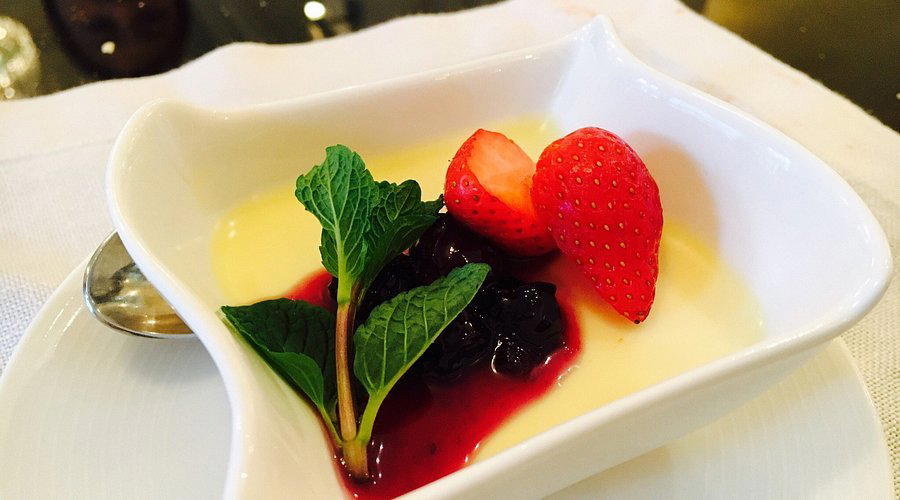
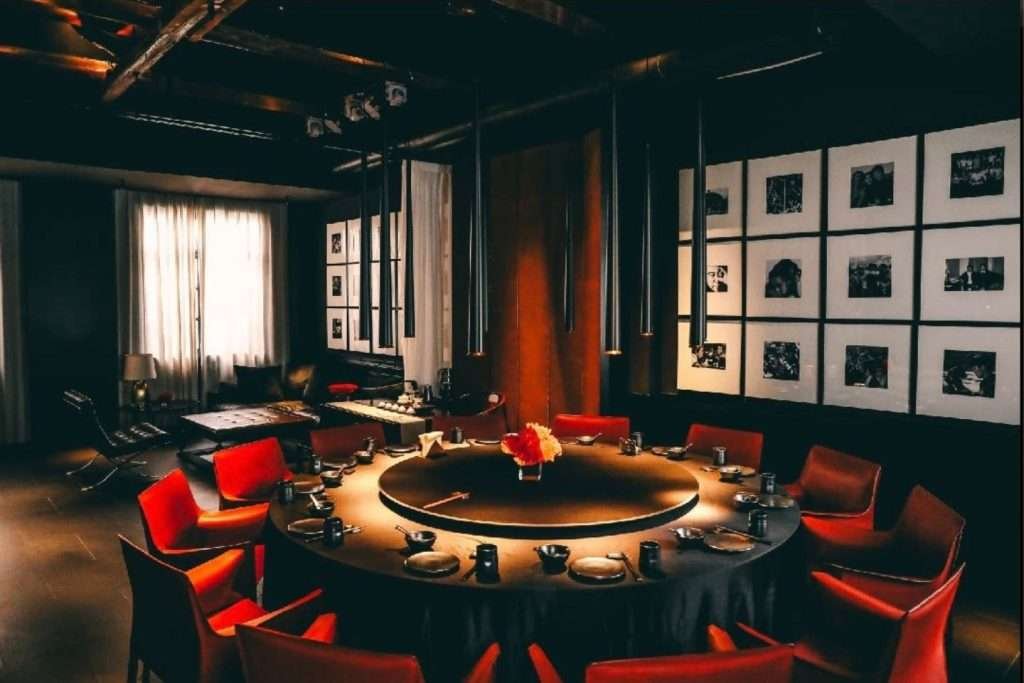
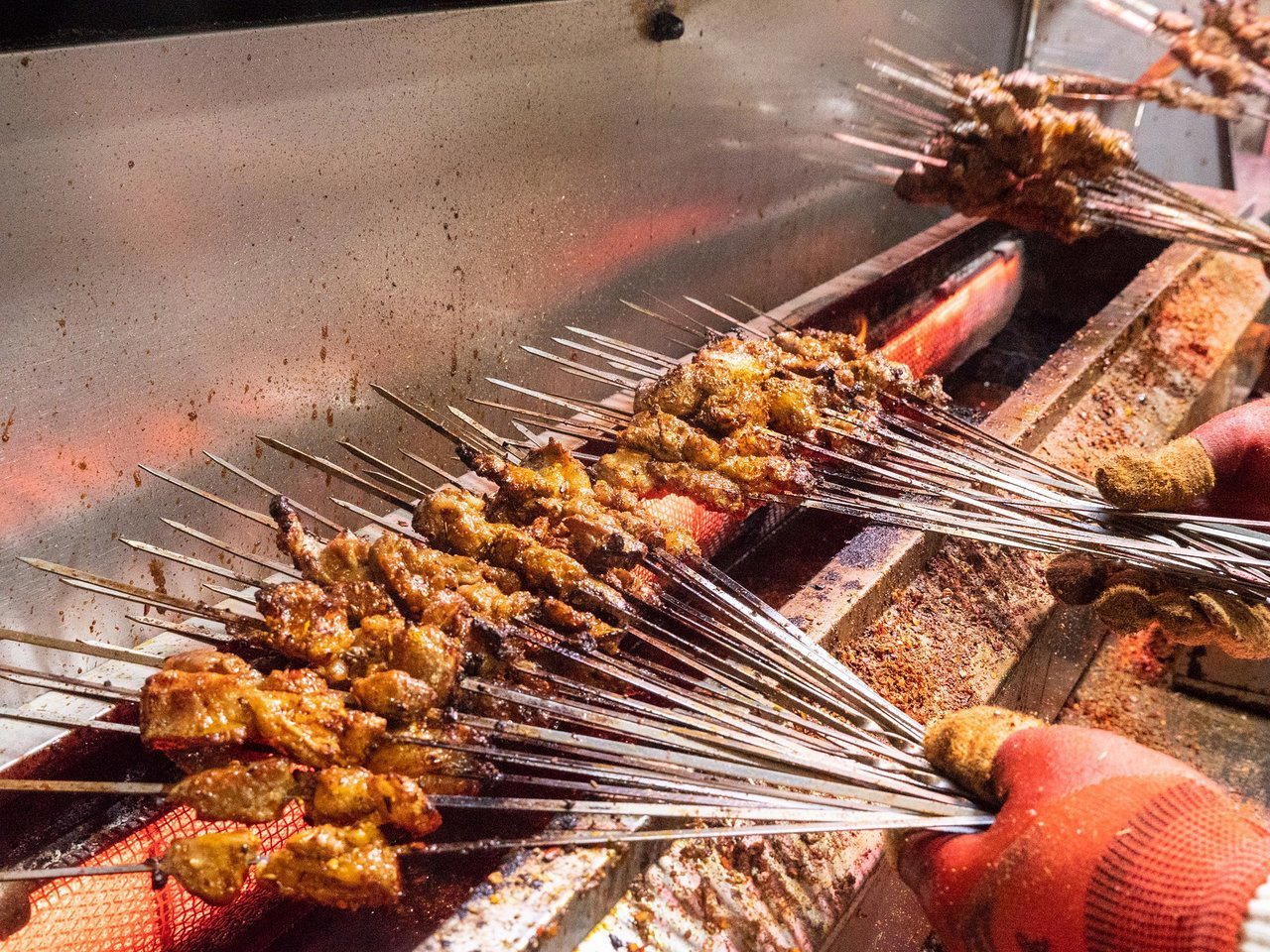
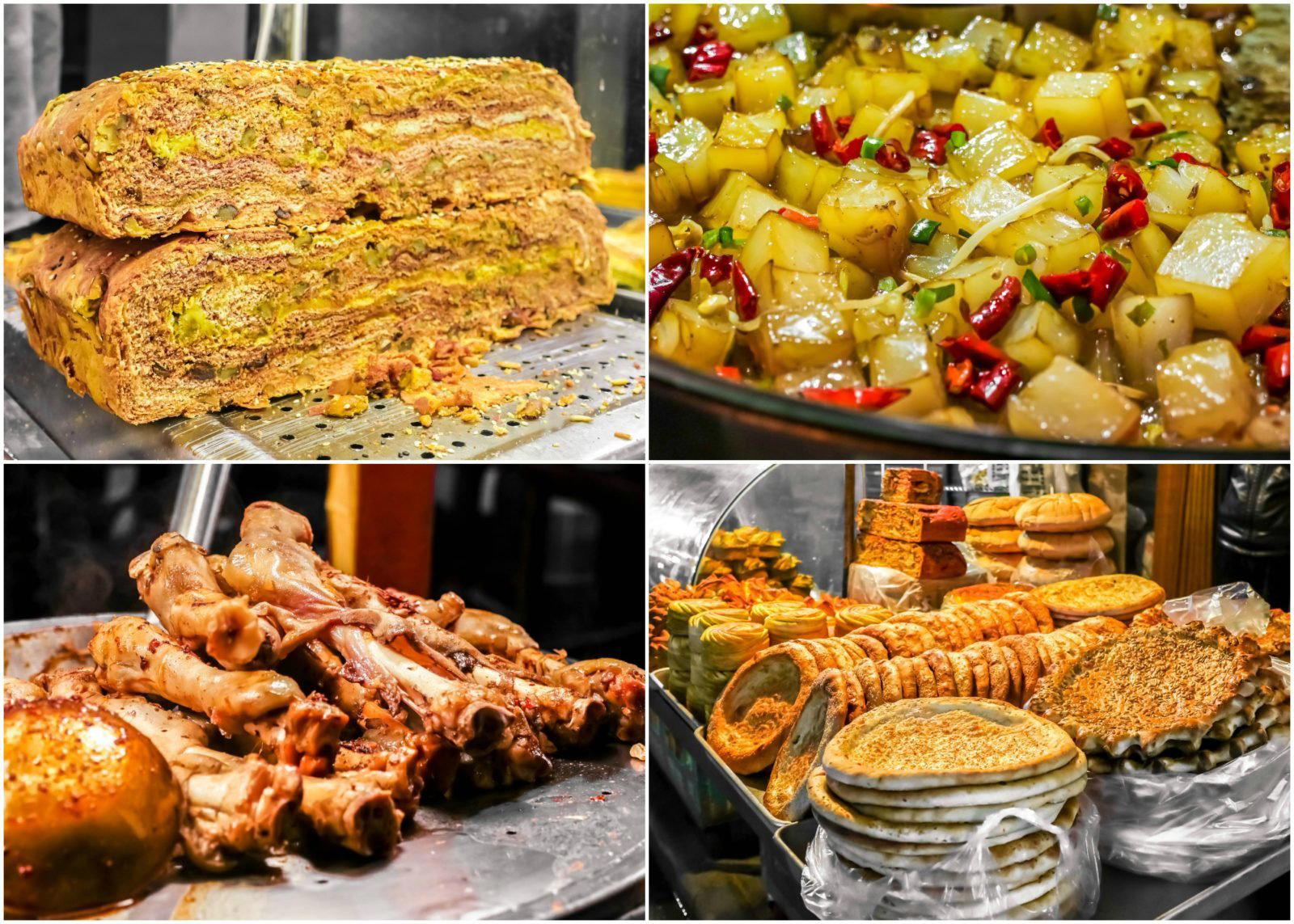
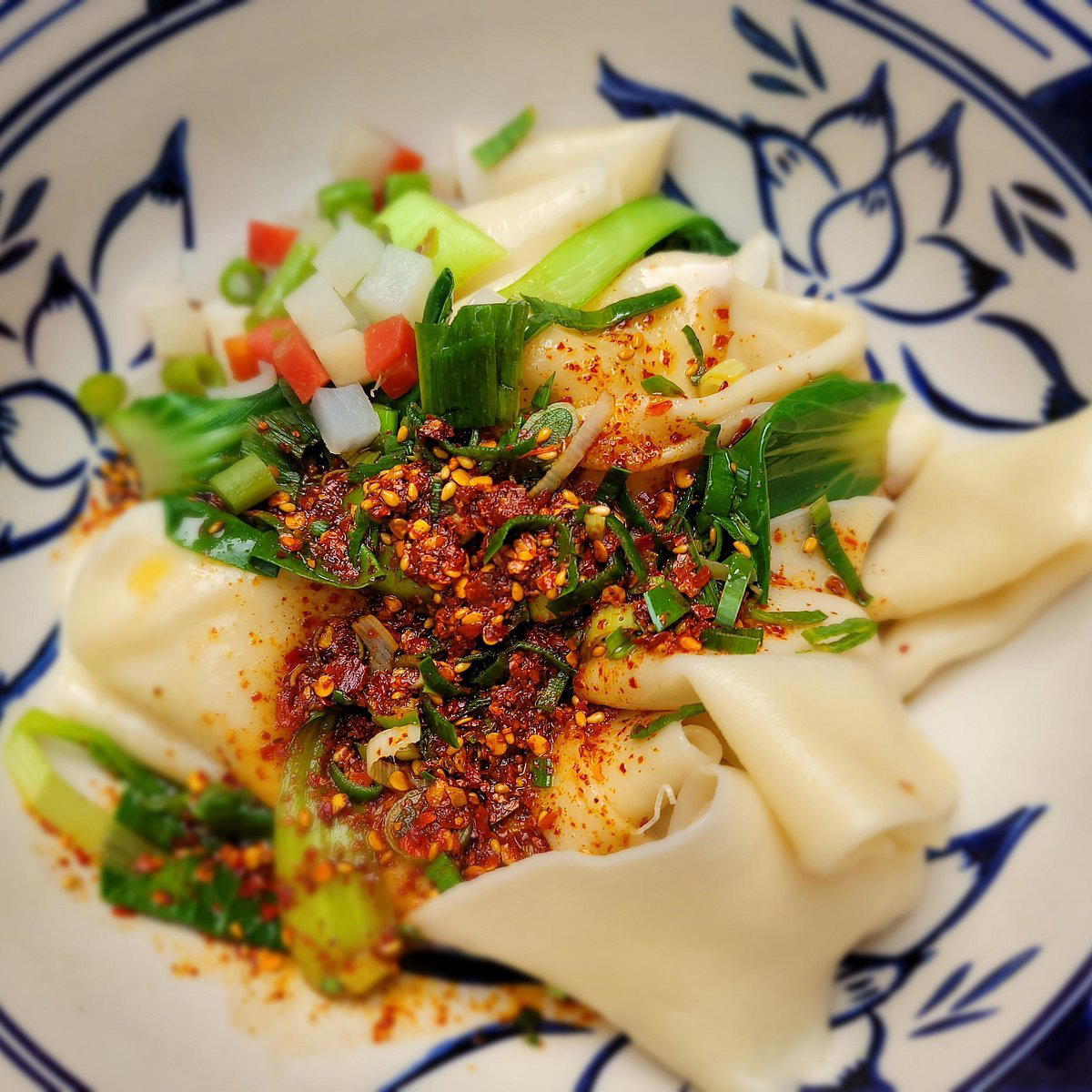
The dining configuration at the Sofitel Legend reflects a particular kind of luxury hotel confidence: the flagship restaurant, Dolce Vita, serves Italian rather than Chinese food. In a city where the local food culture, from biang biang noodles to roujiamo to the Muslim Quarter's lamb skewers, is genuinely compelling, the decision to anchor the hotel's dining around an Italian kitchen is worth noting. It signals that the property is not trying to replicate what the surrounding neighbourhood already does at high quality; instead, it positions Dolce Vita as a counterpoint, a space where guests who have spent the day eating their way through the Muslim Quarter can switch registers entirely. The restaurant also serves as the breakfast venue for in-house guests.
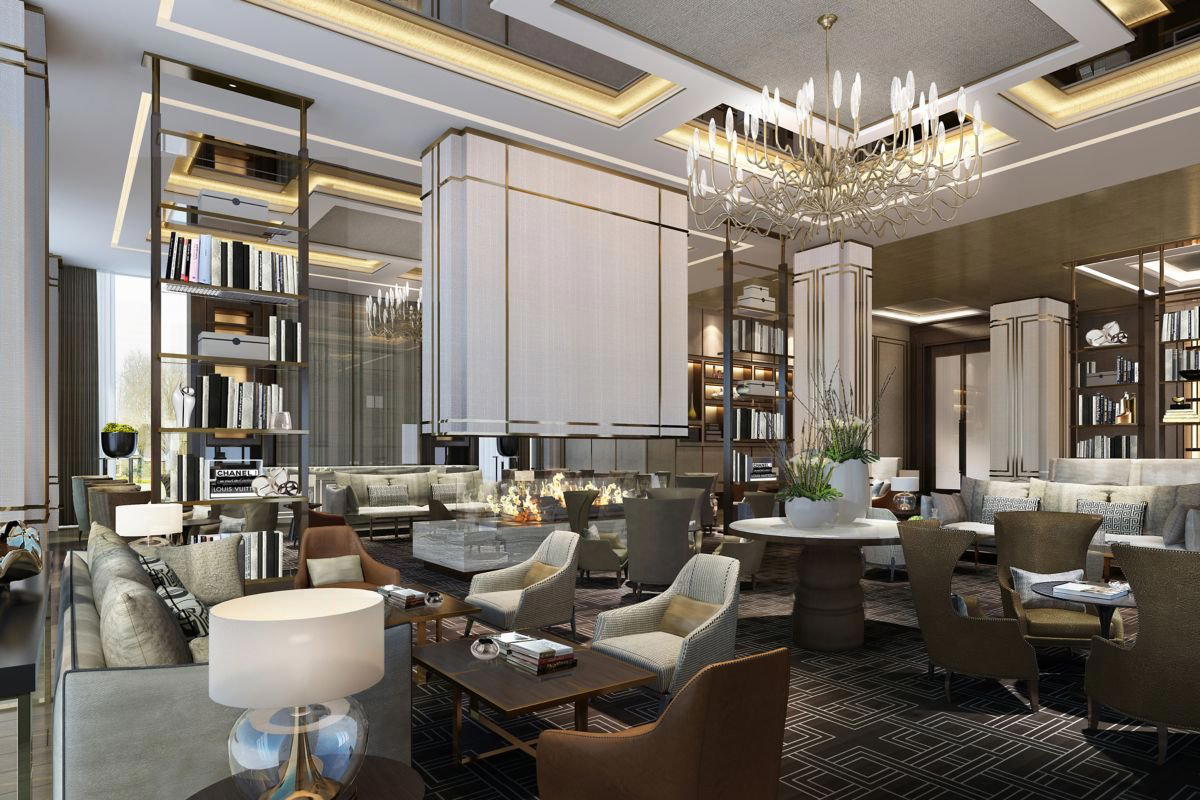
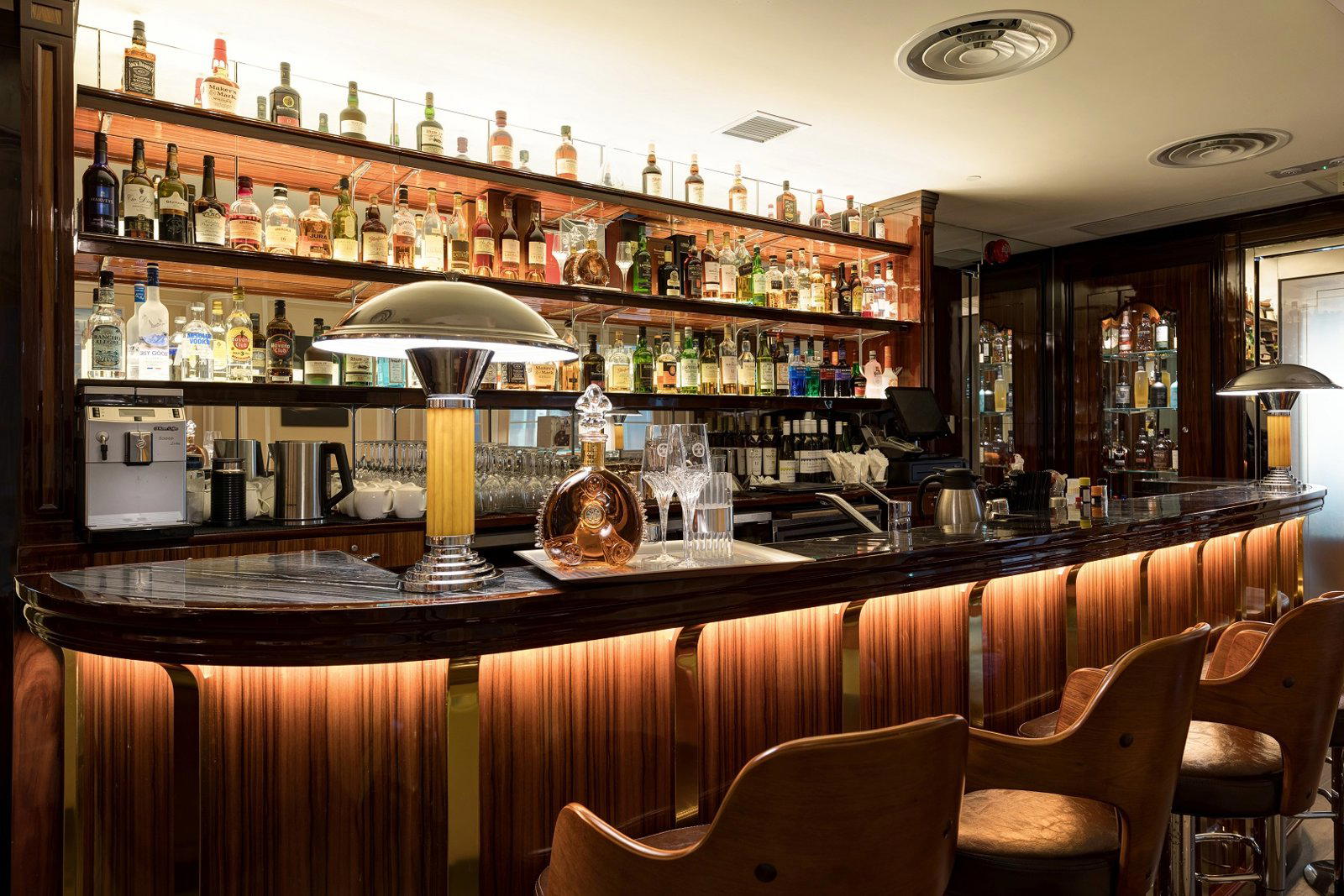
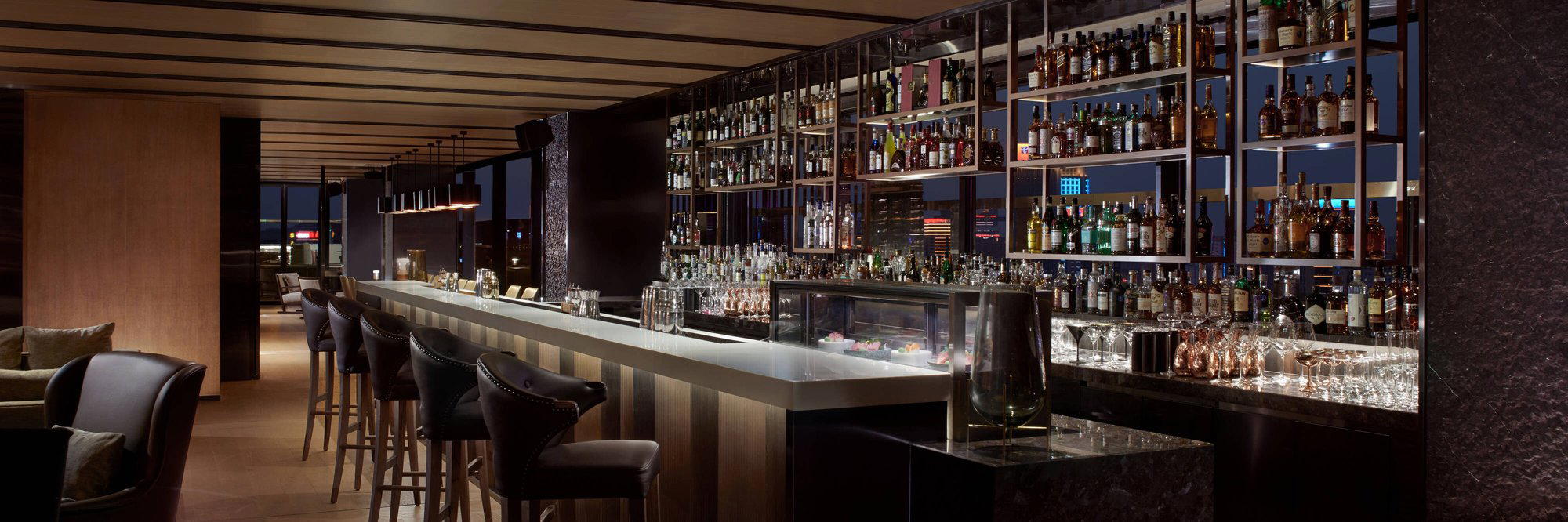
The 1953 Lobby Lounge functions differently. Named for the building's founding year, it is designed to evoke the original state guesthouse atmosphere through its residential character: a place for afternoon tea or cocktails in surroundings that reference the building's history rather than its present renovation. The Louis XIII Bar operates in a narrower register still, anchored by a partnership with Rémy Martin and stocking rare Louis XIII Fortress cognac alongside other special editions. It is a space calibrated for expense-account entertaining rather than casual pre-dinner drinks.
Location, Convention Facilities, and Practical Orientation
Hotel's position inside the city walls, on Renmin Square adjacent to Dong Xin Jie, means the Bell Tower is within walking distance and the Drum Tower follows close behind. The Muslim Street food corridor is accessible on foot, which for a Xi'an visit represents genuine logistical value: the city's most concentrated historic and culinary experiences are reachable without a car or taxi. Travellers using the property as a base for wider Shaanxi exploration, including the Terracotta Army site approximately an hour east of the city centre, will find the central location efficient for day-trip logistics.
Convention offering is scaled for serious corporate use: a 1,100 square metre pillarless ballroom divisible into three sections, capable of holding up to 1,000 guests for a reception, backed by 21 meeting rooms ranging from 20 to 250 persons. Simultaneous interpretation facilities and audiovisual infrastructure across all spaces confirm that the property competes for government and diplomatic events, not just private corporate bookings. This is consistent with the building's original state guesthouse designation and represents a continuity of function that distinguishes it from most hotel conversions.
Spa operates on a smaller scale, with three treatment rooms including a couples room and a traditional Chinese foot massage room. The landscaped garden hosts daily Tai Chi sessions, and a Chinese pavilion within the garden provides a setting for tea service. These offerings are calibrated for a property of 71 keys: intimate and functional rather than spa-destination scale. Travellers seeking a larger wellness programme will find more extensive facilities at properties like Banyan Tree Chongqing Beibei or Xiamen Yunding Resort.
For context on the broader Xi'an hospitality and dining scene, our full Xi'an guide covers the city's key neighbourhoods, food traditions, and hotel options across price points. Further comparisons across China's heritage-anchored luxury segment are available through properties including Green Lake Hotel Kunming, Altira Macau, and Conrad Jiuzhaigou. Internationally, the model of converting a historically significant civic building into a luxury hotel with limited keys finds parallels at Aman Venice and Aman New York, both of which operate on the premise that a building's pre-hotel history is an asset to be foregrounded rather than suppressed.
Comparable Spots, Quickly
Comparable venues nearby, for context on price, style, and recognition.
| Venue | Cuisine | Price | Awards | Notes |
|---|---|---|---|---|
| Sofitel Legend Peoples Grand Hotel Xi'anThis venue — the venue you are viewing | Historic luxury with modern French-Chinese fusion | $200–300 | 1 Michelin Key · Virtuoso Luxury Hotel Partner | Not listed |
| Sofitel on Renmin Square | Historic luxury within city walls | $200–300 | Michelin Selected | Xi'an City Center |
| The Ritz-Carlton, Xi'an | Contemporary luxury merging traditional Chinese elements with modern design | Not listed | Michelin Guide New Hotels New Hotel · Michelin Selected | central business district |
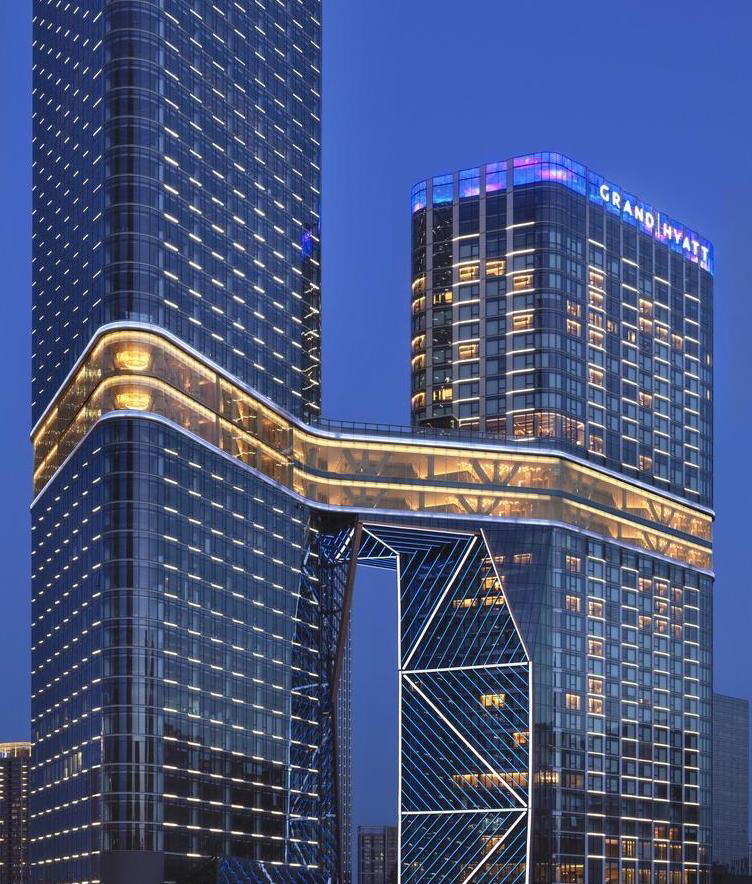
| Grand Hyatt Xi’an | Contemporary luxury inspired by Silk Road and Tang Dynasty heritage | Not listed | Michelin Selected | High-tech Zone |
| Park Hyatt Xi'an | Luxury urban Park Hyatt positioned as a sophisticated home-away-from-home for informed global travelers in a major mixed-use commercial district. | Not listed | Not listed | Qujiang District |
| Huyi District | ecological garden style | Not listed | Not listed | Huyi District |
Recognition history
Dated appearances from independent guides and award organizations, with the underlying list record or original source where available.
Michelin 1 Key
Michelin
Virtuoso Luxury Hotel Partner
Virtuoso
Full recognition history (3 entries)
Michelin 1 Key
Michelin
Details
- Elegant
- Classic
- Sophisticated
- Ornate
- Romantic Getaway
- Business Trip
- Anniversary
- Historic Building
- Garden
- Butler Service
- Wi Fi
- Pool
- Spa
- Fitness Center
- Room Service
- Concierge
- Business Center
- Valet Parking
- Garden
- Elevator
- Wheelchair Accessible
Timeless luxury with neutral palettes, large windows overlooking gardens, marble bathrooms, and serene courtyards creating an elegant and tranquil atmosphere.