Tenuta Montemagno Relais & Wines

World Luxury Hotel Awards WLHA Finalist
A wine estate hotel in the Monferrato hills of Piedmont, Tenuta Montemagno has collected three World Luxury Hotel Awards distinctions — Global Winner for Luxury Wine Estate Hotel, plus Country and Finalist recognition in the boutique and country hotel categories.

Pearl is the En Primeur Club membership app — saves, bookings, and concierge access live there. Same editors, same standards.
- Address
- Via Cascina Valfossato, 9, 14030 Montemagno Monferrato AT, Italy
- Phone
- +39 0141 63624
- Website
- tenutamontemagno.it
- Directions
- Get directions
Stone, Vine, and the Logic of the Monferrato Hills
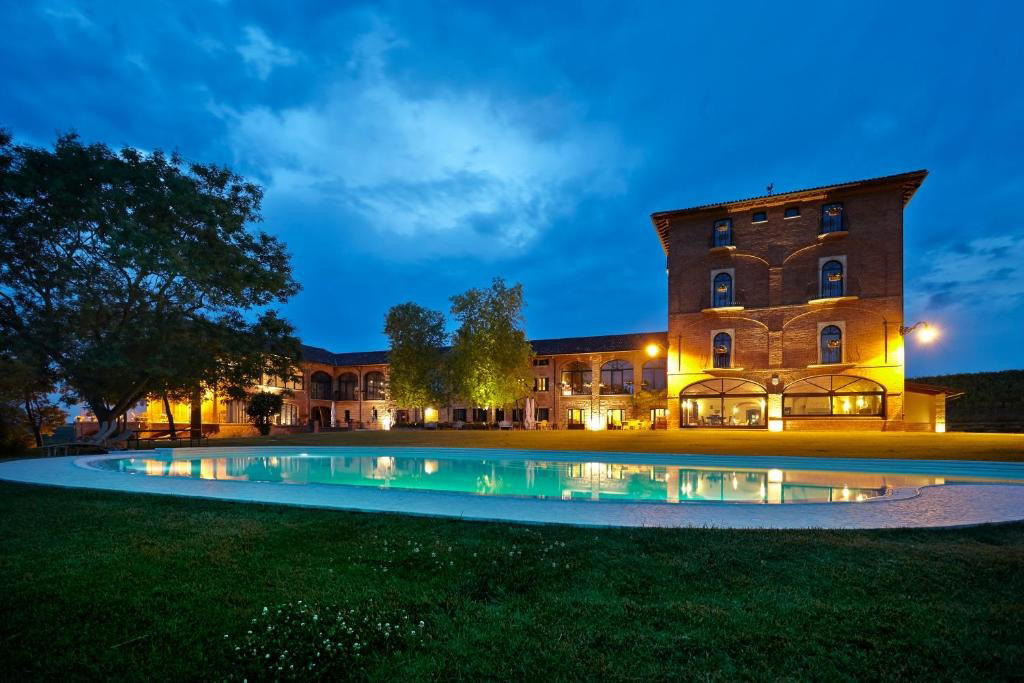
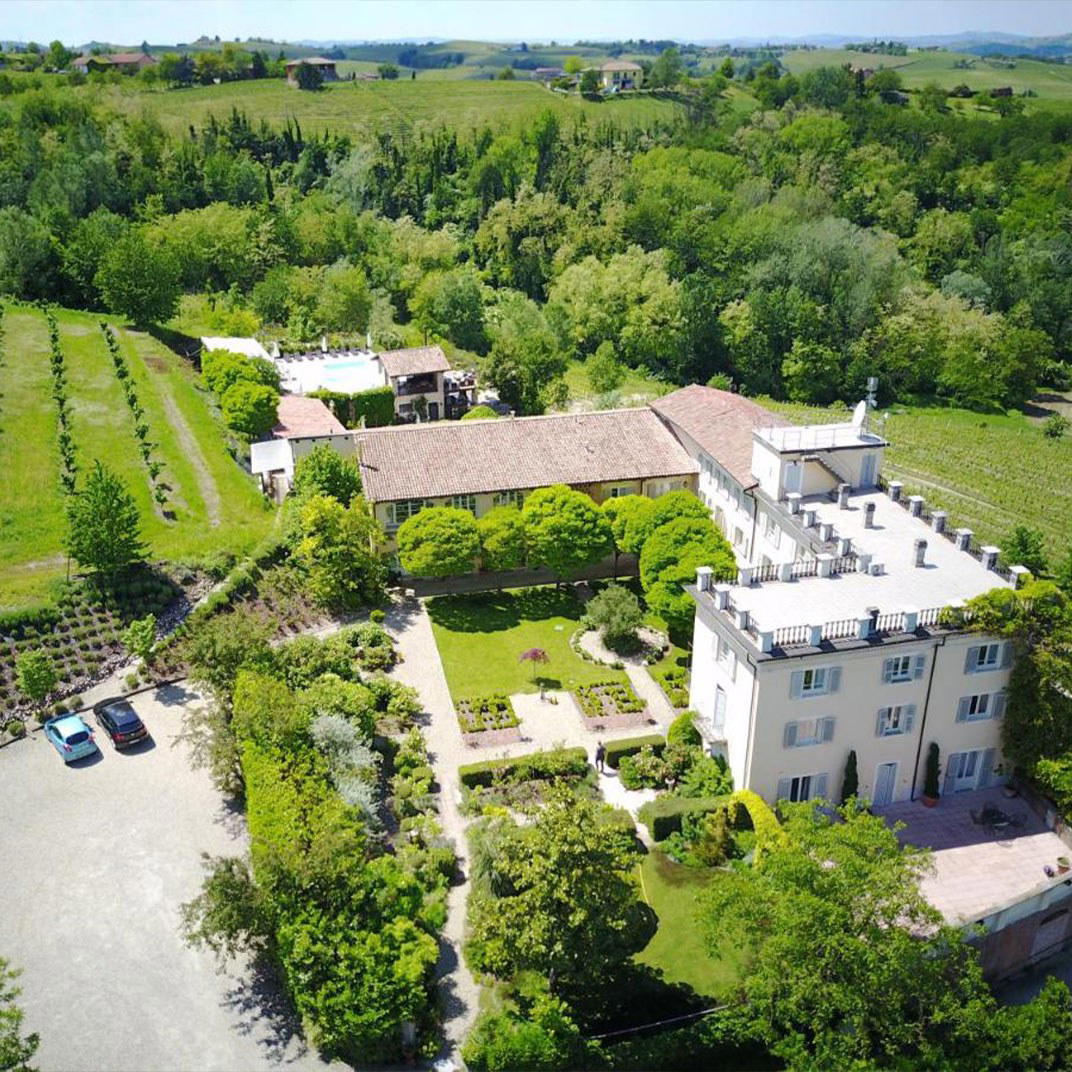
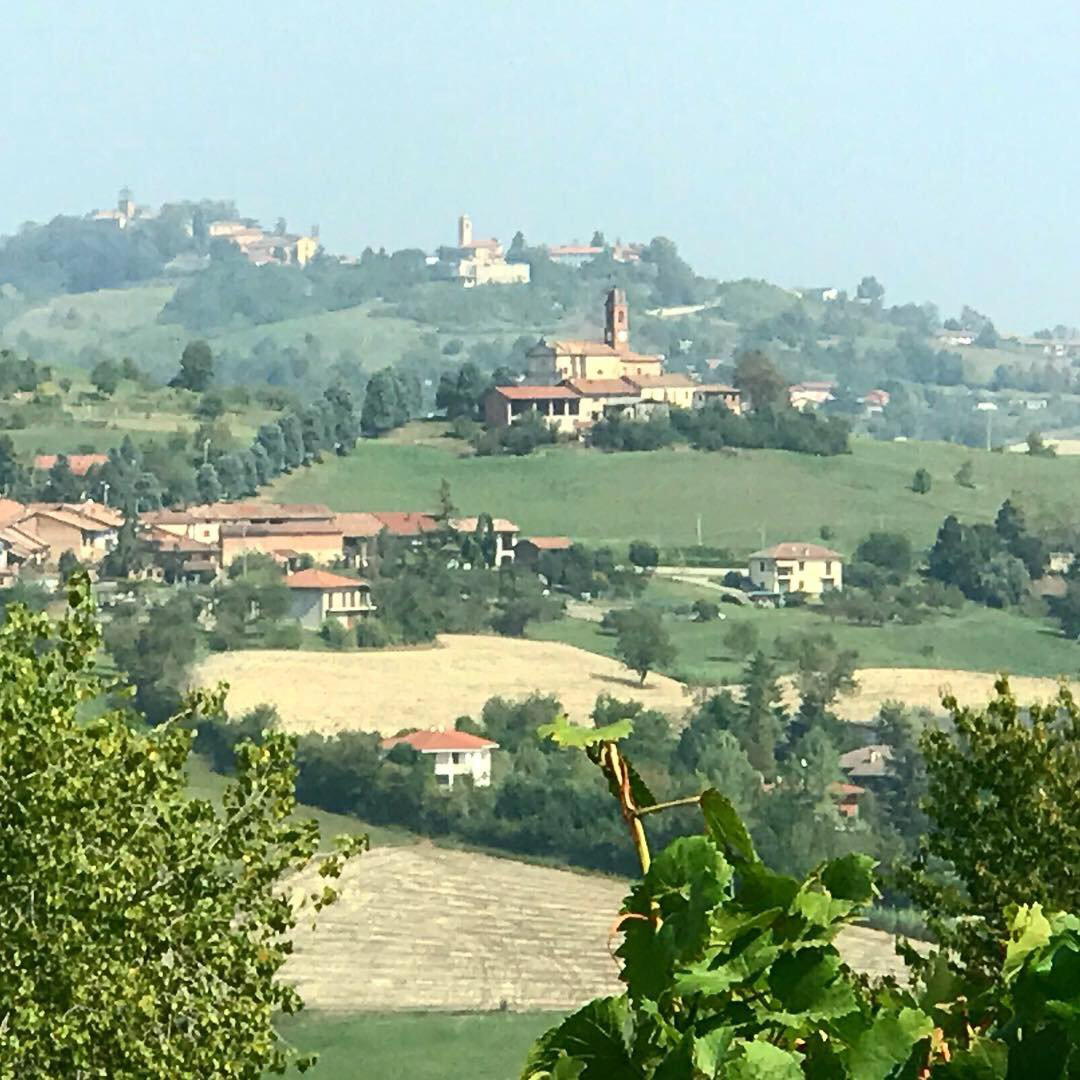
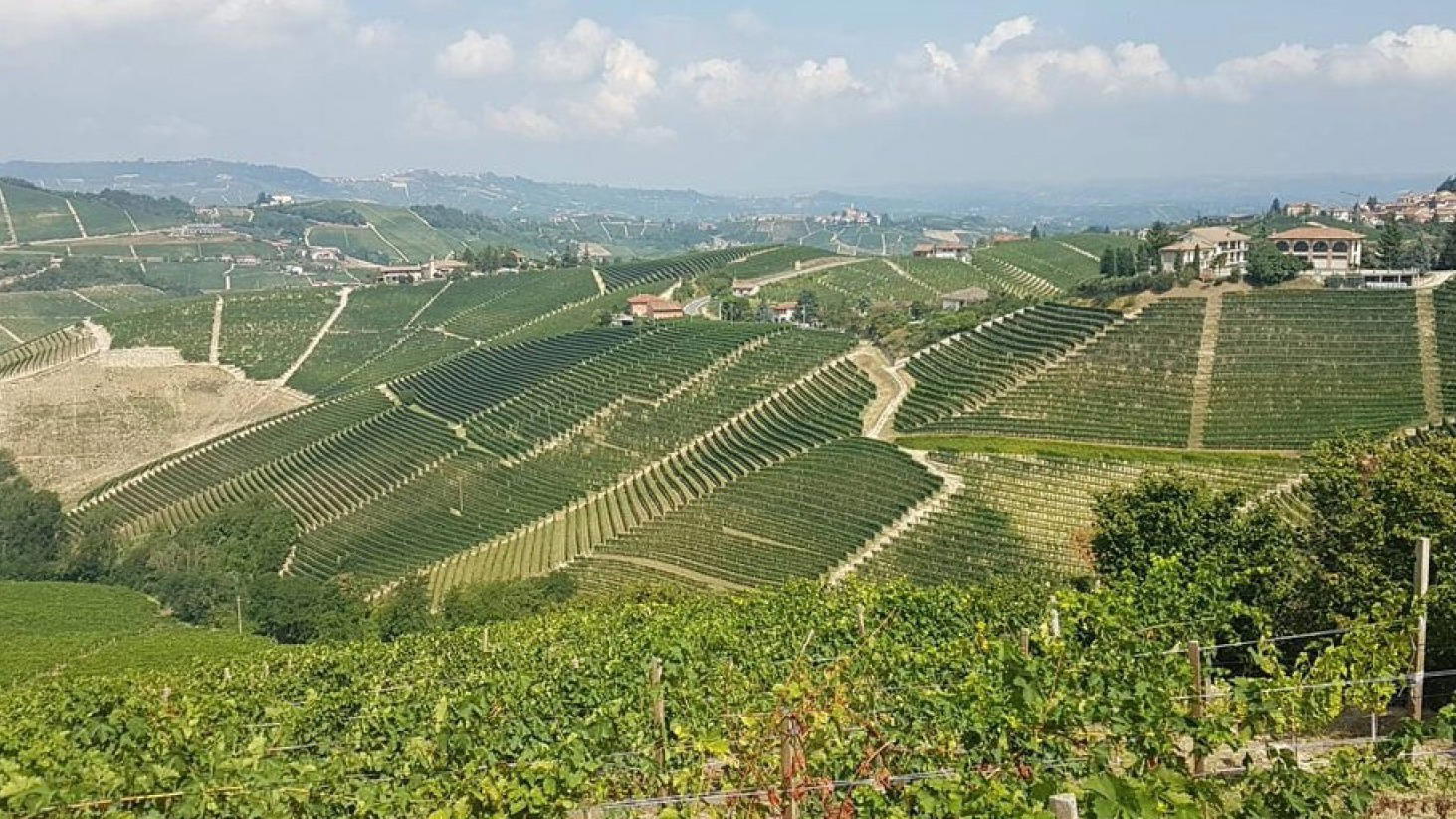
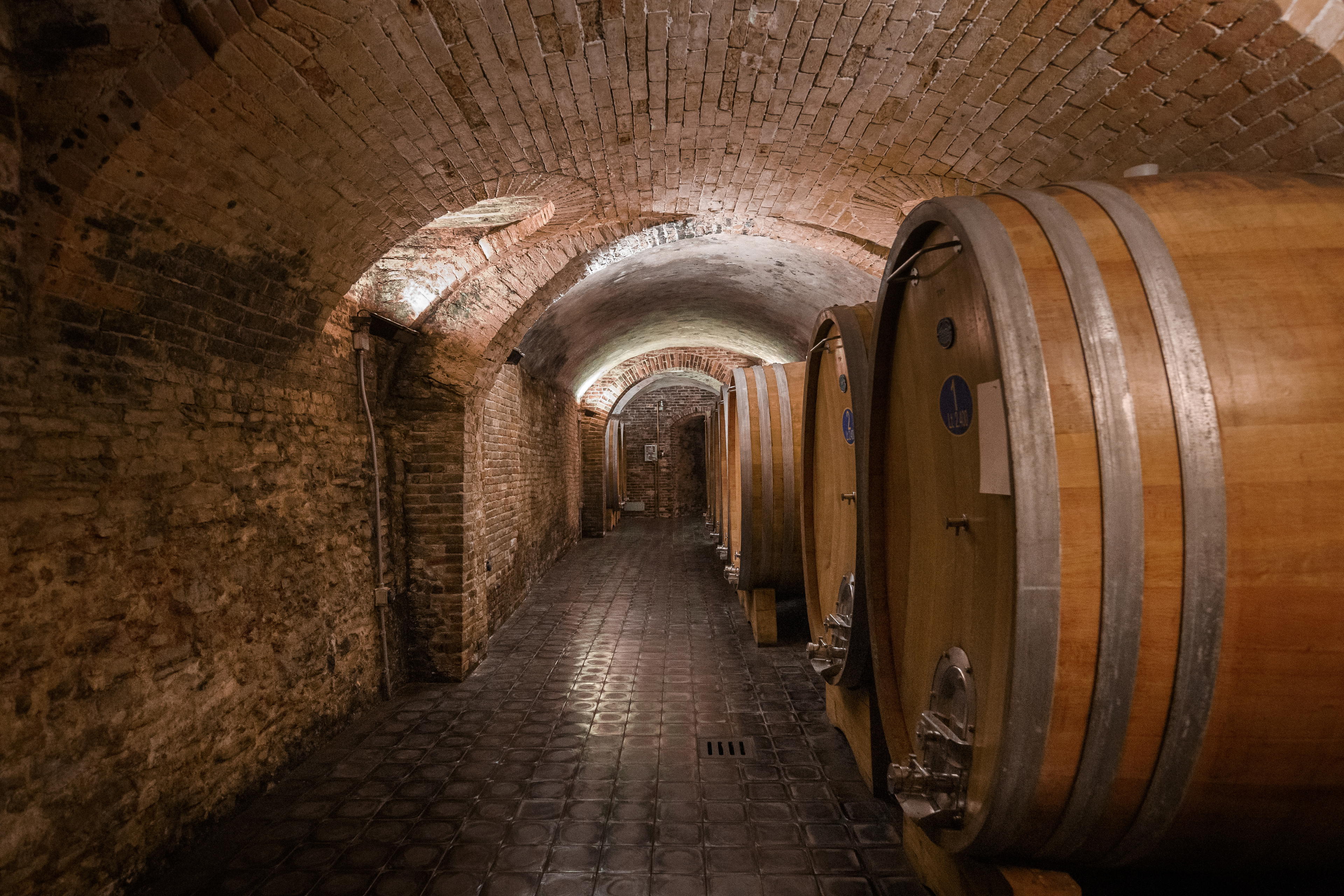
The Monferrato Astigiano sits between the more famous wine corridors of Barolo and Barbera country, a zone of rolling limestone hills where farm estates have been converting to agritourism and relais formats for two decades. The better conversions read as architecture first: the existing stone fabric sets the tone, and hospitality is inserted with minimal interference. Tenuta Montemagno belongs to that category. The estate sits at Via Cascina Valfossato, 9, in the commune of Montemagno, and the approach — past working vineyard rows before arriving at the main compound — establishes the operative logic of the place before you reach the door. The building does not announce itself with designed grandeur; it announces itself through proportion, patina, and the kind of agricultural coherence that is difficult to stage.
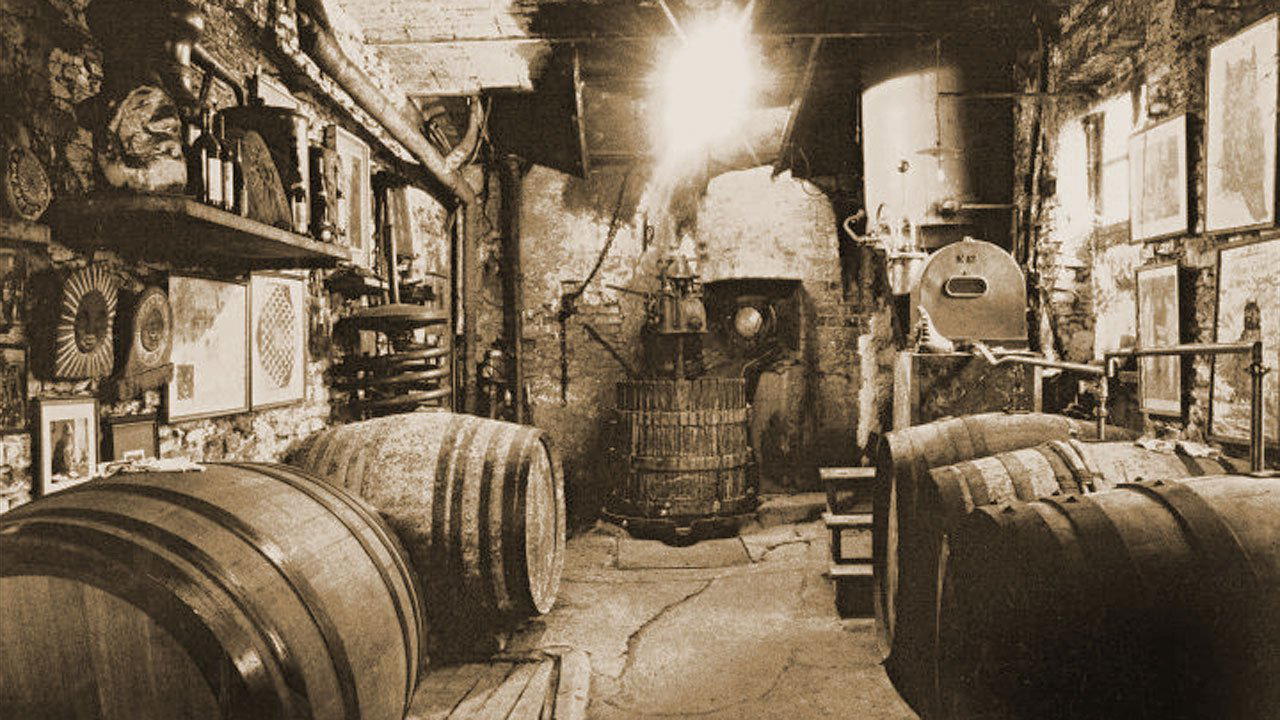
Italy's wine estate hotel format has grown into a distinct competitive tier, separating from generic agritourism partly on the strength of restoration quality and partly on award recognition. Tenuta Montemagno holds three World Luxury Hotel Awards distinctions: Global Winner in the Luxury Wine Estate Hotel category, Finalist Winner in Luxury Country Hotel, and Country Winner in Luxury Boutique Hotel. For Italy, which operates one of the most competitive luxury hotel markets in Europe, those distinctions carry comparative weight. Properties like Rosewood Castiglion Del Bosco in Montalcino and Borgo San Felice Resort in Castelnuovo Berardenga occupy the Tuscan version of this format; Tenuta Montemagno makes the case for Piedmont's equivalent.
The Architecture of a Working Estate
The design argument for Piedmontese wine estate hotels rests on a different visual grammar than Tuscany. Where the Chianti and Montalcino estates tend toward cypress-lined drives and ochre plasterwork, the Monferrato properties work in cooler stone, grey-green hillsides, and a quieter agricultural vernacular. The cascina form, the traditional Piedmontese farmstead built around a courtyard, is the structural template, and the leading hospitality conversions preserve that internal geography rather than erasing it. The courtyard becomes the social centre; the surrounding volumes become rooms and service areas without losing the sense of enclosure that defines the type.
That spatial logic matters because it creates a different relationship between guest and landscape than properties built for pure amenity. You move through working or former working space. The relationship to the vine is not decorative, it is structural. For the category of estate hotel that Tenuta Montemagno represents, this is the distinguishing architectural proposition, and it places it in sharper contrast with luxury properties that use rural surroundings as backdrop rather than subject. Compare this with the approach at Castelfalfi in Montaione or Castello di Reschio in Lisciano Niccone, where medieval architecture is the primary draw; at Tenuta Montemagno, the productive agricultural scale of the estate is what organises the experience.
Montemagno and the Monferrato Context
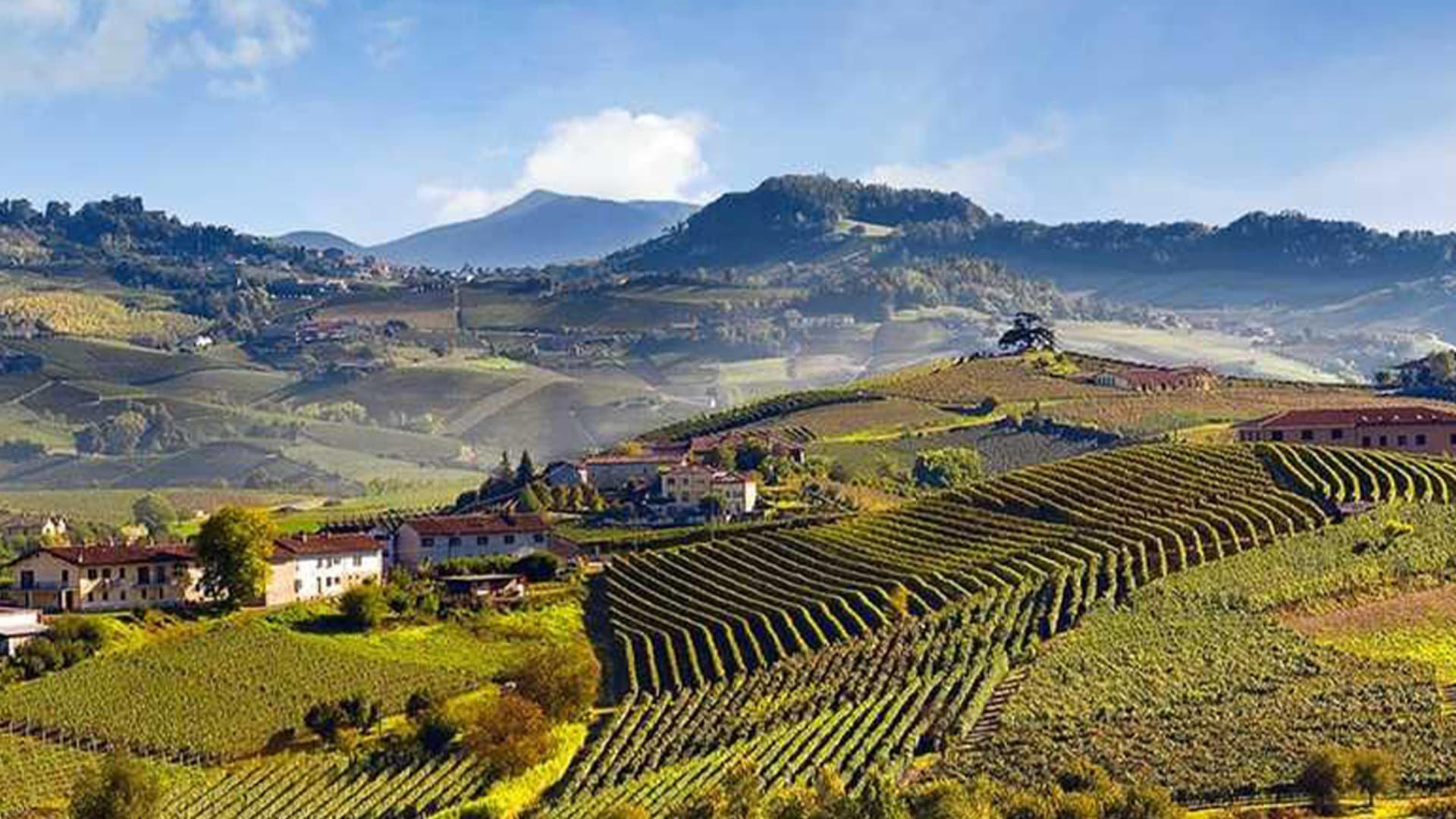
Montemagno sits in the Asti province of Piedmont, within the Monferrato Casalese DOC zone. The Monferrato hills remain substantially less visited than the Langhe, which hosts Barolo and Barbaresco, partly because the wines, Barbera d'Asti, Grignolino, Ruché, have historically occupied a lower price tier and attracted a domestic rather than international touring audience. That is changing. The DOC di Nizza recognition for Barbera d'Asti Superiore from the Nizza area, and increased international attention on Grignolino as a distinctive lighter-bodied red, have begun shifting the audience profile. Estate hotels positioned ahead of that curve occupy the kind of ground that rewards early positioning.
For visitors oriented around Piedmontese wine and gastronomy, the Monferrato offers a credible alternative to Langhe itineraries: less infrastructure, more direct access to producers, and a wider range of price points across restaurants and cantinas. The closest major city, Asti, is the reference point for logistics; Turin sits roughly an hour northwest and provides the major air connections. For those building a wider Italian itinerary, Piedmont anchors naturally with the Italian Lakes to the north, properties like Grand Hotel Tremezzo in Tremezzo and EALA My Lakeside Dream in Limone sul Garda form a natural northern complement, or southward toward the Ligurian coast.
Where This Property Sits in the Italian Boutique Hotel Tier
Italy's premium rural hotel market has been consolidating around two models: the international brand acquisition of historic estates, and the independent owner-operated property where the provenance of the building and the hospitality are held by the same hand. Tenuta Montemagno belongs to the second model. The Country Winner distinction in the boutique category is the more revealing signal here: boutique classification at award level tends to favour properties where editorial identity is concentrated rather than distributed across a chain's standards.
That distinction positions Tenuta Montemagno in a peer conversation with properties like Castel Fragsburg in Merano, Corte della Maestà in Civita di Bagnoregio, and Casa Maria Luigia in Modena, each a property where the physical place and the hospitality proposition are inseparable, rather than one being the container for a standardised luxury product. The Spa designation in the property name suggests a wellness offering has been integrated into the estate framework, though the format and scale of that component are not detailed in available documentation. For guests whose interest is the wine and landscape rather than spa programming specifically, the Monferrato setting and the estate architecture are the primary draw. For those seeking the full remit, the property merits direct inquiry.
Planning a Stay
Piedmont's agritourism and relais calendar follows the harvest rhythm closely. Autumn, late September through November, concentrates the most activity: truffle season in the Langhe, harvest across the Monferrato estates, and the regional food festivals that cluster around Asti and Alba. That is also the highest-demand window. Spring, particularly April through early June, offers a quieter alternative with the vines in early growth and the landscape green rather than sun-dry. Summer brings warmth to the hills but also the highest ambient temperatures; the stone architecture of a cascina property handles summer heat better than newer builds, but it is worth confirming room configuration and cooling arrangements directly with the property before booking. Guests exploring the wider region can read more about the area's hospitality and dining scene in our full Montemagno restaurants guide.
For those building an Italian property itinerary around wine estate formats, useful points of comparison across the country include Borgo Egnazia in Savelletri di Fasano in Puglia and Il Pellicano in Porto Ercole on the Tuscan coast, each illustrating how different Italian regions have developed the rural luxury format around their own architectural and agricultural vernaculars. Urban counterpoints for multi-city itineraries include Portrait Milano in Milan and Bulgari Hotel Roma in Rome, both operating at the top of their respective city tiers. For those extending beyond Italy entirely, Aman Venice in Venice, Passalacqua in Moltrasio, Forestis Dolomites in Plose, Four Seasons Hotel Firenze in Florence, Borgo Santandrea on the Amalfi Coast, JK Place Capri in Capri, Il San Pietro di Positano in Positano, Bellevue Syrene 1820 in Sorrento, Aman New York in New York City, The Fifth Avenue Hotel in New York City, and Amangiri in Canyon Point each represent comparable commitments to architecture-led hospitality in their respective contexts.
At-a-Glance Comparison
Comparable venues nearby, for context on price, style, and recognition.
| Venue | Cuisine | Price | Awards | Notes |
|---|---|---|---|---|
| TENUTA MONTEMAGNO Relais & SpaThis venue — the venue you are viewing | Historic Piedmont estate converted into a luxury relais with wine production heritage and contemporary hospitality. | Not listed | World Luxury Hotel Awards WLHA Finalist | Not listed |
| Schwarzer Adler | Concept Living | Concept living apartment hotel fusing historic roots with modern luxury. | Not listed | Michelin Selected | Vipiteno main square |
| Therasia Resort Sea & Spa | Aeolian resort with modern luxury and natural integration | $300–500 | 2 Michelin Keys · Leading Hotels of World Member | Vulcano |
| Olympic SPA Hotel | Family-run Alpine spa hotel blending traditional charm with modern extension. | $200–300 | Michelin Selected | Vigo di Fassa |
| Petronilla | Historic boutique hotel blending past intimacy with modern design. | $200–300 | Michelin Selected | Citta Bassa |
| Starhotels E.c.ho. | Eco-contemporary urban boutique | $100–200 | Michelin Selected · Preferred Hotels Member | Stazione Centrale - Ponte Seveso |
Recognition history
Dated appearances from independent guides and award organizations, with the underlying list record or original source where available.
World Luxury Hotel Awards WLHA Finalist
World Luxury Hotel Awards
Full recognition history (3 entries)
World Luxury Hotel Awards WLHA Country Winner
World Luxury Hotel Awards
World Luxury Hotel Awards WLHA Global Winner
World Luxury Hotel Awards
Continue exploring
More in Montemagno
Hotels in Montemagno
Browse all →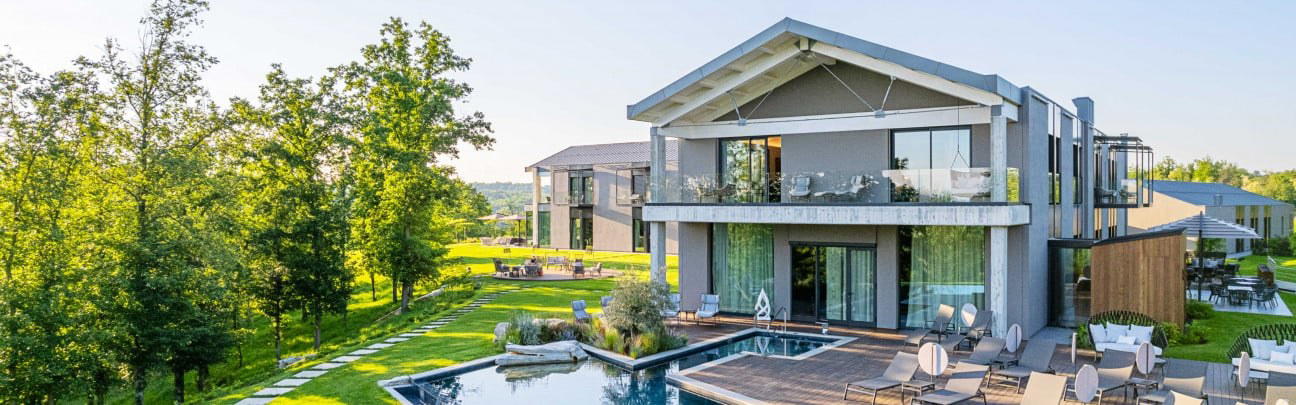
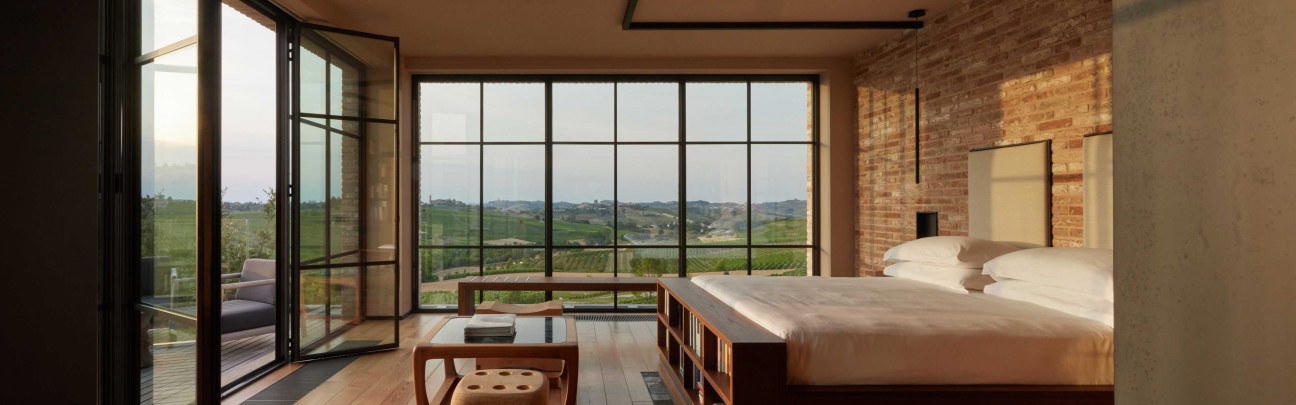
Bars in Montemagno
Browse all →
Restaurants in Montemagno
Browse all →
Details
- Romantic
- Scenic
- Elegant
- Quiet
- Sophisticated
- Romantic Getaway
- Wellness Retreat
- Anniversary
- Weekend Escape
- Golf Course
- Garden
- Terrace
- Panoramic View
- Destination Spa
- Wi Fi
- Pool
- Spa
- Room Service
- Concierge
- Restaurant
- Bar
- Golf Course
- Sauna
- Hot Tub
- Bicycle Rental
- Vineyard
- Garden
- Mountain
- Elevator
- Accessible Parking
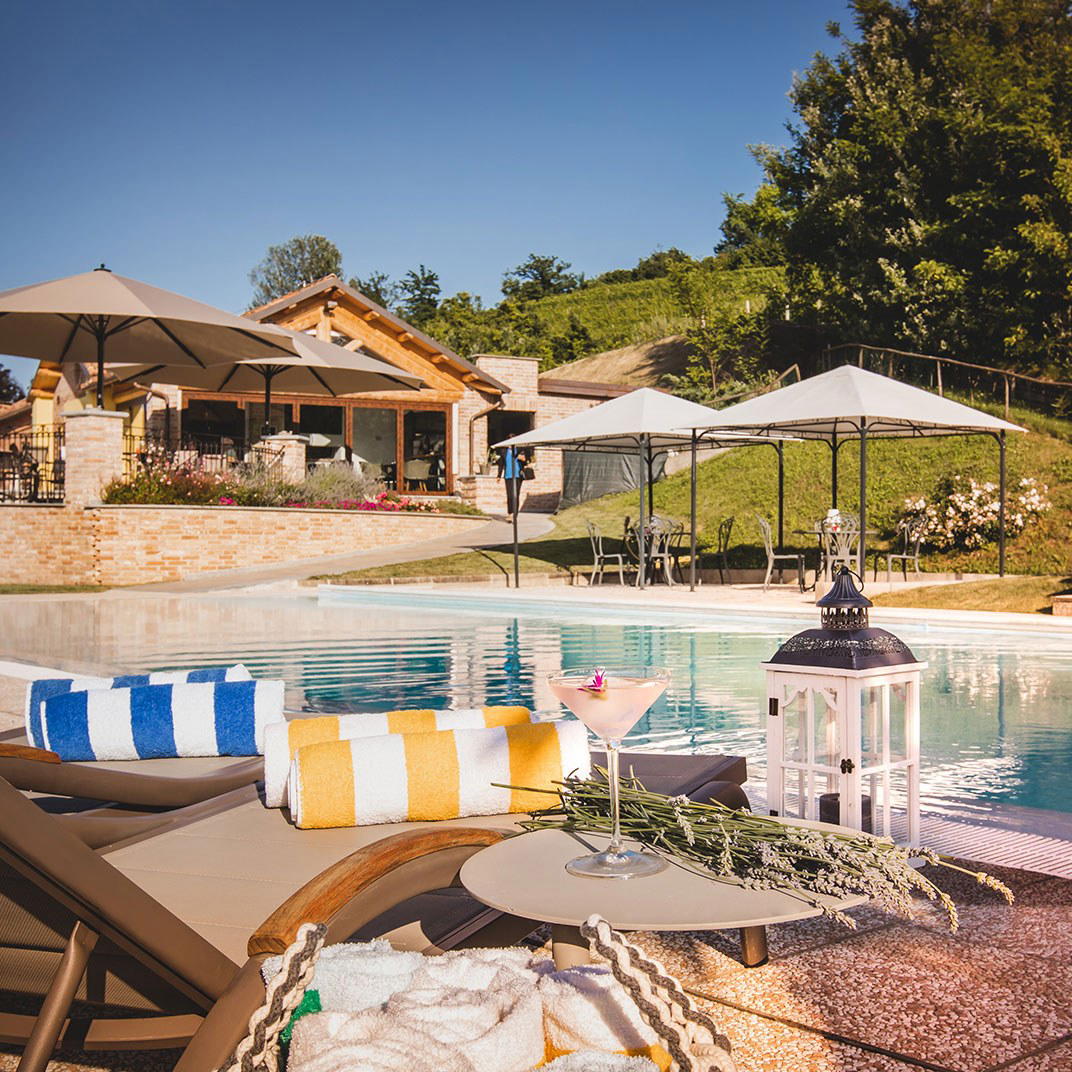
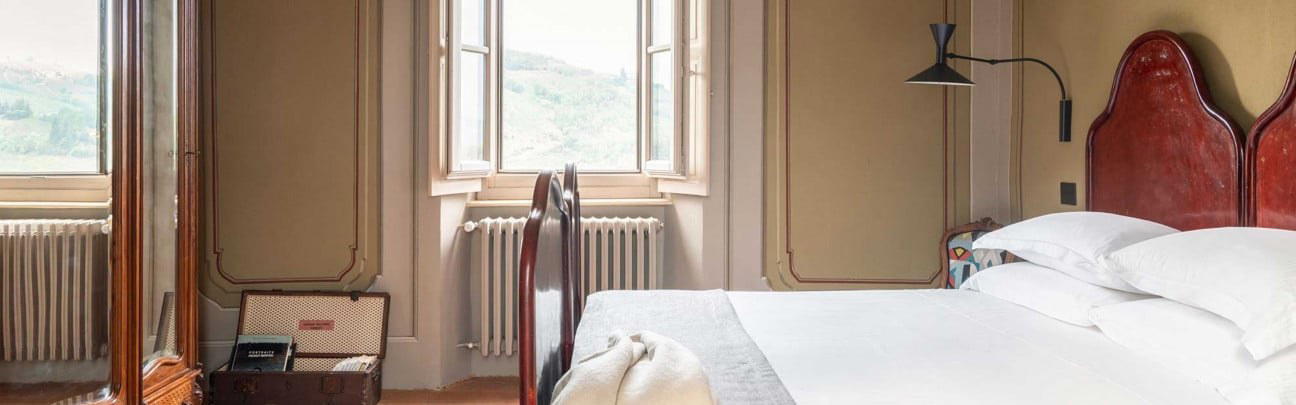
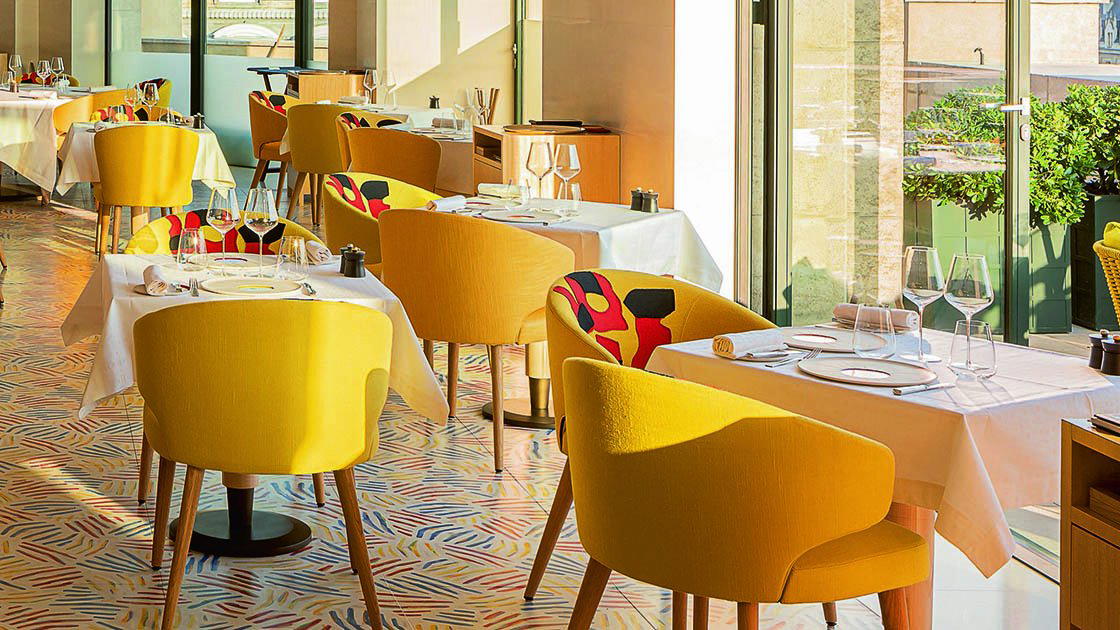
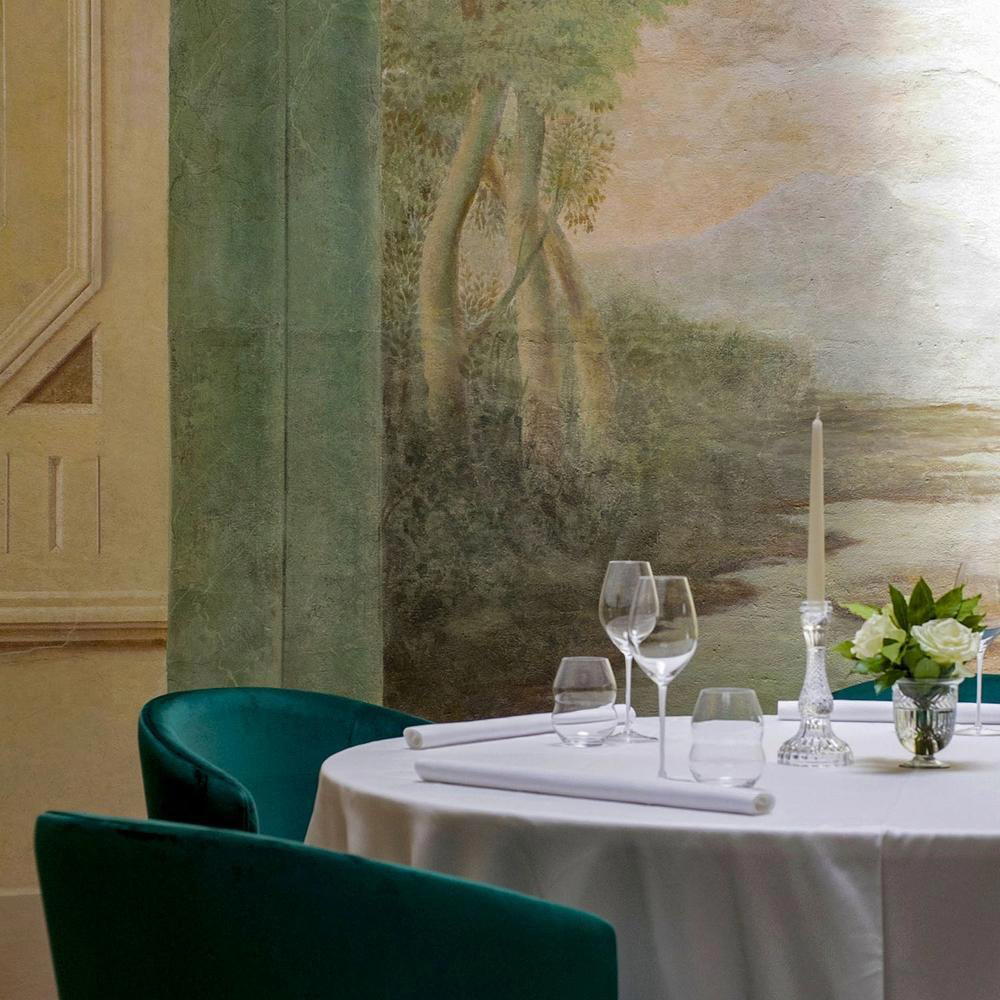
Serene and tranquil with elegant interiors, warm hospitality, and a peaceful countryside setting surrounded by vineyards and manicured gardens.