Villa Pattono Wine Country Resort
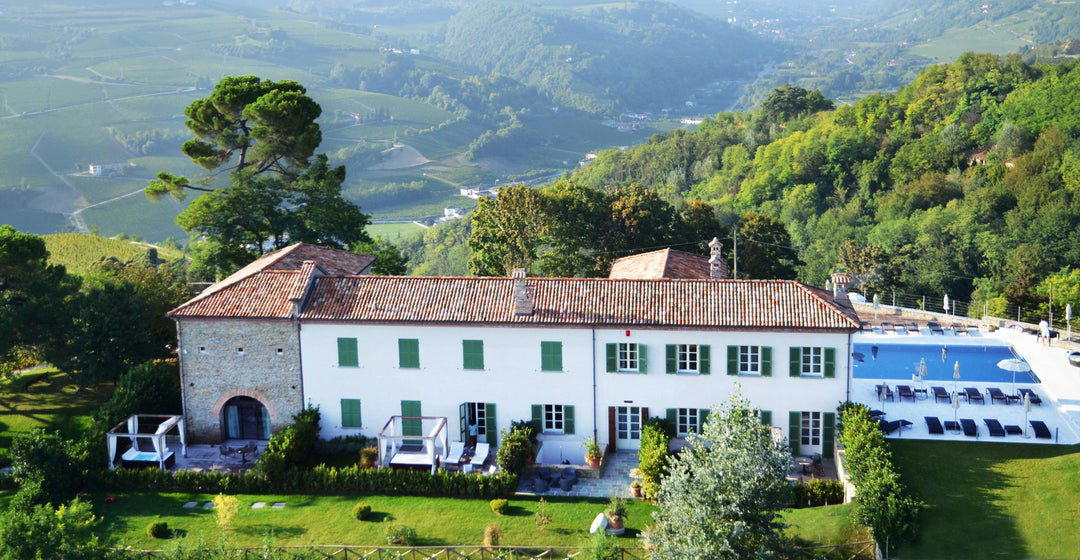
A stone manor property set among the rolling hills of Costigliole d'Asti in Piedmont's Asti wine country, Villa Pattono occupies a category that Italian agriturismo rarely reaches: architecturally considered, terrain-rooted, and positioned for travellers who treat the vineyard stay as the destination rather than the backdrop. The Monferrato hills provide the frame; the property provides the reason to stay still.
Pearl is the En Primeur Club membership app — saves, bookings, and concierge access live there. Same editors, same standards.
- Address
- SC Serra, 1, 14055 Annunziata AT, Italy
- Phone
- +39 0141 962021
- Website
- villapattono.com
- Directions
- Get directions
 Saves & bookings on Pearl
Where the Monferrato Hills Do the Heavy Lifting
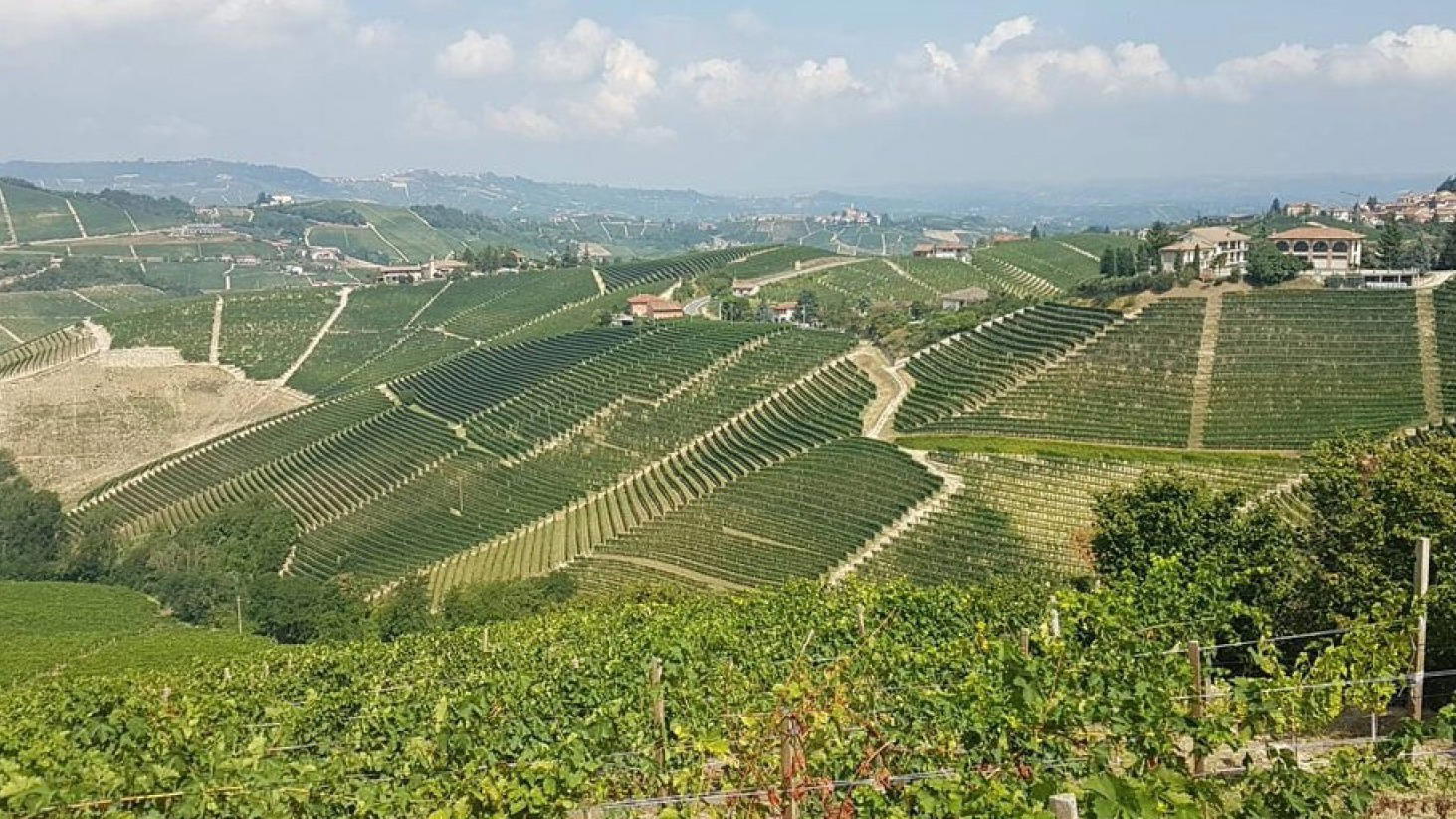
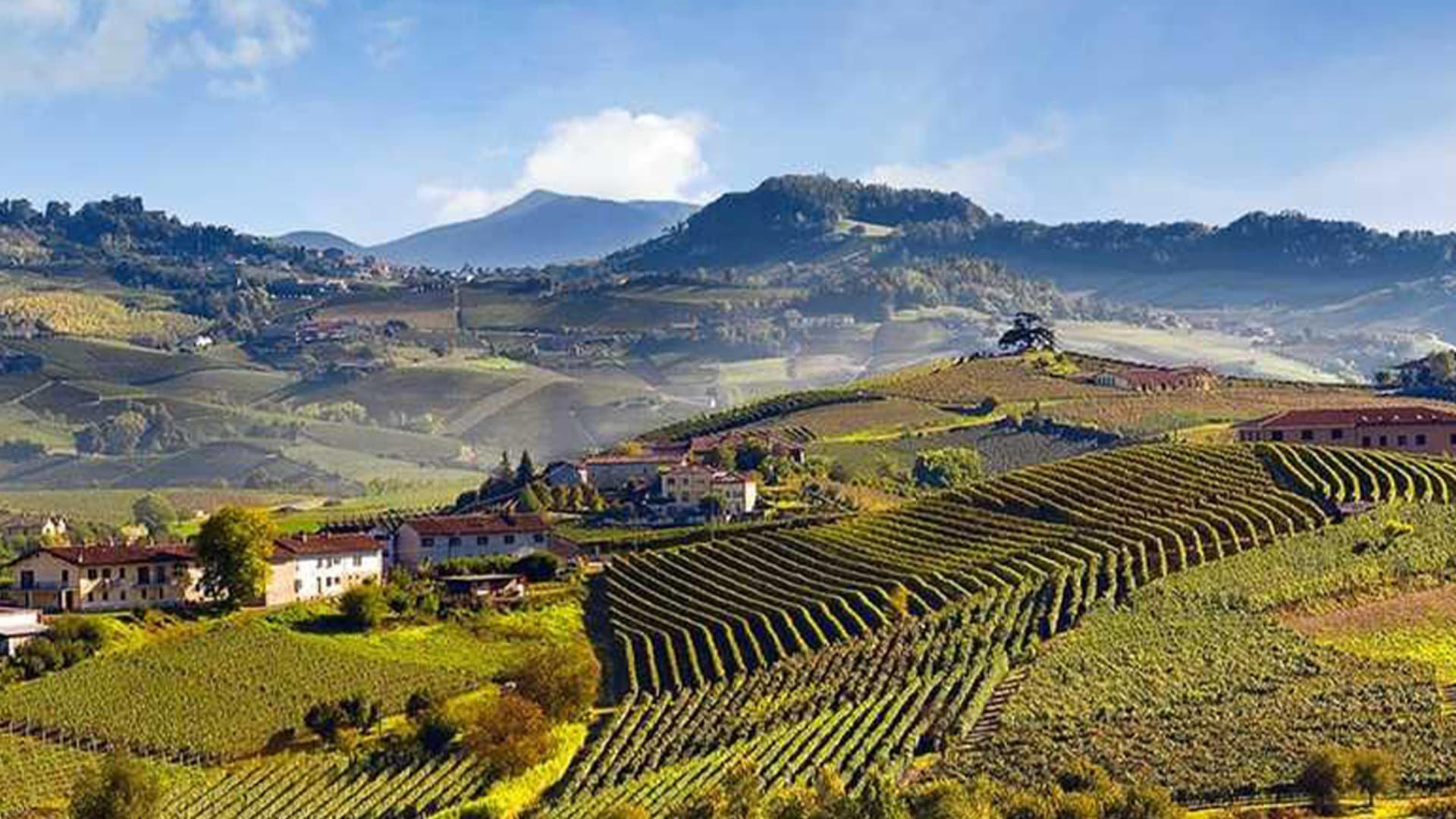
There is a particular type of arrival that Piedmont's inland wine country specialises in, and it has nothing to do with airport transfers or check-in formalities. It begins on the road itself, as the flatlands of the Po Valley give way to the ribbed topography of the Monferrato and Langhe hills, the vineyards tightening around each crest like a fitted cloth. By the time a property such as Villa Pattono comes into view on the ridge above Costigliole d'Asti, the landscape has already done considerable work on the visitor's expectations. This is the context into which the property drops, and it is a demanding one: the architecture and setting have to earn their place against scenery that operates at considerable scale.
The Architecture of a Wine Country Stay
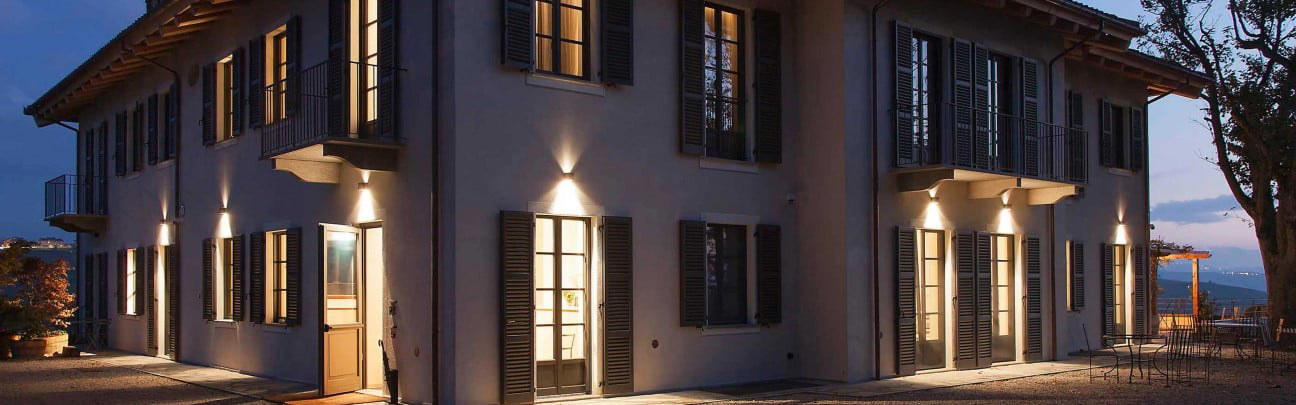
The category of stone-manor wine country resort has proliferated across northern and central Italy over the past two decades, but the tier that Villa Pattono occupies is defined less by scale than by restraint. Properties in this bracket tend to inherit historic rural structures, and the architectural question that separates serious restorations from decorative ones is always the same: how much of the original materiality survives the intervention? The Asti Monferrato zone, which runs from Costigliole south toward the Langhe border, has a vernacular building tradition rooted in local tufa stone and ochre render, with thick walls designed for thermal performance long before insulation was a marketing concept. A property that maintains that material logic rather than replacing it with contemporary neutral-palette hospitality finishes is making a different kind of architectural argument.
The address on SC Serra, above the Annunziata district south of Costigliole d'Asti's town centre, places the property on refined terrain that commands the kind of vineyard-and-valley sightlines that define the wine country resort typology at its most persuasive. In Italian agriturismo at this level, the view from the room is never incidental; it is load-bearing architecture in its own right. The hills that surround Costigliole d'Asti produce Barbera d'Asti under the DOCG designation, and the visual texture of those vineyards across the seasons, tight green rows in summer, copper and amber in October, stripped canes against winter grey, functions as a kind of living wallpaper that no interior designer can replicate.
How Piedmont's Wine Country Hotel Tier Works
Italy's premium wine country accommodation has split into roughly three operating modes. The first is the large branded resort with a full spa, multiple restaurants, and a vineyard operation attached as a lifestyle amenity rather than an agricultural enterprise. Rosewood Castiglion Del Bosco in Montalcino represents this model in Tuscany at its most accomplished. The second mode is the internationally positioned boutique with a design-led identity and a curated local experience program, closer to what Borgo San Felice in Castelnuovo Berardenga achieves in Chianti Classico territory. The third mode, and one interesting for a certain type of traveller, is the smaller, terrain-specific property where the local wine tradition is not a backdrop but the actual subject of the stay.
Costigliole d'Asti and the surrounding Asti Monferrato zone have historically attracted less international attention than the Langhe towns of Alba and La Morra, despite producing wines, particularly Barbera and Moscato d'Asti, that have devoted followings among Italian wine specialists. That relative lower profile among international visitors means properties in this zone operate in a less trafficked market, which tends to reward travellers who are willing to research past the obvious Barolo trail. The comparison is not with Langhe at its most famous but with the Langhe of a decade ago, before the area achieved peak discovery.
For Italians who seek a comparable combination of agricultural architecture and serious wine country positioning in other regions, the reference points tend to include Borgo Egnazia in Puglia, which occupies a different climate and culinary tradition but makes a similar case for vernacular architectural revival as a hospitality concept. Further north, Castel Fragsburg in Merano demonstrates how a property rooted in a specific regional identity can develop a loyal repeat-visitor base precisely because it resists the impulse to generalise its appeal.
Costigliole d'Asti and the Broader Piedmont Wine Stay
Piedmont's wine tourism infrastructure has matured considerably since the early 2000s, when serious cellar visits and quality accommodation rarely occupied the same itinerary. The Langhe now has enough internationally recognised producers and restaurants to sustain a week's engagement without repetition. The Asti Monferrato zone, which includes Costigliole, Canelli, and the Moscato country further south, functions as a lower-key extension of that circuit, with the advantage of genuinely less congested roads and cellars during harvest and autumn, which runs roughly from late September through November and constitutes one atmospheric window for any Piedmont wine stay.
The practical consideration for a property in Costigliole d'Asti is access: the town sits approximately forty kilometres east of Alba by road, and Turin's airport provides one logical international entry point, placing the Asti zone within a manageable drive. The town of Asti itself, with its rail connections, is within a short drive, which gives the area a workable independent-travel logic that some deeper Langhe locations lack.
The comparable set in Italian Context
Any wine country manor property in northern Italy eventually gets measured against the wider Italian agriturismo and resort spectrum. At the upper end of that spectrum, Casa Maria Luigia in Modena has demonstrated how a food-and-hospitality-forward property in an agricultural setting can achieve international recognition without abandoning its regional specificity. Castelfalfi in Tuscany shows what a large-scale estate model looks like when it absorbs an entire village structure. Neither is a direct comparison for a smaller Piedmontese wine country property, but they illustrate the range of what the category can achieve when the underlying agricultural and architectural identity is genuine rather than constructed.
The more pointed comparison, in terms of scale and terrain-specificity, is with properties like Corte della Maestà in Civita di Bagnoregio, which operates in a similarly specialist, terrain-defined niche, or Borgo Santandrea on the Amalfi Coast, where the physical environment is doing as much work as the hospitality program. In each case, the property's identity is inseparable from its location, and the location is not interchangeable with somewhere more convenient or more famous.
Planning a Stay
Villa Pattono is located at SC Serra, 1, in the Annunziata district south of Costigliole d'Asti town centre, in the province of Asti, Piedmont. Prospective guests should check current availability through the major hotel booking platforms. The autumn harvest window is one in-demand period across the Piedmont wine country, and advance planning is advisable for stays between late September and early November. Spring, from April through June, offers a quieter alternative with the vine growth providing a different visual register against the Monferrato hills.
Quick Comparison
Comparable venues nearby, for context on price, style, and recognition.
| Venue | Cuisine | Price | Awards | Notes |
|---|---|---|---|---|
| Villa Pattono Wine Country ResortThis venue — the venue you are viewing | Historic noble country house with modern comforts | $$$ | 3-Star | Not listed |
| Le Marne Relais | Restored country estate blending rustic charm with refined contemporary style | $$$$ | 5-Star | Costigliole d'Asti |
| SINA Maria Luigia | Historic palace with traditional and contemporary rooms | $$$ | 4-Star | Parma City Centre |
| Terme di Vulci Glamping & Spa | Luxury glamping resort blending safari-camp aesthetics with contemporary Italian minimalism and thermal wellness focus. | $$$ | 4-Star | Canino |
| Dimora Cala del Pozzo | Contemporary classic Italian country retreat preserving authentic rural farmhouse identity with refined modern comfort. | $$$ | 4-Star | Contrada Pozzo Vecchio |
| The Glam Boutique Hotel & Apt | Modern boutique hotel blending classical elements with contemporary furnishings. | $$$ | 4-Star | Vicenza |
Continue exploring
More in Costigliole d'Asti
Hotels in Costigliole d'Asti
Browse all →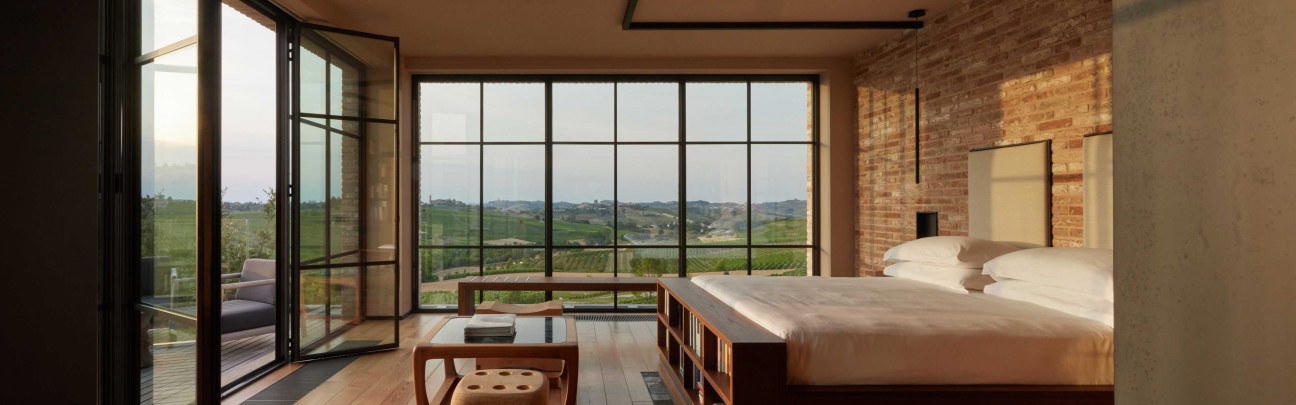
Bars in Costigliole d'Asti
Browse all →
Restaurants in Costigliole d'Asti
Browse all →
At a Glance
- Romantic
- Quiet
- Elegant
- Rustic
- Scenic
- Romantic Getaway
- Honeymoon
- Weekend Escape
- Panoramic View
- Private Villa
- Terrace
- Pool
- Spa
- Wi Fi
- Hot Tub
- Sauna
- Restaurant
- Concierge
- Vineyard
- Garden
- Pool
- Spa
- Wi Fi
- Hot Tub
- Sauna
- Restaurant
- Concierge
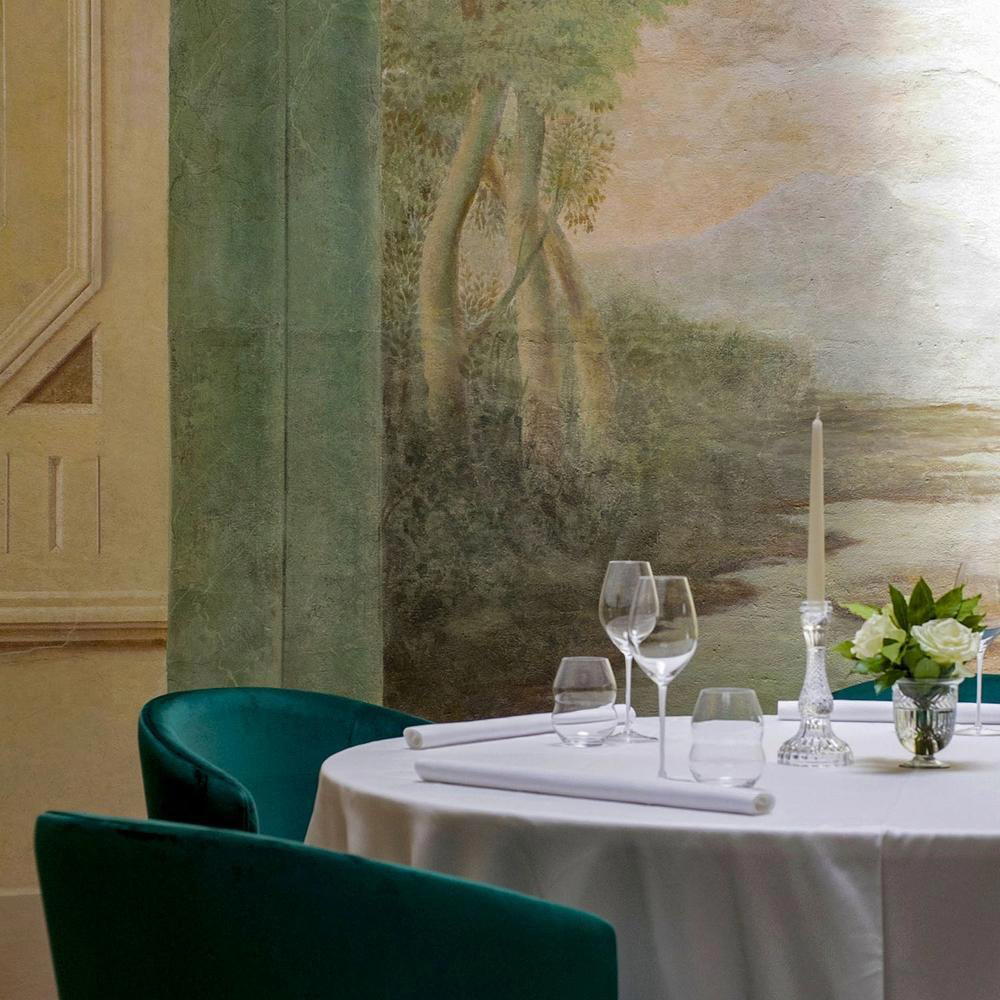
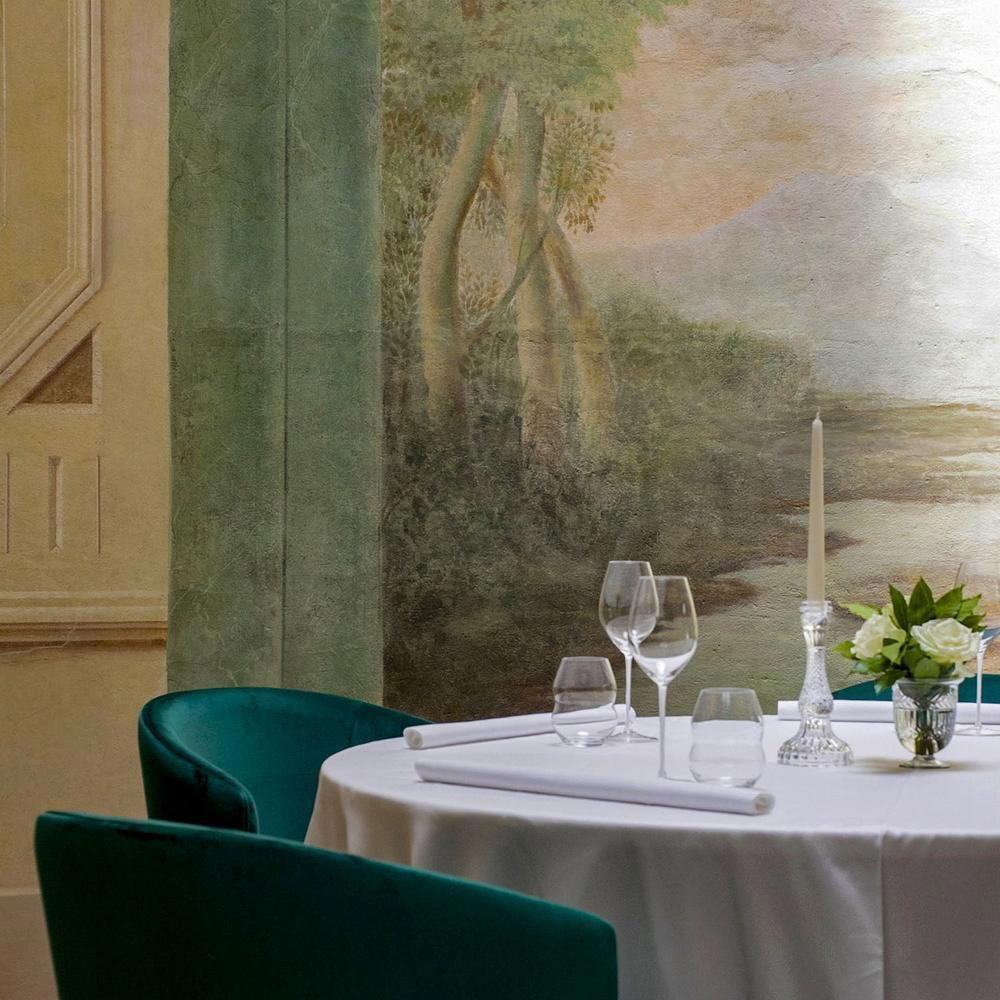
Peaceful and tranquil retreat surrounded by nature, with elegant rooms featuring original frescoes and magnificent hill views.