

World's 50 Best #80 · Falstaff Winery - 3 Stars
The estate traces its origins to the early nineteenth century and the Marchesa Giulia Falletti Colbert, whose five original oak casks have been restored and returned to active use — a rare continuity of material culture in a region where heritage is currency.

Pearl is the En Primeur Club membership app — saves, bookings, and concierge access live there. Same editors, same standards.
- Address
- Via Roma, 1, 12060 Barolo CN
- Phone
- +39 0173 564419
- Website
- marchesibarolo.com
- Directions
- Get directions
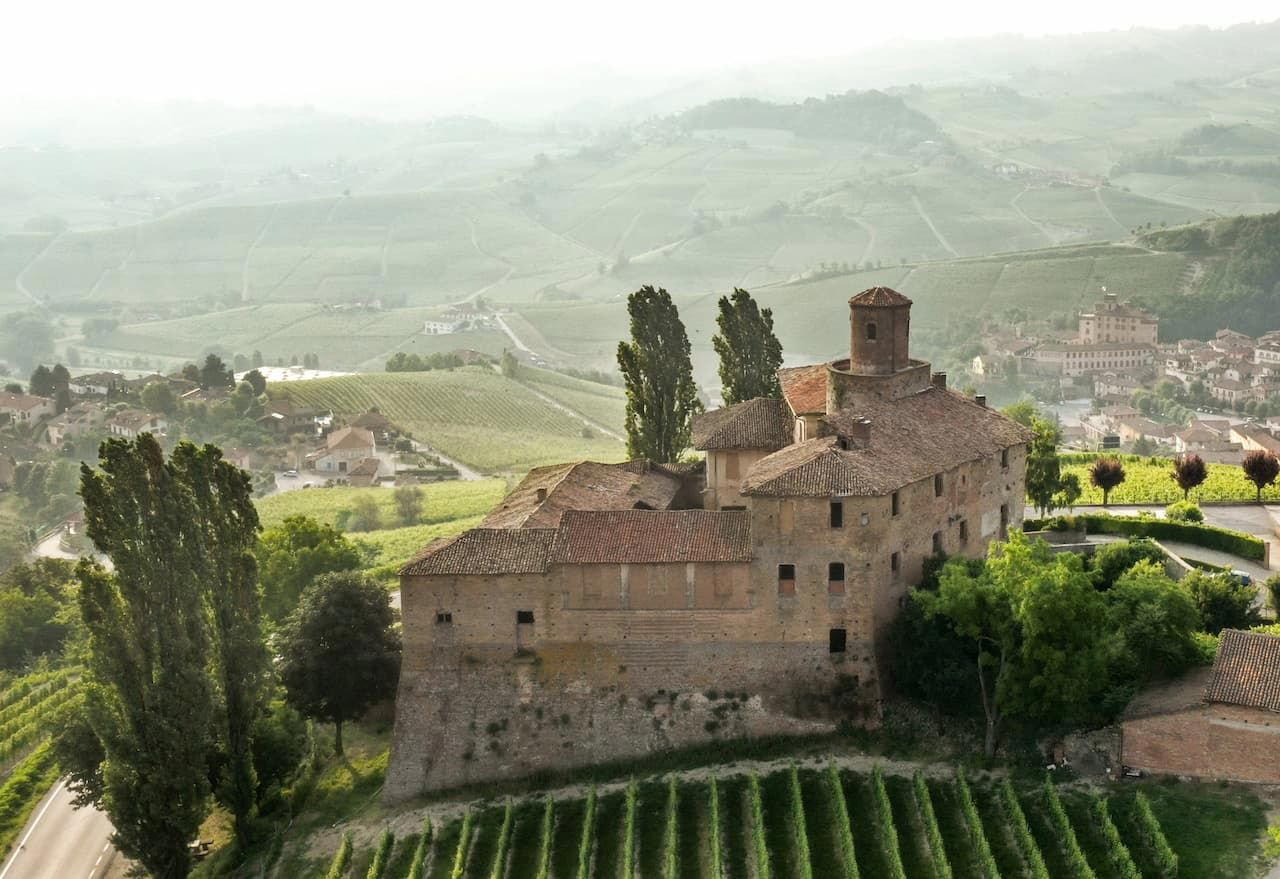
Where the Village and the Wine Share the Same Address
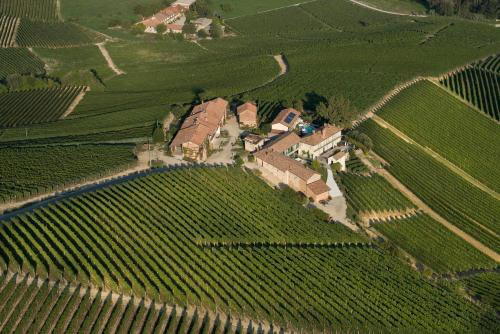
Barolo the village is small enough to cross on foot in under ten minutes, and the density of serious wine heritage packed into those few streets rivals almost anywhere in Italy. Via Roma, the village's spine, runs past cantinas, tasting rooms, and the occasional enoteca, but the address at number one carries particular weight. Marchesi di Barolo occupies the position — geographically and historically — that gives it a different frame of reference from the newer generation of Barolo producers clustering around the Langhe's more accessible towns. This is not a winery that moved into the region; it is, in many respects, the reason the region has the reputation it does.
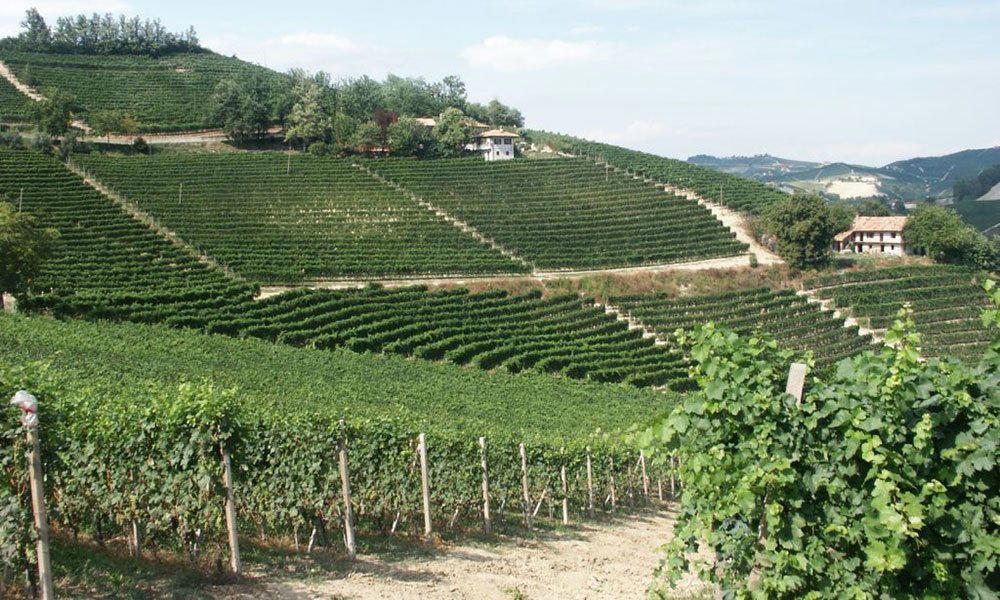
The Langhe hills produce some of Italy's most age-worthy reds, and Barolo is their flagship. Nebbiolo here reaches a level of structural complexity, high tannin, pronounced acidity, aromatics that shift across decades in bottle, that puts it in direct conversation with Burgundy's Pinot Noir and the northern Rhône's Syrah when serious collectors compare European benchmarks. That conversation is not new: the Marchesa Giulia Falletti Colbert was making wine in this precise location in the early nineteenth century, at a moment when Barolo as a category was still forming its identity. The estate carries that founding context forward not as nostalgia but as operating logic.
Five Casks and Two Centuries of Continuity
The detail that separates Marchesi di Barolo from producers who claim historical roots but operate with modern infrastructure is concrete and verifiable: five oak casks belonging to the Marchesa Giulia Falletti Colbert during the early nineteenth century have been restored and returned to active use for ageing. This is not a museum installation. The casks are working vessels, and wine moving through them now is in contact with the same material tradition that shaped Barolo's earliest identity as a dry, structured red rather than the semi-sweet table wine it was before the Falletti family's interventions. In a region where heritage claims are common, the physical continuity of the cooperage is an unusual form of evidence.
Italian wine estates that hold onto pre-industrial infrastructure and use it productively are relatively rare. Most either preserve old equipment as display pieces or replace it entirely. The decision to restore and reactivate places Marchesi di Barolo closer to estates like Lungarotti in Torgiano or Castello di Volpaia in Radda in Chianti, where the relationship between historic property and living production practice is treated as substantive rather than decorative. The approach signals a particular philosophy: that the specific material conditions of an old estate, its barrels, its cellars, its microclimate, are part of what makes the wine legible as coming from that place rather than merely being labelled with it.
Barolo's Competitive Field and Where This Estate Sits
The village of Barolo is surrounded by some of Italy's most closely watched producers. Luciano Sandrone operates a few kilometres away in the commune and has built a following on precise, modern-leaning Barolo. Aldo Conterno in Monforte d'Alba represents a different axis, single-vineyard traditionalism with a long track record in international markets. These producers each occupy a distinct position in the Langhe's premium tier, and Marchesi di Barolo sits among them not as a boutique challenger but as a founding reference point. The competitive set here is defined less by size than by historical credibility and the ability to produce wine that reads as genuinely rooted in the DOCG's most demanding standards.
Across Italy's premium wine geography, the estates that endure at the top of their categories tend to have either exceptional contemporary winemaking, documented historical depth, or both. Ca' del Bosco in Erbusco built its position through technical innovation in Franciacorta. Planeta in Menfi expanded Sicily's premium reputation through a combination of indigenous varieties and modern production discipline. Marchesi di Barolo's claim is of a different kind: it is one of the few estates in Italy whose founding history directly shaped the category in which it competes. That is a narrow but durable form of authority.
Awards of this type function as a positioning signal within a competitive field: they indicate that the estate is not merely trading on historical status but producing at a level that merits contemporary critical recognition. For a property with roots in the early nineteenth century, the combination of documented founding history and current award standing is a relatively unusual alignment. Many old estates carry the former without the latter; fewer sustain both.
For context on how this award places Marchesi di Barolo within Italy's broader premium wine geography, it is worth comparing it to other recognized Italian producers in EP Club's coverage. L'Enoteca Banfi in Montalcino and Poggio Antico in Monte San Vito operate in Brunello di Montalcino's premium tier, a zone that competes directly with Barolo for Italy's leading red wine designation. Each of these estates has its own historical narrative and award record; what distinguishes Marchesi di Barolo is the specificity of its connection to the formation of the Barolo category itself rather than to the broader Italian fine wine tradition.
Planning a Visit to Via Roma 1
Barolo is not a city with multiple transport connections. The village sits in the Langhe hills of Piedmont, and access is most practical by car from Cuneo, Alba, or Turin. Alba, roughly 15 kilometres to the north-east, is the nearest town with a rail connection and serves as a practical base for exploring the broader Langhe. The estate's address at Via Roma, 1 places it at the centre of the village, within walking distance of the other wineries and the MuVi wine museum. Visiting in the harvest period, broadly October for Nebbiolo, means the hills are at their most atmospheric, though this is also the busiest period for the region. The shoulder months of May and September offer a more open schedule without sacrificing the character of the landscape.
Visitors exploring the wider Langhe and Piedmontese spirits tradition may also find value in the work being done at Distilleria Romano Levi in Neive, whose hand-labelled grappa bottles are a distinct regional artifact, or at Distilleria Marzadro in Nogaredo for a broader understanding of northern Italian distillation. For those extending into other Italian regions, Nonino Distillery in Pavia di Udine offers a point of comparison for premium grappa production in Friuli, while Campari in Milan sits at the other end of the Italian drinks spectrum. For those whose itinerary extends further, Aberlour in Aberlour and Accendo Cellars in St. Helena illustrate how differently other regions approach the relationship between heritage property and fine wine production. See our full Barolo restaurants guide for further context on the village's dining and drinking options alongside the wine estates.
A Pricing-First Comparison
Comparable venues nearby, for context on price, style, and recognition.
| Venue | Cuisine | Price | Awards | Notes |
|---|---|---|---|---|
| Marchesi di BaroloThis venue — the venue you are viewing | Barolo, Nebbiolo, Arneis | Not listed | World's 50 Best #80 · Falstaff Winery - 3 Stars | Not listed |
| Luciano Sandrone | Barolo, Nebbiolo, Barbera | Not listed | Falstaff Winery - 5 Stars | Not listed |
| Masi | Not listed | Not listed | World's 50 Best #83 | Sant'Ambrogio di Valpolicella, Corvina, Rondinella |
| Gaja | Barbaresco, Nebbiolo, Barbera | $150–200 | World's 50 Best #36 · Falstaff Winery - 5 Stars | Not listed |
| Azienda Agricola Casanova di Neri di Giacomo Neri | Not listed | Not listed | World's 50 Best #87 · Falstaff Winery - 5 Stars | Montalcino, Sangiovese, Cabernet Sauvignon |
| Distilleria Montanaro | Gallo, Nebbiolo | Not listed | Not listed | Not listed |
Recognition history
Dated appearances from independent guides and award organizations, with the underlying list record or original source where available.
World's 50 Best Vineyards #80
World's 50 Best
Falstaff Winery - 3 Stars
Falstaff
Continue exploring
More in Barolo
Wineries in Barolo
Browse all →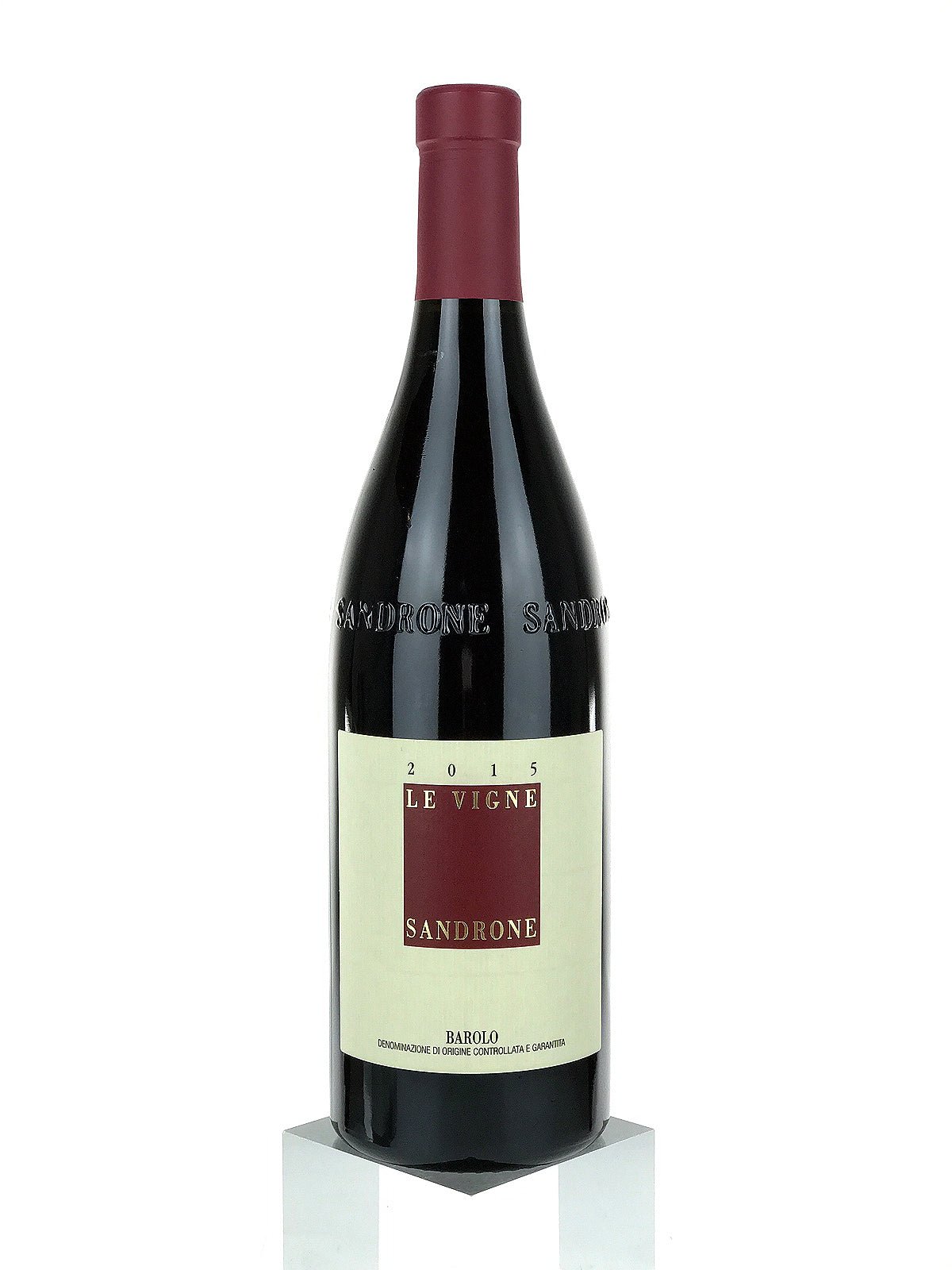
Bars in Barolo
Browse all →
Restaurants in Barolo
Browse all →
Details
- Classic
- Rustic
- Elegant
- Historic
- Scenic
- Wine Education
- Special Occasion
- Solo Exploration
- Cave Tasting
- Vineyard Tour
- Historic Building
- Estate Grounds
- Sustainable
- Vineyard
- Mountain
- Nebbiolo
- Arneis
- Still Red
- Cave Tasting
- English
- Italian
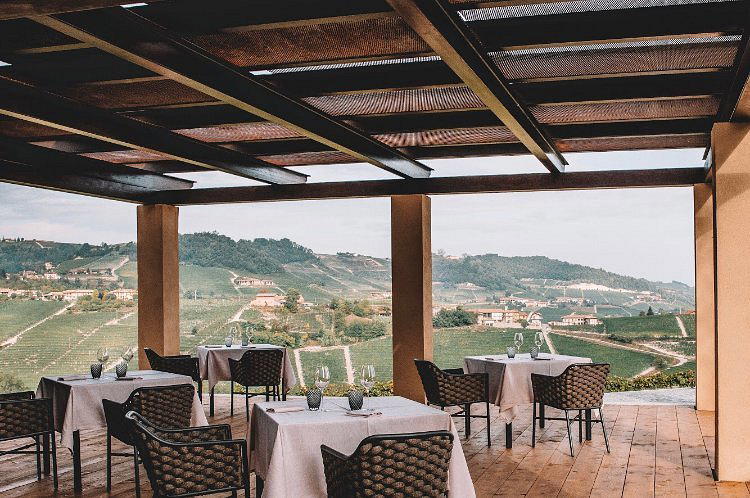
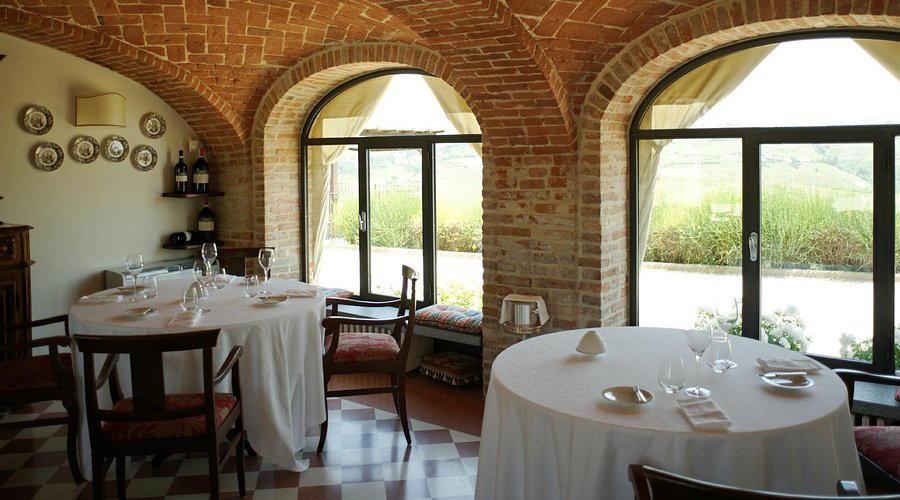
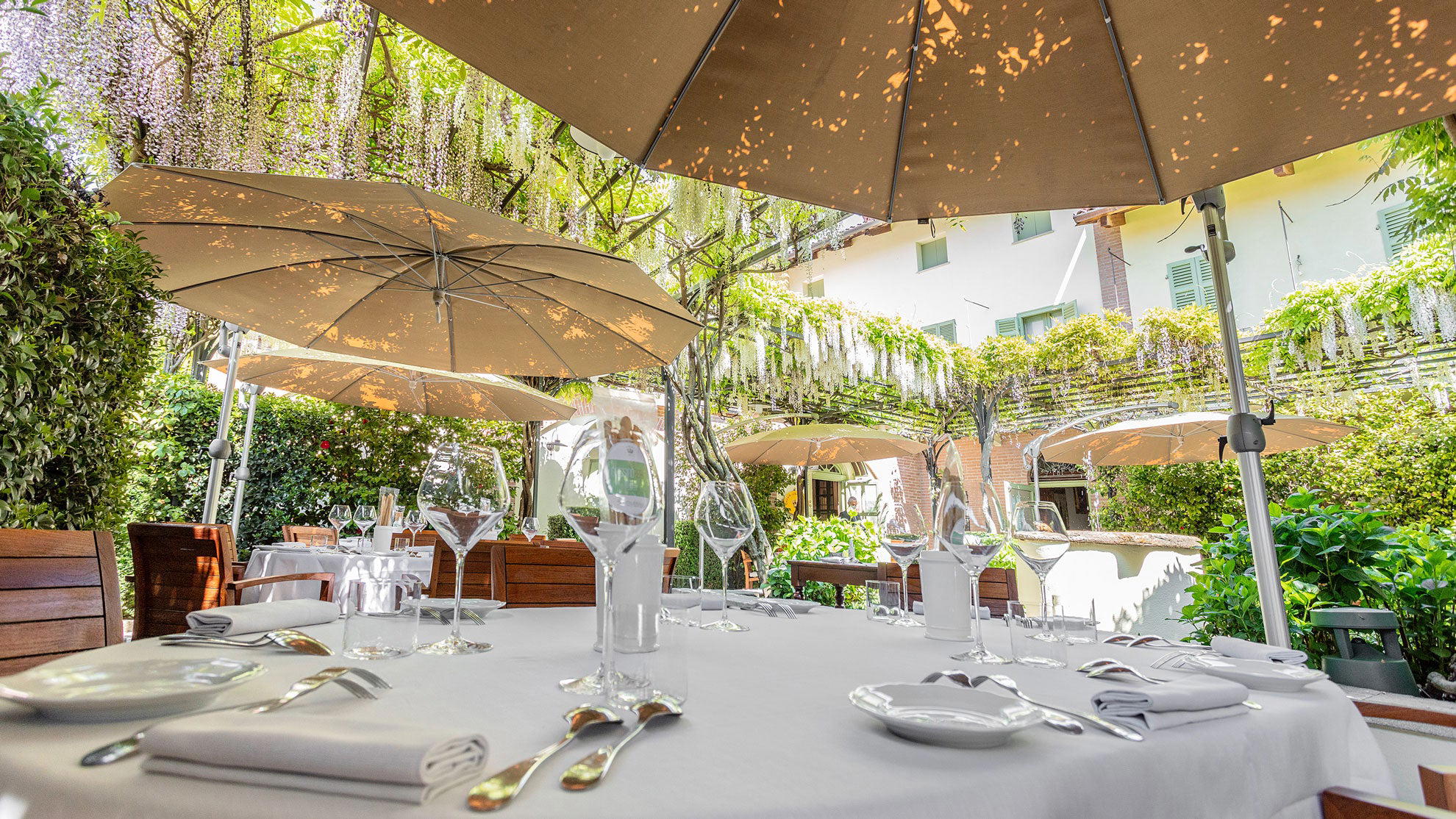
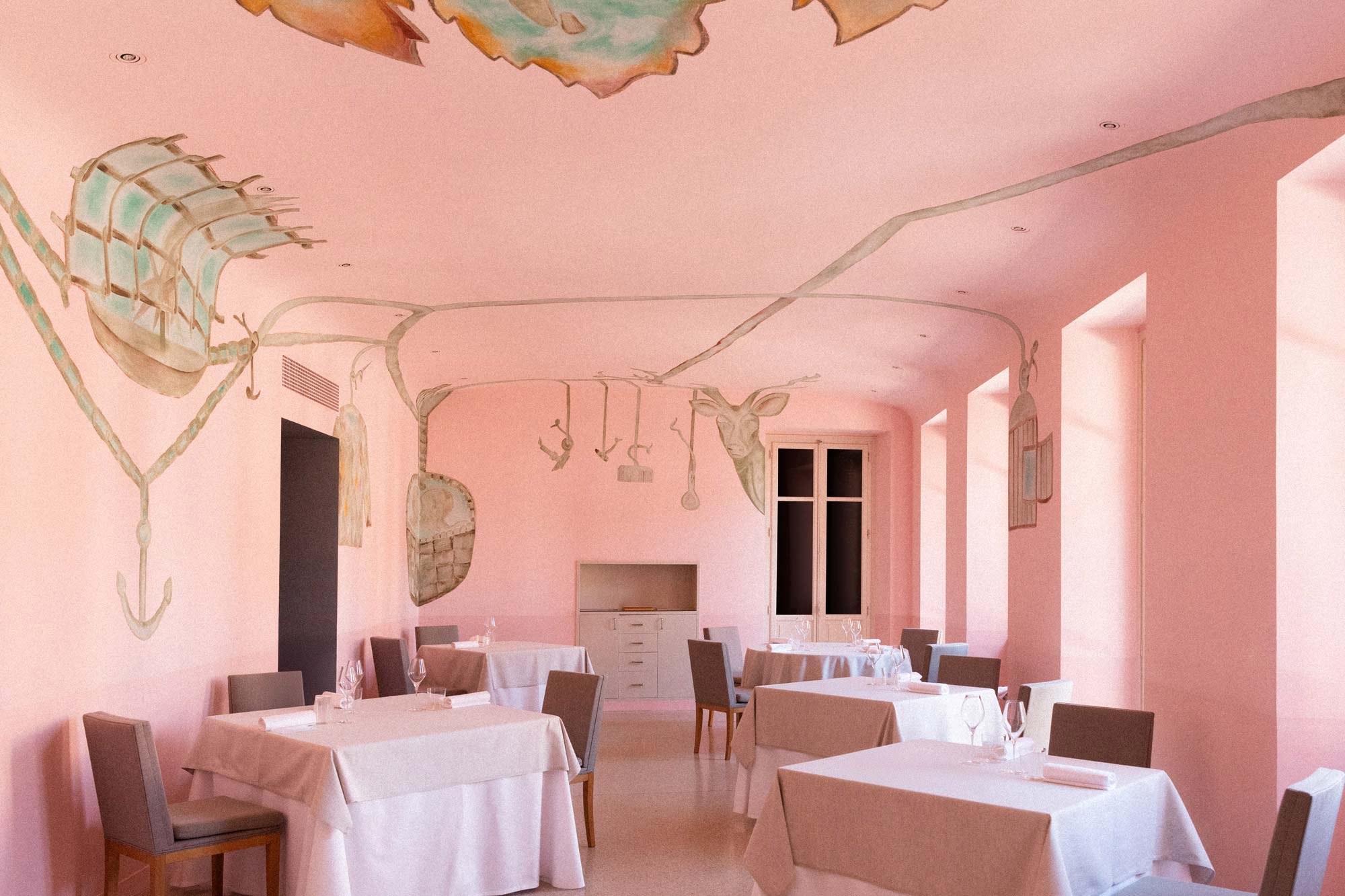
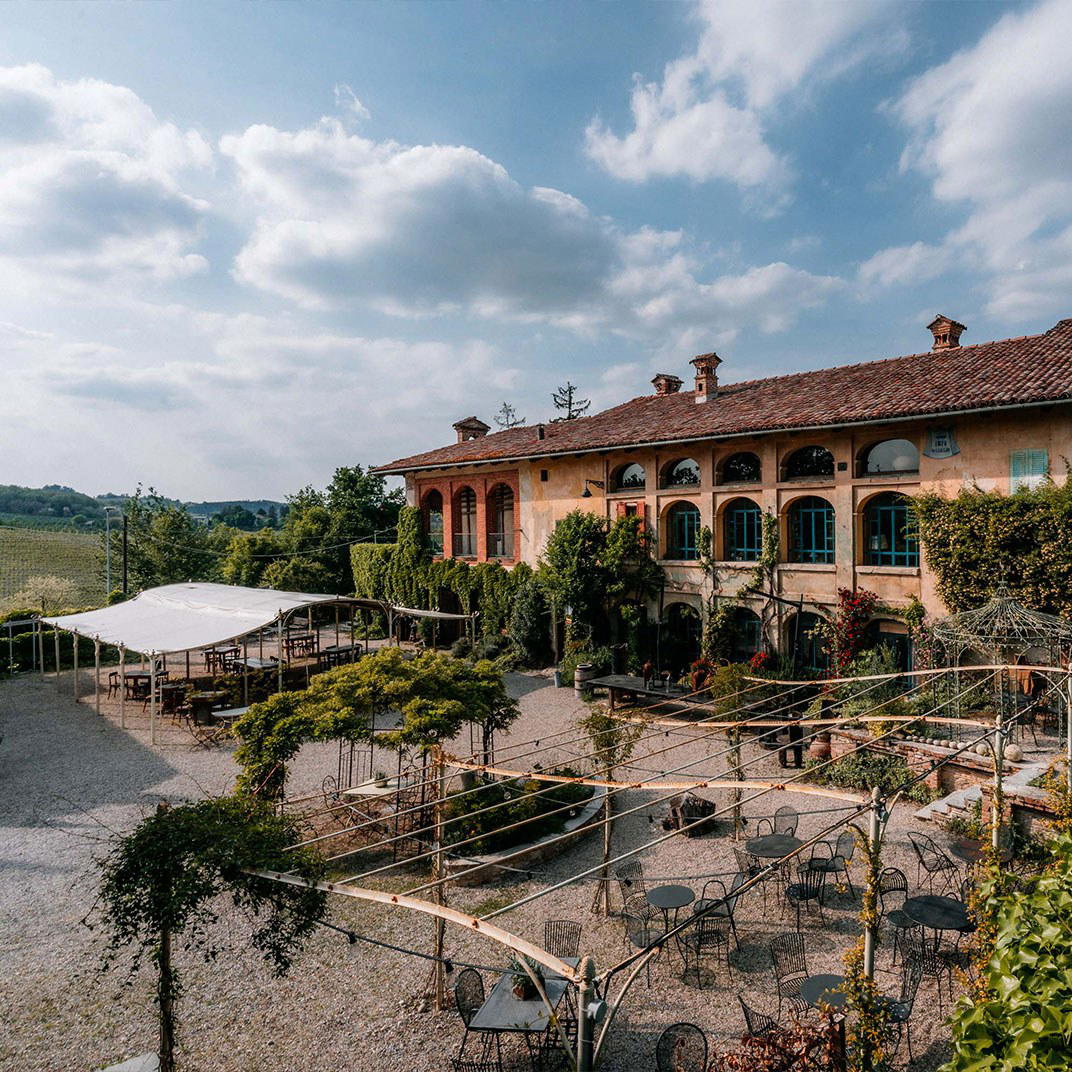
Elegant and historic atmosphere in ancient cellars surrounded by UNESCO vineyards, blending tradition with sophisticated charm.