
A Michelin Plate-recognised country house in the Monferrato hills of Alessandria province, Cacciatori has operated across nine generations with a formula that stays close to Piedmontese tradition: wood-fired cooking, local seasonal ingredients, and a wine list anchored in Langhe producers. At the €€ price point, it offers one of the more grounded expressions of regional cuisine in the area, with guestrooms available for those arriving from further afield.
Pearl is the En Primeur Club membership app — saves, bookings, and concierge access live there. Same editors, same standards.
- Address
- Via Moreno, 30, 15015 Cartosio AL, Italy
- Phone
- +39 0144 40123
- Website
- cacciatoricartosio.com
- Directions
- Get directions
 Saves & bookings on Pearl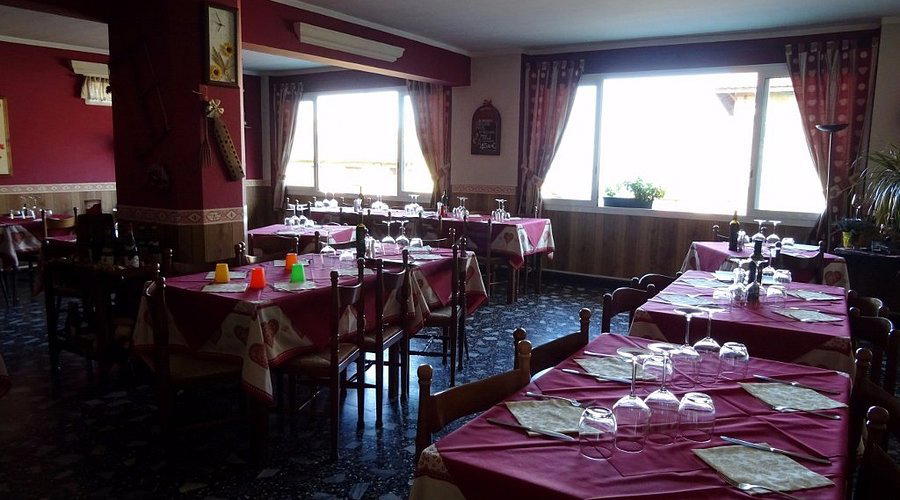
Where the Hills Define the Table
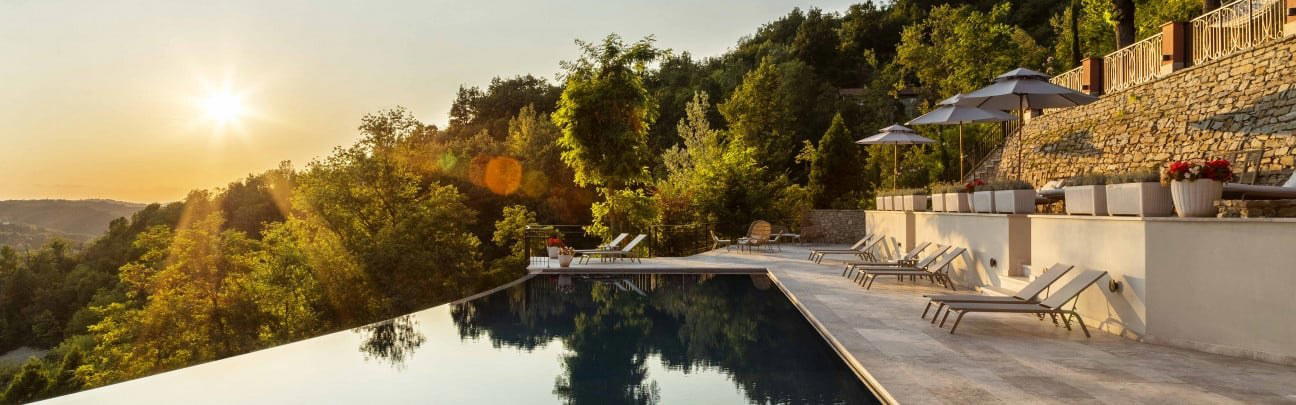
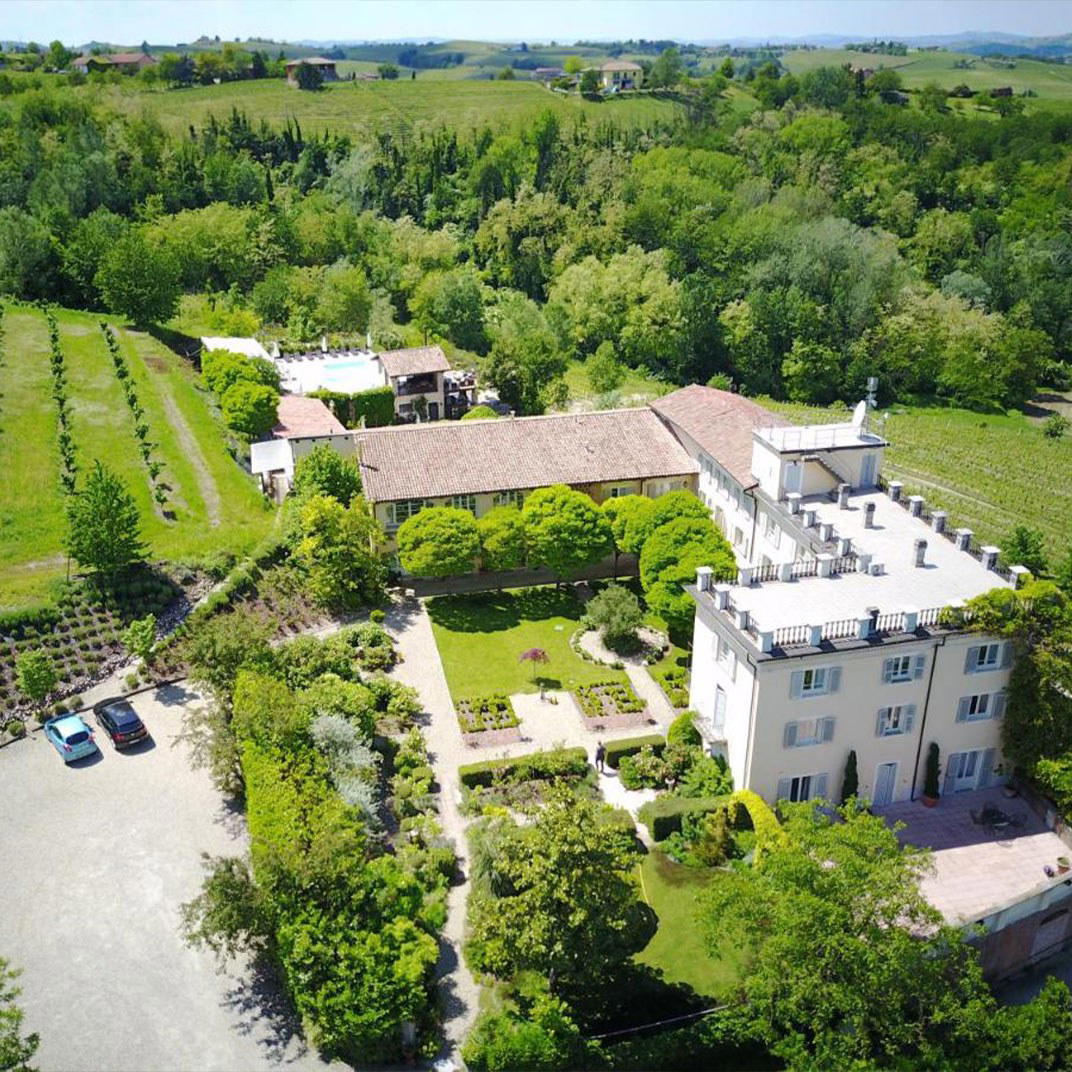
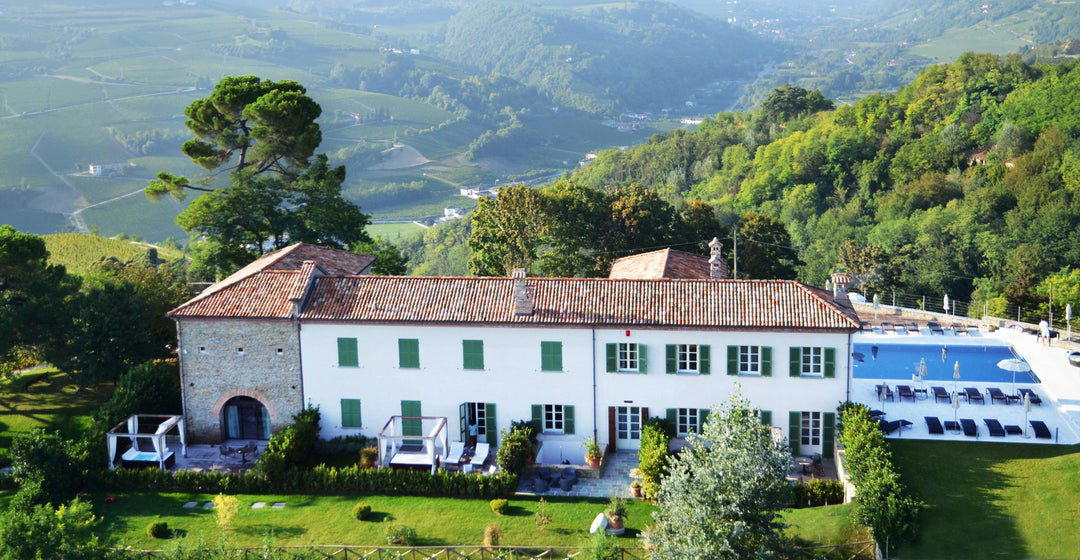
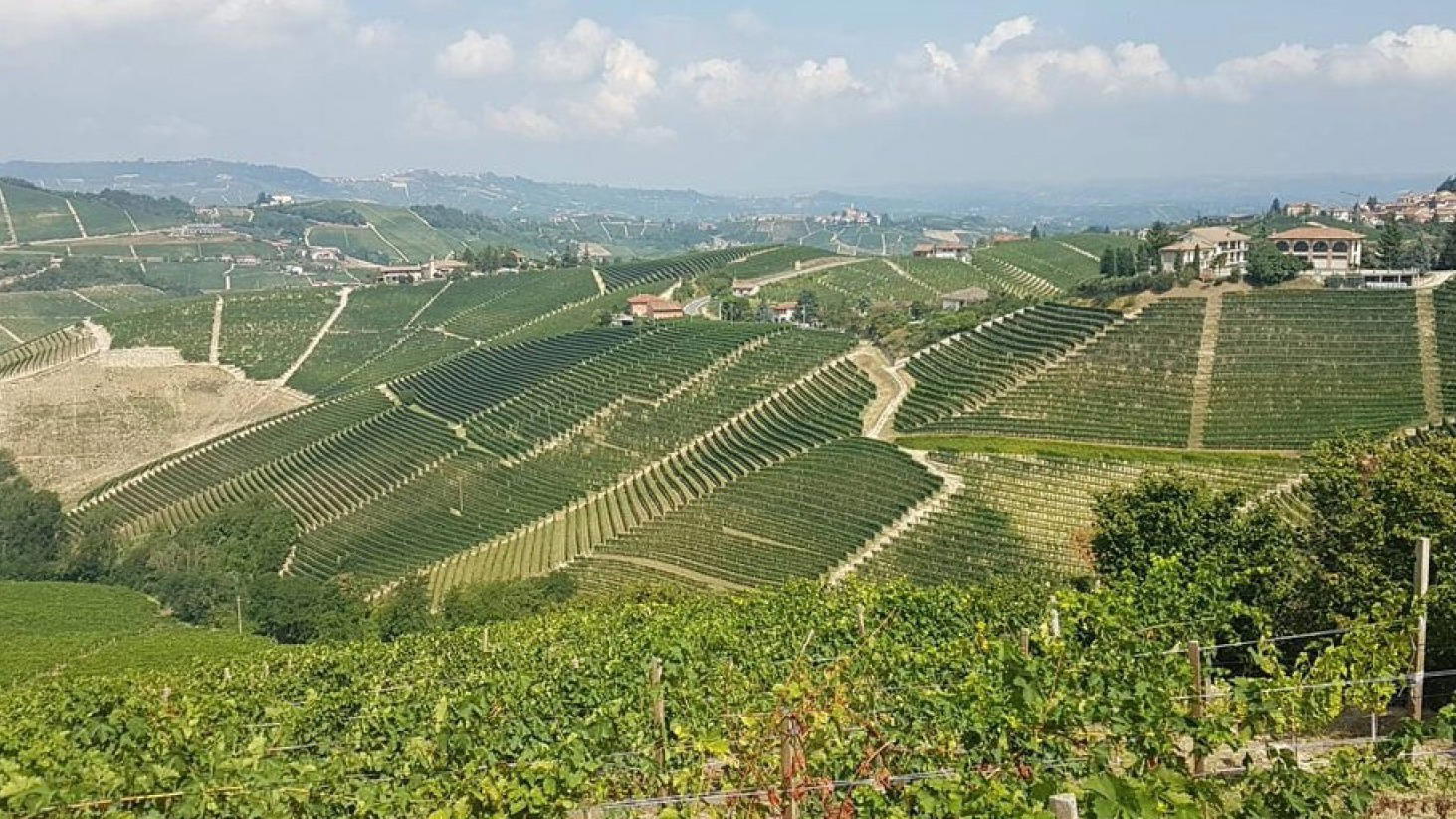
The approach to Cartosio does much of the work before you arrive. The road climbs through the rolling Monferrato hills in the province of Alessandria, past vineyard plots and farmland that supply the kind of ingredients Cacciatori has been cooking with for generations. By the time the country house comes into view on Via Moreno, the setting has already established the frame: this is a place where the sourcing radius is short and the cooking is built around what the land around it reliably produces.
That relationship between landscape and plate is the defining characteristic of the more serious category of Piedmontese trattorie and country houses. Unlike the urban restaurant scene in Turin, where regional cooking sometimes gets reinterpreted through contemporary technique, the houses in smaller towns like Cartosio tend to anchor themselves in the original forms. The wood-fired stove is not a nostalgic gesture here, it remains the primary cooking instrument for main courses, which shapes both the flavour profile and the kitchen's pace. Cacciatori has held this position across nine generations and multiple decades of continuous operation, earning recognition in both 2024 and 2025 as acknowledgment of the consistent quality of the ingredients and the kitchen's execution.
The Generational Case for Staying the Same
Longevity in Italian country cooking does not always translate to quality. The family-run house that coasts on reputation is a well-documented category across the north. What distinguishes the operations that remain worth visiting is a commitment to ingredient standards that does not waver as the decades accumulate. Cacciatori's nine-generation span is notable less as a heritage claim than as a structural argument: the formula has not changed materially because it does not need to. Piedmontese cuisine, when executed with high-quality local and seasonal produce, does not require reinvention to remain relevant.
Chef Federica Rossini holds the kitchen within this tradition, working a format that prioritises seasonal Piedmontese dishes and local sourcing over any particular culinary innovation. The kitchen signals a baseline of ingredient quality and reliability rather than creative ambition, which is exactly the appropriate benchmark for a house of this type. Comparing Cacciatori to, say, Piazza Duomo in Alba or Antica Corona Reale in Cervere would set the wrong frame. Those are restaurants where Piedmontese cuisine is being extended and argued with. Cacciatori represents its baseline at its most grounded: seasonal, local, and wood-fired.
For travellers moving through the broader Piedmont region who want to understand the cuisine's original register before engaging with its more technically ambitious expressions at places like Locanda Sant'Uffizio Enrico Bartolini in Cioccaro, a meal at Cartosio functions as useful calibration. The flavours here are denser, more direct, and more tightly bound to the season than anything you'd find in a chef-driven tasting menu context.
The Wine List as a Separate Argument
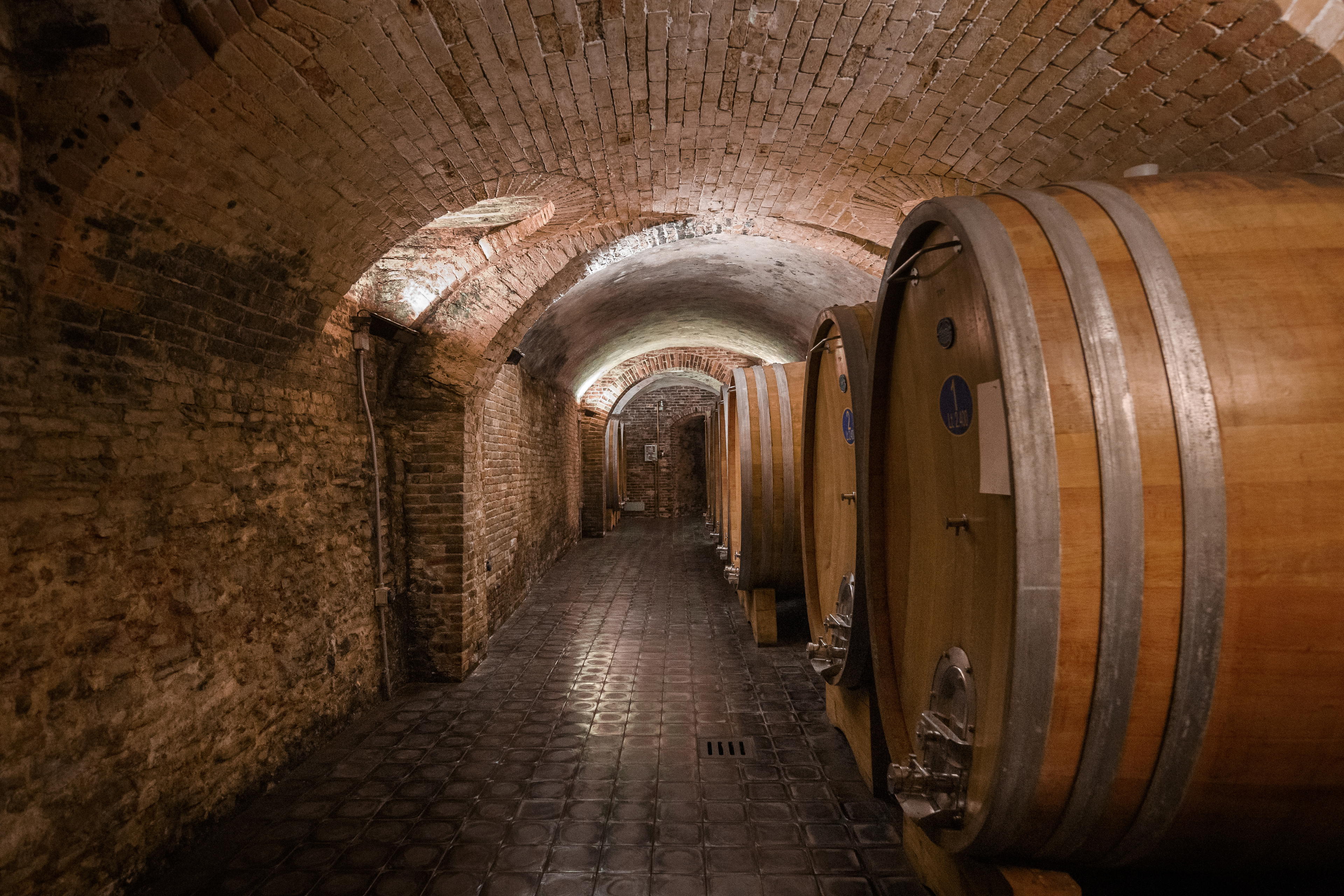
The Langhe wine region sits roughly 60 kilometres from Cartosio, close enough that the connection between the table and the cellar feels earned rather than aspirational. Cacciatori's wine list includes vertical labels from the main Langhe producers, which is a meaningful distinction at the €€ price point. Vertical selections require storage, investment, and a relationship with producers that goes back years, none of which are characteristics of a house that is simply going through the motions.
Nebbiolo-based wines from the Langhe, whether Barolo or Barbaresco, are built for the kind of food Cacciatori serves: rich braised meats, game, aged cheeses, and slow-cooked preparations. The pairing logic is embedded in the regional tradition itself. Accessing older vintages from key producers in this region typically requires either significant expense at retail or a relationship with a producer's allocation list. A country house in the Monferrato hills with a serious vertical selection is one of the more direct ways to drink these wines in the context for which they were made.
Staying and Planning
Cacciatori offers guestrooms alongside the restaurant, which resolves the practical problem that serious Langhe wine consumption creates. The address at Via Moreno, 30, 15015 Cartosio AL places the house in a village small enough that the surrounding hills are never far from view. The price range sits at €€, which in the context of Piedmontese country houses represents fair value for a kitchen that sources carefully and holds a Michelin Plate.
Cartosio is most naturally reached by car, which suits the setting and the wine list both. The Monferrato hills are not well-served by public transport, and the approach drive through the hilly terrain is part of the experience rather than a logistical inconvenience.
The Piedmontese country house as a category occupies a specific position in Italy's broader restaurant geography. The multi-starred operations like Osteria Francescana in Modena, Dal Pescatore in Runate, or Le Calandre in Rubano represent Italian cooking as a forward-facing, internationally competitive discipline. Cacciatori operates in a different register entirely, one where the argument is not about what Italian cuisine can become but about what Piedmontese cooking has always been when made with the right ingredients in the right setting. Both registers matter. The country house in the hills, unchanged across generations and still cooking over wood, remains harder to find with this degree of consistency than the ambitious restaurant in the city.
How It Stacks Up
Comparable venues nearby, for context on price, style, and recognition.
| Venue | Cuisine | Price | Awards | Notes |
|---|---|---|---|---|
| CacciatoriThis venue — the venue you are viewing | Traditional Piedmontese Trattoria | $$ | Bib Gourmand | Not listed |
| La Brinca | Traditional Ligurian Trattoria | $$ | Bib Gourmand | Ne |
| Osteria Bar Sport | Traditional Piedmontese Osteria | $$ | Bib Gourmand | San Germano |
| Osteria Dalie e Fagioli | Modern Brescian Osteria | $$ | Bib Gourmand | Manerba del Garda |
| Osteria Didù | Ligurian Seafood Osteria | $$ | Bib Gourmand | Porto San Maurizio |
| Condividere | Modern Italian Bistrot | $$ | Bib Gourmand | Arona |
Recognition history
Dated appearances from independent guides and award organizations, with the underlying list record or original source where available.
Michelin Bib Gourmand
Michelin
Michelin Plate
Michelin
Michelin Plate
Michelin
Continue exploring
More in Cartosio
Restaurants in Cartosio
Browse all →
Bars in Cartosio
Browse all →
Hotels in Cartosio
Browse all →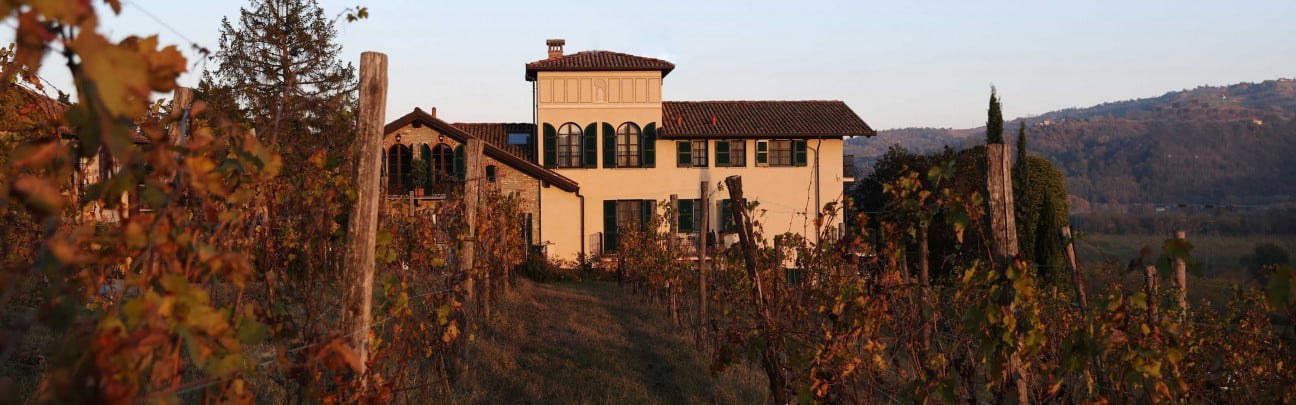
At a Glance
- Rustic
- Cozy
- Classic
- Intimate
- Special Occasion
- Date Night
- Terrace
- Open Kitchen
- Extensive Wine List
- Local Sourcing
- Mountain
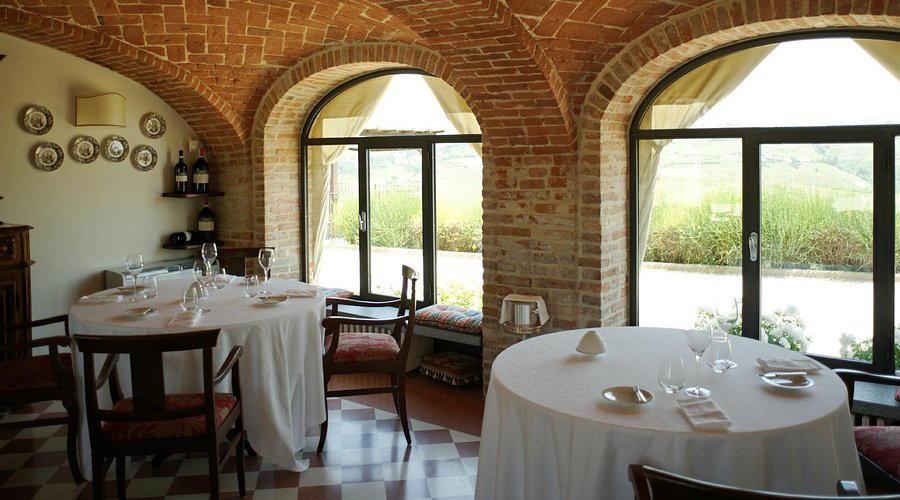
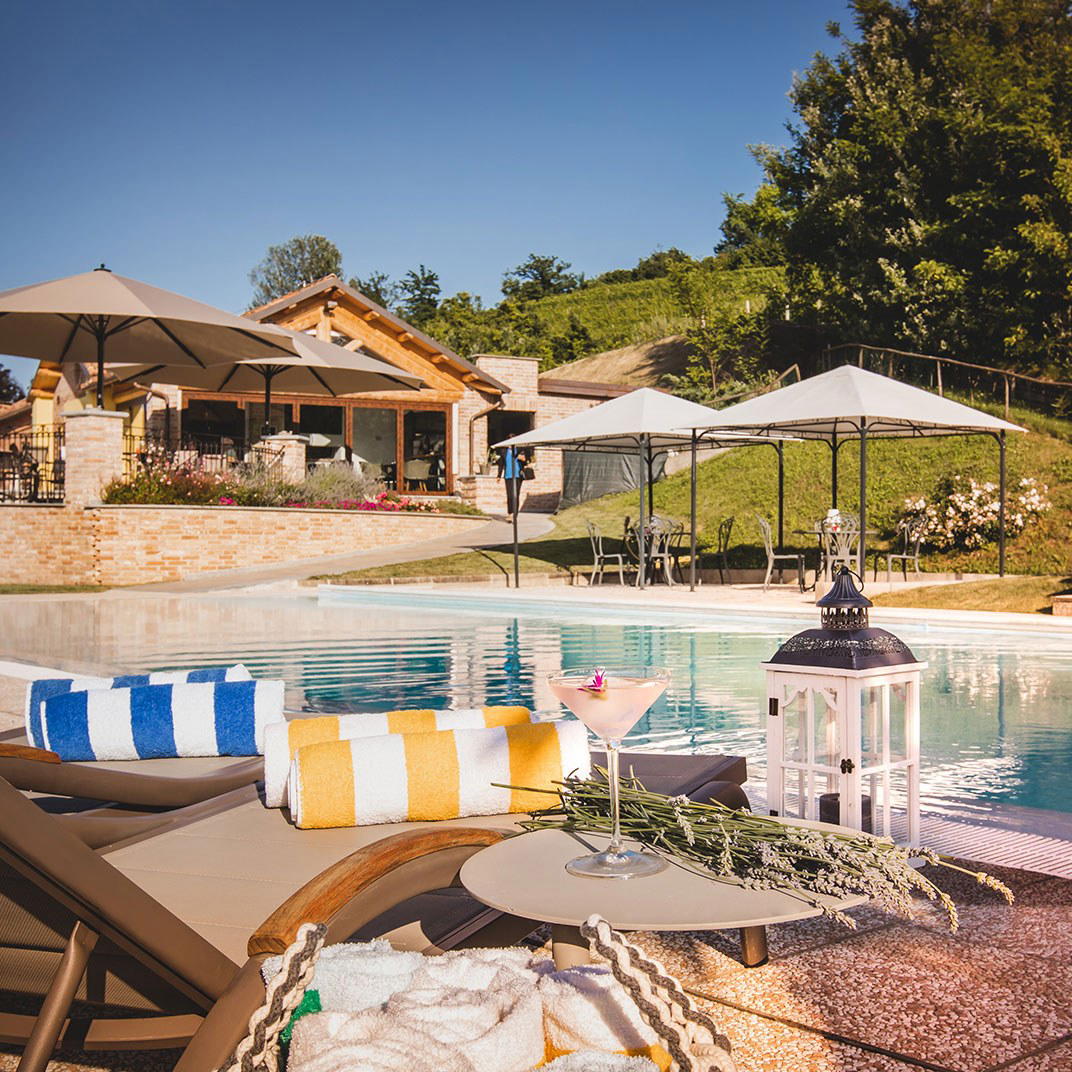
Simple, elegant country house with warm colors, essential furnishings, and a calm, family atmosphere; terrace under pergola with valley views.