← Guides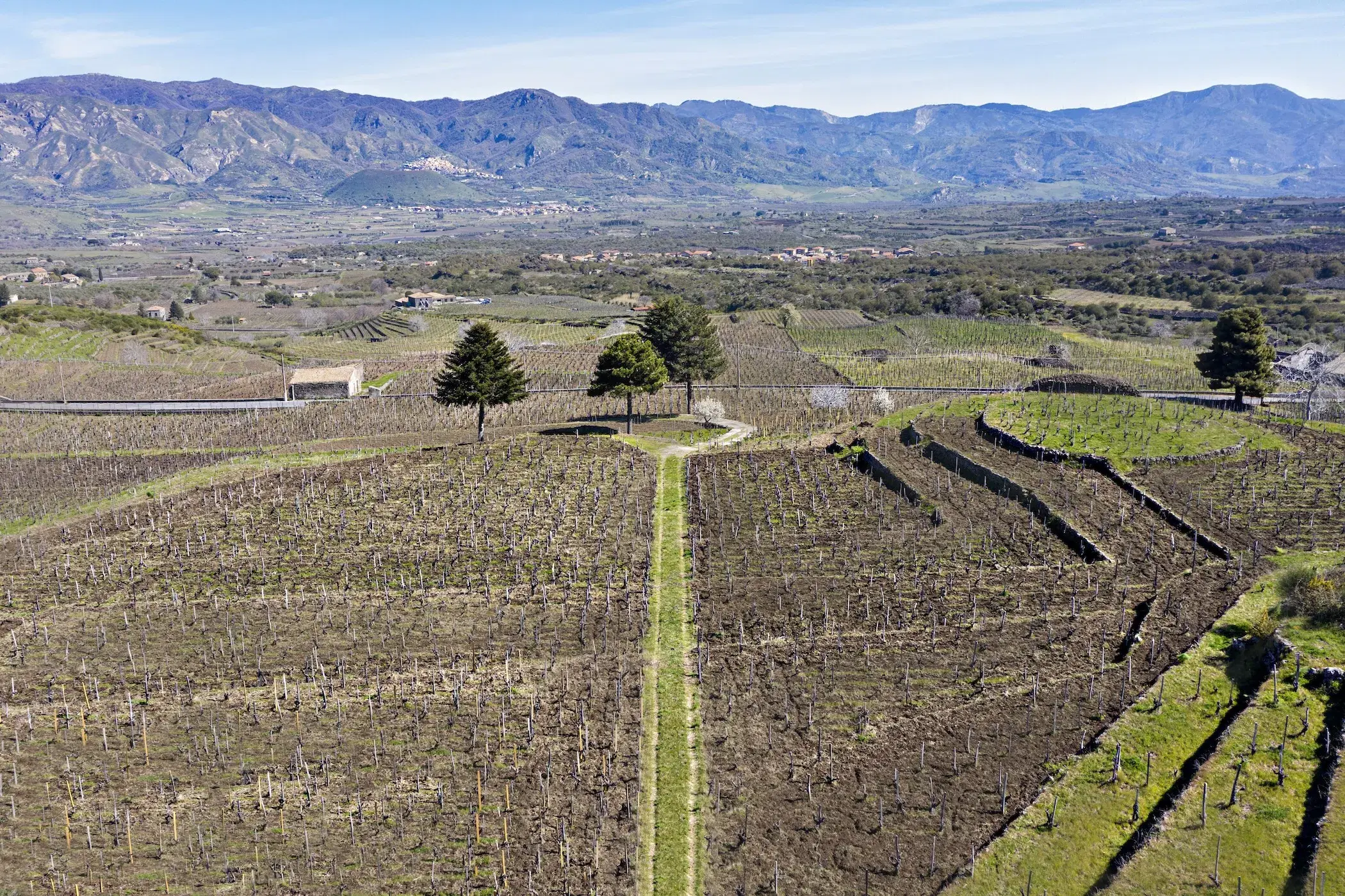
Etna’s 1968 DOC and De Bartoli’s 1980 Vecchio Samperi frame how Sicily’s volcano and coast escaped volume wine for site-led bottles.
Etna’s 1968 DOC and De Bartoli’s 1980 Vecchio Samperi frame how Sicily’s volcano and coast escaped volume wine for site-led bottles.
Marco De Bartoli 's 1980 Vecchio Samperi is the cleanest starting point for the new conversation about Etna and Marsala wines, because the dry, unfortified Grillo returned to a pre-fortification idea of Marsala while the region was still fighting the aftertaste of industrial sweet wine. Etna's revival began with volcanic zoning and Carricante in Milo, while Marsala's revival centered on Grillo and the Stagnone lagoon.
2024 data puts Etna at 1,347ha of vineyard, down from the more than 90,000ha that once covered its slopes, while Marsala's dry white revival now includes the 2023 Salt West project led by Andrea Lonardi, Gabriele Gorelli, and Pietro Russo, three Italian Masters of Wine. Etna and Marsala rebuilt credibility through enforceable boundaries, named pioneers, and grapes treated as site markers rather than industrial inputs.
Etna received Sicily's first DOC in 1968, and Marsala received DOC status in 1969, but those dates did not immediately free either region from the demands of scale. On Etna, the old commercial engine had already collapsed from its late-19th-century height, when more than 90,000ha of mostly terraced vineyard sent wine from local ports across Europe before phylloxera stripped away that advantage. In western Sicily, Marsala entered its DOC era with sales at what Decanter describes as rock bottom, after a long decline from its 18th- and 19th-century export trade.
The trap was different in each place. Etna had volcanic terraces, palmenti cut from stone, and a viticultural memory larger than its surviving vineyard area. Marsala had wind, salt pans, the Stagnone lagoon, and a global name attached to fortified wine, but the name had become burdened by low-quality flavored versions and sweetened styles that did little for Grillo or Catarratto as serious varieties.
Etna's 1968 rules created a legal frame for future zoning, especially in Milo, while Marsala's 1969 DOC initially arrived at a low point for the denomination's reputation. Carlo Nicolosi Asmundo at Barone di Villagrande, Marco De Bartoli at Baglio Samperi, and Giuseppe Benanti at Tenuta di Castiglione later made that difference matter.
Producers separated Carricante in Milo, made unfortified Grillo at Samperi, reformed Marsala regulations in 1984, developed contrada work on Etna after 1988, and renewed attention to Catarratto Bianco Lucido around Marsala.
Both regions still carry mass-market associations. Etna can be reduced to a label shorthand for volcanic red wine, while Marsala can still be mistaken for a cooking bottle. The key producers used regulation, vineyard work, and variety selection to separate serious wine from inherited reputation.
Barone di Villagrande, founded in 1727 in Milo, gives Etna's revival a longer spine than most modern volcano narratives allow. The estate is recognised as Etna's oldest continuously operating winery, and ninth-generation owner Carlo Nicolosi Asmundo used his position as professor of oenology at the University of Catania to draft Etna's production regulations after Italy announced its DOC classification system in 1963. Etna became Sicily's first DOC in 1968.
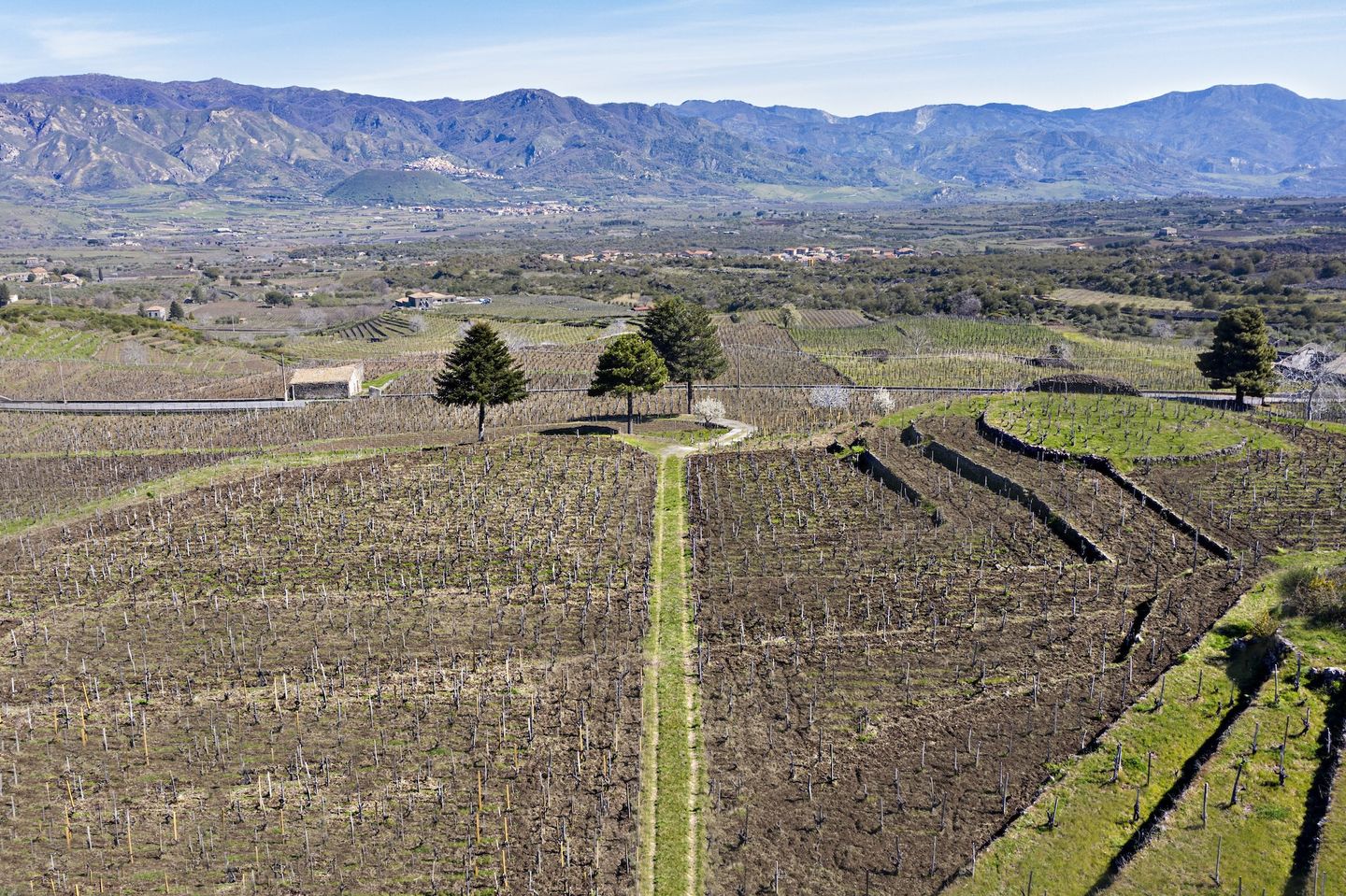
Nicolosi Asmundo's most consequential move was the separate Etna Bianco Superiore sub-zone for Milo. The commune sits on Etna's east flank, where aspect, elevation, and rainfall shape Carricante differently from the rest of the volcano. Milo receives about twice the rainfall of anywhere else in Sicily.
Milo remains Etna's white-wine address. Barone di Villagrande is the historical anchor, and the Etna Bianco Superiore designation shows why the volcano's whites cannot be understood through Nerello alone. Carricante is separated from generic Etna Bianco in a commune singled out in the original DOC framework.
Etna's current 1,347ha, from 2024 data, make today's vineyard area small against the historic footprint of more than 90,000ha. Milo's place in the 1968 DOC shows that Etna's best argument was already site-specific before the global market began talking about volcanic wine.
The practical lesson is simple for a cellar: separate Etna Bianco Superiore from generic Etna white wine, then read producer and commune before vintage chatter. A bottle from Milo, especially from a producer tied to the DOC's origin story, carries a different kind of information than a bottle selected only for the word Etna on the label.
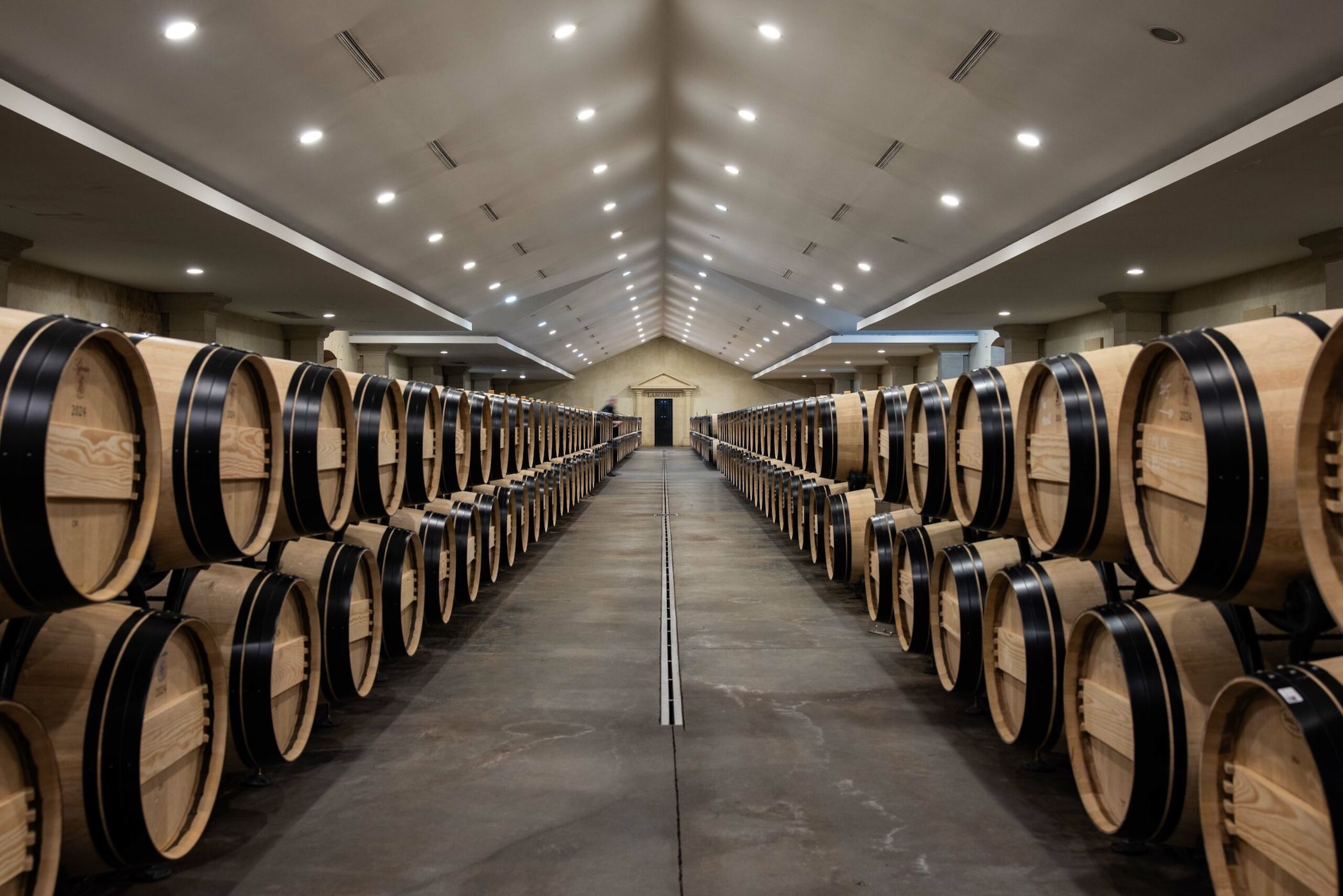
Marco De Bartoli's 1980 Vecchio Samperi was made without fortification. De Bartoli took over his family's Baglio Samperi estate and worked with Grillo rather than the high-yielding Catarratto used in the industrial Marsala of the period. He sourced unwanted barrels of Grillo, one reportedly filled in 1903, and added them to family stocks in a vino perpetuo system, a fractional blending method related to solera.
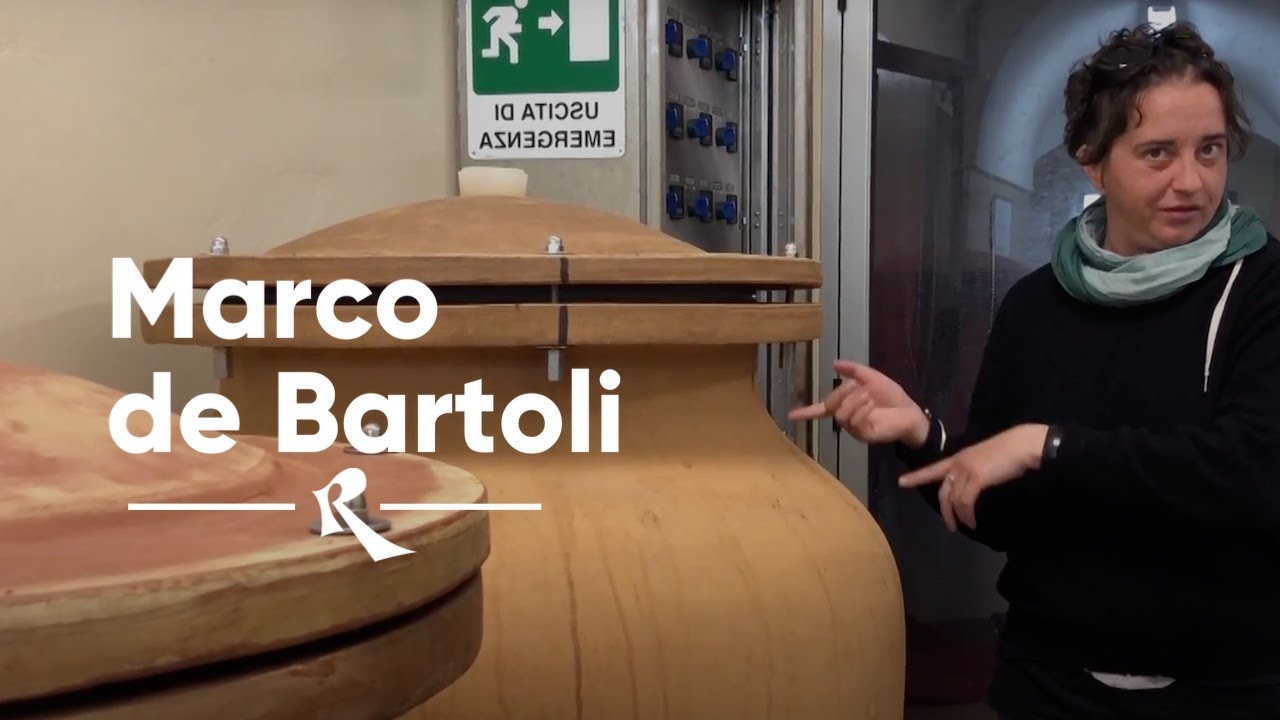
The first Vecchio Samperi, released in 1980, was dry, unfortified, and built from Grillo. John Woodhouse, the British trader linked to Marsala's fortified export era, was forced into Marsala port by a storm in 1773.
De Bartoli's choice was a direct answer to the region's crisis. He did not try to improve industrial Marsala by making a cleaner version of the same idea. He returned to Grillo, age, dryness, and the identity of Samperi. Vecchio Samperi remains a key bottle in a serious Sicilian cellar.
The regulatory response followed. Marsala DOC regulations were reformed in 1984, with strict ageing tiers and the removal of low-quality flavored versions from the Marsala name. In 1985, De Bartoli released Vigna La Miccia Marsala Superiore Oro, a Marsala-labelled wine fermented in stainless steel rather than wood.
Those two releases, Vecchio Samperi in 1980 and Vigna La Miccia in 1985, give Marsala a collector's timeline. Vecchio Samperi reclaims an older dry Grillo language outside fortification. Vigna La Miccia works inside the Marsala name after the DOC reform. Vecchio Samperi and Vigna La Miccia make Marsala legible again as a region of intent, rather than a category trapped by old export habits.
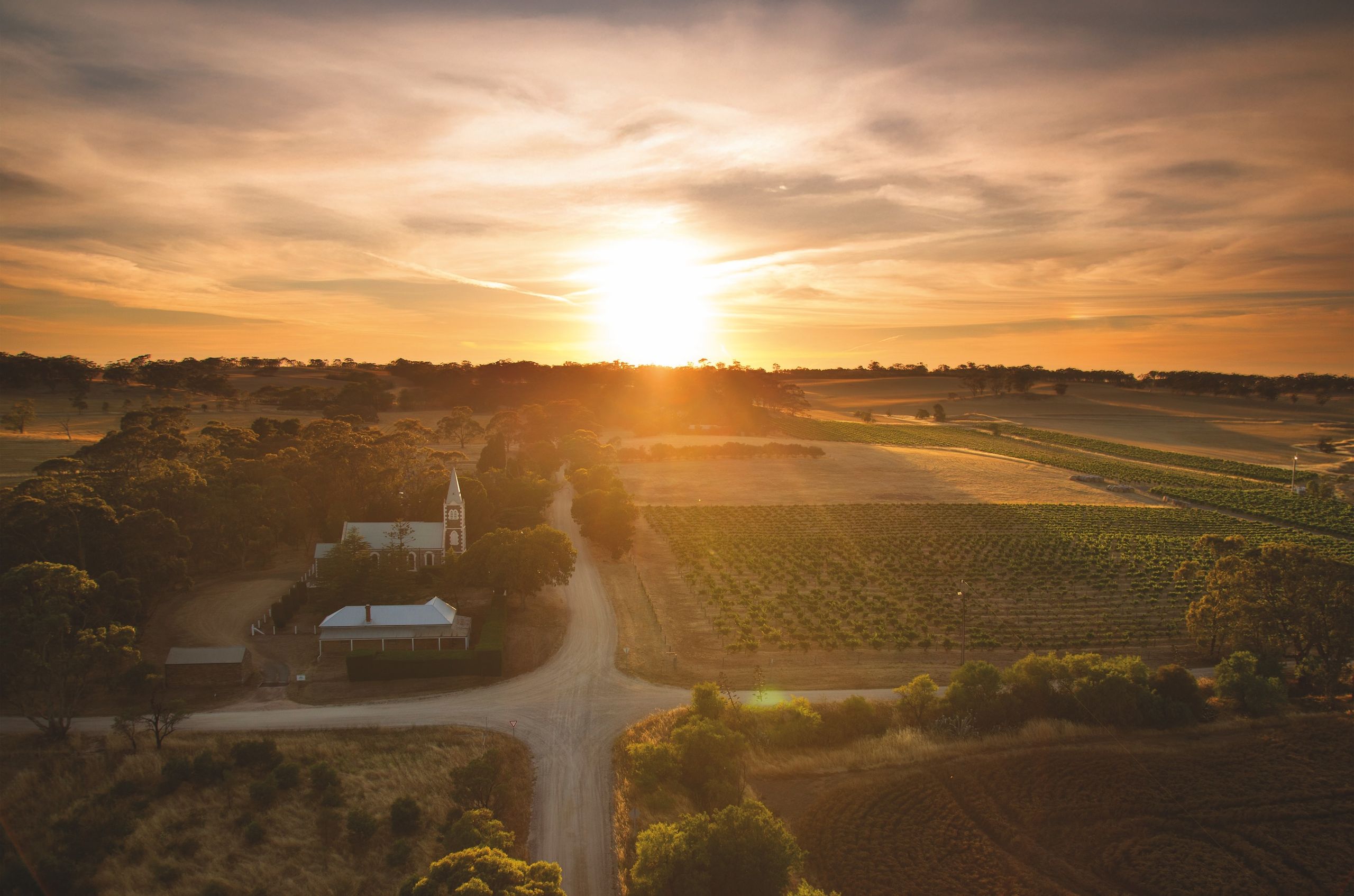
Baglio Samperi explains the wine's salt-air register better than a generic tasting note can. Marsala's comeback starts with barrels and regulations, and the coast supplies the tension that current producers are again trying to bottle.
Giuseppe Benanti founded Tenuta di Castiglione in 1988, later Benanti, when Etna had only a handful of commercial wineries. Benanti came from a pharmaceutical background, and he approached the volcano through study: soils, elevation, and dozens of micro-vinifications. He worked with several consultants and with the young oenologist Salvo Foti, who later became a central figure in Etna wine.
Ten years after the estate's foundation, Benanti became the first, and remains the only, winery to own vineyards on all four slopes within the Etna DOC. Etna is not a single exposure with one volcanic signature. The four-slope footprint allowed Benanti to bottle different expressions of the territory based on the estate's research, rather than treating Etna as one volcanic brand.
Rovittello Riserva made the contrada idea visible to a broader wine audience. The red takes its name from Contrada Rovittello at 750m in Castiglione di Sicilia, where pre-phylloxera vines were found. On Etna, a contrada works loosely like a cru in France, although its boundaries follow historic village lines shaped by lava flows rather than a Burgundian hierarchy.
Carlo Nicolosi Asmundo's 1968 DOC gave the volcano a framework, especially through Milo and Etna Bianco Superiore. Benanti's post-1988 work turned slope, elevation, soil study, and contrada names into a producer language that collectors could follow bottle by bottle.
Etna's strongest wines now ask for more precise reading than the simple split between Nerello red and Carricante white. The slope, the commune, Contrada Rovittello, and Milo all matter. A bottle from a pre-phylloxera site at 750m in Castiglione di Sicilia carries different information from an Etna Bianco Superiore built around slow-ripened Carricante on the wetter east flank.
This is where Etna begins to rhyme. De Bartoli used Grillo and Samperi to challenge Marsala's industrial identity. Benanti used research, old vines, and contrada bottlings to challenge Etna's memory as a faded bulk engine. Both regions moved forward by becoming more local, not by smoothing away their difficult histories.
Marsala's current momentum sits with dry, terroir-led whites, especially Grillo and Catarratto Bianco Lucido. The high-yielding Catarratto Bianco Comune, known in the region as a Marsala biotype, is increasingly giving way to lower-yielding Catarratto Bianco Lucido for quality-focused production. Decanter describes Lucido as textural, with bright acidity and mineral tension that becomes especially effective in cooler sites.
Grillo gives the coast another register. The grape is a crossing of Catarratto and Zibibbo, or Muscat of Alexandria, and in the Marsala area it carries white peach and floral elements alongside a saline, sea-spray character. Those descriptors matter because they move Marsala away from the language of fortified sweetness and toward the grammar of dry white wine: texture, acidity, aromatic lift, and place.
The 2023 Salt West project gives that shift a named structure. Andrea Lonardi, Gabriele Gorelli, and Pietro Russo, three Italian Masters of Wine, announced the initiative around Grillo grown in the Stagnone lagoon area. The project includes their small Officina del Vento winery and other participating wineries that agree to rules including conservation of historic vineyards and no pesticides.
Salt West is important because it links Marsala's future to a specific coastal area rather than a generic regional revival. The Stagnone lagoon sits north of Marsala city, near the salt pans, with the Aegadian archipelago offshore and Erice rising inland. The geography is part of the wine argument: wind, salt, lagoon, and historic vineyard conservation all push Marsala toward bottles that can be read by site.
Florio and Pellegrino, both tied to Marsala's fortified tradition, are also making still whites. That move does not erase fortified Marsala's history, and it should not. The region now has more than one serious voice, with De Bartoli's Vecchio Samperi on one side and lagoon-focused Grillo on the other.
Marsala's white-wine revival differs from Etna's. Etna is read through slope, commune, and contrada. Marsala is read through grape, coastal origin, and producer intent. Grillo from the Stagnone lagoon and Lucido from cooler sites carry the useful clues, while the 1980 and 1985 De Bartoli releases give the historical spine.
Etna now rewards place before category. Etna asks for Milo, Etna Bianco Superiore, slope, and contrada. Marsala asks for Grillo, Lucido, Samperi, Stagnone, and whether the wine is speaking through dry coastal white wine, fortified tradition, or the unfortified bridge that De Bartoli made visible in 1980.
For En Primeur Club readers, the appeal is traceability. Etna runs from Barone di Villagrande in 1727 to Carlo Nicolosi Asmundo's 1968 DOC work, then to Benanti's 1988 foundation and the contrada language around Rovittello. Marsala's timeline includes Woodhouse in 1773, Marsala DOC in 1969, De Bartoli's Vecchio Samperi in 1980, the 1984 DOC reform, Vigna La Miccia in 1985, and Salt West in 2023.
That timeline makes these bottles useful at the table. Etna Bianco Superiore from Milo belongs with seafood that can handle acidity and mineral cut. Marsala's dry Grillo and Lucido belong with the coast in mind: salt, wind, white peach, flowers, and the savory edge that makes a white wine feel anchored rather than merely aromatic. Fortified Marsala still has a place, but the region's most urgent collector question now concerns which dry whites will define the next decade.
Drinkers often flatten both regions into slogans, reducing Etna to volcano and Marsala to fortified. Those shortcuts miss the work done by Nicolosi Asmundo, De Bartoli, Benanti, Foti, Lonardi, Gorelli, Russo, and the growers now choosing Lucido and Grillo with greater precision. Milo can be tasted against other Etna whites, Rovittello within the contrada conversation, and dry Marsala-area Grillo beside De Bartoli's older argument for Samperi.
My verdict is that Marsala has moved beyond its fortified-relic reputation into Italy's most serious coastal white-wine conversation, while Etna has turned a reduced vineyard area and a volcanic inheritance into one of Sicily's clearest lessons in site. The next releases from Milo, the four slopes of Etna, Samperi, and the Stagnone lagoon come from places that learned to make their past specific.
Get the App
Take the shortlist into the En Primeur Club app for concierge access, saved places, and the next step after discovery.
Get Exclusive AccessMore from the editors