Villa La Madonna


Mr & Mrs Smith Seal of Approval · Small Luxury Hotels of the World Member
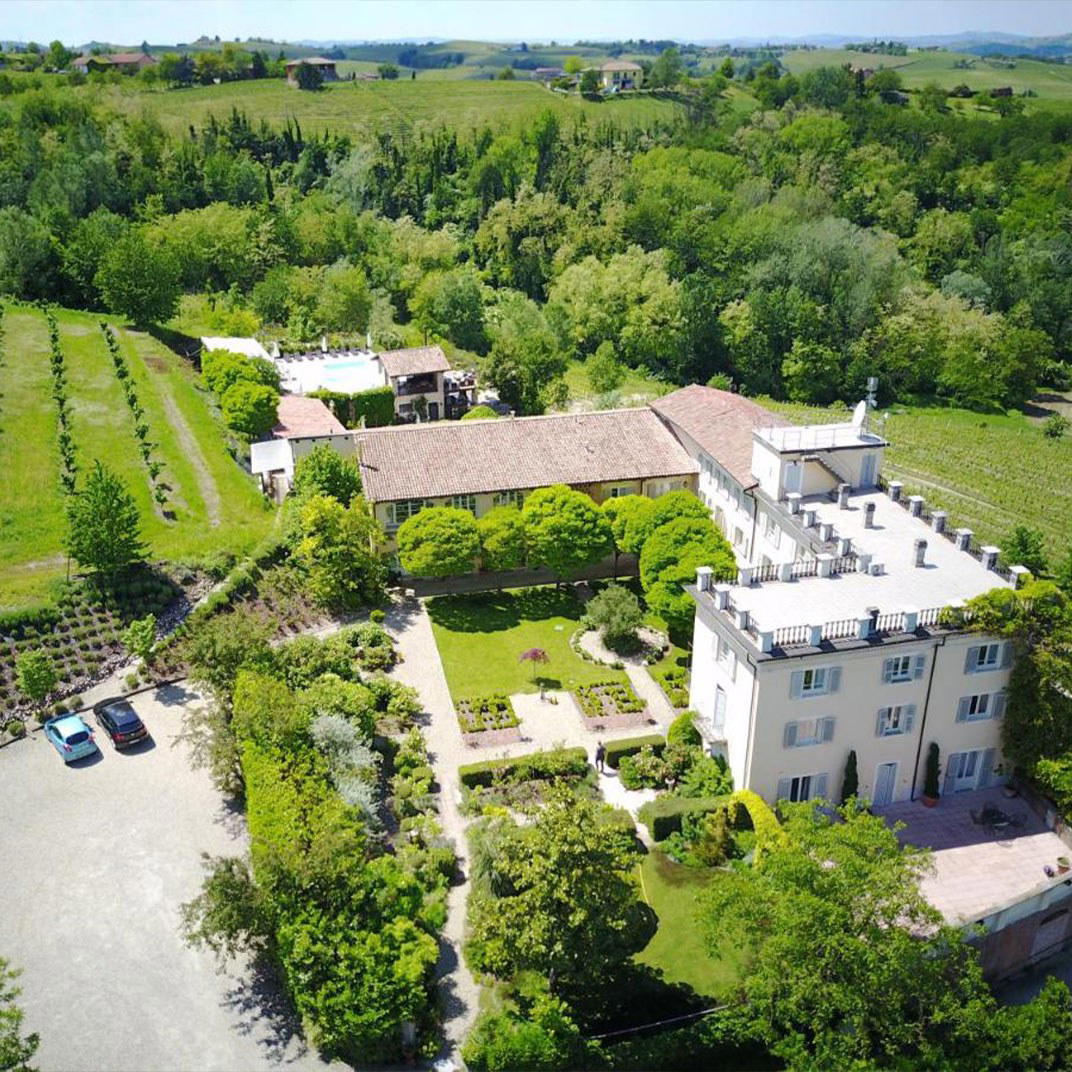
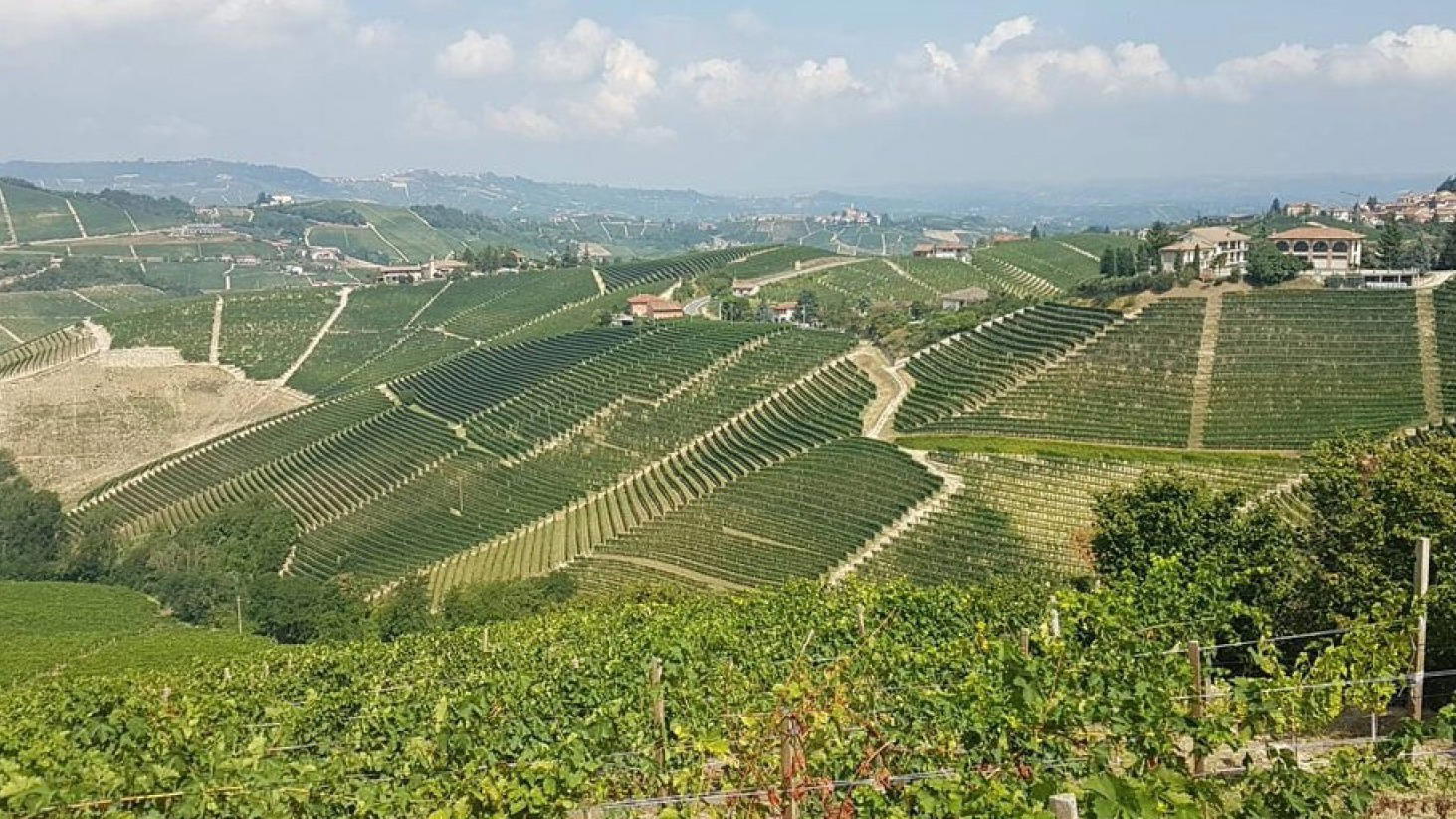
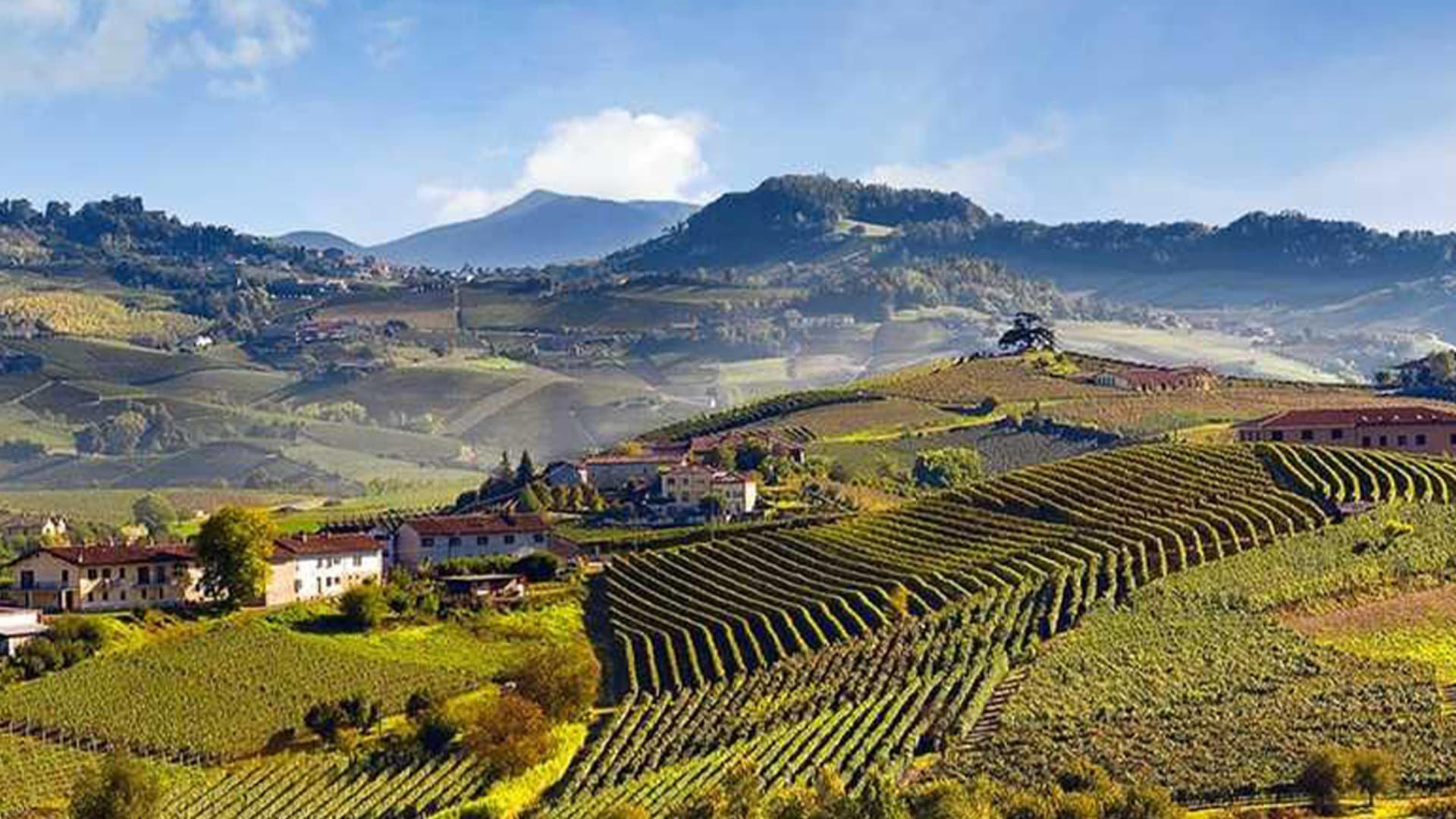
A 16th-century farmhouse above the Bormida Valley in Piedmont's Asti province, Villa La Madonna combines genuine architectural age with a casual approach to rural luxury. The property overlooks terraced vineyards and terracotta rooftops in one of northern Italy's least-trafficked agricultural valleys, well removed from the established Langhe wine circuit but no less rewarding for it.

Pearl is the En Primeur Club membership app — saves, bookings, and concierge access live there. Same editors, same standards.
- Address
- Regione Madonna, 21, 14058 Monastero Bormida AT
- Phone
- +39 348 836 6141
- Website
- villalamadonna.com
- Directions
- Get directions
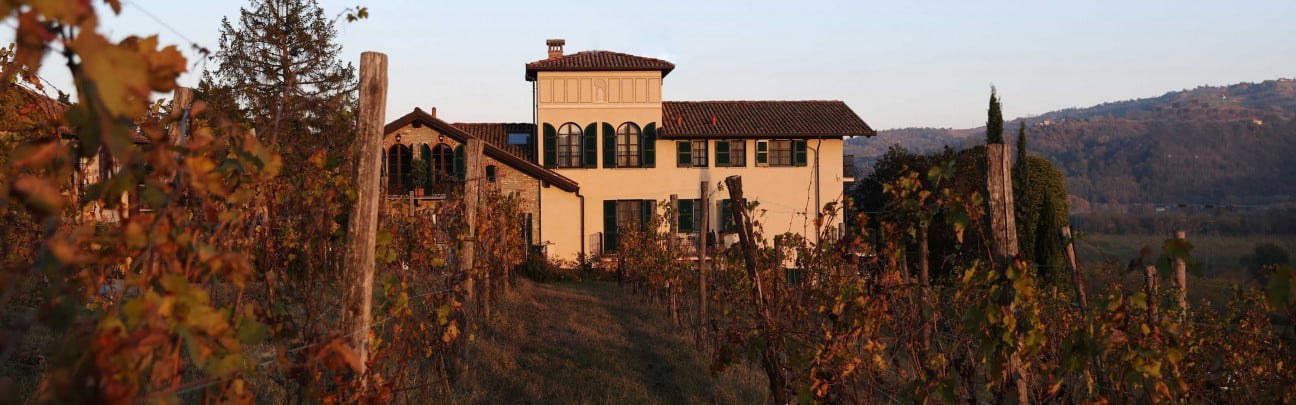
A 16th-Century Farmhouse Above the Bormida Valley
The approach to Villa La Madonna tells you most of what you need to know. The road climbs through terraced vineyards and past rows of hazelnut groves before the property appears on a ridge overlooking the Bormida Valley, its terracotta roofline set against a hillside that has looked roughly the same for several centuries. This corner of Piedmont, in the Asti province, sits at a significant remove from the circuits that route most international visitors through Barolo country or the Langhe. That distance is deliberate in effect, if not in intent: the valley operates at a different tempo, and the property reflects it.
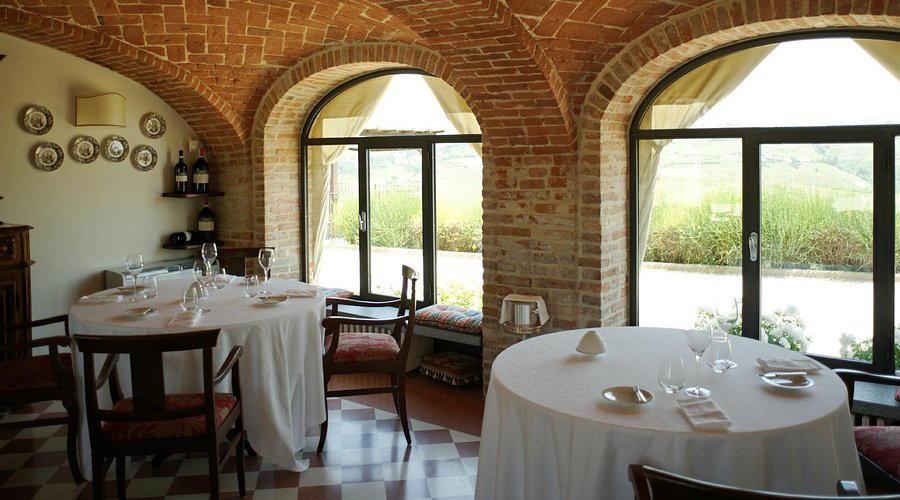
Monastero Bormida itself is a small commune built around a medieval monastery, and the area carries the architectural patience characteristic of rural Piedmont: stone over concrete, proportion over ornament, age worn openly rather than concealed. Villa La Madonna, with origins documented to the 16th century, belongs to that tradition. Its walls have accumulated layers rather than been stripped back to a single period, which gives the property a material honesty that more aggressively restored rural retreats often lose. For context on how Italian rural conversions handle this tension differently, properties like Borgo San Felice Resort in Castelnuovo Berardenga and Rosewood Castiglion Del Bosco in Montalcino represent the Tuscan end of the spectrum, where scale and international group infrastructure shape the restoration philosophy considerably.
Architecture as Accumulated Time
The architectural character of Villa La Madonna is less about a single design statement and more about the conversation between its original agricultural structure and whatever has been added since. Rural Piedmont farmhouses built in the 16th century were working buildings first: thick stone walls for thermal regulation, deep-set windows that admitted light without surrendering heat, rooflines calibrated to the load of heavy clay tiles. The aesthetic that contemporary guests respond to was, originally, pure function.
What distinguishes well-handled historic conversions in northern Italy is the degree to which later interventions respect that original logic rather than overriding it. Properties that add contemporary comfort without altering the structural grammar of a building allow old and new to coexist legibly. From the available description, Villa La Madonna positions itself in that direction: roots in the 16th century held alongside what is described as a modern and casual approach to luxury. That pairing, when it works, produces spaces that feel inhabited rather than curated, where the wear in a stone threshold or the irregularity of a ceiling beam is not a defect to apologise for but evidence of a building that has been genuinely used across time.
The Bormida Valley setting reinforces this architectural reading. This is not a property framed by manicured formal gardens in the manner of a Florentine villa. The hills visible from the property are agricultural and working, planted with the varieties that underpin Piedmont's wine economy: Barbera and Moscato alongside the hazelnuts that feed the region's confectionery industry. The view is lived-in landscape, and the architecture responds in kind.
Where Villa La Madonna Sits in the Italian Rural Retreat Category
The market for high-quality rural retreats in Italy has stratified considerably over the past decade. At one end, international luxury groups have converted historic properties into full-service resorts with spa infrastructure, multiple restaurants, and professional concierge operations. Castelfalfi in Montaione and Borgo Egnazia in Savelletri di Fasano represent that model, where the rural setting is the backdrop for a self-contained resort experience. At the other end, smaller owner-operated properties offer fewer amenities but a more direct relationship with place, often with deeper roots in a specific agricultural or culinary tradition.
Villa La Madonna appears to occupy the smaller, more intimate tier, where the emphasis falls on the valley itself as the primary offering rather than on programmed activity or resort-scale facilities. For travellers calibrating between these two approaches, the comparison is worth making explicitly: the large-footprint rural resort delivers consistency and convenience; the smaller historic property delivers proximity to a specific place in a way that scale tends to dilute. Other properties across Italy that work within this smaller, place-specific model include Corte della Maestà in Civita di Bagnoregio and Casa Maria Luigia in Modena, where the character of a particular locality shapes the experience more than any single amenity list.
Within Piedmont specifically, the Bormida Valley remains considerably less trafficked than the Langhe or Monferrato circuits that draw wine tourism. That relative obscurity is not a function of quality so much as geography and the gravitational pull of established wine names. For a traveller who has already done Barolo and wants the same agricultural texture without the summer tourist density, the Asti province represents a genuine alternative.
Planning a Stay
Villa La Madonna sits at Regione Madonna, 21, in Monastero Bormida, in the Asti province of Piedmont. The nearest significant transport hubs are Asti and Acqui Terme, both reachable by rail from Turin or Genoa. The area is leading navigated by car, which also opens up the Bormida Valley's broader network of small producers, medieval villages, and the kind of unhurried lunch in a local trattoria that does not appear in any itinerary but defines the experience of this part of Italy. The hills around Monastero Bormida are most photogenic in autumn, when the vineyard colour is at its most pronounced and the harvest activity gives the valley a productive energy distinct from its summer stillness. Spring, after the hazel flowering, is the quieter alternative.
For those building a longer Italian itinerary, the Bormida Valley pairs naturally with the broader Piedmont wine circuit to the north, or can be combined with a move south toward the Ligurian coast. Travellers drawn to the design-led end of the Italian rural property market might also consider Castello di Reschio in Lisciano Niccone or, for a coastal counterpoint, Il Pellicano in Porto Ercole. Those whose itineraries run through the north Italian lakes will find useful reference points at Passalacqua in Moltrasio and Grand Hotel Tremezzo in Tremezzo.
Our full Monastero Bormida restaurants guide covers the broader dining context in the area.
Quick Comparison
Comparable venues nearby, for context on price, style, and recognition.
| Venue | Cuisine | Price | Awards | Notes |
|---|---|---|---|---|
| Villa La MadonnaThis venue — the venue you are viewing | Elegant 17th-century vineyard estate blending historic charm with modern luxury. | Not listed | Mr & Mrs Smith Seal of Approval · Small Luxury Hotels of the World Member | Not listed |
| Soho House Rome | Members-only club-hotel blending industrial aesthetics with Roman elegance using upcycled materials. | $200–300 | Michelin Selected · Mr & Mrs Smith Seal of Approval | San Lorenzo |
| Secolario - Masseria del Viverbene | Restored historic Apulian masseria with contemporary updates preserving territorial memory and craftsmanship. | $200–300 | Michelin Selected | Palmariggi |
| Dai Gresy - In Langa | Modern agriturismo on historic winery estate | Not listed | Michelin Selected · Mr & Mrs Smith Seal of Approval | Treiso |
| Baccarat Hotel Rome | Ultra-luxury urban hotel positioned as a glamorous social and cultural hub on Rome’s Via Veneto. | Not listed | Not listed | Via Veneto |
| Relais Le due Matote | Restored 17th-century farmhouse blending heritage with discreet luxury | Not listed | Michelin Selected | Bossolasco |
Recognition history
Dated appearances from independent guides and award organizations, with the underlying list record or original source where available.
Mr & Mrs Smith Seal of Approval
Mr & Mrs Smith
Small Luxury Hotels of the World Member
Small Luxury Hotels of the World
Continue exploring
More in Monastero Bormida
Hotels in Monastero Bormida
Browse all →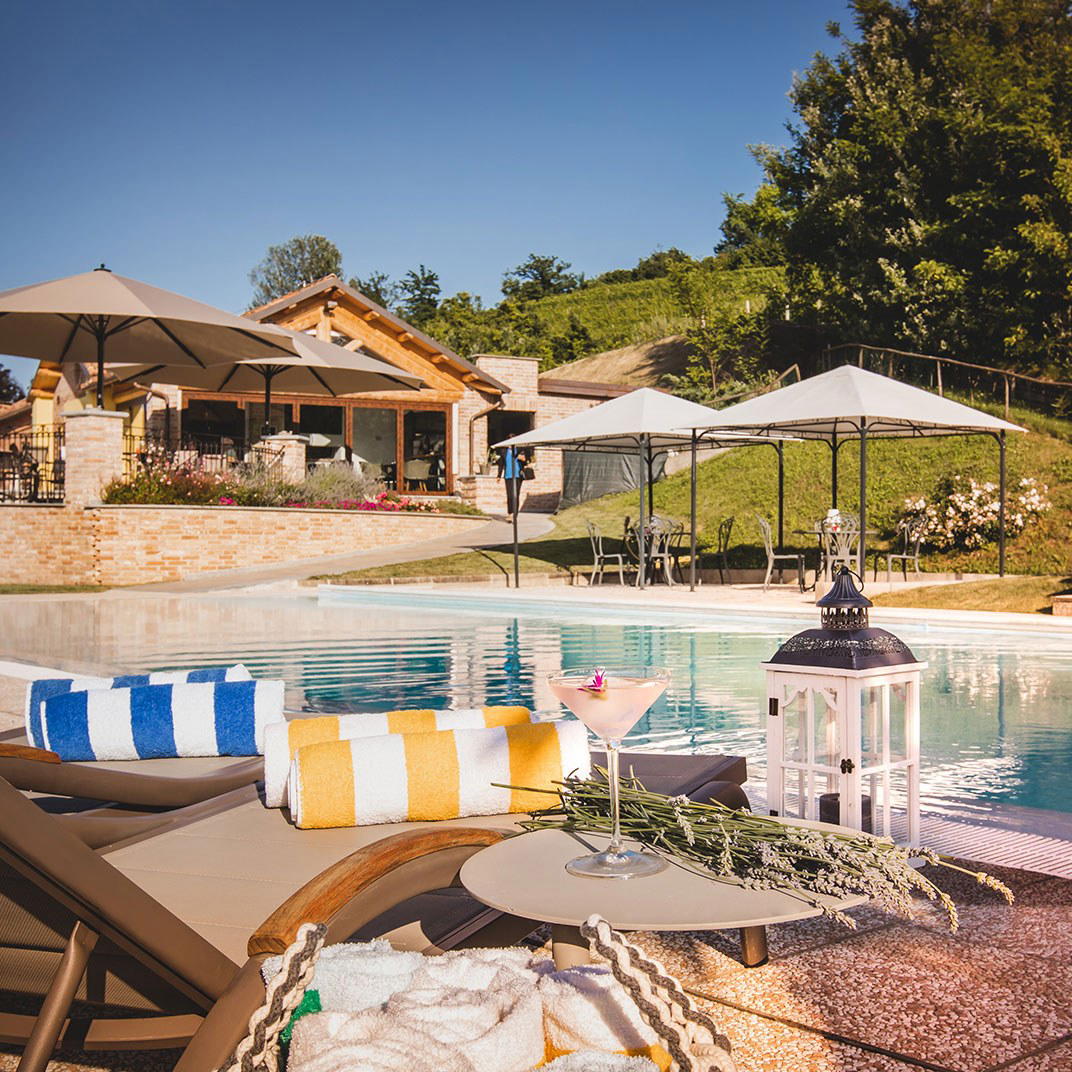
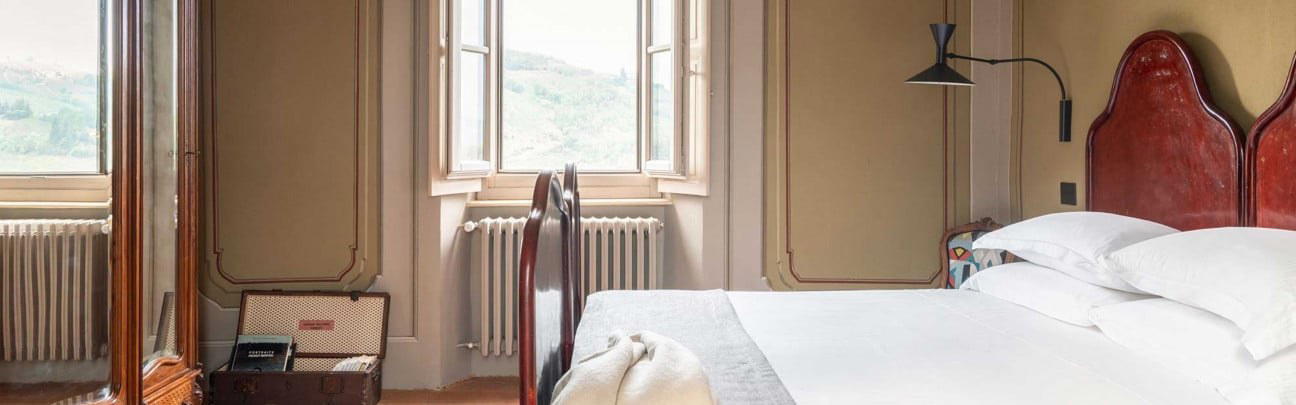
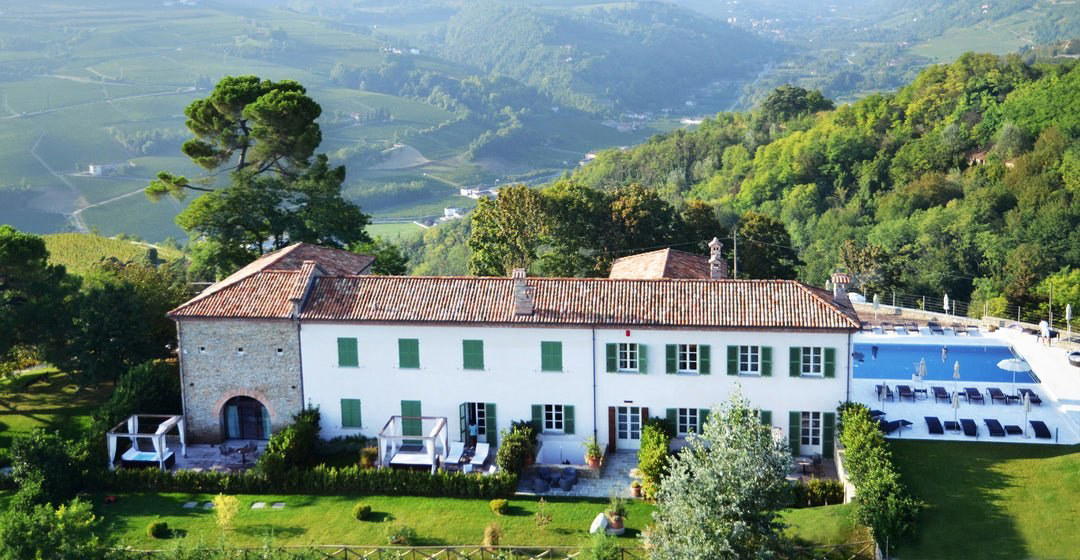
Bars in Monastero Bormida
Browse all →
Restaurants in Monastero Bormida
Browse all →
Details
- Romantic
- Quiet
- Elegant
- Rustic
- Scenic
- Cozy
- Intimate
- Sophisticated
- Romantic Getaway
- Honeymoon
- Anniversary
- Weekend Escape
- Wellness Retreat
- Terrace
- Historic Building
- Panoramic View
- Private Dining
- Pool
- Spa
- Restaurant
- Wi Fi
- Concierge
- Room Service
- Bicycle Rental
- Massage
- Vineyard
- Mountain
- Garden
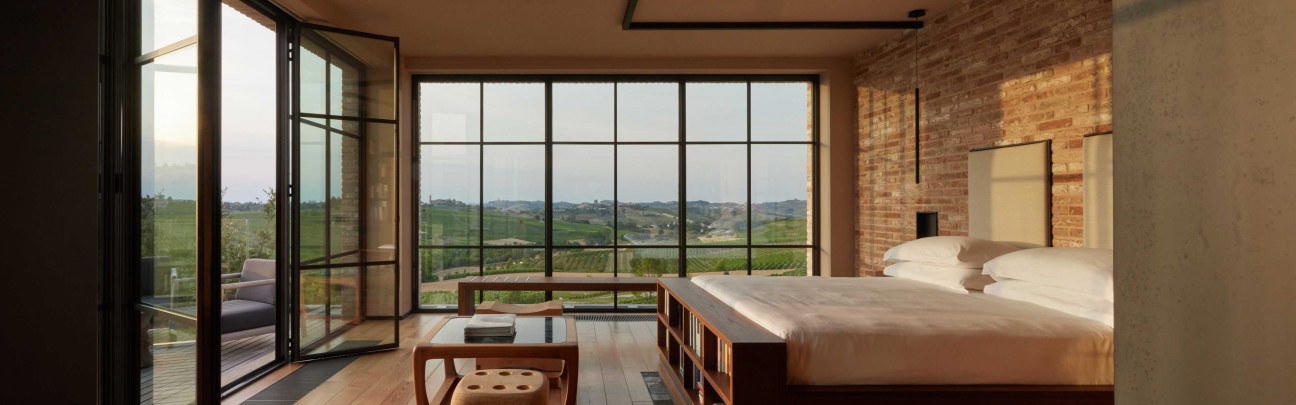
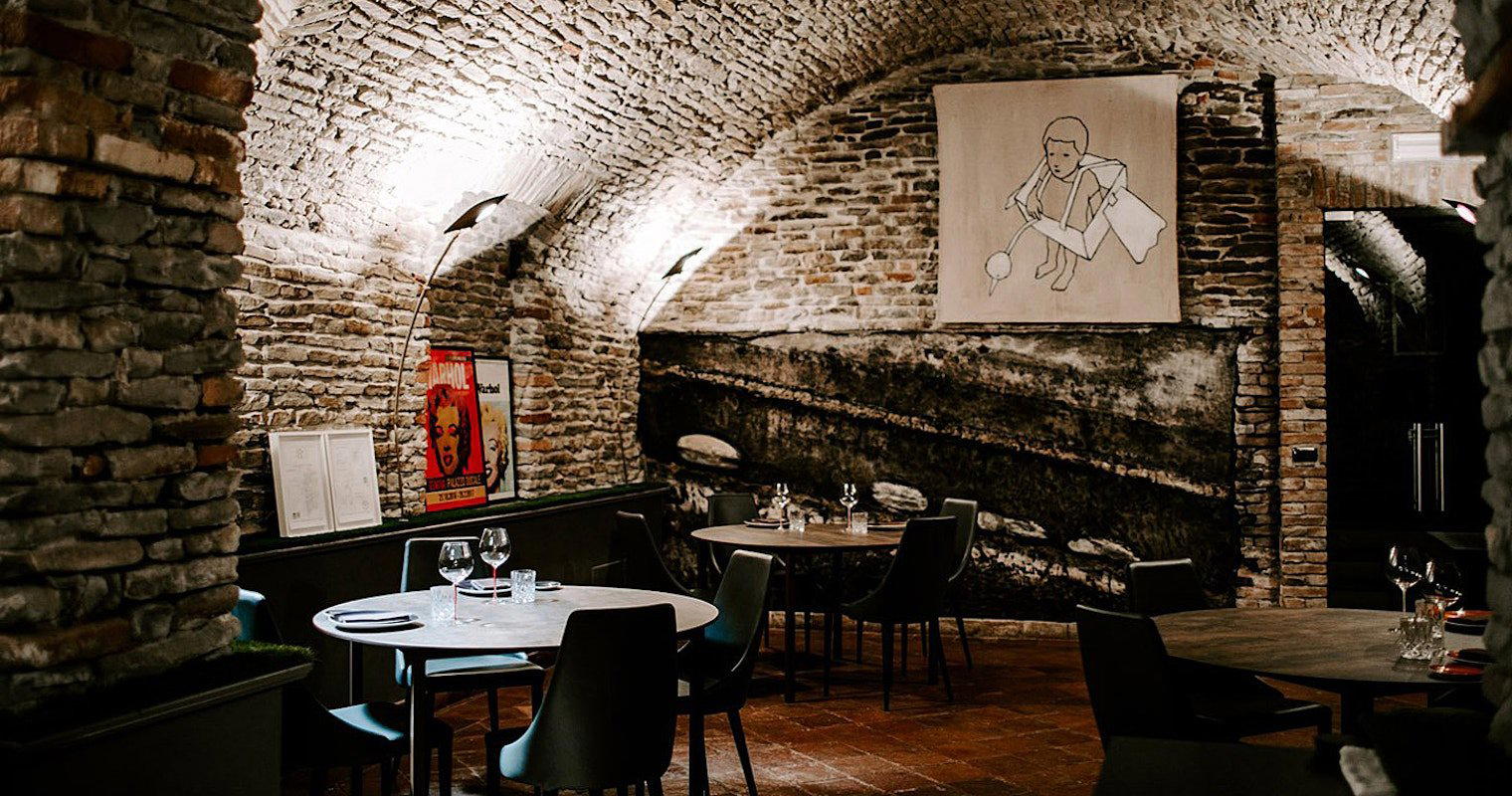
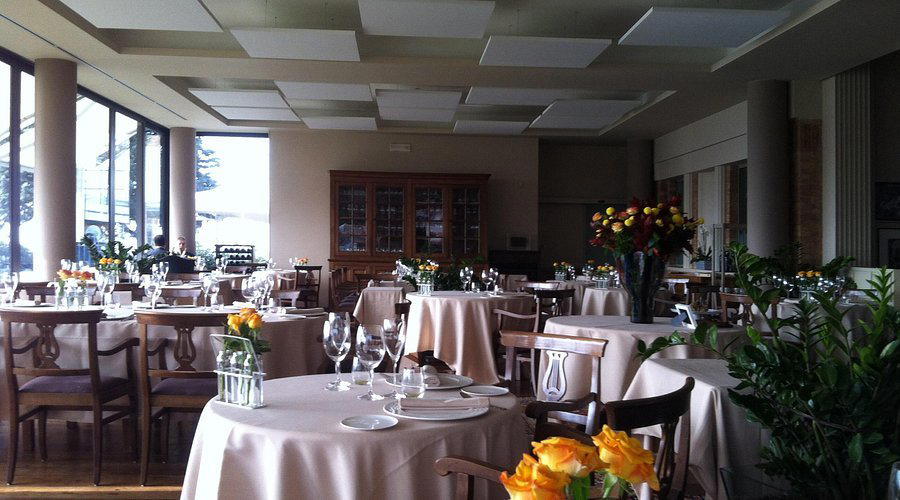
Tranquil and elegant with sophisticated rustic charm, soft natural light, and a relaxing home-away-from-home atmosphere amid lush greenery.