
Michelin Selected for 2025, Petronilla occupies a historic address in Bergamo's lower city at Via San Lazzaro 4, positioning itself within a small tier of design-conscious boutique hotels that have reframed what overnight accommodation means in a city better known for its medieval hilltop citadel. For travellers treating Bergamo as a destination rather than an airport stopover, it is a considered choice.
Pearl is the En Primeur Club membership app — saves, bookings, and concierge access live there. Same editors, same standards.
- Address
- Via San Lazzaro 4, Bergamo, Italy
- Phone
- +39 035 271376
 Saves & bookings on Pearl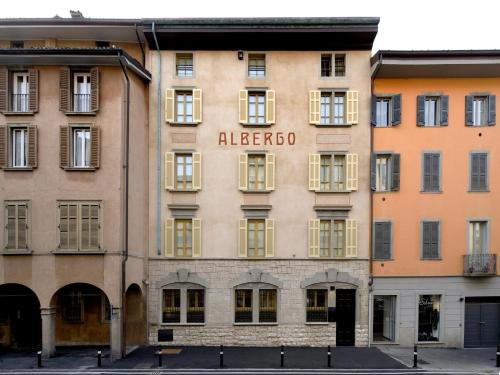
Bergamo's Boutique Hotel Tier and Where Petronilla Sits Within It
Bergamo has spent the better part of two decades shedding its reputation as a transit city, somewhere you pass through on the way to Milan or the lakes, and building a case for itself as a destination with its own cultural gravity. The UNESCO-listed Città Alta, the Accademia Carrara with its undersung collection of Raphael and Botticelli, the aperitivo culture along Via Colleoni: these are not supporting acts for somewhere else. They are the programme. The hotel market has responded to that shift, if unevenly. Most of the city's accommodation still leans toward the functional end of the spectrum, designed for the business traveller or the quick weekend visitor. A smaller cohort has moved in the opposite direction, investing in design, historic fabric, and the kind of service architecture that treats the building itself as part of the editorial. GombitHotel represents one version of that approach in the upper town; Petronilla, a 4-star hotel at Via San Lazzaro 4 in Bergamo, represents another.
Michelin's hotel selection programme has included Petronilla in its 2025 cohort. The Michelin Selected designation does not rank properties against each other, but it does signal a threshold of quality in accommodation, comfort, and character that the inspectors consider worth directing travellers toward. In Bergamo's context, where the premium boutique tier is small and the competition from nearby cities is considerable, that signal carries weight. It places Petronilla in a peer conversation that extends well beyond Lombardy and into properties like Casa Maria Luigia in Modena and Corte della Maestà in Civita di Bagnoregio, both of which occupy a similar niche: independently-minded, design-attentive, and anchored in a specific place rather than a global brand identity.
The Physical Address and What It Communicates
Via San Lazzaro sits in Bergamo Bassa, the lower city, away from the tourist concentration of the Città Alta but within easy reach of it, the funicular is a short walk, and the upper town's medieval gates are visible from much of the surrounding area. Lower Bergamo operates at a different register than the hilltop: it is where the city's day-to-day life runs, where the covered Sentierone boulevard hosts morning coffee and evening passeggiata, where the Teatro Donizetti anchors the cultural calendar. A hotel here is not positioning itself as a viewing platform for the old town; it is positioning itself inside the working fabric of the city.
That street-level, embedded quality matters in how premium boutique hotels are now evaluated. The shift across northern Italian cities has been away from grand lakeside palaces and toward buildings that carry a specific local history, former palazzi, convents, industrial conversions, and translate that history into contemporary comfort without erasing it. Il Sereno in Torno took the modernist direction on Lake Como; Passalacqua in Moltrasio went the other way, into restored historic grandeur. Petronilla, operating at a more intimate scale in an urban setting, occupies a different position on that spectrum, one where the neighbourhood itself is part of what the property is selling.
Design-Led Hospitality in Northern Italy's Mid-Tier Cities
The design credentials of Italy's most discussed hotels tend to cluster around a handful of cities: Venice, Florence, Rome, and to a growing extent Milan. Properties like Aman Venice, Four Seasons Hotel Firenze, and Bulgari Hotel Roma operate with resources and brand infrastructure that set them apart from anything in a city of Bergamo's scale. But the editorial conversation has been moving. Travellers with established knowledge of those headline properties are increasingly looking at what the secondary cities offer, places where the price-to-experience ratio is more generous and the sense of local specificity is harder to replicate at scale.
In that frame, a Michelin Selected boutique hotel in Bergamo is not competing with Portrait Milano or the Rosewood Castiglion Del Bosco for the same traveller. It is competing for a specific decision point: the traveller who has already done the obvious Italian itinerary and is now making more granular choices, selecting a base that gives access to Bergamo's own character rather than treating the city as a logistical convenience. Orio al Serio airport, which handles a significant volume of low-cost European traffic, sits approximately five kilometres from central Bergamo, but framing Petronilla as an airport hotel would be a category error. The property's Michelin Selected status is not earned by proximity to a runway.
For comparison points further afield, the Italian properties that attract the closest structural parallel are those where design ambition and local rootedness sit above scale: Castel Fragsburg in Merano, Bellevue Hotel & Spa in Cogne, and even coastal properties like Borgo Santandrea on the Amalfi Coast share the same editorial argument: the setting and the building make the stay, not the brand.
Planning a Stay: Practical Orientation
Petronilla's address at Via San Lazzaro 4 puts guests in the lower city, within walking distance of Bergamo's main rail connections and the funicular base station for the Città Alta. Orio al Serio airport connects the city to a wide network of European destinations, making Bergamo more accessible than its relative obscurity suggests. For visitors using the property as a base for the broader region, Lake Iseo lies roughly thirty kilometres to the west, and the wine country of Franciacorta is within the same radius, a consideration for those whose travel runs parallel to the our full Bergamo restaurants guide and the city's food and drink scene.
Given the small scale typical of Michelin Selected boutique properties in northern Italian cities, advance booking is advisable for peak travel periods, particularly during Bergamo's spring and early autumn seasons when the Città Alta is at its most visited.
Petronilla occupies its own specific niche in that map: northern, urban, historically embedded, and recognised by one systematic hotel inspection programme in European hospitality.
Comparison Snapshot
Comparable venues nearby, for context on price, style, and recognition.
| Venue | Cuisine | Price | Awards | Notes |
|---|---|---|---|---|
| PetronillaThis venue — the venue you are viewing | Historic boutique hotel blending past intimacy with modern design. | $$$ | 4-Star | Not listed |
| GombitHotel | Historic boutique in renovated medieval tower with contemporary accents. | $$$ | 4-Star | Citta Alta |
| Worldhotel Casati 18 | Recently renovated boutique hotel blending historic architecture with modern Italian design | $$$ | 4-Star | Porta Venezia |
| Bajaloglia Resort | Contemporary resort-style hillside retreat | $$$ | 4-Star | Castelsardo |
| Arté Boutique Hotel | Renaissance palazzo reimagined as a contemporary luxury boutique hotel with curated Italian design and refined aesthetics. | $$$ | 4-Star | San Niccolo |
| Hotel Italia Palace | Historic Belle Epoque villa restored with modern comforts | $$$ | 4-Star | Sabbiadoro |
Recognition history
Dated appearances from independent guides and award organizations, with the underlying list record or original source where available.
Michelin Selected
Michelin
At a Glance
- Intimate
- Quiet
- Modern
- Classic
- Elegant
- Sophisticated
- Romantic Getaway
- Weekend Escape
- Business Trip
- Historic Building
- Design Destination
- Wi Fi
- Concierge
- Valet Parking
- Bar
- Fitness Center
- Sauna
- Hot Tub
- Laundry Service
- Street Scene
- Garden
- Wi Fi
- Concierge
- Valet Parking
- Bar
- Fitness Center
- Sauna
- Hot Tub
- Laundry Service
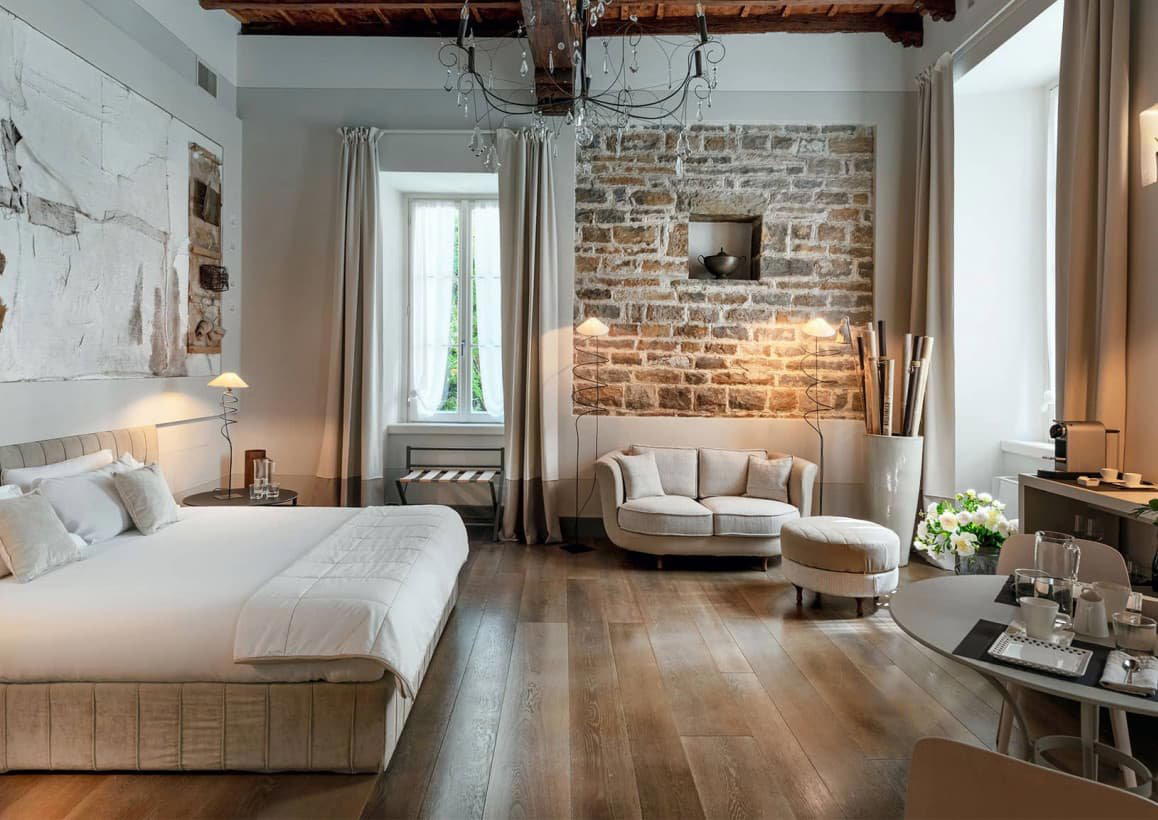
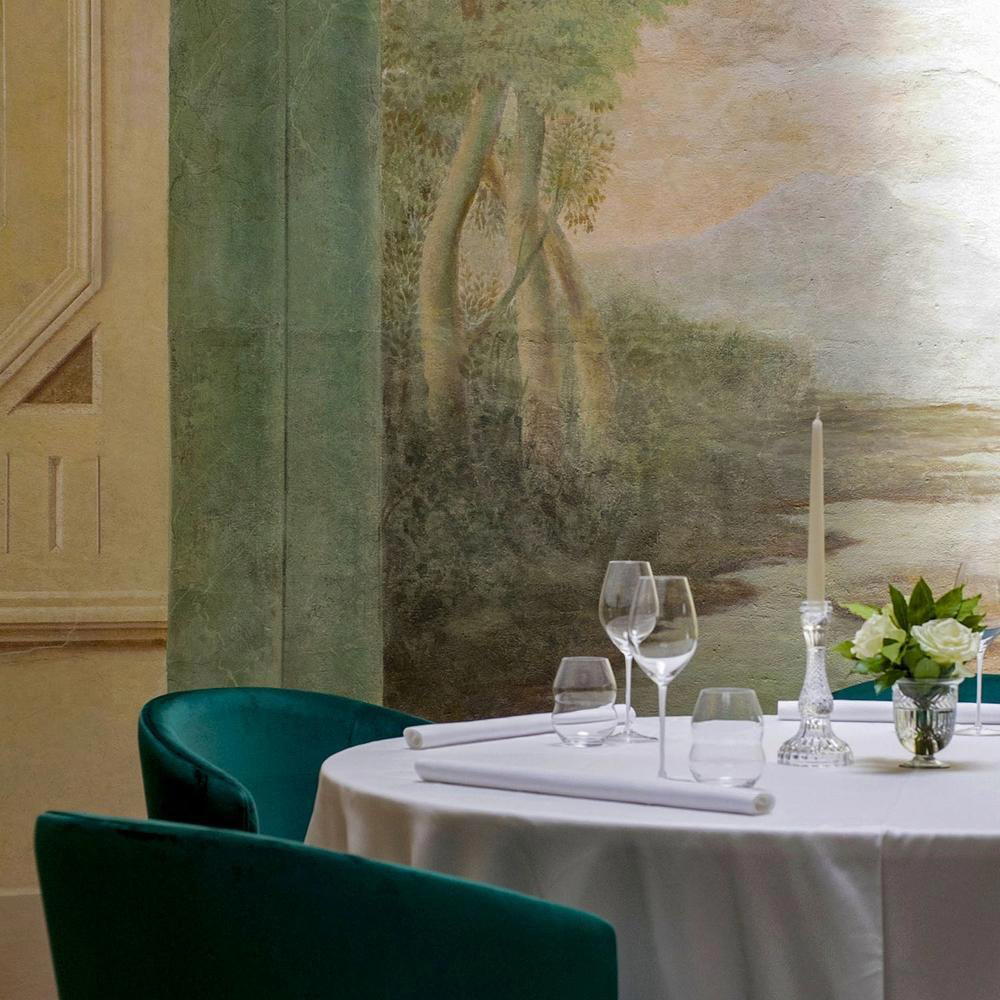
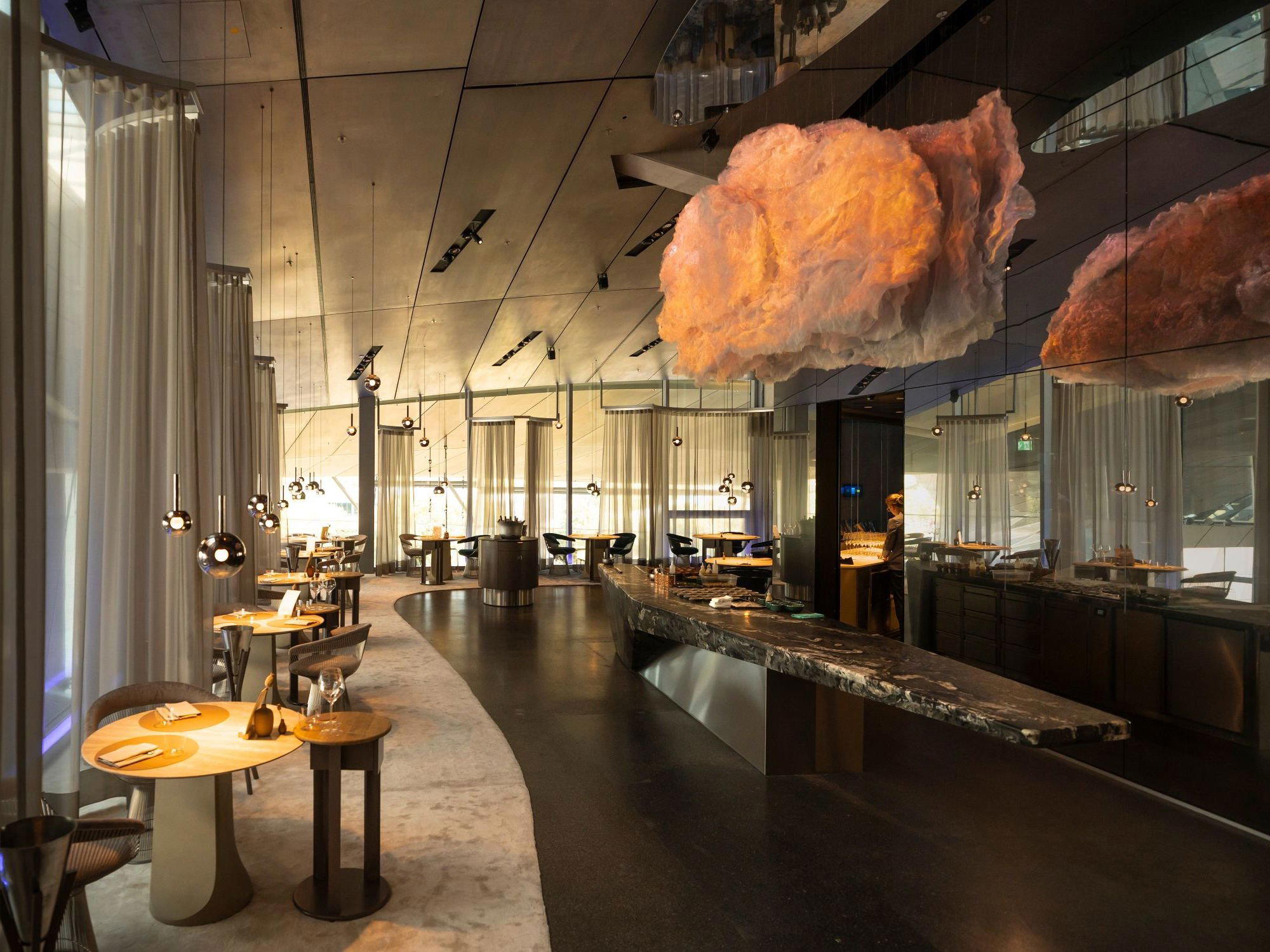
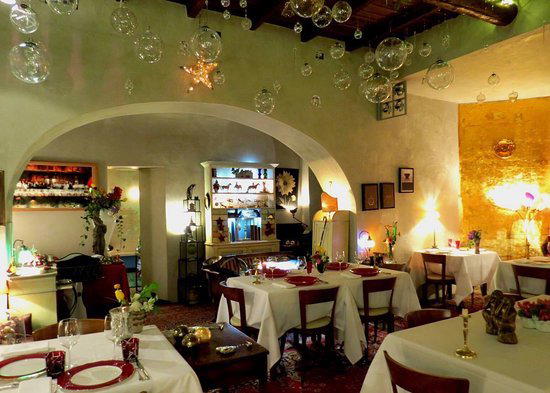
Refined, intimate, and quietly luxurious, with the feel of a restored historic building paired with contemporary design elements; guests and guides describe it as calm and elegant, with a pleasant breakfast/communal area and a secluded central-city setting.