
Star Wine List
In the centre of the village of Barolo, La Vite Turchese is the kind of address that earns genuine affection rather than algorithmic praise. The atmosphere is friendly and unhurried, the setting is rooted in the Langhe hills, and the drinks programme draws directly from one of Italy's most serious wine-producing territories. For anyone spending time in Piedmont's wine country, this is a natural stop.

Pearl is the En Primeur Club membership app — saves, bookings, and concierge access live there. Same editors, same standards.
- Address
- Via Alba, 5, 12060 Barolo CN, Italy
- Phone
- +39 366 455 6744
- Hours
- Mon 3–8 PMTue ClosedWed 3–8 PMThu 2–8 PMFri–Sat 11 AM–9 PMSun 11 AM–8 PM
- Website
- laviteturchese.it
- Directions
- Get directions
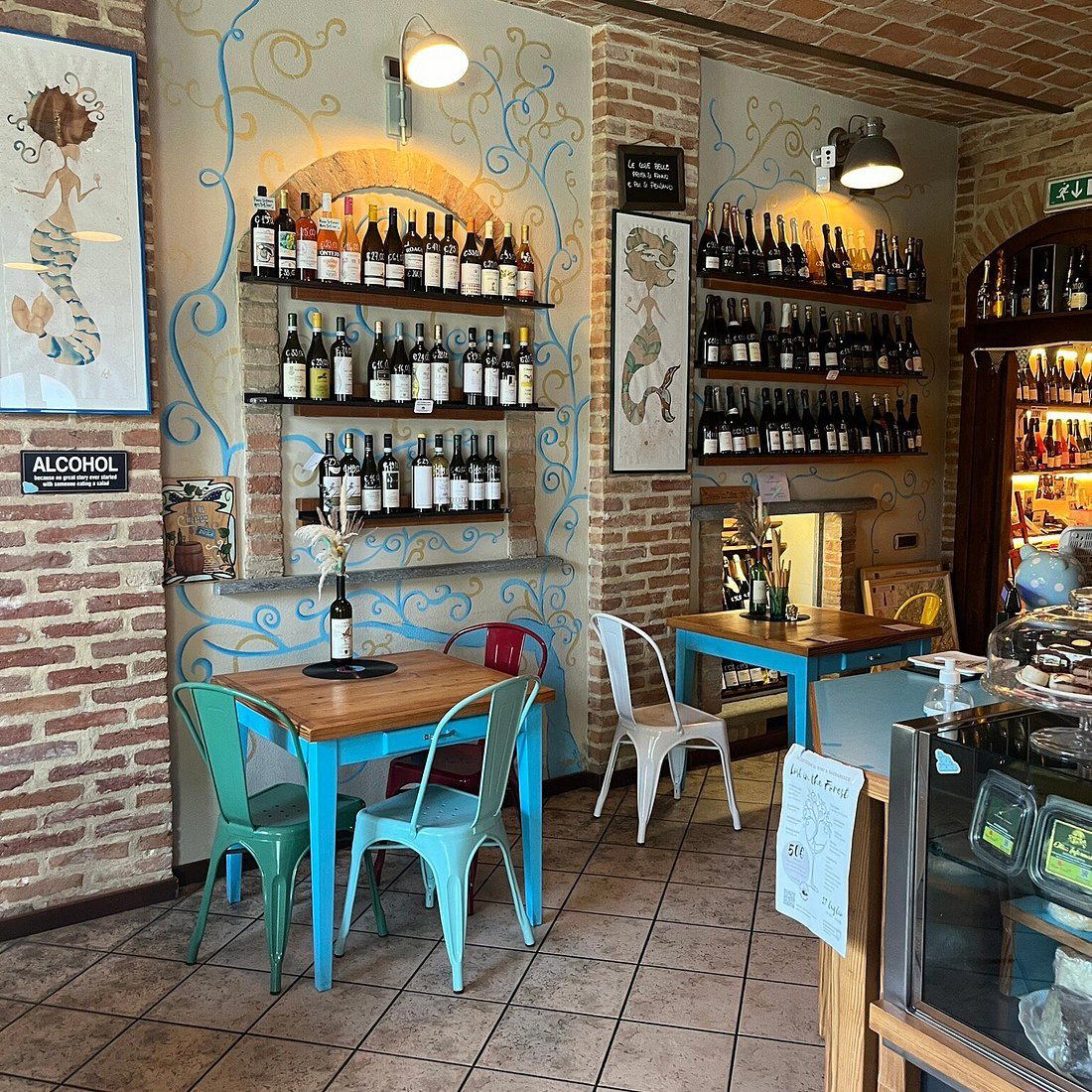
A Village Bar in the Heart of Nebbiolo Country
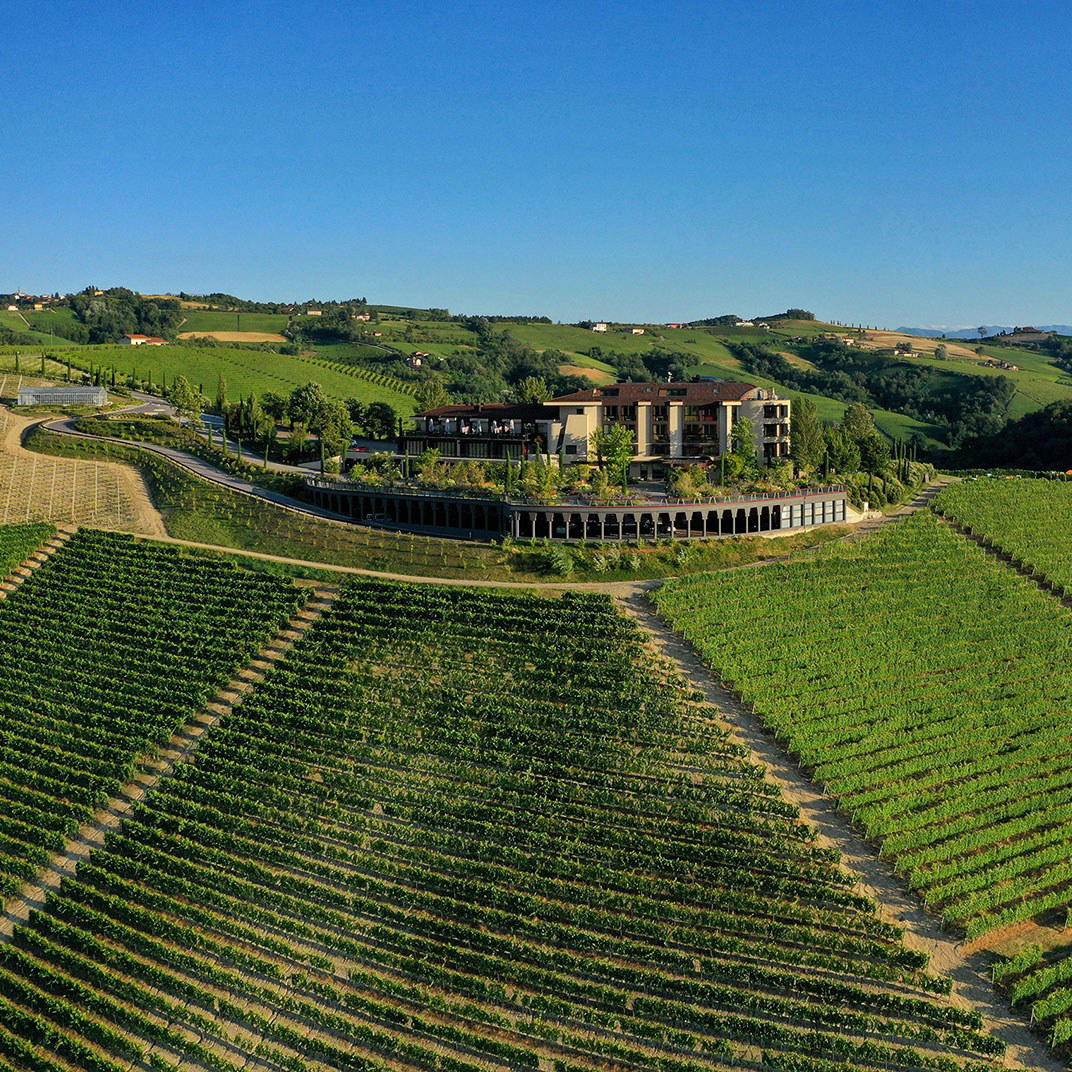
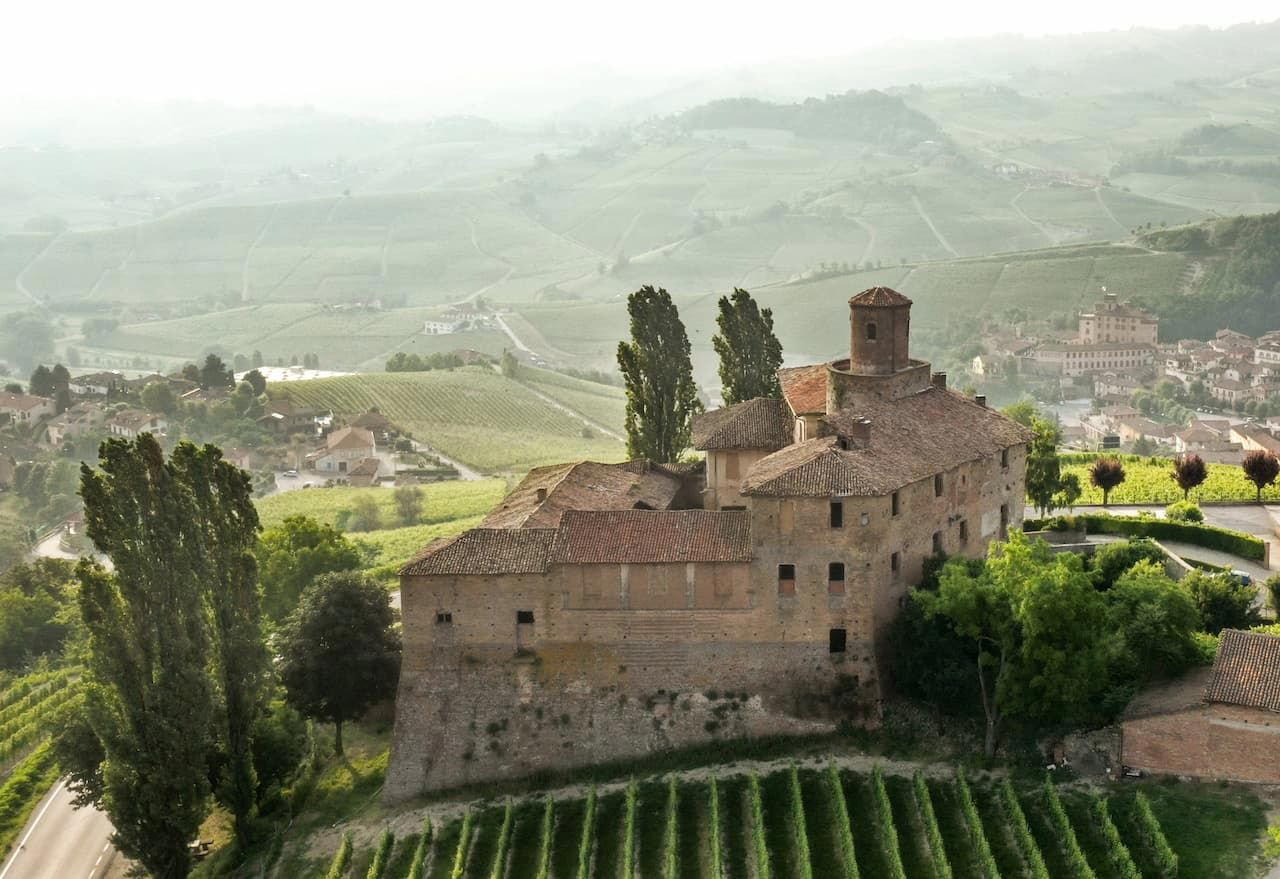
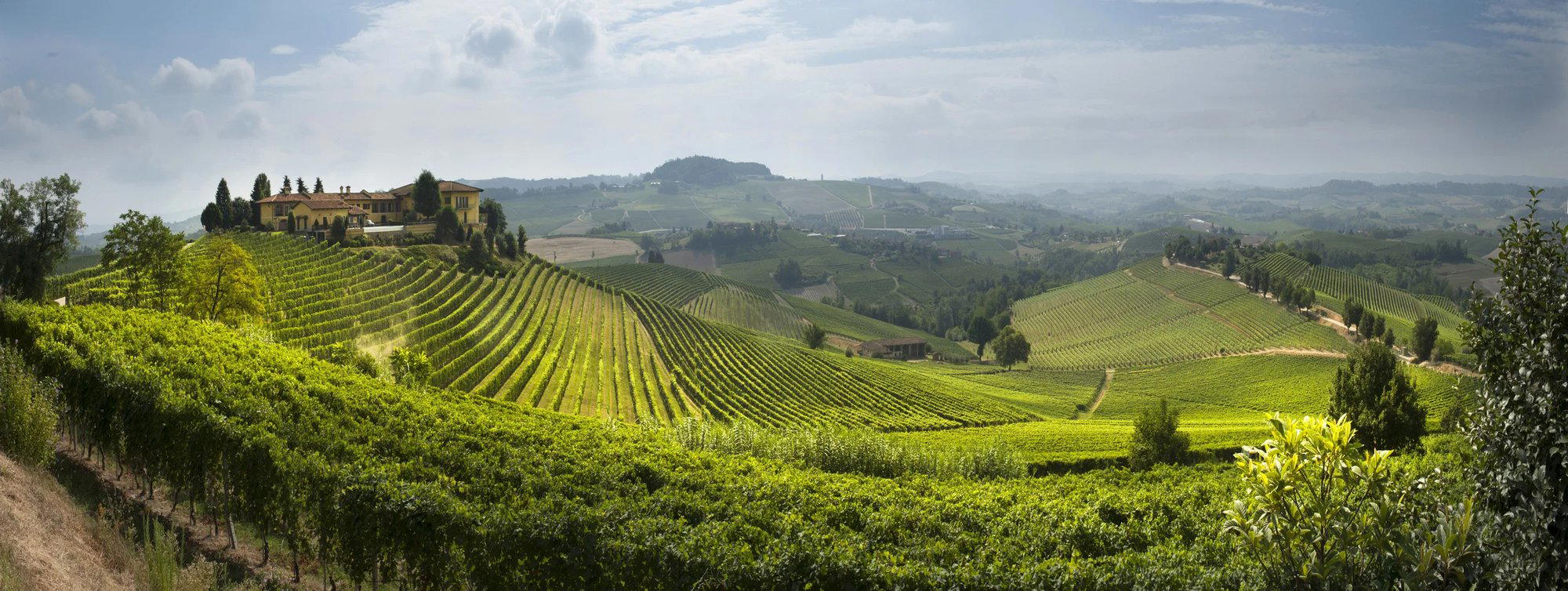
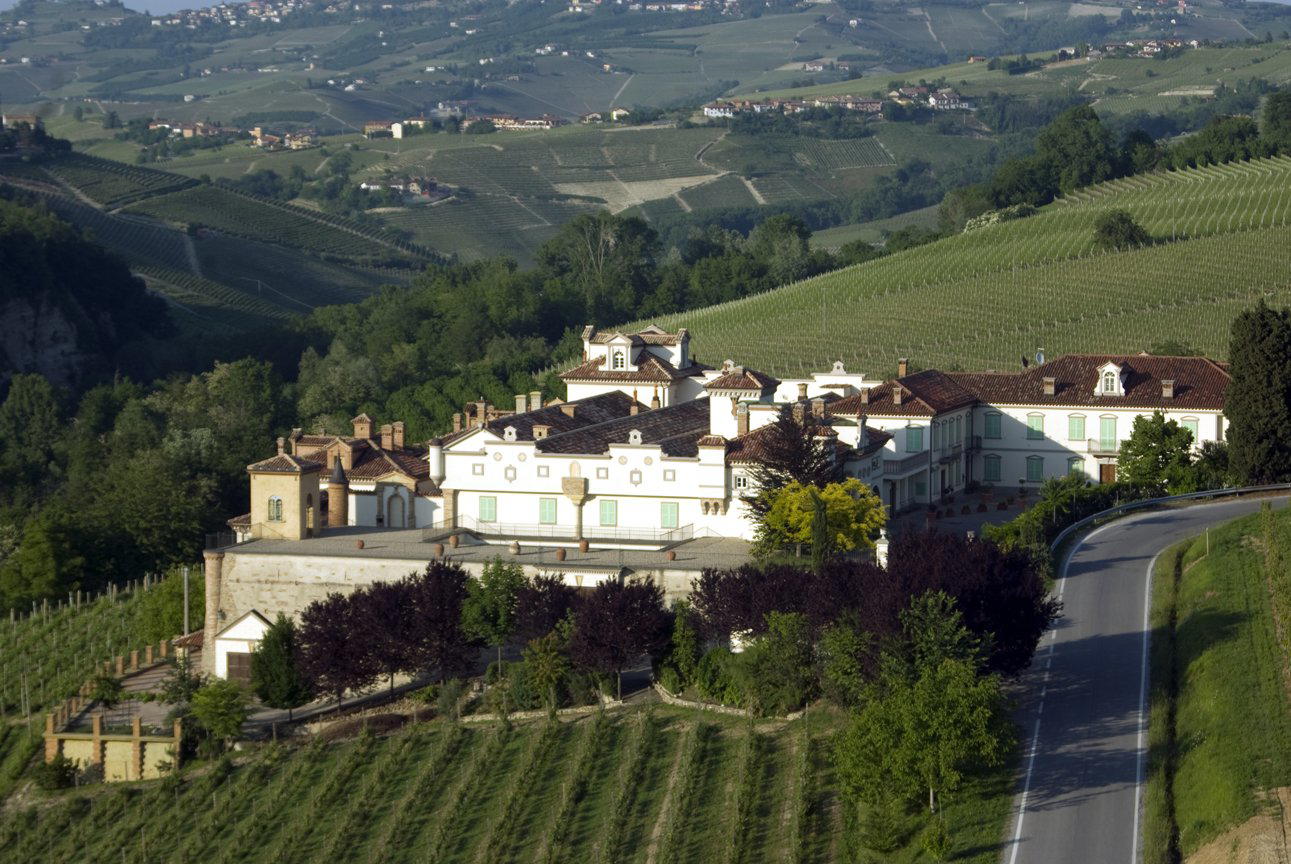
Barolo is a small village that carries considerable weight in the wine world. The Langhe hills that surround it produce Nebbiolo in some of Italy's most scrutinised growing zones, and the village itself attracts a steady flow of producers, importers, and serious wine travellers who know the region well. In that context, the local bars and enotecas function as something more than casual pit stops: they are part of how the wine culture is transmitted, informally, from the people who live here to the people passing through.
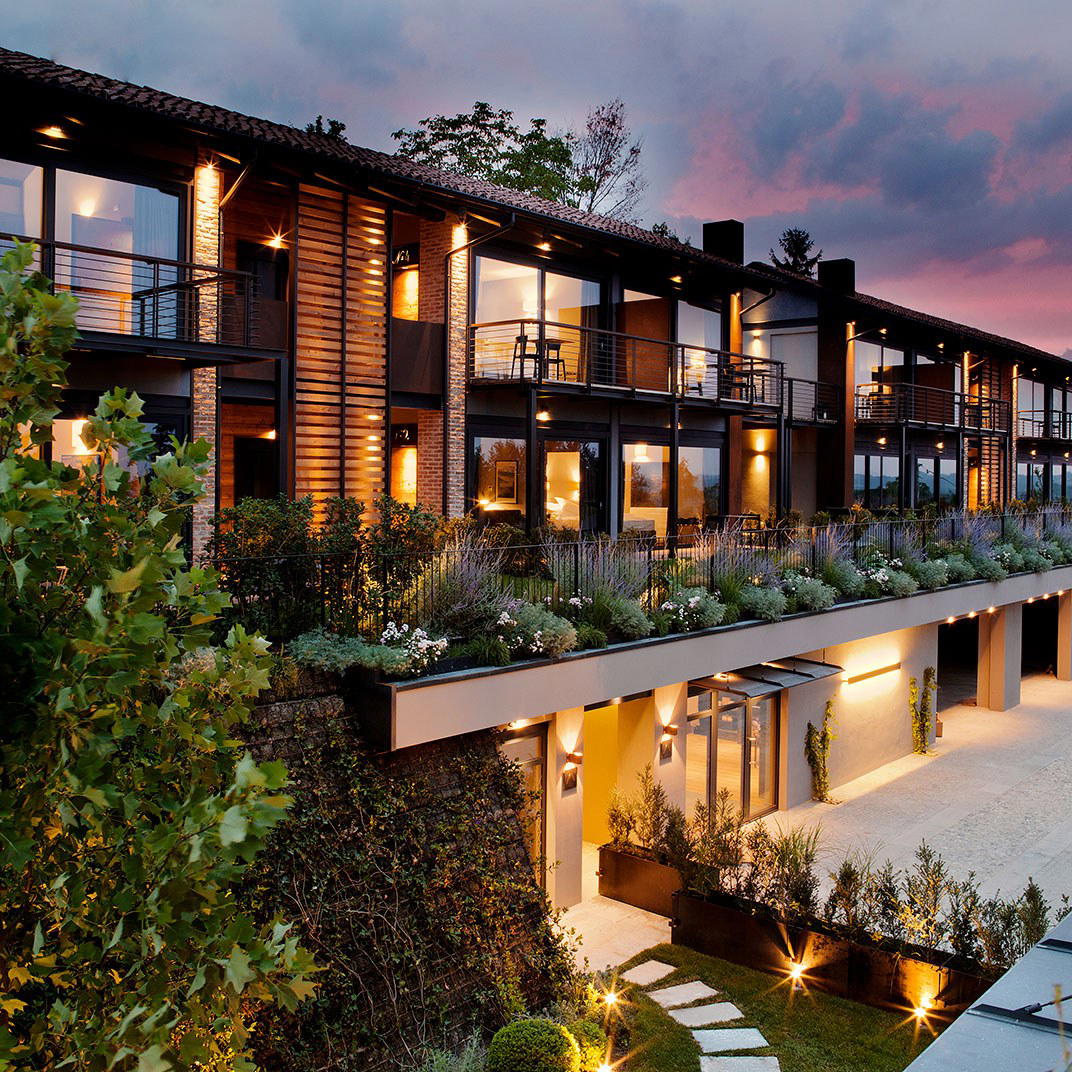
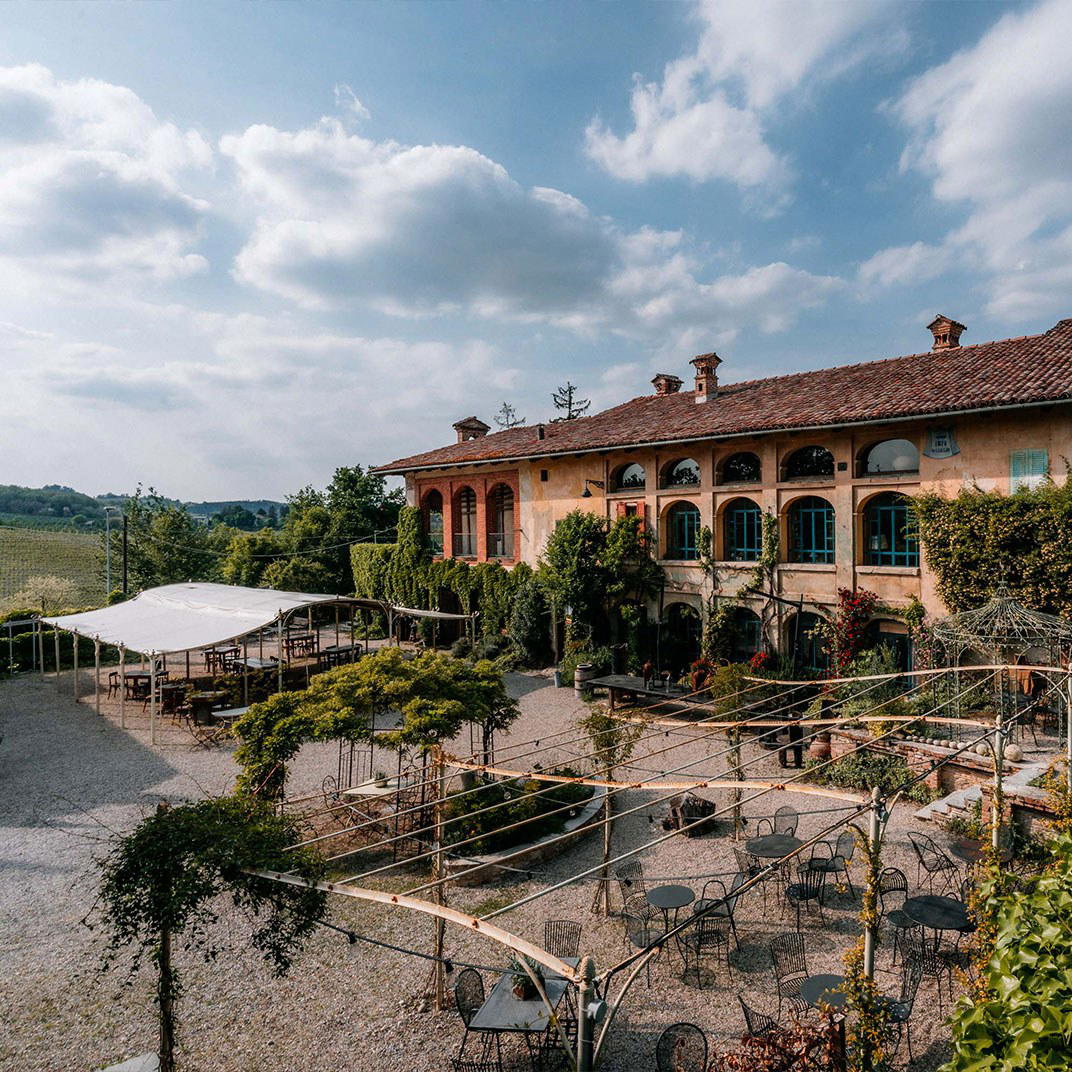
La Vite Turchese sits on Via Alba in the centre of the village, which places it at the social core of Barolo rather than on its periphery. In a settlement this size, location within the village carries a different weight than it would in a city: central means you are part of daily life, visible to locals and visitors alike, present in the rhythm of the place. That position shapes the atmosphere in ways that a more remote or destination-focused address would not achieve. For context on how this fits within the broader scene, our full Barolo restaurants guide maps the territory in more detail.
The Drinks in a Piedmontese Context
Italy's serious drinking culture has, in recent years, concentrated much of its critical attention on urban cocktail programmes. Bars like 1930 in Milan and Drink Kong in Rome have built internationally recognised reputations around technical cocktail work and structured programmes. Gucci Giardino in Florence and L'Antiquario in Naples represent a different angle again, each operating within a distinct urban identity. What separates a village address in the Langhe from these city programmes is not a question of quality but of orientation: in Barolo, the drinks conversation starts and often ends with local wine, and the context for what you are drinking is literally growing on the hillsides outside.
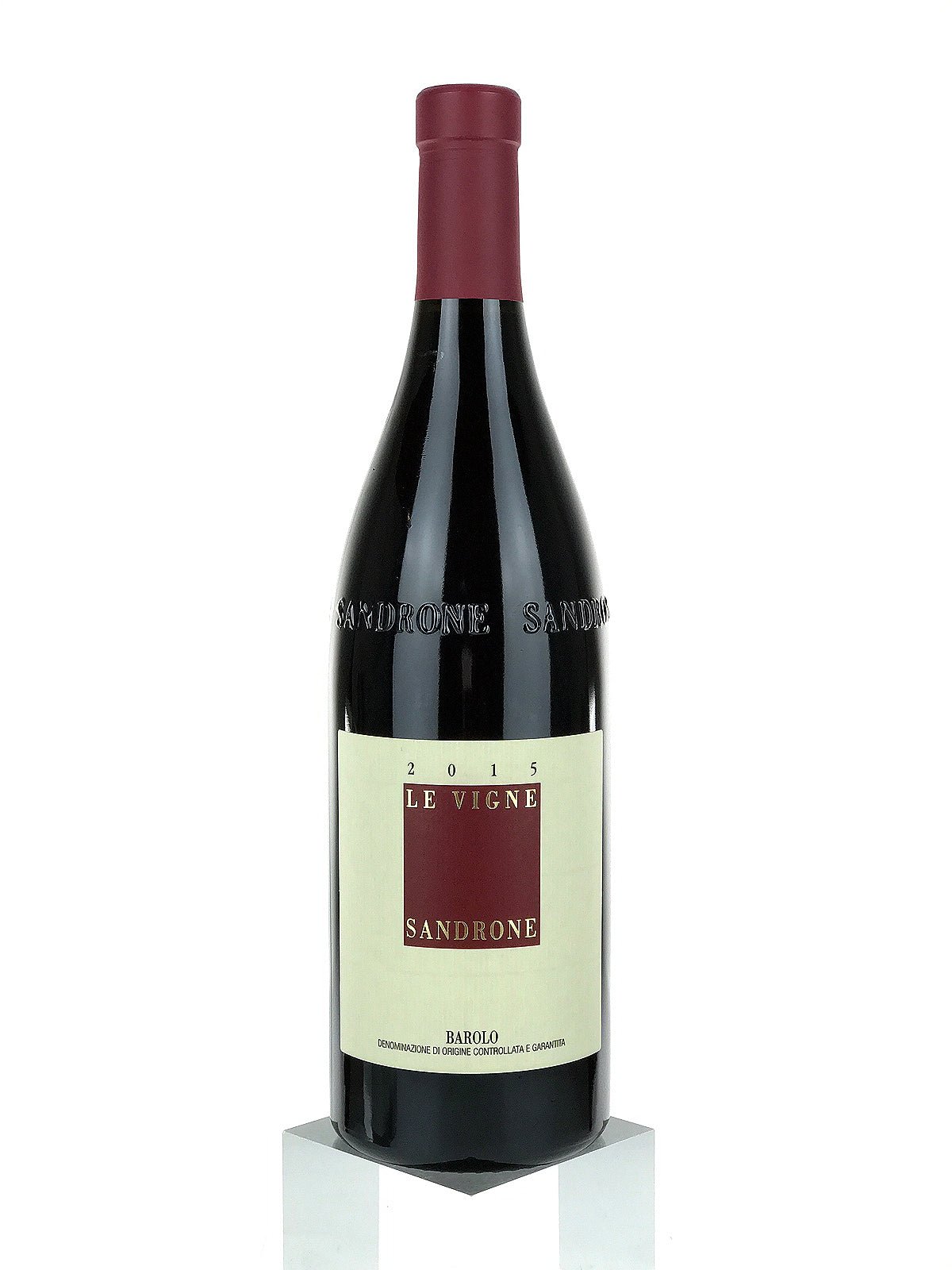
The Nebbiolo grape, which is responsible for both Barolo and Barbaresco DOCG wines, produces something that demands patience: high tannin, pronounced acidity, and an aging curve that rewards those who understand when to open a bottle. A bar in the village of Barolo is, almost by default, one of the better places on earth to drink these wines in context. The surrounding enoteca tradition in northern Italy, visible in places like Bologna and Turin, shares a philosophy: that wine should be accessible, explained rather than mystified, and served in an atmosphere that does not require a formal dinner as the price of entry.
La Vite Turchese operates in this enoteca-adjacent mode. The name itself, translating loosely to the turquoise vine, signals a certain lightness of touch: this is not a cellar operation presenting library vintages under museum conditions. It is a place where the wine is present, local, and approachable, and where the setting invites you to stay longer than you planned.
What the Atmosphere Actually Delivers
The village of Barolo holds fewer than 700 permanent residents. The bars that survive here do so because they serve the community first and visitors second, and La Vite Turchese has built its reputation on exactly that quality of friendliness and ease. First-hand accounts from people who have spent time in the Langhe consistently describe it as the kind of address that earns genuine affection during extended stays in the region rather than a single celebrated visit.
That distinction matters. A bar that earns loyalty from people living in an area is operating at a different register than one that captures a single impressive visit. The latter can be achieved through spectacle; the former requires consistency, warmth, and a genuine integration into local life. Across Italy's bar culture, from Fauno Bar in Sorrento to Bistrot Torrefazione Samambaia in Turin, the addresses that hold over time share this quality: they work for people who return, not just for people passing through.
The physical setting in central Barolo reinforces this dynamic. The village is compact enough that arriving at Via Alba 5 from anywhere else in Barolo takes only a few minutes on foot, and the address is close enough to the Castello di Barolo and the Museo del Vino that it falls naturally into any afternoon spent exploring the village properly.
Barolo as a Drinking Destination
Wine tourism in Piedmont has matured considerably. The region now draws visitors who have done their homework: they know the difference between a Serralunga and a La Morra Barolo, they have a list of producers to visit, and they are looking for places to drink and eat that match the seriousness of the wines. At the same time, the Langhe retains a hospitality culture that has not overcorrected toward the formal and the transactional. The village bars, the small enotecas, and the family-run restaurants still operate with a directness that larger wine tourism destinations sometimes lose.
Internationally, bars in specialist drinking destinations tend to split between those that perform their setting for visitors and those that simply are what they are. The second category, found in places as different as Al Covino in Venice, Cascate del Mulino in Manciano, and further afield at Lost and Found in Nicosia, tends to hold up better over time and across different types of visitor. La Vite Turchese reads as part of that second category in the way it is described by people who know the Langhe well.
Planning Your Visit
Barolo is leading reached by car from Alba, which sits roughly 15 kilometres to the north and is the main transport hub for the Langhe. The drive through the vineyard hills is part of the experience of arriving in the village. Via Alba is the main street through the centre, and La Vite Turchese at number 5 is direct to locate on foot once you are in the village. Given the scale of the location, walk-in visits during quieter periods are likely the norm, though visiting during harvest season in October or during summer weekends will mean the village is considerably busier with wine tourists and trade visitors. For those planning a longer stay in the region, the drinks culture of the Langhe pairs well with the kind of slow-travel itinerary that includes producer visits, cellar appointments, and unhurried meals. La Vite Turchese fits that rhythm naturally.
Comparable Spots, Quickly
Comparable venues nearby, for context on price, style, and recognition.
| Venue | Cuisine | Price | Awards | Notes |
|---|---|---|---|---|
| La Vite TurcheseThis venue — the venue you are viewing | wine_bar | $20–30 | Star Wine List | Not listed |
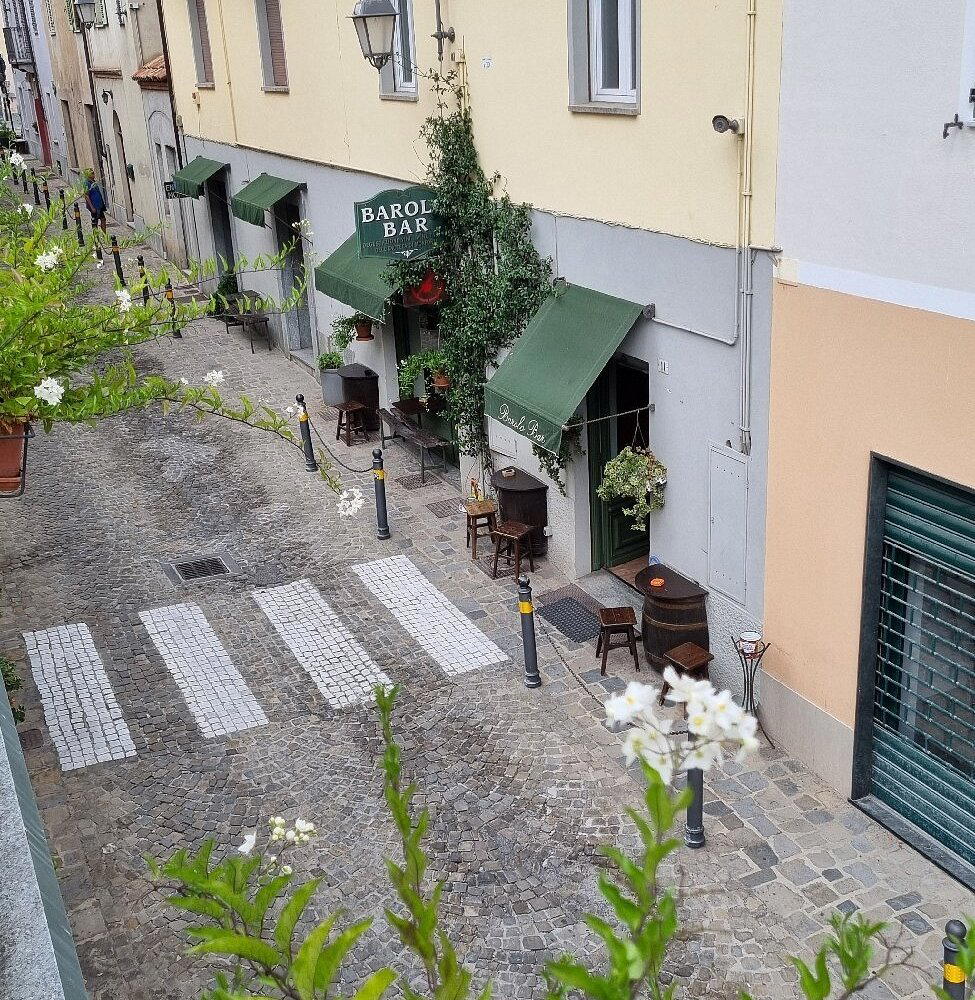
| Barolo Bar | wine_bar | $20–30 | Star Wine List | Monforte d'Alba |
| Ocra Bar | hotel_bar | Not listed | Not listed | Centro |
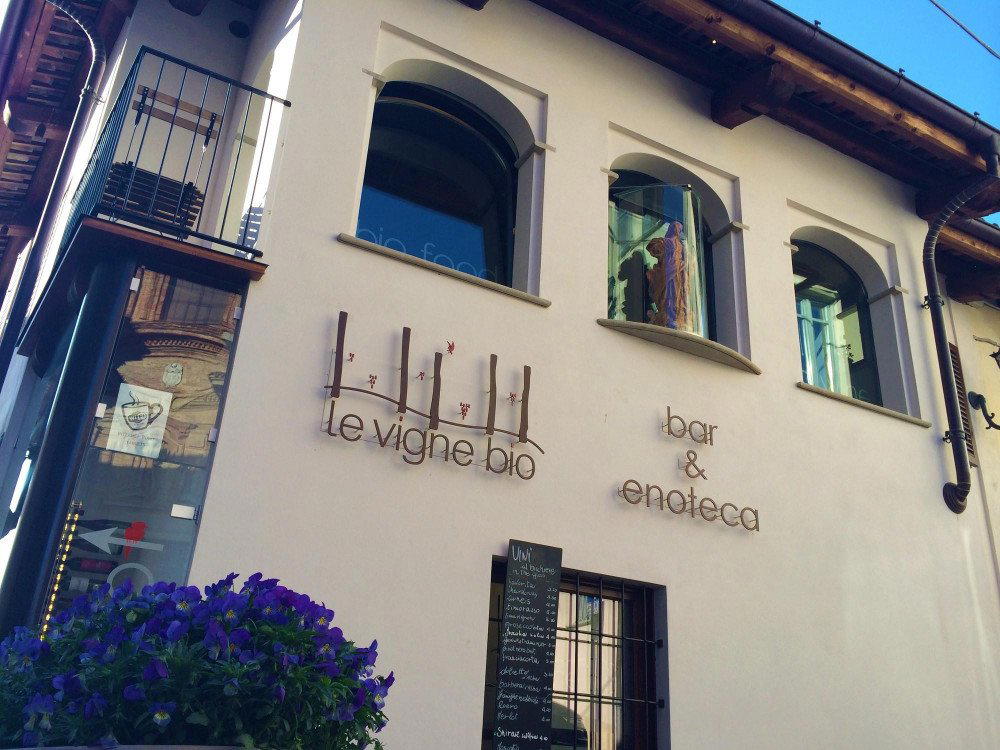
| Le Vigne Bio | wine_bar | Not listed | Star Wine List | La Morra |
Recognition history
Dated appearances from independent guides and award organizations, with the underlying list record or original source where available.
Star Wine List
Star Wine List
Continue exploring
More in Barolo
Bars in Barolo
Browse all →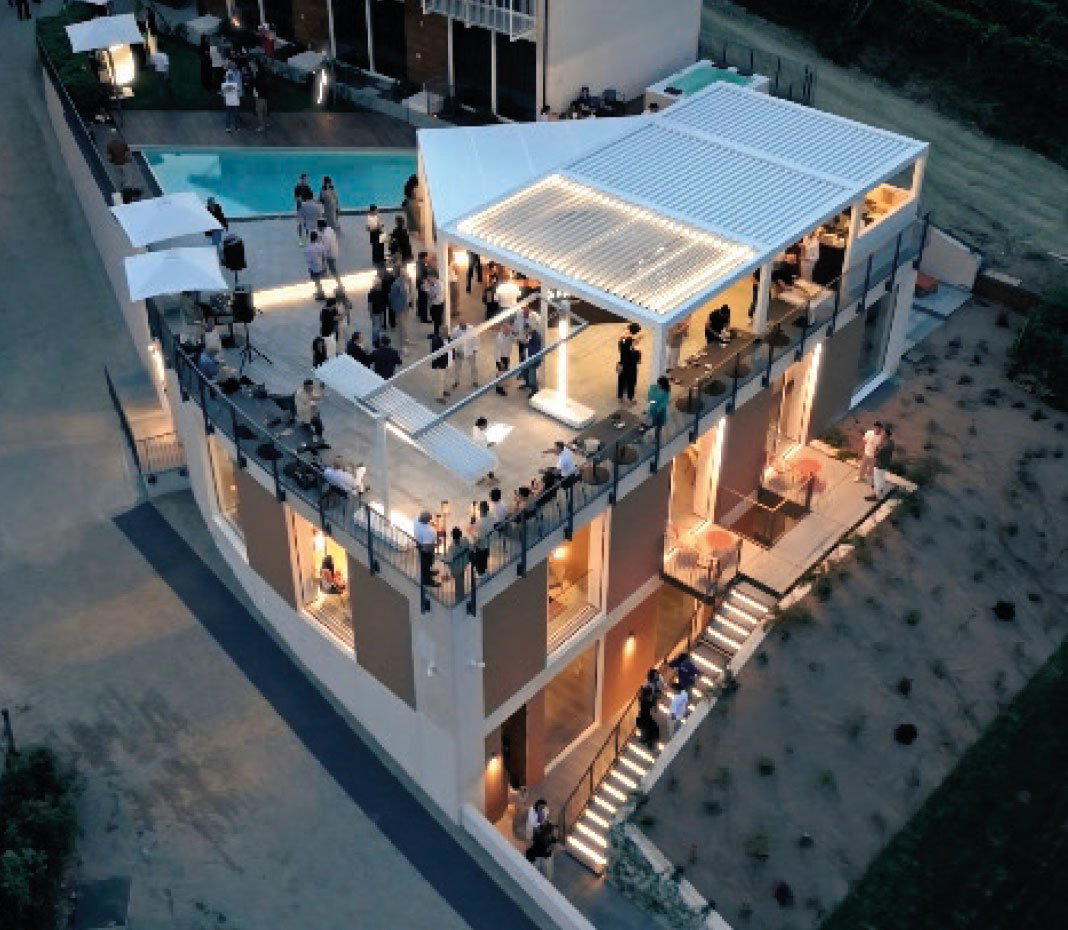
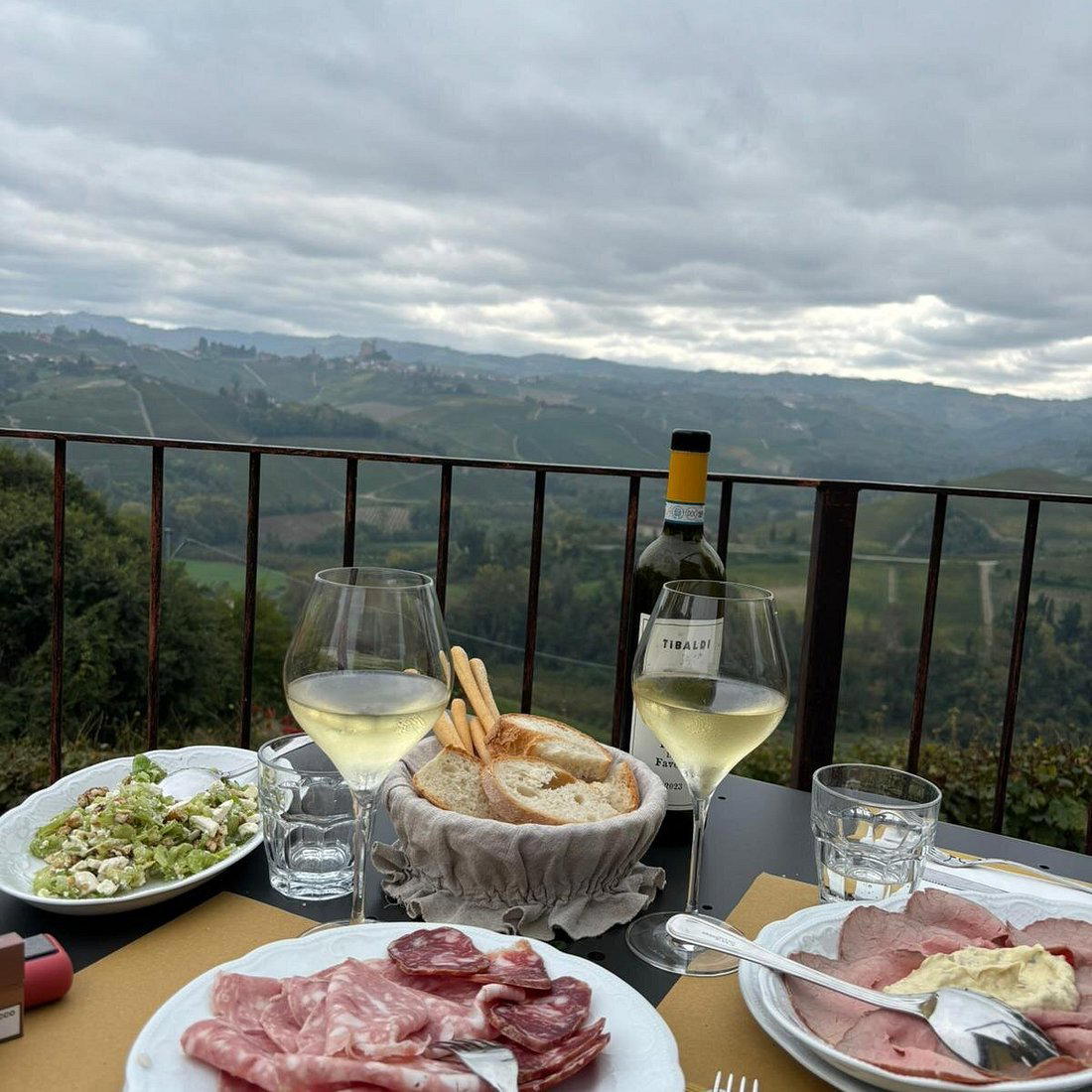
Restaurants in Barolo
Browse all →
Hotels in Barolo
Browse all →
Details
- Cozy
- Intimate
- Rustic
- Elegant
- Date Night
- Casual Hangout
- Special Occasion
- Standalone
- Seated Bar
- Communal Tables
- Conventional Wine
- Natural Wine
Current opening hours
- Monday
- 3–8 PM
- Tuesday
- Closed
- Wednesday
- 3–8 PM
- Thursday
- 2–8 PM
- Friday
- 11 AM–9 PM
- Saturday
- 11 AM–9 PM
- Sunday
- 11 AM–8 PM
Hours can change for holidays and private events. Last verified .
Cozy and welcoming wine shop atmosphere with knowledgeable staff creating an educational and relaxing tasting experience.