Takefue (竹ふえ)
Takefue sits in the mountain onsen village of Minamioguni in Kumamoto Prefecture, occupying a category of ryokan where the architecture does as much work as the hospitality. The property draws from the Kurokawa Onsen region's tradition of timber and water design, positioning it among Japan's more considered rural retreats for travellers who weight physical environment heavily in their decision-making.
 Discover on Pearl
Pearl is the En Primeur Club membership app — saves, bookings, and concierge access live there. Same editors, same standards.
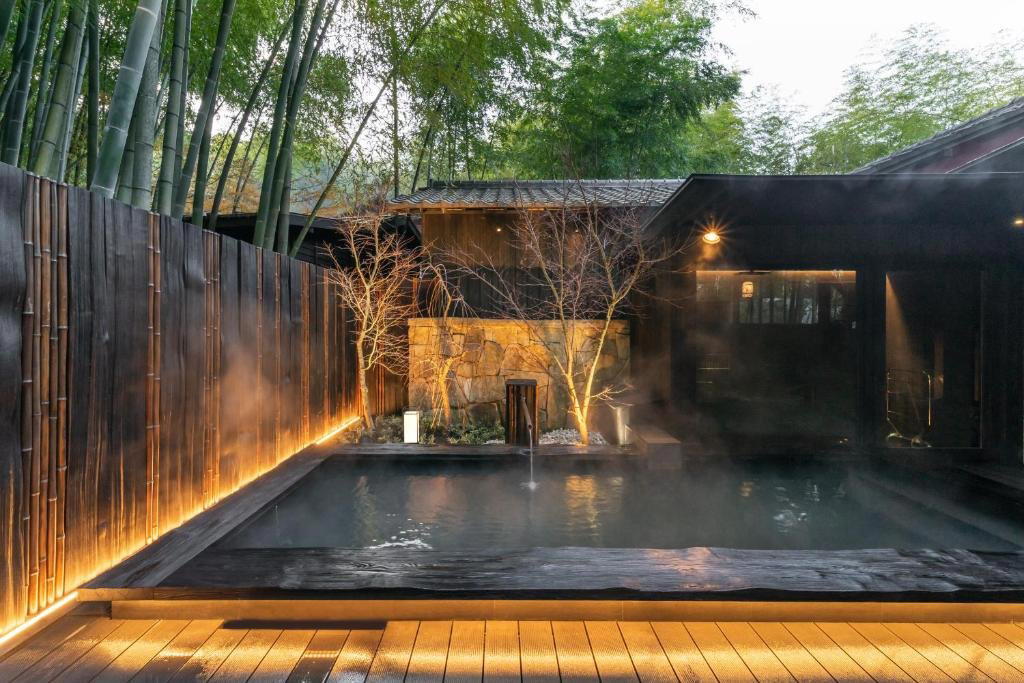
Where Architecture and Landscape Negotiate the Terms
Minamioguni-cho sits in the northern part of Kumamoto Prefecture, tucked into the mountains above the Aso caldera region, one of the largest volcanic systems in the world and one of Japan's more dramatic natural backdrops. The village of Kurokawa, just minutes from Takefue's address in Manzanji, built its reputation over decades not through mass tourism infrastructure but through a collective commitment to architectural restraint: no neon, no concrete towers, no signage that breaks the treeline. That aesthetic discipline, enforced informally across the entire onsen district, is the context into which Takefue arrives.
Within that setting, Takefue represents what happens when the ryokan form is taken seriously as an architectural proposition rather than treated as a hospitality product with traditional styling applied at the surface level. The property works in timber, stone, and water in ways that echo the broader Kurokawa tradition, low-profile structures that defer to the gorge, the bamboo groves, and the cedar forests rather than competing with them. Japan's premium ryokan tier has split over the past two decades between properties that lean into heritage atmosphere and those that renovate toward a cleaner contemporary minimalism. Takefue sits in the latter cohort, where craftsmanship is visible but not ornamental.
For travellers mapping this region against Japan's other destination ryokan properties, the comparison set matters. Amanemu in Mie works at the intersection of Aman scale and hot-spring tradition. Gora Kadan in Hakone and Asaba in Izu carry different regional registers, Hakone's proximity to Tokyo inflects its guest profile, while Izu trends toward a quieter, more literary kind of retreat. Kurokawa and Minamioguni occupy a different tier of remoteness. That friction is, for many guests, part of the proposition.
The Design Argument Takefue Is Making
The ryokan form at its most architecturally considered is not about recreation of a historical template. It is about spatial discipline: the sequence of arrival, the transition from public to private space, the relationship between inside and outside, and the role of water, in the onsen, in the sound of a stream, in the fog rising off a valley, as a structural element of the guest experience. Takefue operates in that tradition, where the design works hardest in the parts most guests spend the least time consciously noticing: the corridor widths, the lighting levels, the placement of a low window that frames a cedar at exactly the right height when you are seated on a tatami mat.
Properties in this category tend toward a limited number of rooms, partly because the labour intensity of kaiseki service and private onsen baths makes scale impractical, and partly because the spatial experience depends on a sense of seclusion. This places Takefue inside a competitive set that includes Zaborin in Kutchan, Bettei Otozure in Nagato, and Araya Totoan in Kaga, properties where low key counts are a deliberate architectural and experiential choice, not a consequence of size.
The Kurokawa area's onsen are fed by geothermal activity connected to the Aso volcanic system, which gives the mineral composition of the waters a distinct character. Properties here have historically maintained private rotenburo, outdoor baths, as a core offering, and the design of those spaces tends to be as considered as the guest rooms themselves. Stone, bamboo, and the sound of running water are not decorative choices in this context; they are functional ones, calibrated to produce a particular quality of stillness.
Ryokan Kaiseki and What It Actually Involves
The kaiseki meal at a destination ryokan of this tier is not a restaurant experience that happens to occur in a Japanese inn. It is a separate and specific tradition: seasonal ingredients sourced at a regional scale, courses that progress through a formal sequence evolved from tea ceremony culture, and a presentation logic that treats the tableware as part of the composition. Kumamoto Prefecture brings its own larder to this format. Akaushi beef from the Aso highlands, freshwater fish from mountain streams, and seasonal vegetables from the volcanic soil region give the kitchen material that differs meaningfully from what a Kyoto or Tokyo kaiseki would deploy. The regional specificity is part of what justifies the remoteness.
Ryokan in this category typically serve dinner in the guest's private room or in a small dedicated dining space, the communal restaurant format that defines urban dining is largely absent. That shift in service architecture changes the pace and register of the meal considerably.
Planning a Stay in This Part of Kumamoto
Minamioguni is not a drop-in destination. Most guests build at least two nights into any visit, partly because travel time from major cities makes a single night poor value for the journey, and partly because the onsen and kaiseki rhythm, bath, rest, dinner, bath, sleep, morning bath, breakfast, requires time to unfold properly. Booking windows for premium ryokan in the Kurokawa area extend several months ahead for peak seasons, particularly during autumn foliage (typically late October through November) and spring, when the mountain landscape shifts dramatically.
For travellers building a longer Japan itinerary around hot-spring architecture, the Kyushu region offers several points of comparison worth considering. ENOWA Yufu in Yufu and ANA InterContinental Beppu Resort and Spa in Beppu address the same volcanic-basin geography from different design and price positions. For those moving between Kyushu and the main island, Nishimuraya Honkan in Kinosaki-cho represents another point on the traditional ryokan spectrum, in a town where the onsen culture is embedded in the public streets rather than confined to private baths. Urban anchors for the broader itinerary might include Bvlgari Hotel Tokyo or HOTEL THE MITSUI KYOTO in Kyoto, both operating at a different register of luxury but useful as bookends for a trip that moves between urban and rural Japan.
Other properties in the wider premium ryokan conversation include Benesse House in Naoshima, Fufu Kawaguchiko in Fujikawaguchiko, Fufu Nikko in Nikko, Sekitei in Hatsukaichi-shi, Beniya Kofuyuden in Awara, Atami Izusan Karaku in Atami, Azumi Setoda in Onomichi, Bettei Senjuan in Minakami, Jusandi in Ishigaki, and Halekulani Okinawa, each sitting in a different regional and design register but sharing the core logic of immersive, place-specific hospitality that defines this tier of Japanese travel.
At-a-Glance Comparison
Comparable venues nearby, for context on price, style, and recognition.
| Venue | Cuisine | Price | Awards | Notes |
|---|---|---|---|---|
| Takefue (竹ふえ)This venue — the venue you are viewing | Traditional farmhouse-style ryokan scattered across expansive bamboo forest grounds. | $$$$ | 5-Star | |
| Gekkoujyu Onsen Ryokan (黒川温泉御処 月洸樹) | Secluded forest hideaway ryokan blending into nature with detached private villas. | $$$$ | 5-Star | Kurokawa Onsen |
| Tekefue | luxury ryokan | $$$$ | , | Minamioguni |
| Sosei Sapporo - MGallery | Historic boutique hotel bridging Sapporo's past and future with frontier spirit. | $$$$ | 5-Star | Chūō |
| Hilltop Resort Fukuoka | Urban ryokan-inspired resort with contemporary Japanese design. | $$$$ | 5-Star | Chūō |
| Fufu Tokyo Ginza | Small luxury resort blending Japanese onsen tradition with urban Ginza location | $$$$ | 5-Star | Ginza |
Continue exploring
More in Minamioguni
Hotels in Minamioguni
Browse all →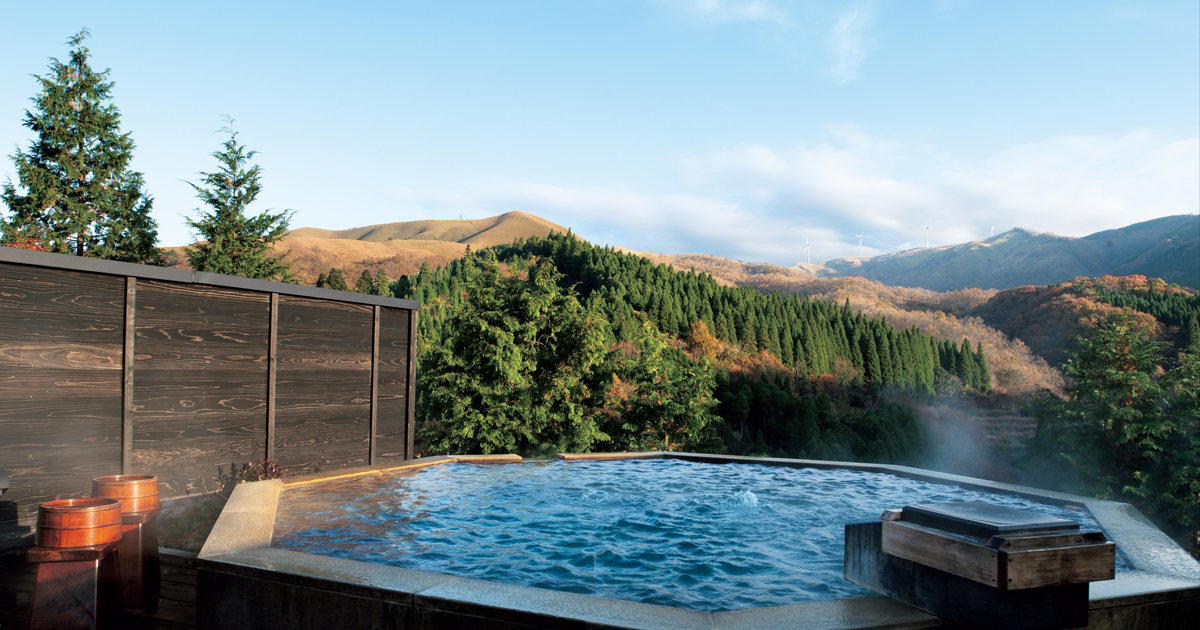
At a Glance
- Rustic
- Quiet
- Scenic
- Cozy
- Elegant
- Intimate
- Romantic Getaway
- Honeymoon
- Wellness Retreat
- Anniversary
- Weekend Escape
- Private Villa
- Panoramic View
- Destination Spa
- Wifi
- Spa
- Hot Tub
- Massage
- Room Service
- Concierge
- Bicycle
- Garden
- Mountain
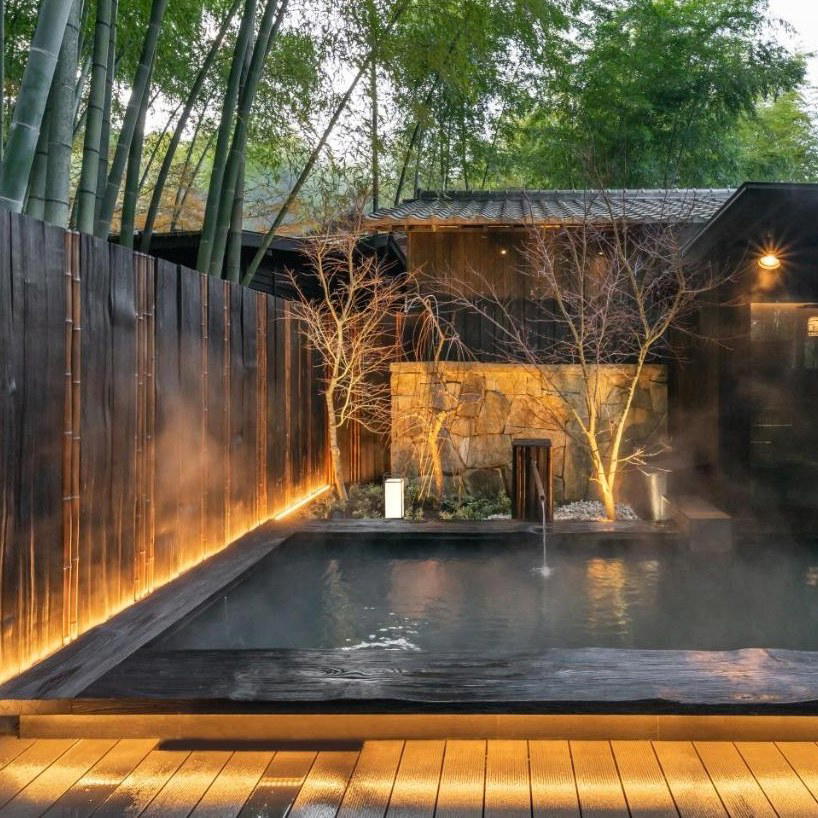
Rustic yet refined interiors with black beams, tatami mats, and huge windows overlooking serene bamboo groves and gardens, creating a deeply private and tranquil atmosphere.